

⚠️ SAFETY WARNING: Exercise increased caution. Infrastructure in Liberia is recovering but remains limited. Medical facilities are scarce and often below international standards, so comprehensive travel insurance with evacuation coverage is essential. Petty crime and theft can occur in urban areas like Monrovia; families should avoid walking at night, use trusted transportation, and stay vigilant in crowded markets. Always check the latest government travel advice before booking.
For the intrepid family willing to venture off the tourist trail, Liberia offers a profound education in nature and resilience. Known as the "Pepper Coast" for its history in the spice trade, this West African nation is defined by its golden Atlantic beaches and the dense, emerald expanse of the Upper Guinean Forest. It is not a destination for resort-style relaxation, but rather a classroom of the world where teenagers and older children can witness a country vibrant with life and culture.
The highlight for most visiting families is the Libassa Wildlife Sanctuary near Monrovia. This eco-tourism success story allows children to see Liberia's unique biodiversity up close in a safe environment. You can walk the nature trails to spot rescued monkeys and the shy, scale-covered pangolins being rehabilitated for the wild. After the educational tour, families can cool off in the sanctuary's lazy river or swimming pools, making it a perfect blend of conservation and recreation.
Head northwest to Robertsport to experience Liberia's legendary coast. This sleepy fishing village is famous for its peeling left-hand surf breaks. While the waves are often best for experienced surfers, the expansive beaches offer plenty of space for sandcastles and walks past the crumbling, atmospheric remains of 19th-century colonial mansions. Nearby, Lake Piso provides a calmer setting for boat trips where you might spot local fishing crews hauling in their daily catch.
Cultural curiosity is rewarded in the capital, Monrovia. A visit to the National Museum of Liberia offers context on the country's founding by freed slaves from the United States, a history that creates a unique cultural bond for American visitors. For a taste of local life, ride a vivid yellow "keh-keh" (auto-rickshaw) through the streets, but stick to daylight hours. Liberian cuisine is hearty and spicy; adventurous eaters should try Jollof rice or fufu, but be sure to ask for "non-spicy" versions for sensitive palates, as the local pepper is fiery.
Practical Tips for Families: The best time to visit is during the dry season (December to April), as unpaved roads become impassable mud tracks during the monsoon. Malaria prophylaxis is non-negotiable for all family members. The economy is heavily cash-based (USD is widely accepted alongside Liberian Dollars), and credit cards are rarely useful outside top hotels. Pack patience and a sense of humor; travel here is slow, but the genuine warmth of the Liberian people makes the journey unforgett
Explore Regions
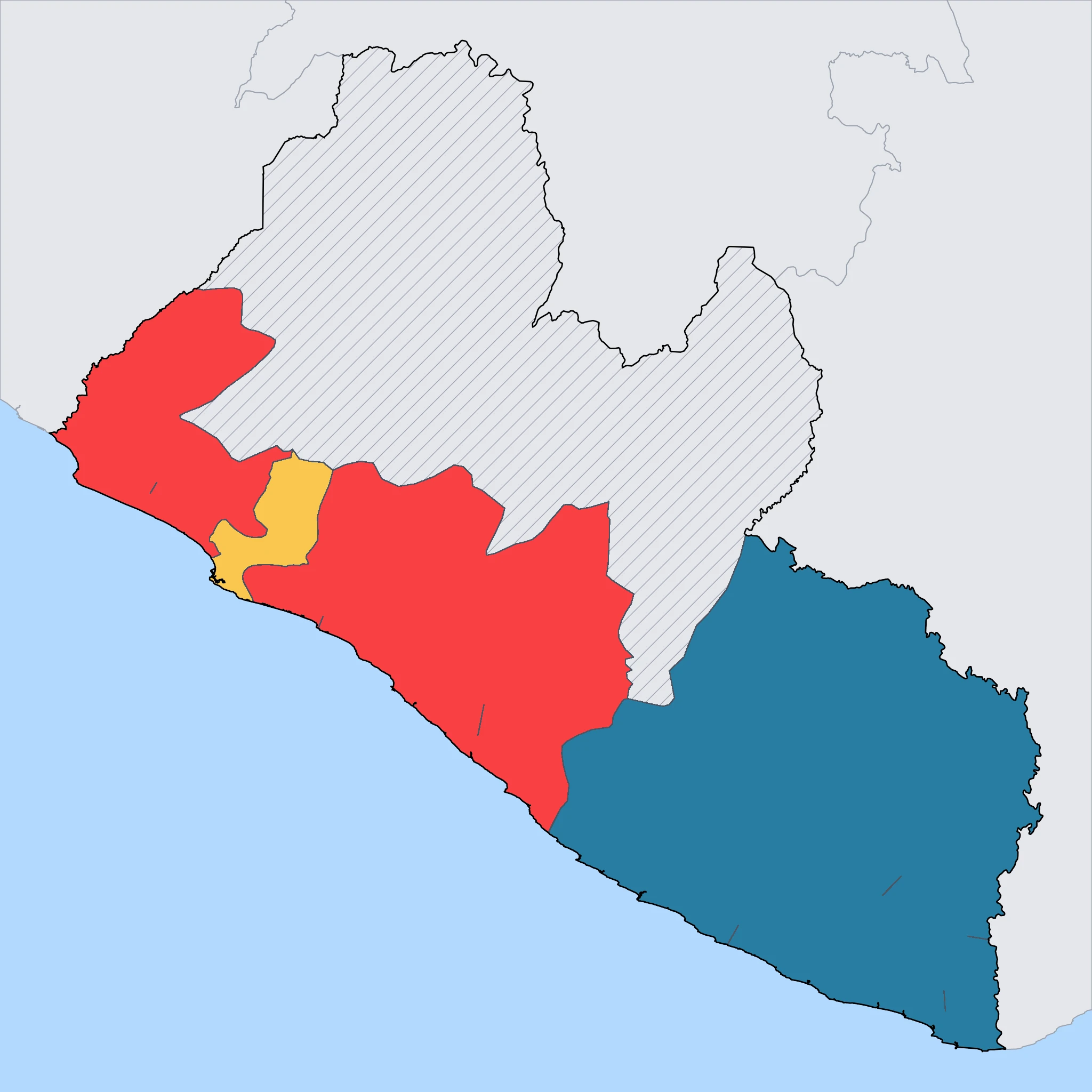
3 Regions
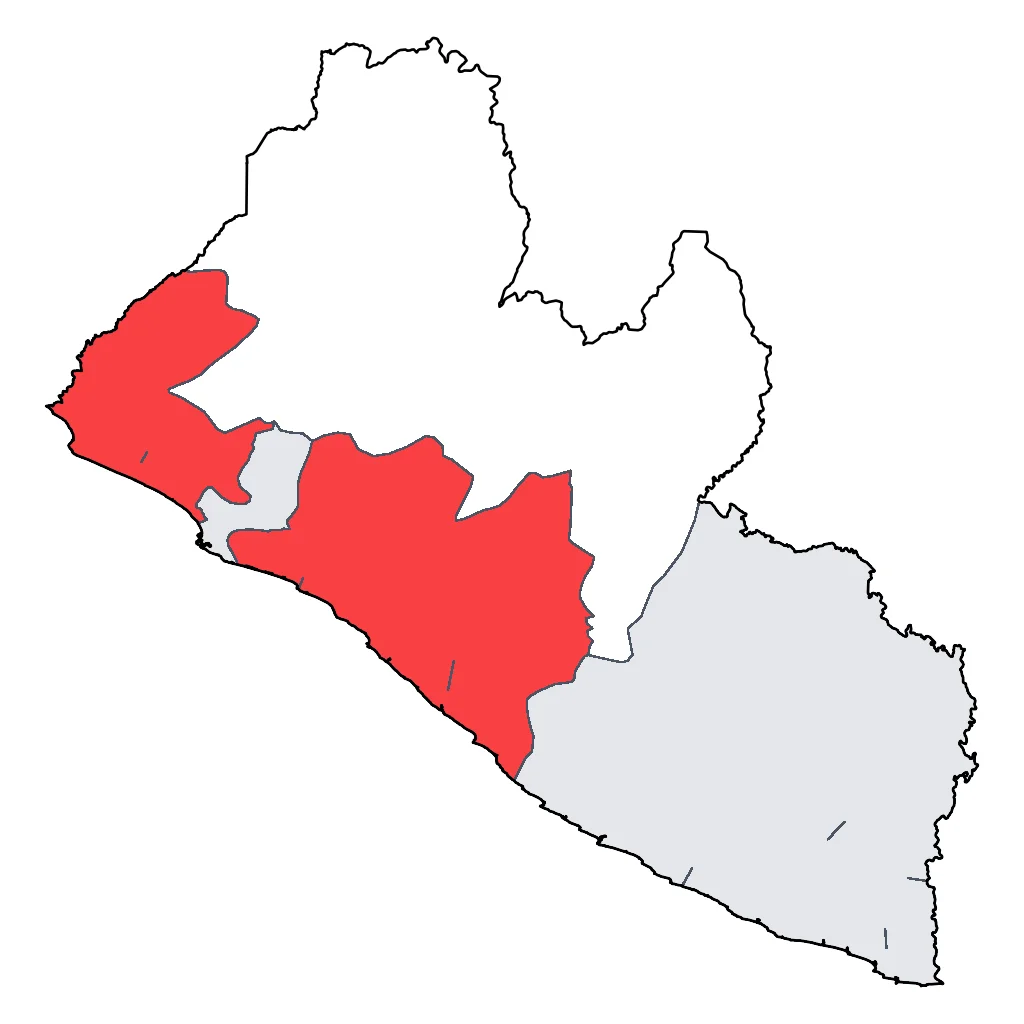
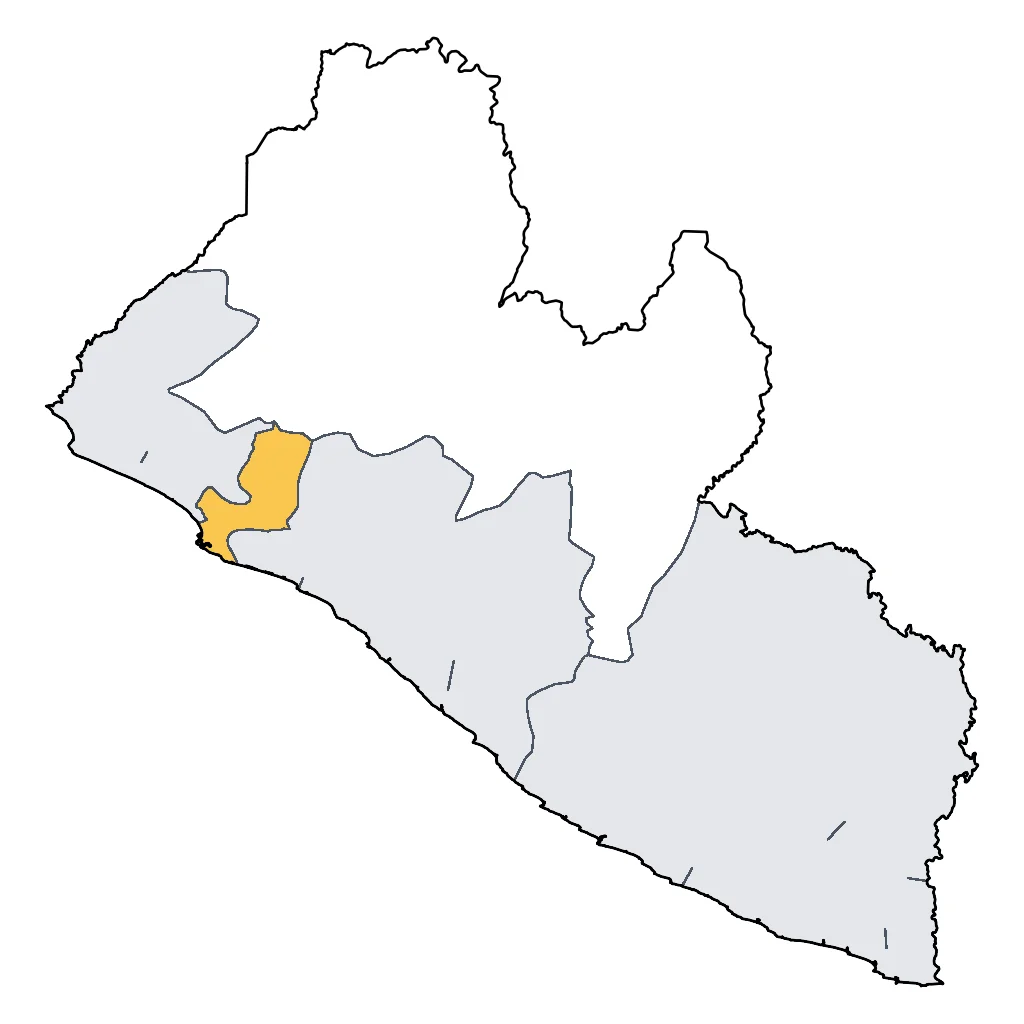
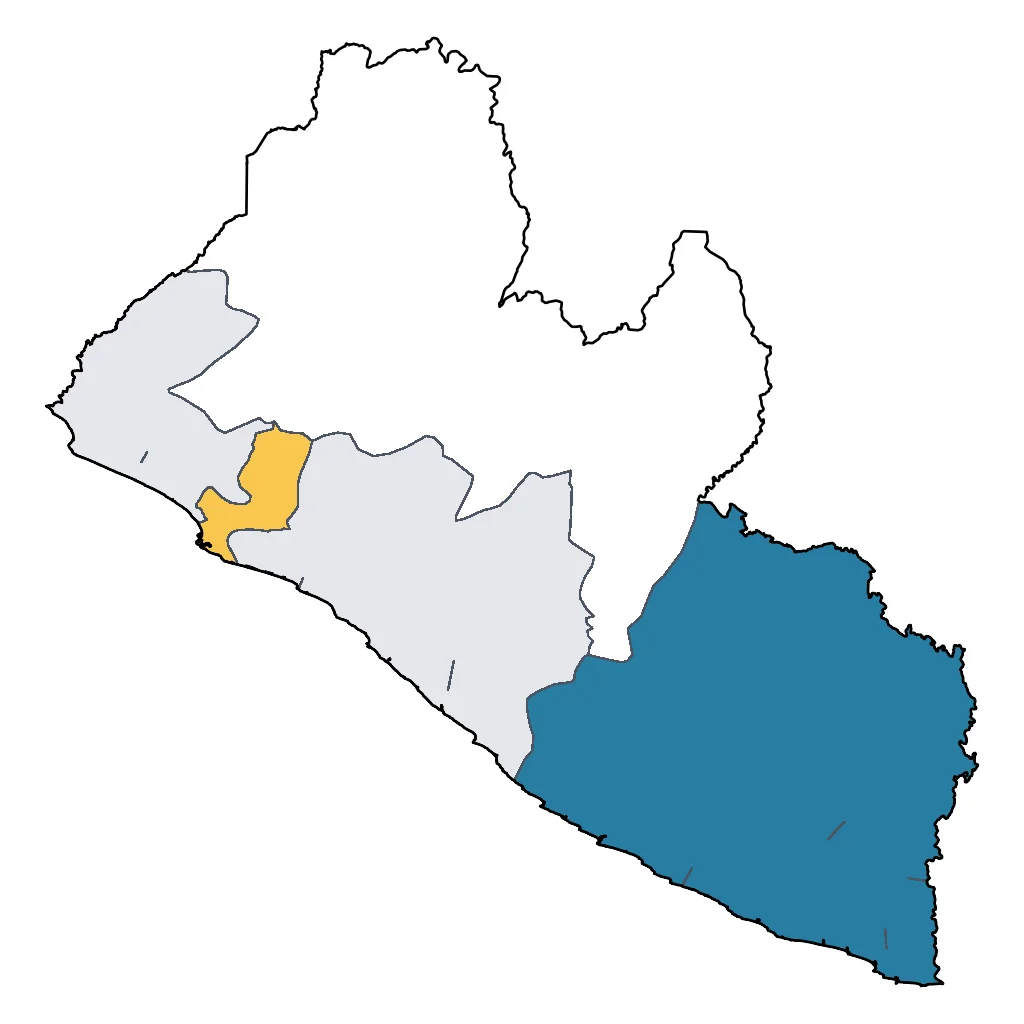
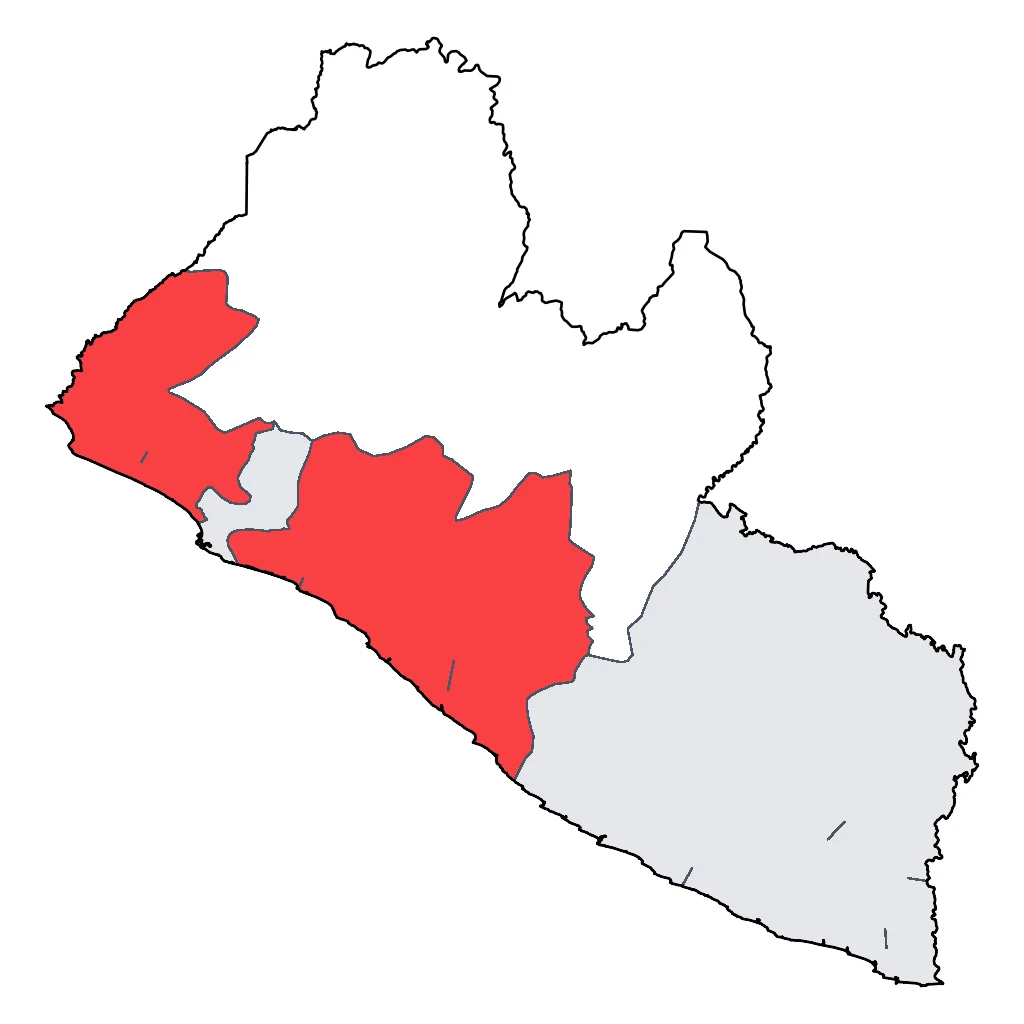
Click on a region marker to explore details. Use the dropdown to color regions by activity suitability.

Activities & Best Times

Adventure & Nature
Very GoodHiking, wildlife, outdoor exploration, ecotourism
Sapo National Park is a global biodiversity hotspot featuring one of West Africa's last primary rainforests and rare species like the pygmy hippo. The dry months of December and January are peak for trail navigability, while the extreme monsoon rains (May-Oct) make the park's rugged terrain nearly impassable.
The coastal ecosystems, including the lagoons of Grand Bassa and surrounding mangroves, provide unique birdwatching and exploration opportunities for adventurous families. Travel is best during the dry season when trails are accessible; heavy rains from May to October cause significant flooding and impede wilderness access.
The Mesurado Wetlands and nearby tropical landscapes offer raw, uncommercialized nature experiences including birdwatching and eco-exploration. High rainfall during the monsoon months (exceeding 400mm) makes trails impassable and outdoor exploration hazardous for families.
Beach & Sea
GoodBeach resorts, marine activities: diving, snorkelling, kite surfing, wind surfing, sailing
Untouched golden beaches and tranquil lagoons offer a raw, pristine beauty that appeals to travelers seeking an authentic alternative to commercialized resorts. Dry conditions in December and January provide peak sea visibility and sun, while extreme precipitation from April onwards makes beach activities unsuitable.
The southeastern coastline is wild and beautiful but completely lacks tourism infrastructure, beach access, accommodation, and safety provisions. No organized beach tourism exists. 'Marginal' accurately reflects that beaches exist but are not practically accessible for holiday purposes.
Nearby beaches like Silver Beach provide a rugged, authentic Atlantic coastline, though they lack the world-class resort infrastructure found in global benchmarks like the Maldives. The ocean is only suitable during the dry months, as the heavy monsoon season creates dangerous currents and zero visibility.

City & Cultural
GoodUrban tourism, museums, historical sites, architecture
Monrovia offers authentic cultural experiences but post-civil war cultural infrastructure remains severely limited. No major museums, galleries, or organized cultural programs at a level justifying 'very_good'. Compare to Accra, Dakar, or Lagos which have far more developed cultural scenes and would themselves be 'good' to 'very_good'.
The city of Harper is a fascinating, if dilapidated, time capsule of antebellum-style architecture that appeals to discerning travelers seeking raw, uncommercialized history. Its rating is conservative due to a lack of international-standard museums and the extreme logistical difficulty of visiting outside the dry season.
Monrovia and historic Robertsport offer a unique window into the history of Americo-Liberian settlers and West African heritage. While authentic, it lacks the world-class museum infrastructure and accessibility found in higher-rated cultural hubs, with the heavy rainy season further limiting urban exploration.

Educational & Exploratory
GoodLearning experiences, scientific sites, historical education
The region provides deep educational value regarding rainforest conservation and the unique 19th-century Americo-Liberian history in Harper. Dry and shoulder months are essential for travel, as the regional road network often fails during the heavy rain months, cutting off access to research and historical sites.
Providence Island and the National Museum provide significant insights into the founding of Liberia and the history of repatriated settlers. While intellectually stimulating for sophisticated travelers, accessibility to outdoor historical sites is severely hampered by the extreme rainfall from April to October.
Providence Island and the coastal settlements offer deep historical education regarding 19th-century migration and the foundation of the republic. The lack of interactive, world-class educational facilities restricts its appeal to highly specialized or adventurous families, especially during the extreme wet months.

Sports & Active
GoodSport tourism, fitness activities, active recreation

Relaxation & Wellness
MarginalSpa retreats, wellness centers, peaceful getaways
Airports & Flight Routes
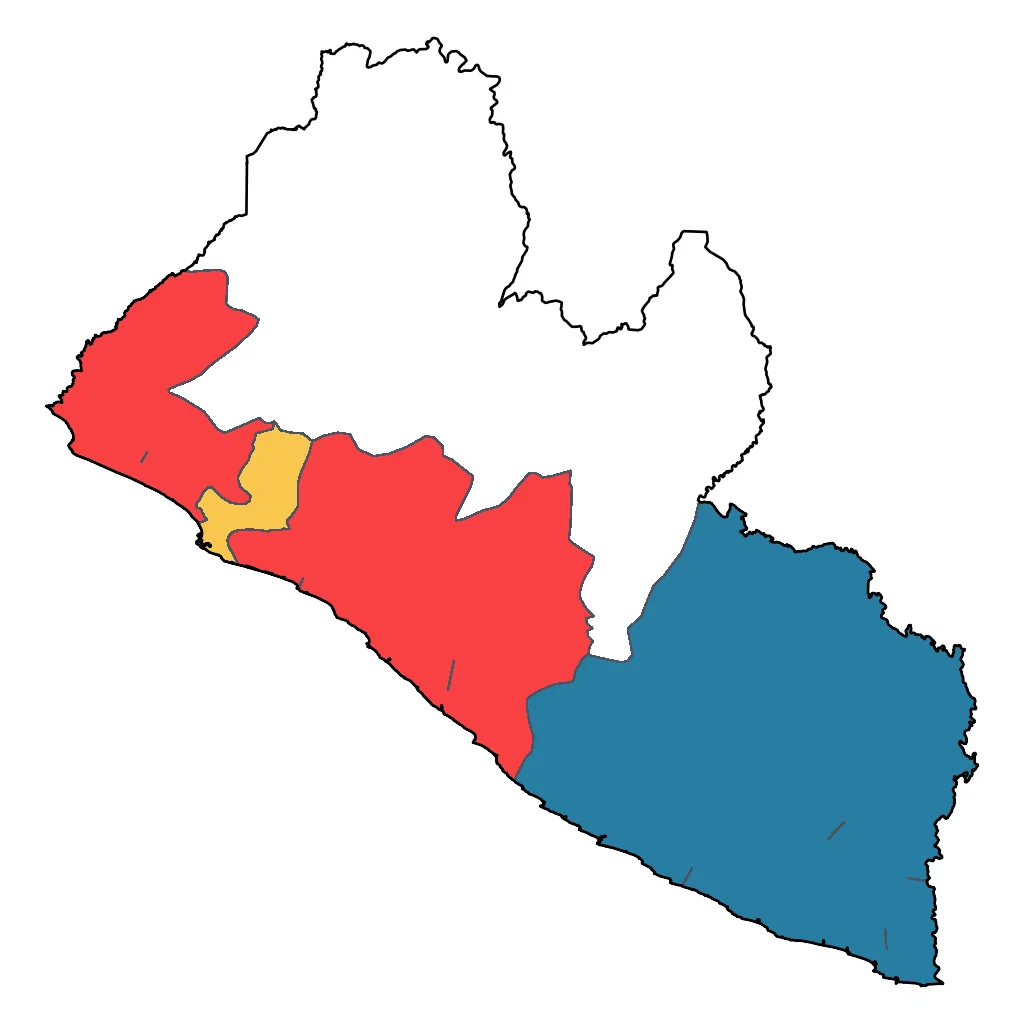
Toggle options to view domestic routes and international airports. Click an airport for details.
Climate & Weather
Coast
Show Details
| Month | Temp °C | Rain | Humidity |
|---|
Monrovia
Show Details
| Month | Temp °C | Rain | Humidity |
|---|
Sapo NP & Southeast
Show Details
| Month | Temp °C | Rain | Humidity |
|---|

Travel Advisory
Increased vigilance is required due to prevalent crime and potential for sudden civil unrest; travellers should monitor local conditions closely.
Safety Topics
Traveller Advice (3 groups)

Same-sex relationships are illegal in Liberia and can lead to prosecution. Public displays of affection are culturally sensitive and may attract negative attention or harassment.

There is a reported high incidence of sexual assault and harassment. Female travellers should avoid walking alone, especially at night or in isolated areas like beaches.

Strict restrictions apply to photographing government and military infrastructure. Media professionals should ensure they have proper accreditation and avoid sensitive zones.