
Riga serves as the perfect entry point for families visiting Latvia, offering a compact city centre where history is accessible and engaging. The Old Town (Vecrīga) is a maze of cobblestone streets free from heavy traffic, allowing children to explore safely. Families can climb the tower of St. Peter’s Church for a bird’s-eye view of the red rooftops or hunt for the sculptures of the Town Musicians of Bremen—rubbing the donkey’s nose is said to bring good luck. The Central Market, housed in massive former Zeppelin hangars, provides a sensory experience where kids can taste local pickles, smoked fish, and fresh pastries.
Just outside the historic centre, the Art Nouveau district might seem grown-up, but looking for the faces, dragons, and sphinxes on the building facades can easily become a game of "I spy." For a break from walking, hop on a canal boat tour that loops around the Old Town fortifications and into the Daugava River, offering a relaxing perspective of the city.
For a full day of activity, head to Mežaparks (Forest Park). This affluent, leafy neighborhood is home to the Riga Zoo, which is compact enough to walk in a few hours but diverse enough to see giraffes, hippos, and tropical insects. The park itself has endless paved paths for cycling or rollerblading, and massive adventure playgrounds. Nearby, the LIDO Recreation Centre on Krasta Street is a local institution—a massive log-cabin restaurant serving buffet-style Latvian food with an attached amusement park featuring rides and games for small children.
Rainy days are well-catered for with excellent museums. The Riga Motor Museum is a standout, featuring beautifully displayed vintage cars and interactive exhibits that explain how engines work. The Latvian National Museum of Natural History offers hands-on geology and biology displays. Public transport in Riga is affordable and stroller-friendly on the newer trams and buses, making it easy to navigate between the city centre and the greener suburbs across the river.
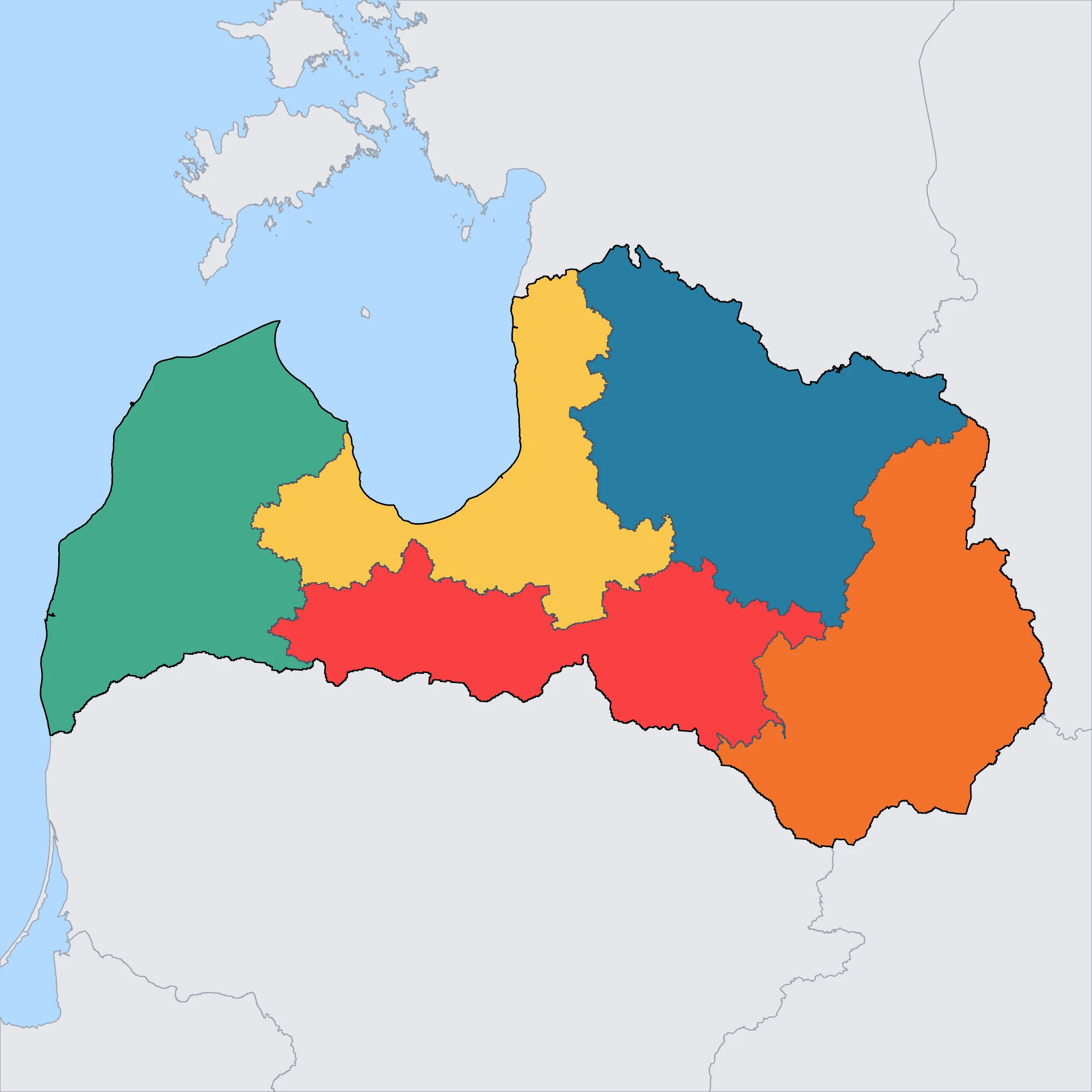
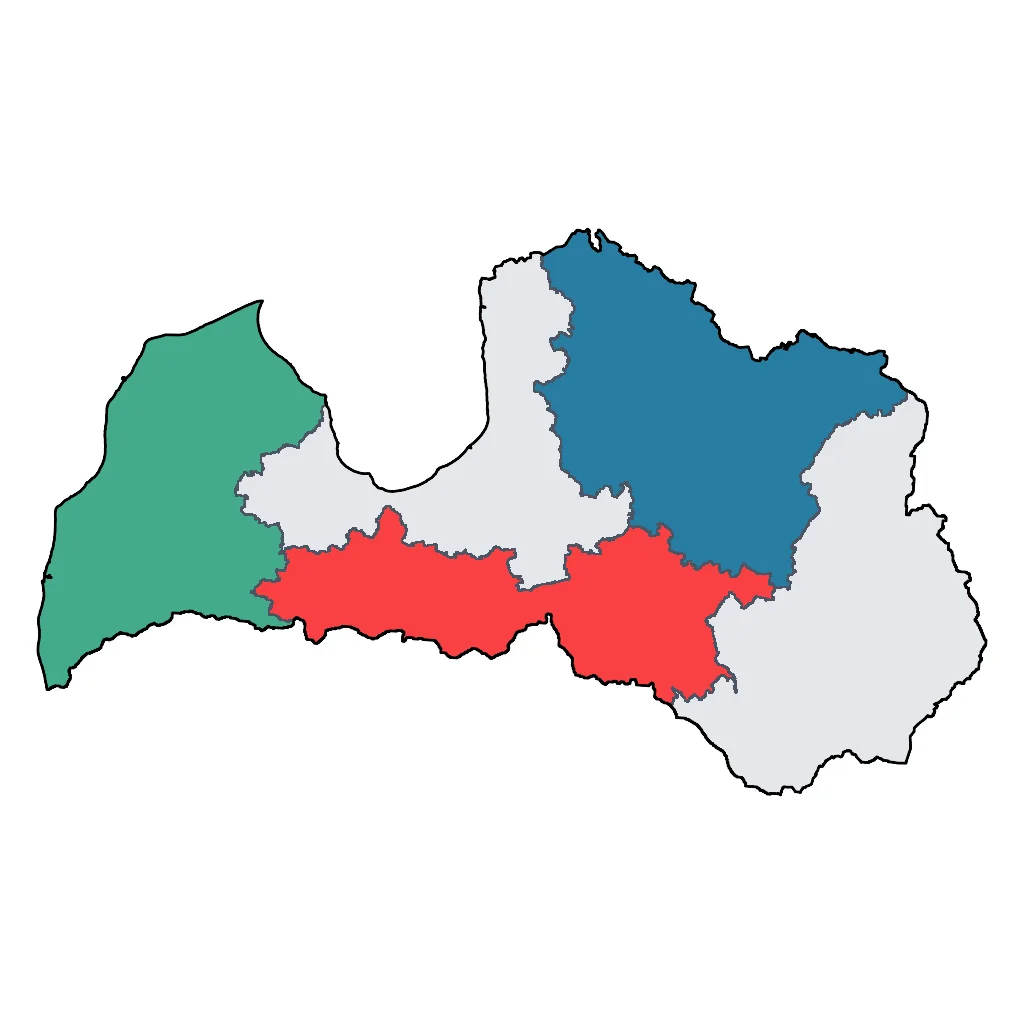
Click a region to explore

Activities & Best Times

Urban tourism, museums, historical sites, architecture
Riga boasts the world's highest concentration of Art Nouveau architecture and a UNESCO-listed medieval center, offering a world-class urban experience for discerning travelers. Peak months provide mild weather (12-18°C avg) ideal for architectural walks, while December offers highly authentic, sophisticated Christmas markets; mid-winter is often too grey and damp for comfortable exploration.

Learning experiences, scientific sites, historical education
Deep historical narratives, from medieval Hanseatic roots to the poignant Museum of the Occupation, offer profound learning opportunities for families. Weather is most conducive to visiting historical sites and open-air museums from late spring to early autumn; winter months see limited outdoor programming and cold conditions.

Events, celebrations, seasonal attractions
Riga hosts the iconic Midsummer (Jāņi) festival in June and very high-quality, authentic Christmas markets in December. These peak periods offer unique cultural immersion not found elsewhere; summer months provide secondary arts festivals, while other months lack significant internationally-relevant celebrations.
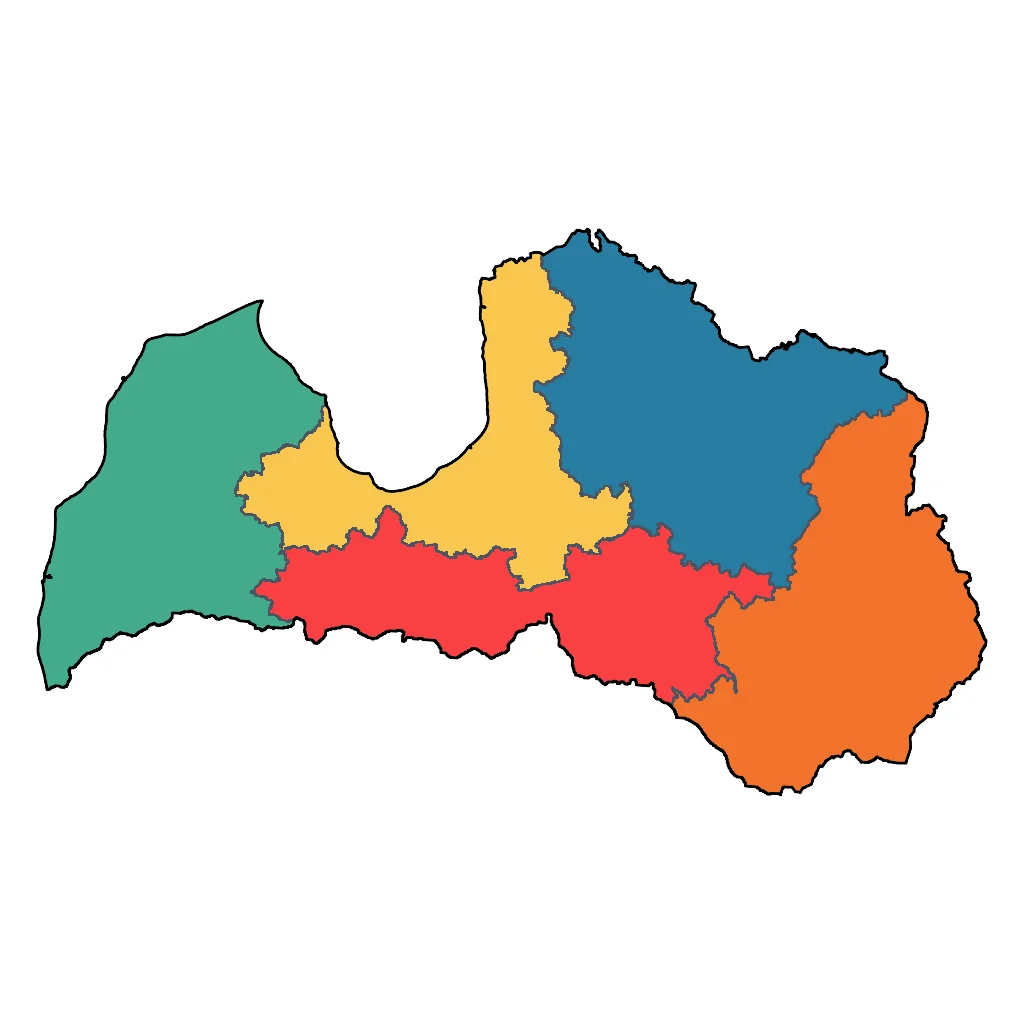

Spa retreats, wellness centers, peaceful getaways
Notes cite 'neighboring Jurmala' spa culture, but Jurmala is a separate classified region. Riga itself has urban spas but not a 'very_good' wellness destination by its own merits.
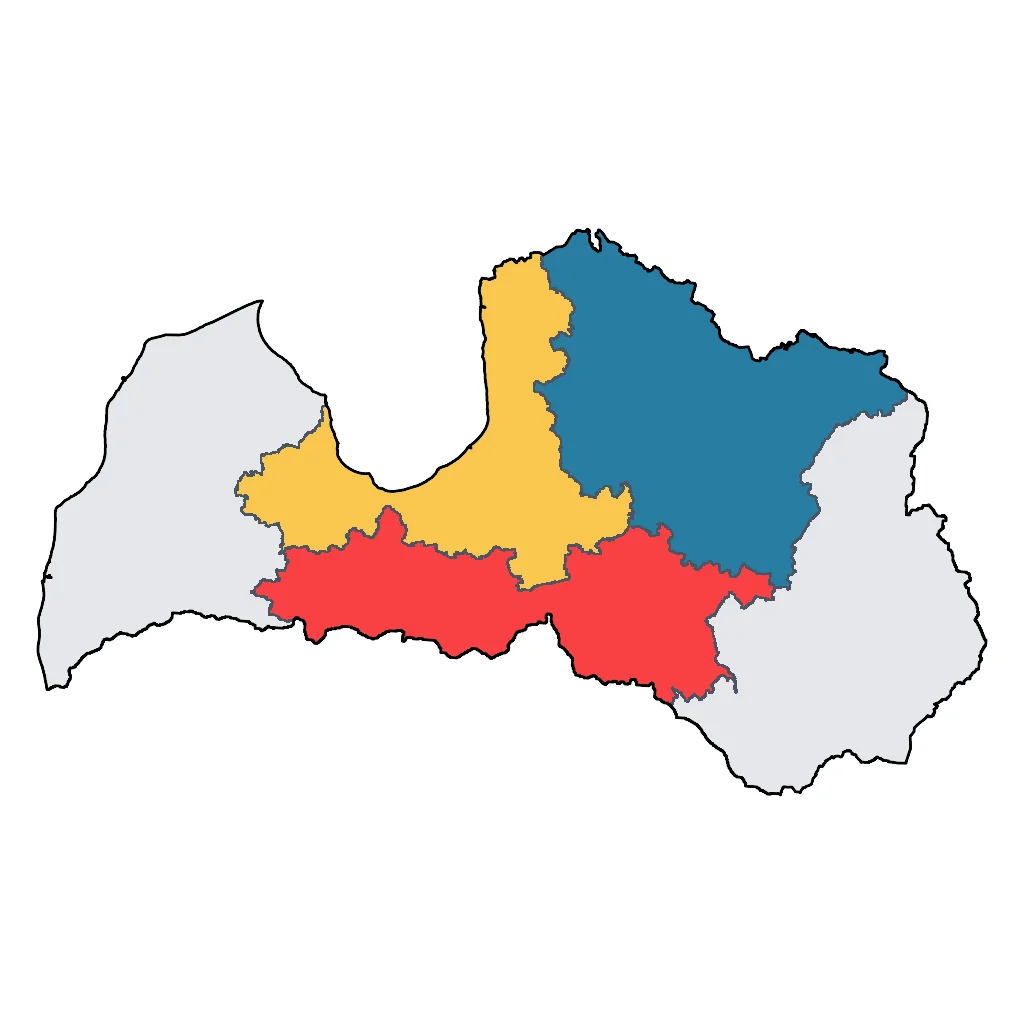

Scenic drives, countryside tours, route-based travel
Well-maintained roads lead to sophisticated sites like Rundale Palace, though the landscape is relatively flat compared to global benchmarks. Summer and early autumn provide lush scenery and peak visibility; winter road trips are discouraged due to short daylight hours, frequent sleet, and icy conditions.
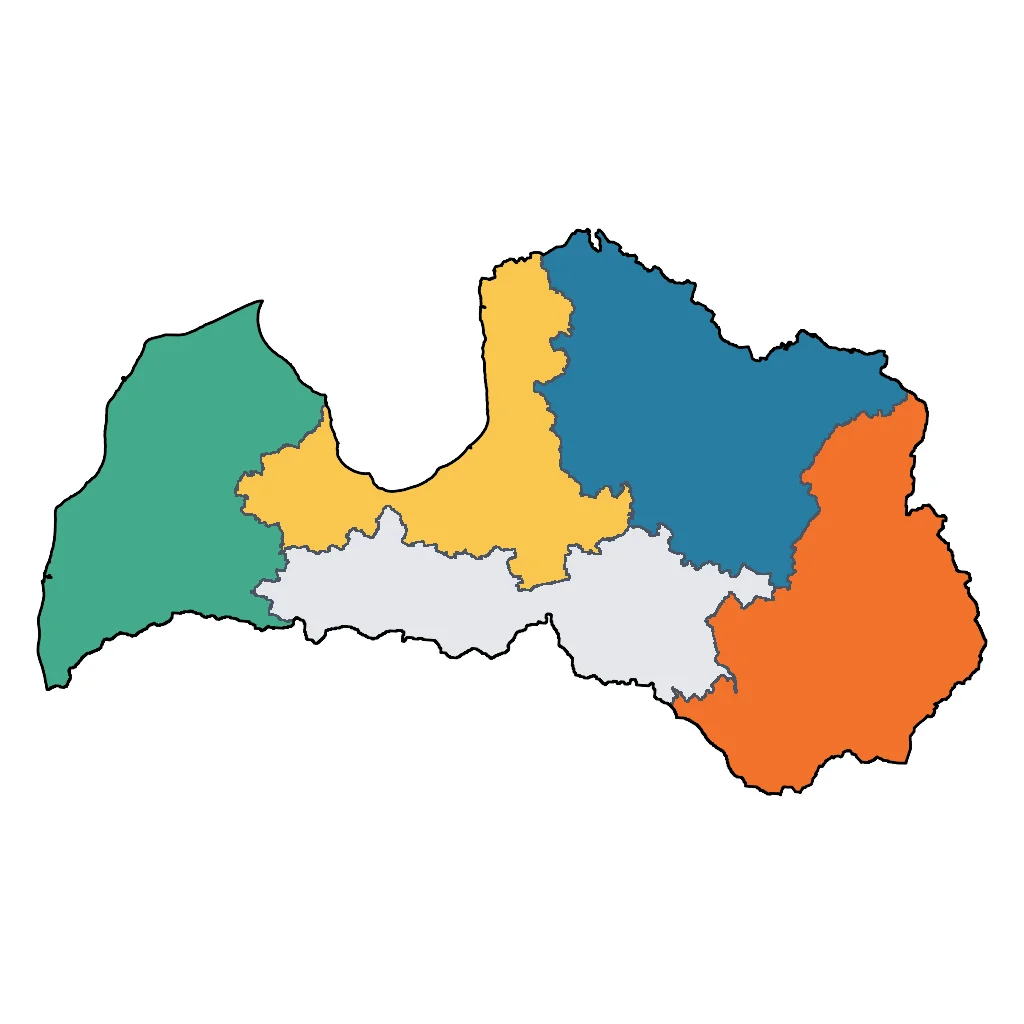

Sport tourism, fitness activities, active recreation
The region offers quality sailing on the Gulf of Riga and extensive cycling through coastal pine forests. Optimal conditions occur during the mild summer when facilities are fully operational; shoulder months are viable for active travelers but require weather-appropriate gear for the frequent Baltic rain.
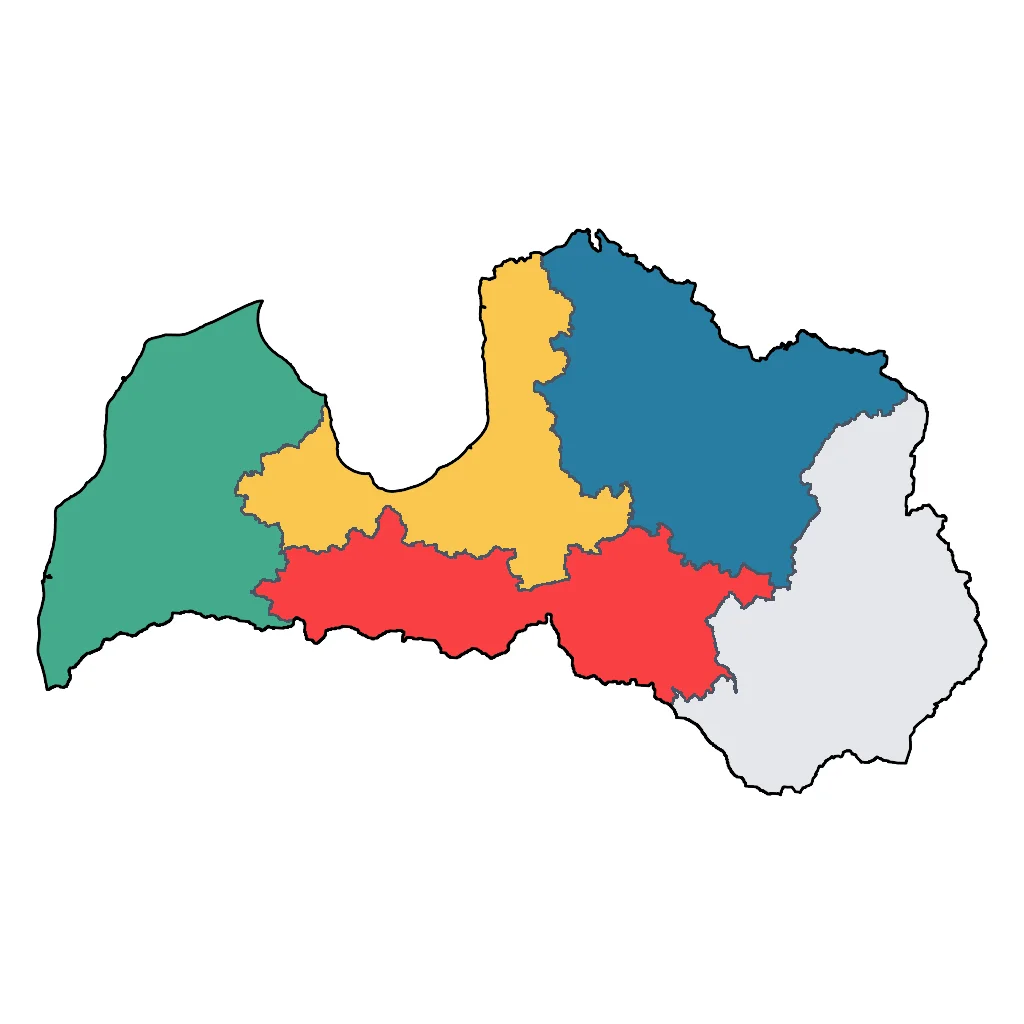

Hiking, wildlife, outdoor exploration, ecotourism
Notes cite Kemeri bog (in Jurmala region) and Gauja National Park (in Sigulda region). Riga itself is an urban area without significant nature offerings. Cross-referencing other regions' assets is a classification error.

Beach resorts, marine activities: diving, snorkelling, kite surfing, wind surfing, sailing
Notes cite 'nearby Jurmala' beaches, but Jurmala is a separate classified region. Riga itself is not a beach destination. Cross-attributing a neighboring region's primary asset inflates the rating.