

⚠️ SAFETY WARNING: Due to ongoing armed conflict, high risks of kidnapping, and the threat of terrorism, government agencies (including CA, USA, UK, AU, IE, and NZ) currently advise travelers to avoid all travel to Libya. The security environment is extremely volatile with frequent clashes between militias, and foreign consular support is severely limited or non-existent. Families are strongly urged to consult their own government's official travel advisory before considering any trip, as the risks to personal safety are critical.
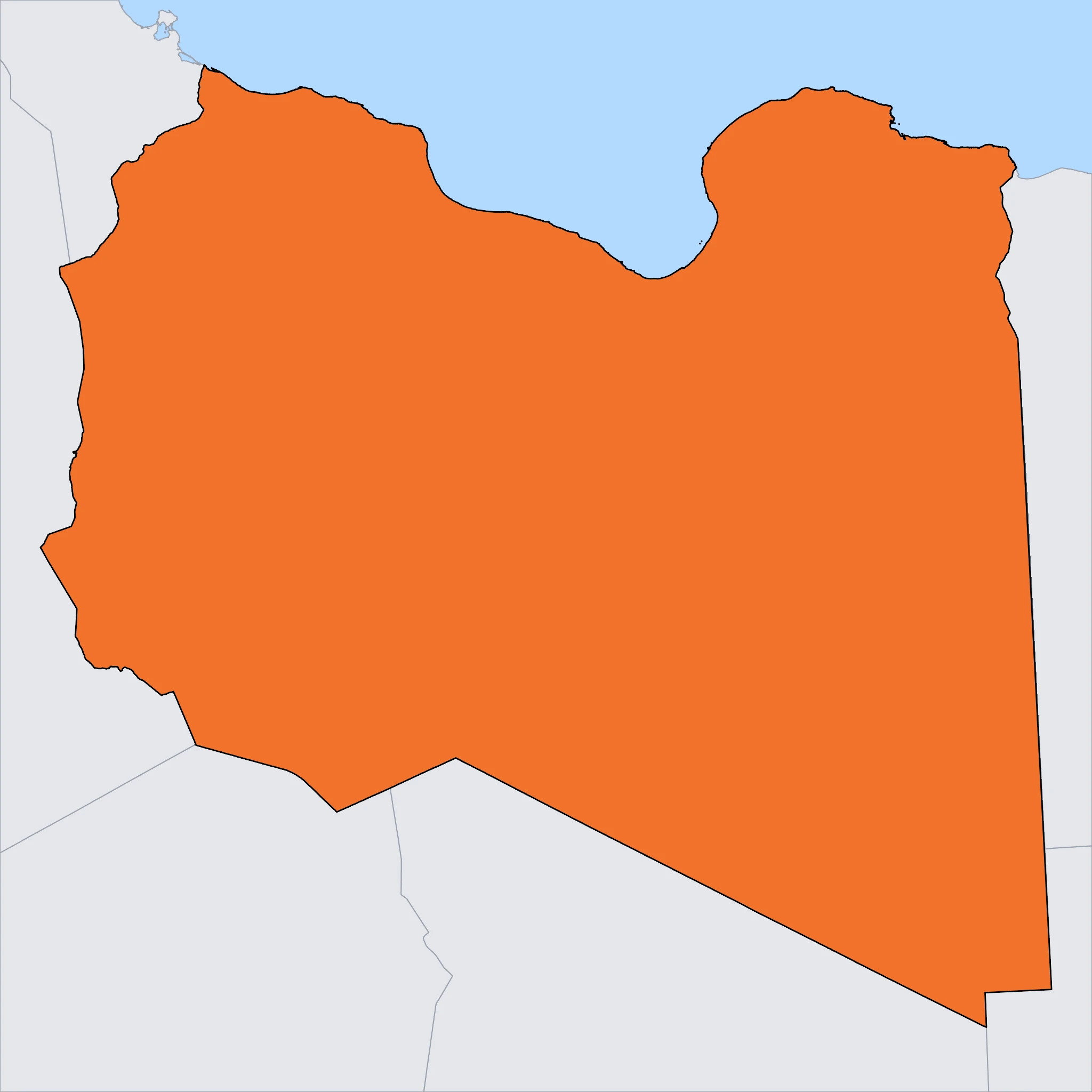
Geographically, Libya is a vast nation in North Africa, boasting the longest Mediterranean coastline on the continent. The country is defined by two distinct environments: the temperate, populated coastal strip and the immense, arid expanse of the Sahara Desert to the south. While the climate along the coast offers mild winters and hot summers, the interior is dominated by extreme desert conditions. For families with an interest in history, the country holds a treasure trove of ancient heritage that rivals any in the region.
The country's most significant cultural assets are its archaeological sites. Leptis Magna, located east of Tripoli, is often cited as one of the best-preserved Roman cities in the world. Its massive amphitheater, triumphal arches, and intricate mosaics provide a tangible history lesson on the scale of the Roman Empire. To the west, the ruins of Sabratha feature a stunning three-story theater that stands directly against the backdrop of the sea. These sites have historically served as open-air museums where children could walk the same stone streets as ancient citizens.
Deep in the interior, the oasis city of Ghadames offers a different perspective on Libyan life. Known as the "Pearl of the Desert," this UNESCO World Heritage site is famous for its unique architecture of covered white walkways, designed to keep the intense heat at bay-a fascinating example of climate-adapted engineering. Far further south, the Acacus Mountains feature prehistoric rock art dating back thousands of years, depicting giraffes and elephants in what is now dry desert.
Libyan culture is deeply rooted in Arab and Berber traditions, with a strong emphasis on hospitality and family values. Tea drinking is a central social ritual. However, practical travel logistics are currently extremely challenging. The medical system faces severe shortages, road travel is hazardous due to checkpoints, and international banking cards are rarely accepted. The society is socially conservative; alcohol is banned, and modest dress is strictly expected in all public areas.
Map

Activities & Best Times

Adventure & Nature
Very GoodHiking, wildlife, outdoor exploration, ecotourism
The Saharan and mountain landscapes are spectacular, but 'excellent' adventure destinations (Nepal, New Zealand, Namibia) offer established infrastructure, safety frameworks, and guide services. Libya's adventure potential is constrained by security conditions and lack of tourism infrastructure.

City & Cultural
Very GoodUrban tourism, museums, historical sites, architecture
While Libya possesses world-class archaeological assets (Leptis Magna, Sabratha, Cyrene - 5 UNESCO sites), the practical tourism experience lacks the infrastructure, accessibility, and ecosystem (museums, guided tours, hospitality) that 'excellent' city/cultural destinations offer. The raw heritage is outstanding but the visitor experience cannot be rated alongside Rome, Istanbul, or Cairo.

Educational & Exploratory
Very GoodLearning experiences, scientific sites, historical education
Outstanding archaeological and historical layers (Phoenician through Islamic), but 'excellent' educational destinations provide interpretive centers, professional guides, and scholarly infrastructure that Libya currently lacks. The raw assets are world-class; the educational tourism experience is not yet at that level.

Road Trips & Scenic
Very GoodScenic drives, countryside tours, route-based travel
Iconic 4x4 Saharan routes offer sophisticated travelers a sense of true discovery through dramatic landscapes and the historic town of Ghadames. These routes are best navigated during the cool winter season; the intense heat and dust of the summer months make long-distance desert travel unsuitable.
Beach & Sea
MarginalBeach resorts, marine activities: diving, snorkelling, kite surfing, wind surfing, sailing
The Mediterranean coastline features pristine, uncrowded waters, though it lacks the world-class resort infrastructure expected by discerning international families. Swimming is best during the hot summer months (Jun-Sep), but the destination is primarily sought for its history rather than its beach facilities.
Airports & Flight Routes
Toggle options to view domestic routes and international airports. Click an airport for details.

Climate & Weather
Climate Overview
| Month | Temp (°C) | Rain (mm) | Humidity | Wind (m/s) |
|---|

Travel Advisory
Extreme risk; travel is strongly discouraged or prohibited due to life-threatening conditions.
Safety Topics
Traveller Advice (4 groups)

Aid and development staff are often targeted for kidnapping and are at high risk in conflict zones where law and order have collapsed.

Media workers face a high risk of targeted violence, detention, and kidnapping by rival armed groups or government authorities.

Female visitors should adopt conservative clothing and remain alert to the risk of harassment or physical violence in public settings.

Same-sex relationships and public displays of affection can lead to arrest or social backlash. Discretion is essential due to extreme legal and social intolerance.