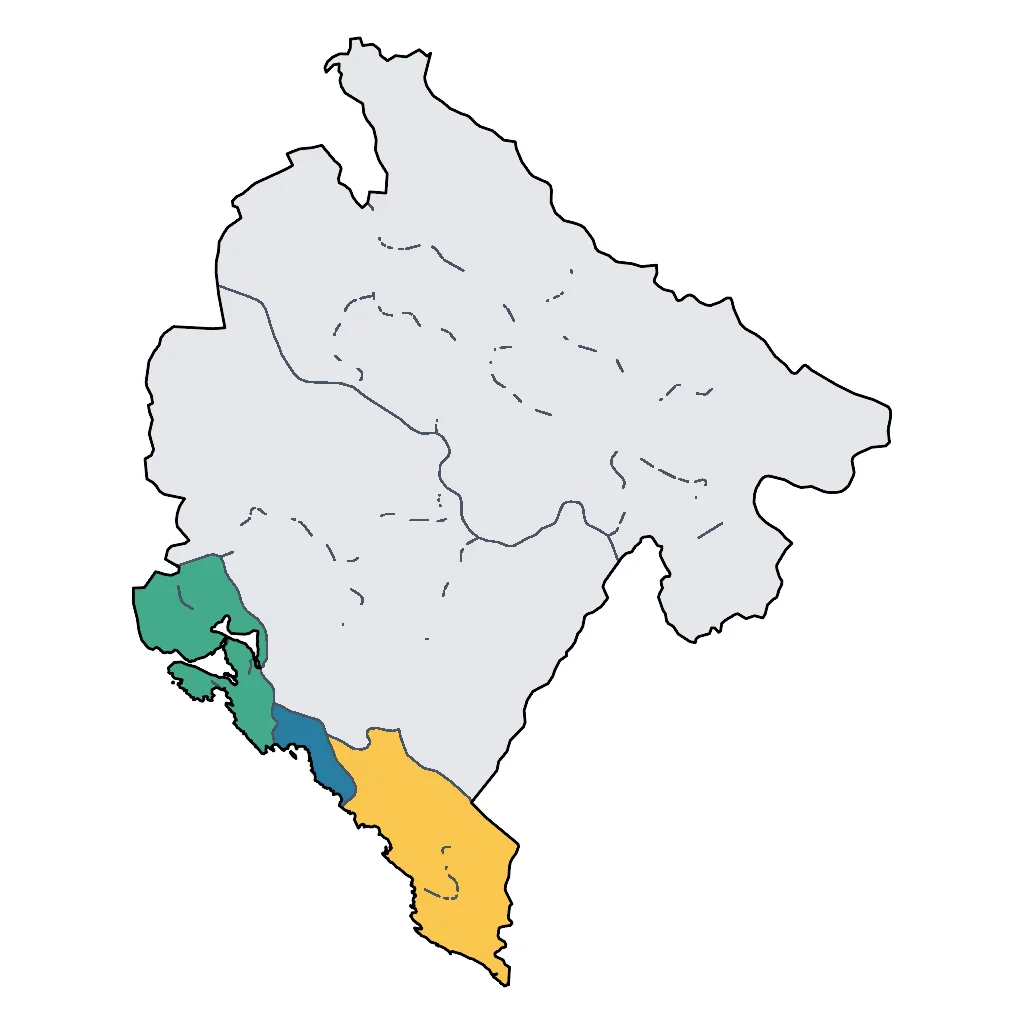
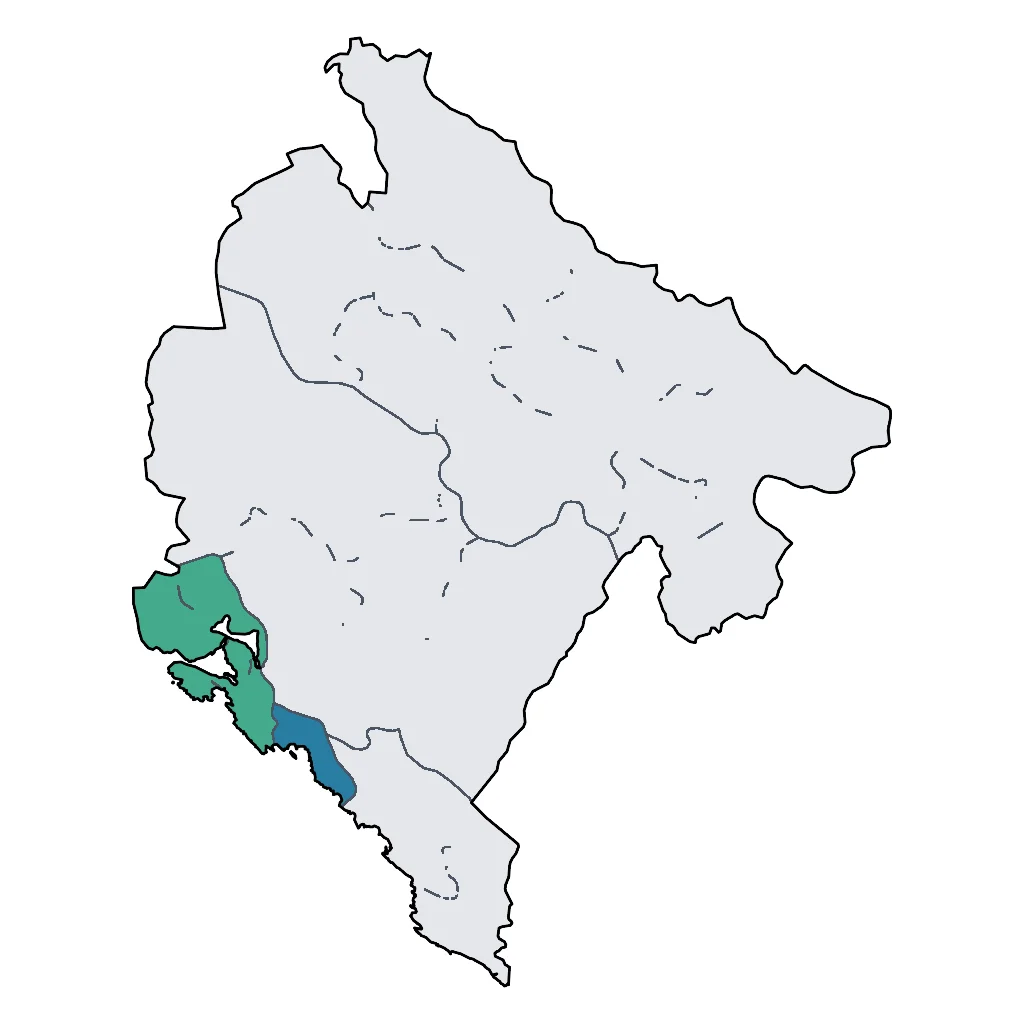
Bay of Kotor (Kotor, Perast)
Medieval magic and calm waters for little explorers 🏰🐱
The Bay of Kotor, often described as Europe's southernmost fjord, creates a spectacular setting where precipitous mountains plunge directly into calm, cobalt waters. For families, this region offers a distinct advantage: the sea here is sheltered from open ocean waves, creating lake-like conditions perfect for swimming with toddlers and young children. The climate is typically Mediterranean, though the surrounding peaks can trap heat in mid-summer, making morning or late afternoon explorations of the stone towns most comfortable. A scenic drive around the bay reveals a string of historic settlements, each with a unique character, connected by a road that hugs the water's edge.
The centerpiece of the region is the Old Town of Kotor, a walled maze of cobblestone streets and squares that feels like a living storybook. Children delight in the town's unofficial mascots—hundreds of friendly cats that lounge in the piazzas and even have their own museum. Active families with older kids can tackle the hike up the Ladder of Kotor or the fortifications toward the San Giovanni Fortress for panoramic views, while those with strollers can enjoy the flat, wide promenades of Tivat’s majestic Porto Montenegro marina. Just a short drive away lies the baroque town of Perast, where small boats ferry passengers to the man-made island of Our Lady of the Rocks. The boat trip is short enough to keep diverse attention spans engaged and offers a fascinating peek into local folklore involving sailors and silver votives.
Beyond history, the bay is about relaxed waterside living. Unlike the sandy stretches of the south, beaches here are typically small pebble coves or concrete pontoons (mulo) where you can jump straight into deep, refreshing water. Morinj and Orahovac offer some of the most family-friendly pebbled sections with natural shade. Dining is a highlight, with waterside taverns serving fresh mussels and black risotto while kids watch cruise ships navigate the narrow Verige Strait. Practically, the region is well-connected, though traffic in peak summer can be heavy; staying in smaller villages like Dobrota allows for quieter nights with easy access to the action.
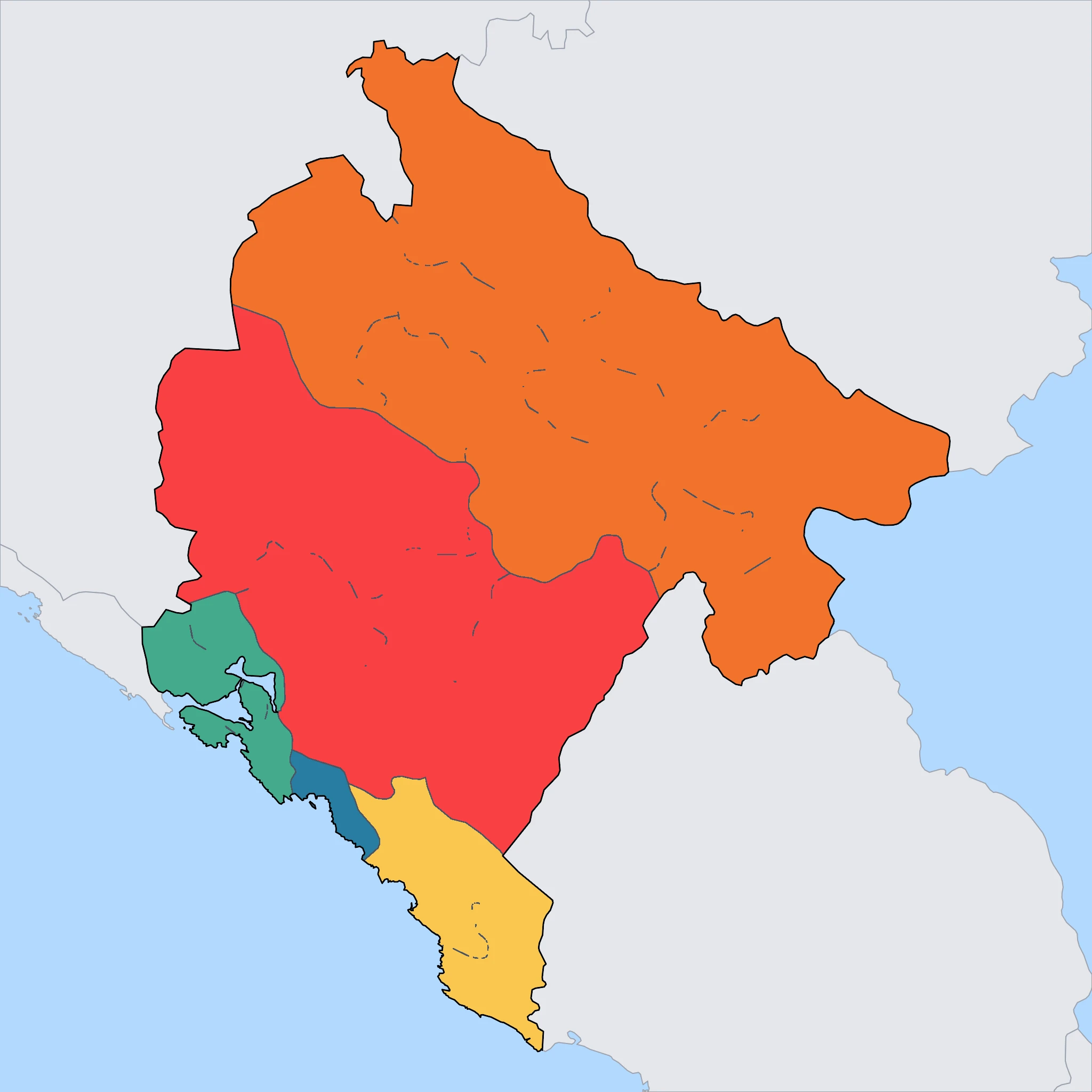
Click a region to explore

Activities & Best Times

Urban tourism, museums, historical sites, architecture
A UNESCO World Heritage site featuring exceptionally preserved Venetian-era architecture and the dramatic medieval fortifications of Kotor. Peak summer offers dry conditions for exploring the steep city walls, while the extreme winter rainfall (exceeding 400mm) makes architectural exploration difficult.

Hiking, wildlife, outdoor exploration, ecotourism
Dramatic limestone karst mountains provide challenging hikes with breathtaking views, such as the Ladder of Kotor. Dry summer weather is essential for navigating these steep, rocky terrains safely; the region is one of Europe's wettest, making mountain trails treacherous in autumn and winter.

Beach resorts, marine activities: diving, snorkelling, kite surfing, wind surfing, sailing
Offers a sophisticated yachting culture and deep-water swimming from elegant stone jetties in a fjord-like setting. Peak months provide warm sea temperatures and the lowest rainfall, though the lack of sandy beaches may lead some to prefer it as a world-class sailing rather than lounging destination.
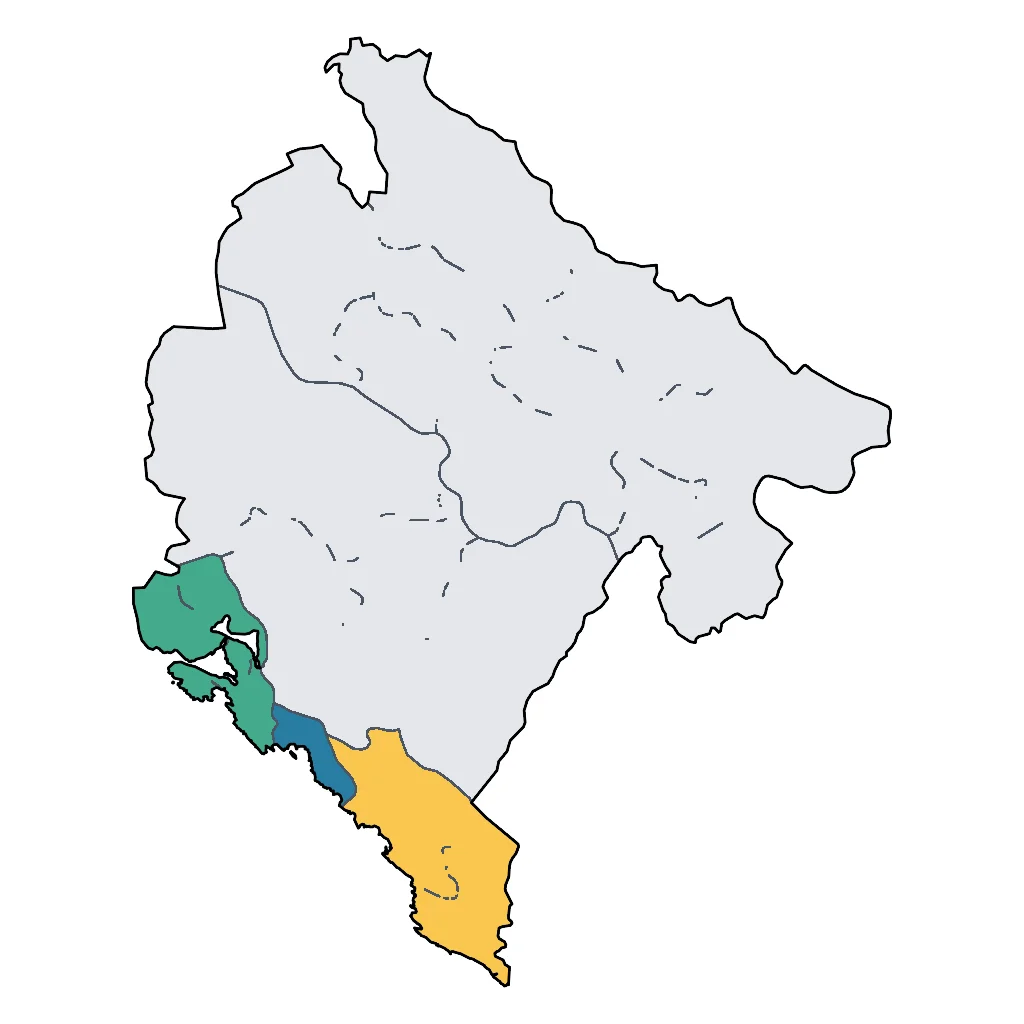

Scenic drives, countryside tours, route-based travel
The drive around the bay's perimeter and the 25-hairpin Serpentine to Lovćen offer world-class scenic vistas. Optimal visibility and road safety are found in the drier summer months, whereas extreme winter downpours create high risks for rockfalls and poor driving conditions.
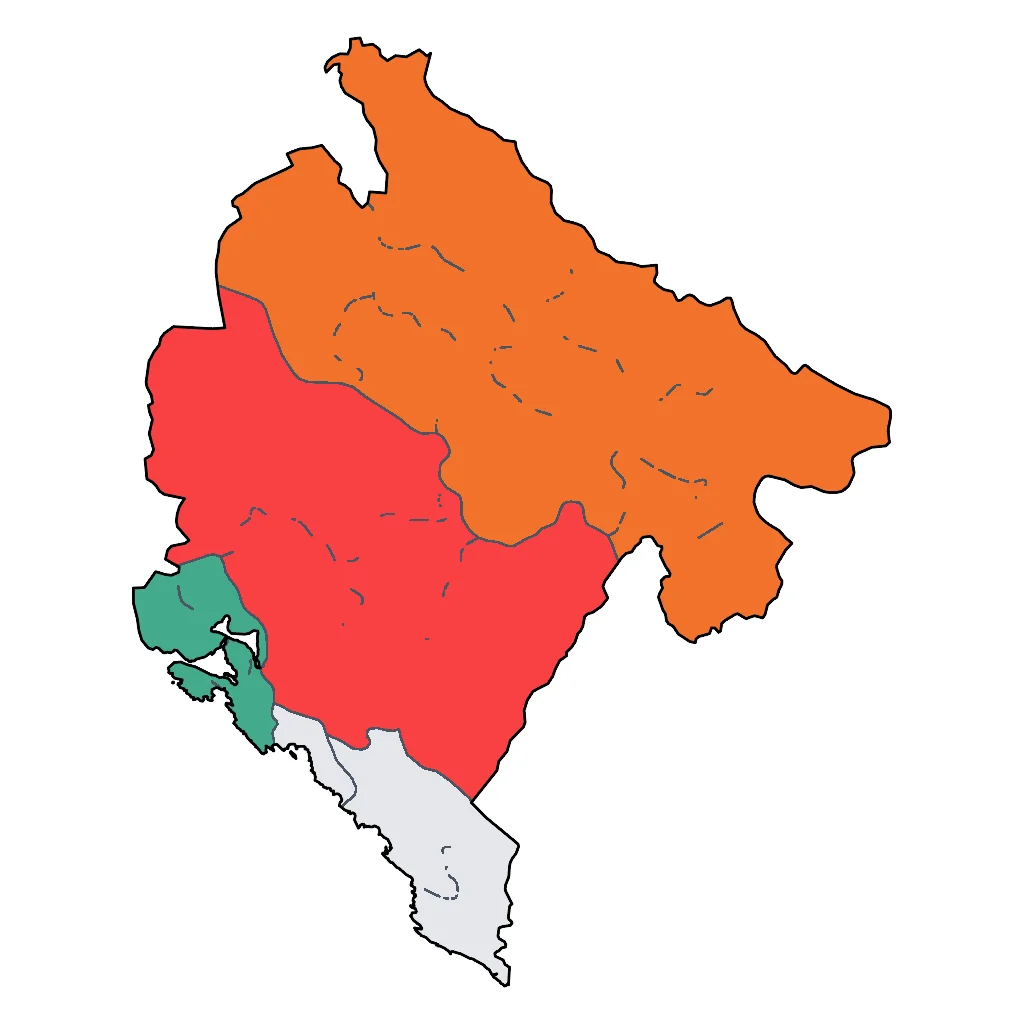

Sport tourism, fitness activities, active recreation
Home to world-class sailing infrastructure and marinas like Porto Montenegro, catering to a sophisticated international yachting crowd. Peak season aligns with calm bay conditions and pleasant heat; significant winter precipitation and unpredictable winds are unsuitable for active maritime recreation.
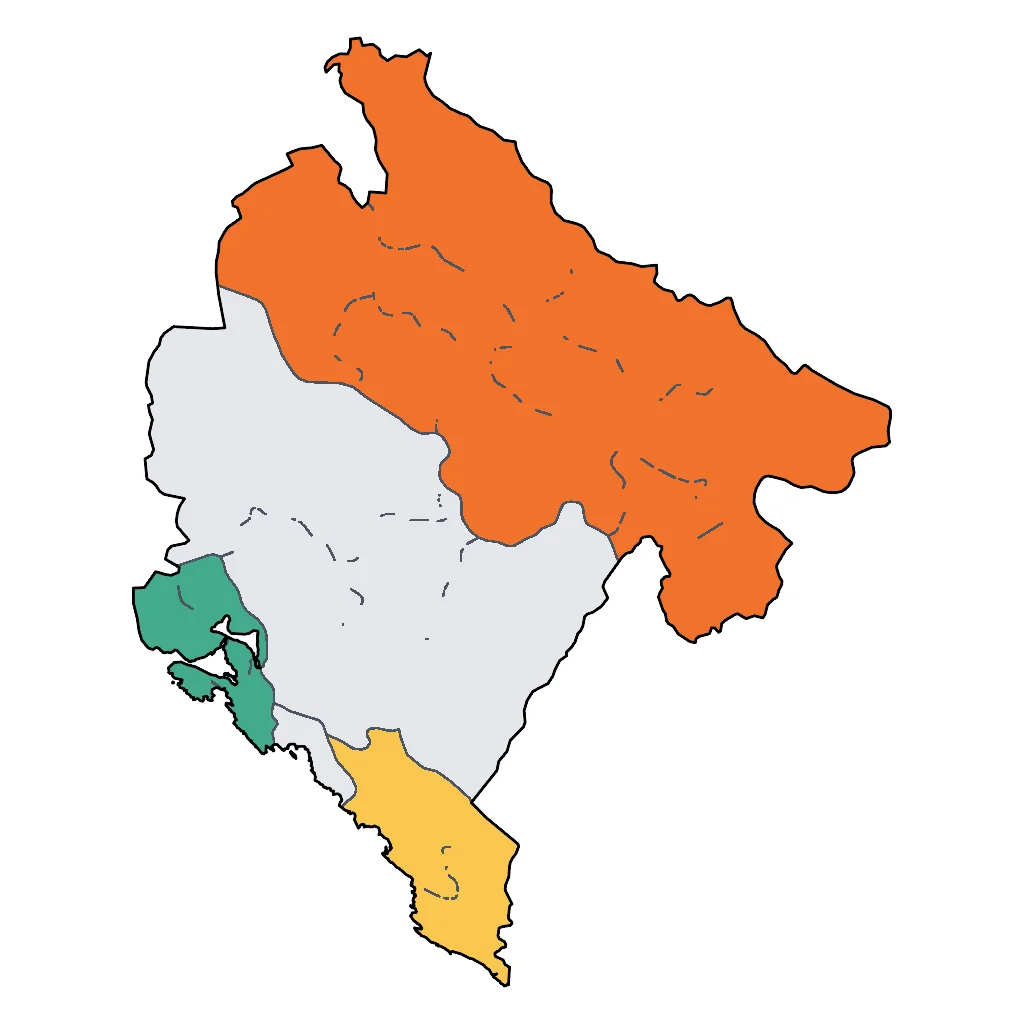

Learning experiences, scientific sites, historical education
Features unique sites like the islet church of Our Lady of the Rocks and Risan’s Roman mosaics, offering deep maritime and classical history. Accessible throughout the warmer months, but the intense autumn-winter humidity and rainfall limit the enjoyment of these outdoor-focused historical sites.
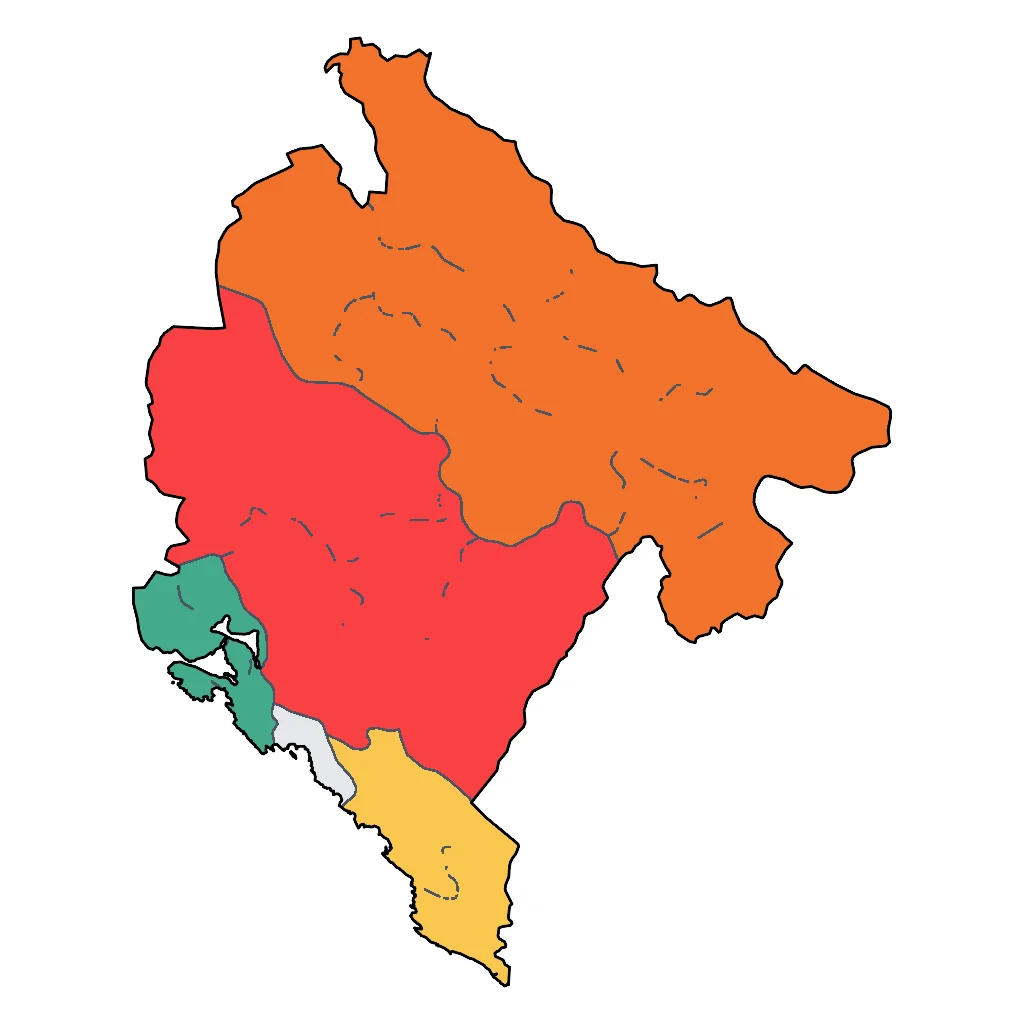

Events, celebrations, seasonal attractions
Hosts authentic, centuries-old traditions like the Fašinada boat procession in July and Boka Night in August. February offers the unique Kotor Carnival, but the rest of the year lacks major internationally recognized cultural events or festivals.

Spa retreats, wellness centers, peaceful getaways
Newer ultra-luxury developments provide world-class spa facilities with majestic mountain-and-bay views. While high-end indoor facilities exist, the overall atmosphere is most tranquil and restorative during the bright summer months rather than the dark, exceptionally rainy winter season.