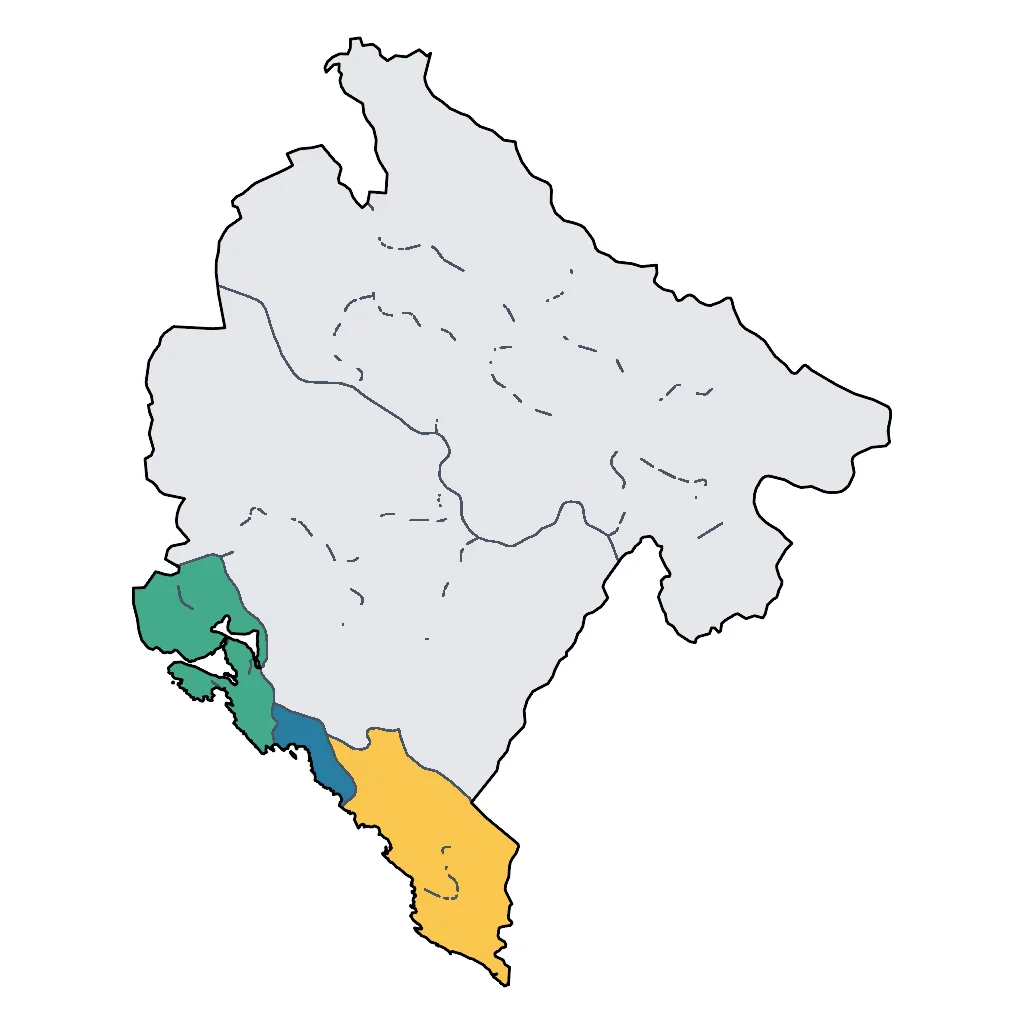
Podgorica & Central
Ancient lakes and hidden caves in the heart of Montenegro 🛶🦇
Podgorica and Central Montenegro act as the strategic crossroads of the country, blending urban amenities with unique natural wonders. The landscape shifts from the flat Zeta Plain to the rolling karst hills and the vast expanse of Lake Skadar, the largest lake in the Balkans. Summers here can be intensely hot, so families often plan activities for mornings or seek the cool refuge of caves and water. The capital city, Podgorica, is very stroller-friendly with expansive green spaces like Gorica Park and King’s Park, along with modern malls and indoor play areas perfect for stocking up on supplies or taking a midday break.
The real adventure lies just outside the city. Lake Skadar National Park is a paradise for birdwatching; families can hire traditional wooden boats from Virpazar to glide through carpets of water lilies. Kids will love trying to spot the rare Dalmatian pelicans or swimming in the fresh water near the old prison island of Grmožur. Just a short drive away near Cetinje is Lipa Cave, one of the largest cave systems in Montenegro open to the public. The tour begins with a fun novelty train ride down to the entrance, followed by a guided walk through illuminated halls of stalactites and stalagmites—a cool 10°C underground adventure that fascinates children of all ages.
For a touch of culture, the winding road up to Ostrog Monastery reveals a white church miraculously embedded in a vertical cliff face. While it is a significant pilgrimage site, the visual spectacle impresses even the youngest travelers. The central region is also famous for its vineyards; many family-run wineries welcome children with homemade juices and open spaces to play while parents taste the local Vranac varietals. Dining options are plentiful and affordable, with lake carp and dried bleak being local specialties. With its central location, this region allows families to base themselves near the airport while still enjoying diverse day trips.
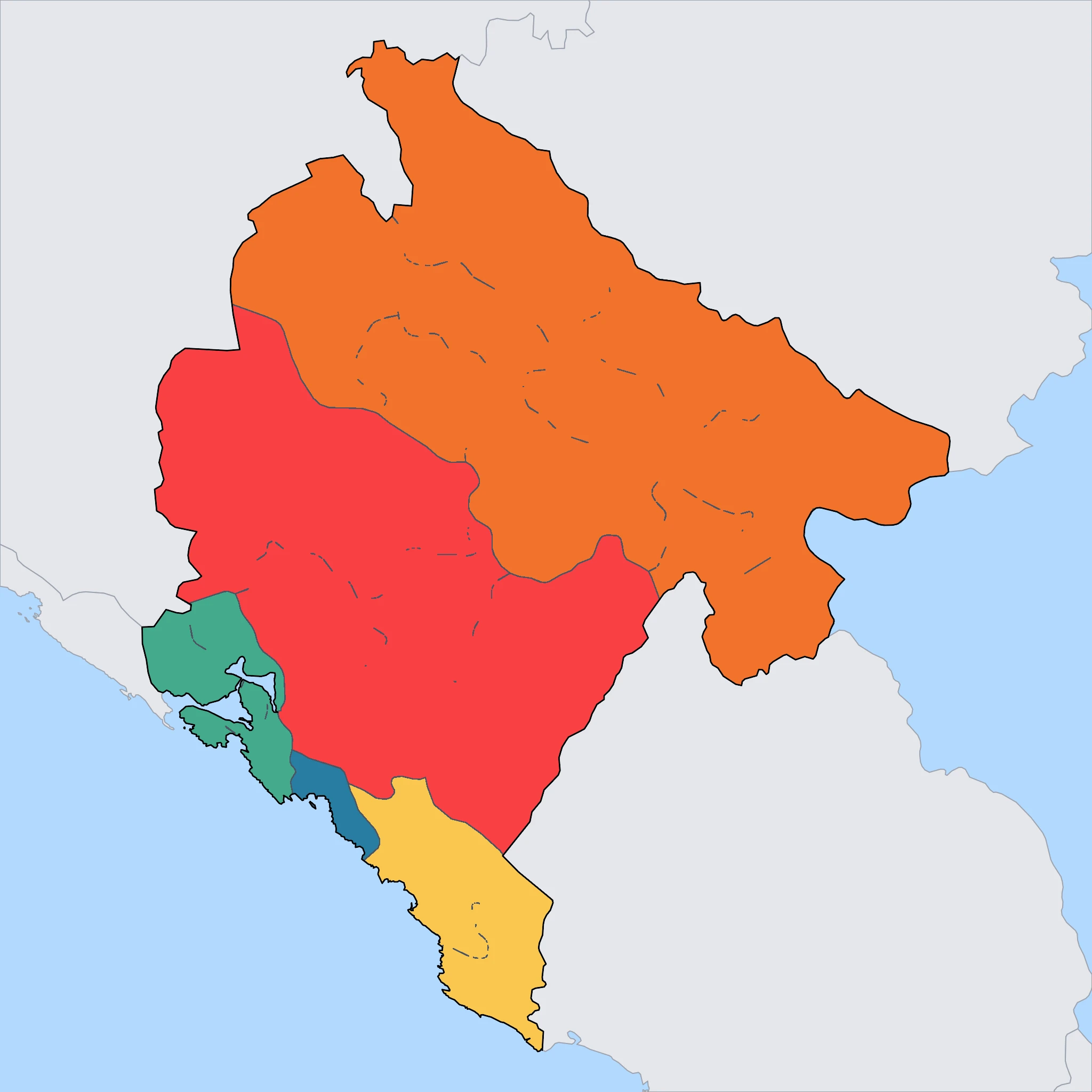
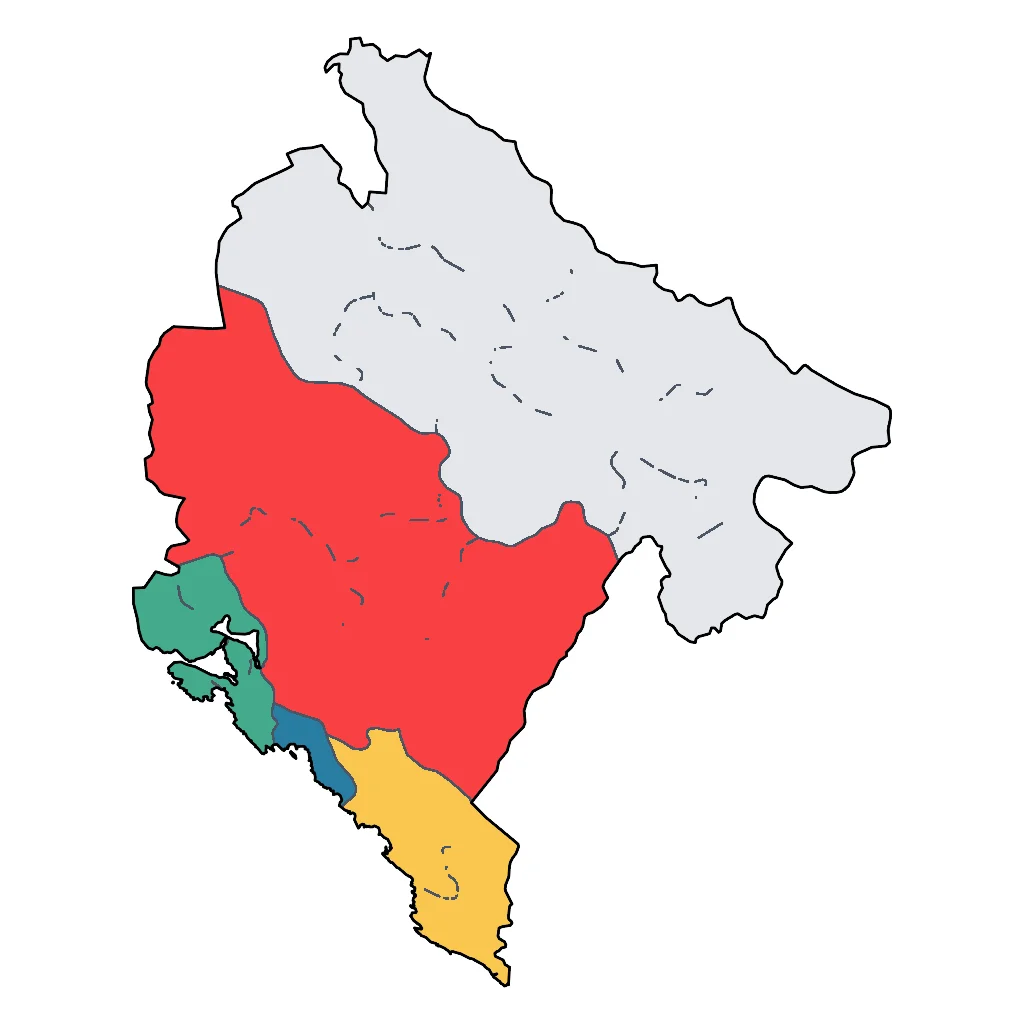
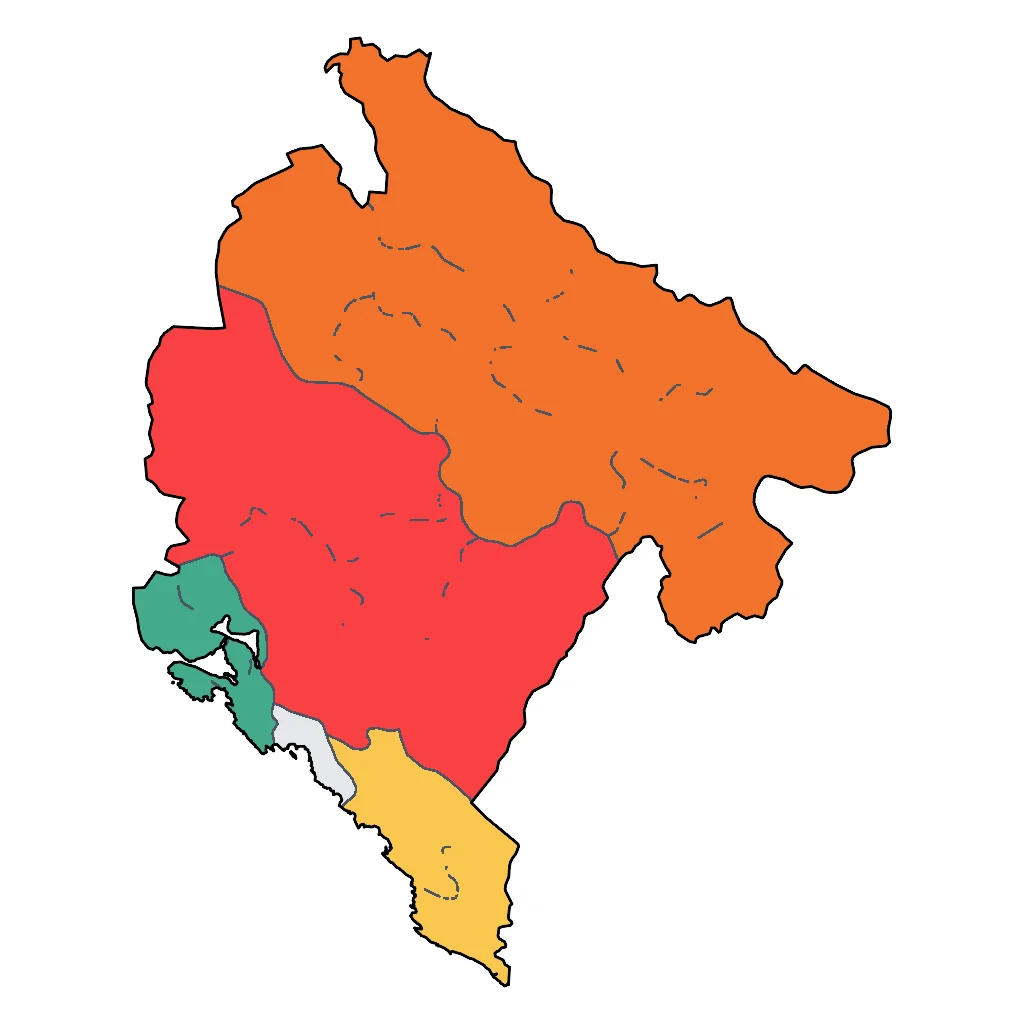
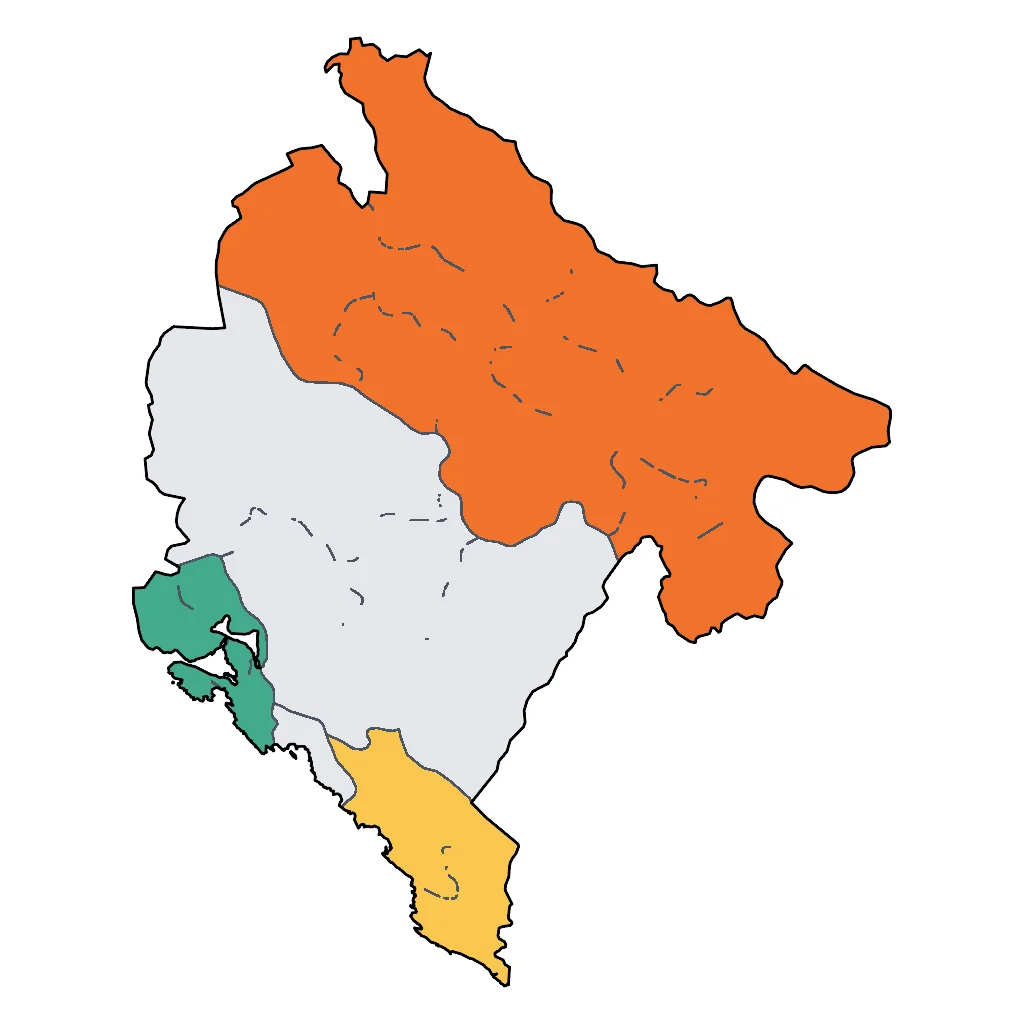
Click a region to explore

Activities & Best Times

Hiking, wildlife, outdoor exploration, ecotourism
Lake Skadar is an internationally significant bird sanctuary and unique wetland ecosystem, offering world-class birdwatching and hiking. Peak summer months provide the lowest rainfall for boat exploration; however, extreme precipitation (exceeding 250mm) in autumn and winter makes trails and wetlands inaccessible.

Scenic drives, countryside tours, route-based travel
Spectacular scenic routes connect the historic Cetinje to the dramatic cliffside Ostrog Monastery and the panoramic loops around Lake Skadar. Peak dry months ensure safe navigation and clear visibility of the karst landscape, while the intense rain and mountain snow of the off-season create hazardous driving conditions.

Urban tourism, museums, historical sites, architecture
Cetinje’s royal heritage and the spiritually unique Ostrog Monastery offer authentic, non-commercialized cultural depth for sophisticated travelers. July and August align best with the taxonomy's dry-weather benchmarks for urban exploration, as the region experiences very high rainfall in the shoulder and off-seasons.

Learning experiences, scientific sites, historical education
National museums in the former royal capital and Roman archaeological sites like Doclea provide high educational value for families. Dry summer months are optimal for guided outdoor tours; significant rainfall from October through April often limits access to historic sites and research facilities.

Sport tourism, fitness activities, active recreation
Lake Skadar offers exceptional kayaking and paddle boarding, while the surrounding vineyards provide scenic terrain for cycling. Peak conditions occur in the summer when lake waters are calmest and air temperatures are ideal; heavy precipitation and lower temperatures in winter months preclude most outdoor activities.

Spa retreats, wellness centers, peaceful getaways
High-end boutique vineyard estates in the Crmnica region offer peaceful, authentic retreats with a focus on local gastronomy. While charming, it lacks the world-class spa infrastructure of global wellness hubs; the heavy humidity and rainfall outside of summer limit the appeal of these countryside escapes.