

For families seeking a travel experience completely removed from mass tourism, the Marshall Islands (RMI) presents a fascinating world of coral atolls and vast blue horizons. Located near the equator in the Pacific Ocean, this nation consists of two parallel chains of islands-the Ratak (Sunrise) and Ralik (Sunset) chains. The land here is flat and narrow, sitting just meters above sea level, meaning the ocean is always in view. While it lacks the polished infrastructure of Hawaii or Fiji, it rewards adventurous families with pristine environments, rich history, and a warm, welcoming culture.
Most family journeys begin in Majuro, the capital atoll. The main road runs the length of the island, leading eventually to Laura Beach Park on the western tip. This is the most popular spot for families, featuring a gentle, sandy shoreline protected by the reef. The water here is shallow and calm, making it safe for younger children to paddle and swim while parents relax under the shade of coconut palms and pandanus trees. It is a stark contrast to the bustling town center and offers a glimpse of the island's natural tranquility.
Water activities are the primary attraction. A short boat ride across the lagoon takes you to small islets like Eneko Island, where families can spend the day snorkeling in crystal-clear water teeming with tropical fish and live coral. For families with older children or teenagers, the Marshall Islands offers a compelling open-air history lesson. The islands served as significant battlegrounds during World War II, and remnants of this era are visible throughout the landscape. You can find Japanese bunkers, coastal guns, and overgrown relics that spark conversations about global history.
Cultural immersion here is subtle but rewarding. The Marshallese people are known for their navigational skills and intricate handcrafts. Families should look for Amimono (woven handicrafts), particularly the finely woven baskets and fans which make meaningful souvenirs. The pace of life is slow, known locally as "island time," encouraging families to put away schedules and simply enjoy the surroundings.
Practical Considerations for Families:
Travel to the Marshall Islands requires planning. The currency used is the United States Dollar (USD), and English is widely spoken, simplifying transactions and communication. Accommodations are generally modest, ranging from simple hotels to guest houses; do not expect all-inclusive kid's clubs. The climate is hot and humid year-round, so high-SPF sunscreen, hats, and rash guards are essential for children. Medical facilities are limited to basic care, so comprehensive travel insurance with medical evacuation coverage is strictly necessary for peace of mind. Fresh water can be scarce, so families should be mindful of conservation.

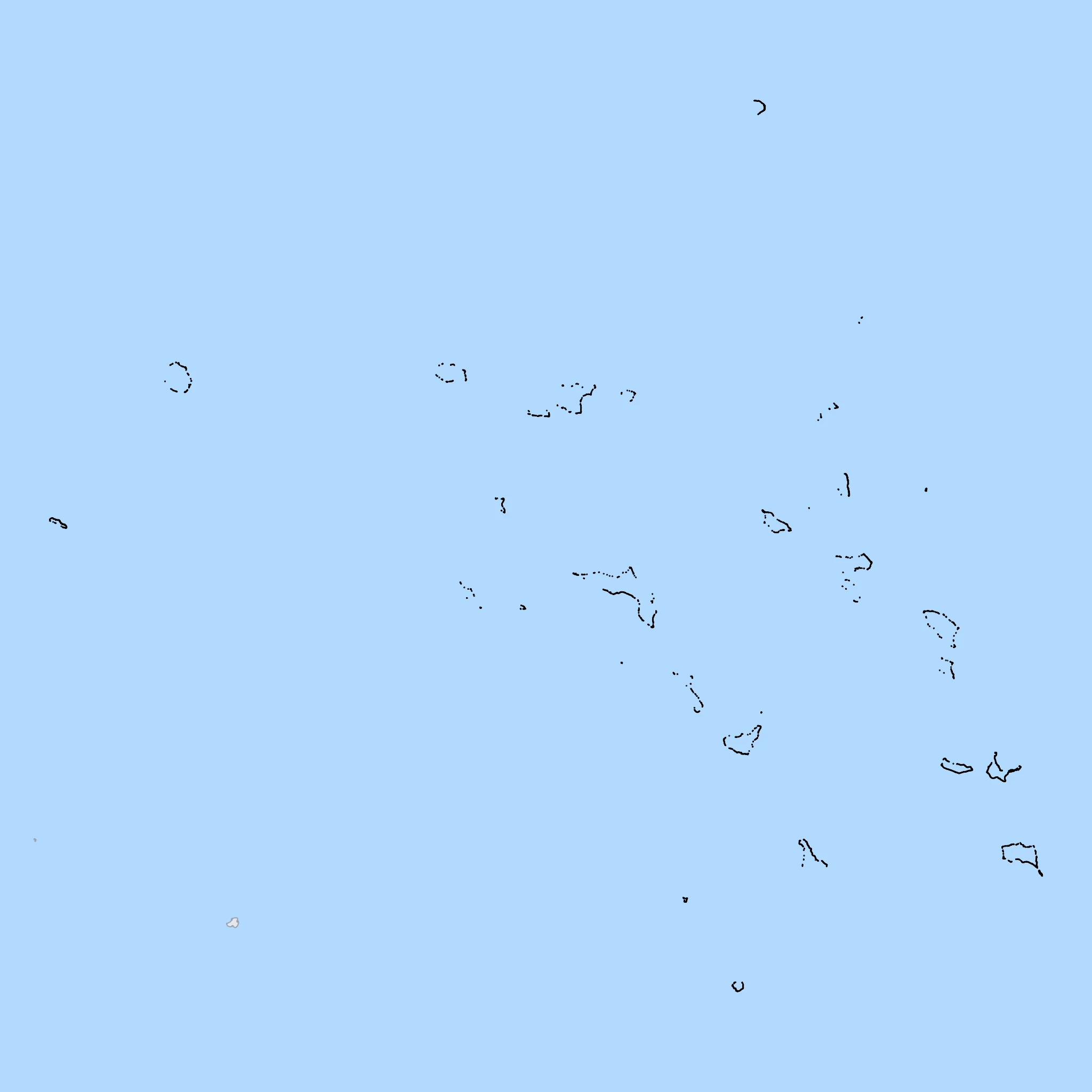
Map

Activities & Best Times

Beach & Sea
Very GoodBeach resorts, marine activities: diving, snorkelling, kite surfing, wind surfing, sailing
Offers an untouched tropical paradise with exceptional marine biodiversity, ideal for families seeking seclusion over commercialization. Peak conditions occur in the driest window (Jan-Mar), whereas heavy tropical downpours from July to November impact sea visibility and beach comfort.

Adventure & Nature
GoodHiking, wildlife, outdoor exploration, ecotourism
Distinctive atoll ecosystems and remote wilderness provide a rare, authentic Pacific experience far from mass tourism. Travel is most reliable during the lower rainfall months of Jan-Mar; heavy rains in the off-season make inter-island exploration challenging.

Educational & Exploratory
GoodLearning experiences, scientific sites, historical education
Rich in unique historical significance, from traditional Micronesian seafaring to the nuclear testing history of Bikini Atoll. The drier window from Jan-Mar is best for visiting remote sites and engaging with communities without the disruption of intense tropical storms.

Sports & Active
GoodSport tourism, fitness activities, active recreation
While Bikini Atoll offers world-class wreck diving, the overall sports/active holiday offering is narrow. There is minimal infrastructure for sports beyond diving, very limited equipment rental, no organized sporting facilities, and access to the marquee dive sites requires expensive liveaboard expeditions. 'good' better reflects a destination with one exceptional niche activity but very limited breadth for sports/active holidays overall.

City & Cultural
MarginalUrban tourism, museums, historical sites, architecture
Provides a genuine look at Micronesian seafaring culture and modern atoll life, though Majuro lacks international-standard urban infrastructure. Best visited during the drier months (Jan-Mar) to explore local markets and heritage sites comfortably.

Relaxation & Wellness
MarginalSpa retreats, wellness centers, peaceful getaways
A destination for extreme seclusion and digital detox, though it lacks the sophisticated international spa infrastructure found in top-tier global retreats. The slightly lower humidity and reduced rainfall from January to March create a more comfortable environment for outdoor relaxation.
Attractions
9 attractions to explore. Click markers for details.

Airports & Flight Routes
Toggle options to view domestic routes and international airports. Click an airport for details.
Climate & Weather
Climate Overview
| Month | Temp (°C) | Rain (mm) | Humidity | Wind (m/s) |
|---|

Travel Advisory
Standard safety awareness applies; no elevated risks reported by major international agencies.
Safety Topics
Traveller Advice (4 groups)

Travel to outer islands should be planned with significant flexibility due to frequent transport cancellations and limited rescue resources.

While there are no specific legal prohibitions, local society is conservative and public displays of affection are generally frowned upon for all couples.

Ensure you have comprehensive insurance that includes medical evacuation and keep physical copies of your return flight itinerary for immigration officials.

It is recommended to dress conservatively (covering shoulders and knees) to respect local cultural sensitivities, particularly in rural villages.