

⚠️ SAFETY WARNING: Due to active armed conflict in Shan State and instability on access routes, government agencies (CA, USA, UK, AU, IE, NZ) advise travelers to avoid all travel to this region. While the lake area has historically been a tourist hub, the surrounding security environment has deteriorated, and travel restrictions are frequent. Families are strongly urged to consult their own government's official travel advisory before considering a trip, as circumstances and risk assessments vary.
Inle Lake is a vast, shallow body of water that serves as the lifeblood for the Intha people who live entirely upon it. For visiting families, the primary mode of transport is the long-tail boat, which zips through narrow canals and across the open water. The most iconic sight is the fishermen who balance on one leg while wrapping the other around an oar to paddle—a unique technique that allows them to see over the tall reeds while fishing. Kids are often mesmerized by this balancing act, which looks almost like a dance on the water.
The lake is famous for its floating gardens, where villagers grow tomatoes, squash, and flowers on thick mats of vegetation anchored to the lakebed with bamboo poles. Exploring these green 'islands' by boat offers a fascinating lesson in agricultural ingenuity. Cultural stops often include the Phaung Daw Oo Pagoda, which houses five Buddha images covered in so much gold leaf they have lost their original shape. The Nga Phe Chaung Monastery (formerly known as the Jumping Cat Monastery) is a beautiful wooden structure on stilts that provides a cool, quiet break.
Around the lake's edges, a rotating five-day market moves between villages, attracting Pa-O and Danu tribal people who come down from the hills to trade. These markets are vibrant, chaotic, and colorful, offering a chance to see local produce and traditional clothing. For a hands-on experience, families can visit workshops in the stilt villages to see lotus silk weaving, silversmithing, or cheroot (cigar) rolling. Just north of the lake, the Red Mountain Estate vineyard offers juice for kids and wine for parents, with sweeping views of the valley at sunset.
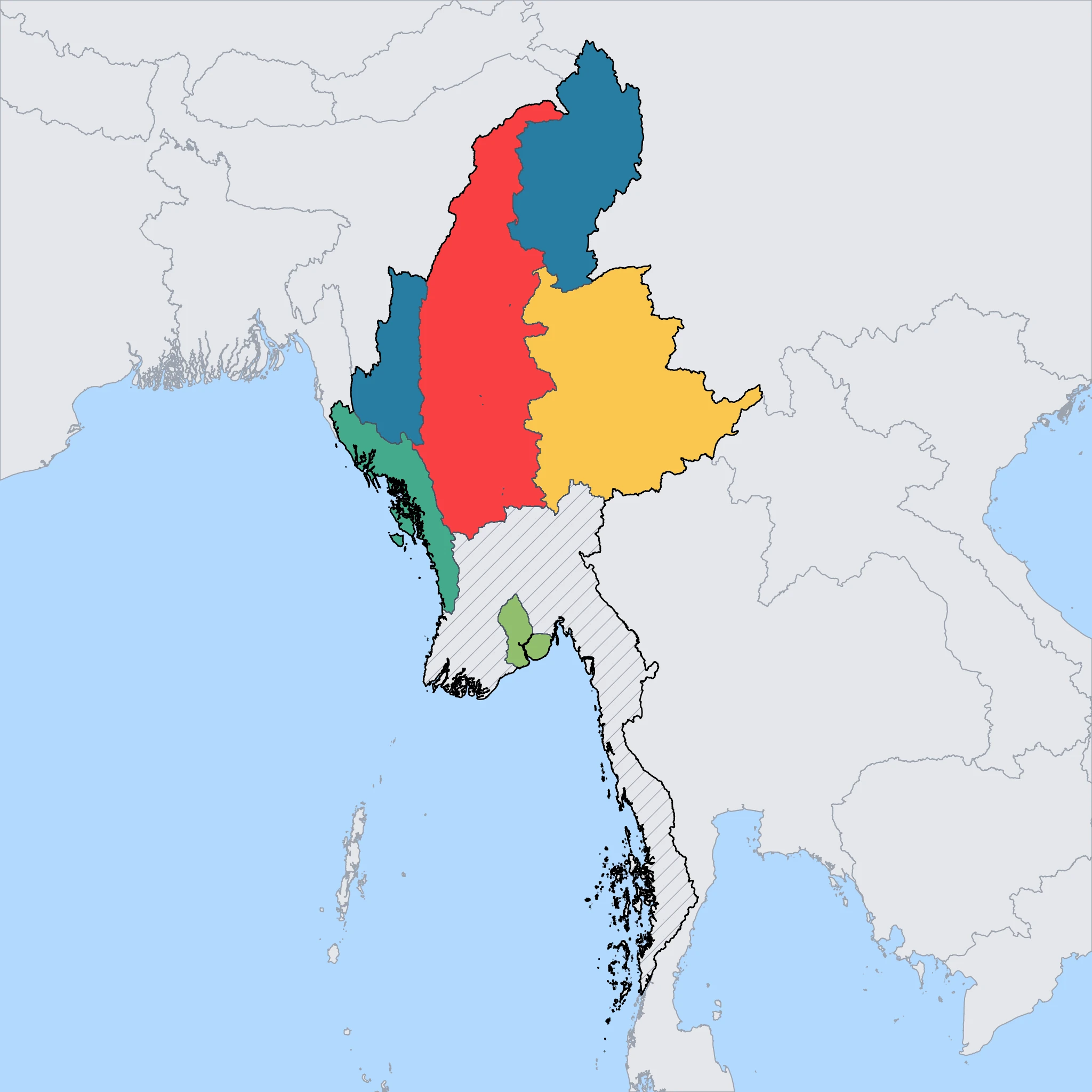
Click a region to explore

Activities & Best Times

Hiking, wildlife, outdoor exploration, ecotourism
Inle Lake's floating gardens and wetland ecosystem are genuinely unique, but as an adventure/nature destination it is a calm, boat-based experience rather than a world-class adventure hub. Compared to internationally excellent adventure destinations (Borneo, Costa Rica, Nepal), Inle Lake is strong but a tier below. very_good is more accurately calibrated.

Urban tourism, museums, historical sites, architecture
Inle Lake is a unique cultural landscape with distinctive floating villages and pagodas, but it lacks the global-tier cultural density of Bagan (UNESCO WHS with 2,000+ temples) or Yangon (Shwedagon Pagoda). By international calibration, the individual cultural sites here are nationally significant rather than globally iconic. Downgrading to very_good maintains differentiation from Bagan and Yangon.

Learning experiences, scientific sites, historical education
Sophisticated families can study ingenious floating agriculture and rare traditional lotus-weaving processes found nowhere else in the world. Peak months offer optimal weather for interactive field-based learning, while the extreme humidity and monsoon rain of the summer months degrade the educational experience for young travelers.

Events, celebrations, seasonal attractions
October is peak for the internationally renowned Phaung Daw Oo Pagoda Festival, a spectacular display of culture featuring unique leg-rowing boat races. Shoulder months offer secondary events like the Thingyan water festival in April, while the height of the rainy season lacks major outdoor cultural celebrations of international significance.

Spa retreats, wellness centers, peaceful getaways
The region features world-class boutique lakeside retreats offering high-end spa services that utilize traditional Shan healing practices in a serene, remote environment. Low humidity and pleasant temperatures from November to February provide the perfect atmosphere for wellness, whereas the monsoon season's high humidity (up to 71%) is less conducive to relaxation.

Sport tourism, fitness activities, active recreation
Offers high-quality cycling around the lake perimeter and kayaking through the stilt-house villages for active families. The dry, cool winter months provide optimal conditions for physical activity, while the intense heat of April (max 33.8°C) and the heavy monsoon rains make outdoor sports uncomfortable or unsafe.

Scenic drives, countryside tours, route-based travel
While the Shan Hills provide spectacular scenery for countryside tours, local road infrastructure often falls short of the expectations for sophisticated international travelers. The dry season offers clear visibility and safe driving conditions, but the monsoon season brings significant hazards including poor visibility and potential road washouts.