

For families seeking a tropical escape without sacrificing modern conveniences, Martinique is an exceptional choice. As an overseas region of France, this island in the Lesser Antilles operates on the Euro, adheres to EU health and safety standards, and boasts excellent infrastructure. This unique political status alleviates many common travel anxieties; the tap water is generally drinkable, the hospitals are top-tier, and supermarkets carry familiar European baby products and foods.
Geographically, the island offers two distinct experiences. The north is lush, mountainous, and dominated by the active volcano Mount Pelée. Here, families can discover grey and black sand beaches that fascinate geology-loving children. The south is drier and flatter, home to the classic white-sand beaches with calm, shallow waters perfect for toddlers. Grande Anse des Salines is widely considered the best family beach, offering plenty of shade under coconut palms and gentle waves. For a more adventurous day, Anse Noire offers black sand and excellent snorkeling where sea turtles are frequently spotted just meters from the shore.
Beyond the beaches, Martinique provides engaging educational experiences. The Jardin de Balata is a botanical masterpiece where suspended rope bridges allow older children to walk through the tree canopy, while hummingbirds buzz around the feeders below. History comes alive in Saint-Pierre, often called the "Pompeii of the Caribbean." Destroyed by a volcanic eruption in 1902, the town features ruins that tell a powerful story without being overly frightening for younger visitors. The Cyparis Express, a small tourist train, offers a guided tour of the ruins that is manageable for little legs.
Food in Martinique is a highlight that bridges the gap between picky eaters and adventurous palates. You can start the day with fresh croissants and baguettes from a local boulangerie, just as you would in Paris. For lunch, street food stalls serve accras de morue (cod fritters) and poulet boucané (smoked chicken) which are generally mild enough for children. Visiting a banana plantation, such as the Musée de la Banane, is a hit with kids who can walk through the groves and taste different varieties of the fruit.
Practical Considerations: Renting a car is essential for exploring the island, as public transport is limited outside the capital, Fort-de-France. Driving is on the right side of the road, and traffic laws are strictly enforced. French is the official language, and while many people in the tourism industry speak English, bringing a phrasebook or translation app is helpful for interactions in smaller villages. The tropical climate requires sun protection and mosquito repellent year-round, particularly at dawn and dusk.

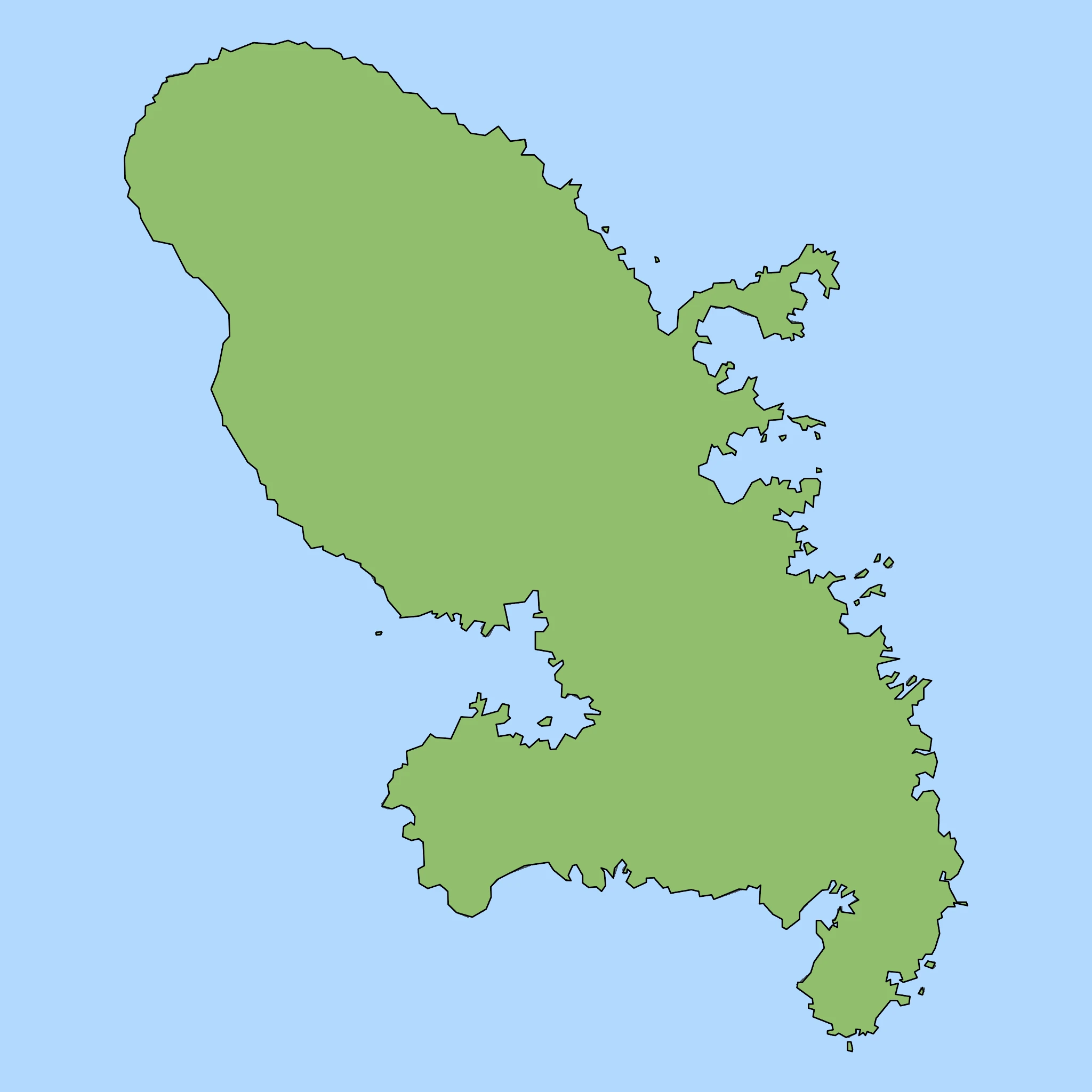
Map

Activities & Best Times

Adventure & Nature
Very GoodHiking, wildlife, outdoor exploration, ecotourism
The 'Isle of Flowers' features world-class hiking on Mount Pelée and through lush volcanic rainforests with high biodiversity. Dry months are peak for trail stability and summit visibility; heavy rains from June to November make mountain paths muddy and potentially dangerous.
Beach & Sea
Very GoodBeach resorts, marine activities: diving, snorkelling, kite surfing, wind surfing, sailing
Offers a sophisticated mix of white sand in the south and volcanic black sand in the north, supported by excellent French-standard marine infrastructure. Peak months align with the driest period (94-120mm) and calmest seas, while the off-season sees high precipitation and hurricane risk.

Sports & Active
Very GoodSport tourism, fitness activities, active recreation
A world-class destination for sailing and wind sports, particularly around Le François and Le Vauclin. The Alizé trade winds are most consistent during the drier peak months, while the off-season is characterized by high humidity and storm risks.

City & Cultural
GoodUrban tourism, museums, historical sites, architecture
Fort-de-France is a small Caribbean city with limited cultural institutions. Saint-Pierre ruins are historically significant but represent a single site. No UNESCO World Heritage Sites. Strong for the Caribbean but does not meet the 'very_good' threshold of nationally/regionally significant cultural destinations.

Educational & Exploratory
GoodLearning experiences, scientific sites, historical education
The volcanic history of Saint-Pierre and the agricultural science behind AOC rum production offer high educational value for discerning families. These sites are most accessible and comfortable during the cooler, drier months of the year.

Festivals & Seasonal
GoodEvents, celebrations, seasonal attractions
The vibrant Carnival in February is a culturally authentic highlight occurring during optimal weather. The Tour des Yoles (traditional boat race) in July/August is a world-class spectacle, though it falls during the humid, high-rainfall season.

Relaxation & Wellness
GoodSpa retreats, wellness centers, peaceful getaways
High-end eco-resorts and French-style thalassotherapy centers provide a refined wellness experience. Peak conditions occur when lower humidity (63-65%) allows for comfortable outdoor spa treatments and peaceful beachfront relaxation.

Road Trips & Scenic
GoodScenic drives, countryside tours, route-based travel
Martinique is only ~80km long. While roads are excellent (French infrastructure) and the Route de la Trace is scenic, the island can be driven in a few hours. 'very_good' implies multi-day touring potential which is not realistic for this island's scale.

Attractions
57 attractions to explore. Click markers for details.
Airports & Flight Routes
Toggle options to view domestic routes and international airports. Click an airport for details.

Climate & Weather
Climate Overview
| Month | Temp (°C) | Rain (mm) | Humidity | Wind (m/s) |
|---|

Travel Advisory
The majority of international agencies classify Martinique as safe for travel with standard precautions, despite localized and temporary social unrest.
Safety Topics
Traveller Advice (3 groups)

Consult specialized guides for accessibility information regarding local infrastructure and transportation.

While generally safe, travellers should be aware of local social norms and exercise standard discretion.

Female travellers are advised to follow standard safety precautions and avoid walking alone in isolated areas or deserted beaches after dark.