Nouakchott
A coastal capital of markets and museums 🐟🇲🇷
⚠️ SAFETY WARNING: Due to risks of violent crime and the broader regional threat of terrorism, government agencies (including the US, UK, and Canada) advise travelers to reconsider travel to Mauritania, including Nouakchott. While the capital is considered the safest area, vigilance is required. Families are strongly urged to consult their own government's official travel advisory before considering a trip, as circumstances and risk assessments vary.
Nouakchott, meaning 'Place of the Winds', is a relatively young capital that grew rapidly from a small village to a sprawling metropolis. For visiting families, the city serves as the primary entry point and a place to acclimatize to Mauritanian culture. The undisputed highlight is the Port de Pêche (Fish Market). Late in the afternoon, hundreds of brightly painted wooden pirogues return from the sea, and teams of fishermen haul the catch onto the beach. It is a chaotic, sensory-rich spectacle of sights, sounds, and smells. While it is fascinating, it is best visited with a guide to navigate the crowds, and parents should keep a close hold on younger children.
Away from the coast, the National Museum of Mauritania provides a quiet and educational escape. The exhibits cover archaeology and ethnography, displaying arrowheads, pottery, and traditional costumes that explain the transition from Stone Age settlements to the nomadic Bedouin lifestyle. It is a manageable size for children and offers good context before heading into the desert. The city is also home to several distinctive mosques, such as the Saudi Mosque and the Ibn Abbas Mosque, which can be admired from the outside for their architecture.
Nouakchott offers the most developed infrastructure in the country, with international standard hotels and restaurants in the Tevragh-Zeina district. Families can find supermarkets stocking familiar goods and restaurants serving everything from Lebanese cuisine to fresh local seafood. While the city has long stretches of beach, swimming is often discouraged due to extremely strong currents and undertows; however, the beaches are popular for walking, picnicking, and watching the sunset. Taxis are plentiful, but hiring a private driver for the day is often a more stress-free option for families moving between sights.
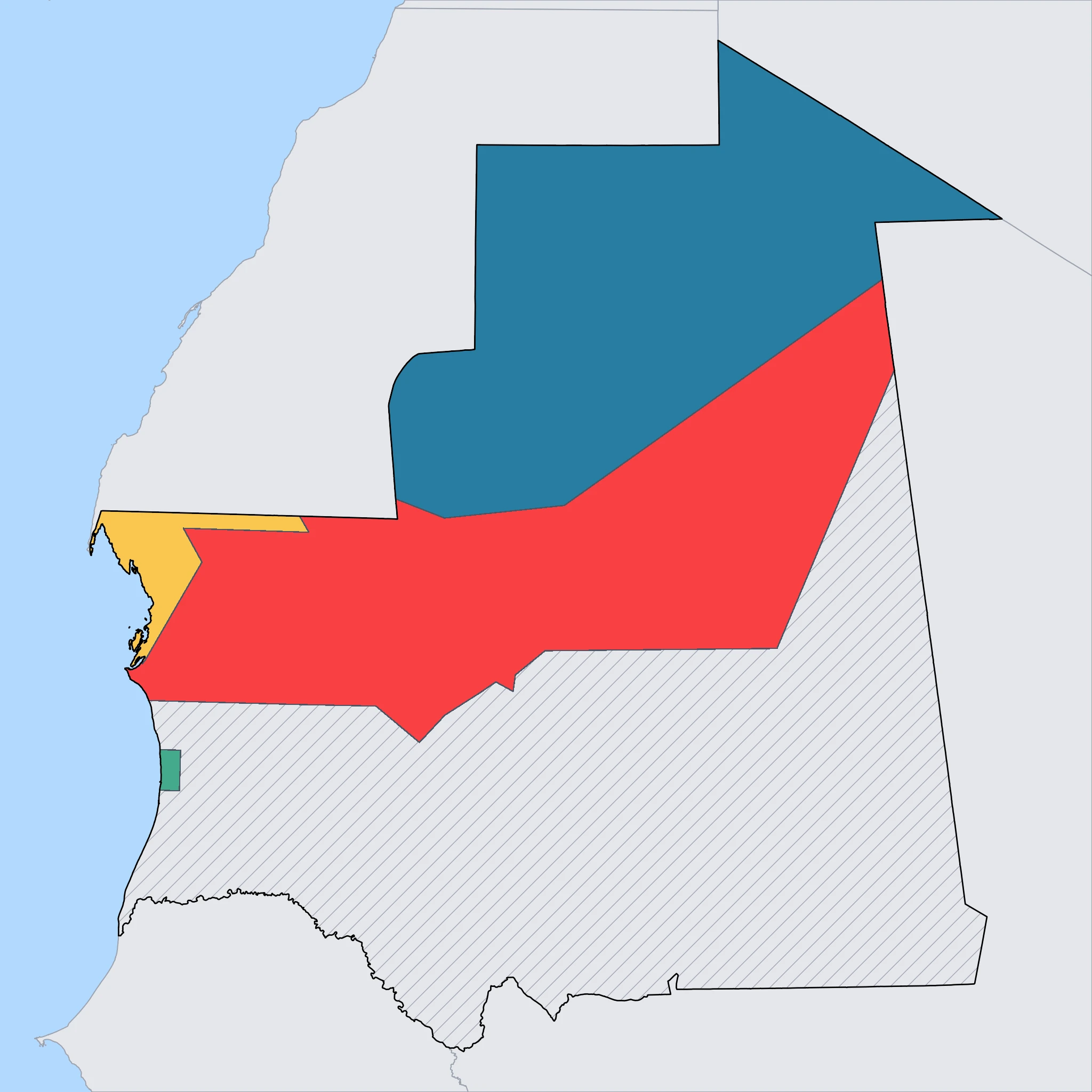
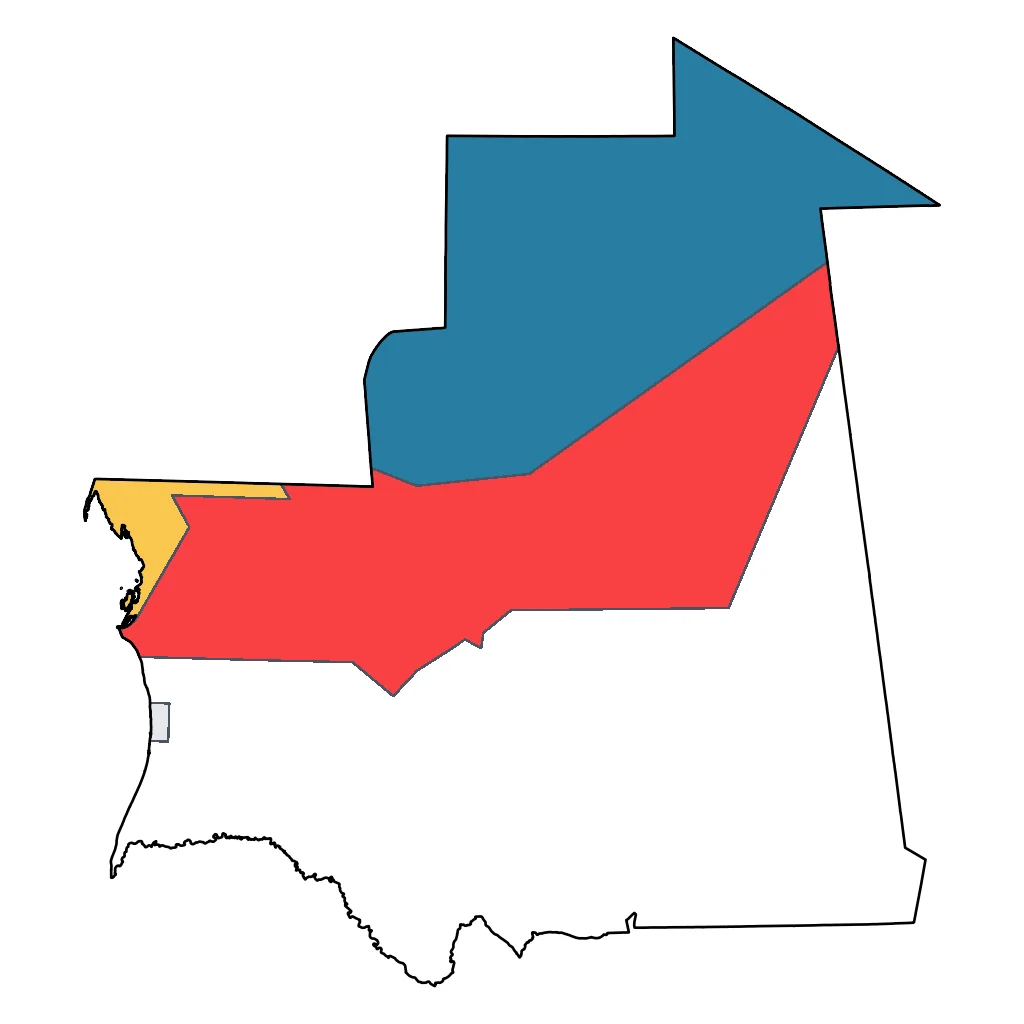
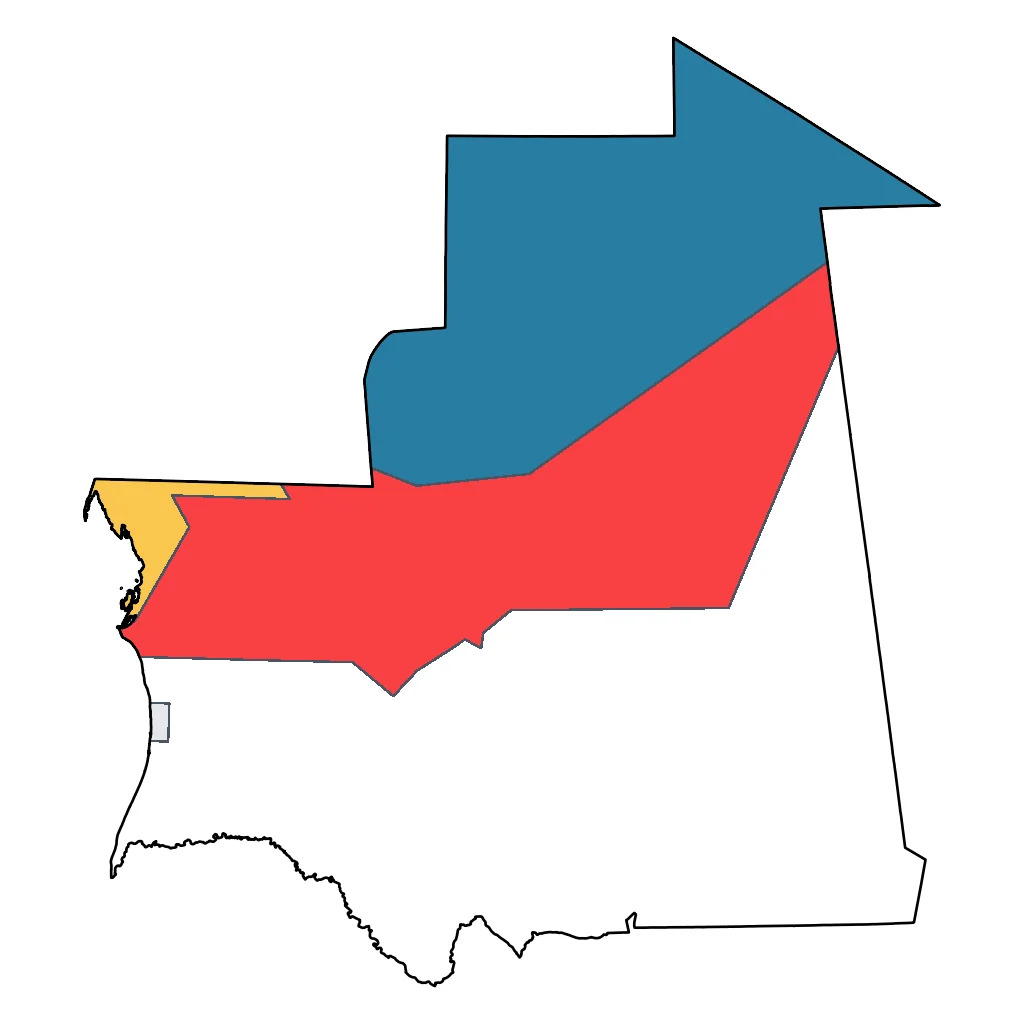
Click a region to explore

Activities & Best Times

Urban tourism, museums, historical sites, architecture
A unique, authentic frontier capital where families can experience the intersection of nomadic Moorish culture and vibrant West African urban life. Winter months offer comfortable walking temperatures, while the summer heat (May-Sep) regularly exceeds 35°C, making urban exploration exhausting.

Hiking, wildlife, outdoor exploration, ecotourism
No editorial attractions support this classification. The Port de Pêche fishing fleet is a cultural/experiential sight, not an adventure/nature destination. The city has no national parks, nature reserves, or significant natural features. 'Marginal' better reflects that some nature-adjacent experiences exist but it is not a nature destination.

Beach resorts, marine activities: diving, snorkelling, kite surfing, wind surfing, sailing
Focuses on coastal culture and the dramatic arrival of hundreds of pirogues rather than traditional resort activities or diving. While the authenticity is high, the lack of world-class beach infrastructure and the rough Atlantic waters make it a secondary interest compared to the city's cultural offerings.

Learning experiences, scientific sites, historical education
No editorial attractions support this classification. While the city offers some learning through its markets and fishing culture, there are no museums, heritage sites, or educational institutions of note in the database. 'Marginal' more accurately reflects incidental learning opportunities rather than purposeful educational tourism.

Scenic drives, countryside tours, route-based travel
Acting as the primary gateway for high-end 4x4 expeditions into the Sahara, the region appeals to experienced travelers seeking remote desert routes. Extreme summer temperatures make vehicle travel and desert navigation dangerous, limiting the viable season to the coolest months.

Attractions (14 total)
Road Trips & Scenic Drives
Adrar Plateau Route (Route d'Atar)
Nouakchott
440km paved road (5-6 hours) leading from Nouakchott to the historic Saharan town of Atar. This scenic transition route moves from coastal dunes to the dramatic mesas, deep canyons, and lush oases like Terjit, serving as the gateway to the ancient desert libraries of Chinguetti.
Visit website →Nouakchott-Nouadhibou Highway (N2)
Nouakchott
470km paved coastal desert route (6-7 hours) connecting the capital to the northern port city. The drive offers minimalist Saharan vistas and serves as the primary access point for the UNESCO-listed Banc d'Arguin National Park, famous for its migratory birds and coastal desert landscapes.
Visit website →Route de l'Espoir (Road of Hope)
Nouakchott
Approximately 1,100km paved highway (2-3 days) crossing the heart of the Sahara from the Atlantic coast to Néma. This is Mauritania's most famous road, passing through the stunning red sand dunes of Trarza, the nomadic hub of Aleg, and the rocky landscapes of Kiffa and Ayoun el Atrous.
Visit website →Hiking & Cycling Routes
Atlantic Route (Western Sahara Cycle Route)
Nouakchott
A major 2,100km trans-Saharan cycling route. The section passing through Nouakchott involves challenging flat desert terrain with high winds and extreme heat. The 200km segment from Nouakchott to Rosso typically takes 2-3 days and follows a paved highway with minimal elevation gain (under 100m). Cyclists must bring self-supported gear as there are no bike rental companies in Nouakchott. Equipment and logistical support can sometimes be coordinated through local fixers like Baba (sahara-overland.com).
Visit website →Arguin Dunes Trail
Mamghar
8km moderate hiking trail located in the UNESCO-listed Banc d'Arguin National Park, approximately 200km north of Nouakchott and often visited as a multi-day trip. The route traverses soft coastal dunes and rocky patches with spectacular birdwatching opportunities. Typical duration is 3-4 hours with negligible elevation gain. Independent hiking is restricted; visitors must hire a 4x4 and guide in Nouakchott through agencies like ChingiTours (chingitours.com).
Visit website →Art Gallery / Fine Art Museum
National Museum of Mauritania
Nouakchott
The country's primary cultural institution features galleries of ethnographic art, including traditional costumes, jewelry, and ancient archaeological artifacts from Saharan settlements.
Natural Feature / Scenic Site
Plage des Pêcheurs
Nouakchott
A vibrant and scenic coastal area where hundreds of colorful traditional wooden fishing boats line the Atlantic shore, offering a unique glimpse into local maritime life.
Beach / Coastal Recreation Area
Port de Pêche
Nouakchott
A vibrant and culturally rich fish market on the beach where hundreds of colorful traditional pirogues arrive daily with their catch.
Nouakchott Beach
Nouakchott
A vast and serene stretch of Atlantic coastline featuring white sand dunes, ideal for families to enjoy sunsets and coastal walks.
Landmark / Monument / Iconic Urban Attraction
Saudi Mosque
Nouakchott
The city's most prominent religious landmark, featuring impressive twin minarets and elegant architecture in the heart of the capital.
Moroccan Mosque
Nouakchott
An architecturally significant mosque known for its beautiful green-tiled minaret and intricate Moroccan-style mosaic craftsmanship.
Historic Town / Village / Cultural Area
Marché Capital
Nouakchott
A bustling traditional market where visitors can explore local crafts, traditional Mauritanian jewelry, and colorful fabrics in the heart of the city.
Grande Mosquée (Saudi Mosque)
Nouakchott
Known for its impressive twin minarets, this landmark is a central piece of the city's religious architecture and cultural identity.
Farm Park / Petting Zoo / Rural Experience
Camel Market
Nouakchott
One of the largest livestock markets in the Sahara, providing a unique opportunity to see thousands of camels and observe traditional desert trading practices in an authentic rural setting.