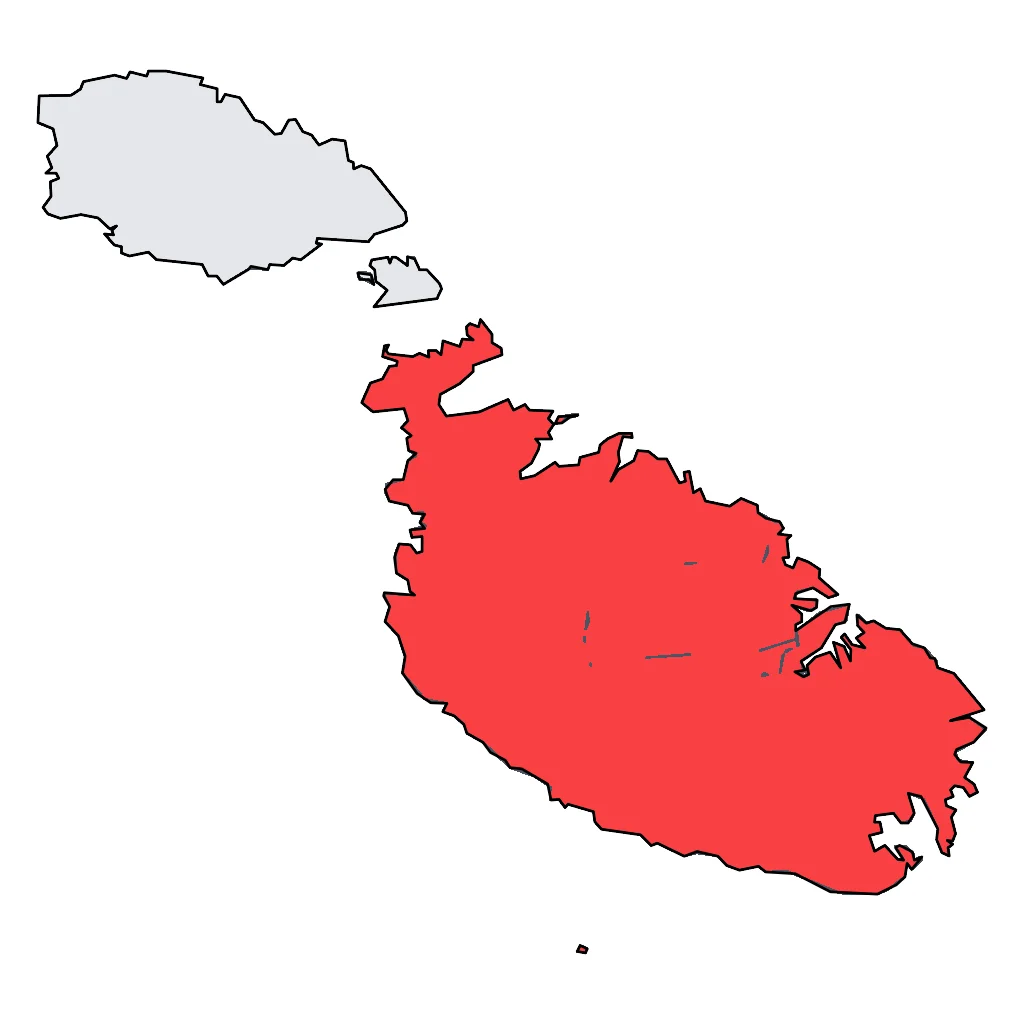
Malta (main island - Valletta, Mdina)
Knightly forts, sandy bays, and family fun in the sun ⚔️☀️
The main island of Malta is a dense, vibrant destination where history and modern holiday amenities sit side by side. For families, the island offers a practical mix: you can explore a UNESCO World Heritage site in the morning and be building sandcastles by the afternoon. The small size of the island means drive times are short, though traffic can be heavy in the central harbour areas.
Valletta, the capital, is built on a grid system that is mostly walkable, though be prepared for some steep hills. The Upper Barrakka Gardens are a highlight, offering panoramic views over the Grand Harbour and the daily firing of the noon guns—a loud spectacle that fascinates children. A short elevator ride down brings you to the waterfront, where you can take a traditional dghajsa boat across to the Three Cities. For a deep dive into the island's martial past, the Palace Armoury displays suits of armour that knights actually wore, including smaller sets that capture the imagination of young visitors.
Inland, the ancient capital of Mdina offers a complete contrast. Known as the "Silent City," its narrow, winding streets are largely pedestrianised, allowing kids to run safely. The ditch surrounding the city has been converted into a public garden perfect for picnics. Just outside the city walls, you'll find glass-blowing factories where artisans demonstrate their craft, often letting children watch the molten glass being shaped.
When the heat rises, families head north. Mellieha Bay (Ghadira) is the island's largest sandy beach, with shallow water stretching out for nearly 50 metres, making it exceptionally safe for toddlers. Golden Bay and Ghajn Tuffieha offer wilder scenery and spectacular sunsets. For dedicated kid-centric entertainment, Popeye Village—the original film set from the 1980 musical—has been turned into a theme park with boat rides and water trampolines. The Malta National Aquarium in Qawra is another modern facility, featuring a walk-through tunnel and local marine species.
To the south, the fishing village of Marsaxlokk is famous for its colourful luzzu boats with painted eyes. The Sunday fish market here is chaotic and lively; visiting on a weekday offers a calmer experience. From the nearby Wied iz-Zurrieq, small boats take tourists to the Blue Grotto, a series of sea caverns with brilliant blue waters, provided the sea is calm.
Practicality-wise, families often base themselves in the north (Mellieha/St Paul’s Bay) for beach access, or Sliema for transport links. While the bus network is extensive, it can be crowded in peak summer. Renting a car provides the most flexibility for reaching varied attractions like the prehistoric Hagar Qim temples or the dingli cliffs, but parking in urban centres requires patience.
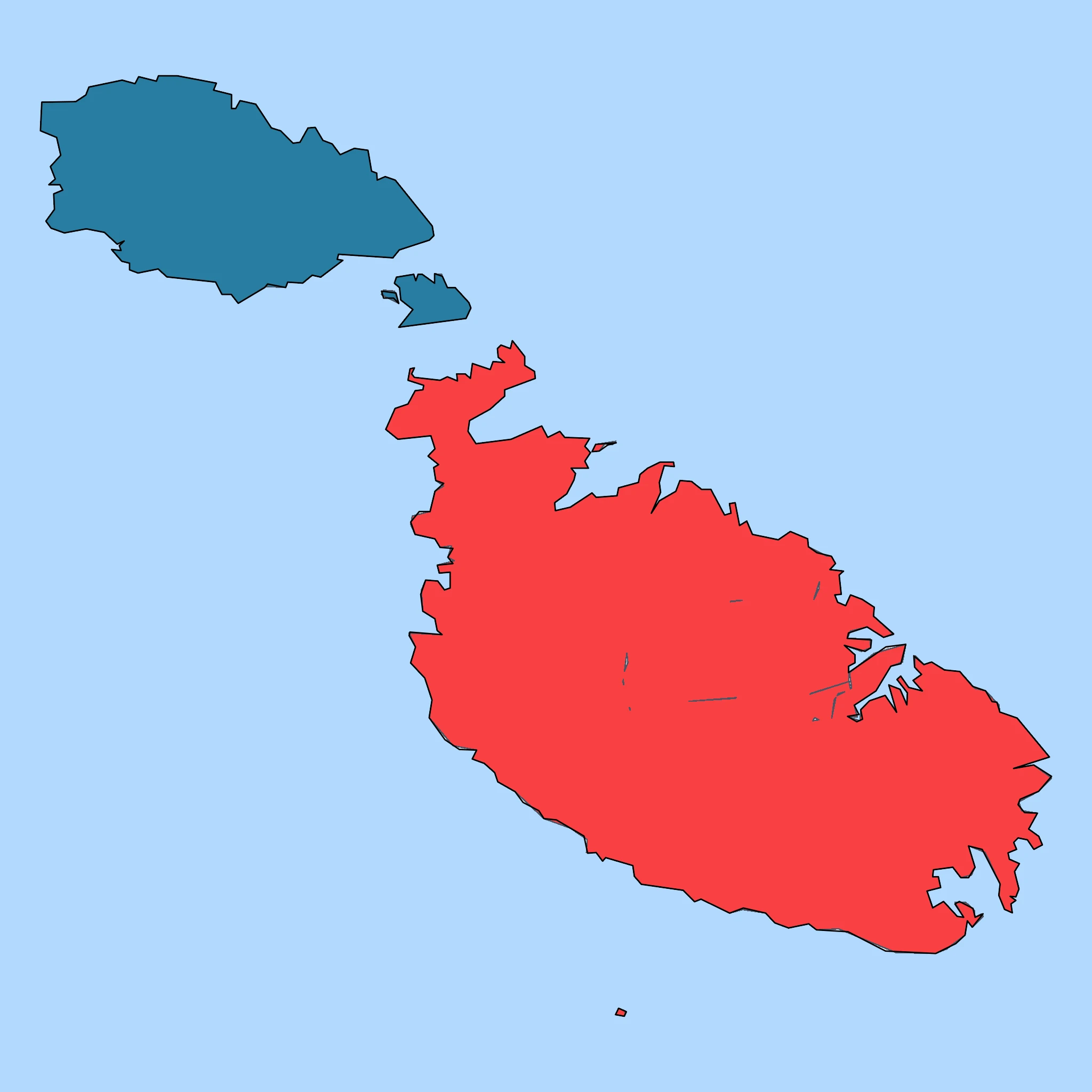
Click a region to explore

Activities & Best Times

Urban tourism, museums, historical sites, architecture
Valletta and Mdina offer an unparalleled concentration of world-class Baroque architecture and medieval fortifications recognized as UNESCO World Heritage sites. Optimal weather from April to October facilitates exploring the walkable 'Silent City' and Valletta’s grand streets, while winter months see increased rainfall and cooler temperatures that detract from the outdoor urban experience.

Learning experiences, scientific sites, historical education
Home to some of the world's oldest free-standing megalithic temples and the legacy of the Knights of St. John, Malta is a premier destination for historical exploration. Peak periods offer mild weather for visiting open-air archaeological sites, while the extreme heat of July-August and the winter rains are less ideal for multi-site educational itineraries.

Beach resorts, marine activities: diving, snorkelling, kite surfing, wind surfing, sailing
While sandy beaches are limited, the archipelago offers world-class diving with exceptional visibility and the stunning Blue Grotto. Peak summer (Jul-Sep) ensures warm water and calm seas, whereas shoulder months offer cooler swimming conditions but remain excellent for boat tours and diving.

Events, celebrations, seasonal attractions
The island's traditional village 'festas' are authentic, high-quality cultural celebrations held throughout the summer months (Jun-Sep). Shoulder months feature significant events like Carnival (Feb), Easter processions (Apr), and Notte Bianca (Oct), offering sophisticated travelers deep cultural immersion.
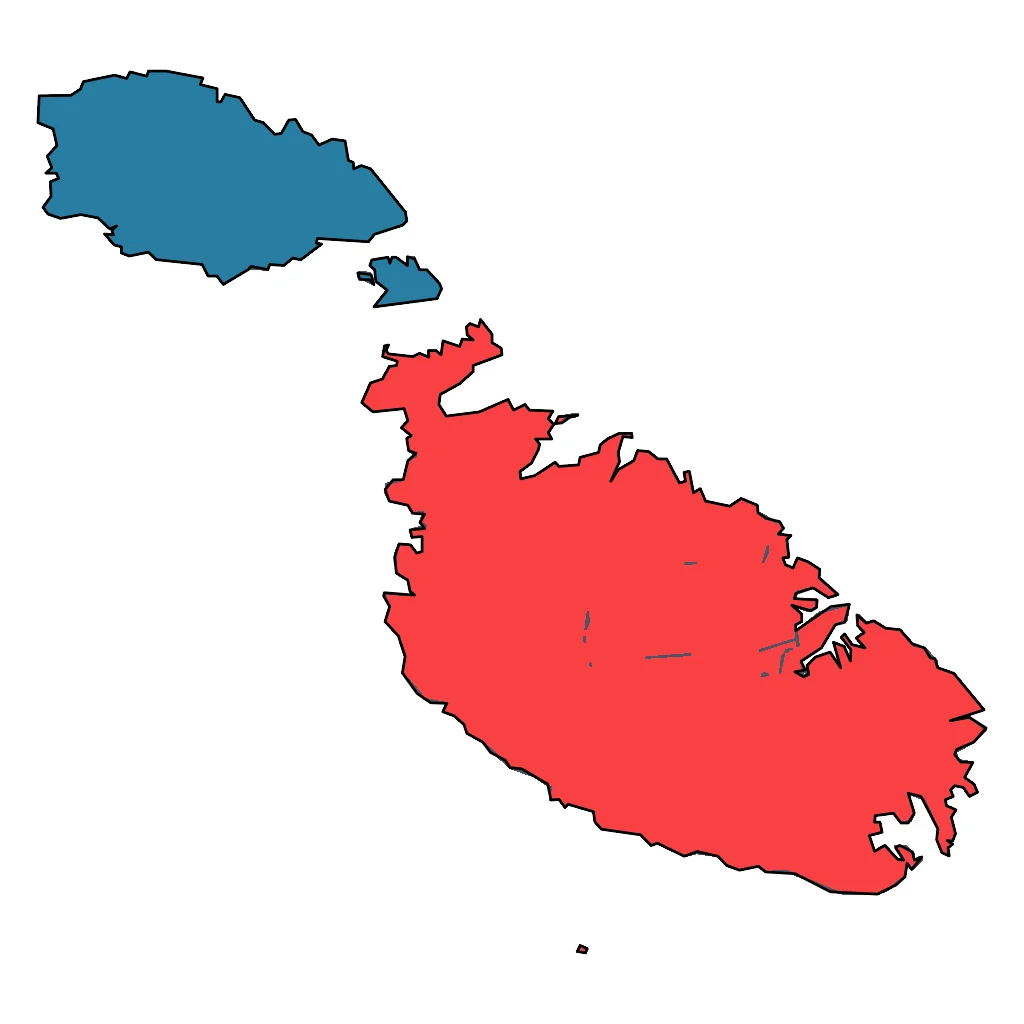

Sport tourism, fitness activities, active recreation
Malta is a top-tier destination for yachting, sailing, and technical wreck diving, with infrastructure that meets high international standards. The summer months provide the most consistent sailing winds and sea visibility, while the transition months are ideal for active land-based exploration.
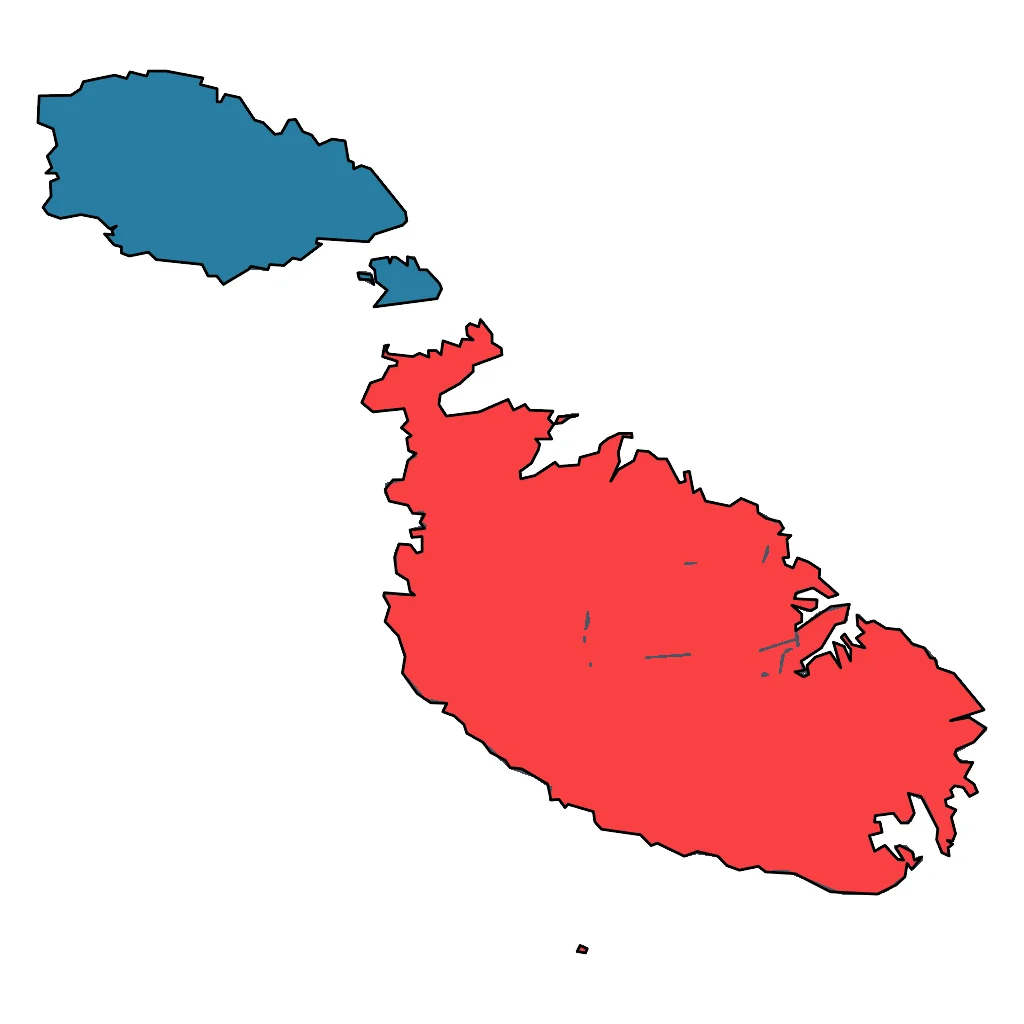

Hiking, wildlife, outdoor exploration, ecotourism
The dramatic Dingli Cliffs and unique coastal formations offer scenic hiking and exploration for active families. Spring (Mar-May) is the peak for nature as the landscape is lush and blooming; the intense heat of July and August makes hiking uncomfortable and is classified as off-season for nature trails.
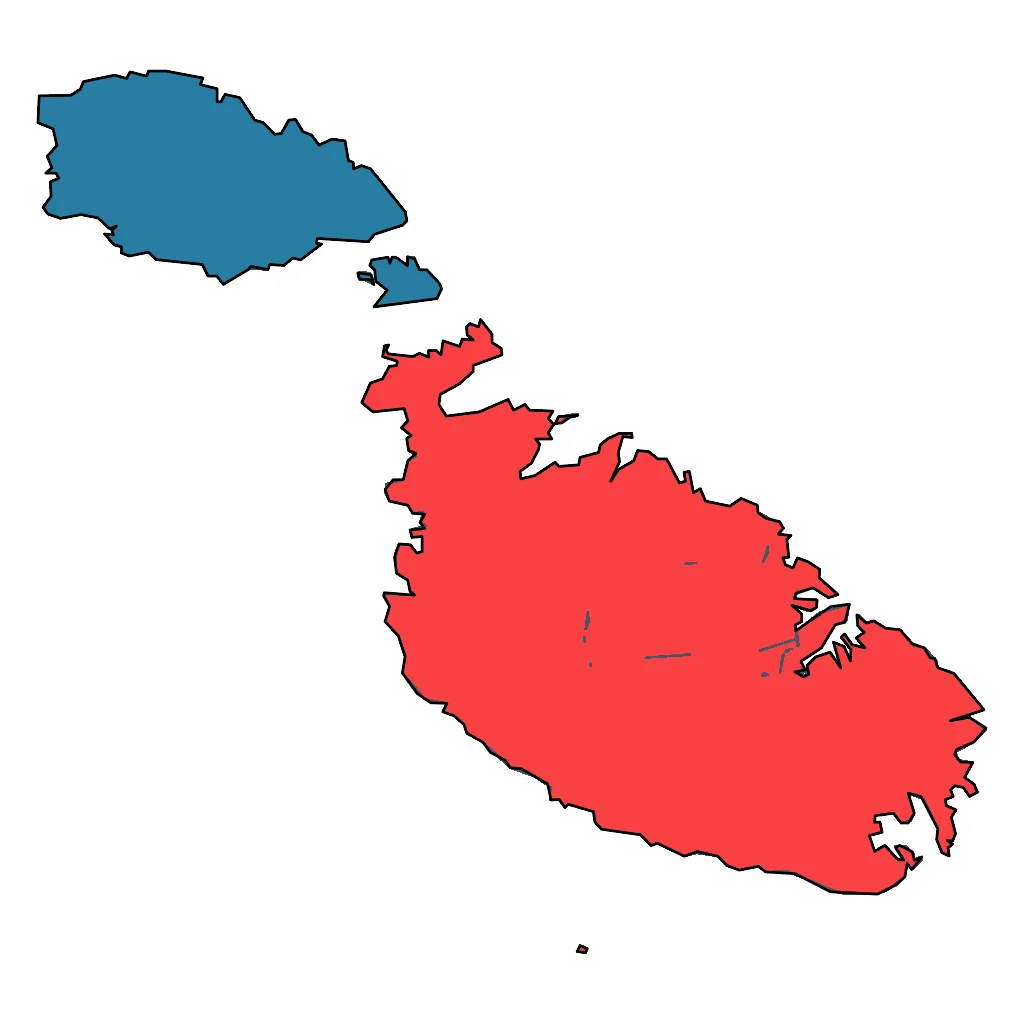

Spa retreats, wellness centers, peaceful getaways
High-end boutique hotels within historic palazzos and luxury harbor-side resorts provide sophisticated wellness facilities. Peak months offer the perfect balance of sunshine and low humidity for outdoor spa treatments and peaceful terrace relaxation, avoiding the high-summer humidity and winter winds.
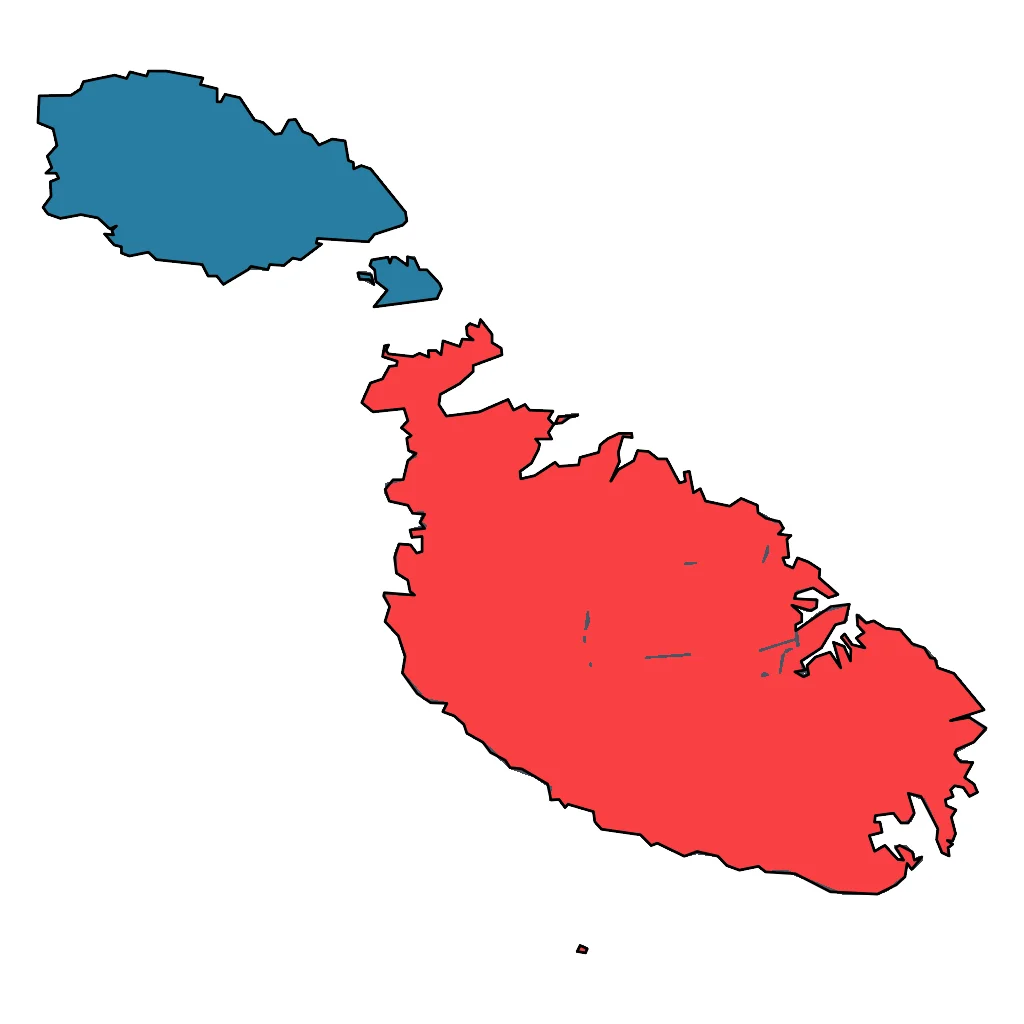

Scenic drives, countryside tours, route-based travel
Compact size allows families to easily visit the National Aquarium, Dingli Cliffs, and historic temples in a single day. Optimal conditions occur in spring and autumn when visibility is high and the landscape is green; summer heat can be draining for short stops, and winter rains over 100mm make driving less scenic.
Amusement parks, family entertainment venues
Popeye Village offers a unique, authentic film-set experience that appeals to children but lacks the scale of world-class international parks. Pleasant spring and autumn months are best for the outdoor set; summer heat is intense for kids, and winter brings high humidity and the risk of closure due to rain.