
Penang is widely regarded as the food capital of Malaysia, but for families, it offers much more than just hawker stalls. The UNESCO-listed heart of George Town is an open-air gallery of street art. The famous murals by Ernest Zacharevic, such as "Kids on a Bicycle," often include real objects like bikes or chairs, allowing families to pose as part of the artwork. Exploring the clan jetties—wooden villages built on stilts over the water—is another fascinating cultural experience where kids can see how waterfront communities live.
For a break from the heat, take the funicular train up Penang Hill. The steep ride is thrilling, and the summit offers cooler temperatures, panoramic views, and The Habitat—a nature park with a canopy walk and zip lines. Another top attraction for active families is ESCAPE Penang, a theme park set in nature featuring high ropes courses, water slides, and the world's longest tube water slide. It is physically challenging and incredibly fun for older kids and teens. Younger children might prefer Entopia by Penang Butterfly Farm, a giant glass conservatory filled with thousands of fluttering butterflies.
Beach lovers usually head to Batu Ferringhi on the north coast. While the water is not as crystal clear as on the east coast islands, the beach is long and sandy, perfect for building castles or trying parasailing. The area comes alive at night with a sprawling night market selling toys, clothes, and souvenirs. Penang's food culture is accessible to kids too, with mild dishes like Roti Canai (flatbread) and sweet Apom Balik (pancakes) readily available. With its mix of heritage, nature, and modern attractions, Penang keeps the whole family entertained.
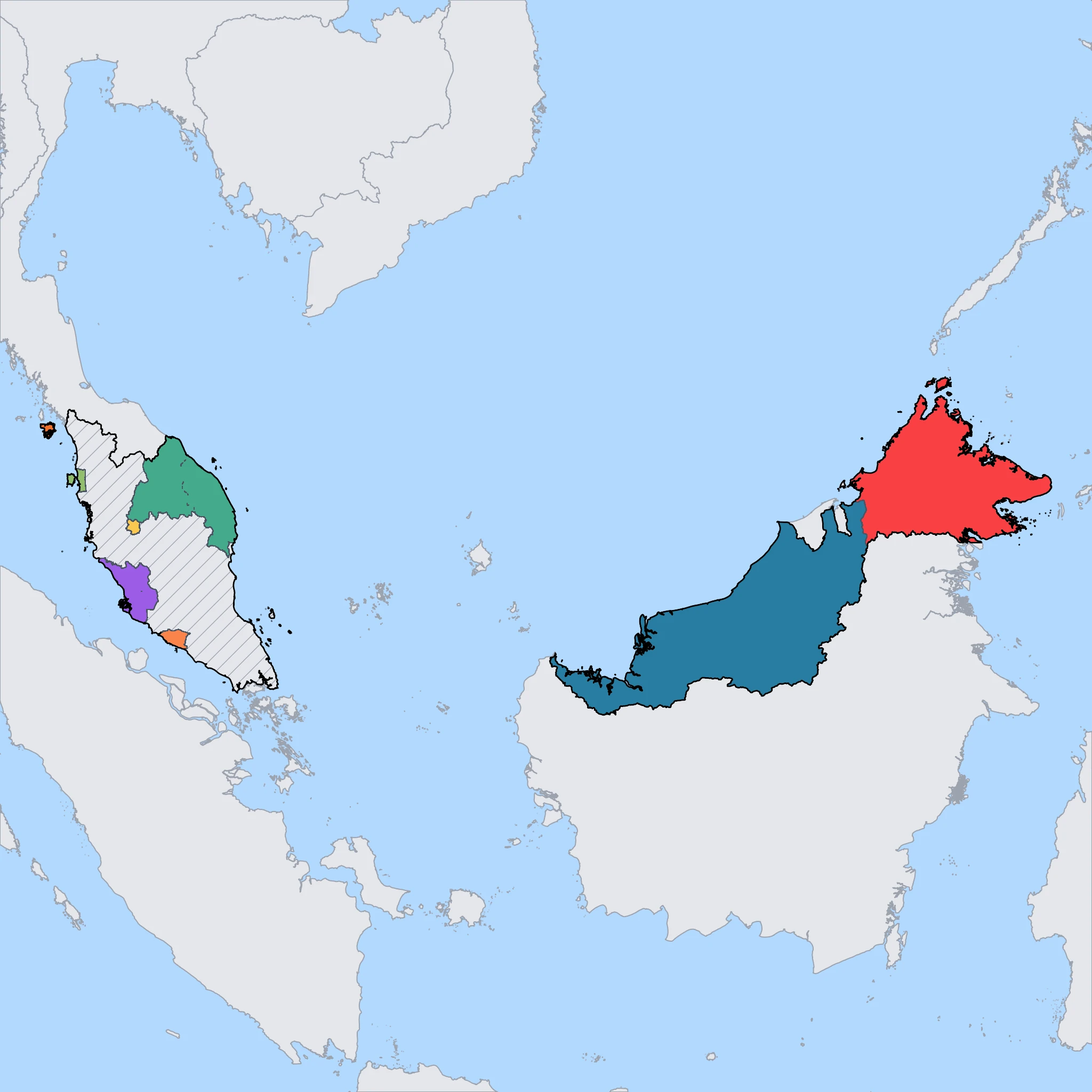
Click a region to explore

Activities & Best Times

Urban tourism, museums, historical sites, architecture
George Town is a UNESCO World Heritage site offering an exceptionally authentic blend of Peranakan, Chinese, and British colonial history through its architecture and world-famous street food. Peak months (Jan-Feb) offer the lowest rainfall and vibrant lunar new year festivities, while the monsoon peak (Oct-Nov) can hinder walking tours of the historic core.

Learning experiences, scientific sites, historical education
The region offers deep historical immersion into the Straits Settlements' past and unique biodiversity education at Entopia and The Habitat. Dry months provide optimal conditions for site visits and outdoor ecological tours; high rainfall in off-months limits access to nature reserves and outdoor heritage trails.

Events, celebrations, seasonal attractions
Penang hosts world-class cultural celebrations like Thaipusam and Chinese New Year in early months, alongside the prestigious George Town Festival in July/August. Shoulder months offer smaller cultural events, while the heavy rains of April and Sept-Nov frequently disrupt outdoor traditional performances and parades.
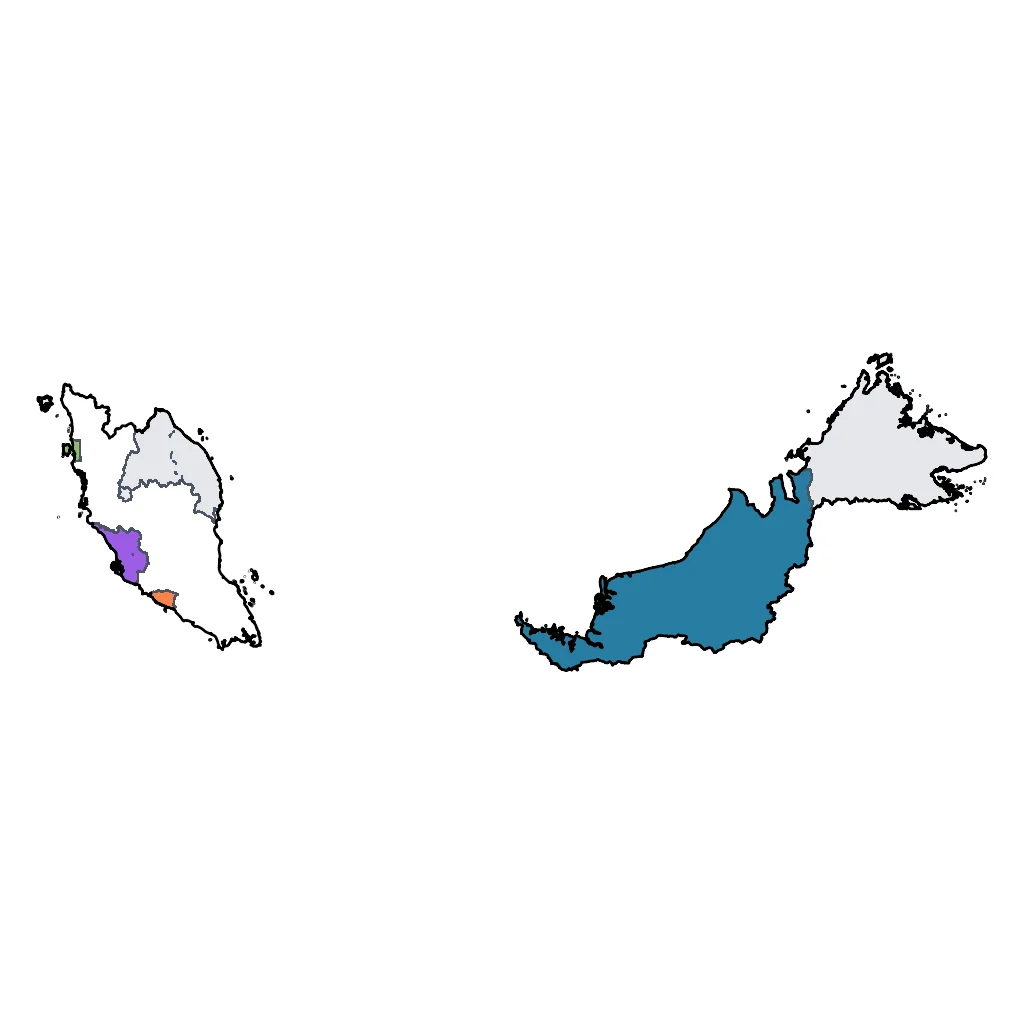

Hiking, wildlife, outdoor exploration, ecotourism
The Habitat at Penang Hill is a world-class rainforest experience with a unique canopy walk and UNESCO Biosphere status. Peak dry months ensure clear panoramic views and safe hiking trails, whereas the heavy tropical downpours of the monsoon season make jungle paths slippery and dangerous.
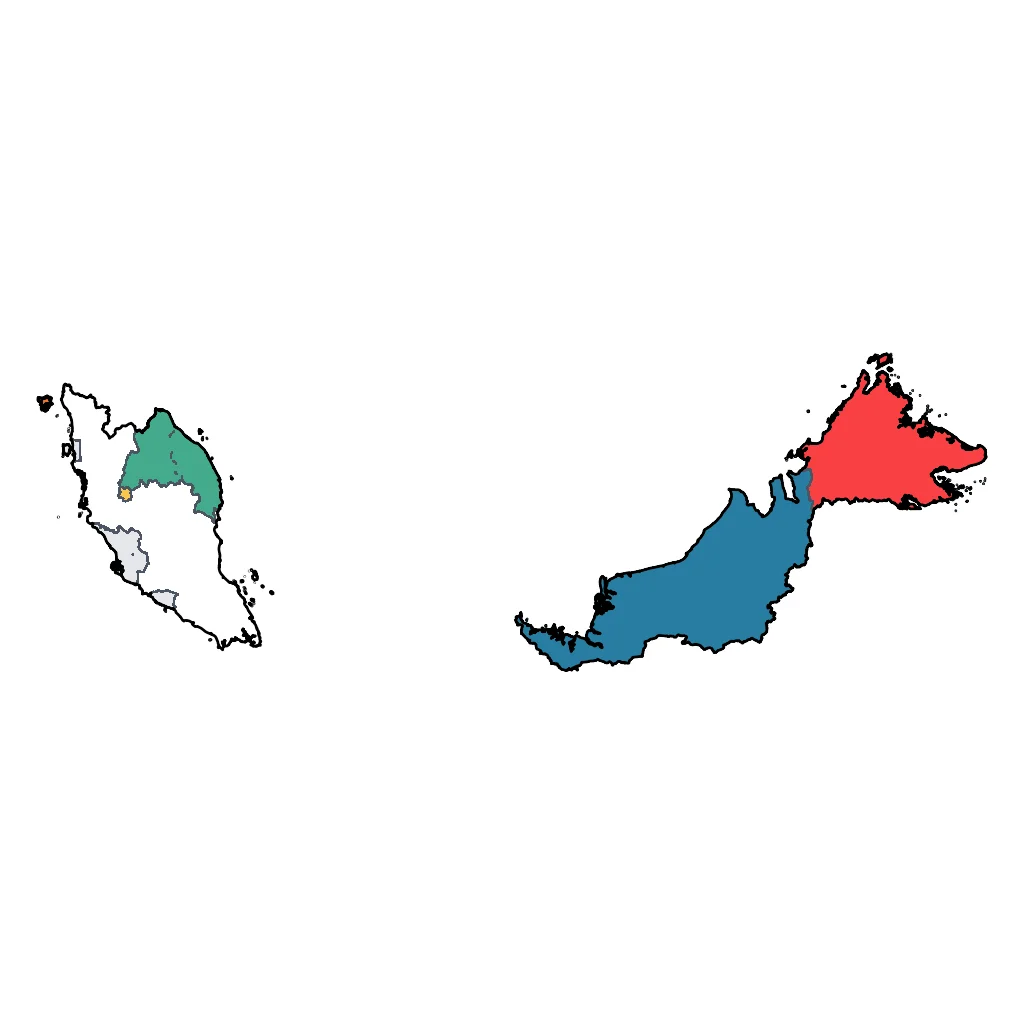

Spa retreats, wellness centers, peaceful getaways
Sophisticated heritage boutique hotels in George Town offer unique, peaceful luxury and high-end spa experiences in a colonial setting. Peak months provide lower humidity and pleasant evening breezes; off-months can feel oppressive due to high heat and extreme humidity exceeding 65%.
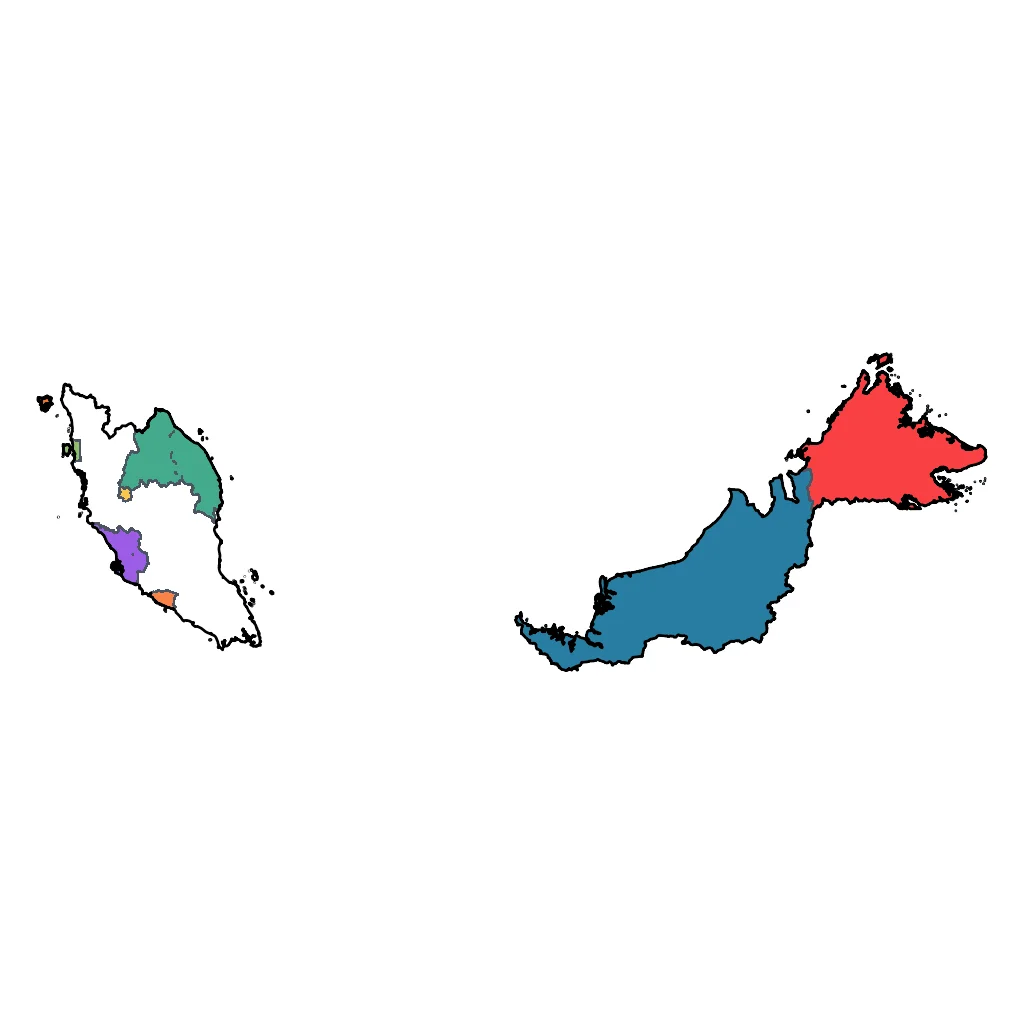

Amusement parks, family entertainment venues
ESCAPE Penang is internationally recognized for its eco-friendly design and world-record water slides, providing high-quality family adventure. Drier months are essential for enjoying these outdoor-only attractions; heavy rain in the off-season leads to frequent closures of high-thrill rides for safety.
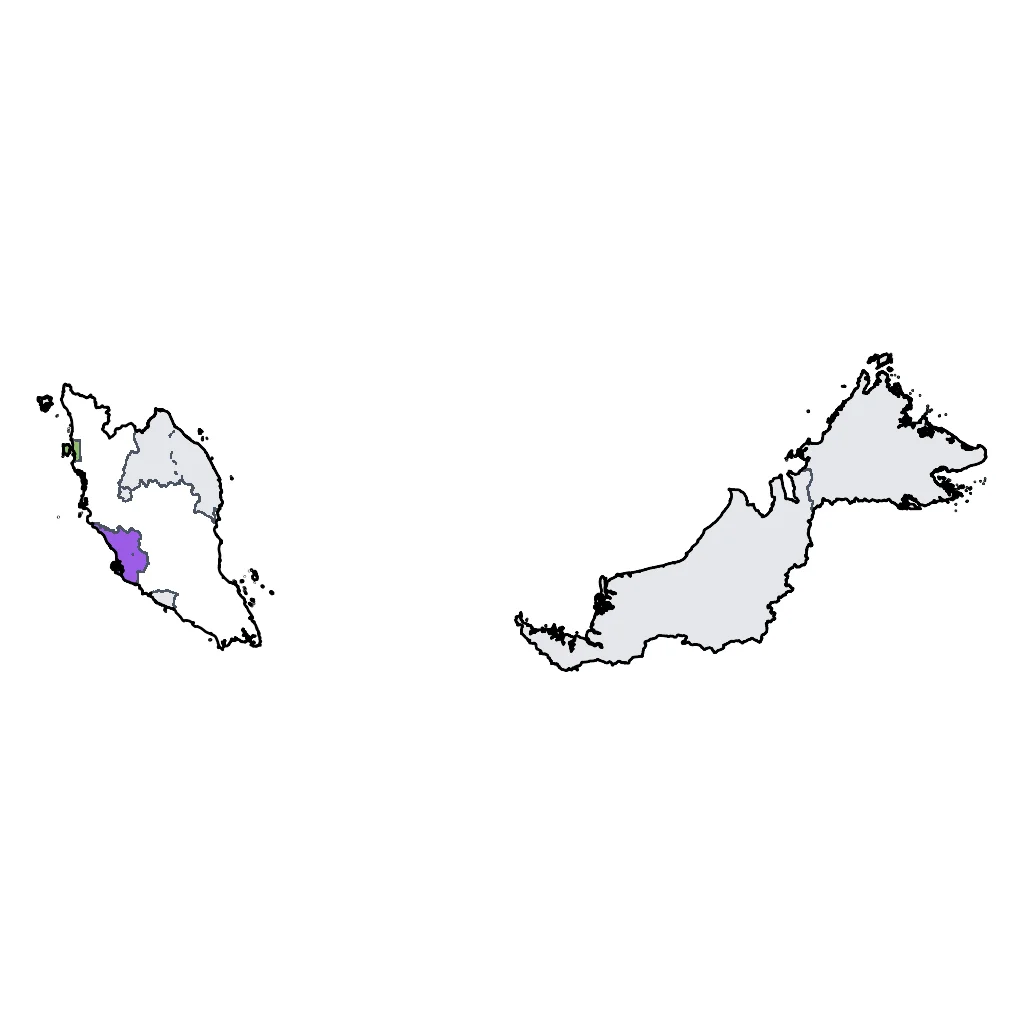

Beach resorts, marine activities: diving, snorkelling, kite surfing, wind surfing, sailing
While Penang has accessible beaches like Batu Ferringhi, water visibility and sand quality are lower than international benchmarks like the Maldives. January and February offer the calmest, clearest waters, but the sea is often murky and prone to jellyfish during the heavy monsoon months.
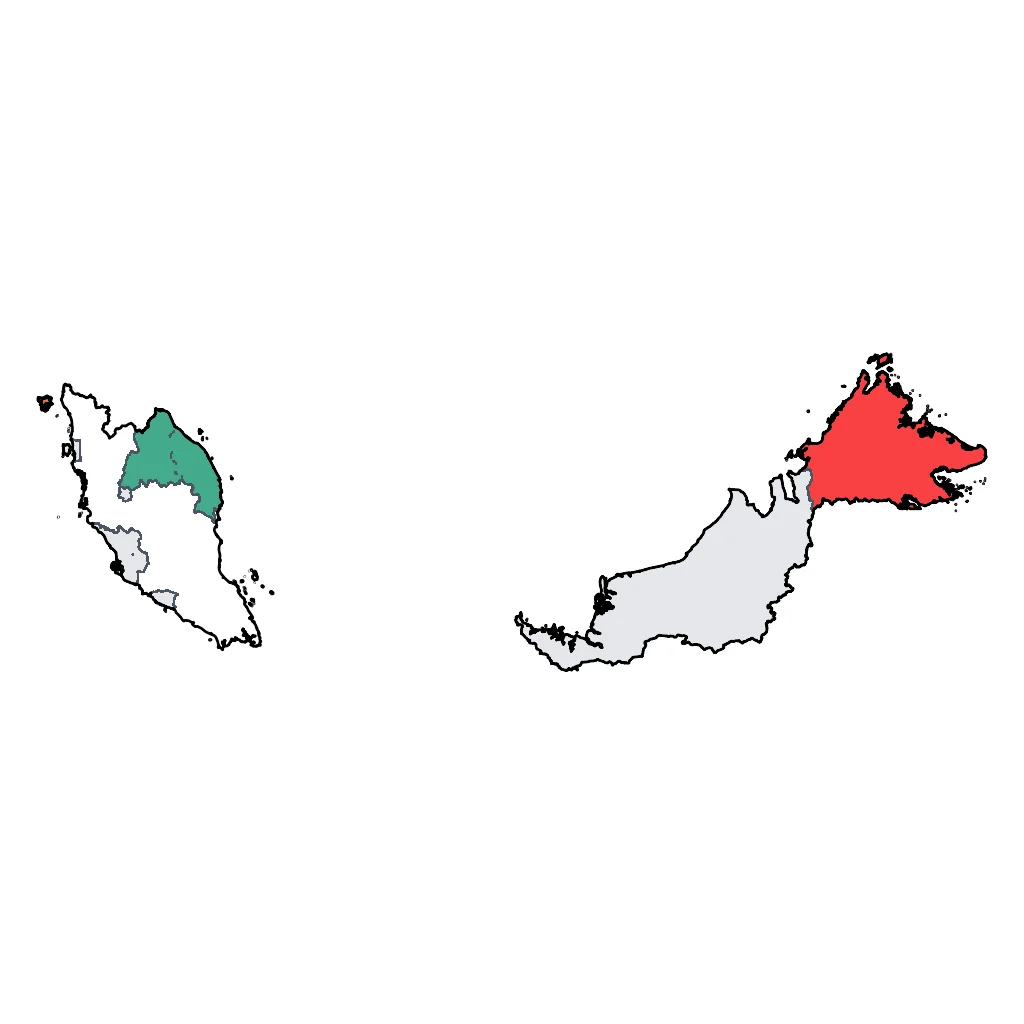

Scenic drives, countryside tours, route-based travel
A circuit of the island offers scenic coastal views and rural fruit farms, though modern traffic can impact the experience for discerning travelers. Dry peak months ensure the best visibility for mountain roads near Balik Pulau; off-months see frequent heavy rain that reduces scenic clarity and road safety.
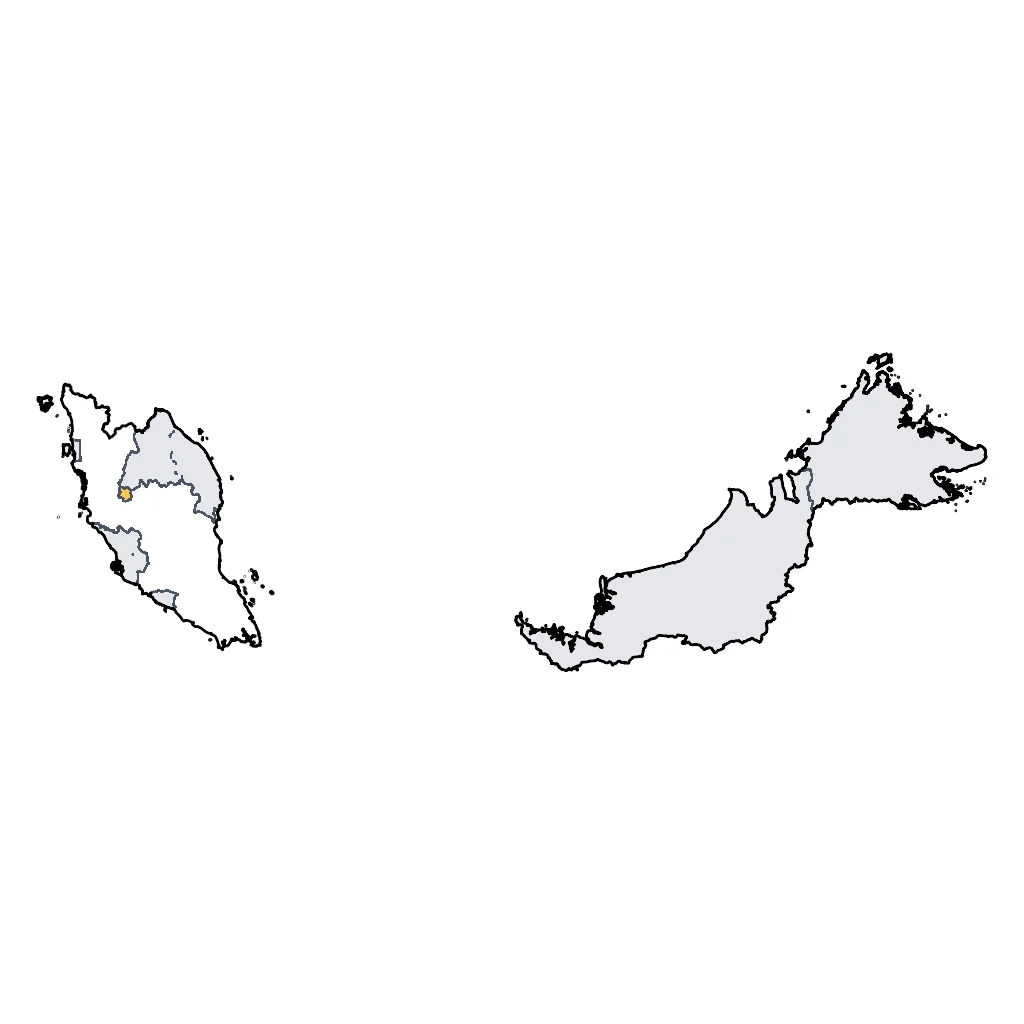

Sport tourism, fitness activities, active recreation
Cycling and hiking are possible in the island's interior, supported by decent local infrastructure but often hampered by humidity. Peak months offer the most comfortable temperatures (around 27.5°C) and dry conditions, while the intense heat and rain of the off-season make sustained physical activity difficult.