

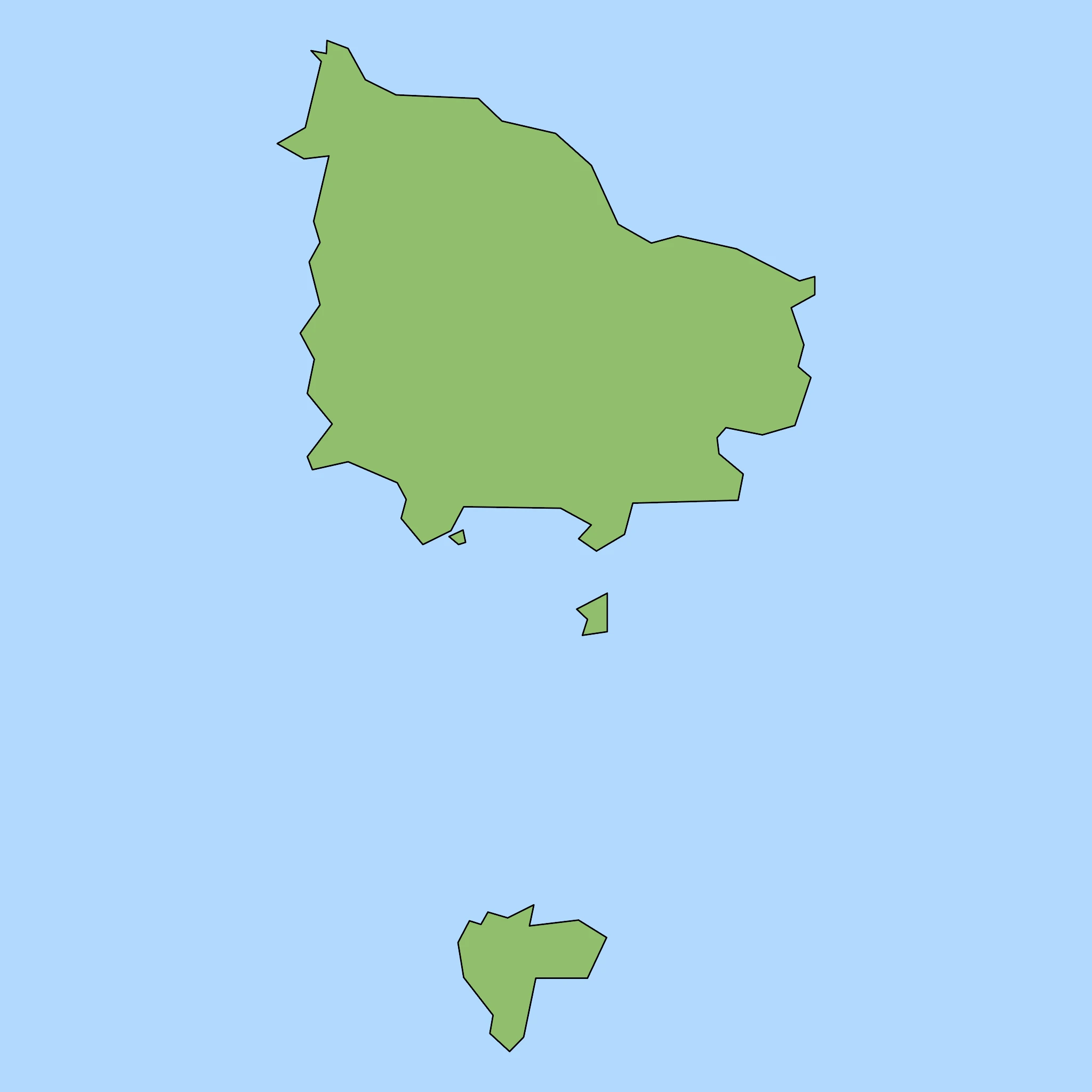
Located in the South Pacific between Australia, New Zealand, and New Caledonia, Norfolk Island is a destination defined by its jagged cliffs, tall pine trees, and fascinating multi-layered history. For families, the island offers a distinct pace of life where the speed limit is low, cows have the right of way on the roads, and the community is exceptionally welcoming. It is an ideal spot for parents seeking a safe, manageable environment where children can engage directly with nature and history without the crowds found in larger tourist hubs.
The primary draw for families is Emily Bay. Unlike the rough surf often found in the Pacific, this lagoon is protected by a coral reef, creating a calm, swimming-pool-like environment. Small children can paddle in the shallows, while older kids can snorkel over coral heads to spot colourful wrasse and neon damselfish. Glass-bottom boat tours operate regularly here, allowing families to view the marine life without getting wet. Nearby, Slaughter Bay offers slightly deeper waters for more confident swimmers and surfers.
History on Norfolk Island is tangible and accessible. The Kingston and Arthur’s Vale Historic Area (KAVHA) is a UNESCO World Heritage site where families can walk among the ruins of a penal settlement. Unlike stuffy museums, this is an open-air landscape where kids can run on the grass and explore old jail cells and military barracks. To bring the island's later history to life, a visit to Fletcher’s Mutiny Cyclorama is essential. This 360-degree painting depicts the story of the HMS Bounty mutiny and the descendants who eventually settled on Norfolk, providing a visual storytelling experience that captivates younger audiences.
Beyond the coast, the Norfolk Island National Park covers a significant portion of the island. Families can drive to the summit of Mount Pitt for 360-degree views of the ocean, or take the easy walking track to Mount Bates. The trails are generally well-maintained and shaded by the iconic Norfolk Island Pines and oversized tree ferns. For a unique local experience, look for the roadside "honesty boxes" selling fresh seasonal fruit, vegetables, and homemade jams-a great way to teach children about trust and community commerce.
Dining is casual and focuses on "paddock to plate" freshness. Many restaurants welcome children, and the local fish fry events are a popular tradition where families gather on the cliff tops to eat fresh trumpeter catch as the sun sets. When driving, remember the "Norfolk Wave"-raising a hand to acknowledge passing drivers is a local custom that families quickly adopt. Flights depart from Sydney, Brisbane, and Auckland, making the island an accessible overseas adventure that still feels close to home.
Map

Activities & Best Times
Adventure & Nature
GoodHiking, wildlife, outdoor exploration, ecotourism
Norfolk Island has pleasant nature walks and endemic species (Norfolk Pine, Green Parrot) but the island is only 34.6 km² with limited trail networks. Internationally calibrated, 'very_good' adventure/nature destinations offer extensive hiking, diverse ecosystems, or multi-day wilderness experiences. The compact nature experience here is better characterized as 'good'.
Beach & Sea
GoodBeach resorts, marine activities: diving, snorkelling, kite surfing, wind surfing, sailing
Emily Bay offers a stunning, reef-protected lagoon with exceptional clarity, though the subtropical climate means air temperatures rarely reach the high 20s. Peak months align with the warmest water and air temperatures, while the winter months (May-Oct) are too cool and rainy for a primary beach focus.

City & Cultural
GoodUrban tourism, museums, historical sites, architecture
While KAVHA is part of a UNESCO World Heritage serial listing (Australian Convict Sites), the cultural offering is narrow — one historic settlement focused on convict and Bounty/Pitcairn heritage. There are no major museums, galleries, or diverse cultural institutions. 'Very_good' should be reserved for destinations with broader cultural depth. 'Good' accurately reflects a genuinely interesting but limited cultural experience.

Educational & Exploratory
GoodLearning experiences, scientific sites, historical education
Educational offerings cover maritime history, convict heritage, and Pitcairn culture, which are interesting but narrow in scope. No major research institutions, interactive science centres, or diverse learning environments. 'Good' better reflects a destination where you can learn something meaningful but within a limited thematic range.

Relaxation & Wellness
GoodSpa retreats, wellness centers, peaceful getaways
The island's remote location and slow pace of life make it an authentic 'unplugged' retreat for sophisticated travelers. The warmer, sunnier months are ideal for enjoying the peaceful subtropical scenery, whereas high humidity and rain in winter may dampen the outdoor relaxation experience.

Sports & Active
GoodSport tourism, fitness activities, active recreation
Boasts one of the world's most scenic golf courses within a heritage site, alongside excellent ocean fishing and hiking. Optimal conditions occur during the drier periods, while the high rainfall and wind of the winter months (June-August) can disrupt outdoor sports and maritime activities.
Road Trips & Scenic
MarginalScenic drives, countryside tours, route-based travel
While the island is very small, it offers exceptionally scenic drives through pine forests and along rugged coastlines on well-maintained roads. Travel is most enjoyable when visibility is high and rain is low during the spring and summer months; winter conditions can be misty and overcast.

Attractions
37 attractions to explore. Click markers for details.

Airports & Flight Routes
Toggle options to view domestic routes and international airports. Click an airport for details.
Climate & Weather
Climate Overview
| Month | Temp (°C) | Rain (mm) | Humidity | Wind (m/s) |
|---|

Travel Advisory
The destination is considered safe for travel with no elevated risks. Standard personal safety awareness is sufficient.
Safety Topics
Traveller Advice (3 groups)

Be mindful that the island's medical system can be easily strained. Those with pre-existing conditions should ensure they have adequate supplies of medication and clear emergency plans.

Ensure you book accommodation and car rentals well in advance due to limited availability on the island. Bring sufficient cash as ATM access can be limited.

Children travelling from the Australian mainland must also have valid photo identification for border clearance. The island is highly suitable for families due to its safe beaches like Emily Bay.