

⚠️ SAFETY WARNING: Due to high risks of violent crime, kidnapping for ransom, terrorism, and civil unrest, government agencies (including CA, USA, UK, AU, IE, and NZ) advise travelers to reconsider their need to travel or avoid non-essential travel to Nigeria. The security environment is unpredictable and volatile, particularly in northern states and riverine areas. Families are strongly urged to consult their own government's official travel advisory before planning a trip, as individual circumstances and risk assessments vary significantly.
For families who choose to visit, Nigeria offers an intense and colorful immersion into West African heritage. As the continent's most populous nation, it is a powerhouse of creativity, driving the global popularity of Afrobeat music, fashion, and Nollywood film. The landscape shifts dramatically from the humid, mangrove-lined coast in the south to the savanna and hills of the central belt. Most family travel is concentrated in major urban centers like Lagos and the capital, Abuja, where infrastructure is better developed.
Lagos is a sprawling, frenetic mega-city that demands patience but rewards curiosity. Families often head to the Lekki Conservation Centre, where children can spot Mona monkeys and peacocks before tackling the longest canopy walkway in Africa. The Nike Art Gallery provides a fascinating, multi-story labyrinth of Nigerian textiles, sculptures, and paintings, often with opportunities to meet local artists. On weekends, the calmer atmosphere of private beach clubs along the Atlantic coast offers a respite from the city's legendary traffic jams.
In contrast, Abuja is a purpose-built capital with wider roads and a more relaxed pace. The city is dominated by Zuma Rock, a massive monolith that is a national icon. Families can visit Millennium Park for open green spaces or Jabi Lake for boat rides and shopping. For those interested in history, the National Mosque and National Christian Centre showcase the country's religious diversity through impressive architecture.
Nigerian cuisine is a highlight for adventurous eaters. Jollof rice is the national staple, a flavorful one-pot tomato rice dish that sparks friendly rivalries across the region. Kids usually love dodo (fried sweet plantains) and puff-puff (deep-fried dough balls), which are common street snacks. However, parents should be cautious with spice levels, as many local soups and stews can be quite hot.
Travel logistics in Nigeria require strict attention to safety. It is standard practice to hire a private car with a vetted driver rather than using public transport. Medical facilities in major cities can handle routine issues, but comprehensive travel insurance with evacuation coverage is essential. The dry season (November to March) is generally the most comfortable time to visit, avoiding the heavy rains that can complicate travel.
Explore Regions
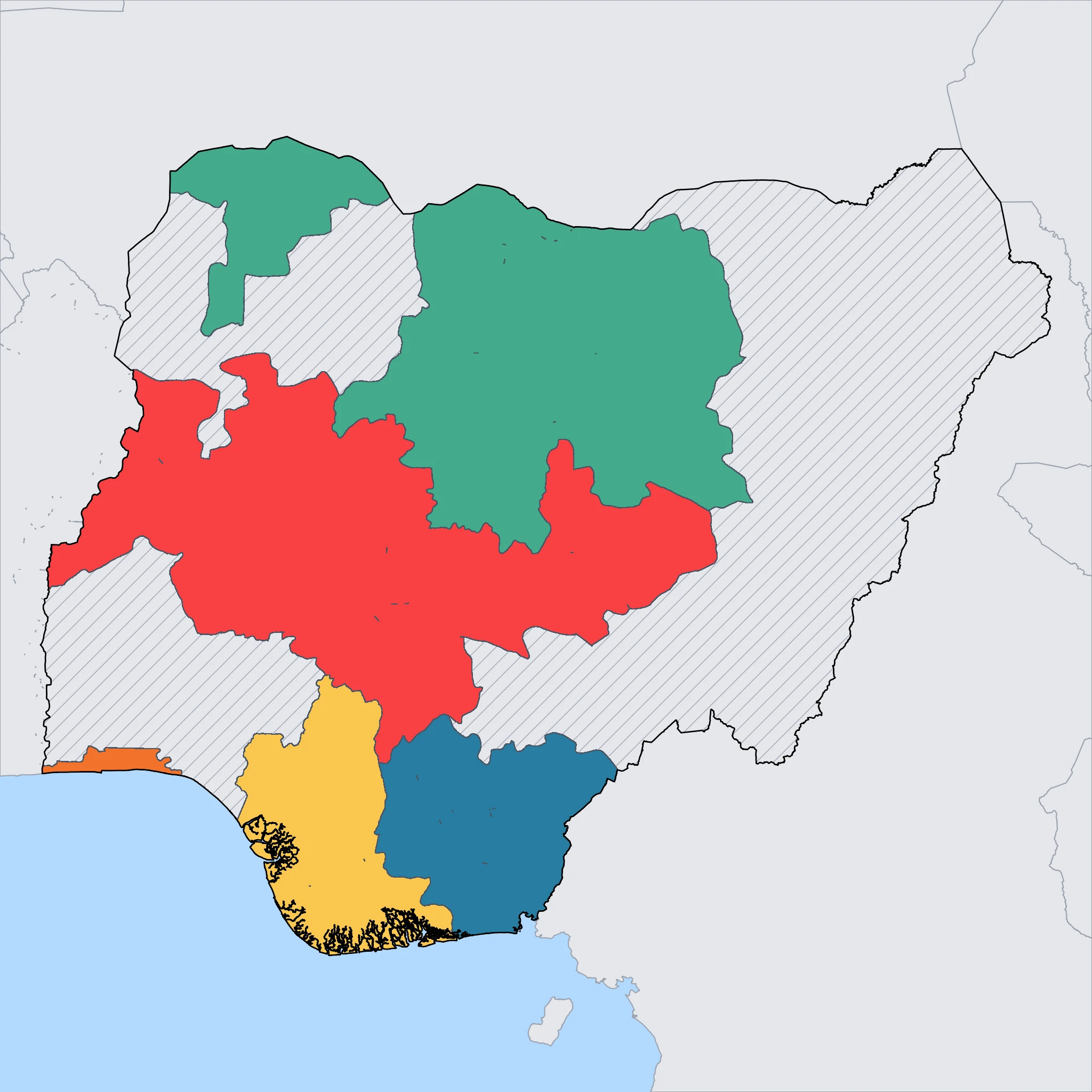
5 Regions
Abuja & Central
Modern architecture amidst dramatic rock formations 🇳🇬
Lagos
The energetic heartbeat of West Africa 🌊
Niger Delta
Riverine landscapes and complex history ⚓
Northern Nigeria (Kano, Kaduna)
Ancient walls and Sahelian traditions 🏰
Southeast (Calabar)
Green hills and carnival spirit 🎭
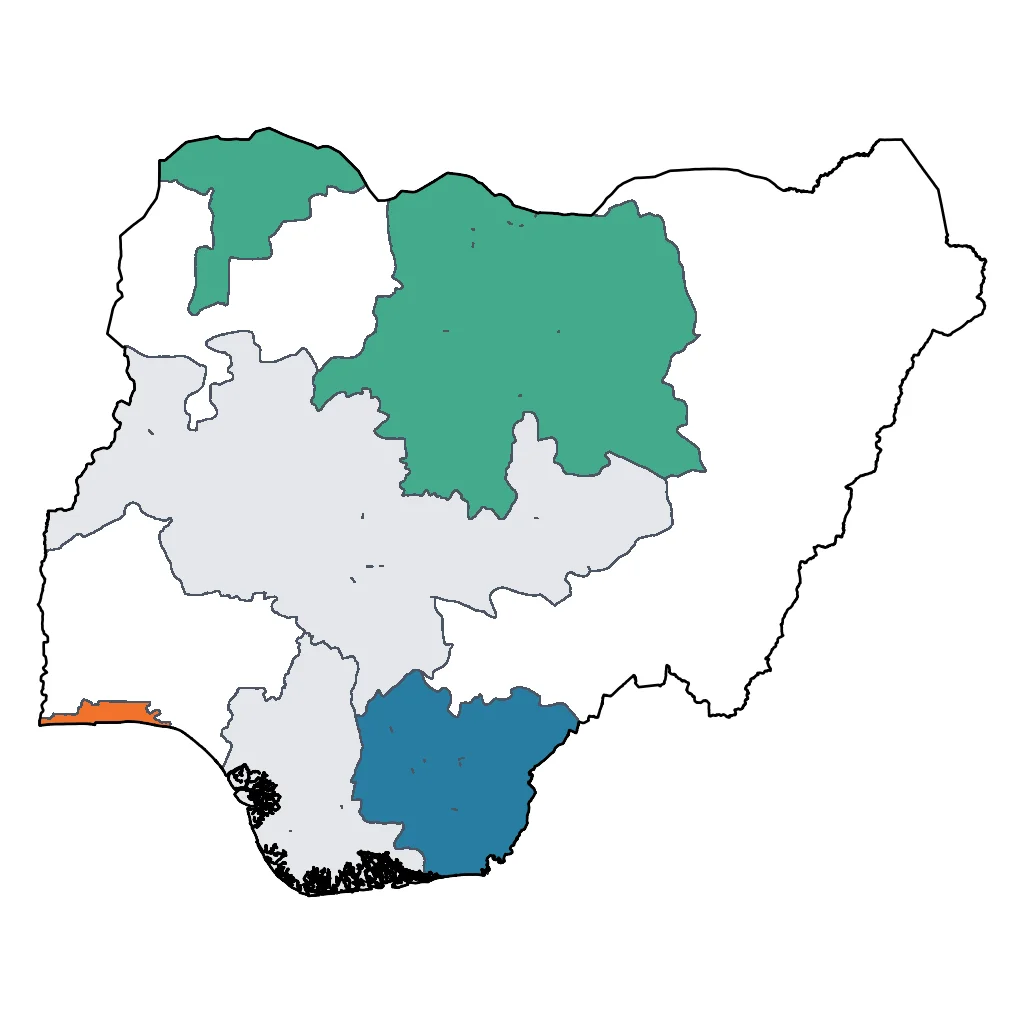
Click on a region marker to explore details. Use the dropdown to color regions by activity suitability.

Activities & Best Times

City & Cultural
Very GoodUrban tourism, museums, historical sites, architecture
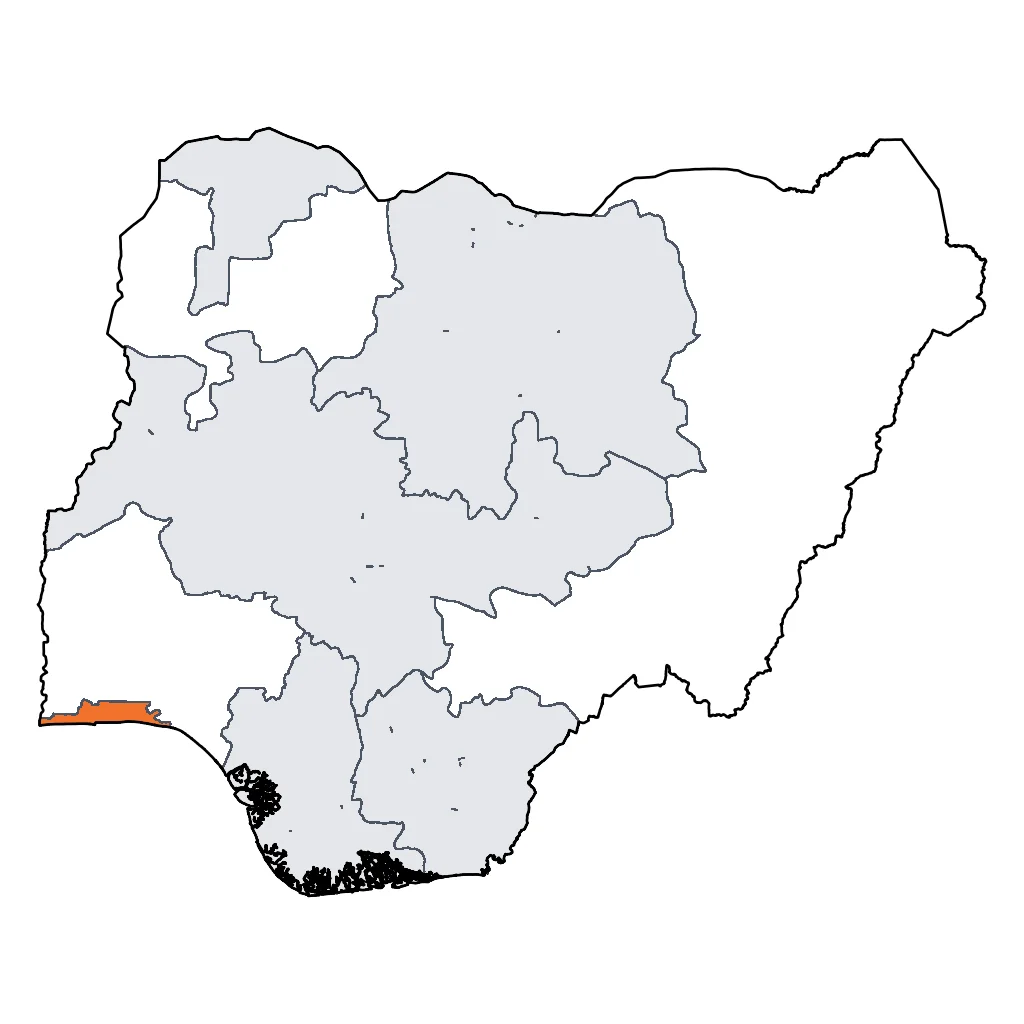
Lagos is Africa's cultural powerhouse, home to the world-renowned Nike Art Gallery and a sophisticated contemporary culinary scene. Peak months offer the 'Detty December' social explosion and dry weather, while the extreme rainfall from April to October causes significant urban flooding that hinders exploration.
Features some of Africa's oldest living history, including the ancient walled city of Kano, the Emir's Palace, and the 500-year-old Kofar Mata dye pits. Peak months offer cool, dry Harmattan weather ideal for urban exploration; the extreme heat of April-May and heavy summer rains make the outdoor heritage sites uncomfortable.
Calabar maintains a reputation as a clean, historic, and culturally rich city with colonial architecture and the Old Residency Museum. The peak season aligns with the dry weather and festive atmosphere of the end-of-year period, whereas the heavy monsoon rains (May-Oct) significantly hinder urban exploration.

Festivals & Seasonal
Very GoodEvents, celebrations, seasonal attractions
The Calabar Carnival is globally recognized as Africa's largest street party, featuring sophisticated choreography and authentic cultural displays. December is the exclusive peak for this world-class event, while the rest of the year lacks significant internationally-scaled festivities.
The city hosts world-class events like Lagos Fashion Week and major Afrobeats festivals that attract a global elite. The end-of-year period (Oct-Jan) is the undisputed peak for international-standard cultural celebrations, whereas the heavy monsoon months see a lull in major outdoor gatherings.
The Durbar festival is a world-class display of equestrian pageantry and traditional Hausa nobility that is unique to this region. While dates follow the Islamic calendar, the winter months are the peak period for attendance due to low humidity and manageable temperatures for outdoor viewing.
Adventure & Nature
GoodHiking, wildlife, outdoor exploration, ecotourism
While Obudu Mountain Resort and Cross River National Park are nationally notable, they lack the infrastructure, species diversity visibility, and accessibility of globally 'very_good' adventure destinations (Costa Rica, Borneo, East African safari parks). 'Good' is the appropriate international calibration for domestically significant but not globally competitive nature tourism.
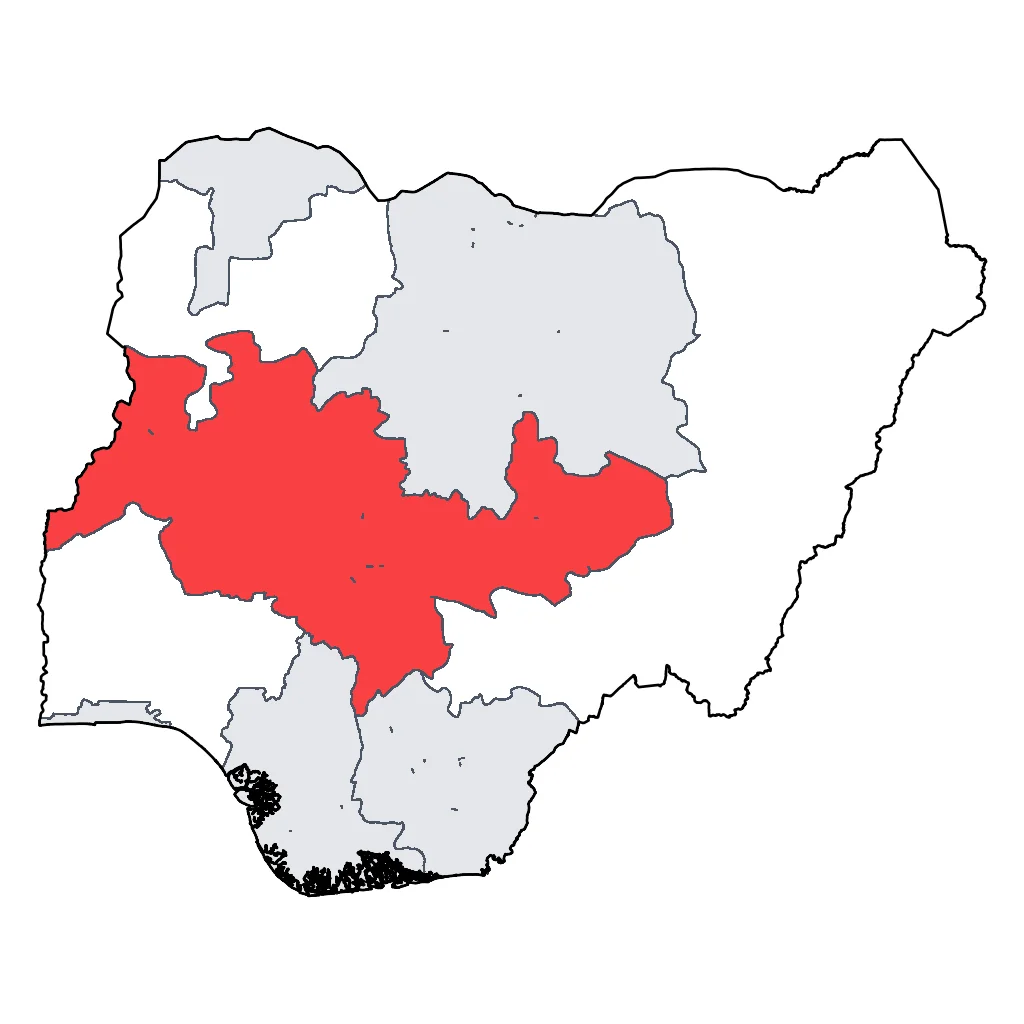
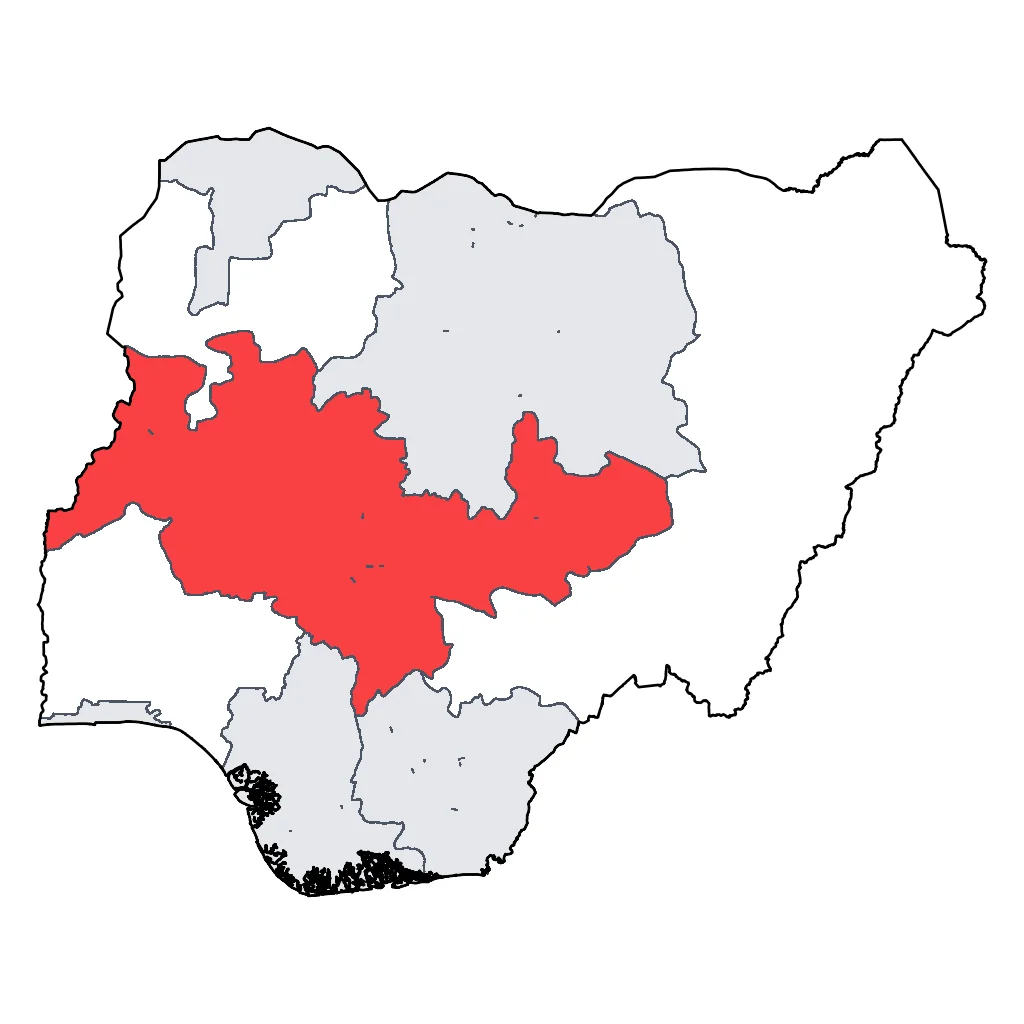
The region features stunning geological wonders like the Zuma Rock monolith and the impressive Gurara Falls. The dry months (Nov-Jan) offer clear visibility and safe trekking conditions, while the intense heat of March and heavy monsoon rains (Jun-Sep) make outdoor exploration uncomfortable and hazardous.
The region offers an authentic exploration of one of the world's largest river deltas and rare mangrove ecosystems via private boat. The dry months (Nov-Feb) are peak for navigating the labyrinthine waterways safely; extreme monsoon rainfall from April to October creates hazardous conditions and poor visibility for families.

Educational & Exploratory
GoodLearning experiences, scientific sites, historical education
Offers significant historical insight into the transatlantic slave trade and colonial history through sites like the Slave History Museum. The dry season (Nov-Mar) ensures access to outdoor archaeological sites and historical landmarks, which are difficult to navigate during the intense tropical rainy season.
Significant historical sites like the Badagry Heritage Museum provide profound insights into the Trans-Atlantic slave trade for discerning families. Travel to these sites is best in the dry season to avoid road closures and difficult conditions caused by the intense rainfall of May-October.
Provides deep insights into the Trans-Saharan trade legacy and the Nok culture, with significant archaeological and ethnographic collections in Kaduna and Kano. The winter months allow for pleasant visits to museums and archaeological sites, while the mid-year heat and rain hinder exploratory travel.
Beach & Sea
MarginalBeach resorts, marine activities: diving, snorkelling, kite surfing, wind surfing, sailing
Coastal areas like Ibeno offer expansive sandy stretches, but lack the world-class resort infrastructure and water clarity found in top global destinations. Minimal rainfall in December and January provides the only suitable conditions for beach visits before high humidity and heavy rains degrade the experience.
Lagos beaches (Landmark Beach, Ilashe) are local amenities with murky Atlantic water, safety concerns, and minimal resort infrastructure. They do not meet international calibration standards for 'good' beach destinations when compared to Caribbean, Mediterranean, or Southeast Asian coastal areas.

Road Trips & Scenic
MarginalScenic drives, countryside tours, route-based travel
Offers the spectacular winding ascent to the Obudu plateau, though the overall road network requires a private driver for safety. The dry season (Nov-Jan) is essential for road safety and visibility; heavy rains in the off-season make rural roads hazardous and mask the scenic views.
Scenic drives through the central highlands offer dramatic views of ancient inselbergs and rolling savanna. Best experienced when roads are dry and visibility is high (Nov-Jan), though infrastructure outside the capital may not always meet the highest international safety standards for families.

Relaxation & Wellness
MarginalSpa retreats, wellness centers, peaceful getaways
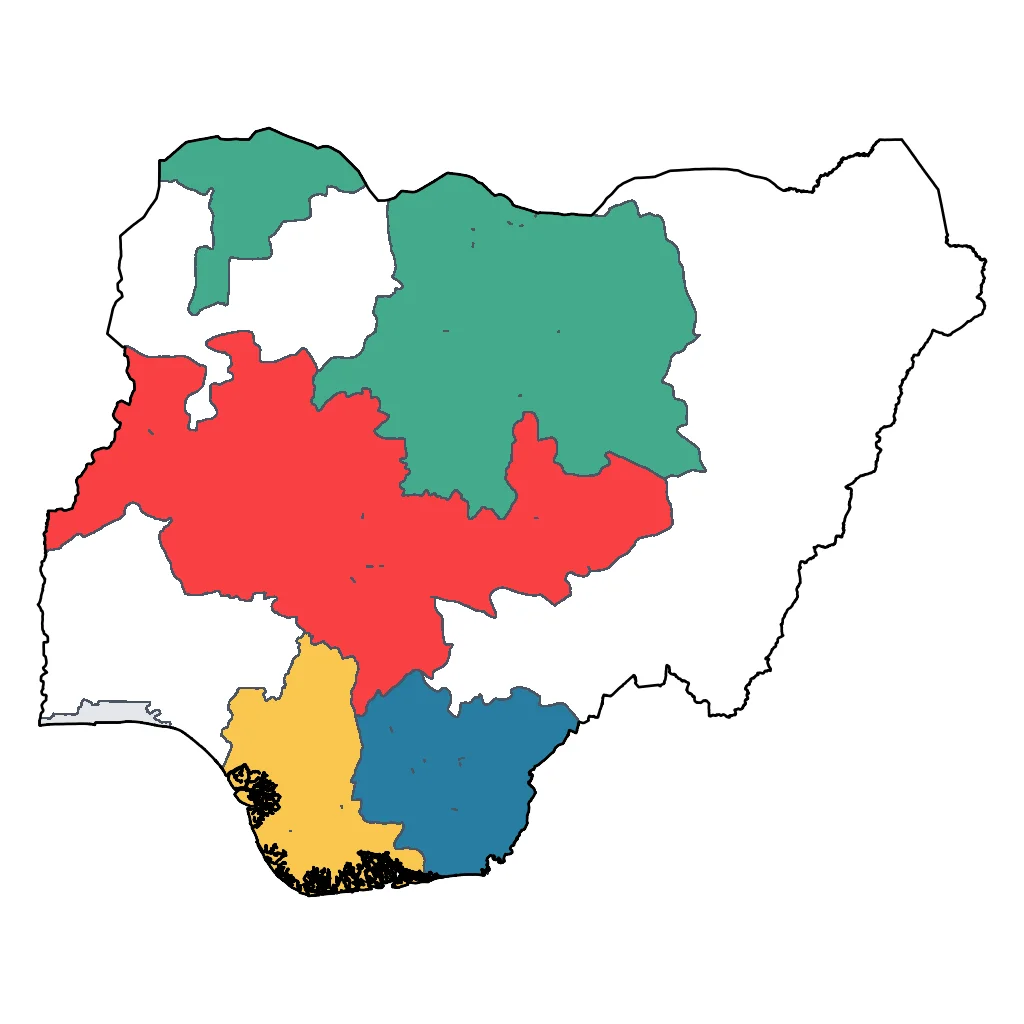
Abuja has international business hotels and city parks, but these do not constitute a wellness tourism offering. No spa resorts, thermal baths, or dedicated wellness facilities of international caliber exist. By global standards (Bali, Thailand, European spa towns), this is marginal at best.
High-end urban spas and luxury island resorts cater to a wealthy clientele seeking respite from the city's intensity. The experience is best in the dry season when outdoor yoga and poolside relaxation aren't interrupted by the region's frequent and heavy tropical downpours.
The Wikki Warm Springs in Yankari offers a genuinely serene and unique natural swimming experience in crystal-clear water. However, the lack of world-class spa infrastructure and high-end wellness resorts prevents this from being a primary destination for relaxation-seeking international travelers.

Sports & Active
MarginalSport tourism, fitness activities, active recreation
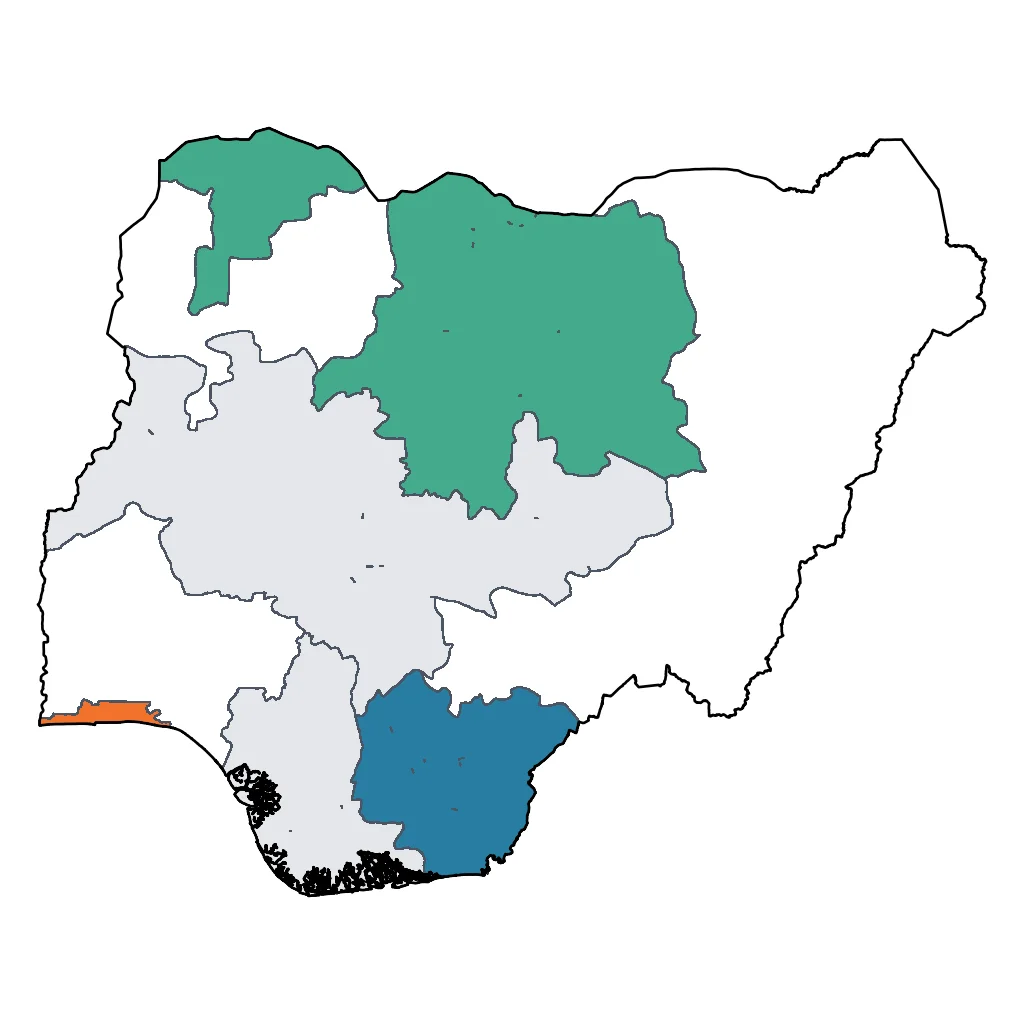
One golf club and casual water activities on Jabi Lake do not justify 'good' for sports/active tourism against international calibration. Regions rated 'good' should have multiple quality sporting facilities and organized activities. This is marginal.
Lagos offers elite sporting experiences through private clubs for polo, golf, and yachting. These activities are heavily weather-dependent, with the peak dry months providing the only consistent conditions for play, as the wet season's humidity and rainfall make outdoor sports uncomfortable.
Theme Park & Entertainment
MarginalAmusement parks, family entertainment venues
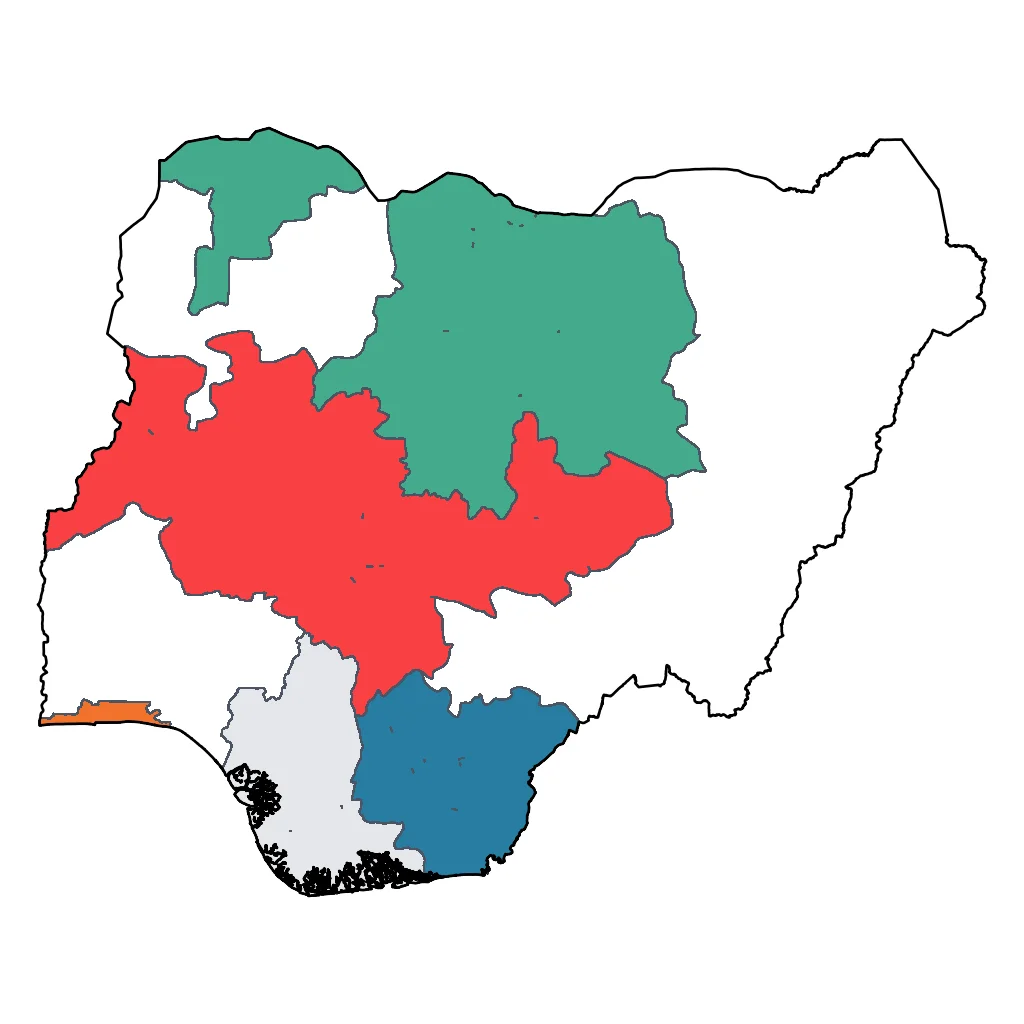
High-quality indoor family entertainment centers like Rufus & Bee provide modern recreation but lack the scale of international theme park destinations. These venues serve as excellent reliable retreats during the dry season, but the surrounding urban infrastructure becomes difficult to navigate during the heavy rain months.
Port Harcourt Pleasure Park is a high-quality regional facility offering modern recreation for families, though it does not reach the scale of global destination parks. Peak dry months are best for utilizing the outdoor climbing and pedal boat facilities; heavy rains in the off-months render many outdoor attractions unusable.
Airports & Flight Routes
Toggle options to view domestic routes and international airports. Click an airport for details.
Climate & Weather
Abuja & Central
Show Details
| Month | Temp °C | Rain | Humidity |
|---|
Lagos
Show Details
| Month | Temp °C | Rain | Humidity |
|---|
Niger Delta
Show Details
| Month | Temp °C | Rain | Humidity |
|---|
Northern Nigeria (Kano, Kaduna)
Show Details
| Month | Temp °C | Rain | Humidity |
|---|
Southeast (Calabar)
Show Details
| Month | Temp °C | Rain | Humidity |
|---|

Travel Advisory
High security risks are present; travellers should evaluate if the trip is truly essential or postpone travel to high-risk areas.
Safety Topics
Traveller Advice (3 groups)

In northern states where Sharia law is applied, women should dress conservatively and respect local customs to avoid unwanted attention or harassment.

Always maintain a low profile, avoid travelling after dark, and ensure all road movements are conducted in well-maintained vehicles with locked doors.

Homosexuality is criminalized nationwide. Public displays of affection or advocacy for LGBTQ+ rights can lead to arrest, imprisonment, or physical harm.