

Nicaragua stands out as a destination for families seeking adventure beyond the resort walls. Dominated by a dramatic chain of volcanoes and the vast Lake Nicaragua, the country offers a landscape that serves as a natural classroom for geology and wildlife. Unlike its more developed neighbours, Nicaragua provides a rustic, less crowded experience where families can connect directly with nature and local culture.
The journey often begins in Granada, a photogenic colonial city with colourful architecture and pedestrian-friendly streets. Families can climb the bell tower of Iglesia La Merced for panoramic views or visit the ChocoMuseo to learn how cacao beans are transformed into chocolate bars-a hands-on activity that delights children of all ages. Just a short drive away lies Masaya Volcano National Park, one of the few places on Earth where you can drive right up to the crater rim. Visiting at night allows families to peer safely into the glowing lava lake, a mesmerising spectacle that requires no hiking.
For water-based adventures, a boat tour through Las Isletas de Granada reveals hundreds of tiny islands formed by ancient volcanic activity. Guides often point out resident wildlife, including spider monkeys and varied bird species. Further south, the twin-volcano island of Ometepe sits in the middle of Lake Nicaragua. Here, families can swim in the crystal-clear, mineral-rich waters of Ojo de Agua, kayak through the wetlands of the Istián River to spot caimans and turtles, or hike to ancient petroglyphs carved into volcanic rock.
The Pacific coast, particularly around San Juan del Sur, is famous for its surf breaks. Beaches like Playa Hermosa and Playa Remanso offer gentle waves and sandy bottoms perfect for beginners and children taking their first surf lesson. Between July and January, the La Flor Wildlife Refuge becomes a nesting ground for thousands of Olive Ridley sea turtles. Guided night tours give families the rare chance to witness these creatures laying eggs or watch hatchlings make their way to the ocean.
Practical Considerations for Families: Travel in Nicaragua requires more planning than in some other destinations. While the main tourist corridor (Granada, Leon, San Juan del Sur) is well-trodden, infrastructure can be basic. Families should use private shuttles or hired drivers rather than public "chicken buses" for safety and comfort. Safety is a primary consideration; while violent crime against tourists is lower than in some neighbouring countries, political sensitivity remains high. Visitors should strictly avoid any political gatherings, demonstrations, or displaying national flags, and stay updated on government travel advice. Tap water is not potable, so bottled or filtered water is essential. The dry season (November to April) is the most comfortable time to visit, ensuring sunny days for beach outings and hiking.

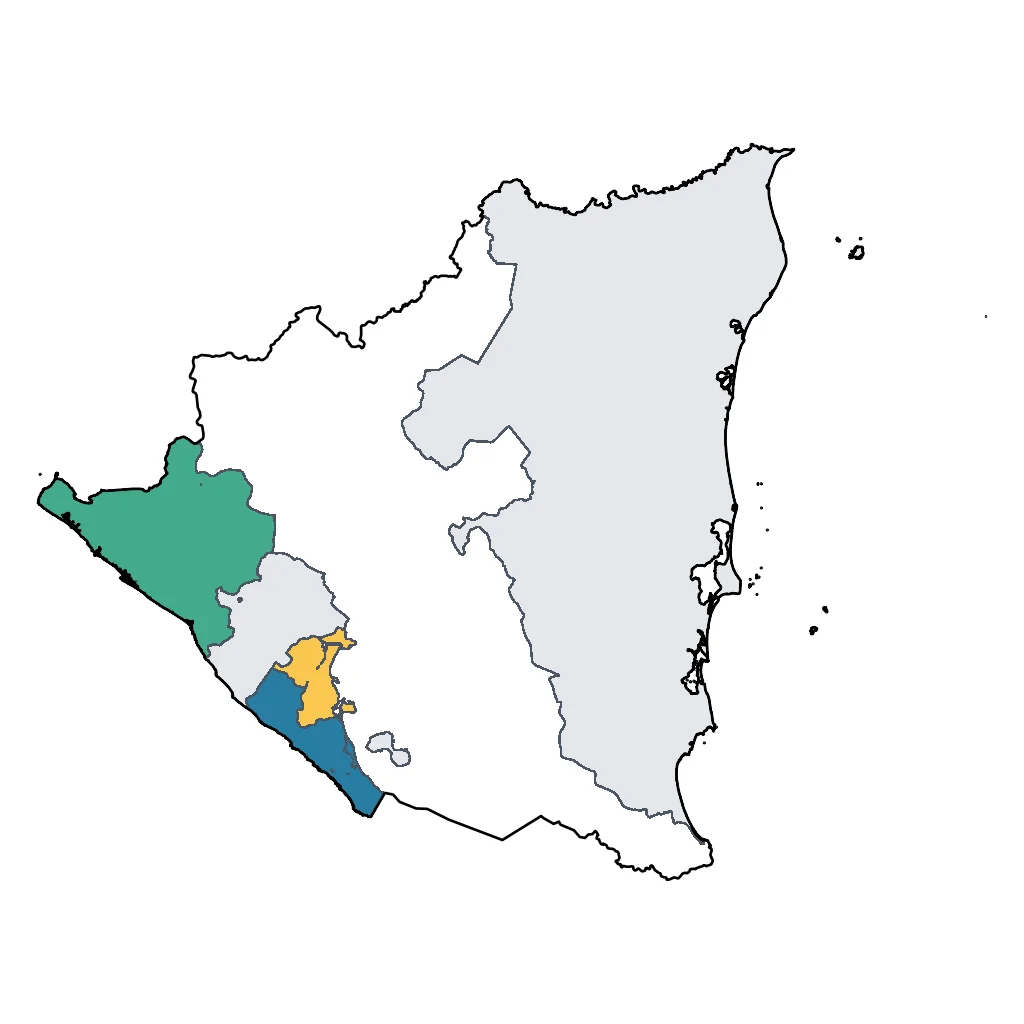
Explore Regions
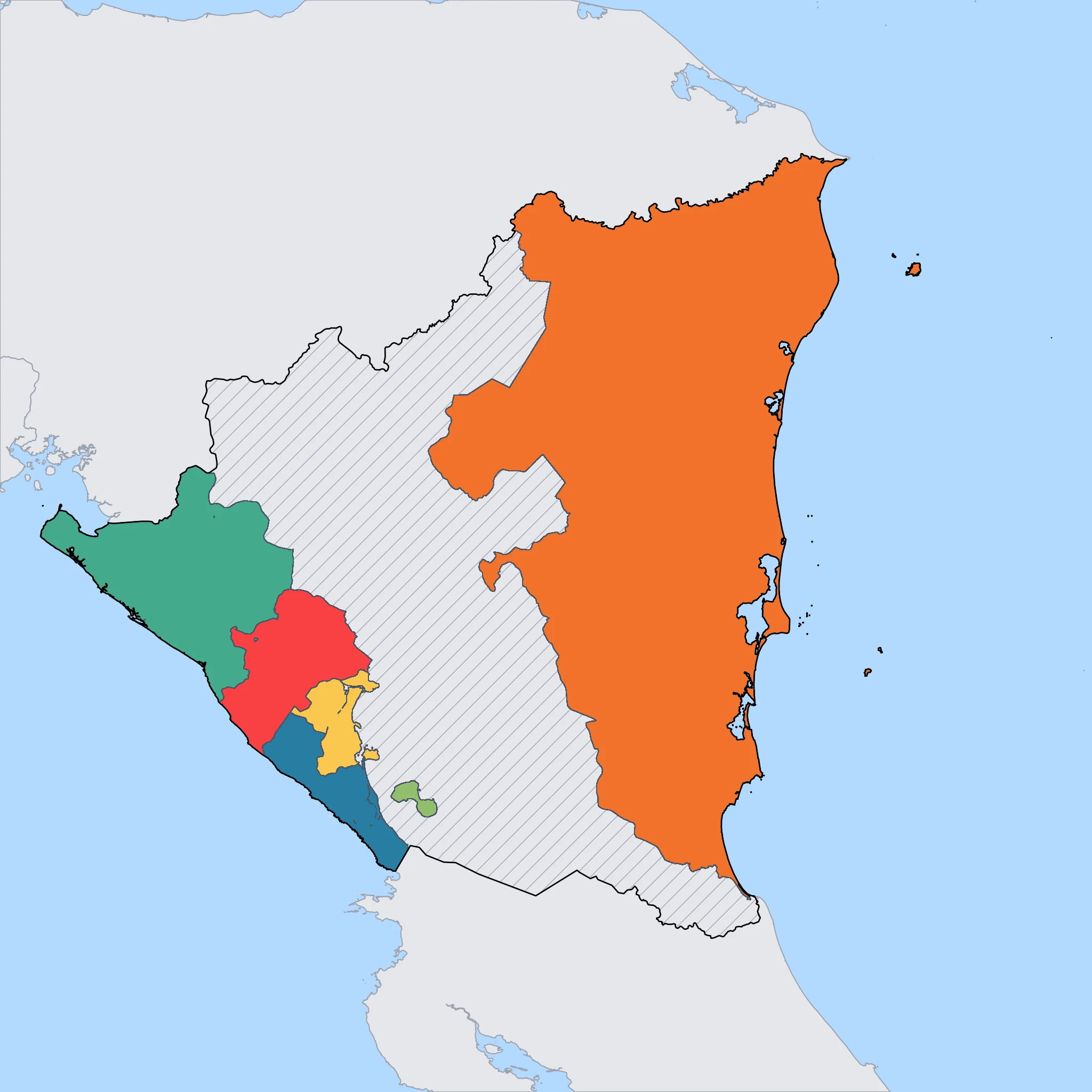
6 Regions
Corn Islands & Caribbean
Caribbean rhythms and car-free island adventures 🏝️🥥
Granada & Masaya
Colonial streets, monkey islands, and active craters 🌋🐒
León & Northwest
White cathedrals, dark volcanoes, and Pacific mangroves ⛪🐊
Managua
Lakeside promenades and ancient history in the capital 🏙️👣
Ometepe Island
Twin volcanoes and natural pools in a freshwater sea ⛰️🦋
San Juan del Sur & Pacific
Surf beaches, turtle watching, and coastal sunsets 🐢🏄
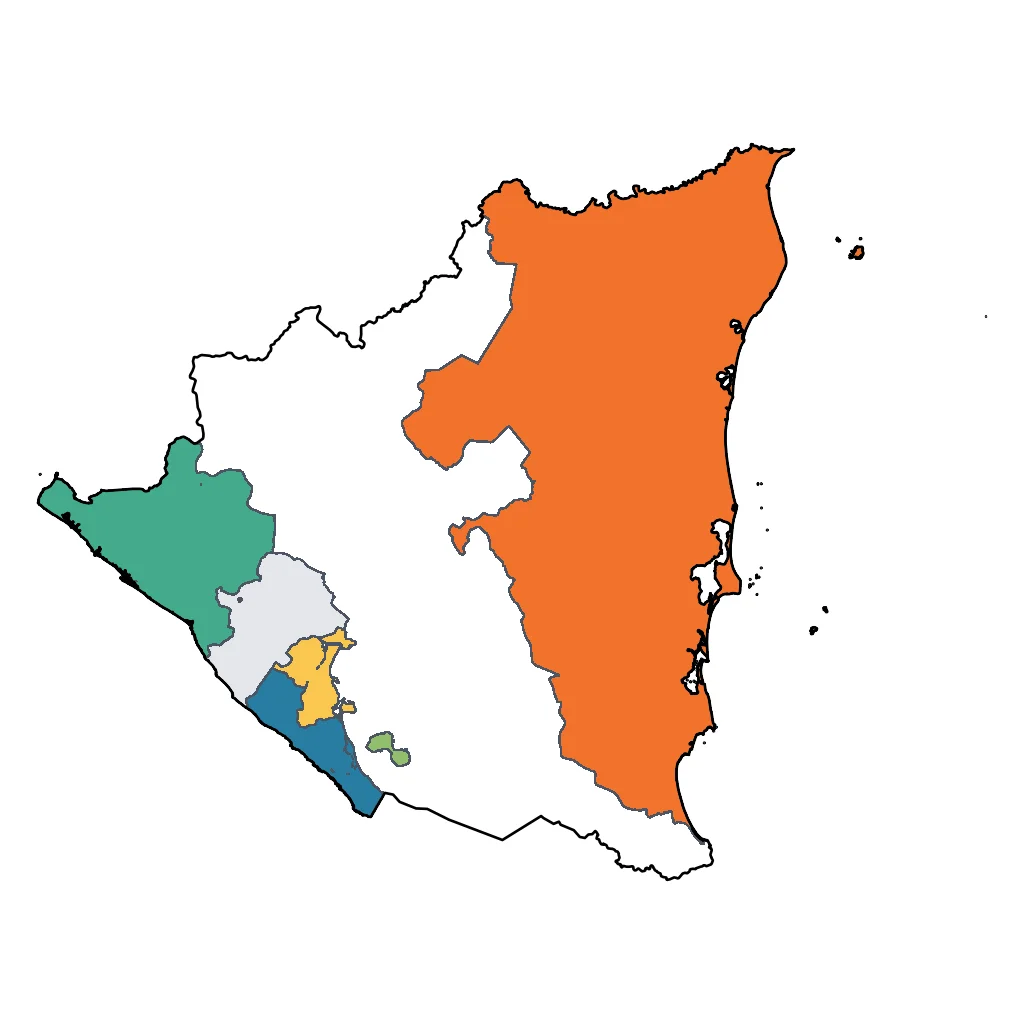
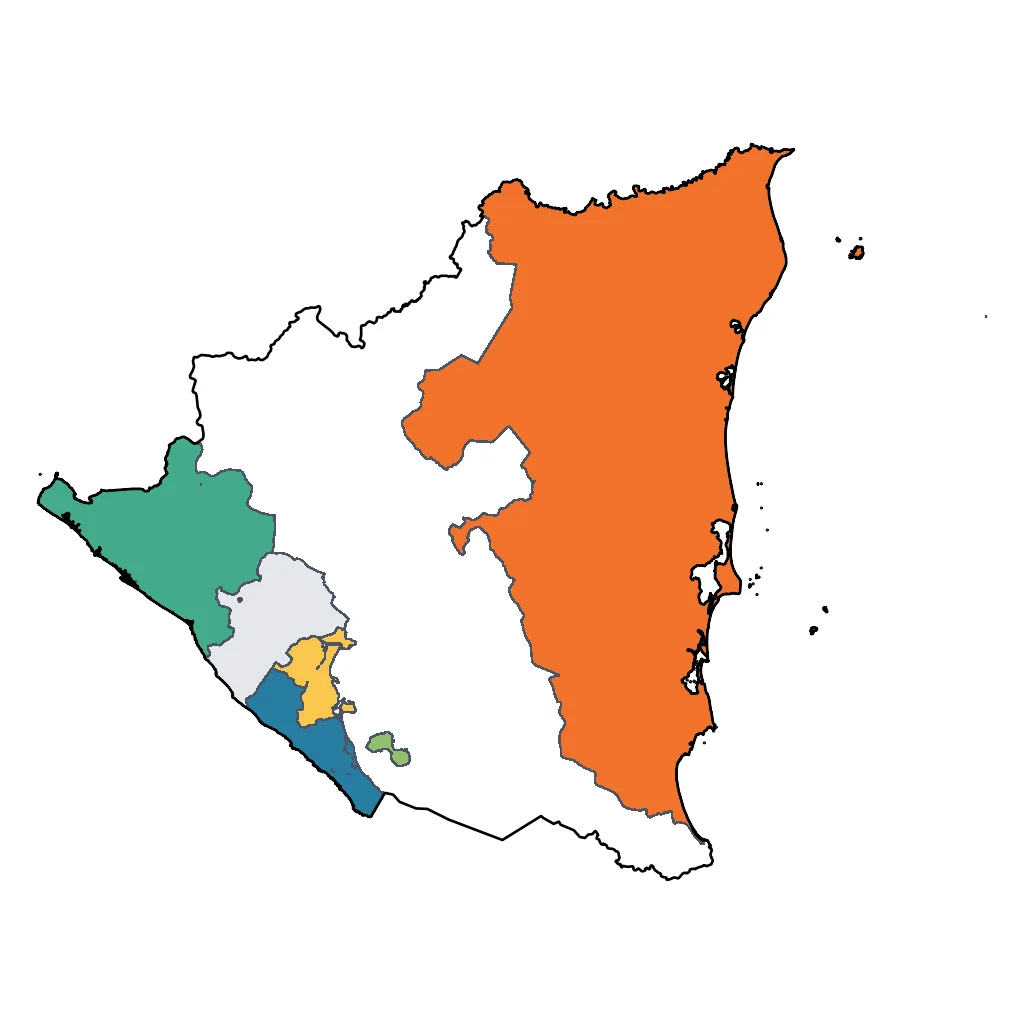
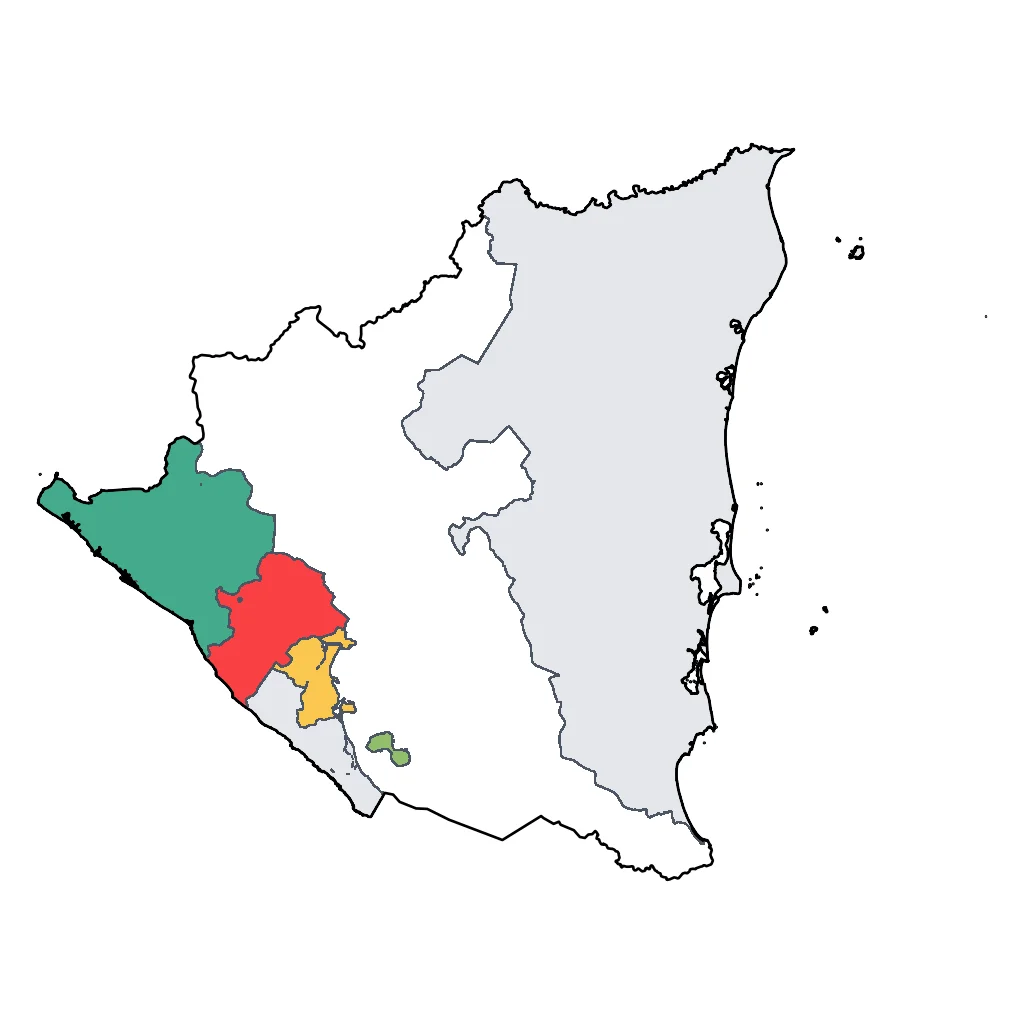
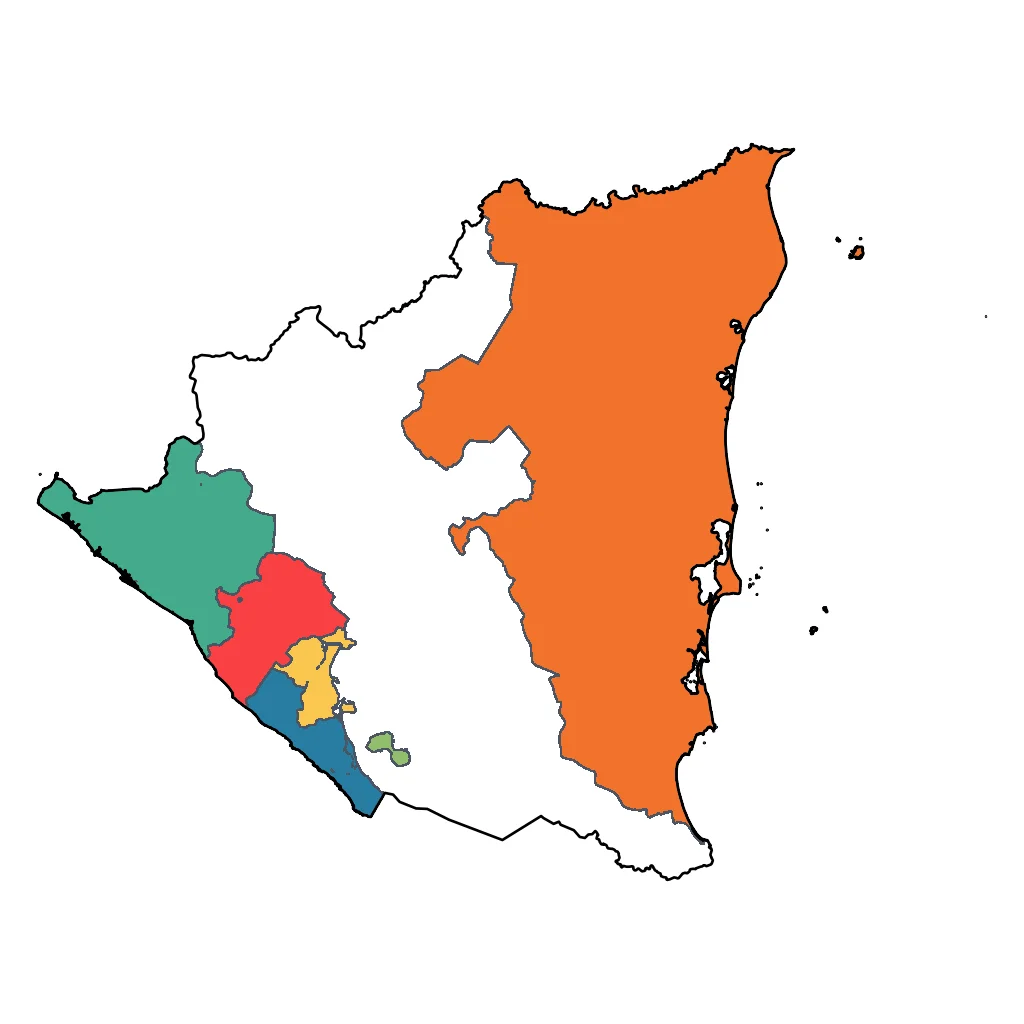
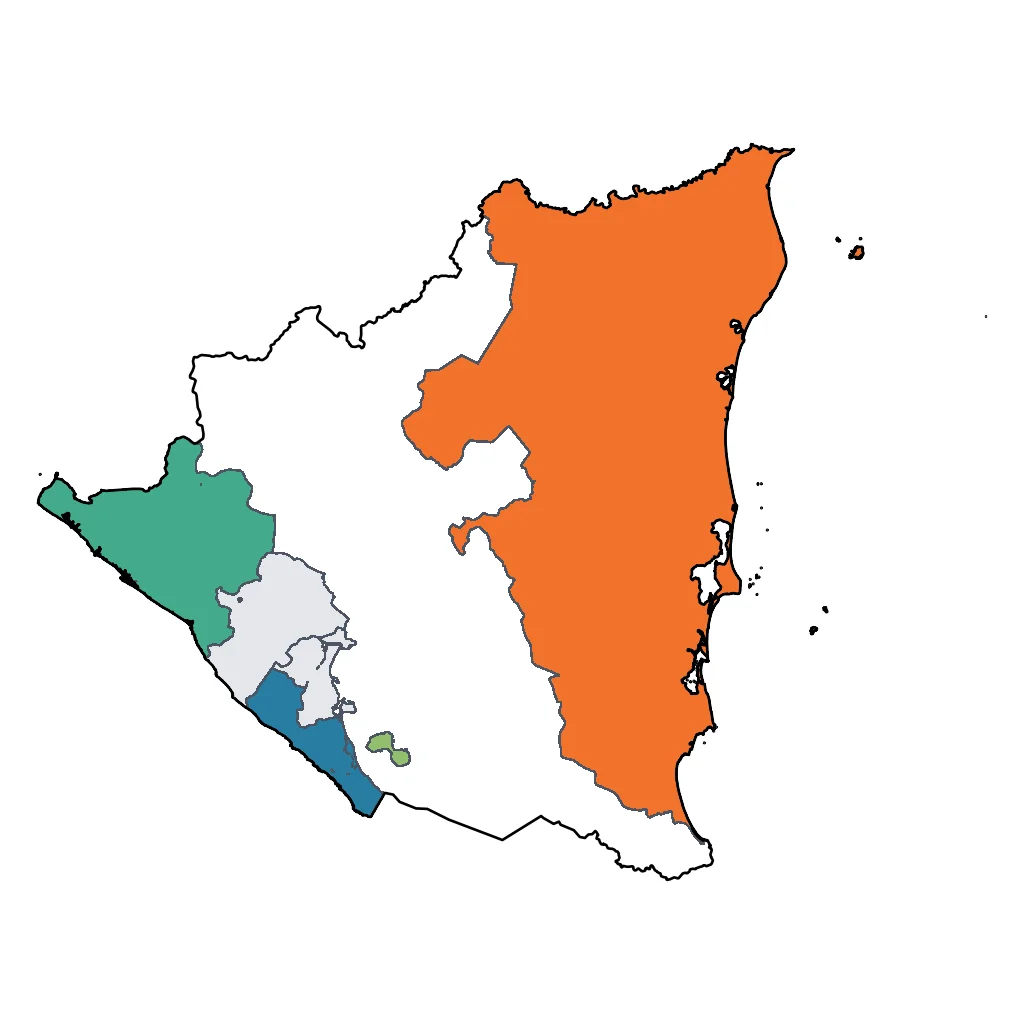
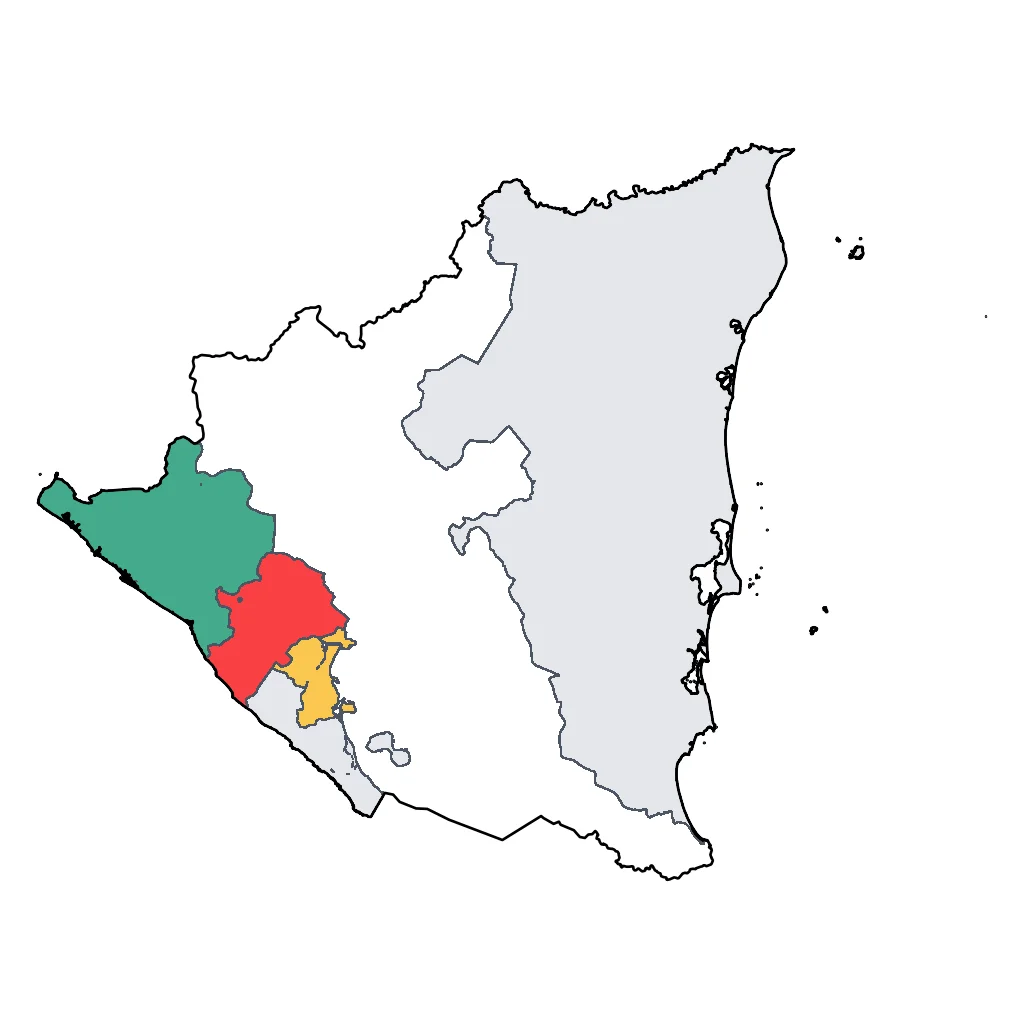
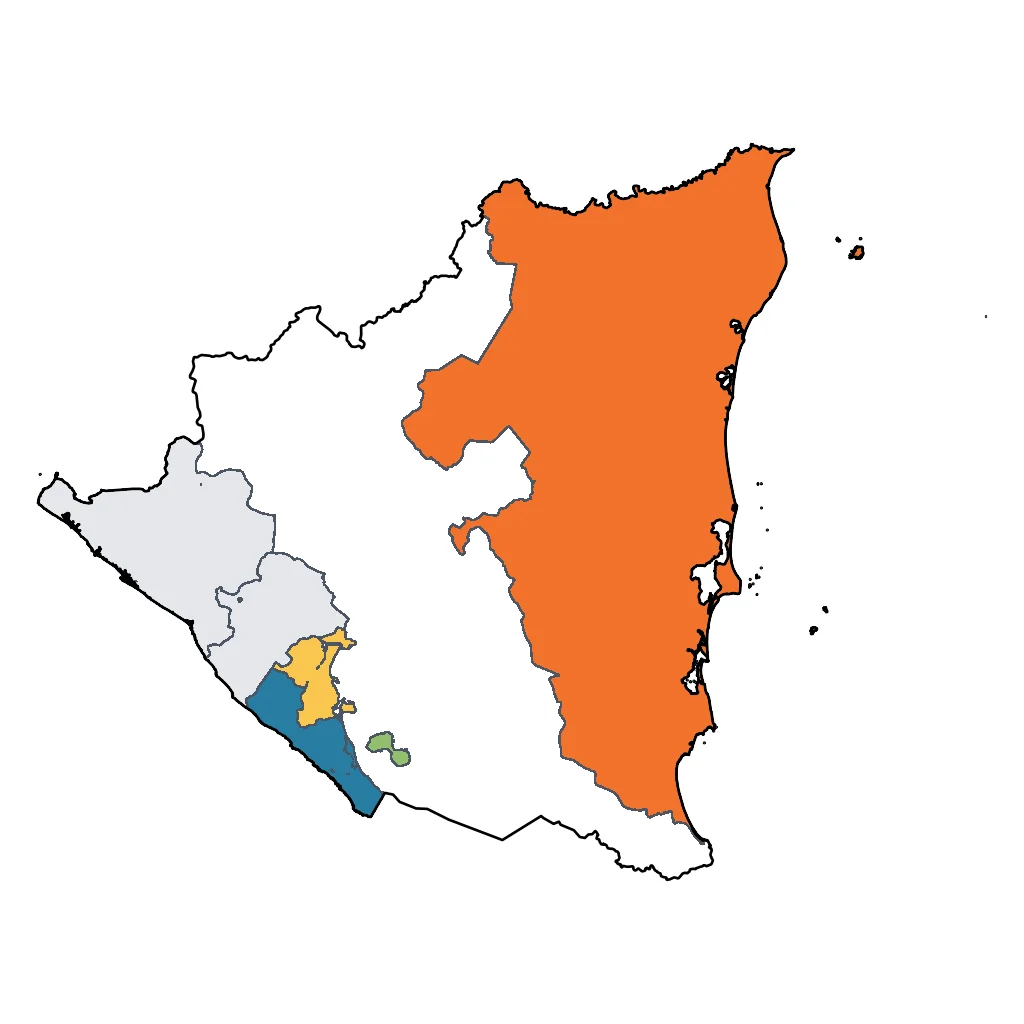
Click on a region marker to explore details. Use the dropdown to color regions by activity suitability.

Activities & Best Times

Adventure & Nature
Very GoodHiking, wildlife, outdoor exploration, ecotourism
Home to rare tropical dry forests and the vital La Flor Sea Turtle Refuge, offering authentic wildlife encounters. Dry season ensures navigable trails and clear vistas; extreme rainfall from June to October (peaking at 289mm) creates hazardous trail conditions and limits exploration.
The region offers unique access to the glowing lava lake of Masaya Volcano and the biodiversity of the Mombacho cloud forest. The dry season (Dec-Apr) ensures the clear visibility required for volcano viewing and safe hiking, whereas the heavy rainfall from June to October makes forest trails muddy and volcanic craters frequently obscured by clouds.
Home to the globally unique experience of volcano boarding on Cerro Negro and the pristine Maribios volcanic chain. Peak months offer dry trails and clear views, while the extreme heat of April and the intense rainy season (May-Oct) make hiking and boarding hazardous.

Beach & Sea
Very GoodBeach resorts, marine activities: diving, snorkelling, kite surfing, wind surfing, sailing
Features a stunning array of 'scalloped' bays and private cove beaches with high-end eco-boutique resorts. Peak dry season offers perfect 30°C temps and low humidity; the May-October rainy season exceeds 150mm monthly, resulting in poor sea visibility and frequent storms.
A pristine Caribbean escape featuring world-class snorkeling and a car-free island experience that feels genuinely untouched. Peak months offer the lowest rainfall (<70mm) and calmest seas for optimal visibility; the rainy season (Jun-Nov) brings extreme precipitation and rough waters that limit beach access.
While lacking an ocean coast, the pristine, warm waters of the Laguna de Apoyo crater lake and the boat tours of Las Isletas offer a high-quality freshwater alternative. The dry season provides the clearest water and best conditions for swimming and kayaking.

City & Cultural
Very GoodUrban tourism, museums, historical sites, architecture
Granada is a charming colonial city but does not meet the international standard for 'excellent' city/cultural. It lacks UNESCO World Heritage status (unlike León's cathedral), has no world-class museums, and its cultural infrastructure is limited compared to globally excellent destinations like Prague, Marrakech, or Kyoto. 'Very good' reflects that it's the best colonial city in Nicaragua and regionally significant.
León is an intellectual hub featuring the UNESCO-listed Cathedral and the world-class Ortiz-Gurdián art collection. The dry, relatively cooler months are ideal for urban exploration, whereas the extreme heat of April (>37°C) and heavy autumn rains are prohibitive for discerning travelers.
Offers a raw, authentic look at Latin American political history and resilience through iconic sites like the Old Cathedral ruins and Plaza de la Revolución. Peak months provide the most manageable heat and lowest rainfall for urban walking, while the extreme humidity and heavy rains from May to October can make city exploration uncomfortable.

Educational & Exploratory
Very GoodLearning experiences, scientific sites, historical education
Offers significant historical depth through the ruins of León Viejo and sites related to the Nicaraguan Revolution. Dry season conditions facilitate access to archaeological sites and walking tours, while the monsoon-like rains from May to October limit educational exploration.
Provides unique scientific opportunities to witness 'arribadas' (mass sea turtle nestings) under expert guidance. The end of the year offers the best balance of active nesting/hatching and improving weather, whereas the early year dry season sees a total absence of nesting activity.
Families can engage in authentic cultural education through traditional pottery workshops in the White Towns and volcanology tours at Masaya. These exploratory experiences are best enjoyed during the drier months when access to artisan villages is easiest; seasonal peak rains in autumn can disrupt travel schedules and outdoor learning activities.

Sports & Active
Very GoodSport tourism, fitness activities, active recreation
San Juan del Sur has consistent surf but calling it a 'global surfing mecca' is inflated. Waves are generally small-to-medium; it's regionally popular in Central America but doesn't compare to truly excellent global surf destinations (Pipeline, Jeffreys Bay, Mentawais, Gold Coast). 'Very good' accurately reflects strong regional surfing with good consistency.
A premier destination for niche sports like volcano boarding and consistent Pacific surfing at El Tránsito. The dry season provides optimal slope stability and access, whereas the rainy season's heavy precipitation creates muddy, difficult conditions for active pursuits.
An exceptional destination for scuba diving and paddleboarding with high marine biodiversity and reef access. Optimal sea conditions and visibility occur during the dry window of March and April, whereas the high winds and heavy rainfall of the wet season significantly degrade water-based sports.

Festivals & Seasonal
Very GoodEvents, celebrations, seasonal attractions
Features world-class authentic traditions like the Semana Santa sawdust rugs in Sutiaba and the Griteria in December. These peaks align with major cultural dates despite the heat; the rainy months offer fewer significant events for international visitors.
Host to authentic celebrations like Semana Santa (April) and the vibrant Hípicos horse parades (August). Peak months align with specific major cultural events; months with no significant festivals or extreme weather are less appealing for event-based travel.
Home to the Fiestas Patronales de Santo Domingo de Guzmán, a massive and deeply authentic 10-day cultural event in August featuring parades and traditional music. Although August is rainy, it is the undisputed peak for cultural immersion, with surrounding months offering minor local lead-up events.

Relaxation & Wellness
GoodSpa retreats, wellness centers, peaceful getaways
Described as 'emerging hub' for wellness — by definition, an emerging destination is not yet 'very good'. Nicaragua's Pacific coast wellness infrastructure is developing but limited compared to established wellness destinations in Costa Rica, Mexico, or Southeast Asia. 'Good' better reflects the current state.
High-end eco-wellness retreats are situated on the private 'Isletas' of Lake Nicaragua and around the pristine Laguna de Apoyo crater lake. Ideal weather in the winter months supports outdoor yoga and lakeside relaxation, but the intense tropical downpours of the wet season significantly limit the appeal of these open-air luxury environments.
The islands provide a peaceful, 'barefoot luxury' atmosphere ideal for digital detox and yoga retreats away from commercial crowds. Lower humidity and clear skies in early spring (Feb-Apr) create the best environment for outdoor wellness; the extreme humidity (>70%) and heavy rain of the off-season are less comfortable.

Road Trips & Scenic
GoodScenic drives, countryside tours, route-based travel
Rugged coastal routes lead to secluded gems like Playa Hermosa, offering a genuine sense of discovery for families in 4x4 vehicles. Travel is best in the dry season when dirt roads are stable; heavy rains in the off-season frequently cause road washouts and render remote bays inaccessible.
A compact region ideal for short, scenic drives between colonial cities, artisan markets, and volcanic viewpoints on well-maintained roads. Travel is most rewarding when visibility is high and weather is dry (Dec-Apr); the peak of the rainy season can lead to poor visibility and more difficult driving conditions on secondary rural routes.
Scenic routes connect colonial history with dramatic volcanic landscapes and coastal views. Dry months ensure safe road conditions and peak visibility, while the torrential rains of September and October can lead to localized flooding and difficult driving.

Airports & Flight Routes
Toggle options to view domestic routes and international airports. Click an airport for details.
Climate & Weather
Corn Islands & Caribbean
Show Details
| Month | Temp °C | Rain | Humidity |
|---|
Granada & Masaya
Show Details
| Month | Temp °C | Rain | Humidity |
|---|
León & Northwest
Show Details
| Month | Temp °C | Rain | Humidity |
|---|
Managua
Show Details
| Month | Temp °C | Rain | Humidity |
|---|
Ometepe Island
Show Details
| Month | Temp °C | Rain | Humidity |
|---|
San Juan del Sur & Pacific
Show Details
| Month | Temp °C | Rain | Humidity |
|---|

Travel Advisory
Four out of six major agencies recommend a high degree of caution due to persistent crime and political tension, though the U.S. suggests reconsidering travel entirely.
Safety Topics
Traveller Advice (6 groups)

Foreign missionaries and religious charity workers have been subject to arbitrary detention and entry bans.

Charity and non-governmental staff have been specifically targeted for political reasons; exercise extreme caution if working in these sectors.

Media professionals face significant risks of harassment, detention, and equipment seizure by the government.

While not explicitly illegal, same-sex relationships may face social stigma; travellers should remain discreet in public.

Academics and university students have been identified as groups frequently targeted by local authorities for political purposes.

There is a recorded risk of sexual assault; it is advised to stay in hotels with 24-hour security and avoid isolated areas.