
Friesland & North
Island hopping and prehistoric mysteries ⛵
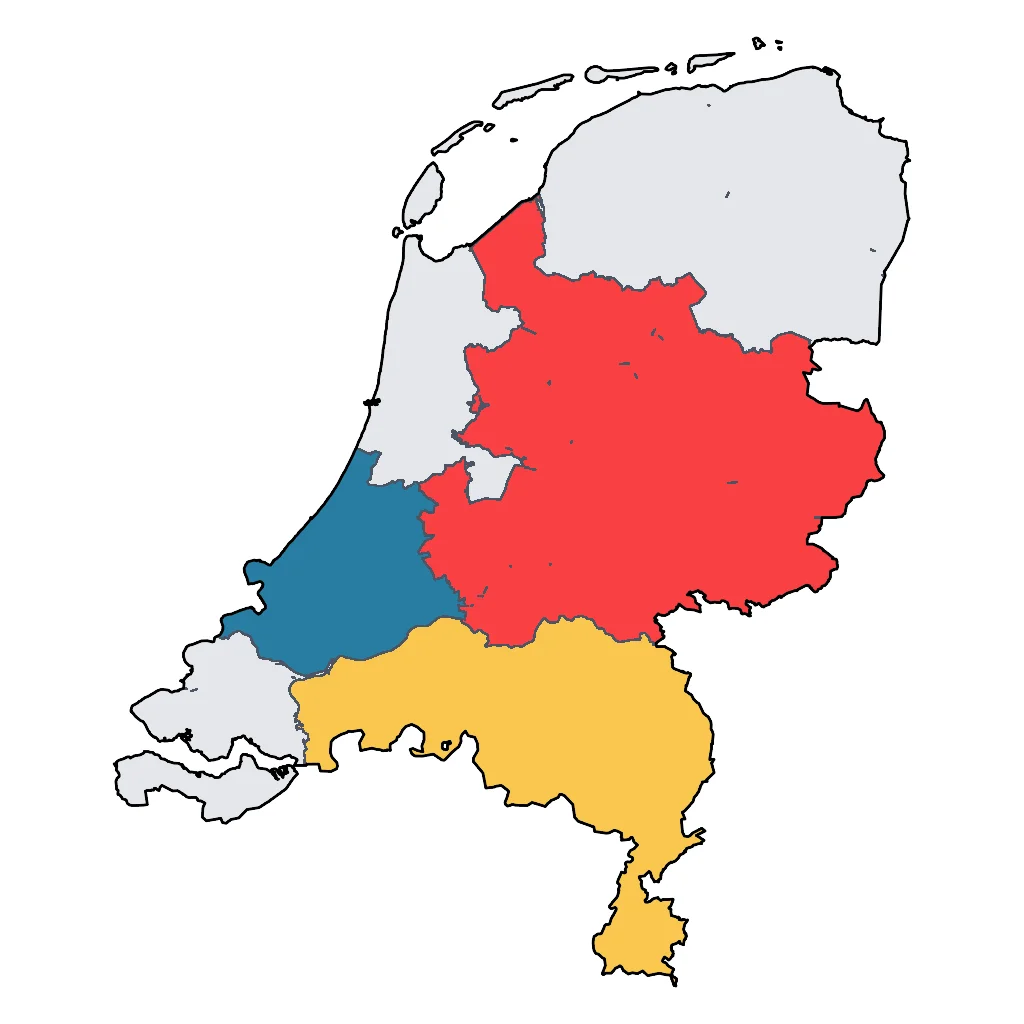
The northern provinces of Friesland, Groningen, and Drenthe offer a distinct change of pace from the urban west, characterized by open horizons, water-rich landscapes, and deep history. This region is the gateway to the Wadden Sea, a UNESCO World Heritage site where the water retreats twice a day to reveal the sea floor. Families can book guided wadlopen (mud walking) tours, tramping across the seabed to reach offshore islands or sandbanks—a muddy, physical activity that older children often find unforgettable. The West Frisian Islands, such as Terschelling and Ameland, are car-free or low-traffic havens with wide beaches and extensive cycle paths.
Inland, the province of Friesland is dominated by water. The Frisian Lakes are a prime destination for novice sailors, with many companies renting flat-bottomed sloops that don't require a boating license. It's a region where travel often happens by boat rather than car. To the east, Groningen offers a lively student city atmosphere with the striking Forum cultural center, while the coastline features the seal rehabilitation center at Pieterburen, where kids can learn about marine conservation and see recovering seals up close.
Drenthe, known as the prehistoric heart of the Netherlands, is famous for its hunebedden (dolmens). These 5,000-year-old megalithic tombs are scattered across the landscape, particularly along the Hondsrug ridge, and are free to explore and climb. The Hunebedcentrum in Borger provides context with interactive exhibits on the Stone Age. For a modern family attraction, the WILDLANDS Adventure Zoo in Emmen is one of Europe's top-rated zoos, organized into climate zones that combine animal enclosures with rides and boat trips. This region is ideal for families seeking outdoor activity, lower population density, and hands-on interaction with nature and history.
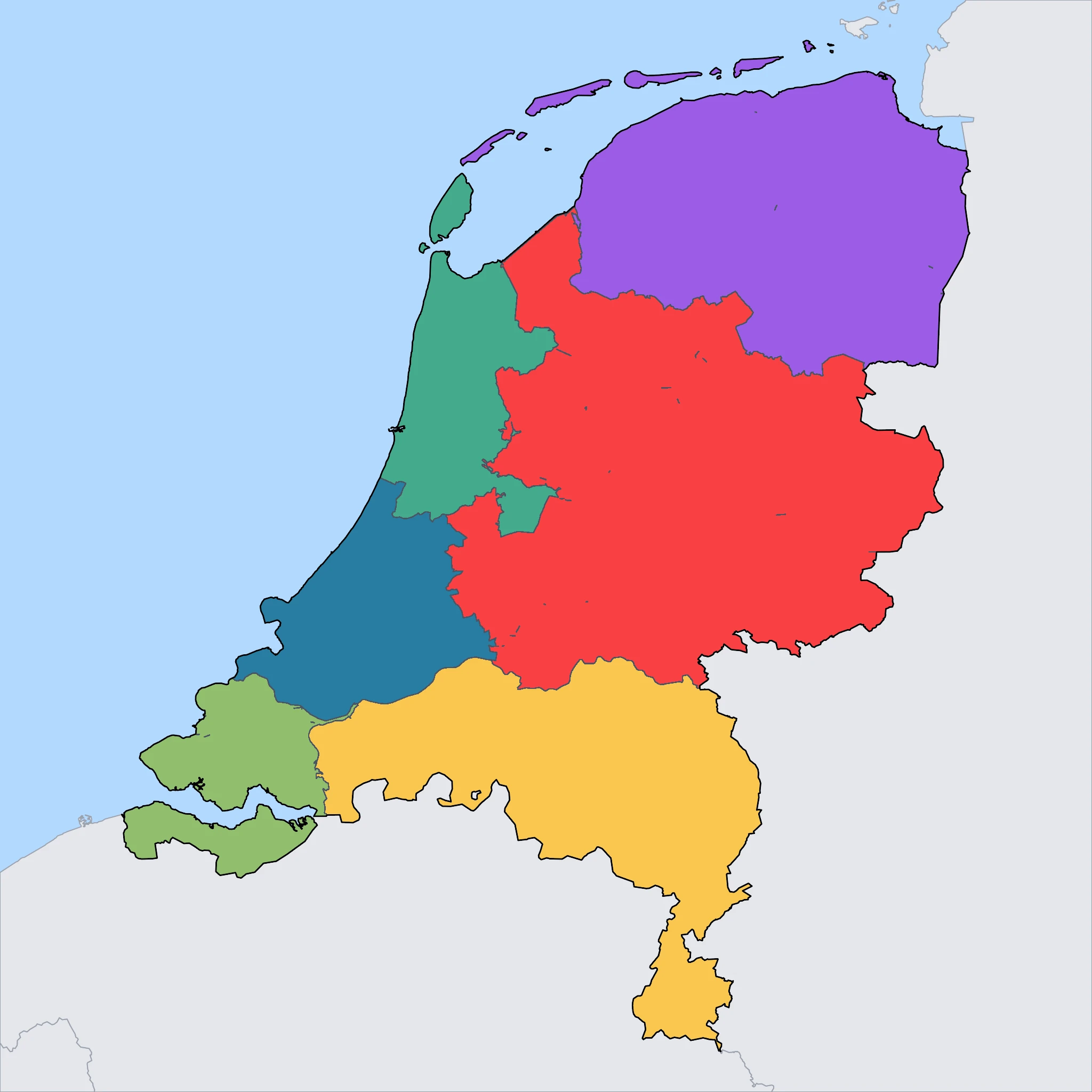
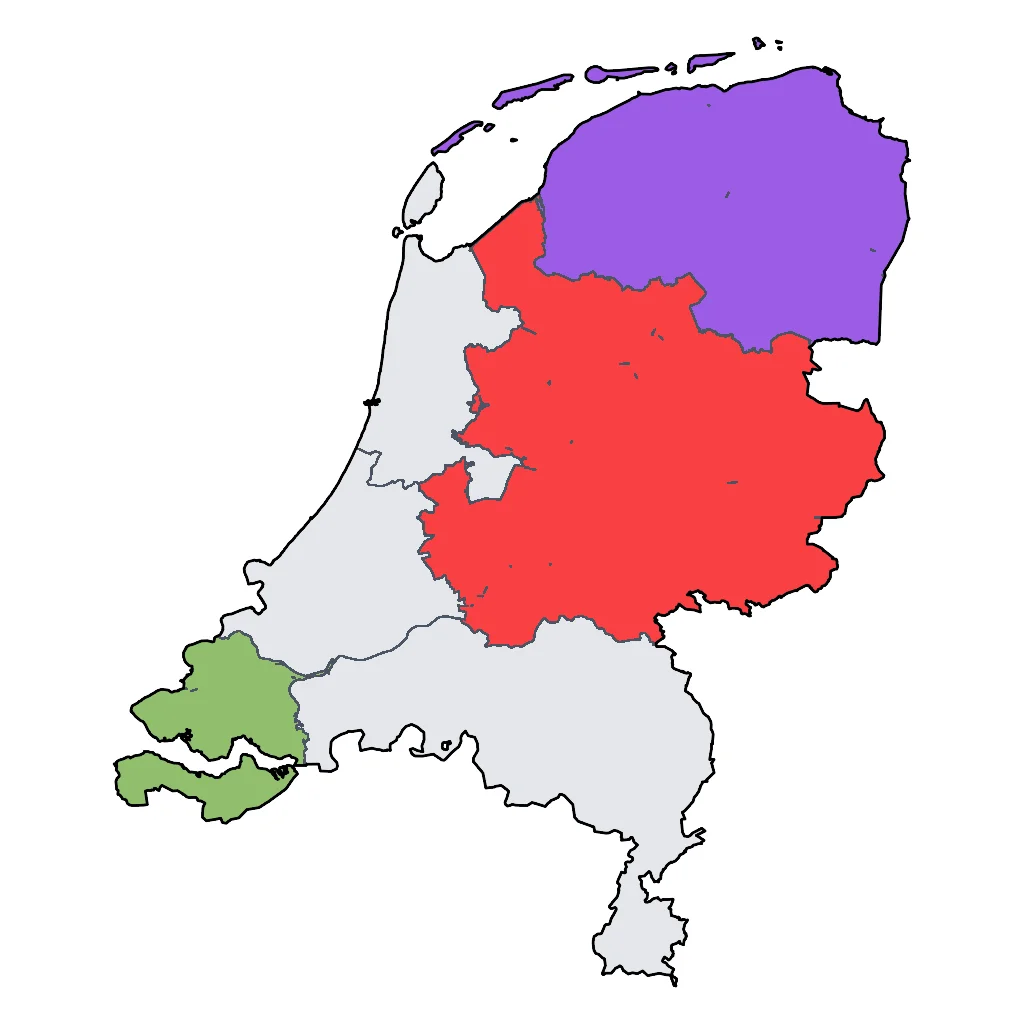
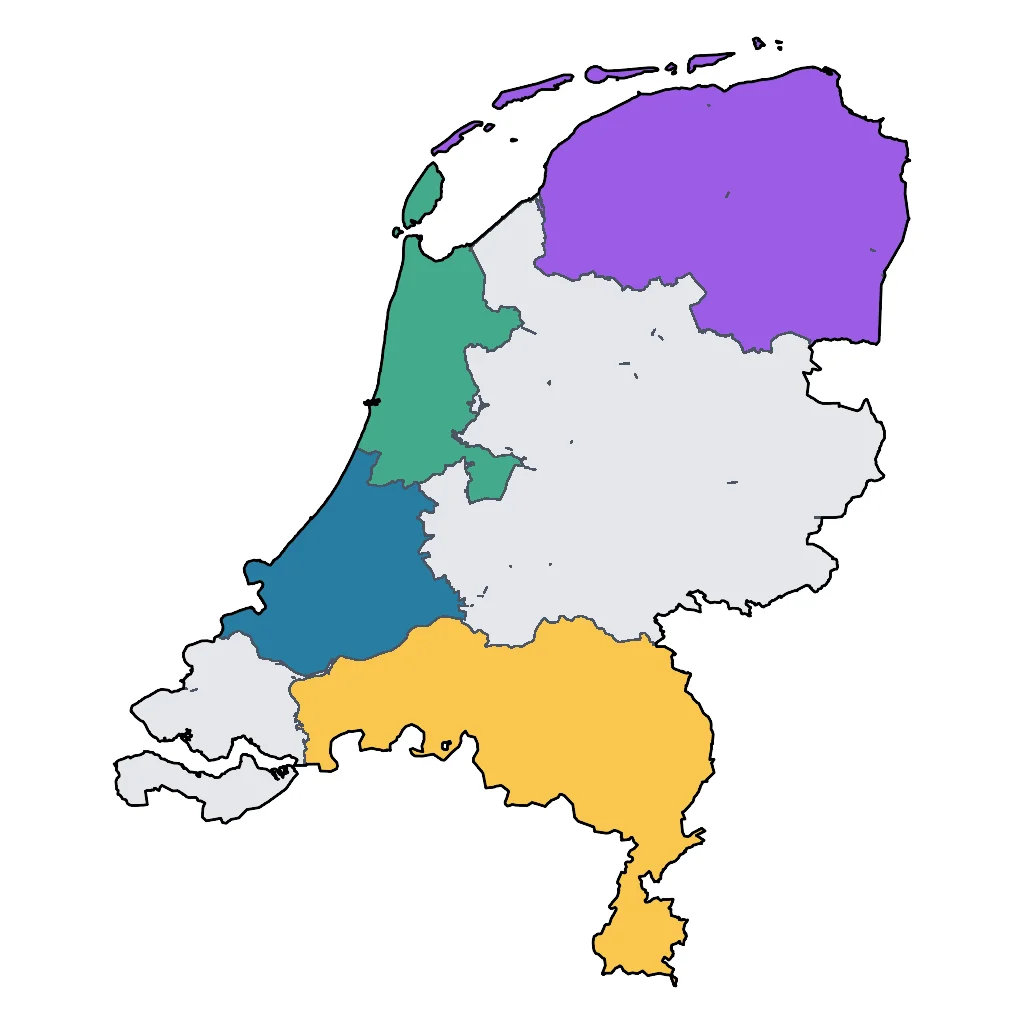
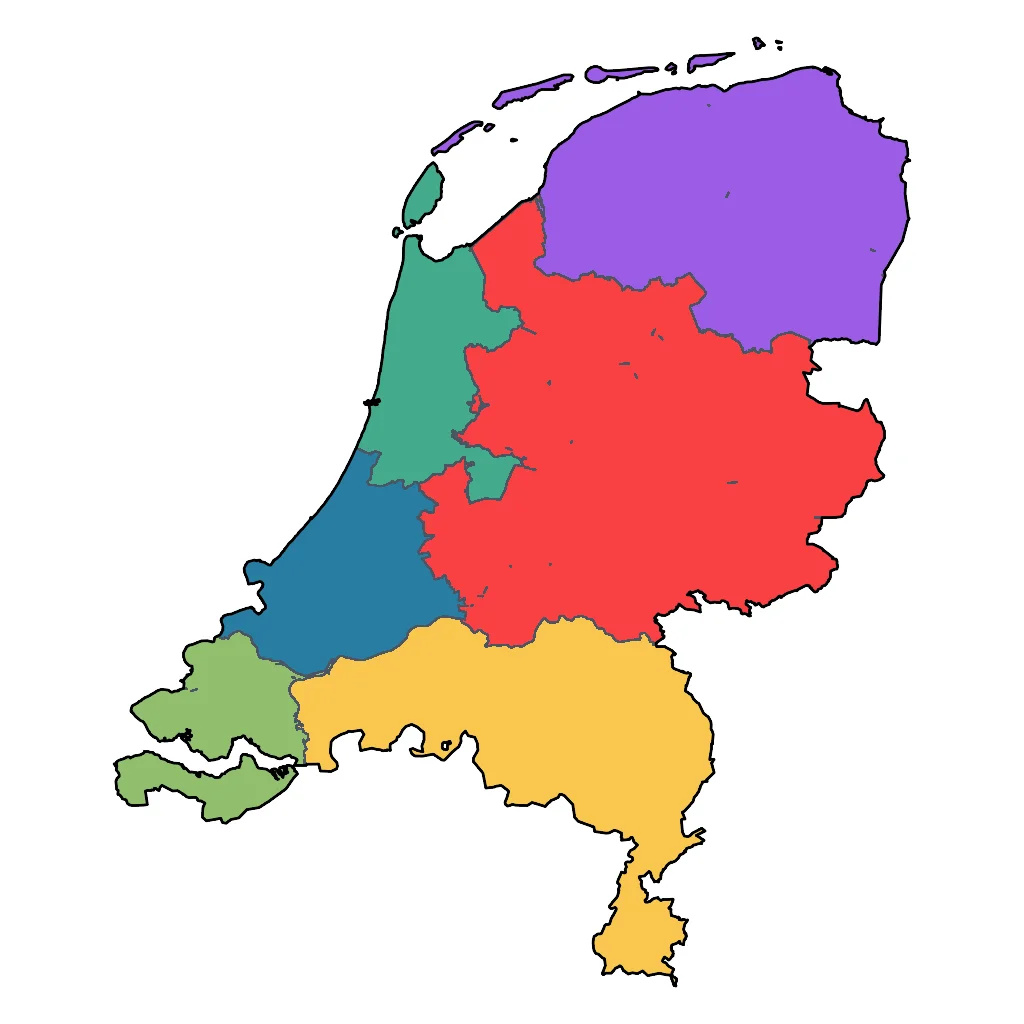
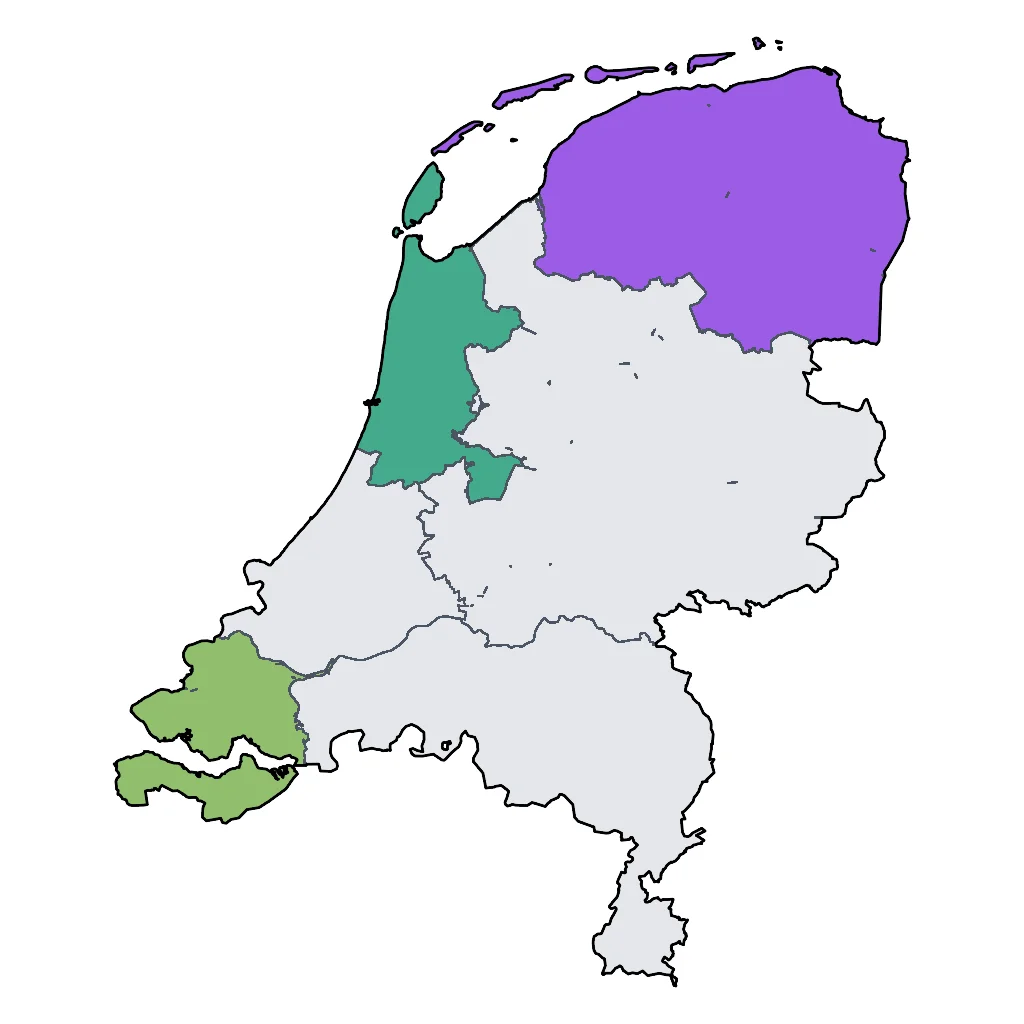
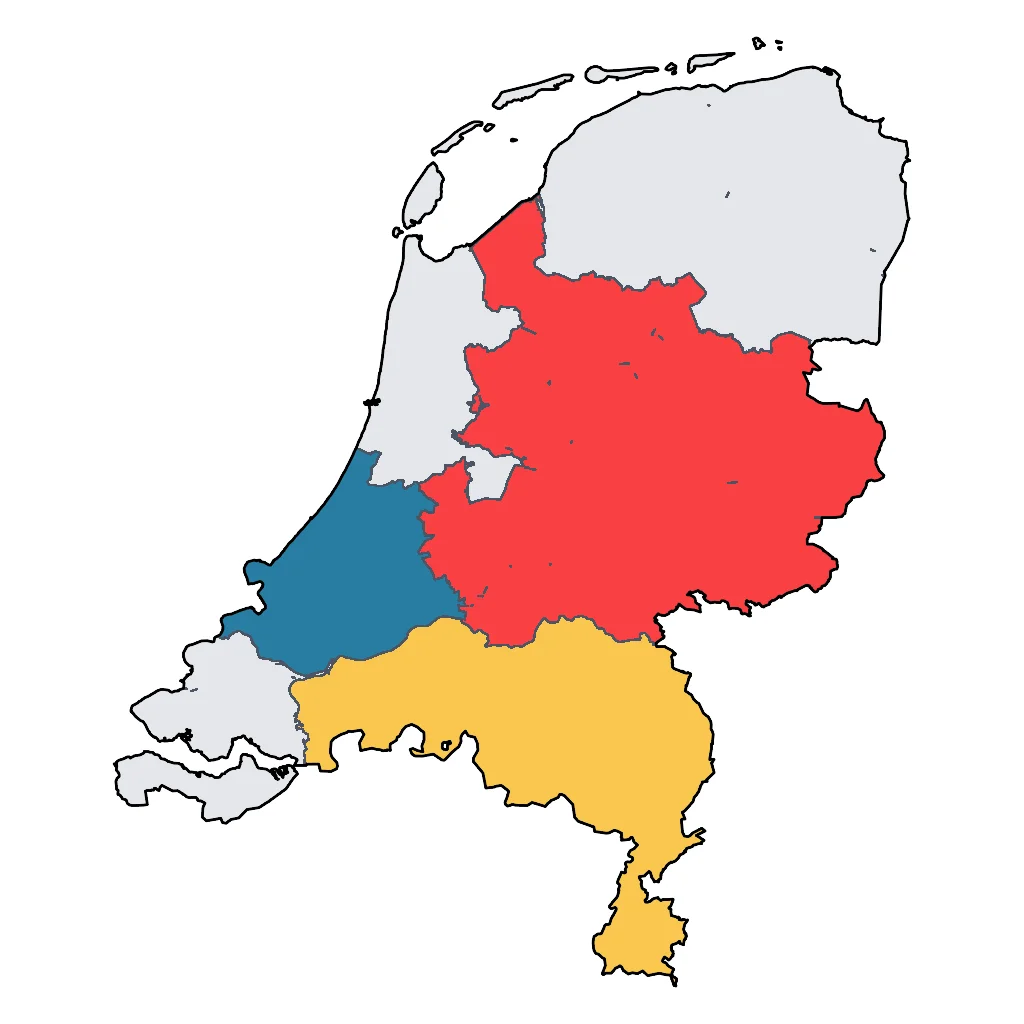
Click a region to explore

Activities & Best Times
Hiking, wildlife, outdoor exploration, ecotourism
Home to the UNESCO-listed Wadden Sea, offering the globally unique 'wadlopen' (mudflat walking) experience and exceptional birdwatching in the Lauwersmeer. Peak conditions occur in summer when mild temperatures and low rainfall allow for safe mudflat exploration; shoulder months provide excellent wildlife viewing during migration periods.

Events, celebrations, seasonal attractions
Hosts world-class, authentic cultural events like the Oerol site-specific theater festival on Terschelling and the historic Sneekweek sailing regatta. June and August are peak for these internationally recognized celebrations; winter months see fewer significant outdoor cultural events, though traditional Frisian culture remains present.

Sport tourism, fitness activities, active recreation
While Friesland's cycling infrastructure and sailing are genuinely world-class in quality, the severely limited season (only Jun-Aug optimal) and cold maritime climate prevent it from being a truly 'excellent' sports destination by global standards. Regions like the French Alps, New Zealand, or Costa Brava offer year-round or near-year-round sports conditions. 'Very_good' accurately reflects excellent infrastructure constrained by climate.
Beach resorts, marine activities: diving, snorkelling, kite surfing, wind surfing, sailing
While water temperatures rarely exceed 20°C, the Frisian Islands offer pristine, wild beaches and world-class kitesurfing and windsurfing conditions. July and August are peak for coastal activities due to warmer air temps (~21°C); most beach-based facilities and island ferries operate on reduced schedules during the cold, windy winter.

Urban tourism, museums, historical sites, architecture
Leeuwarden and Groningen offer sophisticated urban experiences with world-class museums and a distinct Frisian identity that feels authentically separate from the Randstad. Best explored from May to September when the 'Eleven Cities' charm is most accessible; winter months are cold and humid, limiting the appeal of historic city walks.

Learning experiences, scientific sites, historical education
Features the UNESCO-listed Royal Eise Eisinga Planetarium—the world's oldest working orrery—and extensive ecological education regarding the Wadden Sea ecosystem. Peak months align with the best weather for visiting outdoor archaeological and natural sites; shoulder months offer quieter access to museum-based learning.
Scenic drives, countryside tours, route-based travel
Scenic drives across the Afsluitdijk engineering marvel and through the historic 'Eleven Cities' provide a unique perspective on Dutch water management and rural heritage. Peak months offer maximum visibility and lush landscapes; winter months bring frequent fog, rain, and short daylight hours, reducing the scenic quality.

Spa retreats, wellness centers, peaceful getaways
Boutique wellness retreats on the Wadden Islands provide peace and high-quality local hospitality, though it is not a primary global wellness destination. The height of summer is peak for combining spa treatments with serene coastal nature; winter conditions are often too harsh for the outdoor relaxation components favored by these retreats.
Amusement parks, family entertainment venues
Wildlands Adventure Zoo in Emmen is a high-quality, modern facility, but the region lacks the global scale of major international theme park hubs. Summer offers the best conditions for the outdoor animal exhibits; winter is less suitable as many active elements of the park are affected by low temperatures and rain.