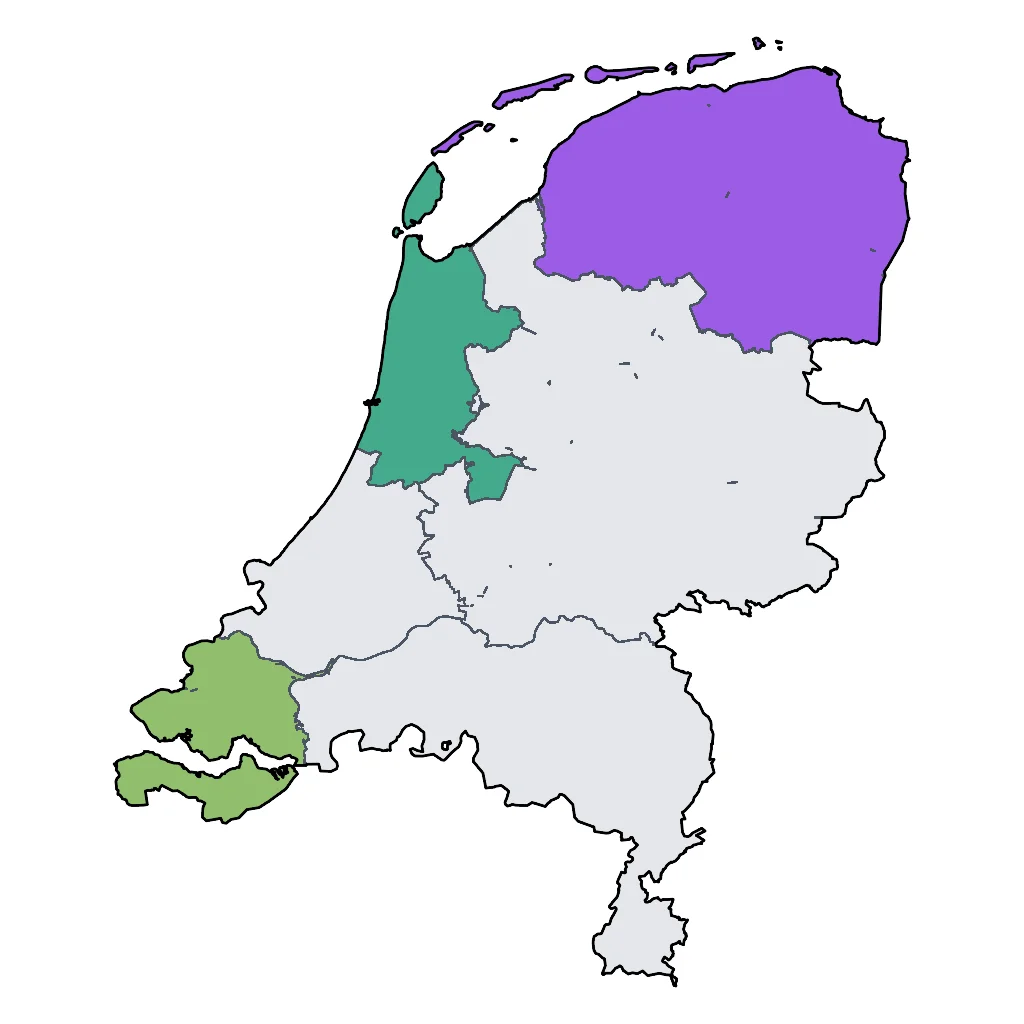

North Holland (Noord-Holland) encompasses the classic Dutch imagery that many travelers come to see, located just north and west of Amsterdam. A highlight for any family is Zaanse Schans, an inhabited neighborhood that functions as an open-air museum. Here, you can watch industrial windmills grinding spices and sawing wood, see how wooden shoes are carved in a clog workshop, and taste locally made cheese. It is visually striking and highly educational, though it is best to arrive early to avoid the biggest crowds.
To the west, the city of Haarlem serves as a more relaxed alternative to Amsterdam. The Teylers Museum, the oldest in the country, fascinates older children with its fossils and antique scientific instruments. Nearby, the coastline offers miles of wide, sandy beaches at towns like Zandvoort and Bloemendaal. These beaches are backed by extensive dunes which are protected nature reserves, crisscrossed with paved cycle paths that are safe for family biking away from traffic. In the summer, the beach clubs provide play areas and food directly on the sand.
Moving north, the town of Alkmaar hosts a traditional cheese market on Friday mornings (April–September), where carriers in white suits haul heavy wheels of Gouda on wooden barrows—a spectacle that combines folklore with theater. For a maritime atmosphere, the fishing village of Volendam allows families to walk the dike, eat fresh fried fish (kibbeling), and take a ferry to the quiet island of Marken. At the very tip of the province lies the island of Texel, accessible by a short ferry ride. Texel is famous for its sheep, lighthouse, and the Ecomare center, a sanctuary for seals and porpoises that focuses on the ecology of the Wadden Sea. This region effectively packages the essential Dutch experience—dikes, dunes, and dairy—into accessible day trips.
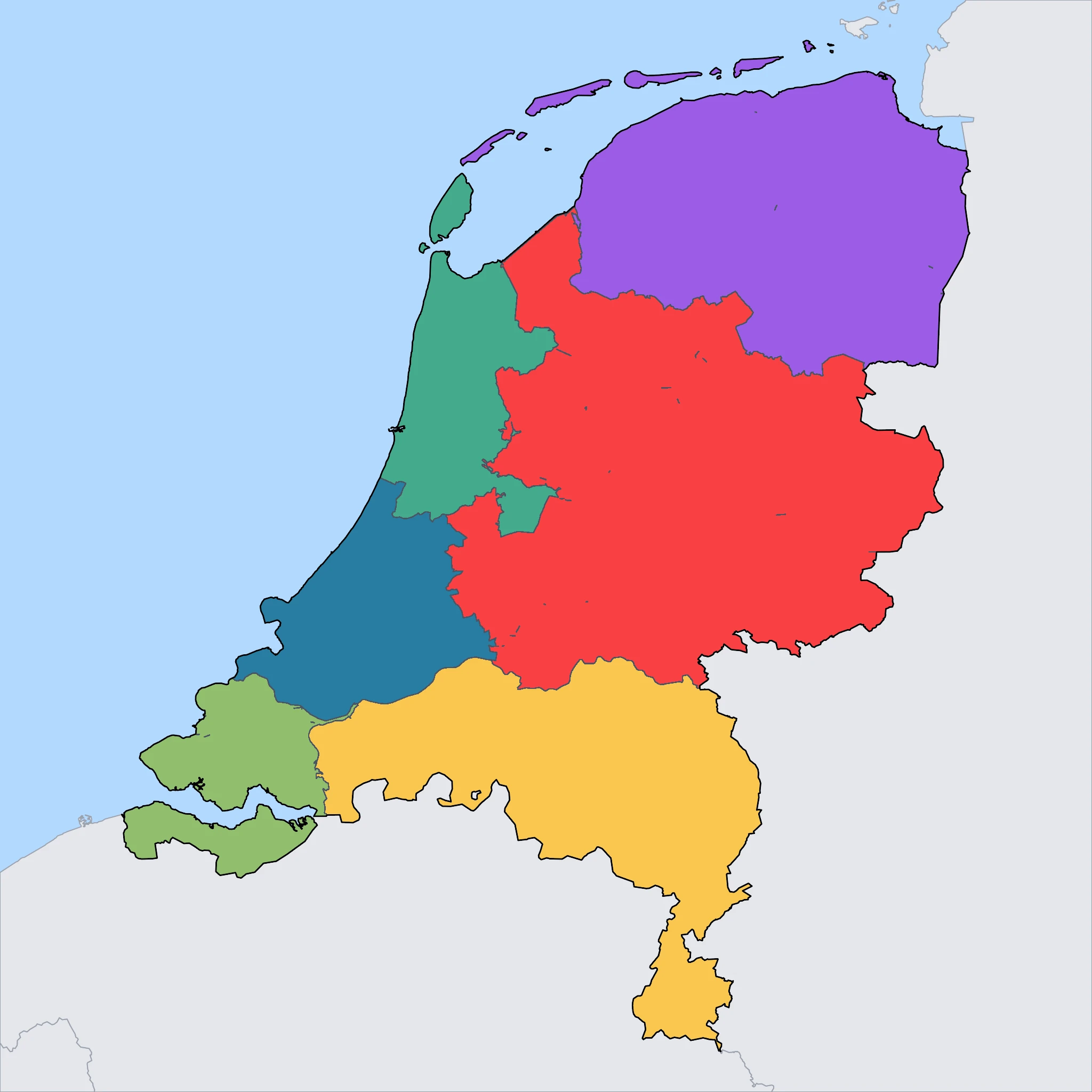
Click a region to explore

Activities & Best Times

Urban tourism, museums, historical sites, architecture
Haarlem and Alkmaar are attractive Golden Age towns but are not globally significant cultural cities. By international calibration standards, 'excellent' should be reserved for cities with world-class institutions (Amsterdam, The Hague). Downgrading to 'very_good' preserves differentiation from Amsterdam and reflects that these are nationally rather than internationally outstanding cultural destinations.
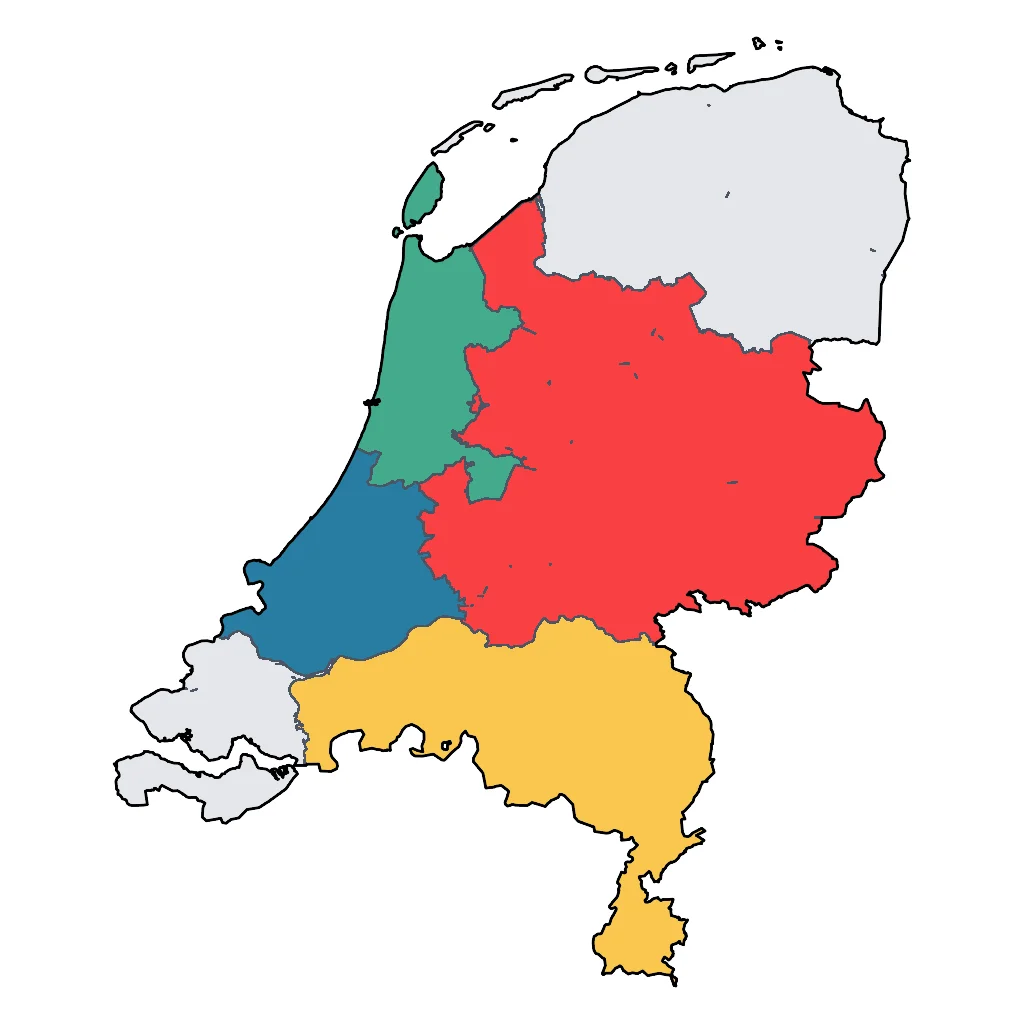

Learning experiences, scientific sites, historical education
Home to the Zuiderzee Museum and Zaanse Schans, offering world-class immersion into Dutch industrial and maritime history. Peak summer months allow for full outdoor interactive programming, whereas winter weather limits access to these open-air educational sites.
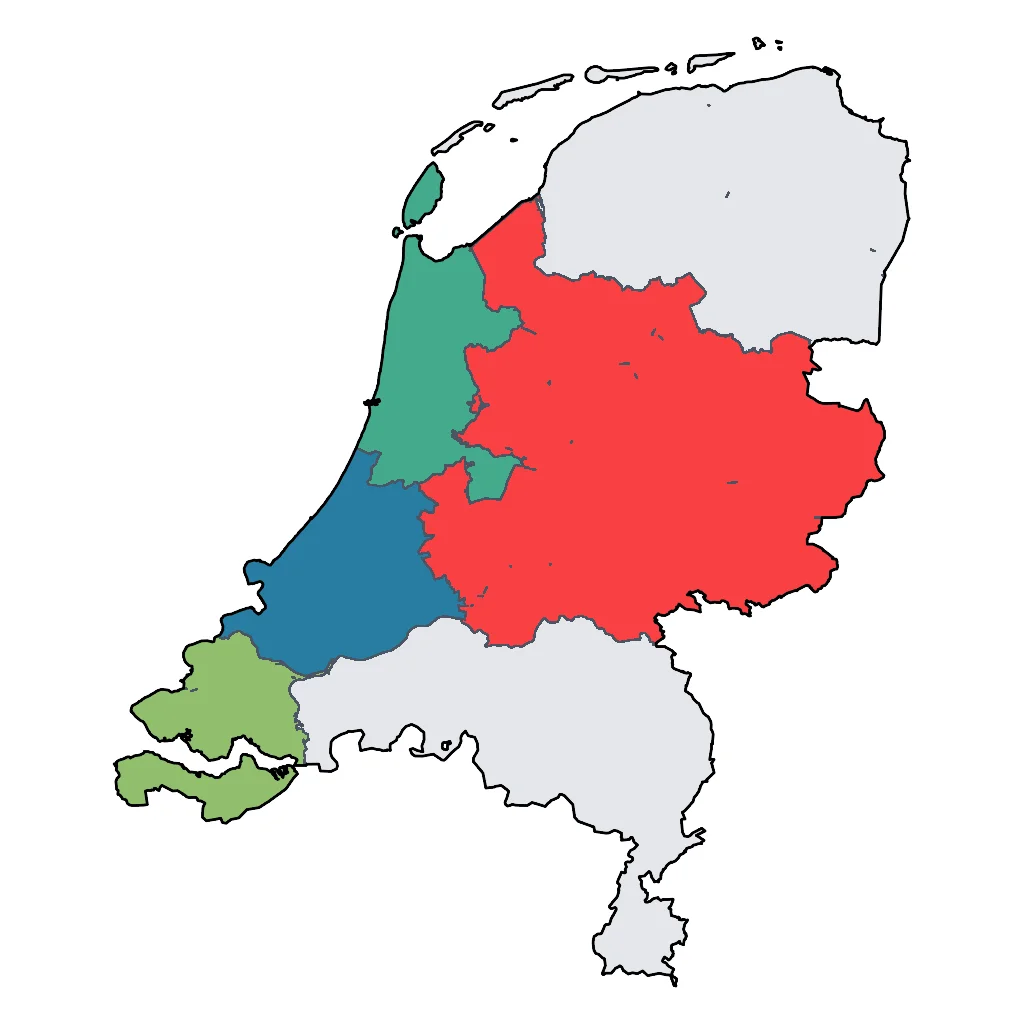

Events, celebrations, seasonal attractions
Features iconic, internationally recognized events like the Alkmaar Cheese Market and the spring flower parades. Peak months align perfectly with these specific traditional celebrations, while the off-season lacks significant regional cultural events.
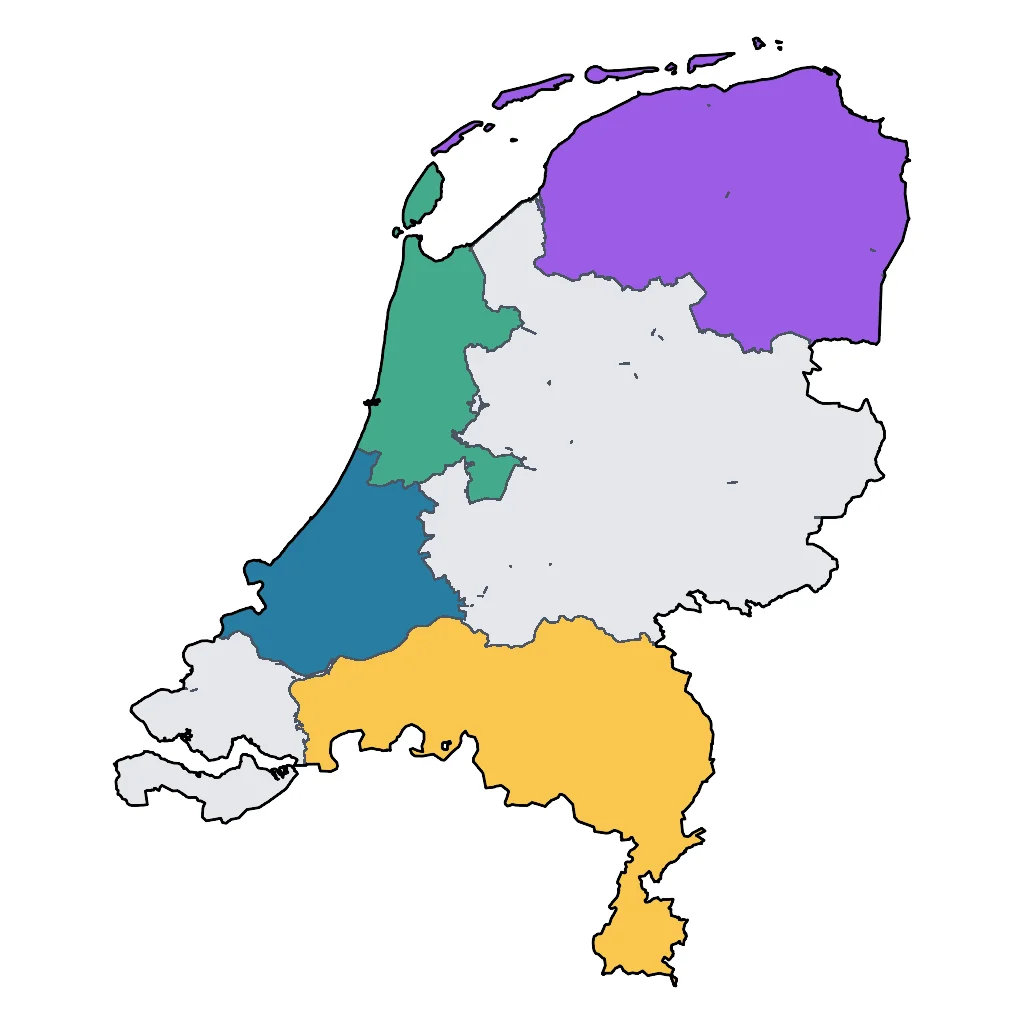

Scenic drives, countryside tours, route-based travel
World-leading cycling infrastructure and UNESCO-listed polder landscapes provide a unique route-based experience for families. April and May are peak for spring blooms, while the winter months are unsuitable due to high winds, frequent rain, and poor visibility.
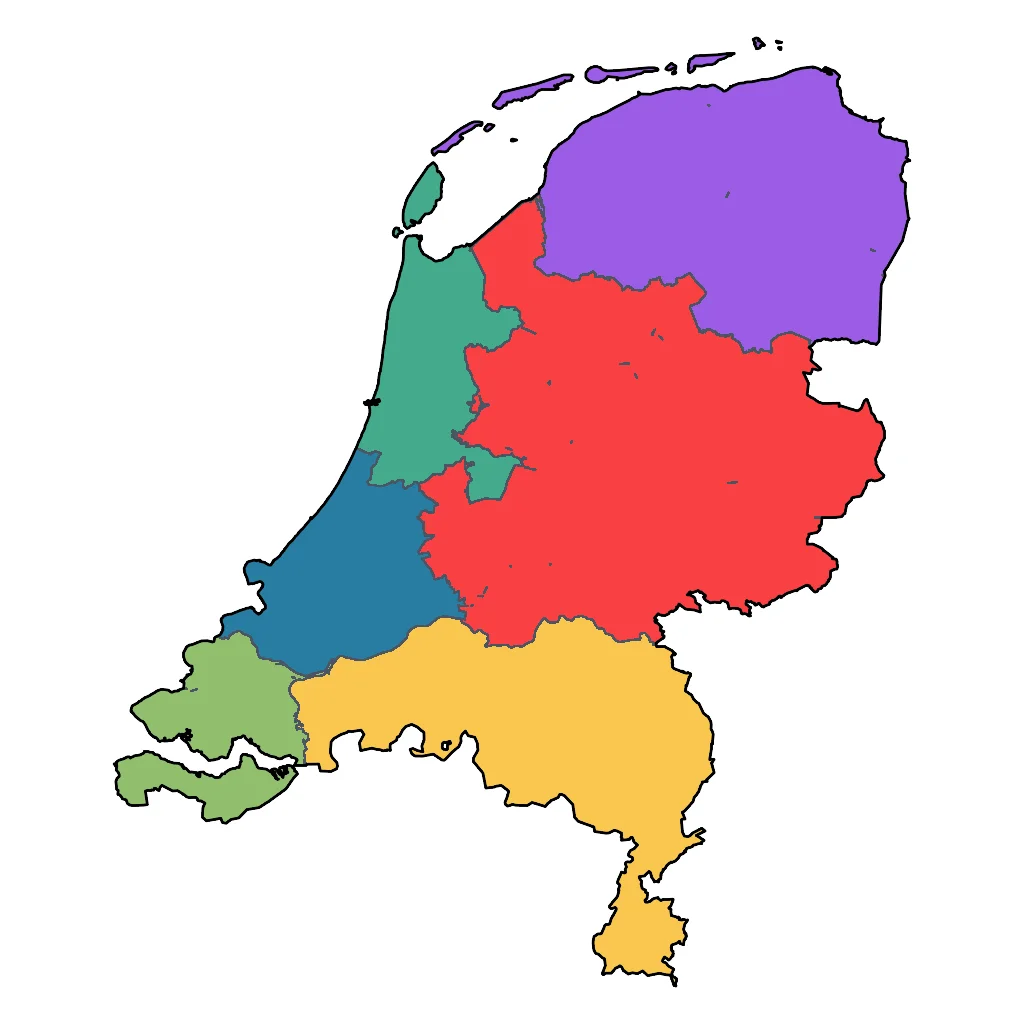

Sport tourism, fitness activities, active recreation
A premier destination for sailing on the Markermeer and world-class cycling through diverse terrain. Peak summer conditions offer consistent winds and comfortable temperatures for active recreation, while winter conditions are too cold and harsh.
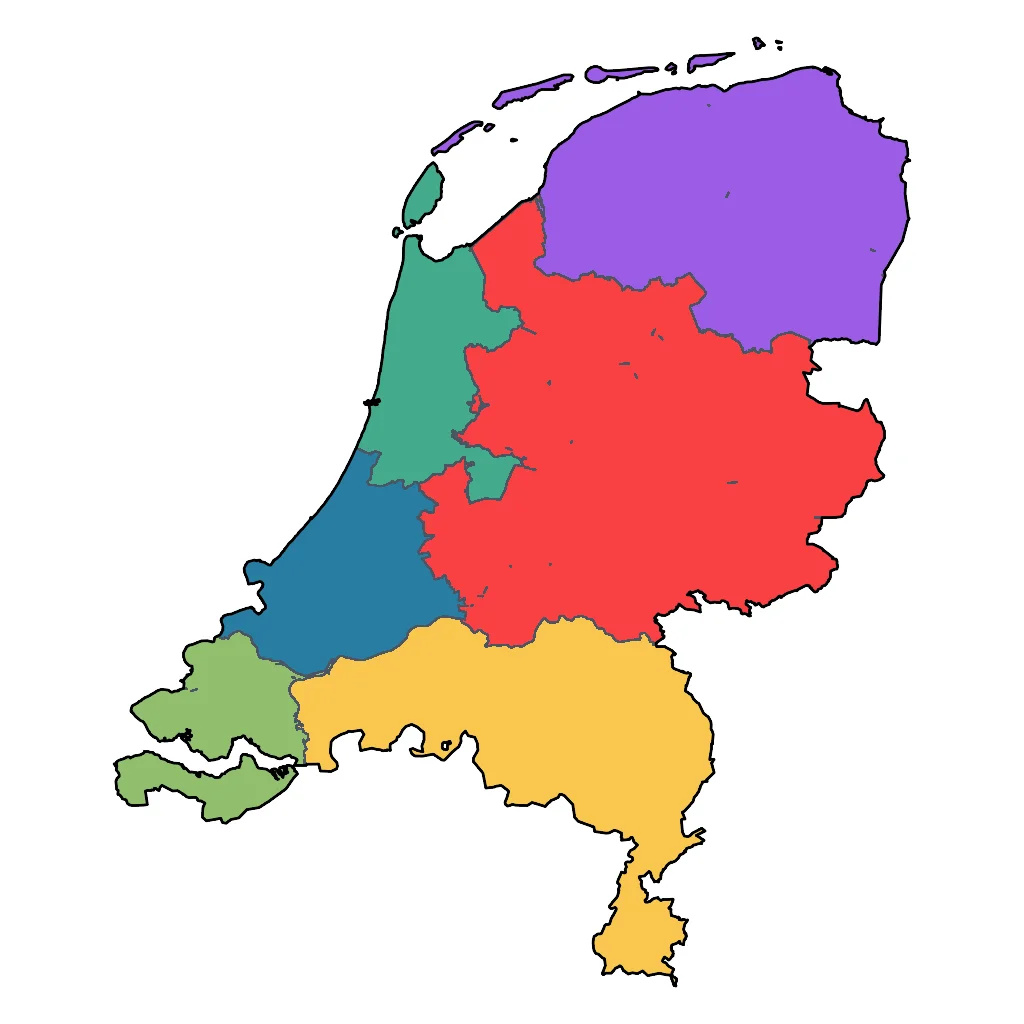

Hiking, wildlife, outdoor exploration, ecotourism
The Zuid-Kennemerland National Park offers unique dune ecosystems and coastal birdwatching of high international quality. Peak summer months provide the driest trail conditions, while the off-season is marked by high precipitation and limited wildlife activity.
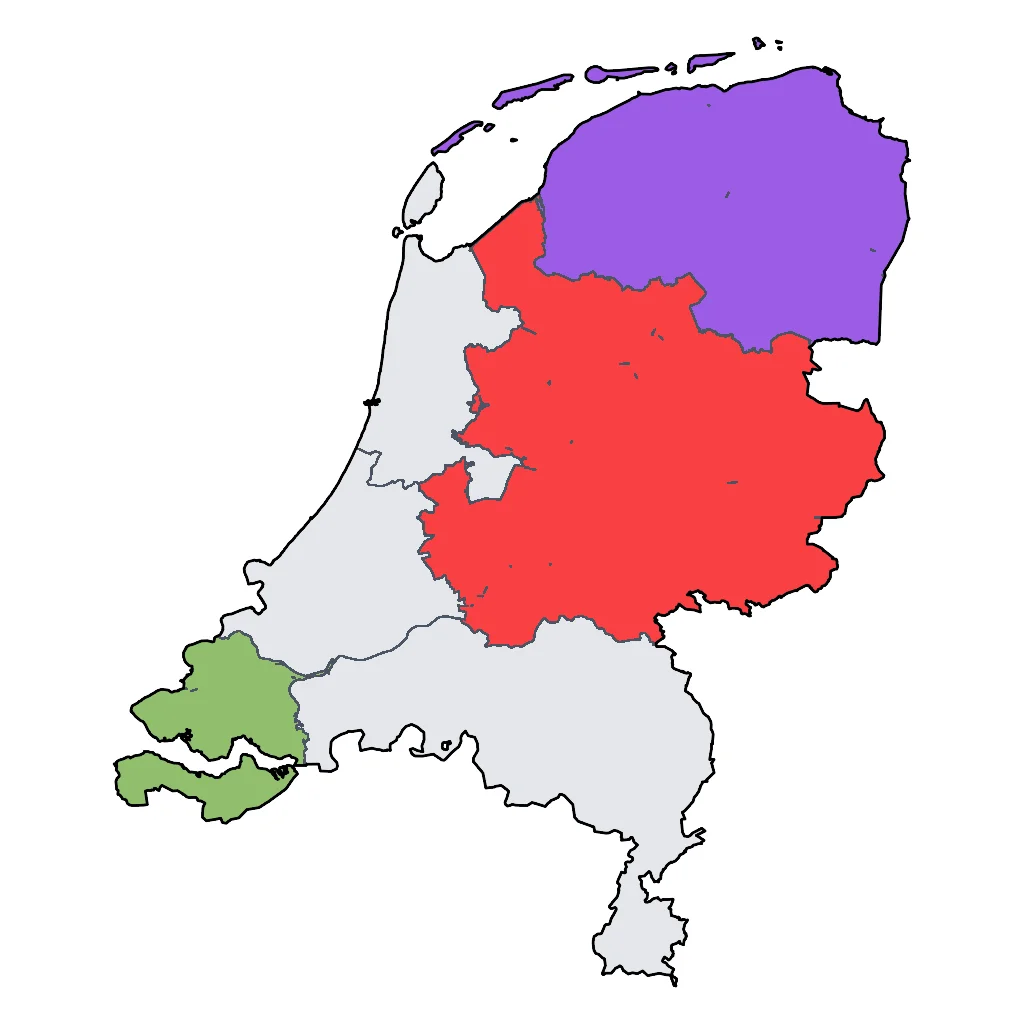

Beach resorts, marine activities: diving, snorkelling, kite surfing, wind surfing, sailing
Features a sophisticated beach-club culture and world-class conditions for kitesurfing and windsurfing. The region never reaches 'Peak' tropical temperatures, but July and August provide 'Shoulder' conditions suitable for active coastal pursuits.