

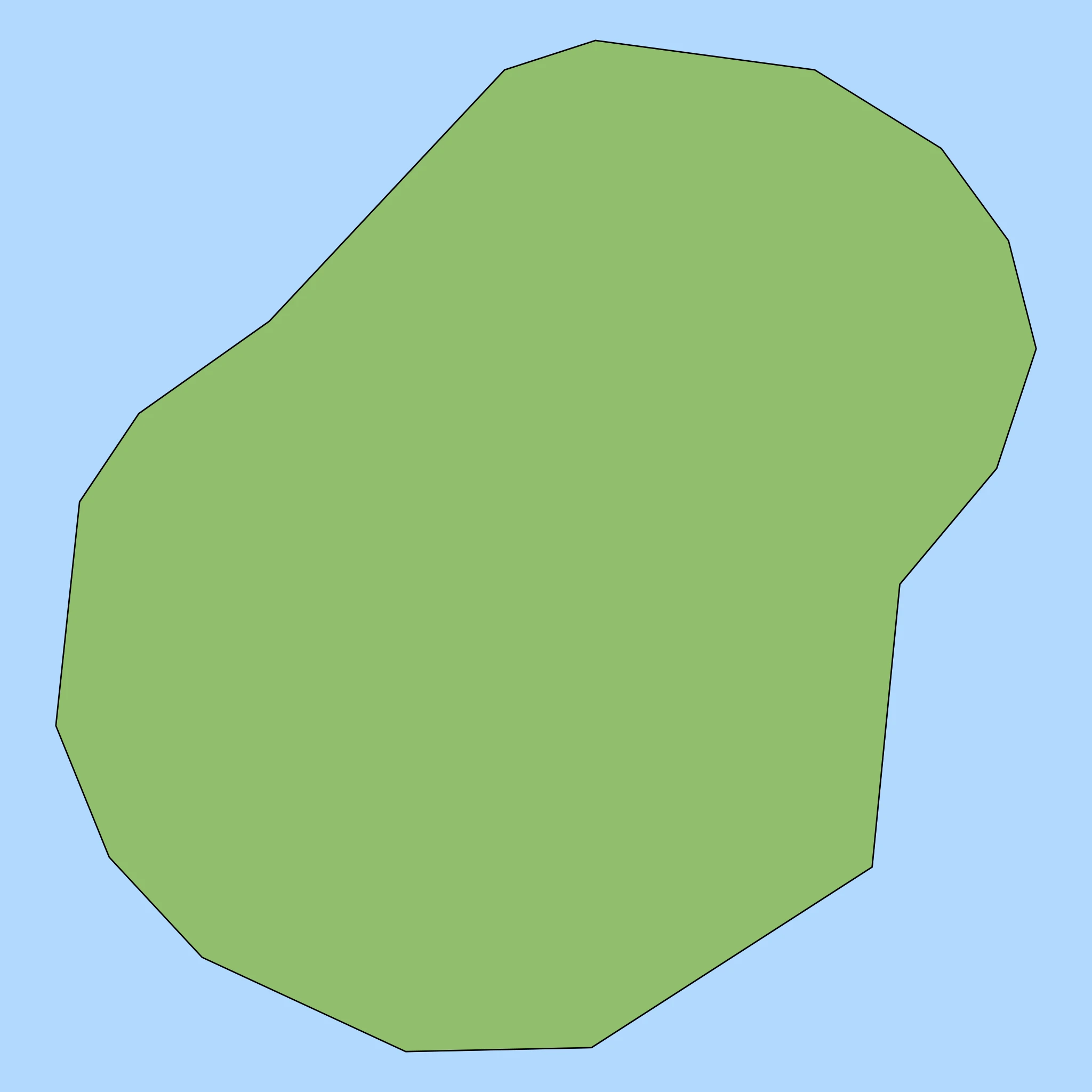
Visiting Nauru is an adventure into one of the world's least-accessible countries. Unlike its Pacific neighbors, Nauru does not rely on resorts or organized kids' clubs. Instead, it offers a raw, authentic look at island life suited for intrepid families with older children or those attempting to visit every country in the world. The island is small enough to navigate easily, consisting of a coastal road and a central plateau.
For a distinct geological lesson, families can drive up to Topside. This central plateau was mined for phosphate for decades, leaving behind a lunar-like landscape of jagged limestone pinnacles. It is a stark, visual lesson in resource management and geology. Nearby, Command Ridge offers a hands-on history lesson; you can hike to the island's highest point to find rusted Japanese guns and bunkers left behind from World War II occupation. The path can be uneven, so sturdy shoes are essential for children.
While much of the coastline is rocky with strong currents, Anibare Bay offers beautiful sunrise views and white sands for beachcombing. For swimming, the safest spot for families is the Anibare Boat Harbour. This man-made enclosure creates a calm swimming pool effect protected from the ocean swell, where local children often play. Inland, Buada Lagoon provides a contrast to the coast; it is a lush, green, landlocked body of freshwater surrounded by palm trees, ideal for a shaded picnic.
Practical considerations: Nauru uses the Australian Dollar (AUD) and cash is king; credit cards are rarely accepted. Accommodation is limited to a few hotels like the Menen Hotel or Hotel Od-N-Aiwo, which are basic and functional rather than luxurious. Fresh vegetables can be scarce, and most food is imported or found in Chinese restaurants. Medical facilities are very limited, so comprehensive travel insurance that includes medical evacuation is strictly required for all family members. Flights are infrequent, usually operating via Brisbane or Fiji, so flexible schedules are necessary.
Map

Activities & Best Times
Adventure & Nature
MarginalHiking, wildlife, outdoor exploration, ecotourism
Limestone pinnacles are remnants of phosphate mining devastation, not a natural attraction. Command Ridge has minimal WWII relics. No trail systems, no wildlife, no adventure operators. Compared to any Pacific island with genuine nature tourism (Palau, Fiji, Samoa), Nauru offers only curiosities on a short walk, not substantive adventure/nature experiences.
Beach & Sea
MarginalBeach resorts, marine activities: diving, snorkelling, kite surfing, wind surfing, sailing
Anibare Bay offers pristine, uncrowded sands and coral reefs, but the lack of high-end resort infrastructure and constant high rainfall limits its international appeal. It remains a secondary pursuit for travelers already on the island for adventure or history.

City & Cultural
MarginalUrban tourism, museums, historical sites, architecture
While lacking a traditional urban center, the island offers an authentic look at Nauruan life and significant WWII history. Cultural exploration is best conducted in months with slightly lower rainfall to navigate the island's outdoor historical landmarks comfortably.

Educational & Exploratory
MarginalLearning experiences, scientific sites, historical education
While Nauru's history of phosphate mining and environmental collapse is genuinely fascinating, there are no museums, visitor centers, or interpretive infrastructure for tourists. Educational value is limited to self-guided observation. No editorial attraction evidence supports this rating.

Road Trips & Scenic
MarginalScenic drives, countryside tours, route-based travel
The 19-kilometer perimeter road provides a unique opportunity to circumnavigate an entire nation in a single, evocative drive. Though authentic, the short duration and limited infrastructure make this a niche experience for well-traveled visitors.

Sports & Active
MarginalSport tourism, fitness activities, active recreation
No established sport fishing charter operators, no marina, no sport tourism infrastructure. The claim of 'world-class' deep-sea fishing is unsubstantiated. Internationally calibrated, destinations rated 'good' for sport fishing have established charter fleets and tourism operators (e.g., Cairns, Cabo). Nauru has none of this.

Attractions
12 attractions to explore. Click markers for details.

Airports & Flight Routes
Toggle options to view domestic routes and international airports. Click an airport for details.

Climate & Weather
Climate Overview
| Month | Temp (°C) | Rain (mm) | Humidity | Wind (m/s) |
|---|

Travel Advisory
Standard safety awareness applies; the country is generally stable with no elevated security risks.
Safety Topics
Traveller Advice (3 groups)

Female travelers should dress modestly, particularly when visiting local communities, to align with conservative island standards.

The lack of advanced medical care and specialized pharmaceutical supplies makes this a challenging destination for those with chronic health conditions or mobility issues.

Homosexuality is legal, but local attitudes remain conservative. It is advisable to be discreet in public settings to respect local cultural norms.