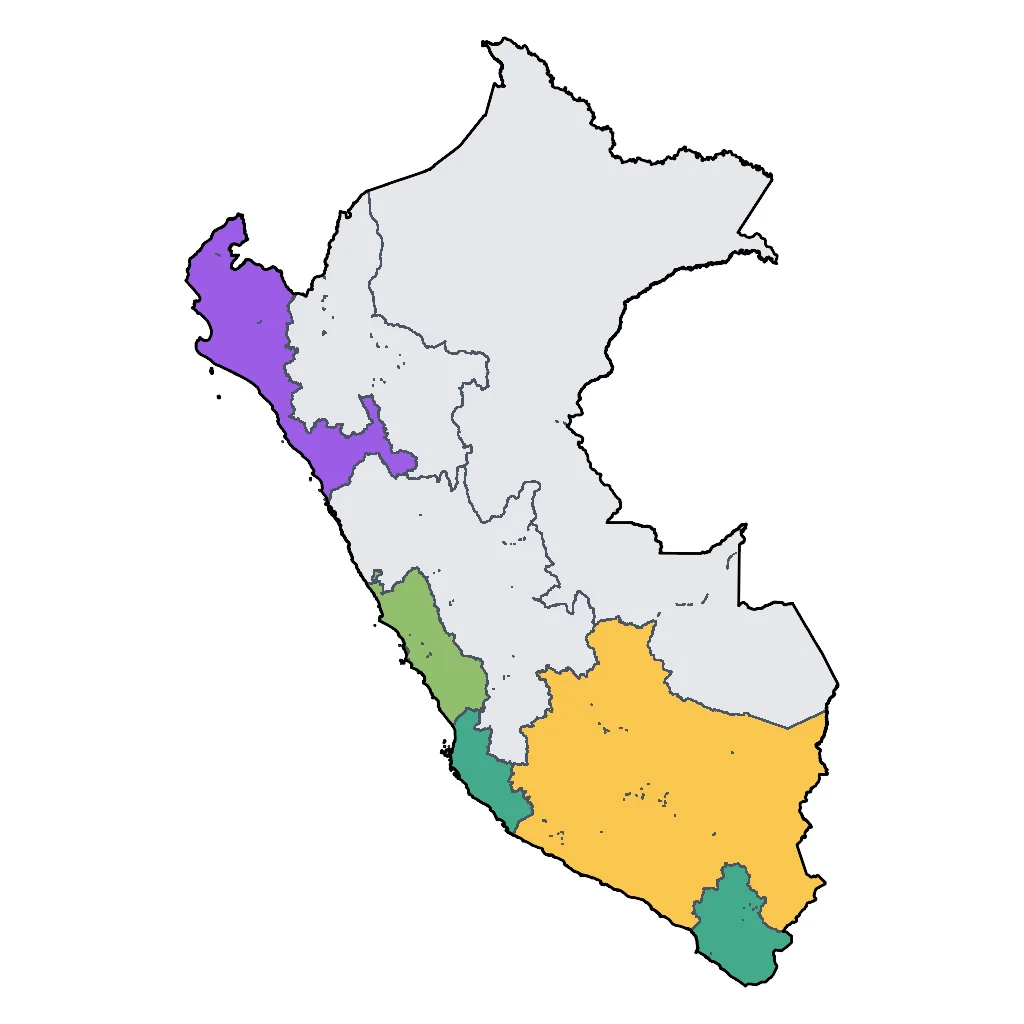

Amazon Basin & Eastern Rainforest
Where the wild jungle comes alive 🐒🌿
⚠️ SAFETY WARNING: Due to crime and the presence of illegal armed groups in remote border areas, government agencies (including CA, USA, UK, AU, IE, NZ) advise travelers to reconsider travel to specific parts of this region. The security situation near the Colombian border and in the VRAEM zone can be volatile. Families are strongly urged to consult their own government's official travel advisory before considering a trip, as circumstances and risk assessments vary. Established tourist hubs like Iquitos and Puerto Maldonado remain popular, but using reputable operators is essential.
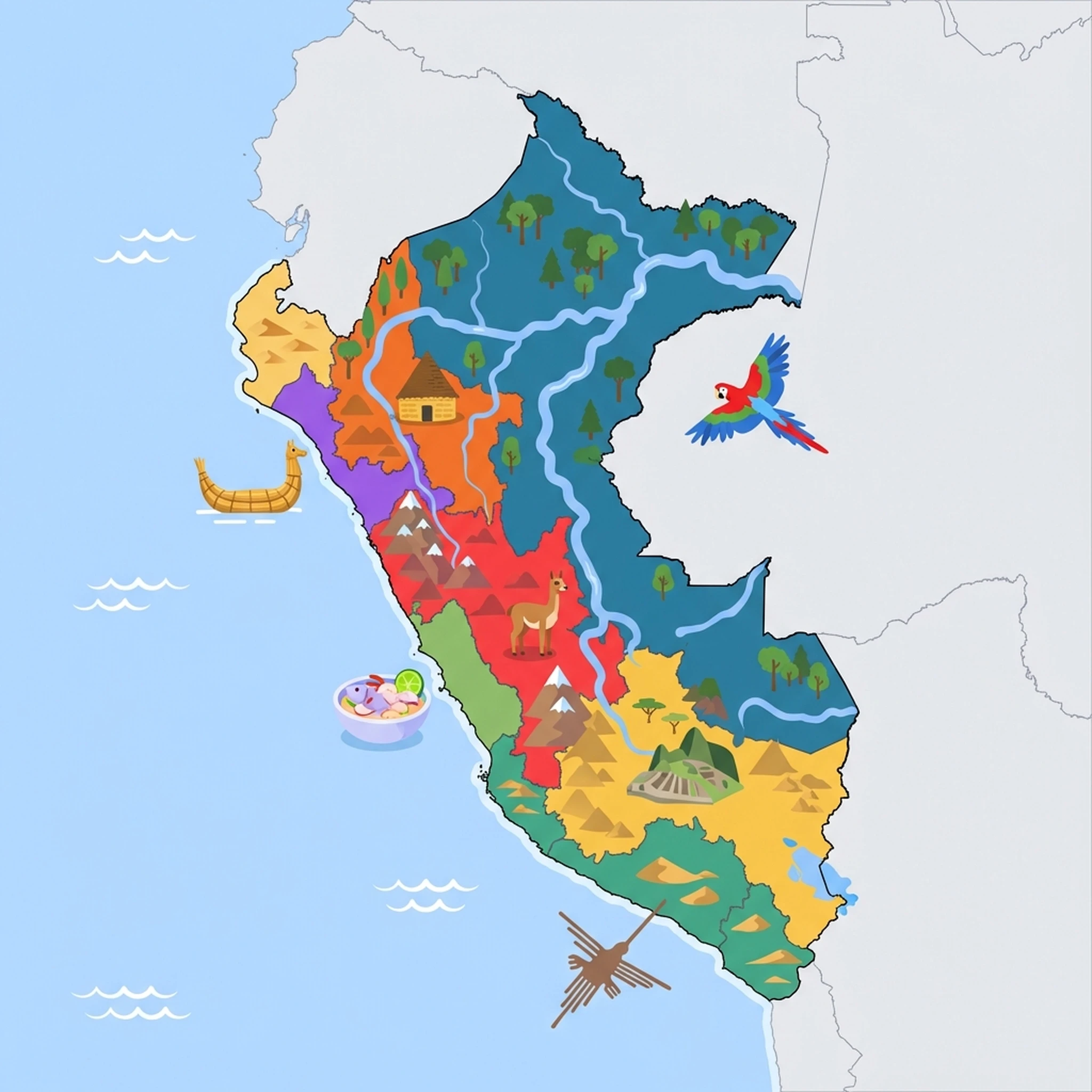
The Amazon Basin covers nearly two-thirds of Peru, offering families an immersive nature experience unlike any other. The region is generally divided into two main hubs: Iquitos in the north, accessible only by air or river, and Puerto Maldonado in the south, which connects more easily to Cusco. In Iquitos, families can take boat trips along the mighty Amazon River to spot gray and pink dolphins breaching the surface. The nearby Pacaya-Samiria National Reserve offers a deep dive into the flooded forest, where mirrored waters reflect the sky. A highlight for younger children is the Amazon Rescue Center (CREA), where they can learn about conservation and feed rescued manatees.
Puerto Maldonado offers a different experience, often based in eco-lodges along the Madre de Dios and Tambopata rivers. These lodges provide comfortable bases for jungle walks where expert guides point out tarantulas, armies of leaf-cutter ants, and colorful macaws gathering at clay licks. Many lodges have built canopy towers or walkways suspended high in the trees, allowing safe and easy observation of birds and monkeys without strenuous hiking. Night walks reveal a hidden world of insects and frogs that fascinates older children and teenagers.
Practical considerations are vital for a family trip here. The climate is hot, humid, and wet year-round, so breathable clothing and reliable rain gear are mandatory. Mosquito repellent is essential to prevent insect bites. Families should consult a travel doctor regarding vaccinations for Yellow Fever and malaria prophylaxis well before travel. While the environment is wild, the logistics of organized lodge stays usually include all meals and transfers, making it a surprisingly stress-free option for parents once they arrive.
Click a region to explore

Activities & Best Times

Hiking, wildlife, outdoor exploration, ecotourism
A global benchmark for biodiversity, offering world-class wildlife viewing in Manu and Tambopata via high-end eco-lodges. Peak months (Jun-Sep) feature the lowest rainfall and receding waters, providing optimal trail access and better visibility for spotting jaguars and birds at clay licks.

Learning experiences, scientific sites, historical education
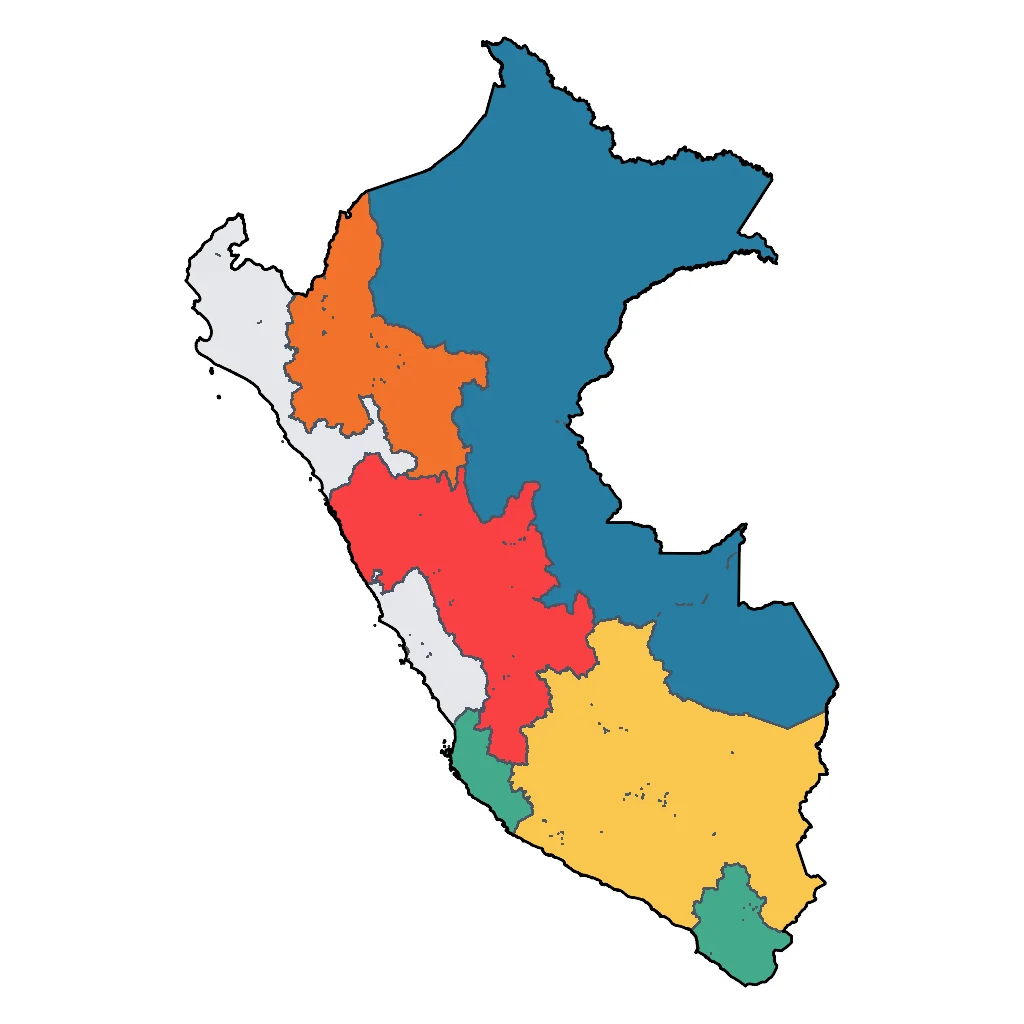
Home to globally significant research stations and indigenous territories that offer profound learning experiences for sophisticated families. Drier conditions from June to September facilitate forest exploration and interactive workshops, whereas extreme rainfall in peak wet months (Jan-Mar) limits outdoor educational activities.

Urban tourism, museums, historical sites, architecture
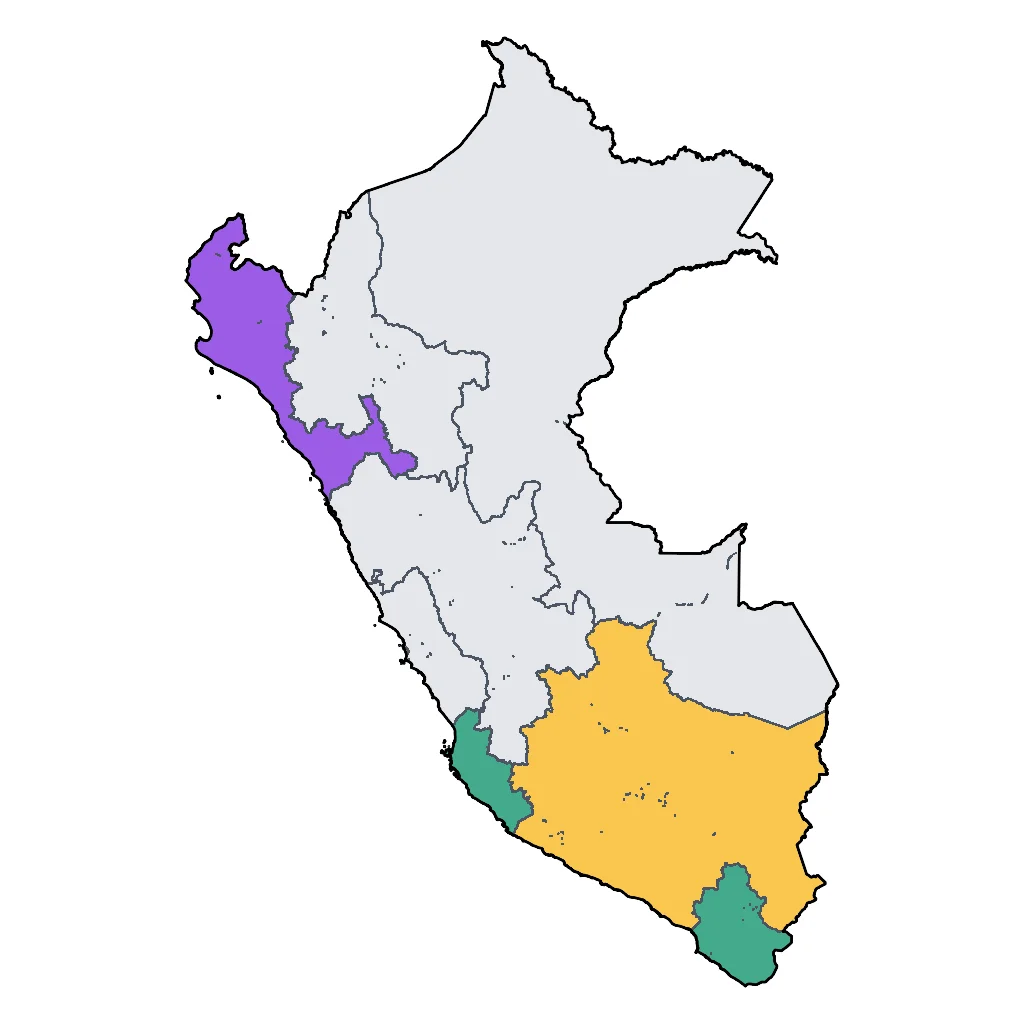
Iquitos offers a unique, authentic look at rubber-boom architecture and the world's largest roadless urban culture. The San Juan Festival in June provides an internationally significant cultural peak, while the intense flooding and rain from December to April make city navigation challenging for families.
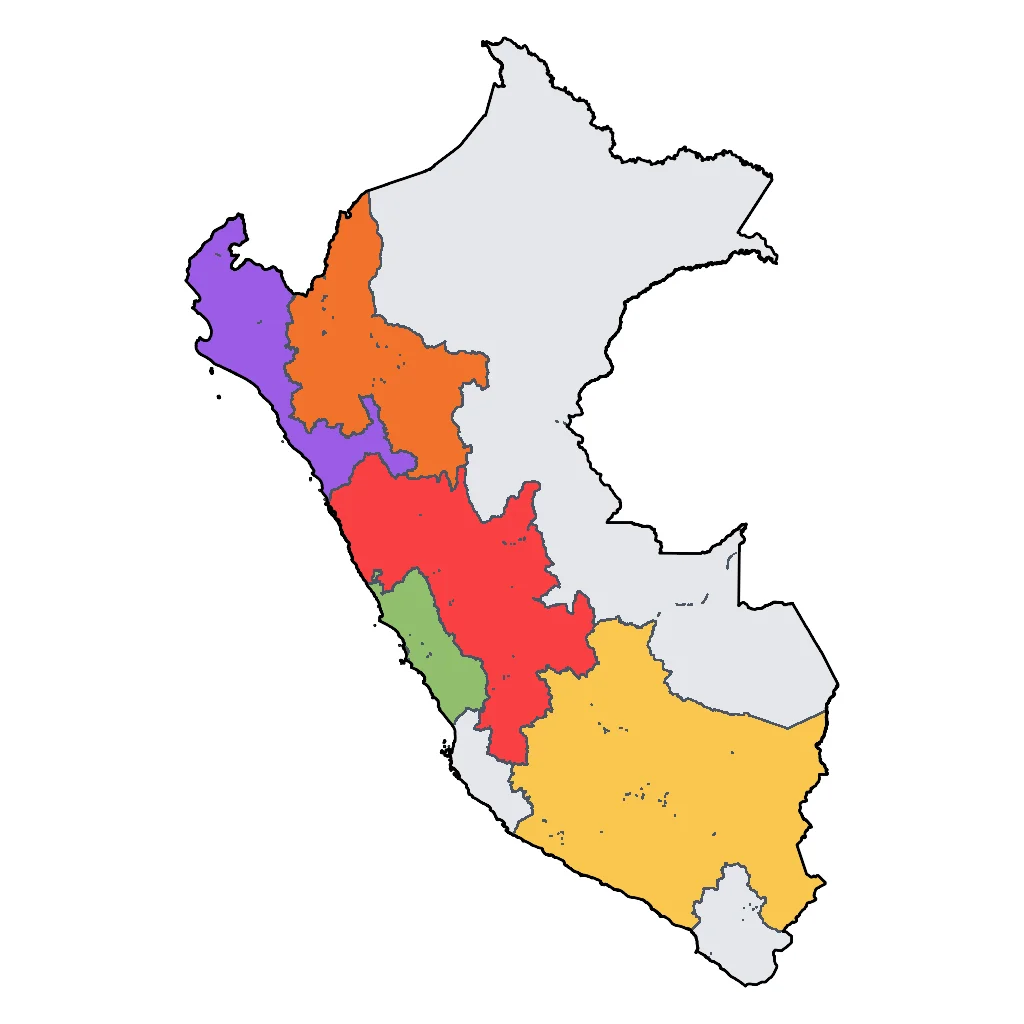

Events, celebrations, seasonal attractions
The Feast of San Juan (June 24) is the region's most iconic and authentic celebration, drawing visitors for traditional music and gastronomy. Outside of this and the following drier harvest months, there are fewer internationally significant cultural events that justify a dedicated visit for discerning travelers.
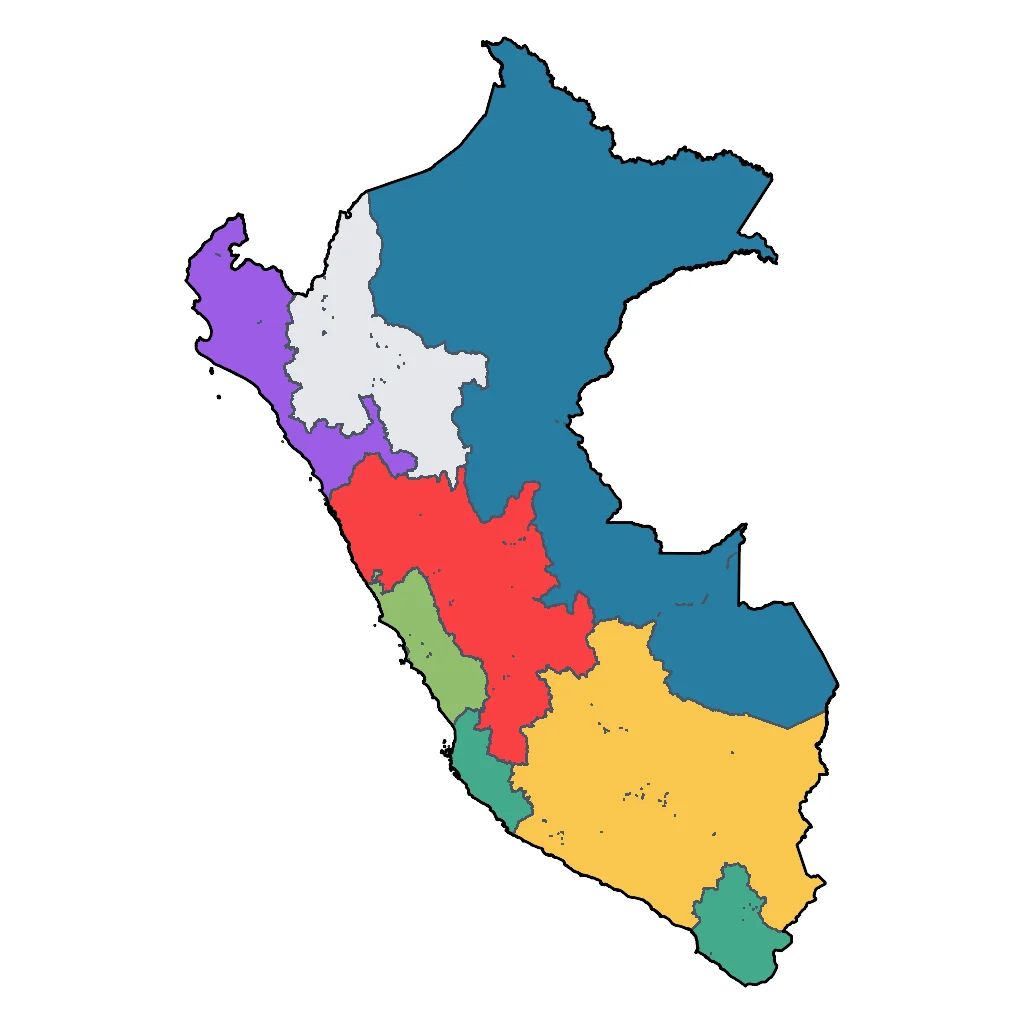

Spa retreats, wellness centers, peaceful getaways
While luxury river cruises (Aqua Expeditions, Delfin) are genuinely high-end, the Amazon is fundamentally an adventure/nature destination, not a wellness one. The region lacks dedicated wellness infrastructure comparable to Bali, Thailand, or even Peru's own Sacred Valley. Jungle spas are a nice add-on but not a primary draw. 'Good' accurately reflects that wellness exists as a secondary benefit rather than a core offering. This also better differentiates from the Southern Andes which has genuine world-class wellness retreats at very_good.
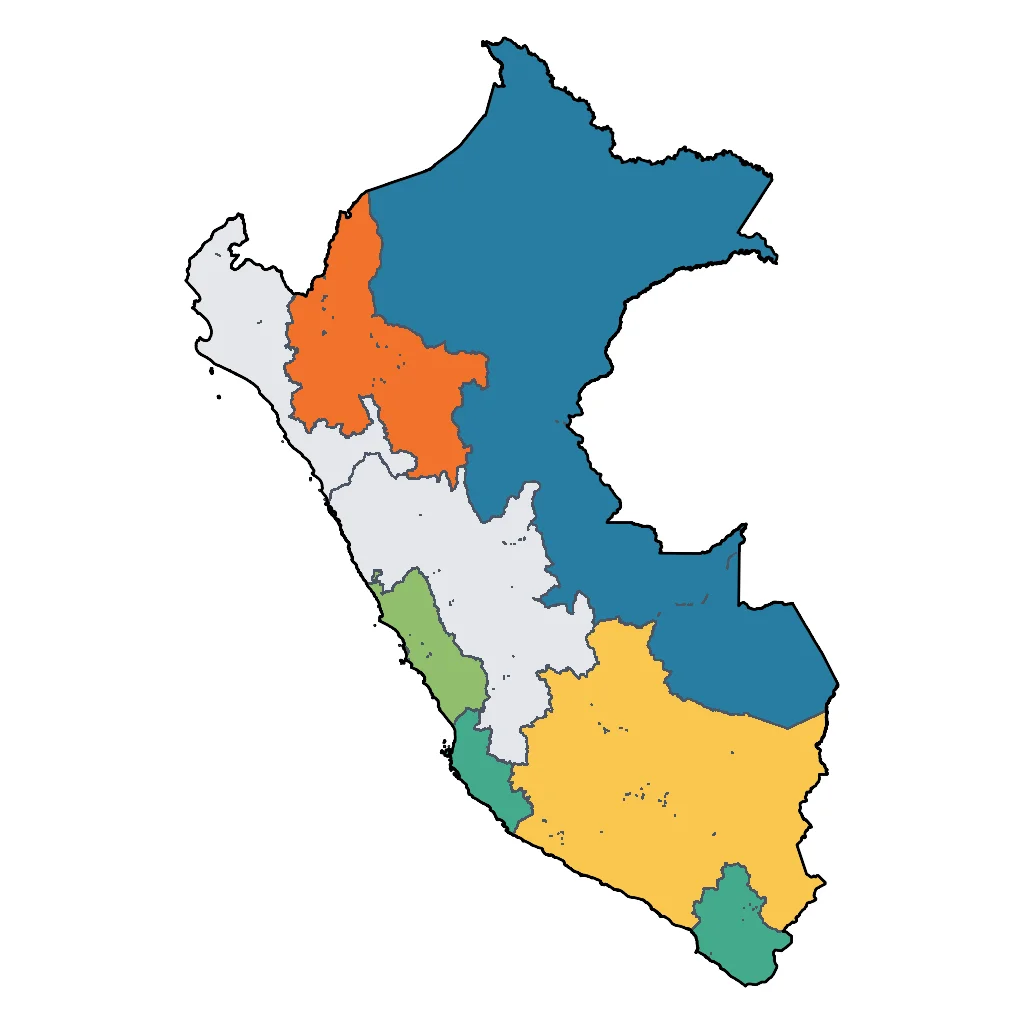

Sport tourism, fitness activities, active recreation
High-quality active experiences include canopy walks, kayaking, and jungle trekking through pristine terrain. The drier months (Jun-Sep) are essential for trail stability and safety, while the heavy monsoonal rains of early year create treacherous, muddy conditions unsuitable for trekking.