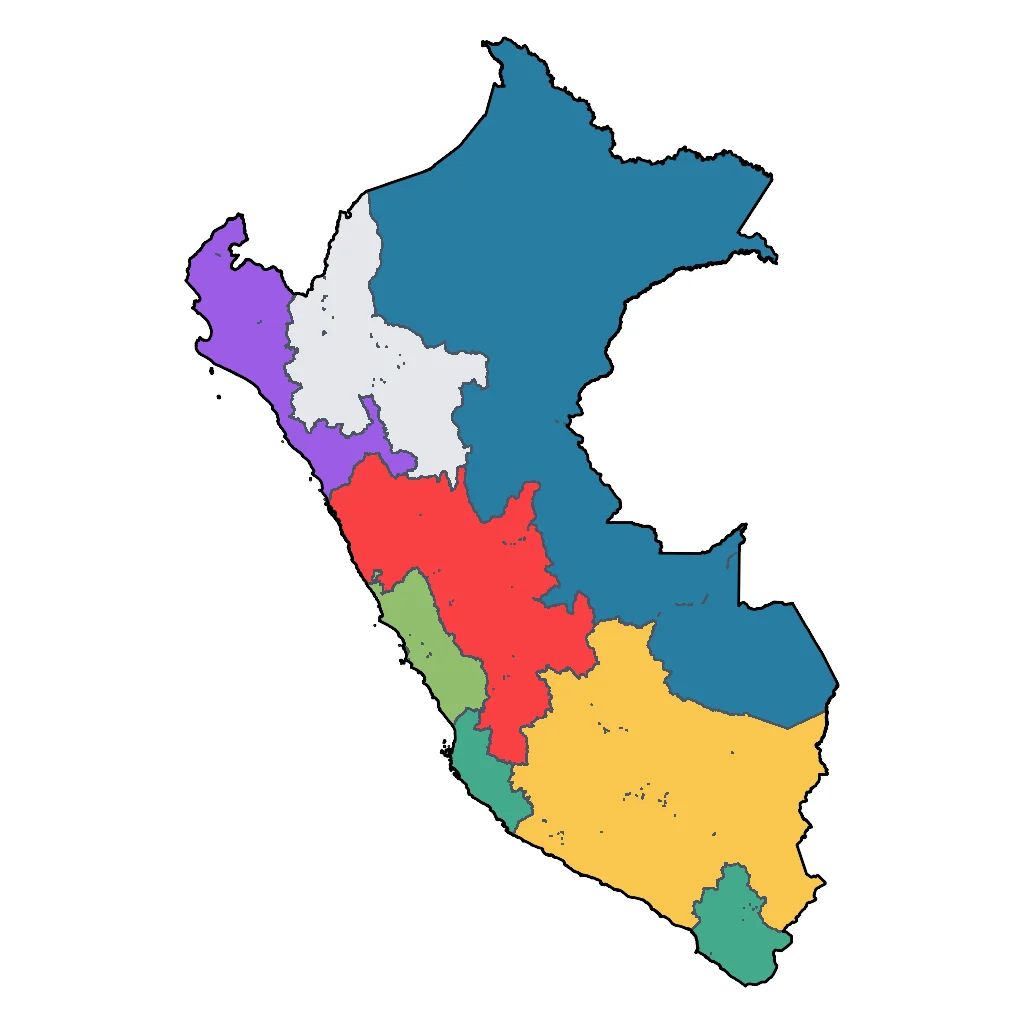

Northern Andes & Cloud Forests
Fortresses in the mist and forest trails 🚠🌳
The Northern Andes region is a lush, green alternative to the southern highlands, home to the mysterious Chachapoyas culture, known as the "Warriors of the Clouds." The headline attraction here is Kuelap, a massive walled fortress built atop a mountain ridge. Unlike the steep climb often required for Inca sites, Kuelap is accessible via a modern cable car system that glides over the valley floor. The ride itself is a highlight for children, offering spectacular views without the exhaustion. Inside the fortress, the circular stone houses and narrow corridors invite exploration among the bromeliads and moss-covered trees.
Nature lovers will find this region enchanting. The Gocta Waterfall, one of the tallest in the world, drops dramatically in two tiers. The hike to the base takes about two to three hours, but families can hire horses to carry children (and tired parents) part of the way, making the adventure accessible. The trail winds through cloud forest habitat where you might spot the bright red Cock-of-the-rock bird or emerald toucanets. The climate here is generally warmer and more humid than in Cusco, creating a greener landscape that feels like a
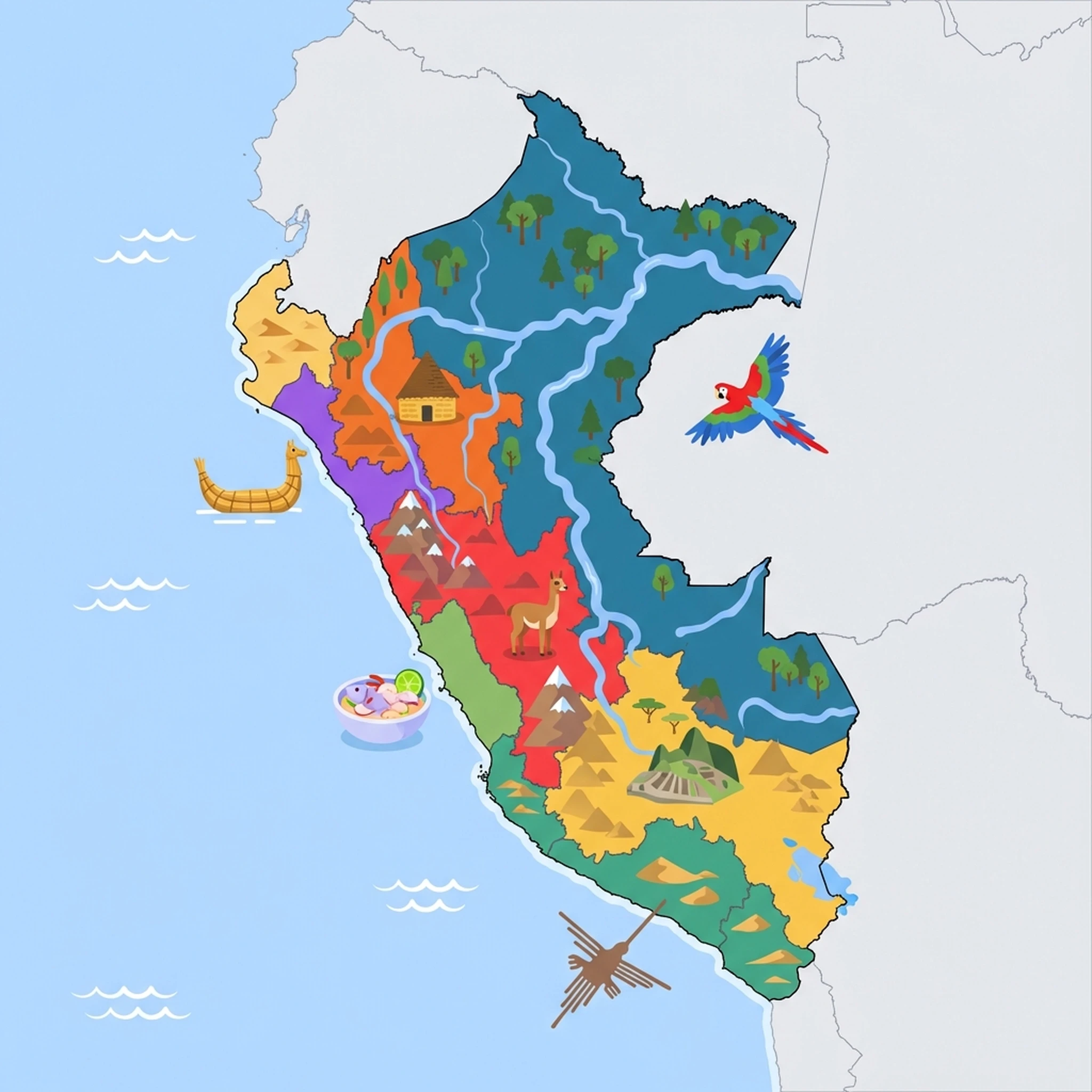
Click a region to explore

Activities & Best Times

Hiking, wildlife, outdoor exploration, ecotourism
Gocta Waterfall and Kuelap are impressive attractions, but the region's adventure/nature offering doesn't match Peru's own Amazon Basin or Southern Andes, let alone global benchmarks like Patagonia or Nepal. With only 6 editorial attractions and limited adventure infrastructure compared to top global destinations, very_good better reflects the region's strong but not world-leading position. This also improves differentiation — currently both this region and the Amazon/Southern Andes are 'excellent' for adventure_nature, which fails to distinguish the clearly superior offerings of those regions.
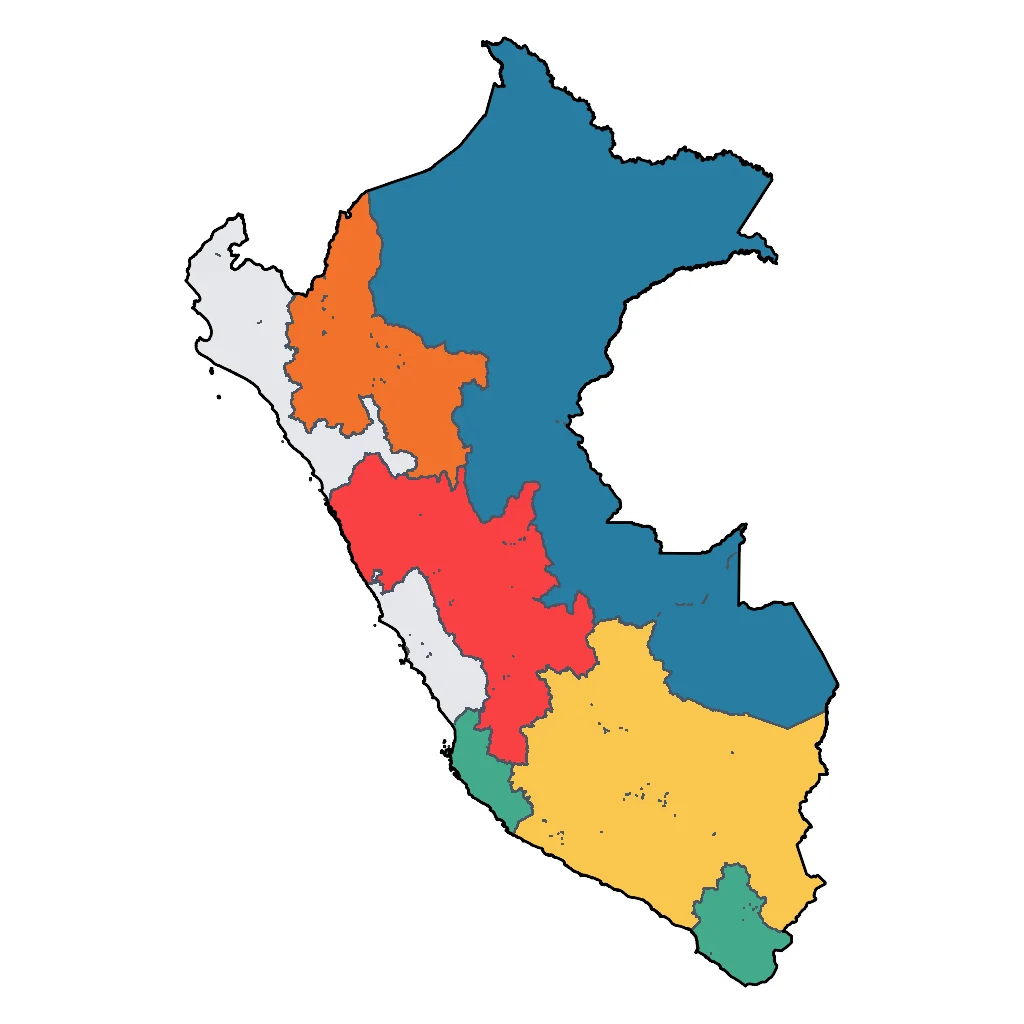

Urban tourism, museums, historical sites, architecture
Cajamarca features stunning colonial architecture and the historic Ransom Room, offering a world-class glimpse into the encounter of Inca and Spanish civilizations. While cities are accessible year-round, the drier months of mid-year provide the most comfortable climate for walking tours and outdoor cultural sites.
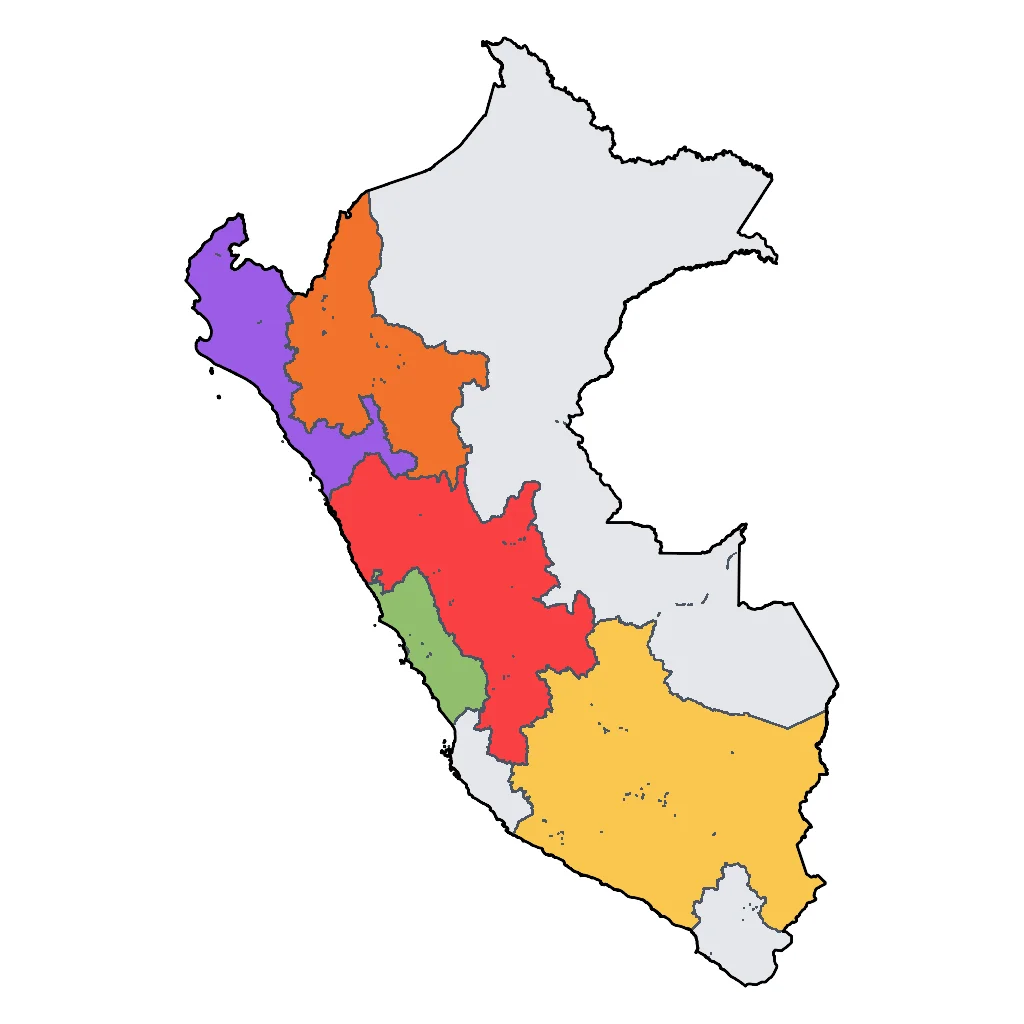

Learning experiences, scientific sites, historical education
Deeply authentic archaeological sites like the Karajia sarcophagi and Leymebamba Mummy Museum offer sophisticated families profound historical insights. Peak dry months ensure reliable access to remote sites; the rainy season (Dec-Mar) frequently causes road closures that limit educational exploration.

Spa retreats, wellness centers, peaceful getaways
The historic Baños del Inca hot springs provide a genuine wellness experience rooted in ancient tradition. The dry season offers the most peaceful atmosphere for remote cloud forest eco-lodges, whereas peak rainfall in Mar (243mm) can dampen the tranquility of outdoor-focused retreats.

Scenic drives, countryside tours, route-based travel
Dramatic Andean landscapes and cloud forest vistas offer spectacular scenery for experienced travelers. However, road infrastructure can be challenging; peak dry months (Jul-Aug) are essential for safety to avoid the frequent landslides and poor visibility common during the high-precipitation months.

Sport tourism, fitness activities, active recreation
The rugged terrain is ideal for high-altitude trekking and mountain biking, supported by modern infrastructure like the Kuelap cable car. Peak dry months offer the firmest terrain and best visibility; the off-season sees extreme humidity and heavy rain that make active pursuits difficult for families.

Events, celebrations, seasonal attractions
The Cajamarca Carnival in February is one of Peru's most famous cultural celebrations, though it is highly domestic and chaotic in nature. While culturally authentic, the timing coincides with high rainfall (195mm), which may challenge the comfort of sophisticated international travelers.