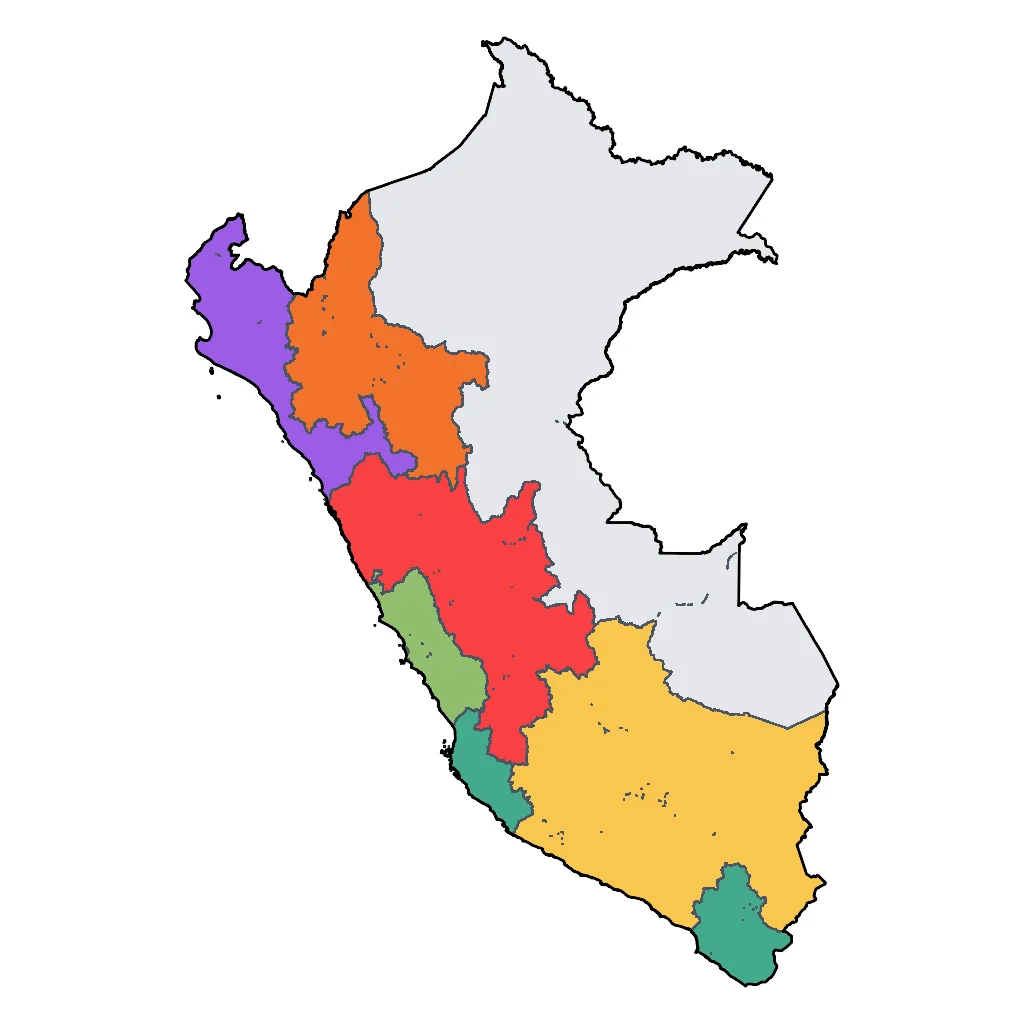

North Coast & Moche Heartland
Ancient kingdoms and endless summers ☀️🏺
The North Coast of Peru offers a fascinating blend of pre-Inca archaeology and relaxing beach vacations. Unlike the chilly waters of the south, the ocean here—especially near Máncora and Tumbes—is warm enough for swimming year-round. Families can enjoy long days on sandy beaches, take surfing lessons in beginner-friendly waves, or go whale watching between July and October when humpback whales migrate through these waters. The vibe in the beach towns is laid-back, with plenty of fresh seafood and open-air restaurants that welcome children.
Culturally, this region is the heartland of the Moche and Chimú civilizations. Near Trujillo, the archaeological site of Chan Chan captures the imagination as the largest adobe city in the Americas; its endless maze of walls decorated with fish and pelican motifs is fun for kids to navigate. Just a short drive away is the seaside town of Huanchaco, famous for its caballitos de totora. These traditional reed watercraft have been used for fishing for thousands of years, and fishermen still ride them like surfboards today—a unique spectacle for visitors.
Further north in Chiclayo, the history becomes even more dazzling. The Royal Tombs of Sipán Museum houses the gold and silver treasures of a Moche lord, displayed in a way that rivals the exhibits of Tutankhamun. The museum is dark and dramatic, which helps maintain the interest of younger visitors. Nearby, the Pyramids of Túcume offer a chance to hike around massive eroded structures in a dry forest setting. The climate is predominantly desert-dry and sunny, so sun protection is critical. This region is an excellent alternative for families who want to combine history with downtime and avoid the high altitudes of the Andes.
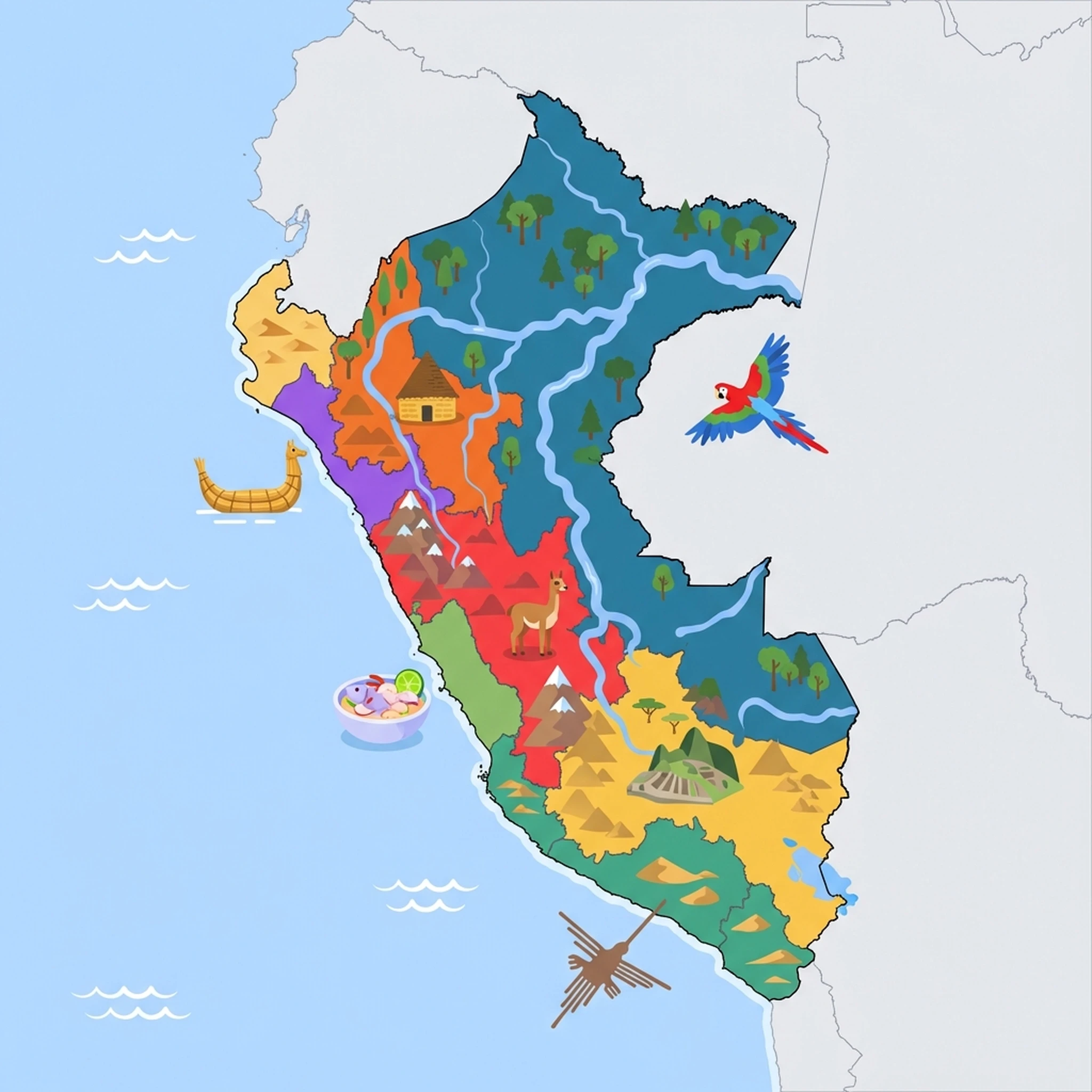
Click a region to explore

Activities & Best Times

Learning experiences, scientific sites, historical education
Home to the Lord of Sipán and Chan Chan, the region offers peerless insights into pre-Inca civilizations with world-class museum curation and archaeological significance. The dry months (May-Nov) are ideal for exploring these sprawling mud-brick complexes; heavy rains in February and March can impact site accessibility and preservation.
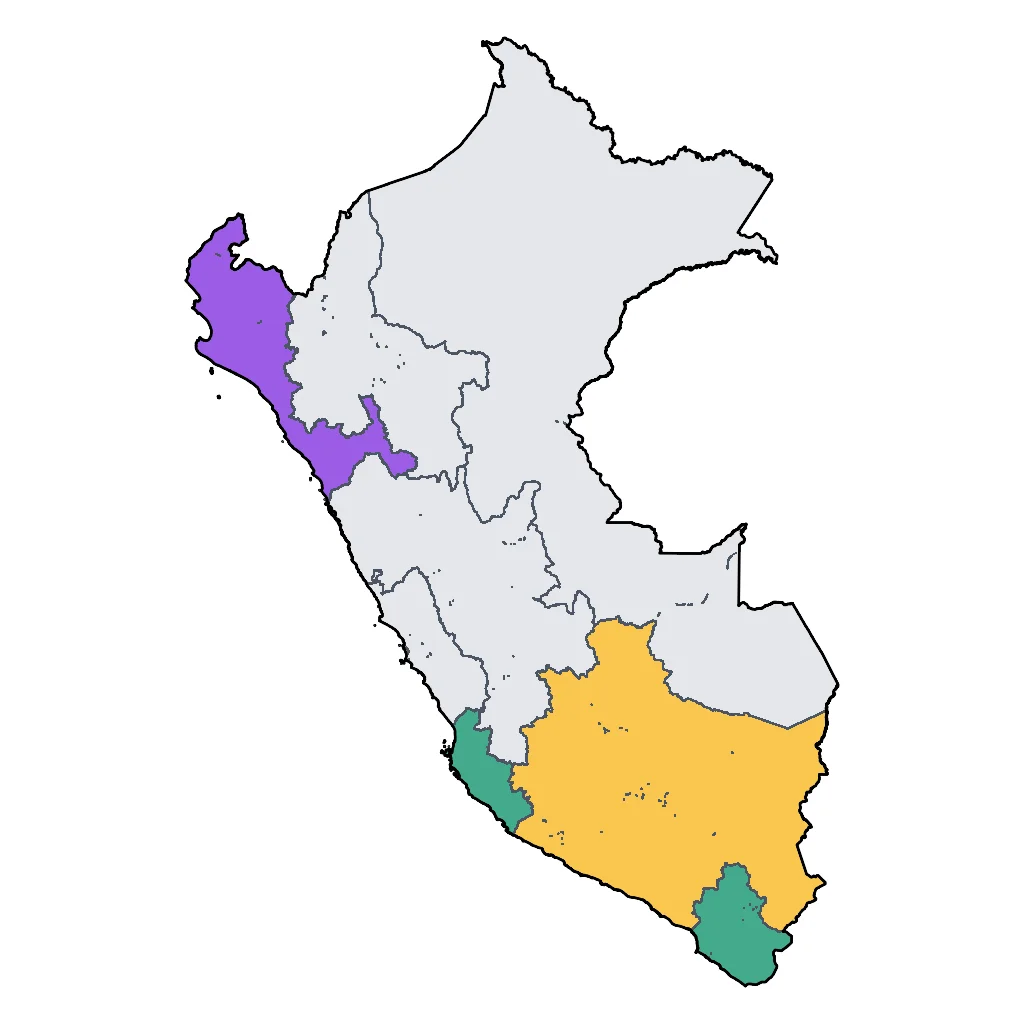

Beach resorts, marine activities: diving, snorkelling, kite surfing, wind surfing, sailing
Máncora and Vichayito feature upscale eco-boutique resorts and a year-round surf culture that appeals to sophisticated, adventure-seeking families. Peak months offer the ideal combination of heat and low rainfall, while the mid-year 'winter' months see temperatures drop below the optimal threshold for a luxury beach experience.
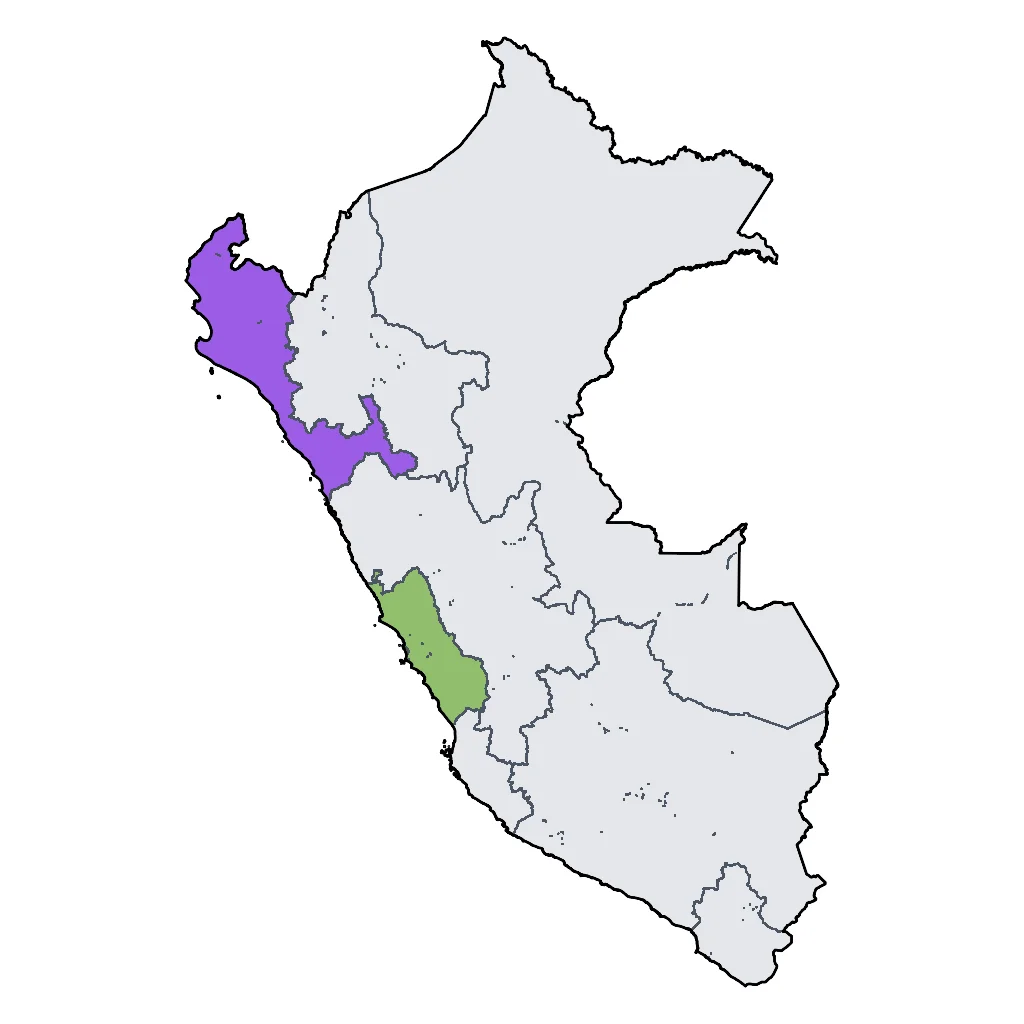

Urban tourism, museums, historical sites, architecture
Trujillo is a significant colonial city with impressive Moche archaeological sites nearby, but it does not rival globally top-tier cultural cities like Lima, Cusco, Kyoto, or Florence. The urban cultural infrastructure (museums, dining, heritage density) is strong at a national level but not internationally outstanding. Downgrading to very_good maintains differentiation from Lima and Cusco which genuinely operate at the excellent tier.
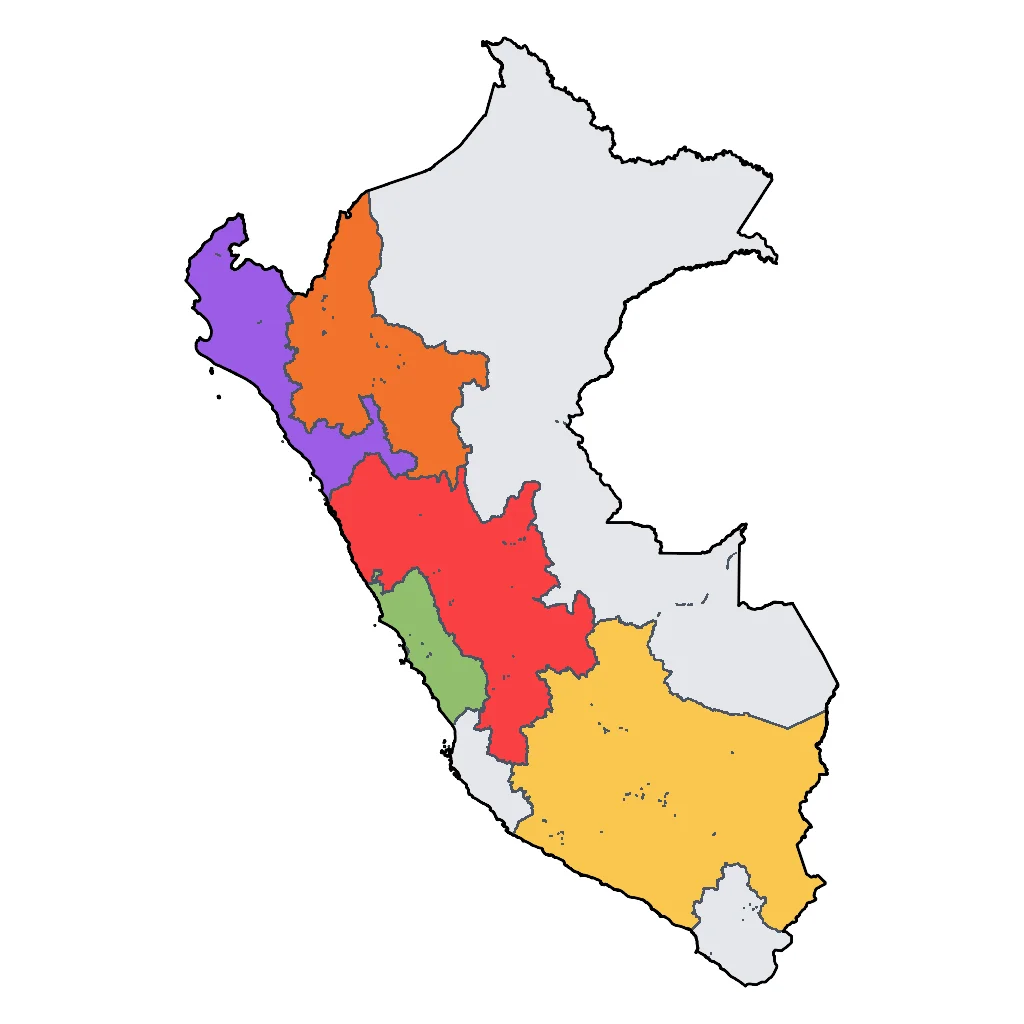

Sport tourism, fitness activities, active recreation
This region is a global surfing pilgrimage site, home to Chicama—the world’s longest left-hand wave—and consistent breaks at Máncora and Huanchaco. The dry season (Apr-Oct) aligns with the most reliable Southern Hemisphere swells, while the early year brings unpredictable weather and less consistent surf conditions.
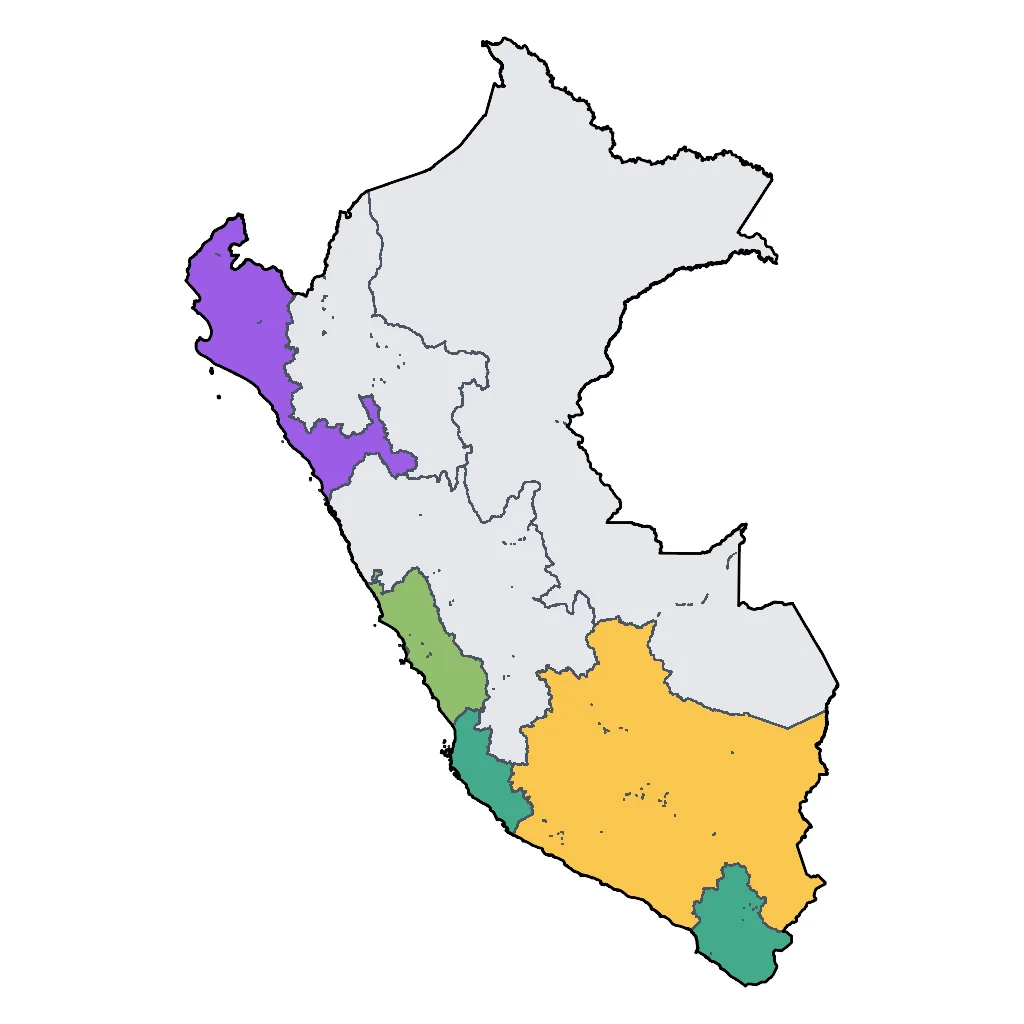

Hiking, wildlife, outdoor exploration, ecotourism
The coastline serves as a prime destination for humpback whale watching and exploring unique tropical-dry forest ecosystems. Peak months align with the whale migration season and the driest weather, though it lacks the sheer biodiversity of the Amazon to reach higher suitability tiers.
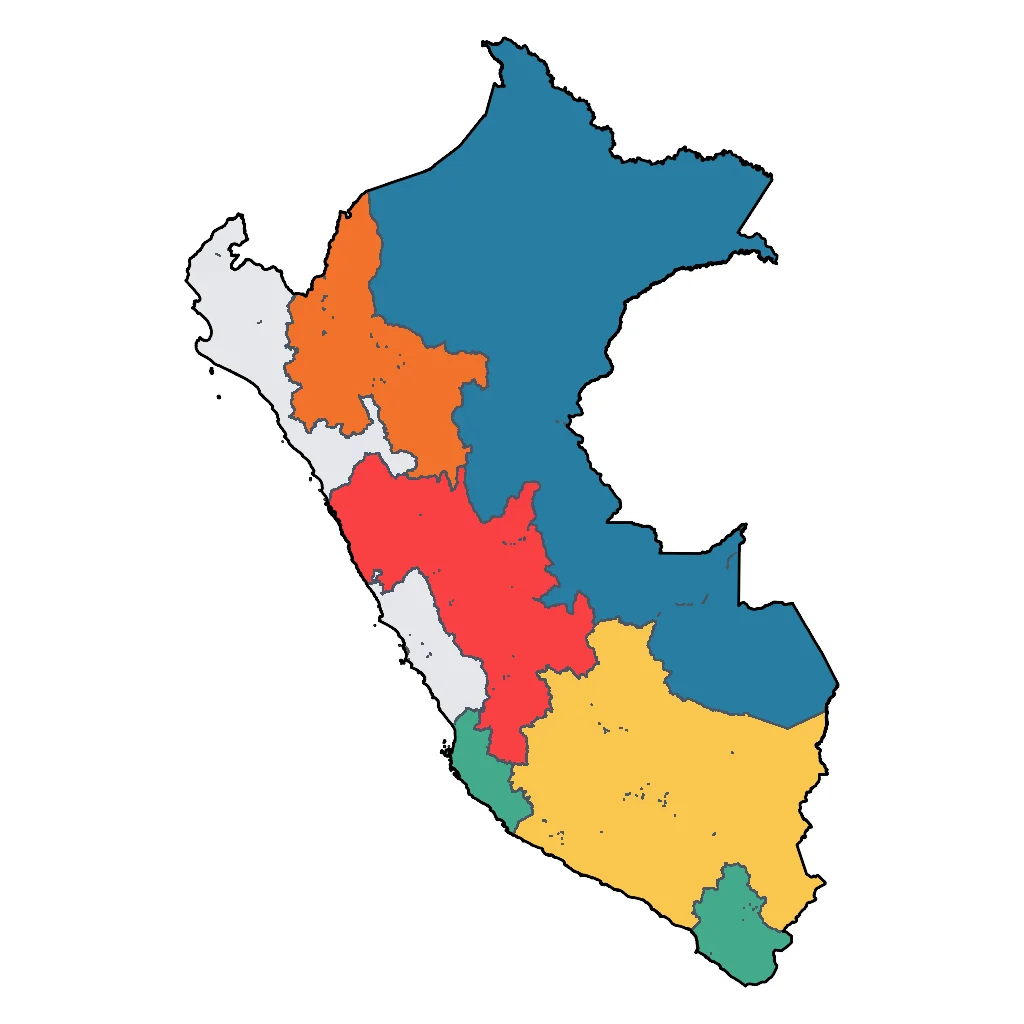

Events, celebrations, seasonal attractions
January features the National Marinera Contest in Trujillo, a world-class display of authentic Peruvian dance and equestrian tradition. While culturally significant, the region's festival calendar is concentrated, making January the primary draw for travelers seeking traditional spectacles.
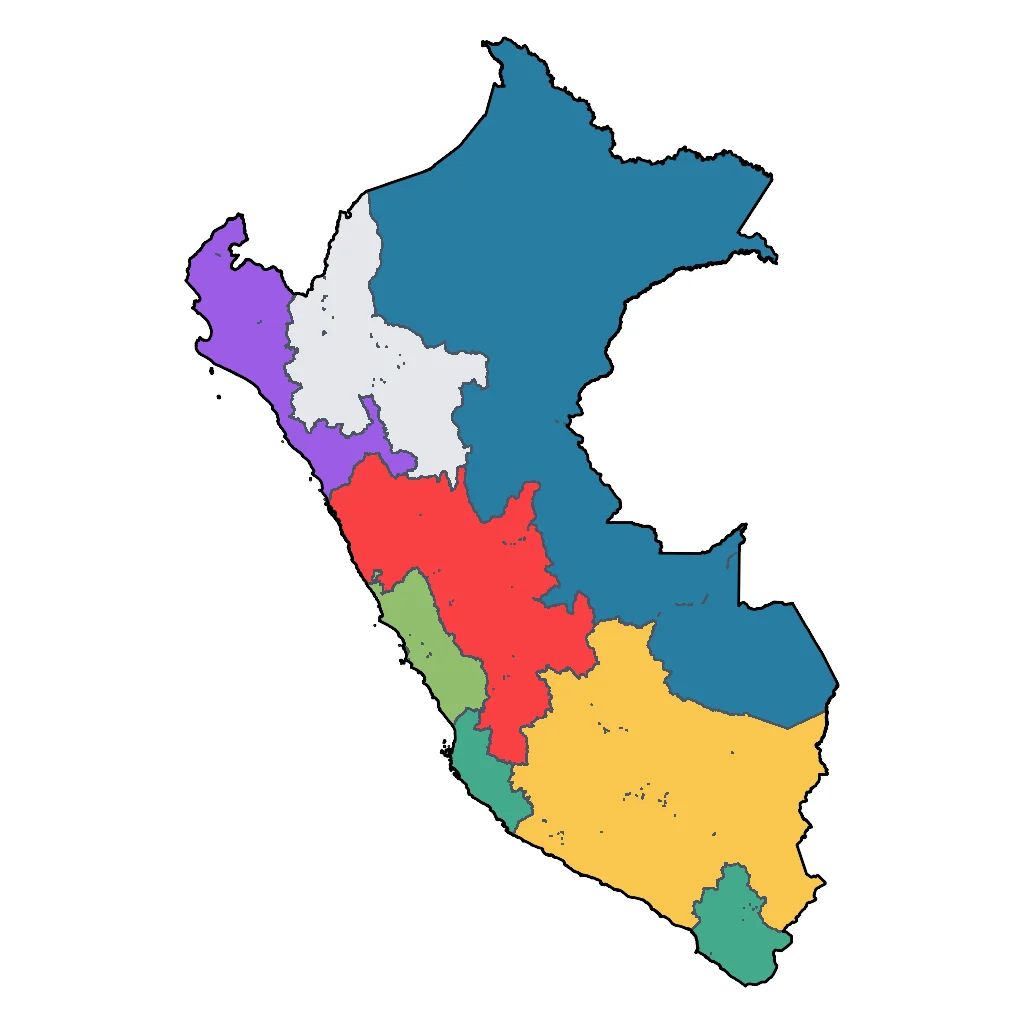

Scenic drives, countryside tours, route-based travel
The 'Moche Route' offers a well-structured scenic journey connecting major archaeological sites along the sun-drenched Pan-American Highway. Most of the year provides clear visibility and safe road conditions, but March's high rainfall can lead to localized flooding and poor road quality in desert areas.