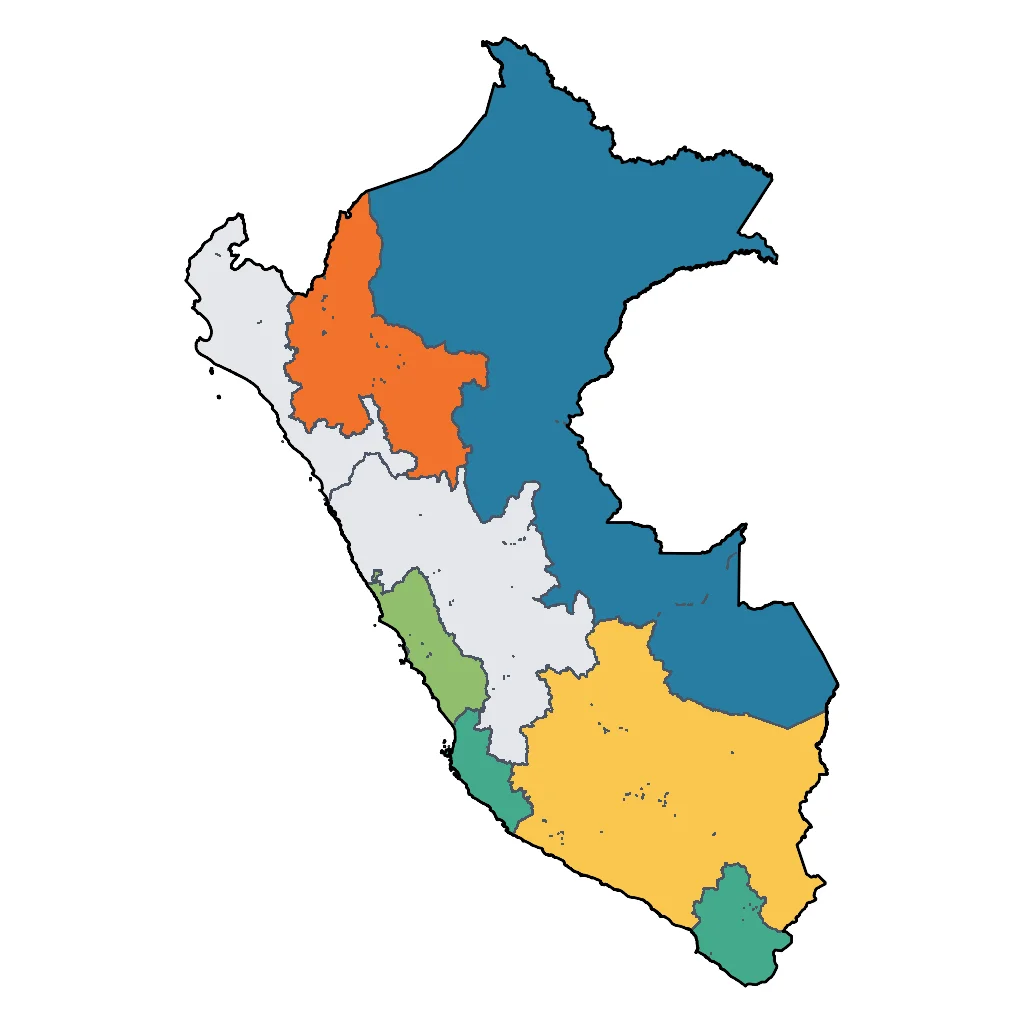

Central Highlands & Andean Core
Art, tradition, and mountain peaks 🎨🏔️
⚠️ SAFETY WARNING: Due to remaining activity by armed groups and drug trafficking organizations, particularly in the VRAEM (Valley of the Apurímac, Ene and Mantaro Rivers), government agencies (including CA, USA, and UK) advise travelers to reconsider travel to parts of this region. While major cities are generally accessible, road travel through remote areas can be risky. Families are strongly urged to consult their own government's official travel advisory before considering a trip, as circumstances and risk assessments vary.
The Central Highlands offer a window into the authentic rural life of Peru, far removed from the heavy tourist crowds of Cusco. This region is the heartland of Peruvian craft and agriculture. In the fertile Mantaro Valley, families can explore towns like Huancayo, famous for its Sunday market where locals trade fresh produce, hand-knitted woolens, and livestock. A major attraction for train-loving children is the Ferrocarril Central Andino, the second-highest railway in the world, which occasionally runs passenger services from Lima, traversing dozens of tunnels and bridges in a spectacular feat of engineering.
Further south lies Ayacucho, a city celebrated for its 33 colonial churches and deep artistic traditions. Here, families can visit the workshops of master artisans who create retablos—colorful wooden boxes filled with tiny, intricate figurines depicting religious or everyday scenes. Watching these artists at work is mesmerizing for children, and the small figures make excellent, durable souvenirs. The region is also known for its pottery, particularly in the village of Quinua, where ceramic churches adorn almost every rooftop as a charm for good luck.
Travel in this region requires patience and preparation. The altitude is significant, often exceeding 3,000 meters (9,800 feet), so families should plan for a slow pace to allow for acclimatization. The roads can be winding and travel times between towns are long. However, for families seeking to understand the living culture of the Andes—from the energetic Huaylash dances to the savory taste of pachamanca (meat and potatoes cooked underground with hot stones)—this region provides a deeply grounding and educational experience.
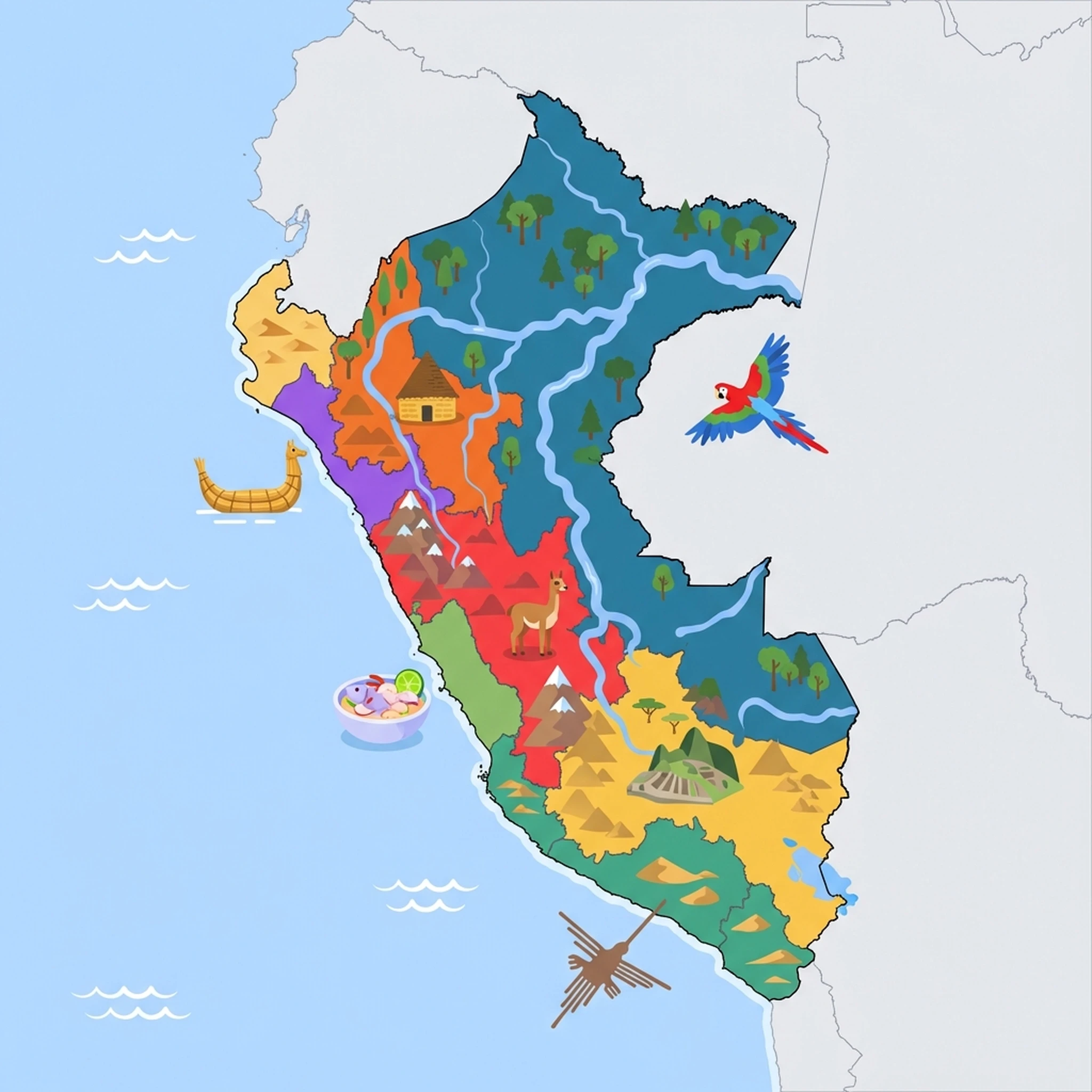
Click a region to explore

Activities & Best Times

Hiking, wildlife, outdoor exploration, ecotourism
The region offers breathtaking Andean landscapes, including the dramatic Mantaro Valley and jagged high-altitude peaks, providing an authentic wilderness experience away from tourist crowds. Peak months (May-Sep) align with the dry season (<100mm rainfall), ensuring safe trail conditions and clear mountain vistas, while the heavy summer rains (Dec-Mar) make remote exploration hazardous.
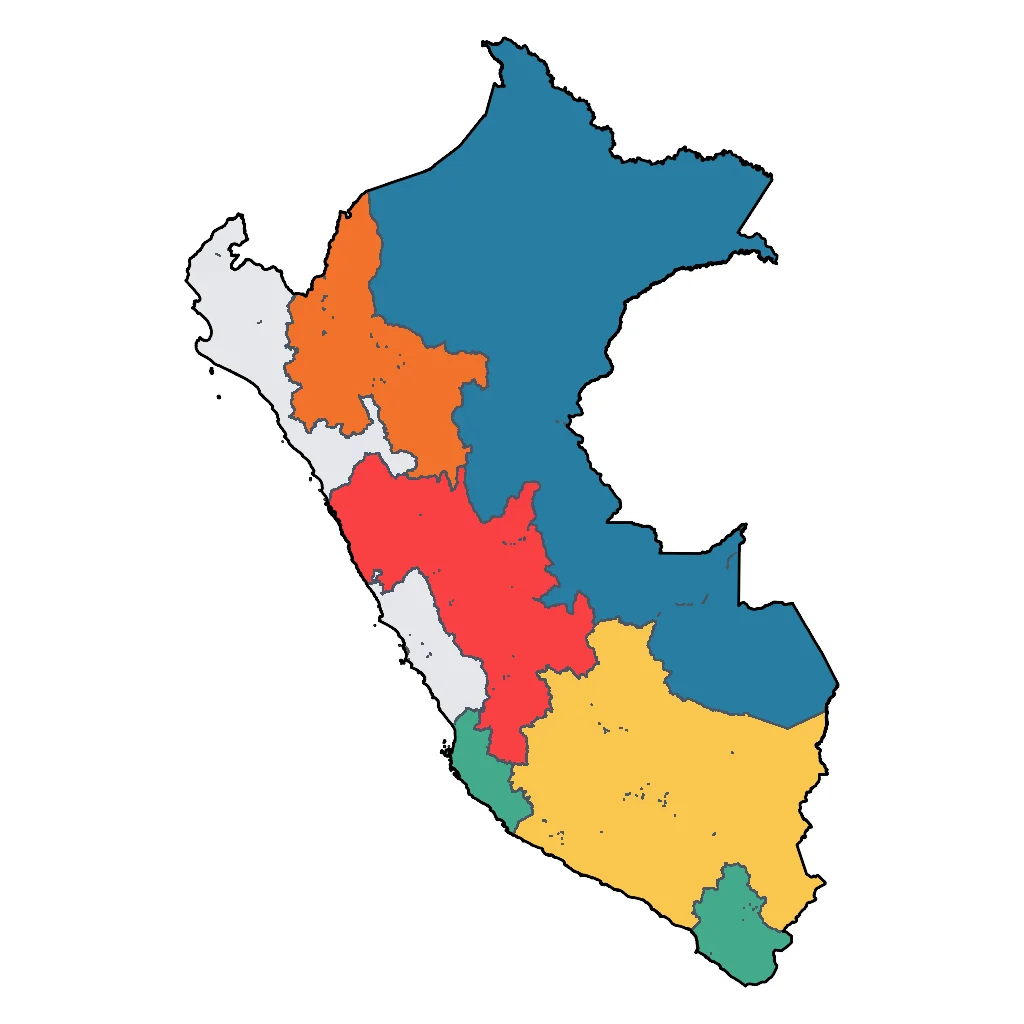

Urban tourism, museums, historical sites, architecture
Home to Ayacucho, famed for its 33 colonial churches and sophisticated folk art, this region represents the authentic heart of Andean culture. The dry winter months (May-Sep) are ideal for exploring historic plazas and white-washed streets; however, high precipitation in the summer months (Jan-Mar) can hinder urban walking tours and the accessibility of colonial heritage sites.
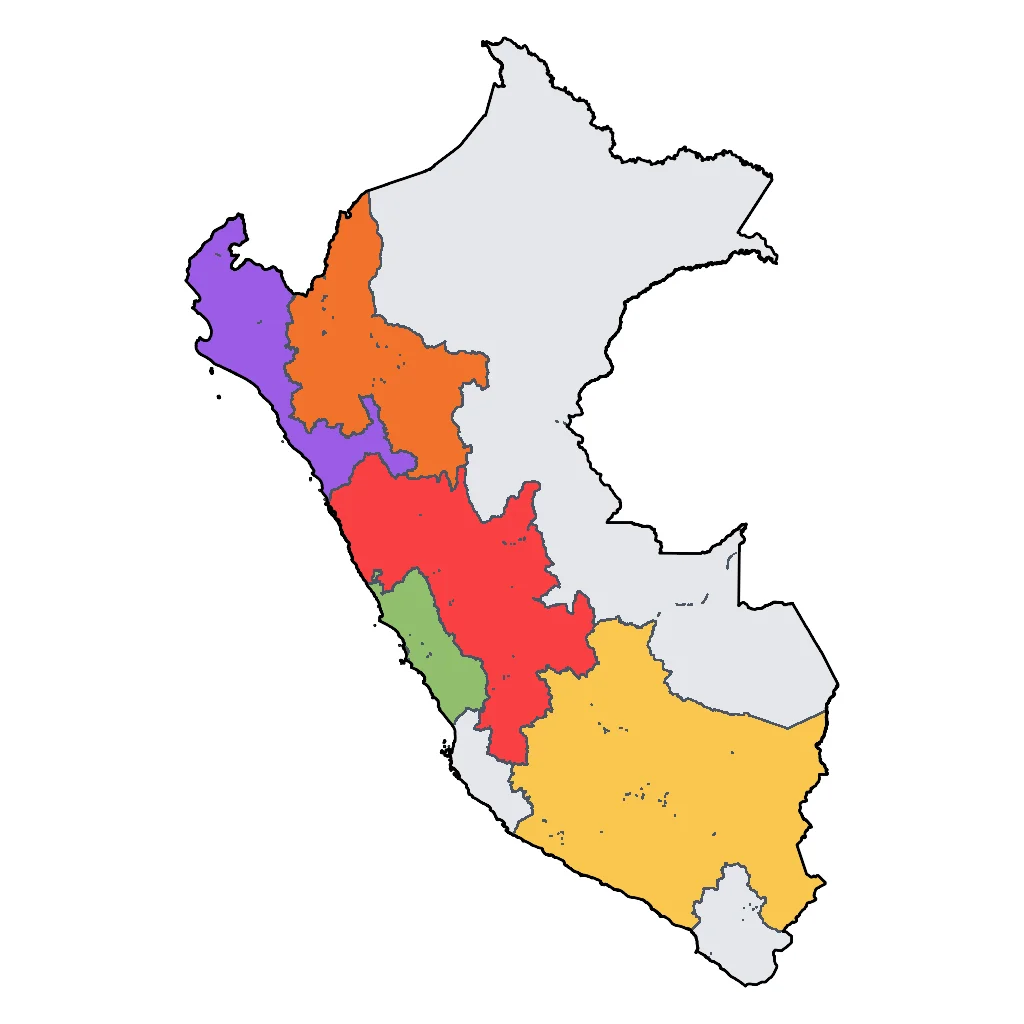

Learning experiences, scientific sites, historical education
Rich in archaeological significance, the region features sites like the Wari ruins and the ancient temple of Kotosh, offering profound learning opportunities for families. Peak conditions (May-Sep) provide the best access to these scientific and historical sites, while the rainy season causes logistical challenges and potential closures of outdoor excavations.
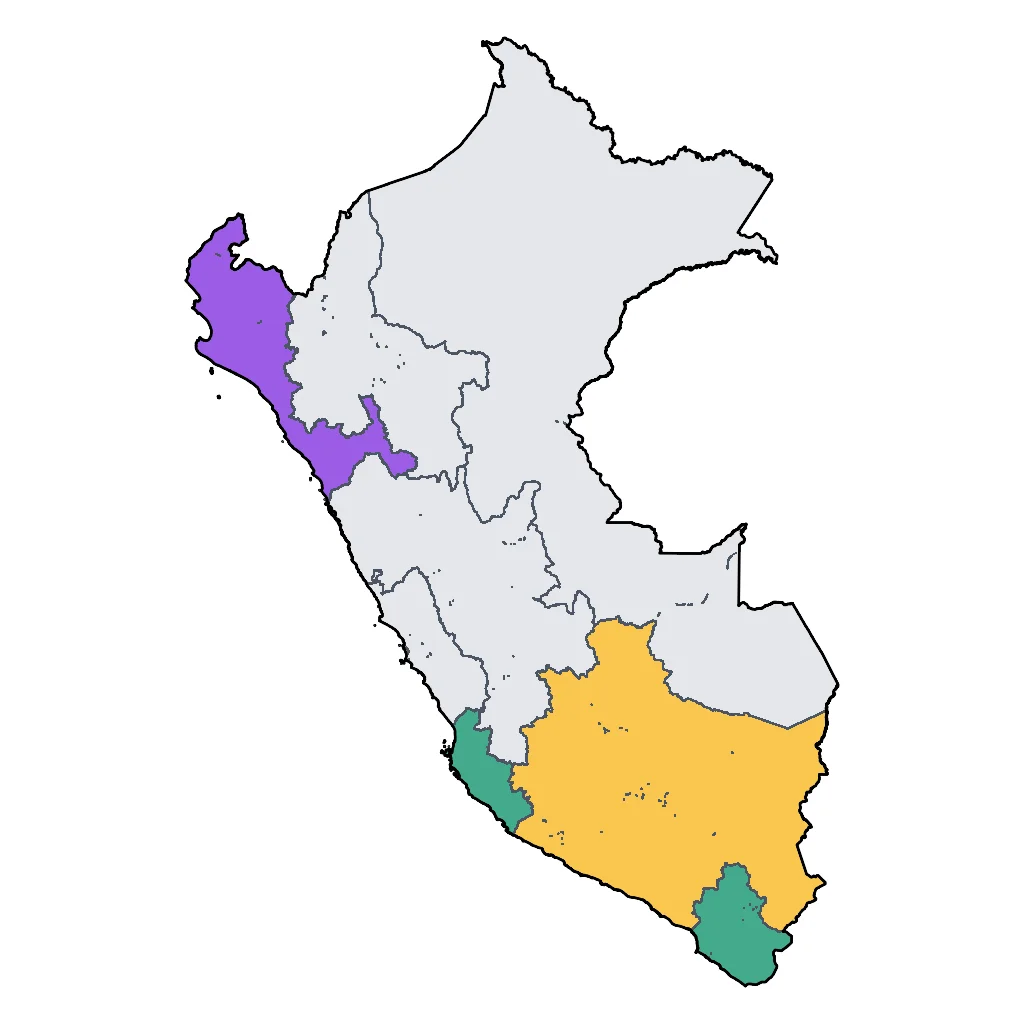

Events, celebrations, seasonal attractions
Ayacucho's Semana Santa is a world-class cultural celebration of international significance, though it often falls during the rainier months of March or April. While the dry season (May-Sep) offers the best weather for outdoor harvest festivals, sophisticated travelers may brave the shoulder-season rains to witness the region's unparalleled Easter traditions.
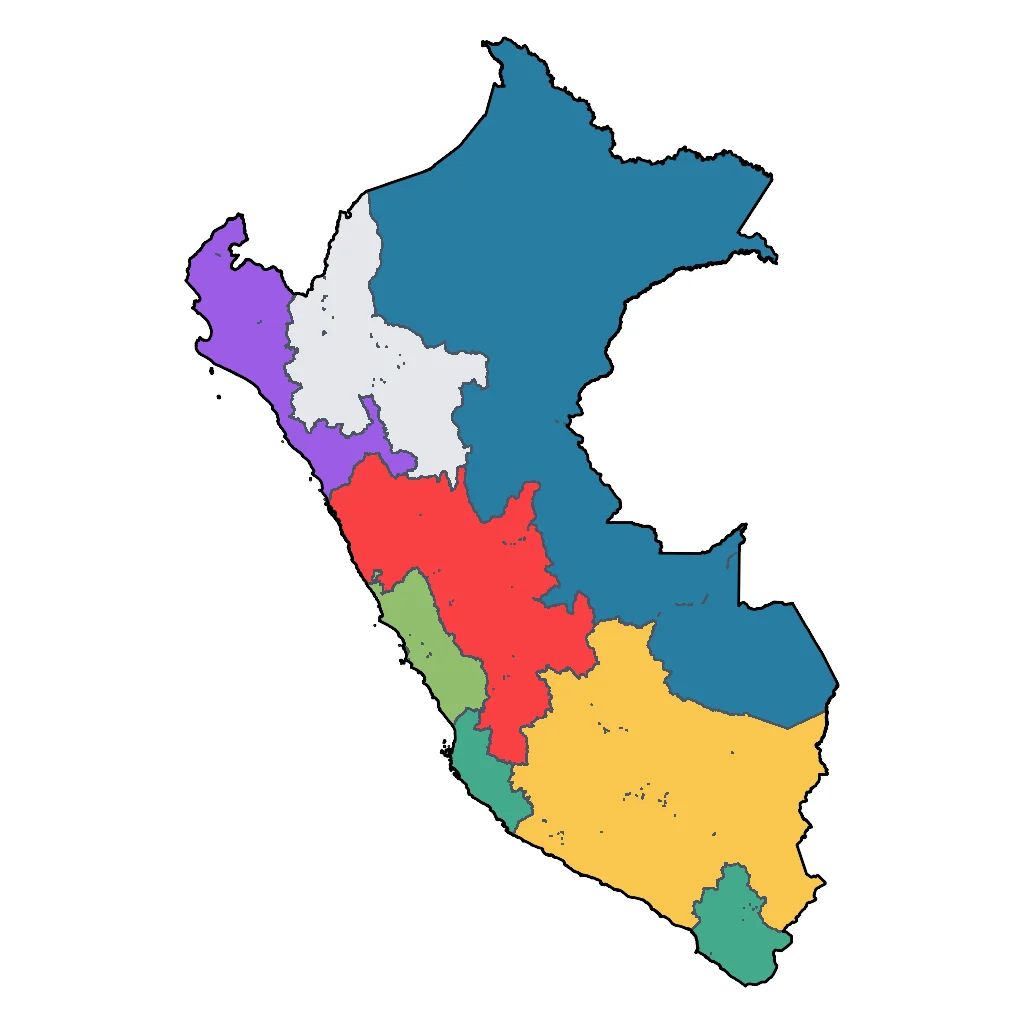

Scenic drives, countryside tours, route-based travel
Dramatic mountain passes and scenic valley routes offer a spectacular road trip experience for intrepid travelers seeking authentic rural encounters. The core dry months (Jun-Aug) offer the safest driving conditions and best visibility; the rainy season (Oct-Apr) is considered off-season due to high risks of landslides and poor road maintenance in high-altitude zones.
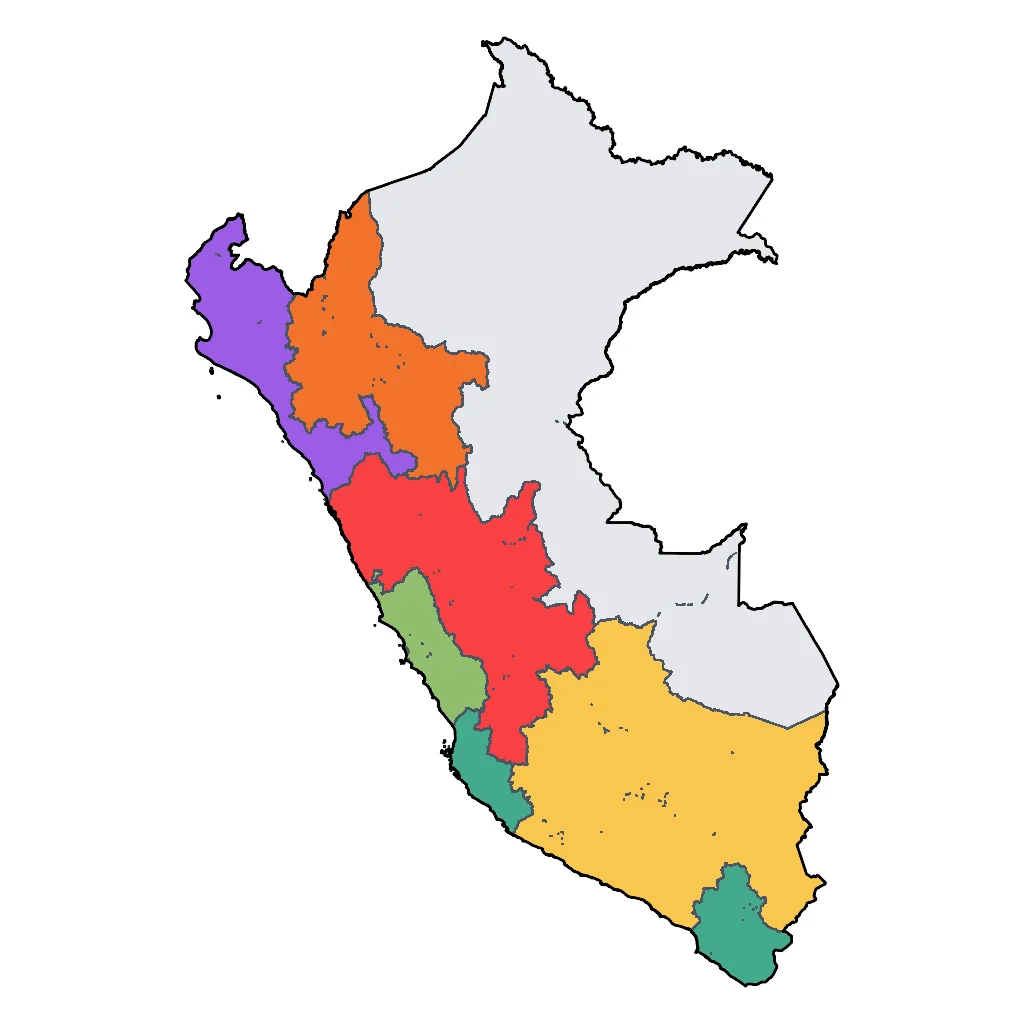

Sport tourism, fitness activities, active recreation
The rugged terrain is ideal for high-altitude trekking and mountain biking, though it requires a high degree of fitness. Optimal conditions occur when precipitation is low (May-Sep), as the intense rainfall of the summer months (Jan-Mar) creates muddy, unstable terrain that is unsuitable for active sports.
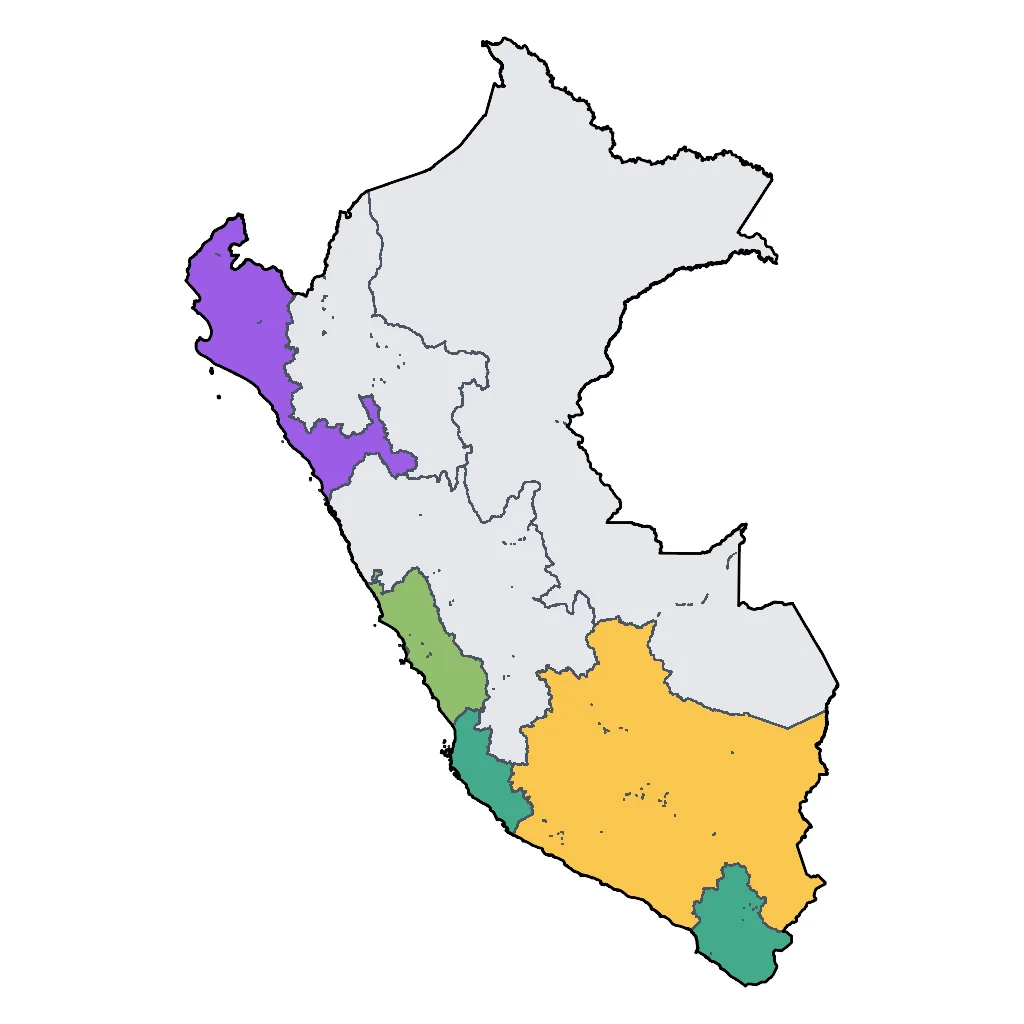

Spa retreats, wellness centers, peaceful getaways
Natural thermal springs in areas like Huancavelica offer authentic, rustic relaxation amidst stunning mountain scenery. While unique, the region lacks the world-class, high-end luxury wellness infrastructure found in more developed global hubs, making it a supplemental rather than primary reason for visiting.