

⚠️ SAFETY WARNING: Due to the persistent threat of terrorism, kidnapping, and civil unrest, government agencies (including CA, USA, UK, AU, IE, and NZ) advise travelers to reconsider their need to travel or avoid non-essential travel to Pakistan. The security environment is unpredictable, and strict travel restrictions apply to certain regions. Families are strongly urged to consult their own government's official travel advisory before considering a trip, as circumstances and risk assessments vary significantly by region.
For families that choose to visit, Pakistan presents a landscape defined by the collision of continents. The northern region of Gilgit-Baltistan contains some of the world's highest peaks, including K2. The Hunza Valley is the most accessible area for visitors, known for its apricot orchards, ancient forts like Baltit, and the approachable culture of the local community. Unlike the chaotic cities, the mountain valleys offer fresh air and spectacular views of snow-capped giants like Rakaposhi, providing a backdrop for hiking and nature walks suitable for older children.
In the plains, the city of Lahore serves as the cultural heart of the country. Families can explore the massive Lahore Fort and the intricate Badshahi Mosque, which showcase the architectural grandeur of the Mughal Empire. A unique experience for children is the daily Wagah Border ceremony, a theatrical military parade on the border with India involving high-stepping soldiers and cheering crowds. The capital, Islamabad, offers a calmer environment with the Faisal Mosque situated at the foot of the green Margalla Hills.
Culture and logistics play a huge role in any trip here. Pakistan is famous for its elaborate "Truck Art," where vehicles are hand-painted with vibrant floral patterns and poetry. The cuisine is rich and flavorful; while often spicy, children can enjoy fresh naan bread, grilled meats, and sweet kulfi ice cream. It is a strictly conservative society, and families must adhere to modest dress codes, covering arms and legs in public. Public transport is generally not suitable for family travel; hiring a reputable private driver and guide is essential for navigating checkpoints, language barriers, and vast distances.

Explore Regions
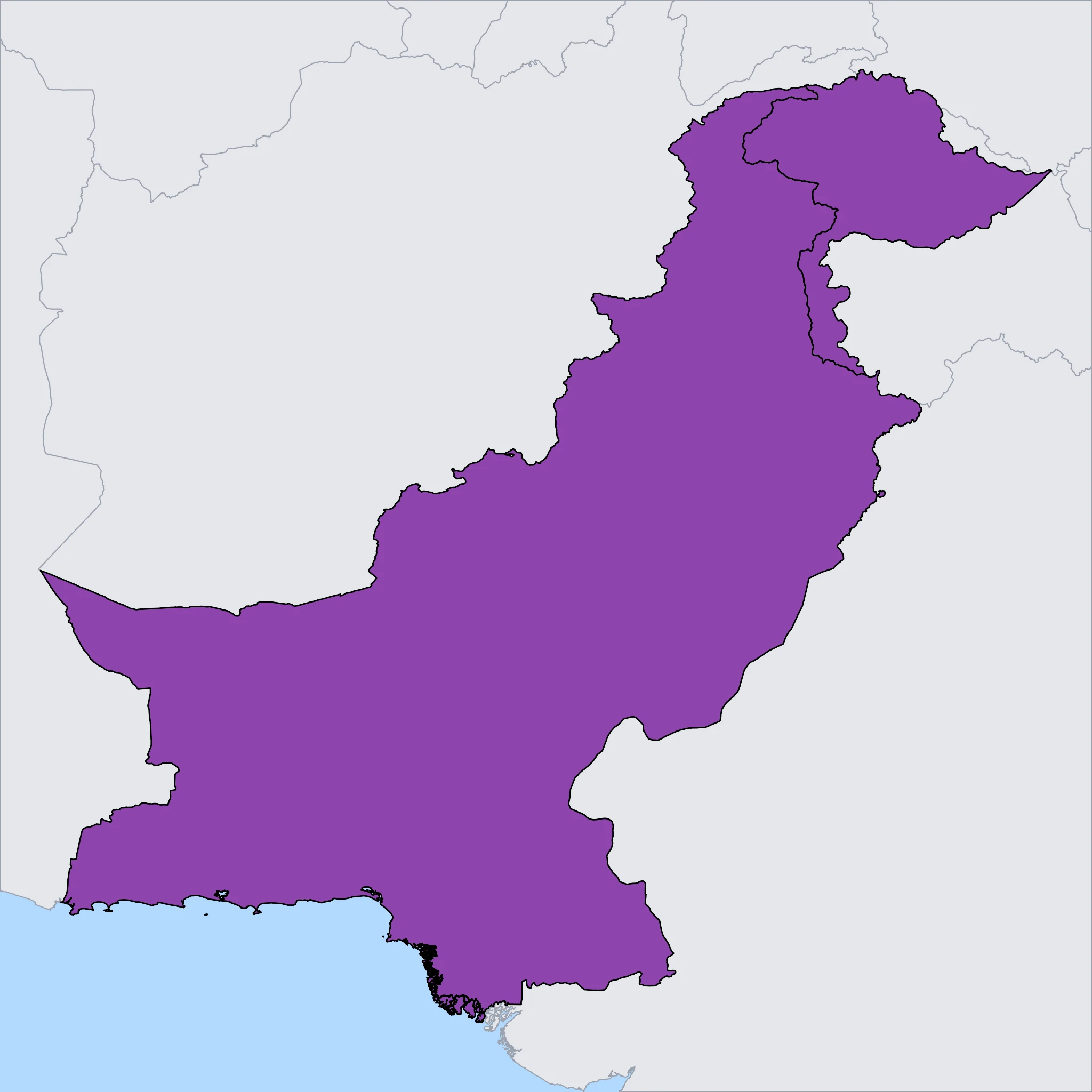
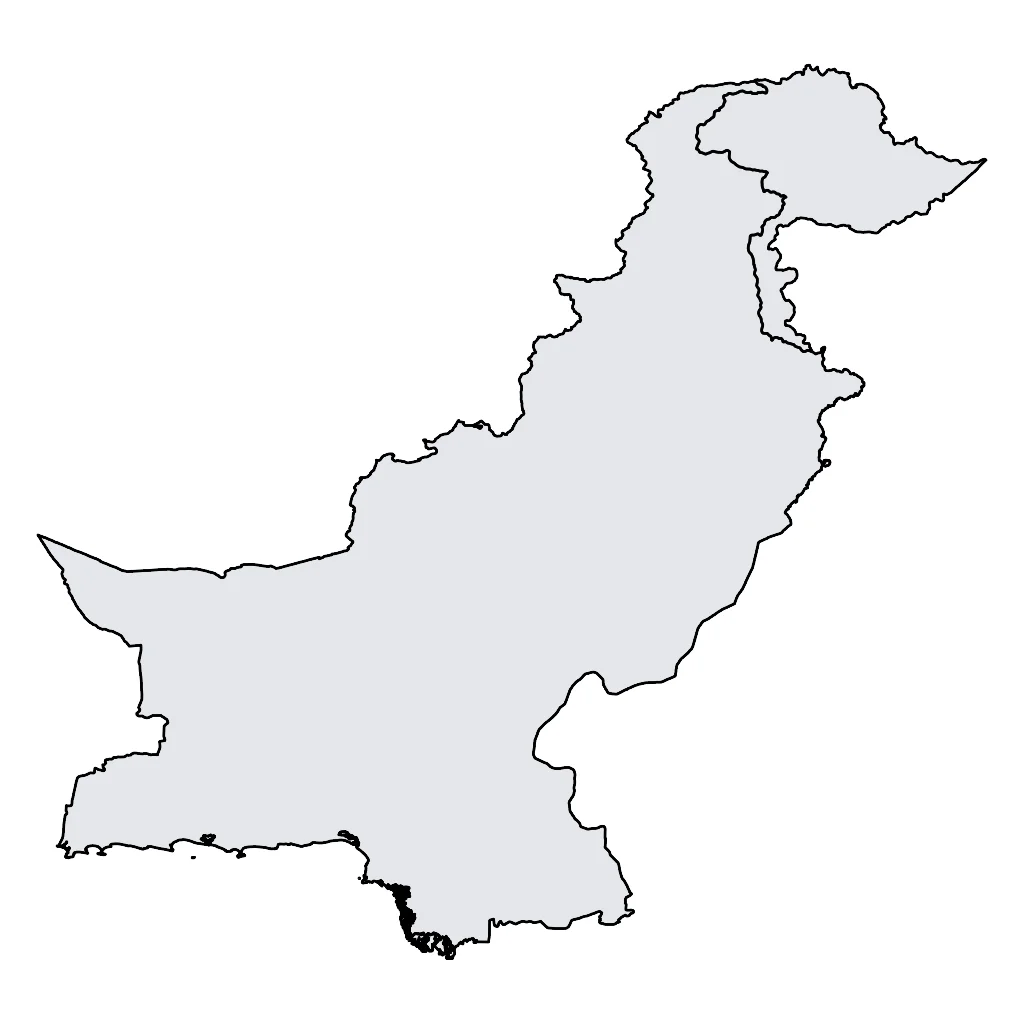
5 Regions
Balochistan (restricted)
Rugged deserts and untouched coastline on the edge of the map 🏜️
Islamabad & Punjab (Lahore)
Moghul grandeur, modern avenues, and vibrant culture 🕌
Karakoram & Northern Areas (Hunza, Gilgit)
Soaring peaks and legendary valleys on the roof of the world 🏔️
Khyber Pakhtunkhwa (Peshawar)
Ancient history and alpine valleys at the crossroads of empires
Sindh (Karachi)
The gateway to the Arabian Sea and the cradle of civilization 🐫
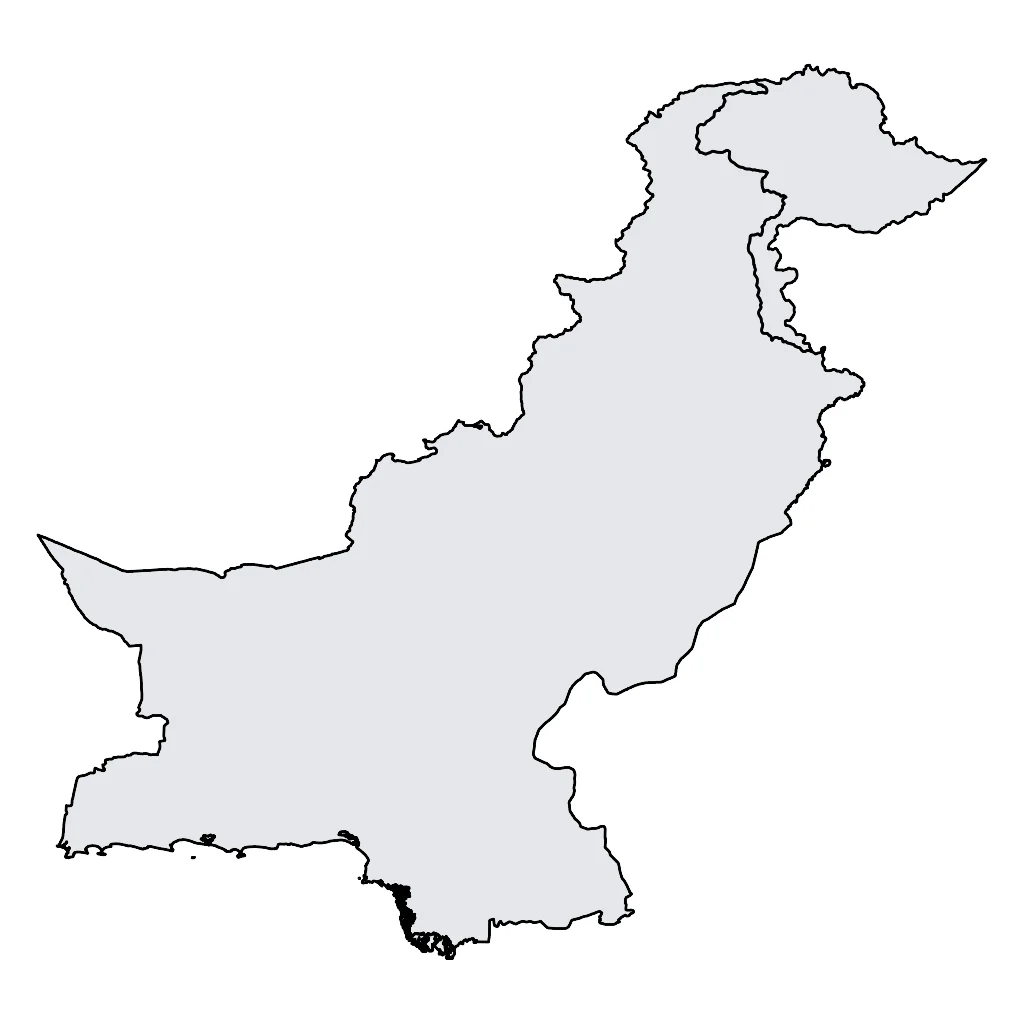
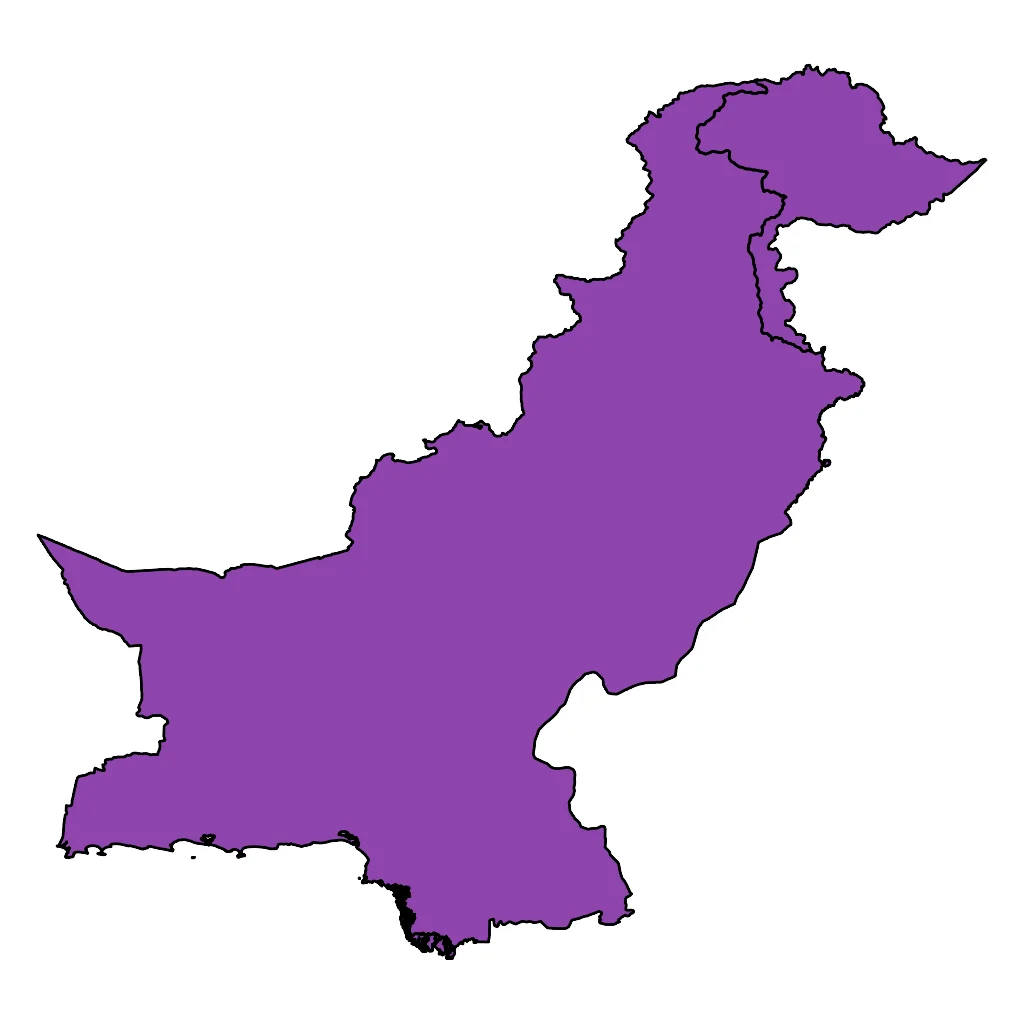
Click on a region marker to explore details. Use the dropdown to color regions by activity suitability.

Activities & Best Times

Adventure & Nature
ExcellentHiking, wildlife, outdoor exploration, ecotourism
Home to the world's most dramatic high-altitude landscapes, including K2 and Nanga Parbat, offering unparalleled authenticity for adventure-seeking families. Peak months (Mar, Oct, Nov) provide the ideal 15-28°C range and clear skies; summer months are avoided due to extreme heat (up to 41.8°C) and monsoon-induced landslide risks.
Home to the Hindu Kush mountains and the Swat Valley, the region offers world-class trekking and dramatic alpine scenery that rivals the Swiss Alps in beauty and authenticity. Peak summer months provide access to high-altitude trails and emerald lakes, while winter snow renders many of the most spectacular valleys inaccessible for nature exploration.
While Hingol National Park and the mud volcanoes are genuinely unique natural attractions, the region is explicitly labeled 'restricted' due to security concerns. International tourists face significant access barriers. The natural assets are 'very_good' in isolation, but practical accessibility must factor into a recommendation. 'Good' acknowledges the assets while reflecting reality.

City & Cultural
ExcellentUrban tourism, museums, historical sites, architecture
Lahore is a world-class cultural capital featuring UNESCO-listed Mughal architecture and the vibrant, authentic Walled City. Peak months offer pleasant weather for exploring architectural masterpieces, while the extreme heat of May-June and the heavy monsoon rains of July-August make urban exploration uncomfortable.
Home to the 5,000-year-old Mohenjo-Daro and the Makli Necropolis, Sindh offers globally significant archaeological and Sufi heritage. Peak winter months provide comfortable weather for exploring expansive UNESCO sites, whereas the extreme heat (40°C+) from April to September makes urban and historical exploration physically taxing.
Peshawar is one of the oldest living cities in South Asia, offering an authentic Silk Road atmosphere in its legendary bazaars and the UNESCO-listed Takht-i-Bahi Buddhist ruins. The spring and autumn months offer comfortable temperatures for exploring dense urban heritage sites; however, extreme summer heat (often exceeding 40°C) makes city exploration uncomfortable.

Road Trips & Scenic
ExcellentScenic drives, countryside tours, route-based travel
The Karakoram Highway is a bucket-list world-class driving route through soaring peaks and ancient Silk Road paths. Travel is optimal in spring and autumn when visibility is highest and road conditions are most stable; the mid-year period is penalized for excessive heat and peak precipitation.
The Makran Coastal Highway provides a world-class, dramatic driving experience past unique geological formations like the Princess of Hope. Winter offers clear skies and mild temperatures, whereas summer heat exceeds 40°C, making the route hazardous and uncomfortable.
Spectacular mountain passes like the Khyber Pass and the Lowari Tunnel offer some of the world's most dramatic driving experiences through rugged frontier landscapes. Late spring and early autumn provide clear visibility and safe road conditions, whereas winter snow and ice frequently close high-altitude passes and arterial routes.

Educational & Exploratory
Very GoodLearning experiences, scientific sites, historical education
Home to the Gandhara civilization's archaeological sites at Taxila and high-quality museums in Lahore and Islamabad. Ideal conditions occur during the mild autumn and spring; summer temperatures exceeding 40°C limit the educational value of outdoor heritage sites.
The region serves as an outdoor classroom for the Indus Valley Civilization, offering sophisticated families a profound look at ancient urban planning and history. The cool dry season (Nov-Feb) is ideal for guided tours and on-site learning; extreme summer temperatures and monsoon humidity significantly degrade the experience in off-months.
The region is a premier destination for Gandhara Buddhist heritage and British colonial history, featuring exceptional archaeological sites and museums. Optimal learning conditions occur during the mild transition seasons; winter fog and intense summer monsoons or heat can disrupt travel to remote historical sites.

Sports & Active
Very GoodSport tourism, fitness activities, active recreation
Offers world-class trekking and traditional high-altitude polo matches that provide a raw, authentic experience for active families. Conditions are best in the drier transition months; the summer months (May-Aug) are often too hot for physical exertion, and July's higher rainfall can hamper outdoor activities.
Lahore is internationally renowned for its polo culture and world-class golf courses like Royal Palm. The peak season aligns with the traditional winter polo tournaments; the off-season is dictated by extreme summer heat and humidity which prevents high-level outdoor sporting activities.
Opportunities for white-water rafting on the Kunhar River and high-altitude mountaineering appeal to active families seeking off-the-beaten-path challenges. Activity is concentrated in the summer months when glacial melt fuels the rivers and mountain weather is stable enough for high-intensity sports.

Festivals & Seasonal
GoodEvents, celebrations, seasonal attractions
Lahore hosts world-class cultural events like the Lahore Literary Festival and traditional Sufi gatherings at shrines. These occur primarily in the cooler months to accommodate large outdoor crowds; summer months lack major public festivals due to the oppressive heat.
Renowned for spectacular spring blossom and autumn harvest festivals that showcase genuine local music and traditional dance. March and October provide the best intersection of cultural event timing and pleasant, clear weather for outdoor celebrations.
Sindh is famous for its vibrant Sufi 'Urs' festivals and traditional music, providing a deeply authentic cultural immersion. While many events follow the lunar calendar, the winter months coincide with a peak in cultural activity and offer the pleasant outdoor temperatures necessary to enjoy large-scale communal celebrations.

Ski & Snow
GoodWinter sports, ski resorts, snow activities

Beach & Sea
MarginalBeach resorts, marine activities: diving, snorkelling, kite surfing, wind surfing, sailing
Kund Malir is a beautiful natural beach but has zero tourist infrastructure (no hotels, no facilities) and is in a restricted security zone. By international beach calibration standards, a beach with no infrastructure in an inaccessible restricted area cannot be rated 'good'. 'Marginal' correctly reflects that the beach exists but conditions are suboptimal for tourism.
Private coastal enclaves like French Beach offer a unique, non-commercialized escape with clear waters and turtle nesting sites. Peak months provide calm seas and mild air; however, the lack of world-class resort infrastructure and dangerous monsoon swells from June to August result in a conservative rating for international travelers.

Relaxation & Wellness
MarginalSpa retreats, wellness centers, peaceful getaways
While not a dedicated wellness destination, luxury hotels in Islamabad and Lahore offer world-class spa facilities and serene environments. Peak months allow for enjoying outdoor terraces and gardens; the intense summer heat limits relaxation to indoor air-conditioned spaces.
While lacking mass-market spa infrastructure, the region offers world-class silence and fresh mountain air for mental rejuvenation at high-end retreats. The shoulder and peak months provide the low humidity and moderate temperatures necessary for peaceful outdoor meditation and relaxation.

Airports & Flight Routes
Toggle options to view domestic routes and international airports. Click an airport for details.
Climate & Weather
Karakoram & Northern Areas (Hunza, Gilgit)
Show Details
| Month | Temp °C | Rain | Humidity |
|---|

Travel Advisory
High security risks are present country-wide; travelers should carefully evaluate the necessity of their trip and avoid high-risk provinces entirely.
Safety Topics
Traveller Advice (6 groups)

Dual nationals should be aware that Pakistan may not recognize their second citizenship, which can significantly limit the ability of their other government to provide consular assistance if they are arrested or detained.

Homosexuality is illegal and can lead to severe legal penalties. Public displays of affection are culturally inappropriate for all travellers but may lead to particular scrutiny for LGBTQ+ individuals.

Aid workers are at a heightened risk of kidnapping and targeted attacks in the Khyber Pakhtunkhwa and Balochistan provinces. Specific security protocols and government clearance are often required.

Media professionals require specific accreditation and may face significant risks when covering political rallies or visiting sensitive border regions.

Sectarian violence remains a risk at religious shrines and places of worship. Pilgrims should exercise extreme caution during major religious festivals and avoid large crowds at prayer sites.

Female travellers should dress conservatively, covering shoulders and legs, and are advised to avoid solo travel, particularly at night, to reduce the risk of harassment.