

Saint Pierre and Miquelon
Territorial Collectivity of Saint Pierre and Miquelon
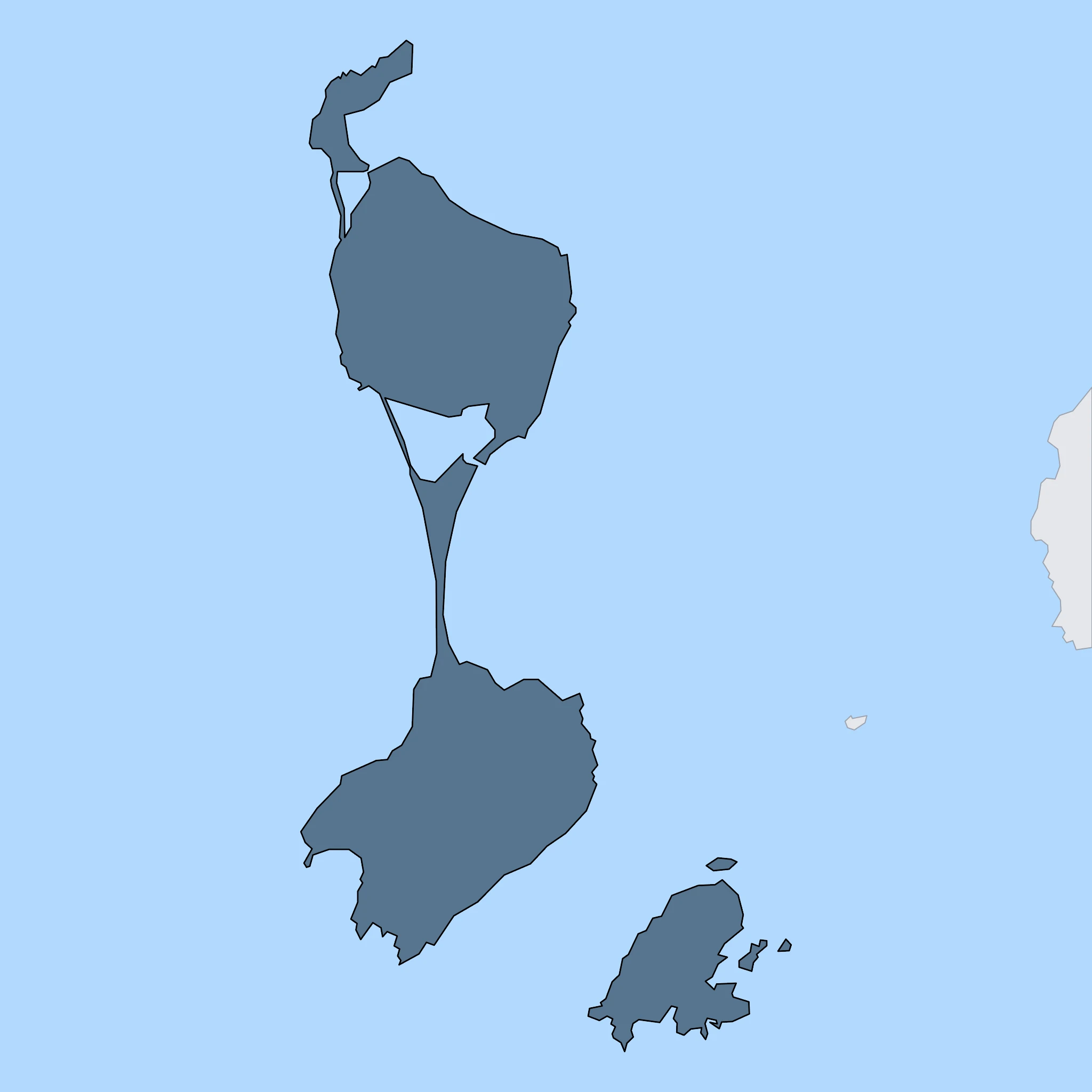
Located just 25 kilometers from Newfoundland, Saint Pierre and Miquelon is a fascinating anomaly: a self-governing French territory in North America. For families, this archipelago offers the surreal experience of stepping onto French soil-complete with gendarmes, the Euro currency, and the smell of fresh baguettes-without crossing the Atlantic Ocean. It is a safe, walkable, and educational destination where history and raw nature sit side by side.
Most trips begin in Saint-Pierre, the bustling main hub. The town is compact and easily explored on foot, characterized by brightly painted wooden houses that defy the often foggy weather. Families can walk along the waterfront, visit the Musée Héritage to learn about the prohibition era (when the islands were a hub for rum-running), or stop at a local boulangerie for treats. The atmosphere is distinctly European; shops close for a long lunch, and dinner is a leisurely affair. For children learning French, it is a perfect, low-pressure environment to practice saying "bonjour" to friendly locals.
A highlight for active families is a short ferry ride to Île aux Marins (Sailor's Island). Once a community of 600 fishermen, it is now a preserved open-air museum free of cars. Kids can run freely across the grassy paths, peeking into the old schoolhouse, the church, and the hull of a shipwreck visible on the beach. It feels like a ghost town in the best way, sparking imagination without being scary. The island is small enough to explore in half a day, making it ideal for younger travelers.
For nature enthusiasts, a trip to the larger islands of Miquelon and Langlade is essential. Connected by a 12-kilometer sand isthmus known as "The Dune," this area is wilder and quieter. Families can book a guided tour to spot the resident population of wild horses roaming the dunes or visit the Grand Barachois lagoon, where seals often bask on the rocks at low tide. Zodiac boat tours offer a thrilling way to see the coastline and spot puffins and whales during the summer months.
Practical planning is key for a visit here. The weather is unpredictable and often cool, even in summer, so packing layers and waterproof jackets is necessary. The currency is the Euro, and while credit cards are widely accepted, having cash is useful for small purchases. You can arrive by ferry from Fortune, Newfoundland, or by plane from Montreal, Halifax, or St. John's. It is a destination that prioritizes slow travel and cultural immersion over high-octane entertainment.
Map

Activities & Best Times

Adventure & Nature
GoodHiking, wildlife, outdoor exploration, ecotourism
Offers unique maritime ecosystems and world-class opportunities for spotting seals and migratory birds on the rugged Miquelon-Langlade isthmus. Peak summer months (July-Aug) provide the most stable conditions, while the rest of the year is dominated by extreme North Atlantic winds and high precipitation.

City & Cultural
GoodUrban tourism, museums, historical sites, architecture
A fascinating 'Little France' in North America featuring authentic French cuisine, wine, and architecture that appeals to discerning travelers. The cultural experience is best enjoyed during the brief summer when cobblestone streets are walkable and waterfront cafes are fully operational.

Educational & Exploratory
MarginalLearning experiences, scientific sites, historical education
No direct educational attraction evidence in the database (no aquariums, science museums, or discovery centres catalogued). The historical narratives (Acadian history, Prohibition smuggling) are genuine but the educational infrastructure is extremely limited for a territory of ~6,000 people. 'Good' implies a destination travelers would specifically choose for educational value, which is not supported by evidence.

Festivals & Seasonal
MarginalEvents, celebrations, seasonal attractions
No festival attractions in the database (no cat 20 entries). The referenced Basque Festival and Bastille Day are small community celebrations in a territory of ~6,000 people. While culturally authentic, they are not at a scale that would draw international festival-seeking travelers. 'Good' implies the destination is reasonably attractive for this activity type, which overstates the reality. Two local festivals in a brief summer window warrants 'marginal' at best.

Road Trips & Scenic
MarginalScenic drives, countryside tours, route-based travel
The unique 12km sand isthmus road connecting Miquelon and Langlade offers a visually spectacular and lonely drive through wild coastal dunes. While authentic and scenic, the very limited total mileage of the archipelago's road network prevents it from being a primary road-trip destination.

Sports & Active
MarginalSport tourism, fitness activities, active recreation
Provides rugged coastal trekking and sailing opportunities for experienced adventurers, though infrastructure is modest by international standards. The extremely short window of manageable temperatures and high annual rainfall (over 1,500mm) makes it a niche destination for active sports.

Attractions
32 attractions to explore. Click markers for details.
Airports & Flight Routes
Toggle options to view domestic routes and international airports. Click an airport for details.
Climate & Weather
Climate Overview
| Month | Temp (°C) | Rain (mm) | Humidity | Wind (m/s) |
|---|

Travel Advisory
The destination is considered safe. Travelers should follow standard personal safety routines and follow local regulations.
Safety Topics
Traveller Advice (2 groups)

When exploring Miquelon or Langlade on foot, be prepared for sudden changes in visibility due to fog. Many hiking paths are isolated; inform others of your itinerary before departure.

Check passport validity requirements and ensure you have proof of onward travel and sufficient funds. Be aware that the local currency is the Euro, though Canadian dollars are sometimes accepted at varying rates.