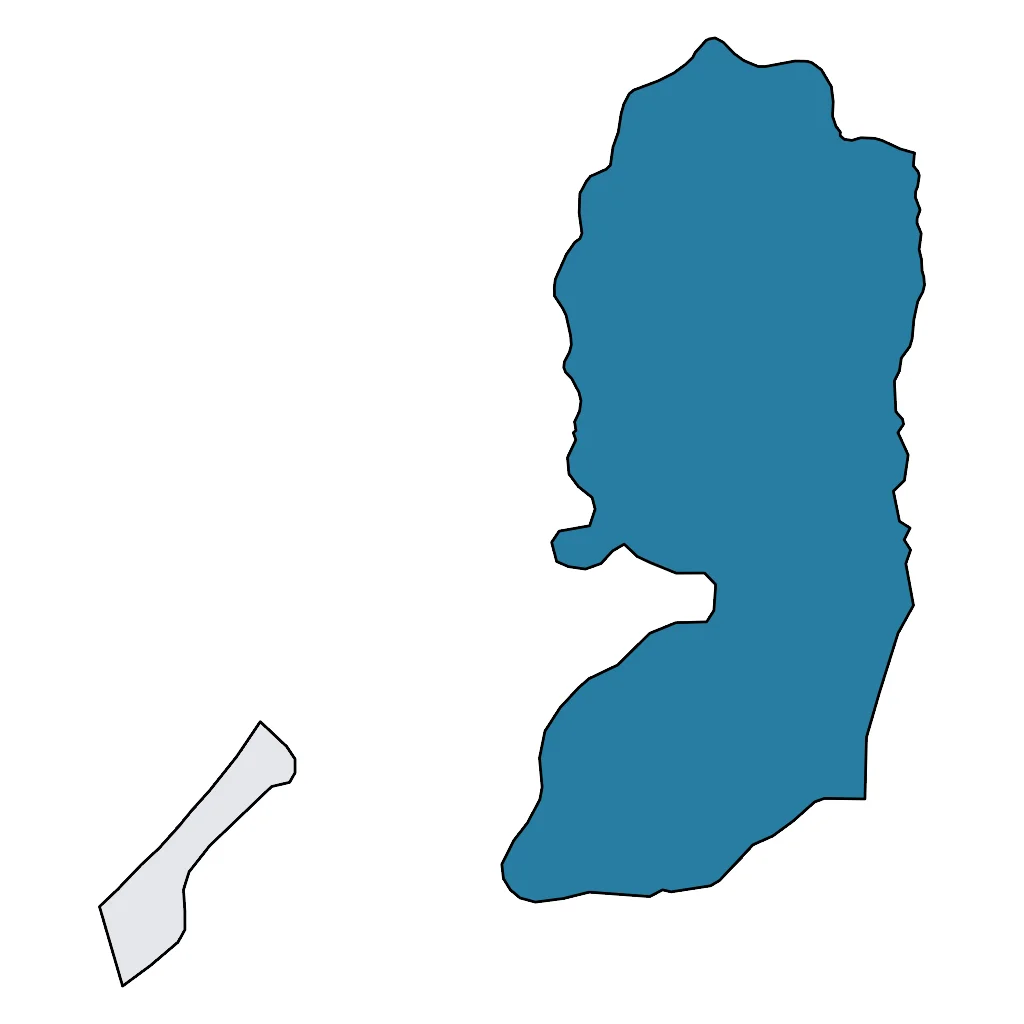

Gaza Strip (currently not accessible)
A historic coastal enclave on the Mediterranean
⚠️ SAFETY WARNING: Due to active military conflict, widespread destruction, and the total lack of tourist infrastructure, government agencies (including CA, USA, UK, AU, IE, NZ) strictly advise to avoid all travel to the Gaza Strip. The area is an active war zone with extreme risks to personal safety and no consular assistance available. Families are strongly urged to consult their own government's official travel advisory, as this region is currently inaccessible to tourists.
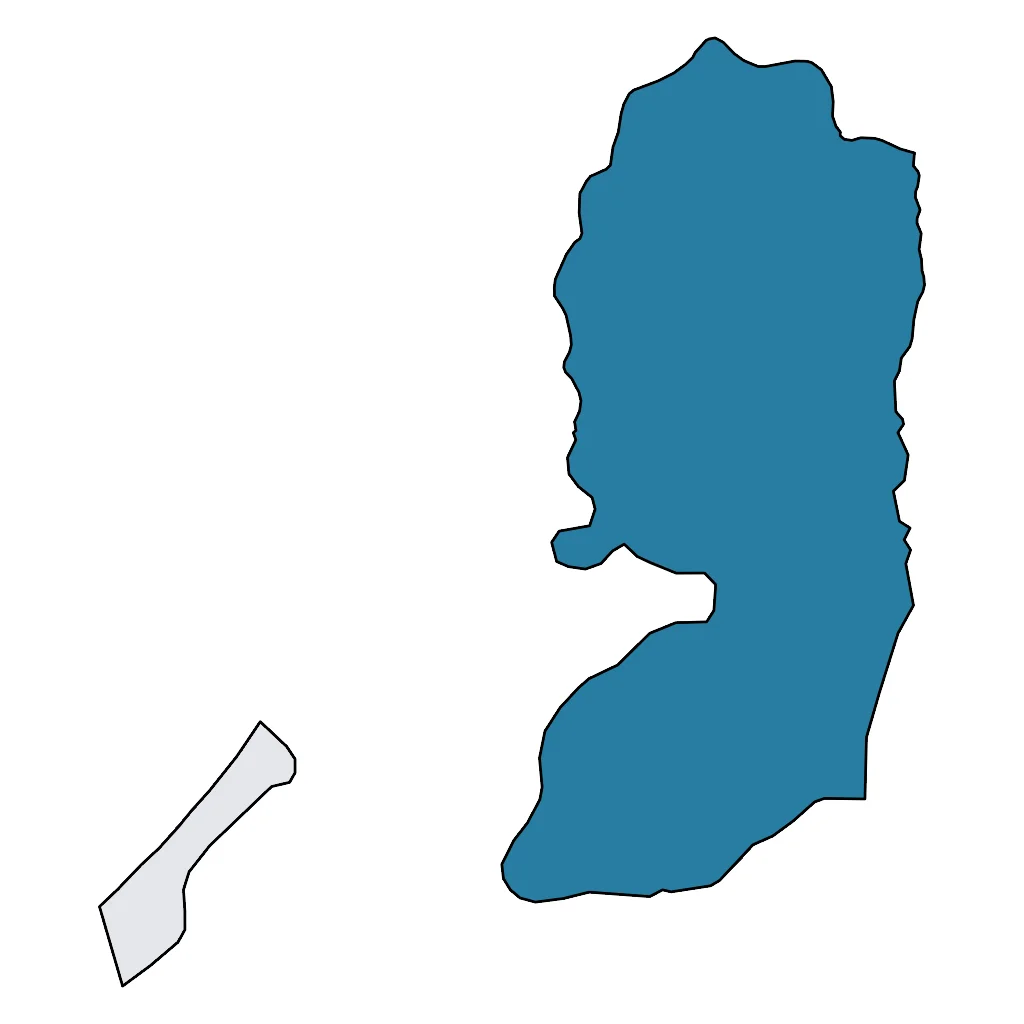
Geographically, the Gaza Strip is a narrow piece of land located on the coast of the Mediterranean Sea. It creates a natural bridge between Africa and Asia, a position that historically made it a vital stop on the ancient Incense Route connecting the Arabian Peninsula to the Mediterranean ports. The terrain is primarily flat with coastal dunes stretching along the western edge, transitioning into agricultural plains and semi-arid lands towards the east. The climate is typically Mediterranean, characterized by hot, dry summers and mild winters with occasional rain, which historically supported the cultivation of citrus fruits, olives, and date palms.
Culturally, the region has developed a distinct identity separate from the inland areas. The cuisine is renowned for its generous use of hot peppers, dill, and garlic, particularly in clay-pot seafood stews like zibdieh. Historically, the area was known for its pottery workshops and colorful woven rugs, reflecting a deep artisan tradition. Landmarks that defined the region's heritage included the Great Omari Mosque and the Church of Saint Porphyrius, reflecting centuries of religious diversity, though the status of these sites is subject to the conditions of the ongoing conflict.
For families researching the region's geography, it is important to note that the Gaza Strip is one of the most densely populated territories in the world. The urban fabric is tight, with major population centers including Gaza City in the north, Khan Yunis in the center, and Rafah in the south near the Egyptian border. Unlike the limestone hills of the West Bank, Gaza's landscape is defined by its proximity to the sea, which dictates both its weather patterns and its historical economy based on fishing and maritime trade.
Access to the region is currently completely restricted. There are no operating civilian airports or seaports, and all land crossings are under strict military control or closure. The tourism infrastructure, including hotels and seafront promenades that once existed, is not functional. Consequently, any travel planning regarding this region should be strictly educational or historical in nature, as physical presence is impossible for leisure travelers and extremely dangerous for all others.
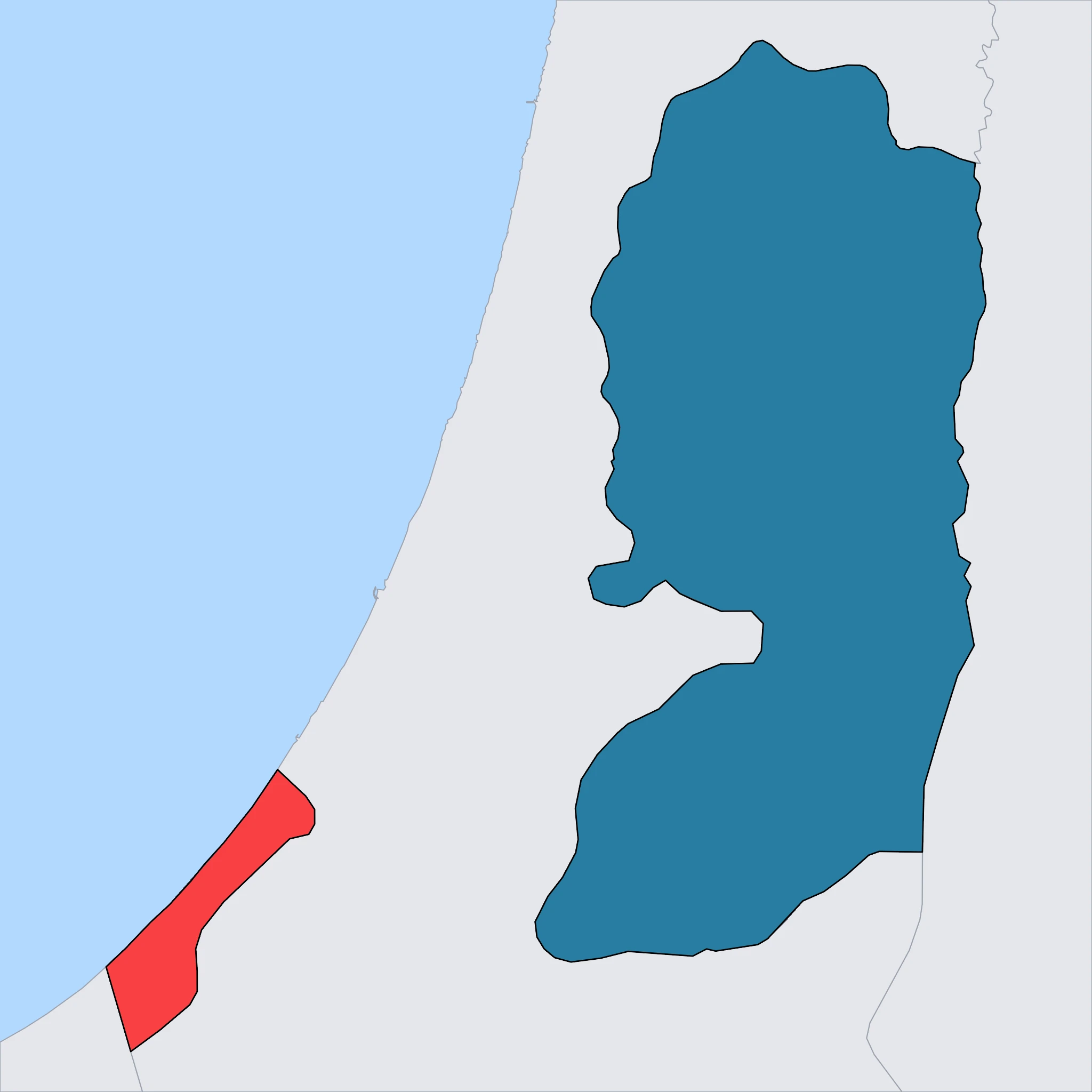
Click a region to explore

Activities & Best Times

Urban tourism, museums, historical sites, architecture
Home to one of the world's oldest continuously inhabited cities, featuring rare Byzantine mosaics and the Great Omari Mosque. Peak spring and autumn months offer ideal temperatures (19-24°C) for exploring historic quarters; summer humidity and winter rainfall (up to 83mm) make urban exploration less comfortable.

Learning experiences, scientific sites, historical education
Features significant archaeological sites like the Saint Hilarion Monastery (UNESCO tentative list), offering deep insights into early monasticism. Optimal learning conditions occur in April, May, and October when mild weather supports site visits; extreme summer heat (>30°C) and peak winter rains limit access to outdoor excavations.

Hiking, wildlife, outdoor exploration, ecotourism
The region serves as a critical stopover on the Mediterranean bird migration flyway, particularly within the Wadi Gaza wetland. Peak migration periods in spring and autumn offer the best birdwatching opportunities, while summer heat and winter storms are less favorable for nature observation.

Beach resorts, marine activities: diving, snorkelling, kite surfing, wind surfing, sailing
Offers a historic Mediterranean coastline with a unique maritime culture and traditional fishing heritage. Peak summer months provide warm, dry conditions and sea temperatures suitable for swimming, though it lacks the world-class resort infrastructure and water clarity required for higher international ratings.