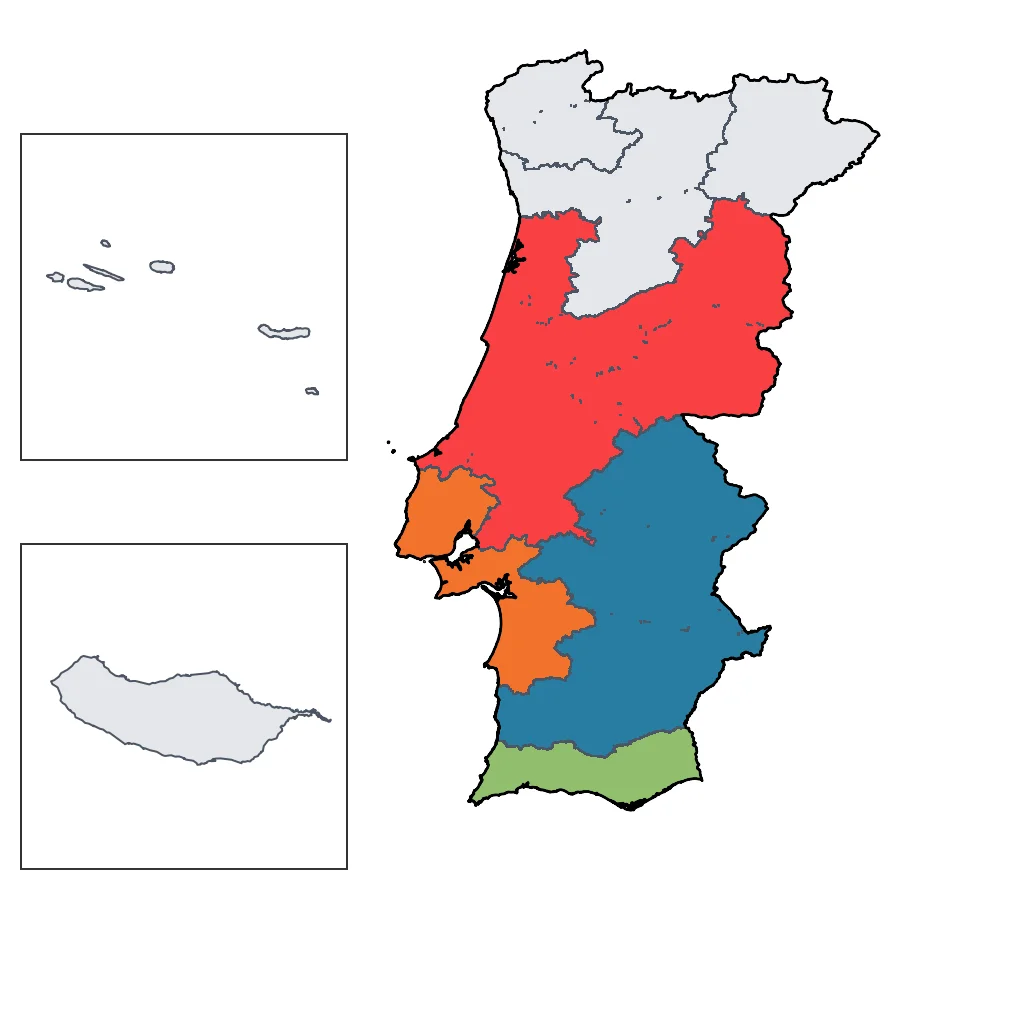
Porto & Douro Valley
River adventures, magic bookstores, and scenic trains 🚂🍇
Porto is a vibrant, granite city that tumbles down to the Douro River. While it is hilly, it captures the imagination of children with its mix of old-world charm and riverside buzz. A top attraction is the Livraria Lello, famous for its red double-helix staircase and connection to the Harry Potter universe. Tickets must be bought in advance, but the magical atmosphere is worth the queue. Nearby, the Clérigos Tower offers a climb with rewarding views over the city's red rooftops.
Down by the river in the Ribeira district, families can cross the iconic double-deck Dom Luís I Bridge. Walking across the top deck offers incredible views and leads to Vila Nova de Gaia, where the Teleférico de Gaia (cable car) glides down to the waterfront. Here, the World of Discoveries is an interactive museum and theme park that re-enacts the voyages of Portuguese navigators, complete with a boat ride through different continents—a massive hit with primary school kids.
A trip to Porto isn't complete without visiting the Douro Valley. While it is a famous wine region, it is also very family-friendly. The train ride from Porto's São Bento station to Pinhão is one of the most scenic in Europe, hugging the riverbank and passing through tunnels and vineyards. In Pinhão, you can take a short cruise on a traditional Rabelo boat without the need for a full-day tour. Many wine estates (Quintas) now offer picnics in the vineyards and grape juice tastings for children, allowing parents to enjoy the Port wine culture while the kids play in the spectacular terraced gardens.
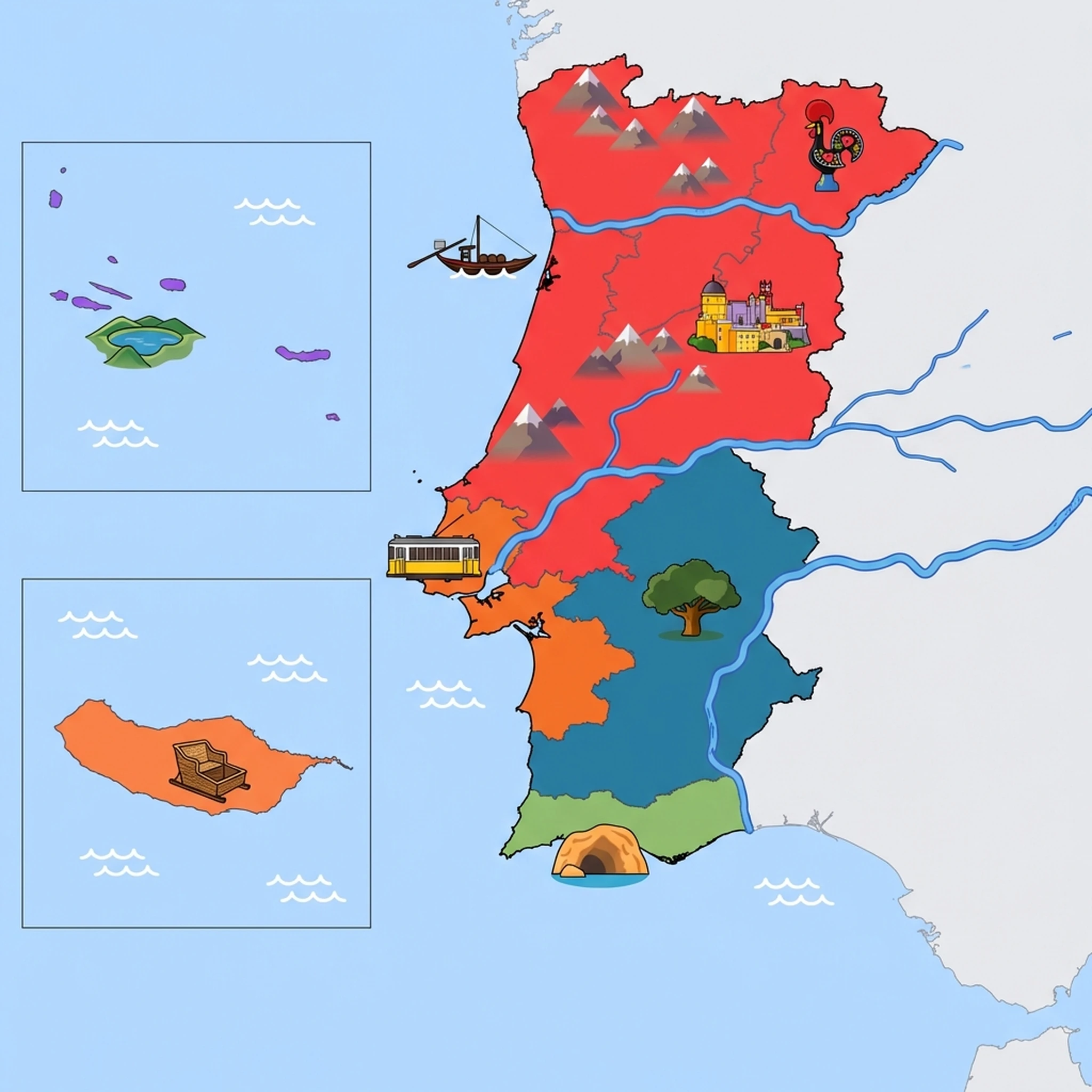
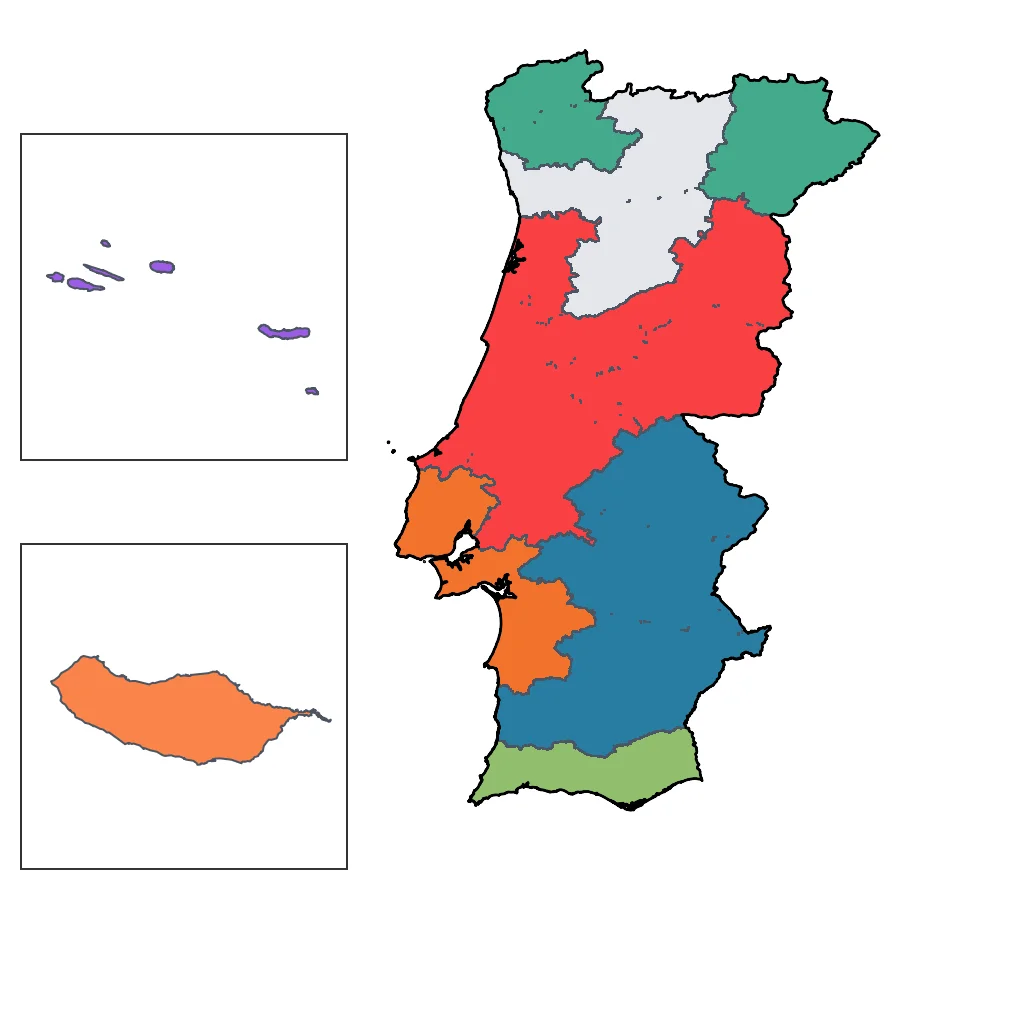
Click a region to explore

Activities & Best Times

Urban tourism, museums, historical sites, architecture
Porto is a UNESCO World Heritage city offering world-class architecture, historic Port cellars, and an authentic urban soul that rivals Kyoto or Paris. Peak months offer dry, sunny days perfect for exploring narrow alleys, while the high rainfall (over 150mm) from October to January significantly degrades the experience of this walkable city.
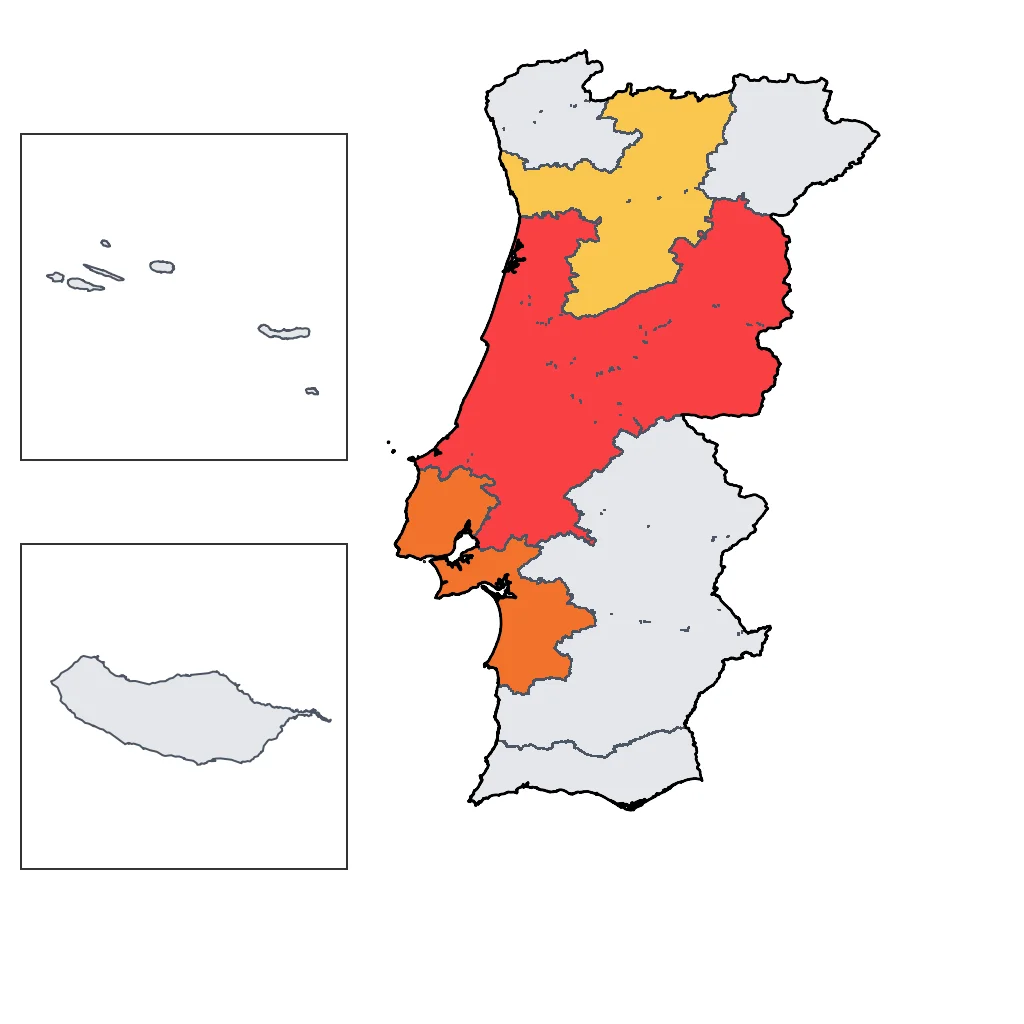

Scenic drives, countryside tours, route-based travel
The N222 through the Douro Valley is globally recognized as one of the world's most scenic drives, winding through ancient, man-made vineyard terraces. Dry summer months provide optimal visibility and safety on winding roads; winter months are unsuitable due to heavy rainfall and potential for poor visibility in the valley.
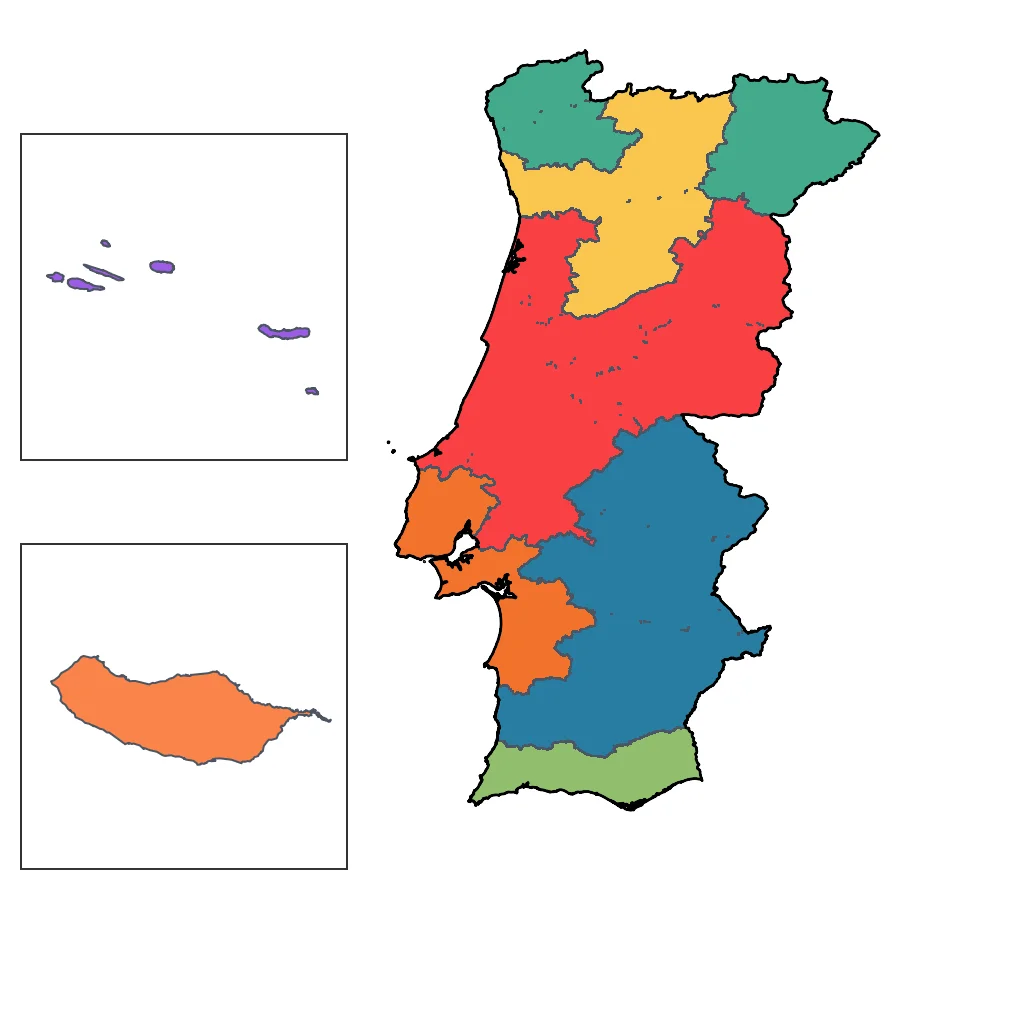

Hiking, wildlife, outdoor exploration, ecotourism
The Douro Valley and nearby Peneda-Gerês National Park offer spectacular hiking through unique cultural landscapes and pristine wilderness. Peak months ensure dry trails and manageable temperatures; high winter precipitation (up to 199mm) makes trails muddy and less accessible for families.
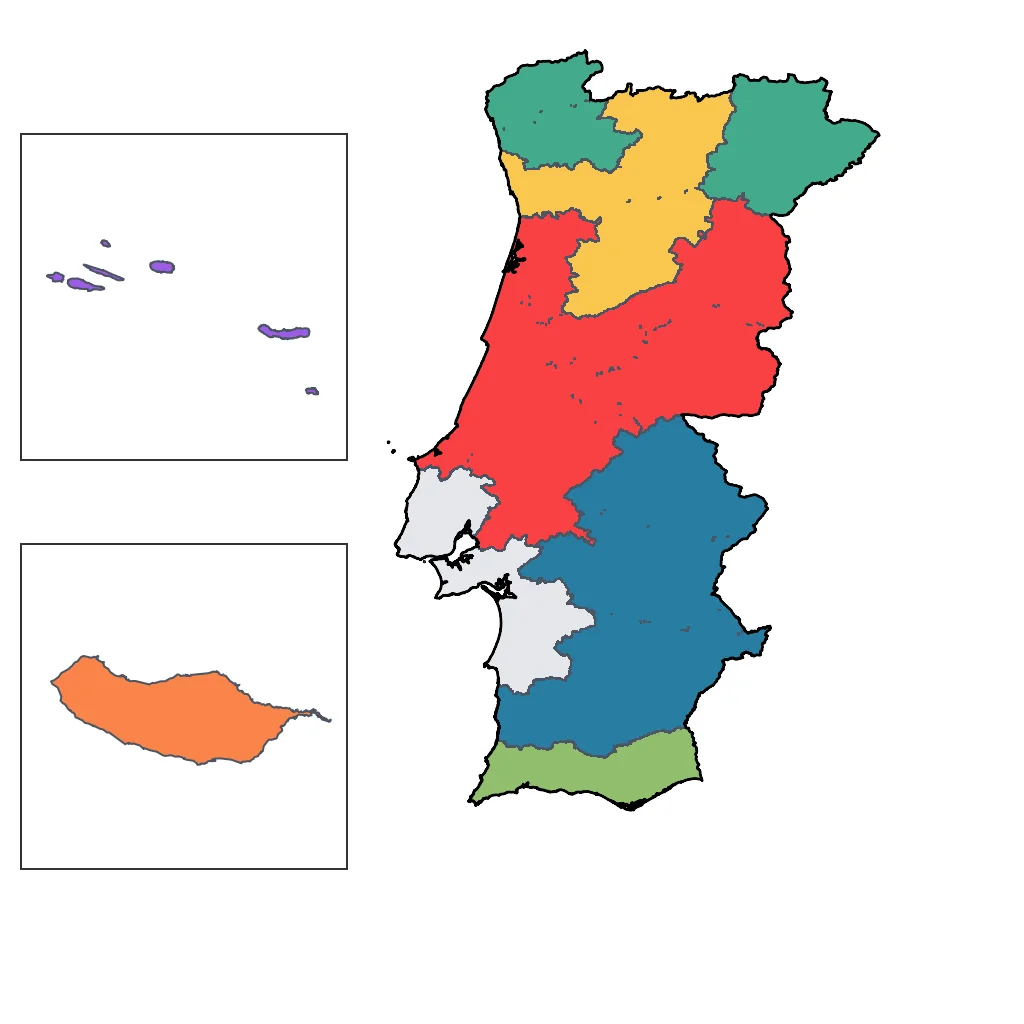

Events, celebrations, seasonal attractions
Features the world-renowned São João festival in June and the authentic grape harvest in September, offering deep cultural immersion for discerning travelers. These months provide the most unique and authentic regional experiences; winter is devoid of significant traditional outdoor festivities.
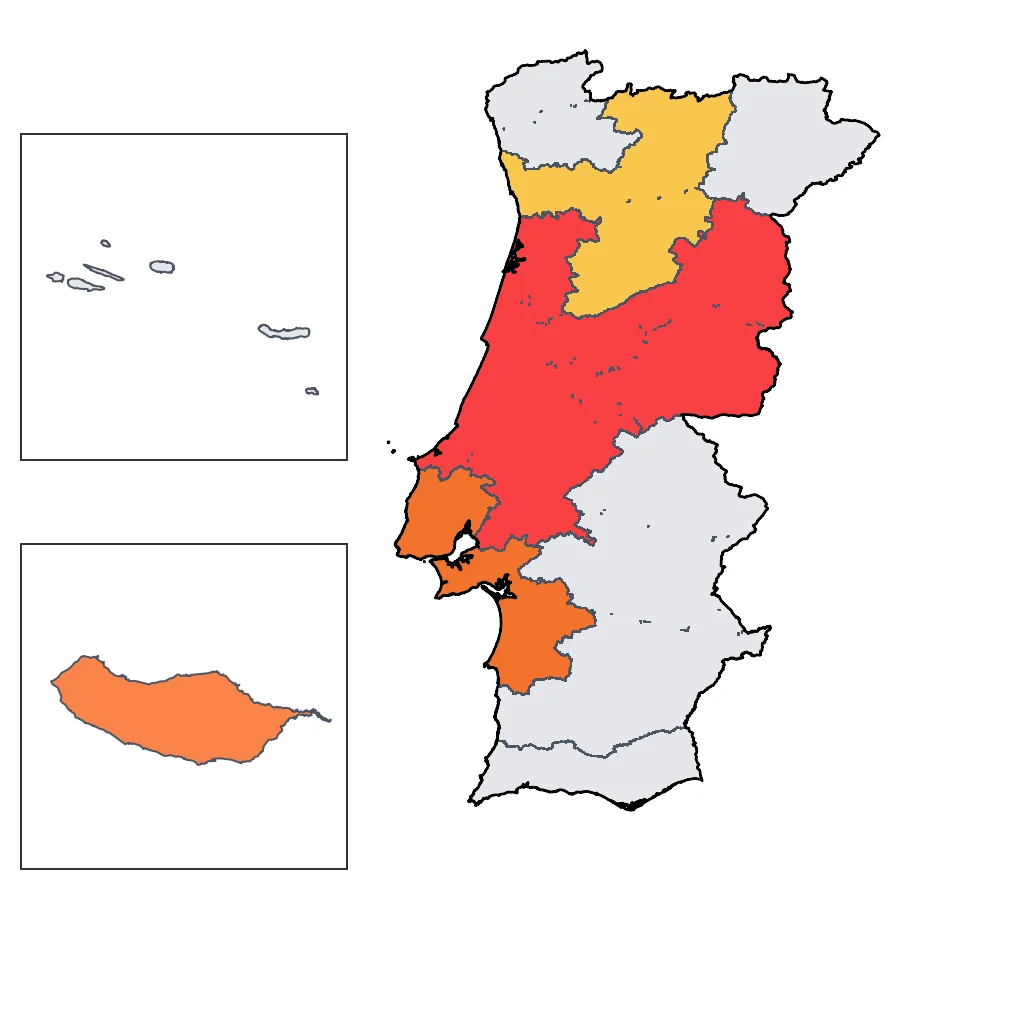

Spa retreats, wellness centers, peaceful getaways
Home to world-leading luxury wine spas and retreats, providing a sophisticated environment for relaxation amidst tranquil landscapes. Peak season aligns with the warmest, driest weather for outdoor yoga and meditation, whereas the humid, rainy winters can dampen the outdoor serenity of these valley retreats.
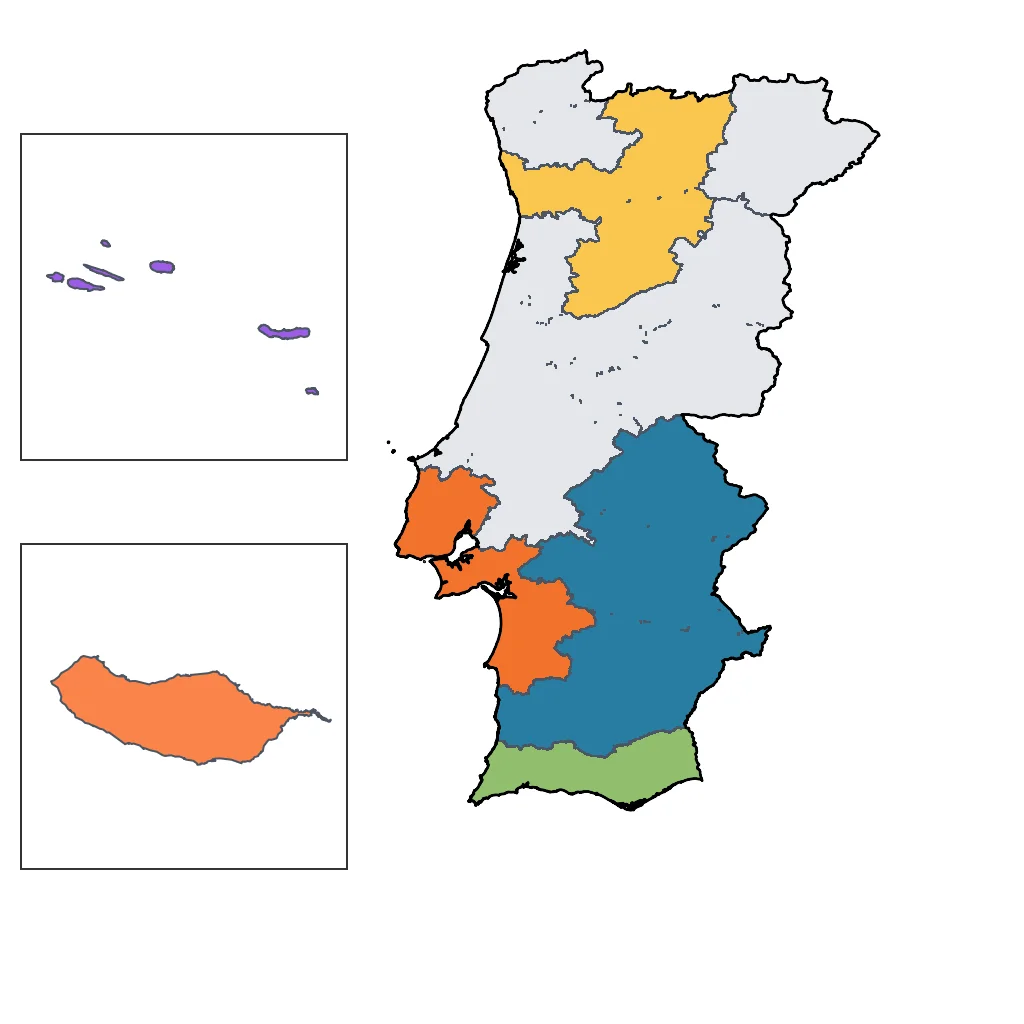

Learning experiences, scientific sites, historical education
Exceptional opportunities to learn about Roman history, Baroque architecture, and the world's oldest demarcated wine region. Ideal weather from late spring to early autumn facilitates guided tours of archaeological sites and historic estates, while winter weather limits outdoor exploration.
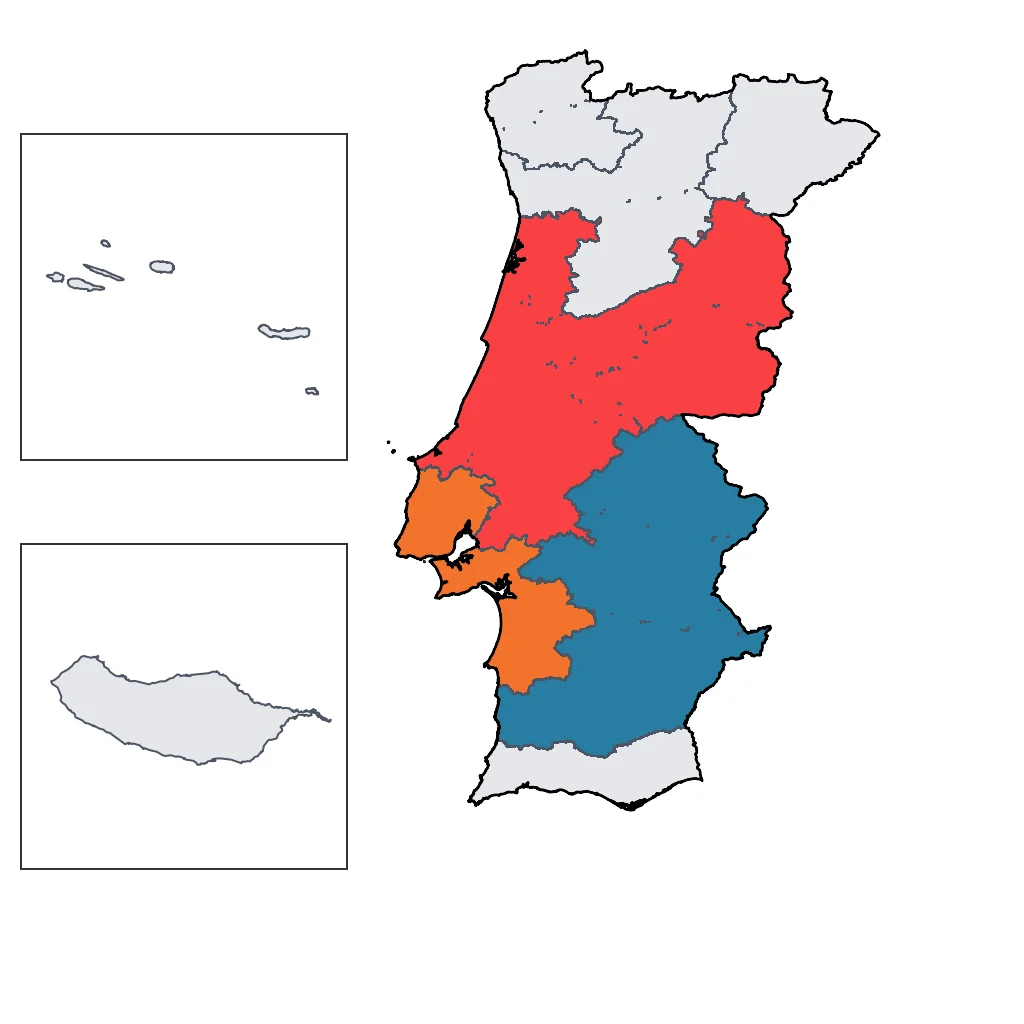

Sport tourism, fitness activities, active recreation
The region offers quality road cycling in the valley and consistent Atlantic surfing conditions in Matosinhos. Peak summer months provide the most stable conditions for both water and land-based activities; winter months bring rough seas and excessive rain unsuitable for active recreation.

Beach resorts, marine activities: diving, snorkelling, kite surfing, wind surfing, sailing
While the coastline is dramatic with high-end dining, the Atlantic water remains cold (<19°C), failing to meet international 'beach_sea' benchmarks for swimming. Peak summer months offer the only viable window for beach relaxation, but it lacks the world-class warmth and water clarity of top-tier beach destinations.