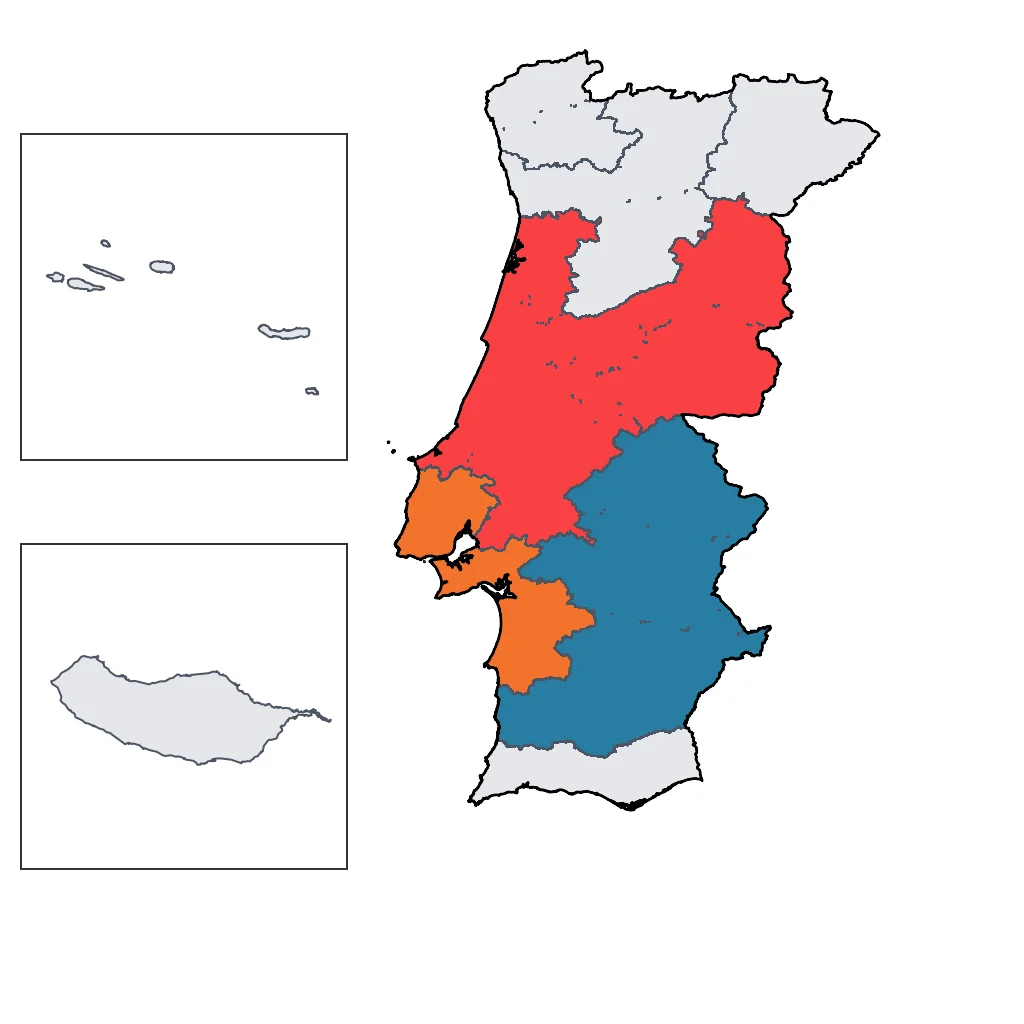
Madeira is a subtropical paradise that feels like a floating garden. While it lacks traditional golden sandy beaches, it makes up for it with unique adventures. A quintessential Madeira experience is taking the cable car up to Monte in Funchal and then riding the famous wicker toboggans back down. Two drivers (carreiros) steer the basket-sledge down the winding roads—a thrill that older kids and teenagers absolutely love.
The island is crisscrossed by levadas (irrigation channels) that double as walking trails. The Levada dos Balcões is particularly family-friendly: it's short, flat, and leads to a stunning viewpoint where wild birds will land on your hand to eat seeds. The ancient Laurissilva forest is a UNESCO site that feels prehistoric; mist often hangs between the twisted trees, creating a magical atmosphere for walks.
For swimming, the village of Porto Moniz on the north coast is a must-visit. Here, old lava flows have formed natural swimming pools filled by the ocean tide. The water is crystal clear and protected from the open waves, making it a safe and visually stunning place for kids to splash around. Another highlight is the Santa Maria de Colombo, a replica of Columbus's ship that offers boat tours, often spotting dolphins and whales along the way.
In Santana, children enjoy seeing the traditional triangular thatched houses (Palheiros), which look like colourful cottages from a storybook. Madeira's mild climate makes it a year-round destination, and the abundance of fresh fruit—like the delicious mini-bananas and passion fruit—provides healthy, tasty snacks for the trip.
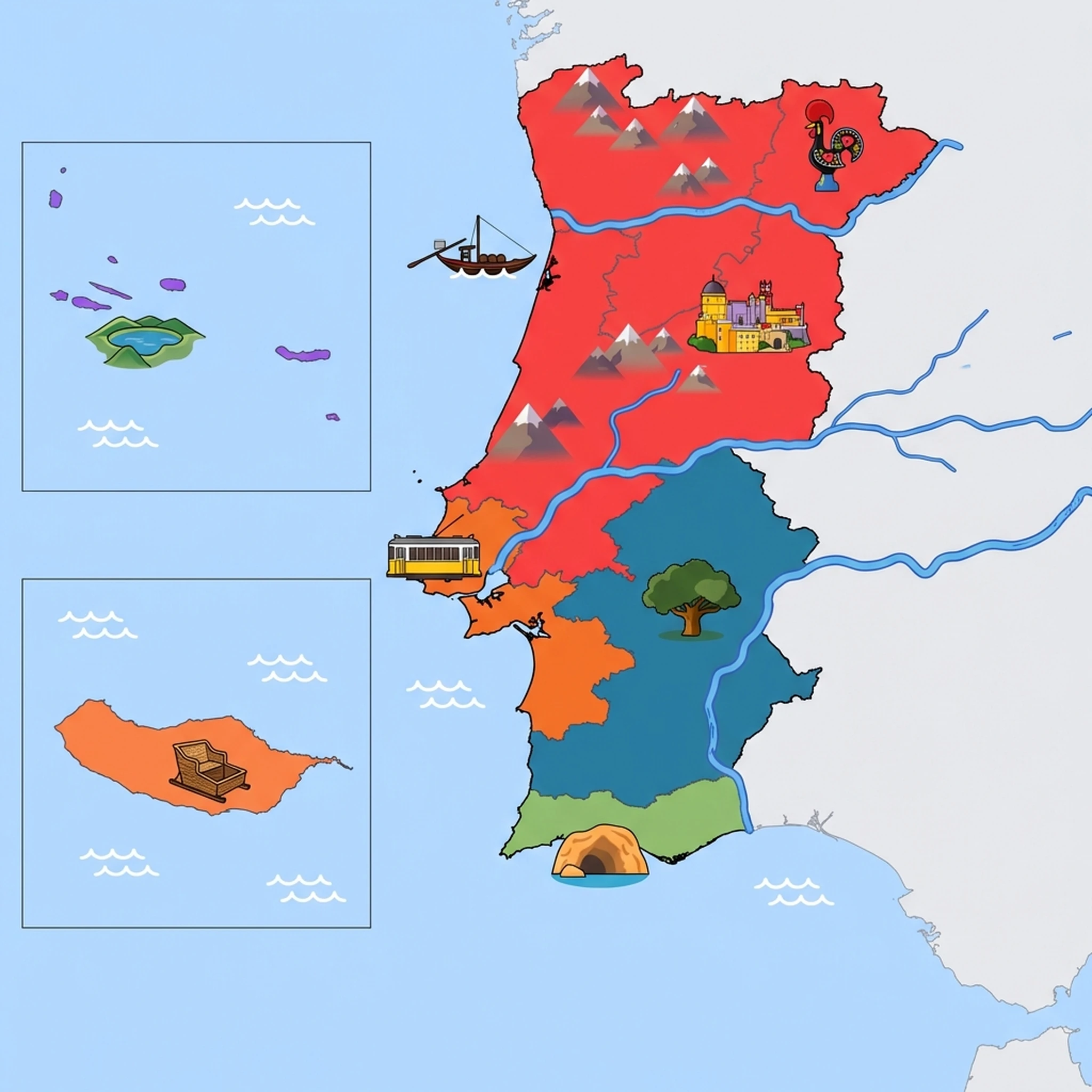
Click a region to explore

Activities & Best Times

Hiking, wildlife, outdoor exploration, ecotourism
Home to the UNESCO-listed Laurissilva forest and a world-unique network of levada irrigation trails, offering unparalleled hiking through dramatic volcanic terrain. Peak summer months provide the necessary dry conditions for safe trail exploration, while extreme winter rainfall exceeding 250mm makes mountain paths hazardous.
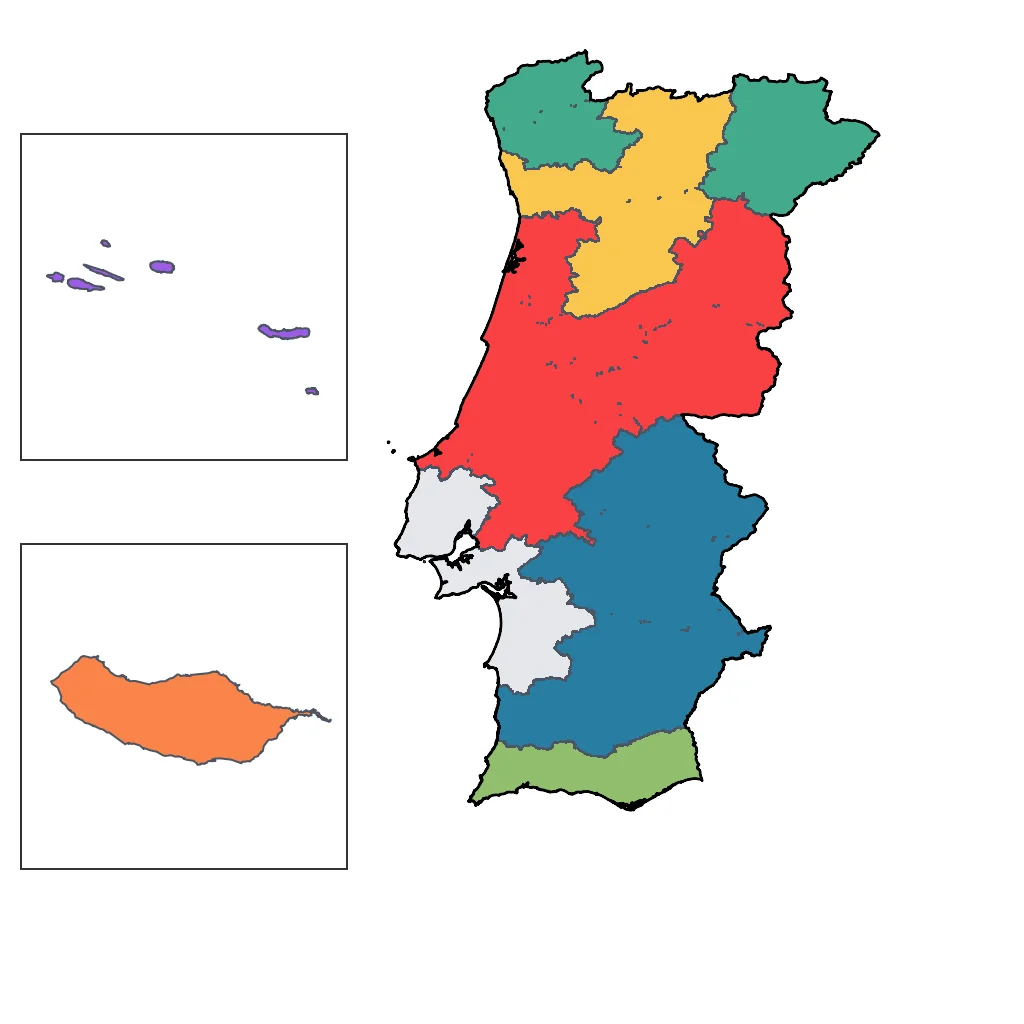

Events, celebrations, seasonal attractions
Renowned for the world-famous Flower Festival in May and one of the globe's most spectacular New Year's Eve firework displays in December. Peak months align with these high-end, internationally recognized events, while shoulder periods offer pleasant weather for general seasonal atmosphere.
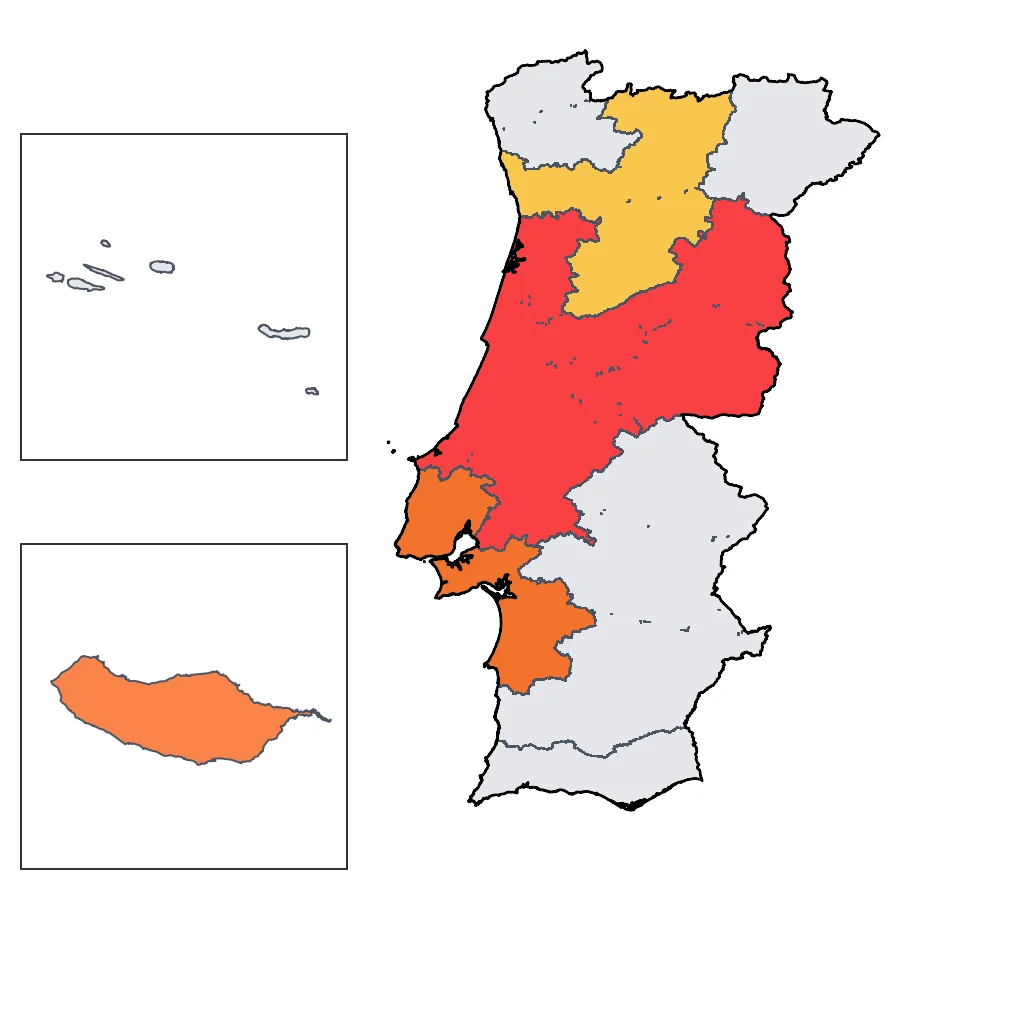

Spa retreats, wellness centers, peaceful getaways
Boasts prestigious historic estates and luxury wellness retreats that leverage the island's tranquil 'eternal spring' atmosphere. Optimal dryness and low humidity in summer support outdoor relaxation, but the significant winter rain and high humidity (up to 67%) diminish the appeal of the outdoor wellness experience.
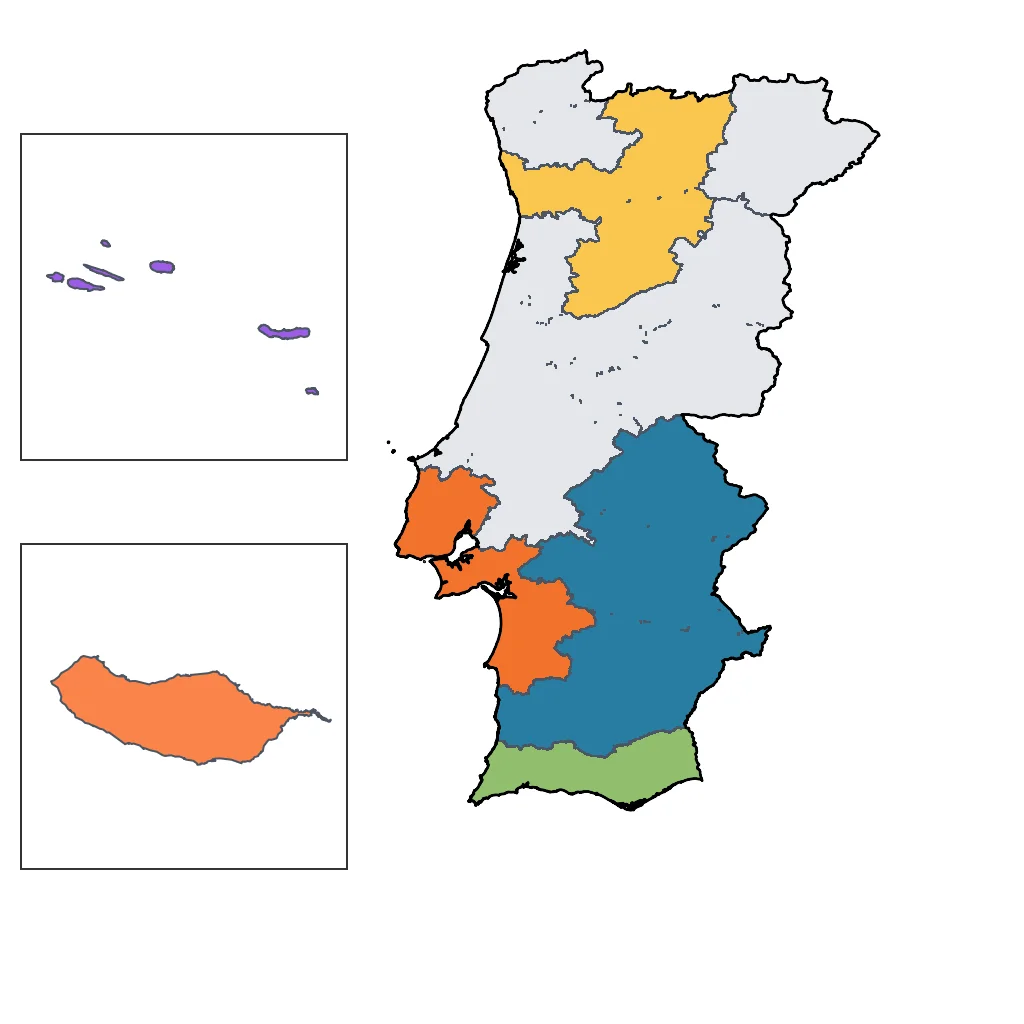

Scenic drives, countryside tours, route-based travel
Features spectacular, well-engineered coastal and mountain roads through dramatic volcanic landscapes, perfect for experienced drivers seeking scenic beauty. Peak months offer maximum visibility and dry road conditions, whereas the heavy winter rainfall and mountain fog create dangerous driving conditions with limited scenic payoff.
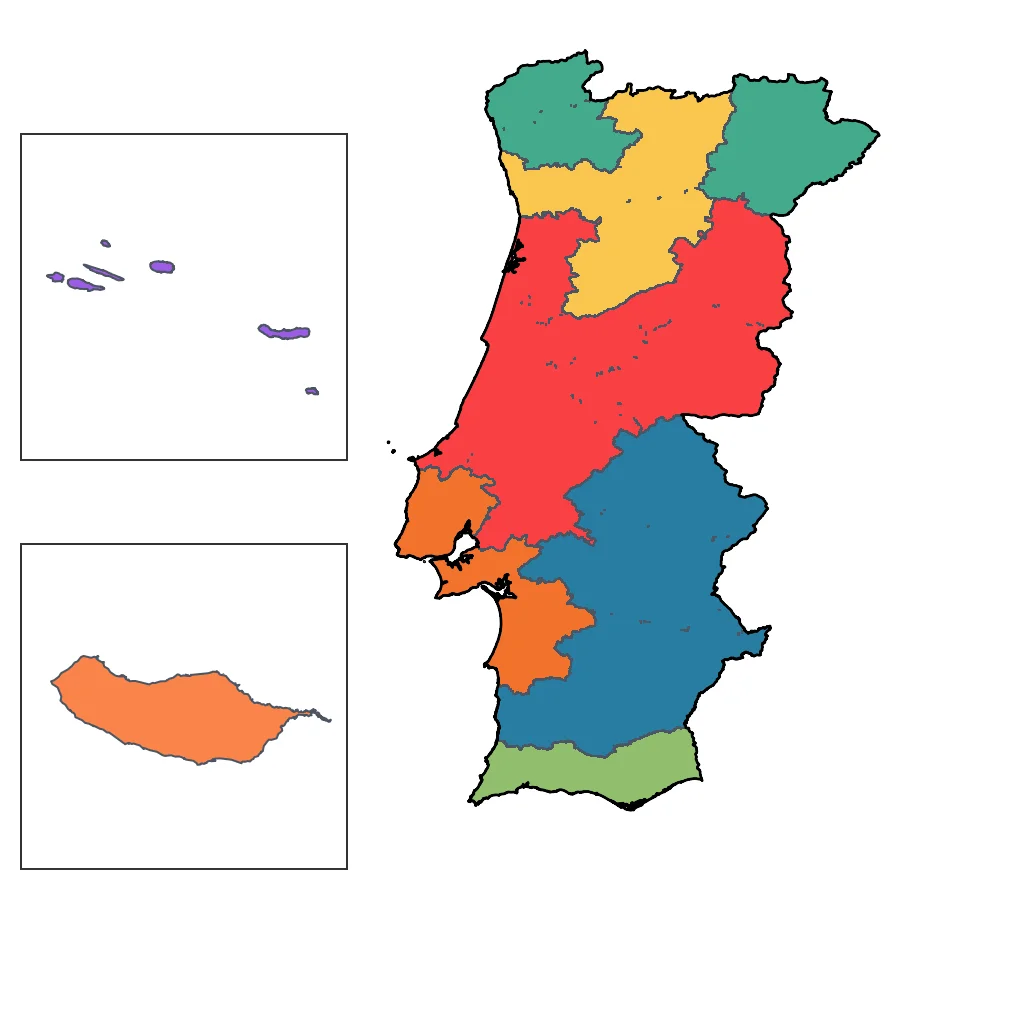

Sport tourism, fitness activities, active recreation
A premier destination for canyoning, paragliding, and trail running, supported by professional infrastructure and world-class natural terrain. Activities are best during the dry summer window; high rainfall from October to April makes river-based sports dangerous and trails excessively slippery.
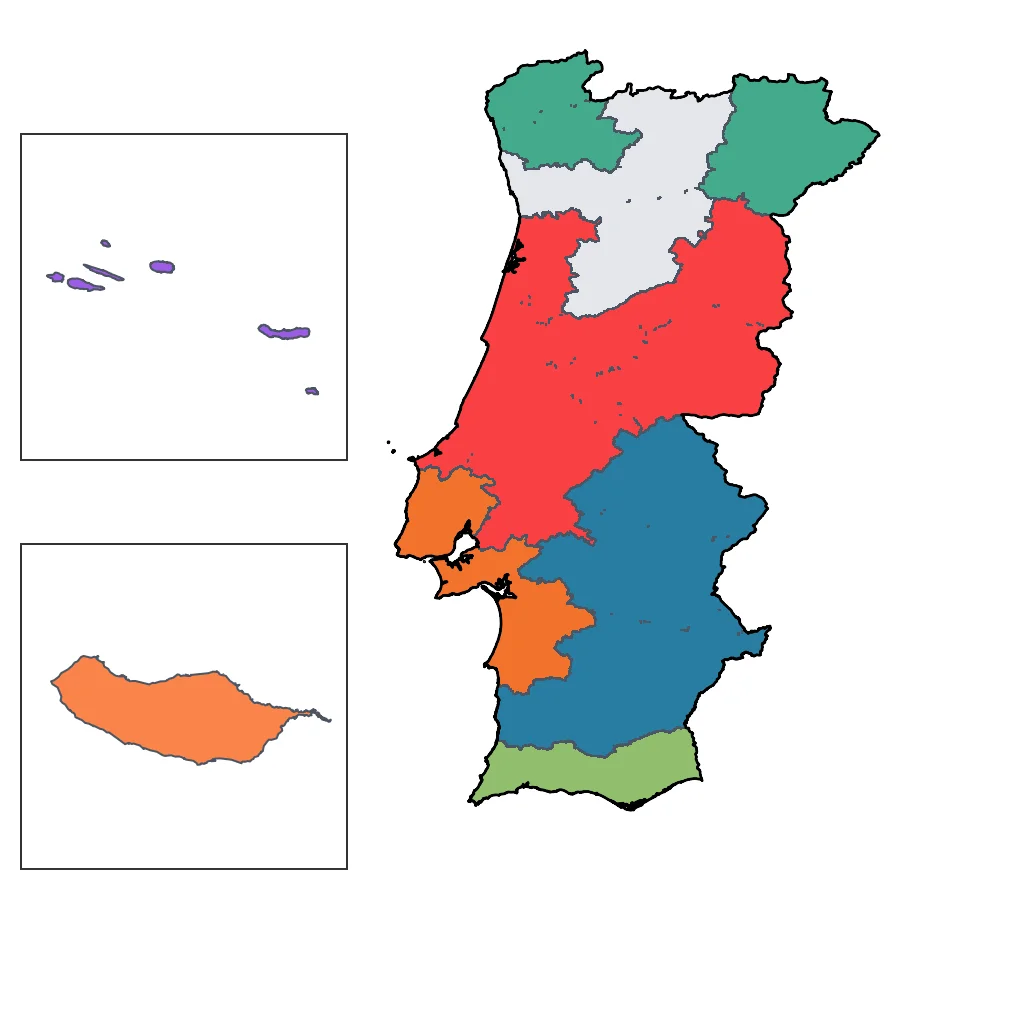

Beach resorts, marine activities: diving, snorkelling, kite surfing, wind surfing, sailing
Offers unique volcanic rock pools and high-quality diving with excellent visibility, though it lacks the classic sandy beaches of other Atlantic archipelagos. Peak months provide the only period with low rainfall and acceptable sea temperatures, while the rest of the year is too wet or cool for a dedicated sea-focused holiday.
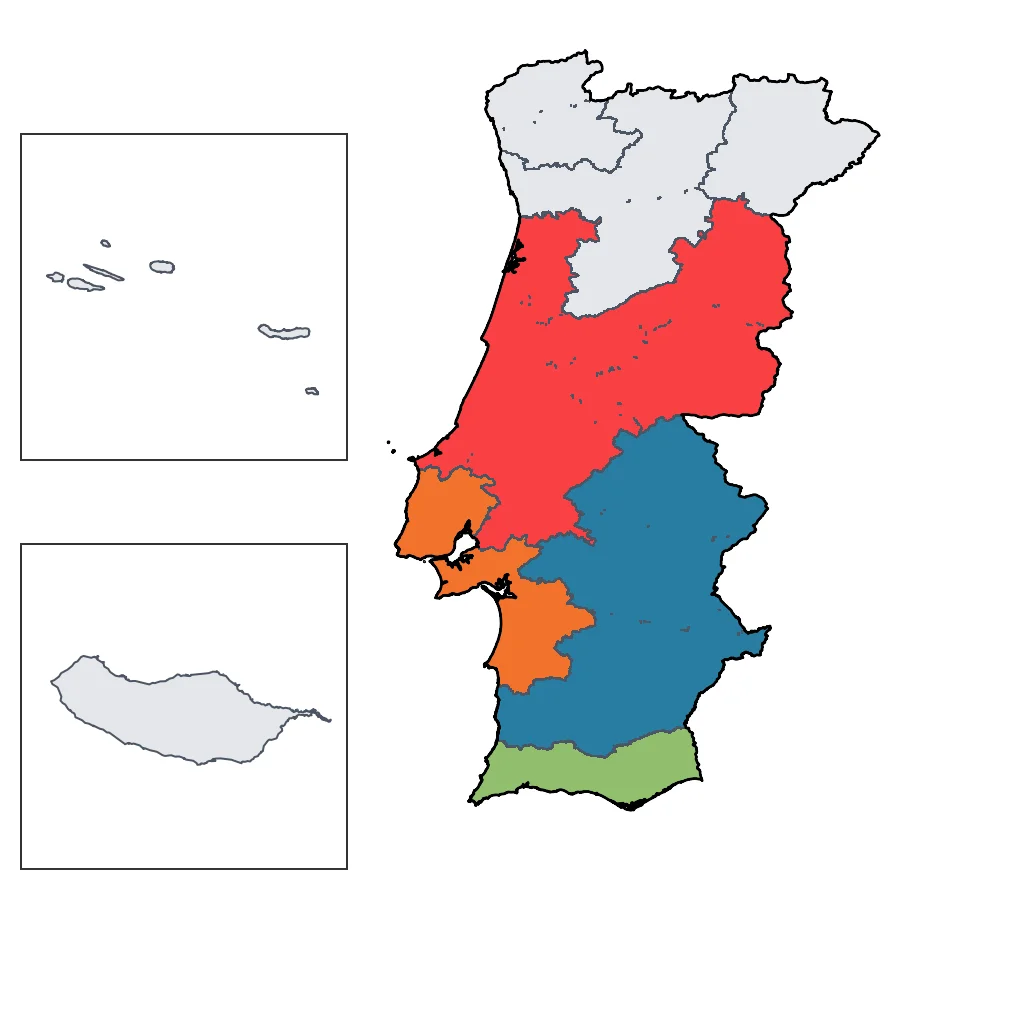

Urban tourism, museums, historical sites, architecture
Funchal is charming with colonial history and botanical gardens, but it's a small city with limited cultural infrastructure compared to destinations rated at the same 'very_good' level (Porto UNESCO district, Braga/Guimarães). Editorial evidence shows only Funchal as a cultural attraction. 'good' accurately reflects a pleasant cultural supplement to Madeira's nature-focused identity.

Learning experiences, scientific sites, historical education
Provides rich opportunities for learning about volcanic geology, unique island ecosystems, and the historical engineering of the levada systems. Weather-dependent field sites and botanical gardens are best visited during the drier, blooming periods of late spring and summer.