

Located in the western Pacific Ocean, Palau is an archipelago of over 300 islands known for their distinctive geology and rich marine biodiversity. For families, it serves as a massive, open-air aquarium where nature is the primary attraction. The destination is best suited for school-aged children and teenagers who are comfortable swimming, as most activities involve boat rides and water exploration. The iconic Rock Islands, limestone formations topped with dense jungle that rise vertically from the turquoise sea, provide a calm and protected environment for snorkeling and kayaking.
The highlight for most young travelers is a visit to Ongeim'l Tketau (Jellyfish Lake). After a steep hike through the forest, families can snorkel in an isolated marine lake filled with millions of golden jellyfish. Having evolved without predators, these creatures have lost their sting, allowing children to swim right through the pulsating school without fear. Another favorite stop is the Milky Way, a shallow lagoon with a floor of white limestone mud. Guides often encourage families to scoop up the mud and cover themselves in it for a natural spa treatment, a fun and messy activity that usually results in memorable holiday photos.
Palau protects its environment aggressively, providing a unique educational angle for visiting families. Upon arrival, every visitor must sign the Palau Pledge, a promise stamped directly into passports to act as a warden of the islands. This sets a tone of respect and responsibility throughout the trip. Parents should be aware that Palau enforces a strict ban on distinct sunscreen ingredients that harm coral reefs; families must bring or buy reef-safe sunscreen to comply with local laws.
Beyond the water, the Belau National Museum in Koror offers insight into the local matriarchal culture and history. Food options in the main town of Koror are diverse, ranging from fresh local seafood and taro to American and Japanese cuisine, making it relatively easy to feed picky eaters. Families should note that getting around requires booking day tours with boat operators, and the tropical climate is hot and humid year-round. While not a destination for resort-style kids' clubs, Palau rewards active families with some of the clearest water and most accessible marine life on the planet.

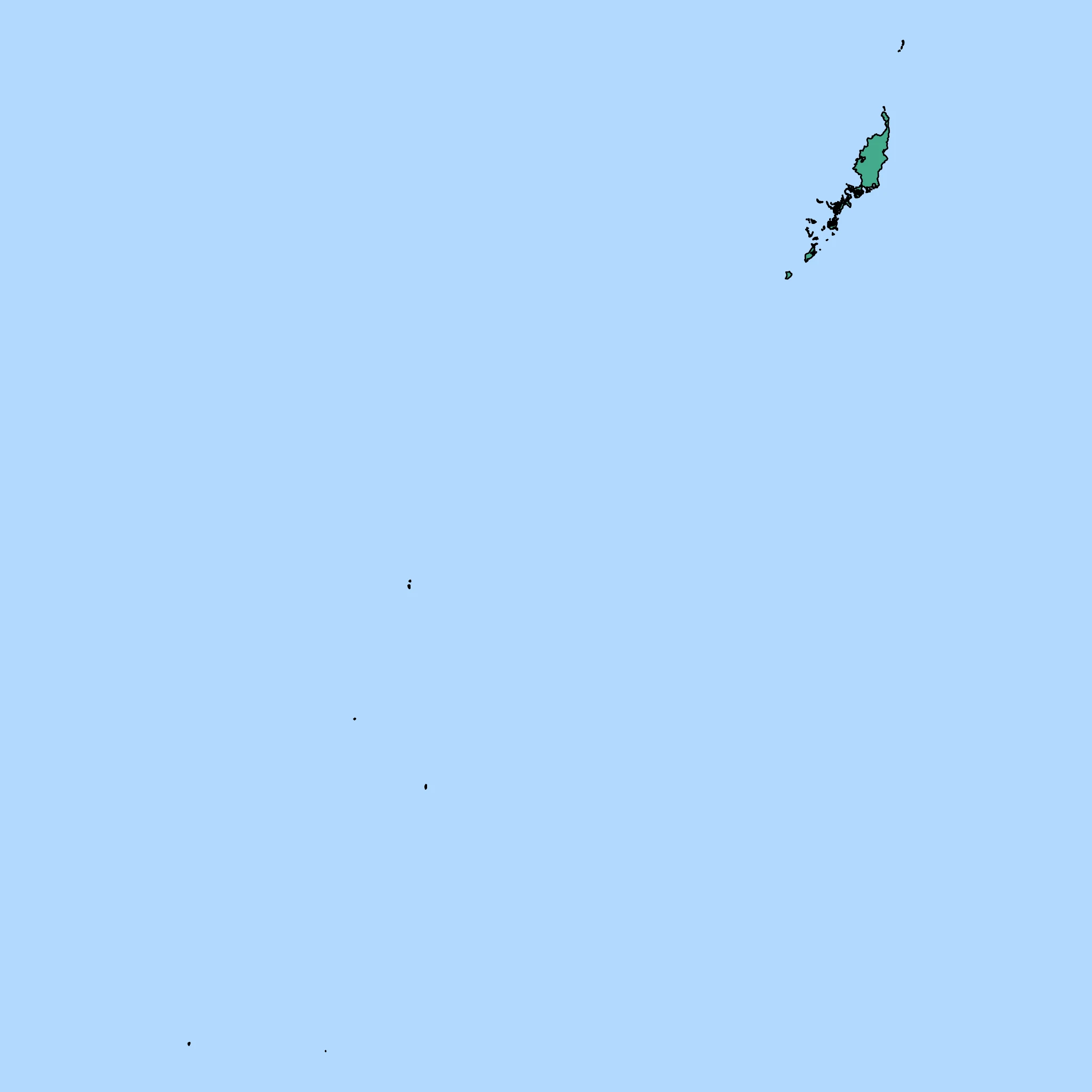
Map

Activities & Best Times

Adventure & Nature
ExcellentHiking, wildlife, outdoor exploration, ecotourism
The UNESCO-listed Rock Islands and pristine mangrove forests provide a world-class backdrop for eco-exploration and kayaking. February to April offer the most stable tropical weather for island hopping; the mid-year monsoon brings heavy rains that make jungle trails and boat transfers difficult.

Beach & Sea
ExcellentBeach resorts, marine activities: diving, snorkelling, kite surfing, wind surfing, sailing
Palau is a global pinnacle for diving and snorkeling, featuring the unique Jellyfish Lake and the world's first shark sanctuary. Peak months offer the best underwater visibility and lowest rainfall; June and July are off-season due to extreme monsoonal precipitation (>480mm) which can affect sea safety and clarity.

Sports & Active
Very GoodSport tourism, fitness activities, active recreation
Renowned for high-end active pursuits like sea kayaking through limestone archipelagos and technical diving. Peak conditions align with calmer seas and drier weather; the heavy rainfall in June and July can lead to challenging maritime conditions and reduced outdoor activity quality.

Educational & Exploratory
GoodLearning experiences, scientific sites, historical education
Offers significant historical insight through WWII relics on Peleliu and unique biological studies in marine lakes. The drier months are ideal for navigating outdoor archaeological sites and research areas; monsoon months limit accessibility to remote historical locations.

City & Cultural
MarginalUrban tourism, museums, historical sites, architecture
While Koror offers authentic museums and Micronesian heritage, it lacks the world-class urban density and infrastructure of global cultural hubs. The dry season is the most comfortable time to visit local landmarks and walk between historical sites.

Festivals & Seasonal
MarginalEvents, celebrations, seasonal attractions
Authentic local celebrations like Constitution Day (July) and Independence Day (October) provide cultural depth, though they are not global bucket-list events. These specific months offer the best timing for cultural immersion despite falling in the wetter season.

Relaxation & Wellness
MarginalSpa retreats, wellness centers, peaceful getaways
Zero supporting attractions in the database for relaxation_wellness (no thermal baths, spas, or wellness-specific attractions catalogued). Classification appears based on general resort knowledge rather than evidence. While Palau has some high-end eco-resorts, the lack of any attraction-category evidence means this should be downgraded per evidence-based review criteria. Palau is not an internationally recognized wellness destination.

Road Trips & Scenic
MarginalScenic drives, countryside tours, route-based travel
The Compact Road on Babeldaob provides a scenic, paved route through lush landscapes and traditional villages, though it is limited in scale. Peak months offer clear skies and dry roads, making the drive significantly safer and more picturesque for families.

Attractions
27 attractions to explore. Click markers for details.

Airports & Flight Routes
Toggle options to view domestic routes and international airports. Click an airport for details.
Climate & Weather
Climate Overview
| Month | Temp (°C) | Rain (mm) | Humidity | Wind (m/s) |
|---|

Travel Advisory
Five of the six major agencies classify Palau as requiring only standard safety awareness, despite one agency highlighting specific regional cautions.
Safety Topics
Traveller Advice (3 groups)

Scuba divers and hikers should be aware of the limited decompression chamber availability and the potential for unexploded WWII-era ordnance in remote areas.

All visitors must sign the Palau Pledge to respect the local environment and culture as a condition of entry.

While same-sex relations are legal, the local society is culturally conservative. Public displays of affection may be met with disapproval and should be avoided.