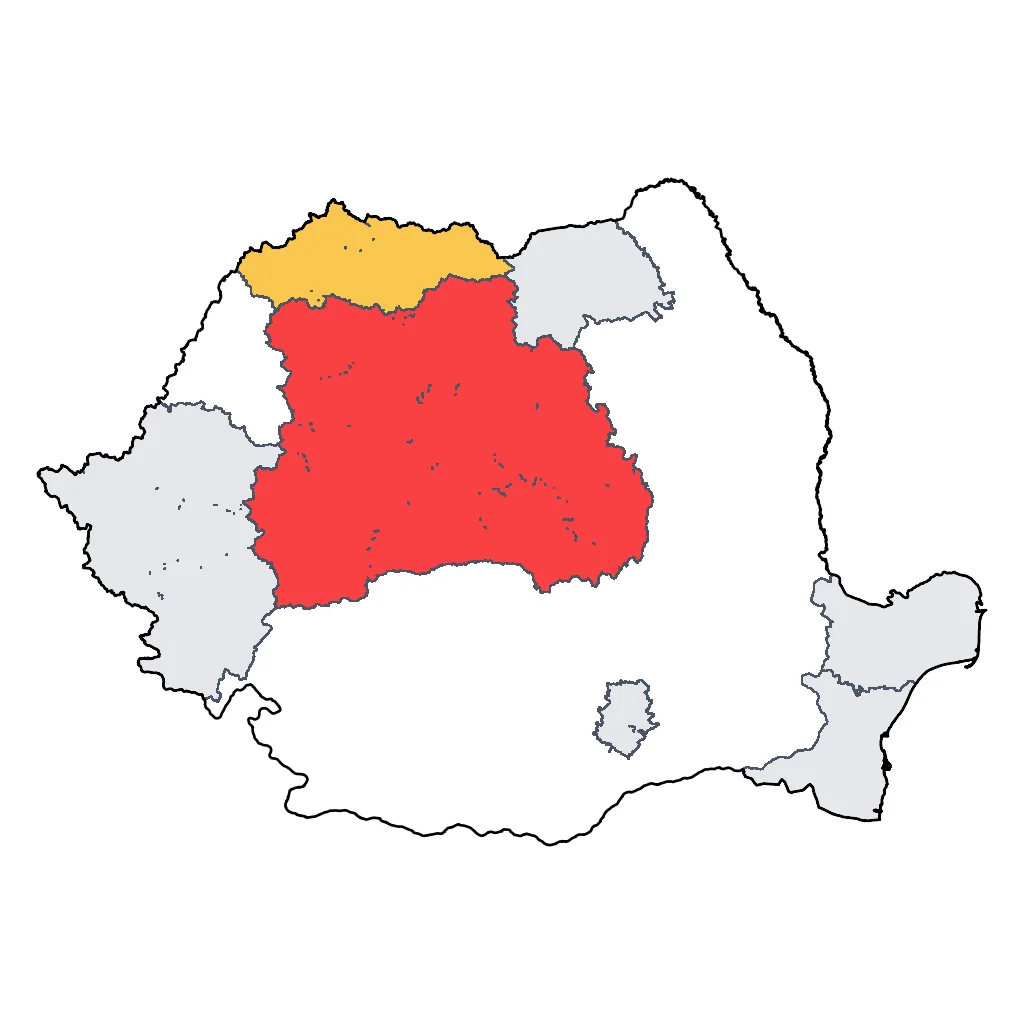

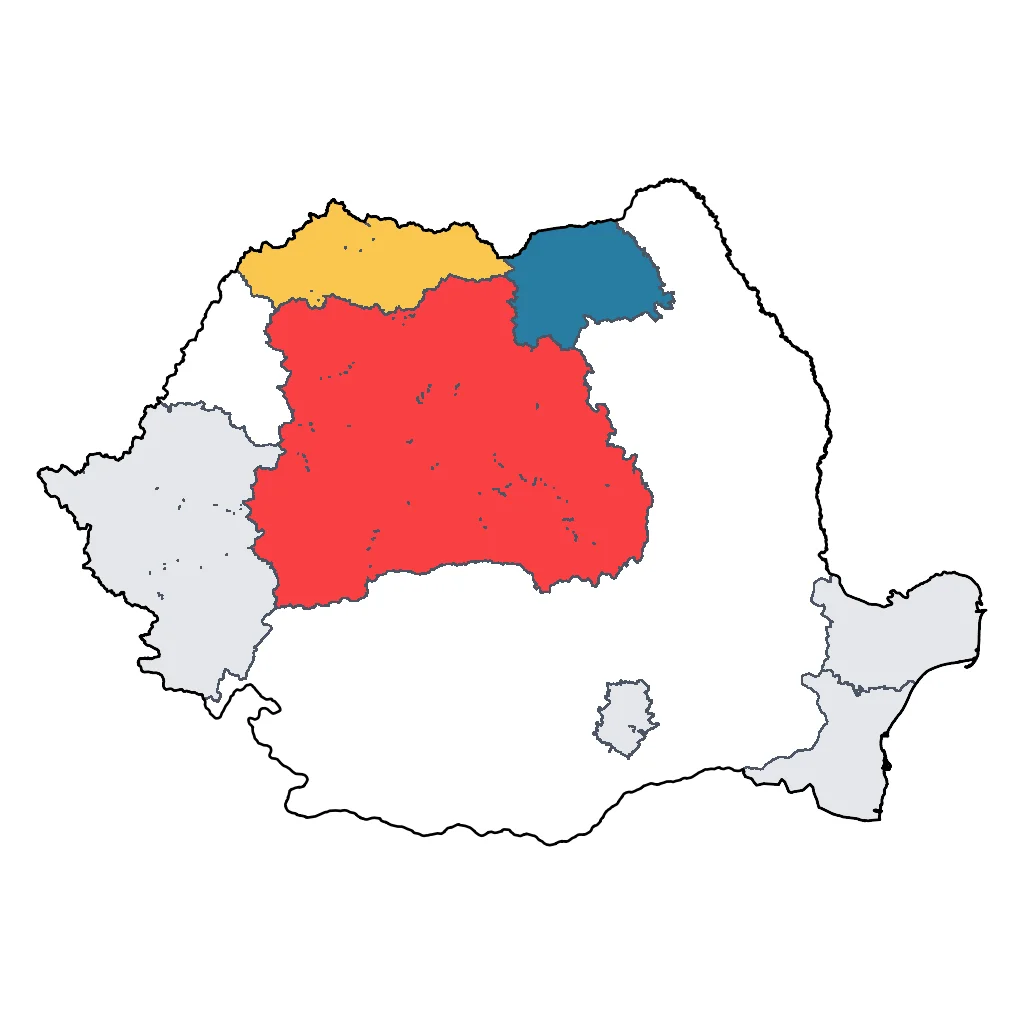
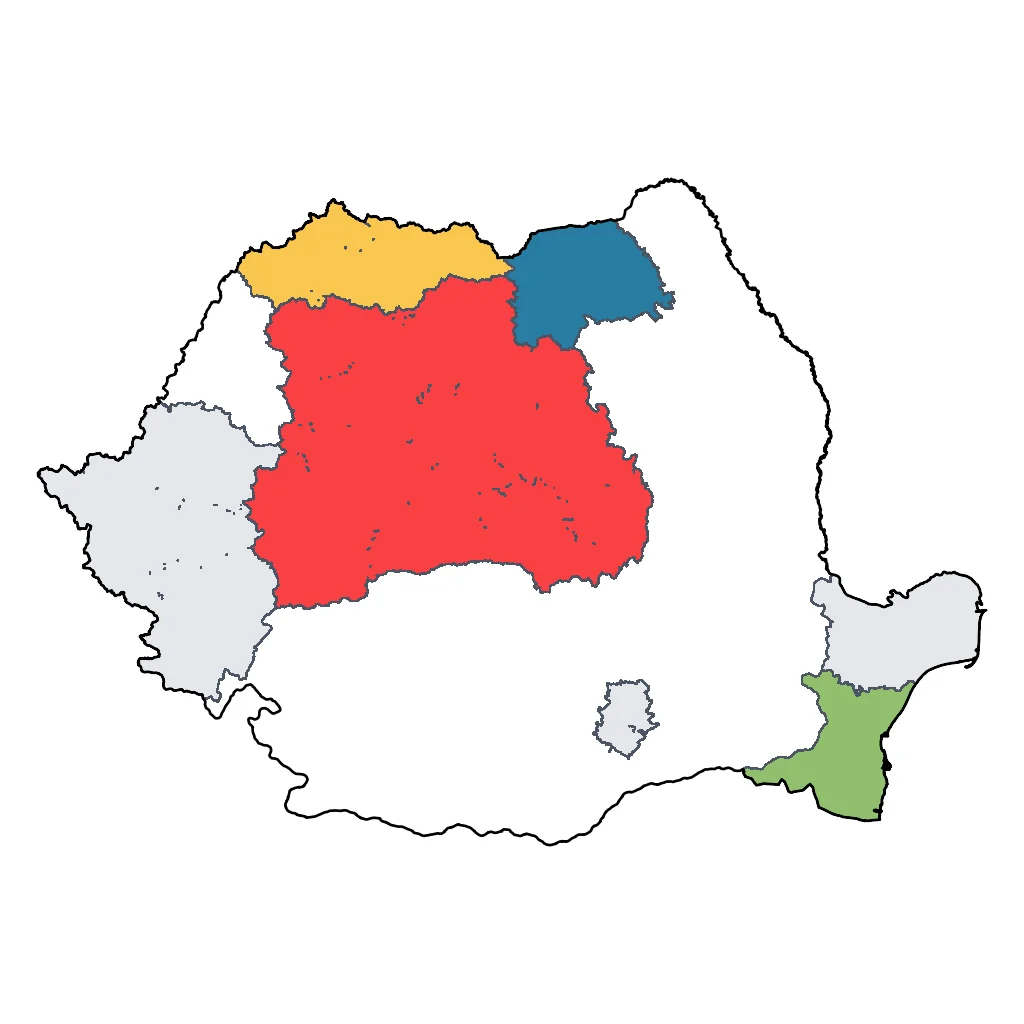
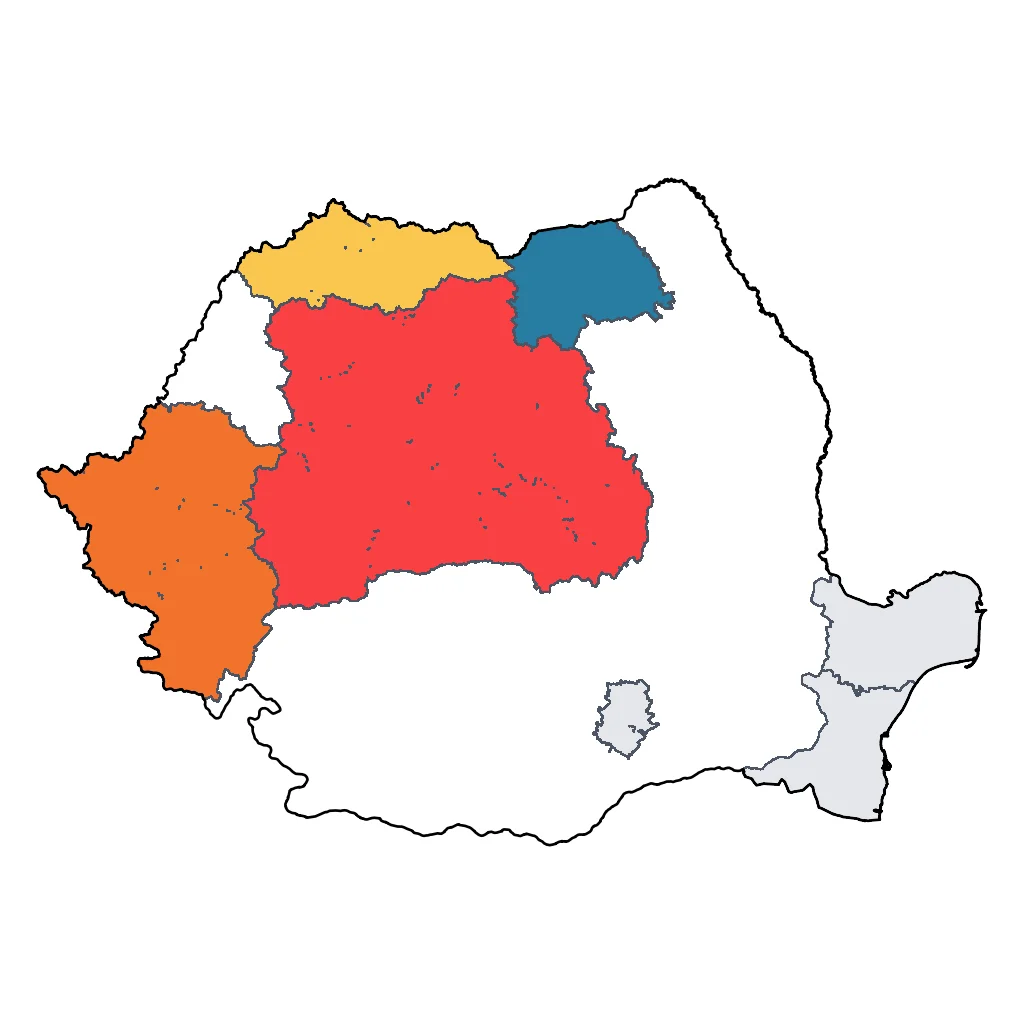
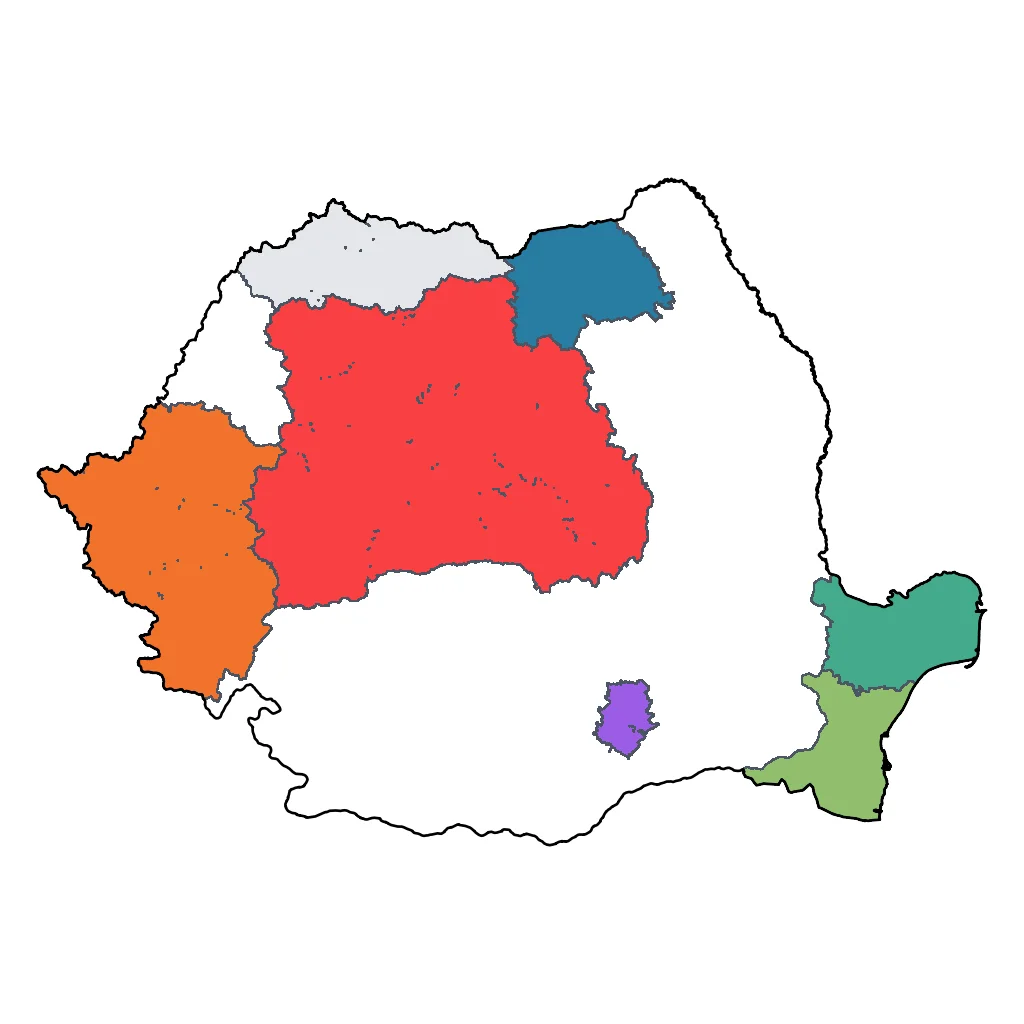
Bucovina is a region of gentle rolling hills, deep forests, and profound spirituality that translates into a calm, enriching experience for families. The headline attractions are the UNESCO-listed Painted Monasteries such as Voroneț and Sucevița. While religious sites can sometimes be dry for children, these churches are covered in colorful exterior murals that tell stories like graphic novels. The vivid depictions of the "Last Judgment" or "Ladder of Virtue" can captivate children's imaginations, especially when explained as ancient comic strips.
Beyond the monasteries, the region is a hub for traditional crafts. The village of Marginea is famous for its black pottery, and families can watch potters shaping clay on the wheel—a mesmerizing process for kids. Even more engaging are the egg painting workshops found throughout the region. Children can try their hand at the delicate art of decorating Easter eggs with beeswax and traditional motifs, a test of patience that results in a beautiful souvenir. For outdoor fun, the Mocănița Huțulca in Moldovița is a narrow-gauge steam train that chugs slowly through the countryside. Unlike longer train rides elsewhere, this route is relatively short and relaxed, making it perfect for younger children.
Active families should head to Gura Humorului, which serves as a great base. The town features the Ariniș Park, a complex with an indoor Olympic-sized swimming pool, outdoor lido, adventure rope courses, and hiking trails. In winter, this area transforms into a family-friendly ski resort with gentle slopes suitable for beginners. The food in Bucovina is legendary for being hearty and organic; expect fresh cream, forest mushrooms, and berries. Polenta with cheese and sour cream is a staple that most children enjoy.
The landscape is less rugged than the high Carpathians, making it ideal for easy family hikes. A trip to the Rarău Mountains to see the "Lady's Stones" (Pietrele Doamnei) offers spectacular views with moderate effort. The roads are generally good, but winding, so allow extra time for travel between villages. Bucovina offers a slice of rural Europe that has largely disappeared elsewhere, where horse-drawn carts are still common and nature feels untouched.
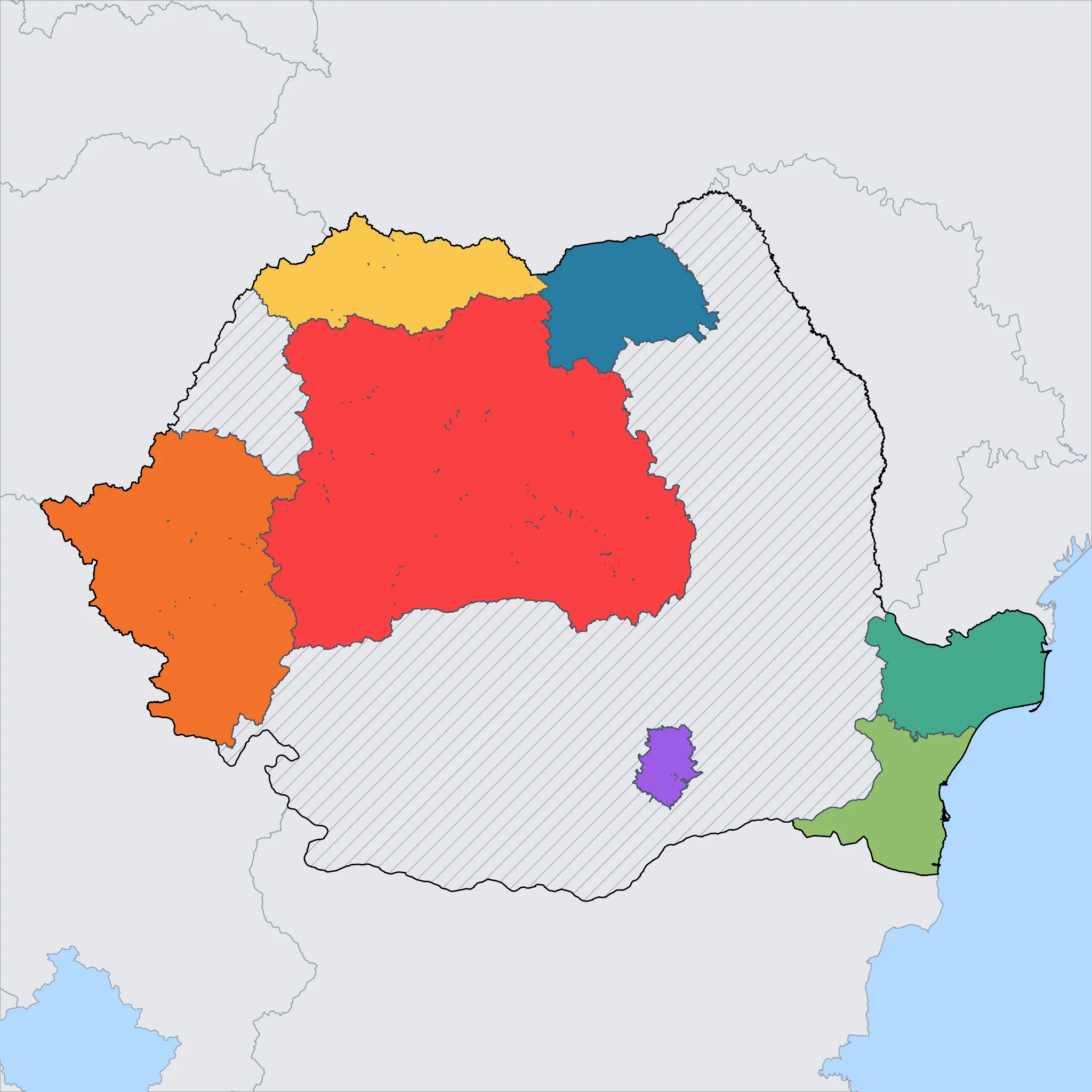
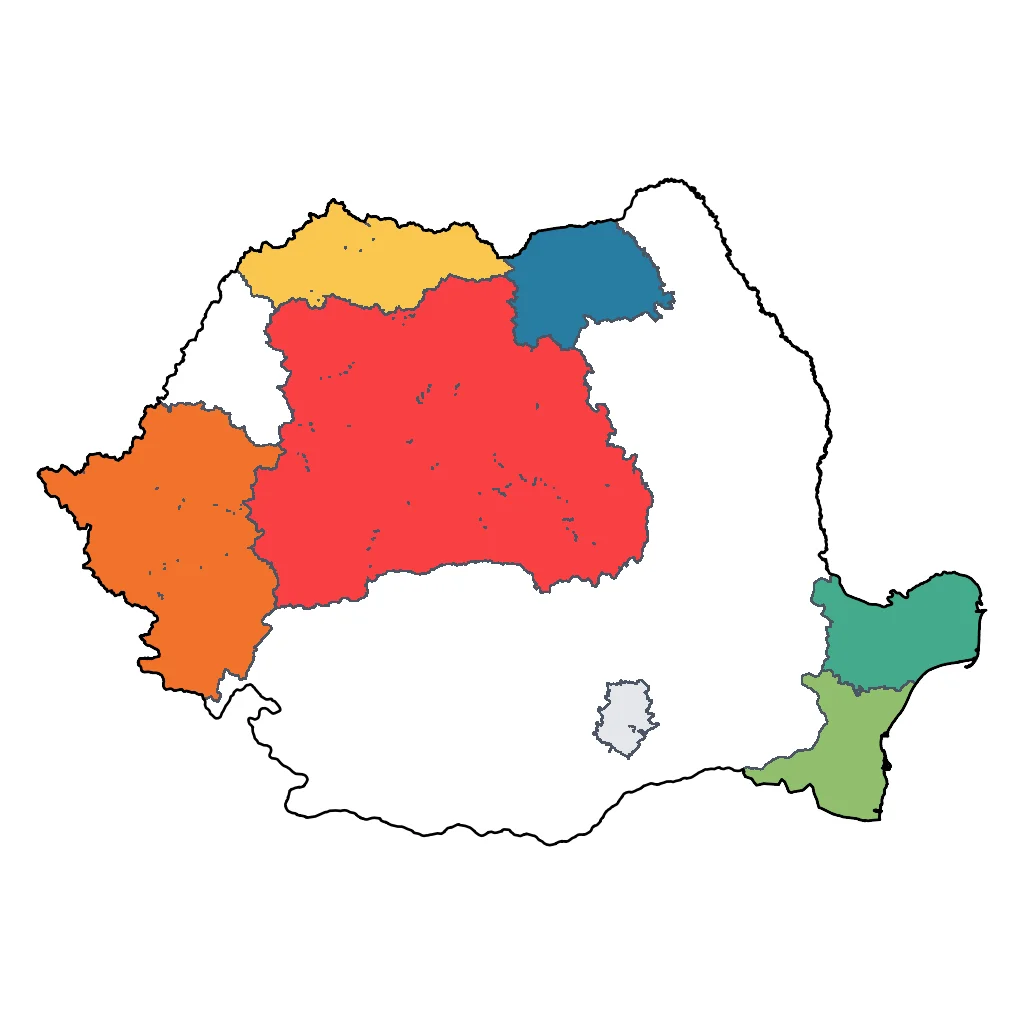
Click a region to explore

Activities & Best Times

Hiking, wildlife, outdoor exploration, ecotourism
Features the pristine Carpathian foothills and rare virgin forests, offering an authentic wilderness experience for discerning hikers. Late summer provides stable weather and dry trails, whereas high rainfall in June and July can make mountain paths difficult for families.

Urban tourism, museums, historical sites, architecture
The Painted Monasteries are world-class UNESCO heritage but are fundamentally rural monastic sites, not urban cultural infrastructure. The largest town, Suceava, is a modest regional centre. Against global city_cultural benchmarks (Florence, Prague, Istanbul), 'excellent' is not warranted. 'very_good' properly reflects the outstanding but non-urban nature of the cultural assets.

Learning experiences, scientific sites, historical education
Offers sophisticated families immersive workshops in ancient egg painting and black pottery, providing deep intellectual engagement with local heritage. Peak conditions in late summer align with the availability of master artisans and comfortable outdoor learning environments.

Events, celebrations, seasonal attractions
Internationally significant for Orthodox Easter traditions (April) and authentic winter caroling rituals (December). These peak periods offer high-quality, non-commercialized cultural immersion, though travel requires planning around specific calendar dates.

Scenic drives, countryside tours, route-based travel
Scenic drives through the Obcinele Bucovinei and the Transrarău road offer spectacular vistas and authentic rural encounters. Autumn (October) is particularly world-class for foliage, while winter months bring dangerous ice and snow to steep mountain passes.

Spa retreats, wellness centers, peaceful getaways
Provides a peaceful retreat in monastic guesthouses and historic spa towns like Vatra Dornei, emphasizing slow travel and clean mountain air. The experience is authentic and serene, though it lacks the high-end luxury infrastructure of global tier-one spa destinations.

Sport tourism, fitness activities, active recreation
Offers quality cycling and light trekking through emerald hills and river valleys. Peak summer weather is mild and comfortable for physical activity, though infrastructure is more suited to exploratory adventure than professional sports training.

Winter sports, ski resorts, snow activities
Provides an authentic, old-world winter atmosphere with reliable snow cover in January and February. While charming for families, the limited vertical drop and infrastructure do not meet the international benchmarks of the Swiss or French Alps.