

Located at the crossroads of Central and Southeast Europe, Serbia offers a travel experience grounded in history, nature, and exceptional hospitality. For families, this landlocked Balkan nation provides a safe and affordable alternative to Western Europe's crowded tourist trails. The landscape shifts from the flat, agricultural plains of Vojvodina in the north to the rugged mountains and deep gorges of the south, linked by the mighty Danube River.
Most family trips begin in the capital, Belgrade. While the city has a gritty urban energy, it is surprisingly kid-friendly. The centerpiece is Kalemegdan Park, a sprawling fortress complex overlooking the confluence of the Sava and Danube rivers. Inside the fortress walls, families can visit the Belgrade Zoo, an amusement park, and a dedicated Dinosaur Park. For active days, Ada Ciganlija is a river island turned peninsula that functions as the city's seaside; it features Blue Flag swimming beaches, pedal boats, and miles of cycling paths away from traffic. Older children often enjoy the Nikola Tesla Museum, which offers interactive demonstrations of the famous inventor's experiments.
Beyond the capital, the western region offers accessible adventure. The 🚂 Šargan Eight is a narrow-gauge heritage railway in Mokra Gora that loops through mountain tunnels and viaducts, appealing to young train enthusiasts. Nearby, the wooden ethno-village of Drvengrad, built by film director Emir Kusturica, looks like a fairy-tale set. For nature-loving families, Tara National Park provides marked hiking trails to viewpoints like Banjska Stena. Further south, a boat tour through the winding meanders of the Uvac Canyon offers a chance to spot the rare Griffon Vulture, one of Europe's largest birds.
In winter, Serbia becomes a prime destination for learning to ski. The Kopaonik ski resort is modern and well-equipped, offering English-speaking instructors and gentle slopes at a fraction of the cost found in the Alps. The resort is purpose-built, making it easy to navigate with equipment and children.
Serbian cuisine is hearty and generally palatable for children. Ćevapi (small grilled meat sausages) served with flatbread are a staple, while bakeries sell fresh burek (pastry filled with cheese or meat) that serves as a perfect on-the-go snack. Practical travel is straightforward, though renting a car is recommended for exploring national parks. Families should note that indoor smoking is still permitted in many restaurants, so it is worth asking for non-smoking sections or choosing venues with outdoor terraces. English is widely spoken in cities and by younger generations.
Explore Regions
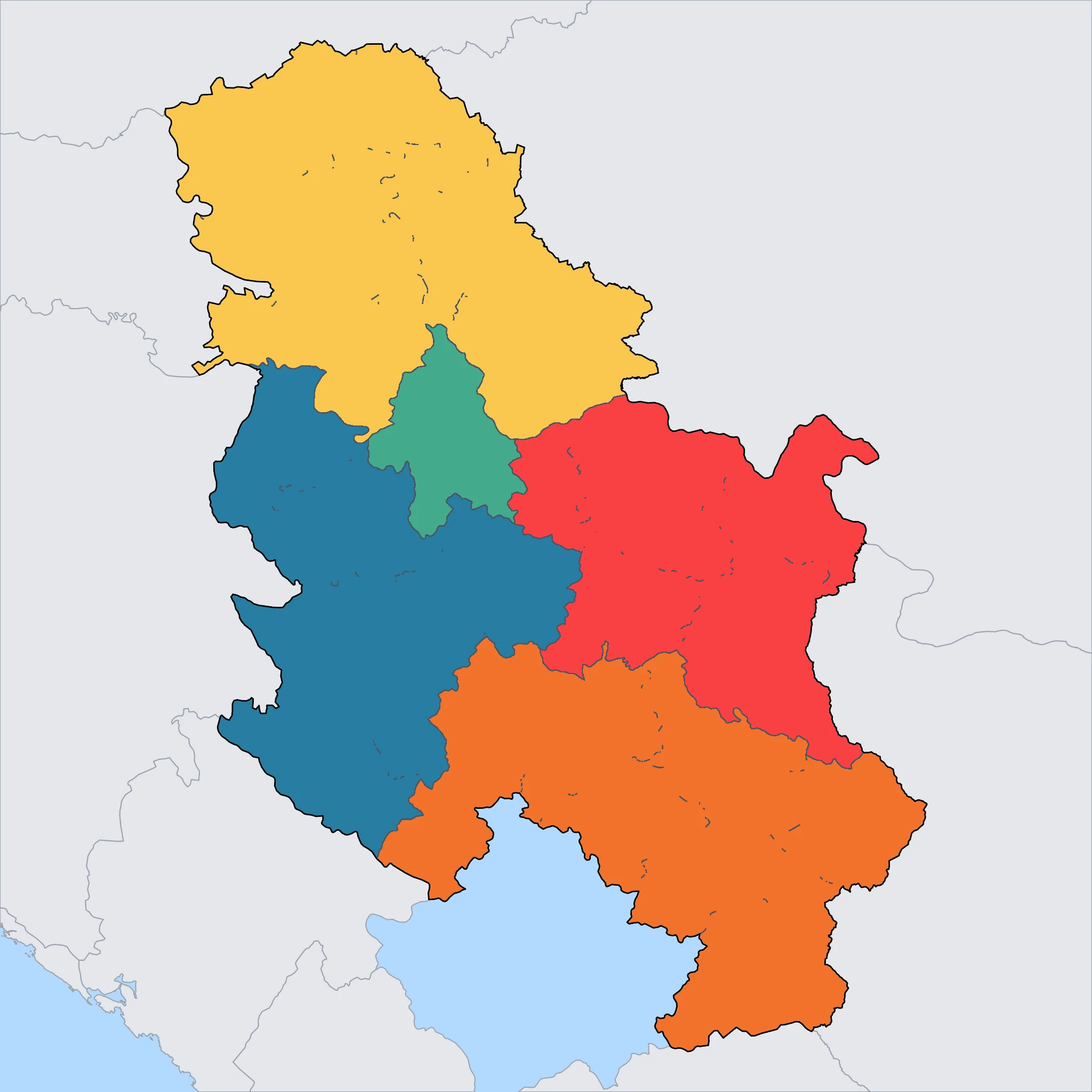
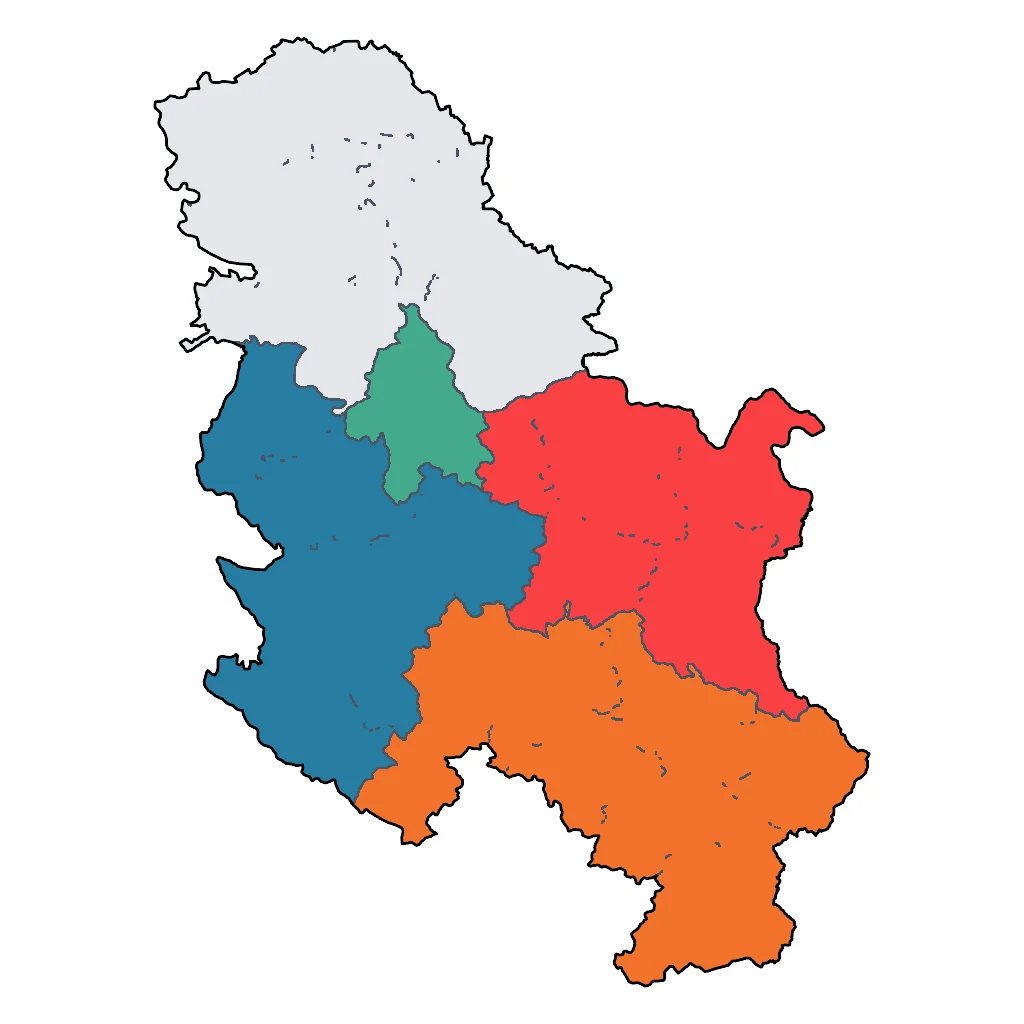
5 Regions
Belgrade
Riverside adventures and interactive history 🏰
Eastern Serbia (Đerdap Gorge, spa towns)
Fairytale castles and giant river gorges 🦕
Novi Sad & Vojvodina
Relaxed plains and family farm adventures 🌻
Southern Serbia (Niš)
Living history and mountain myths ⚔️
Western Serbia (Zlatibor, Tara, Mokra Gora)
Scenic trains and mountain playgrounds 🚂
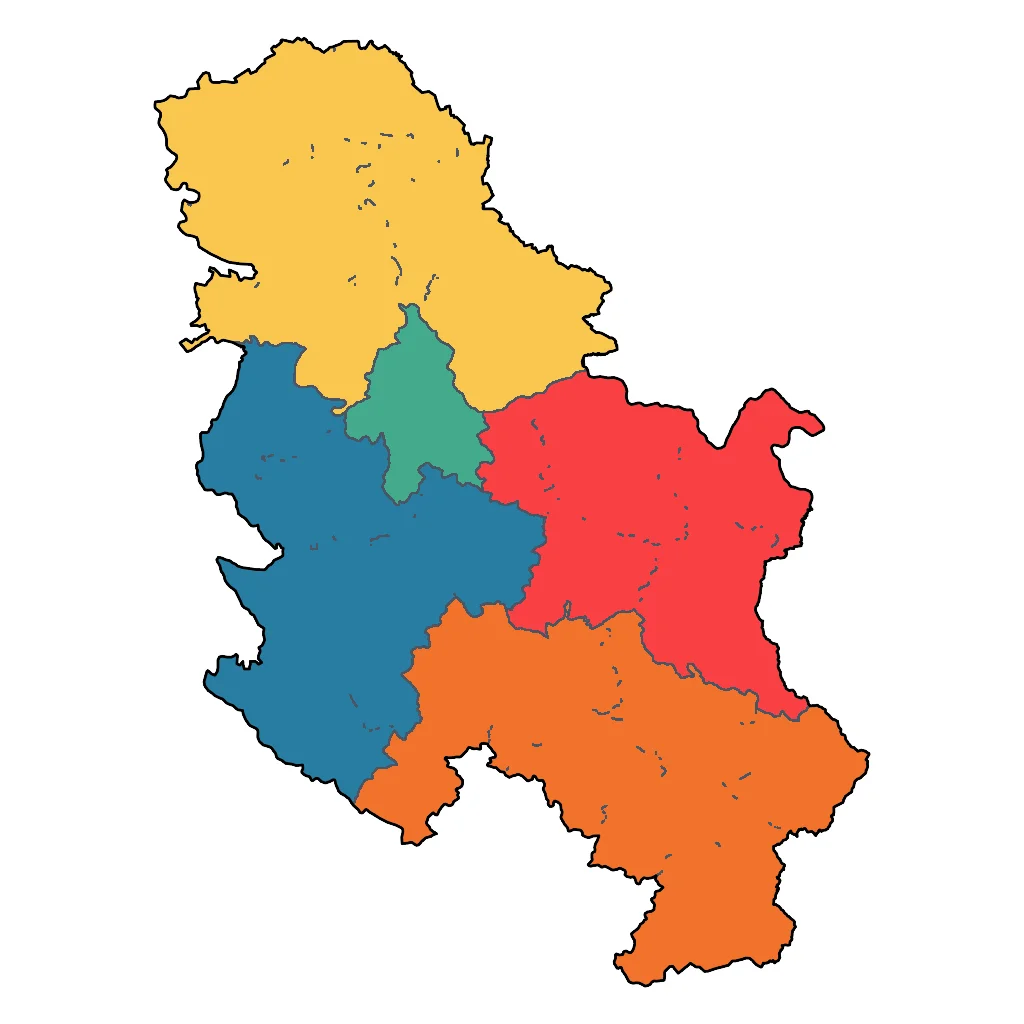
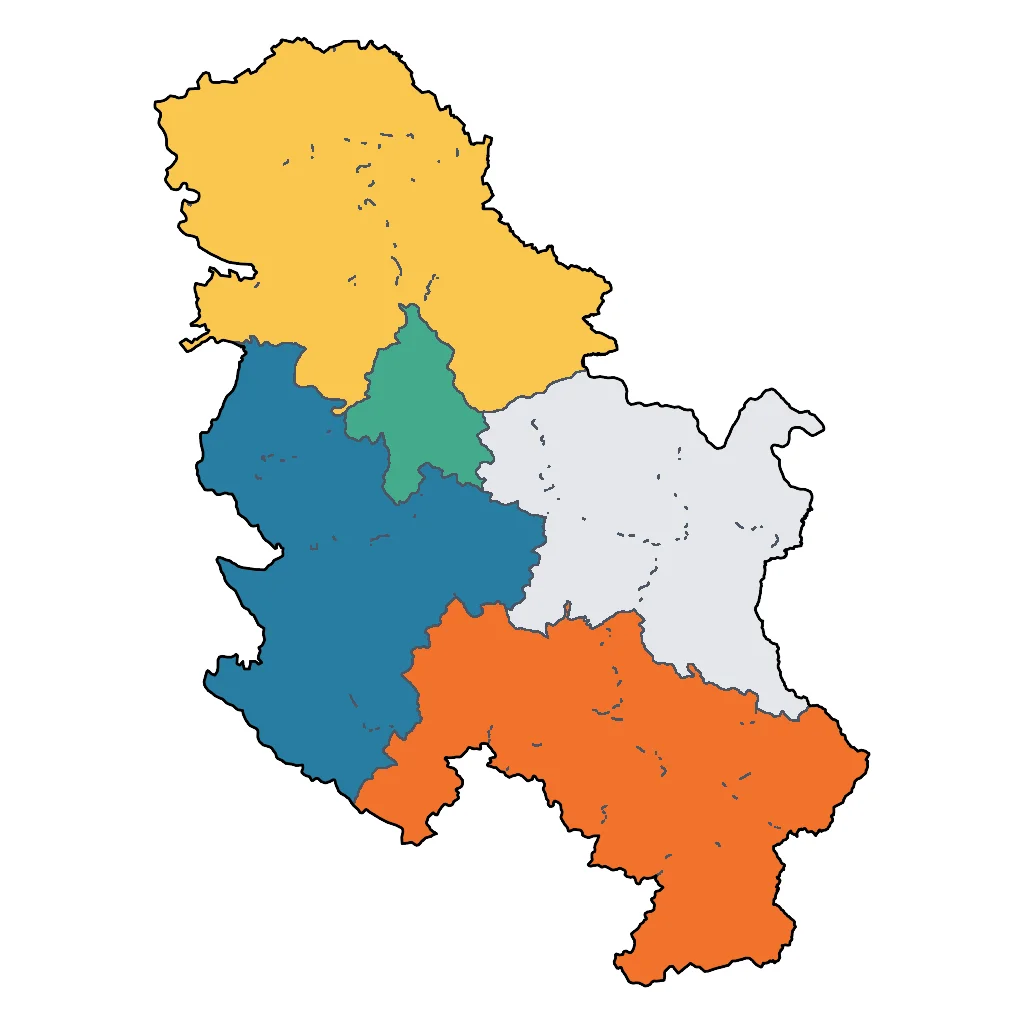
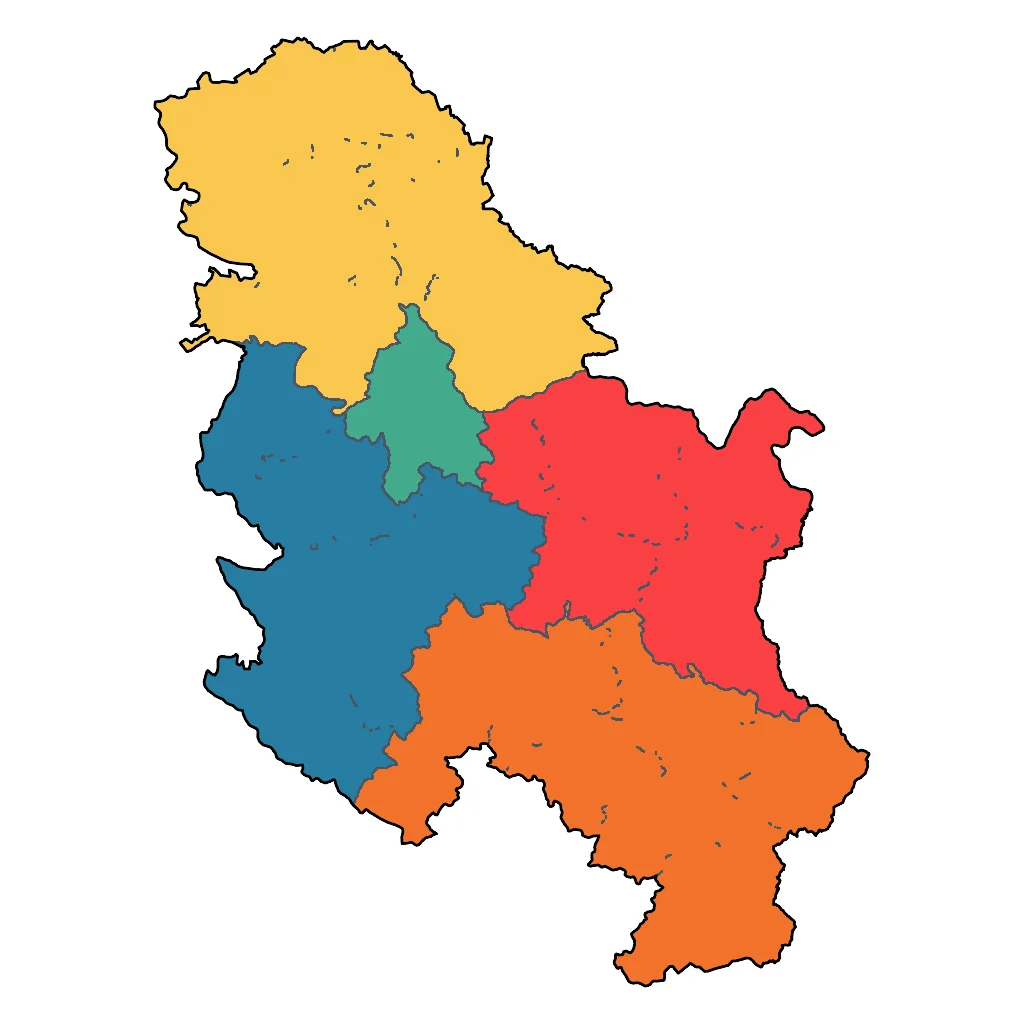
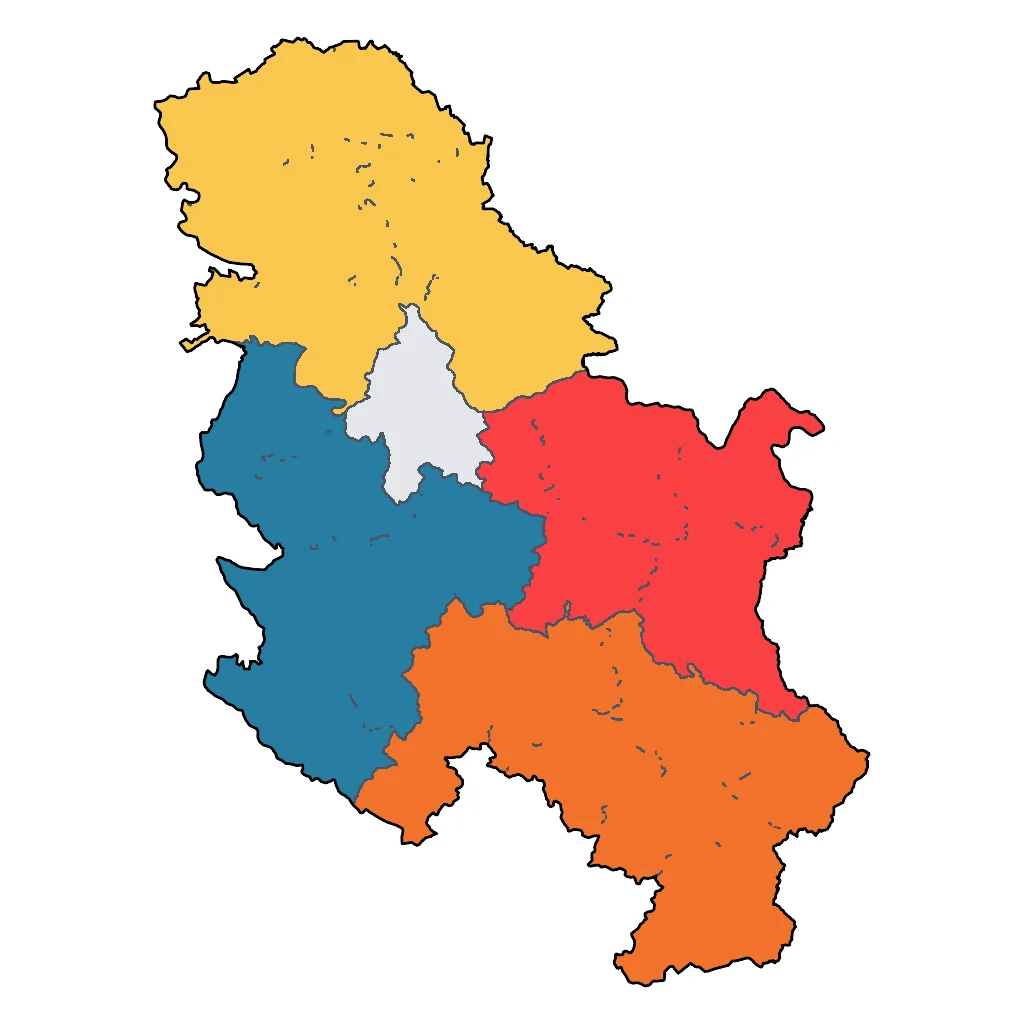
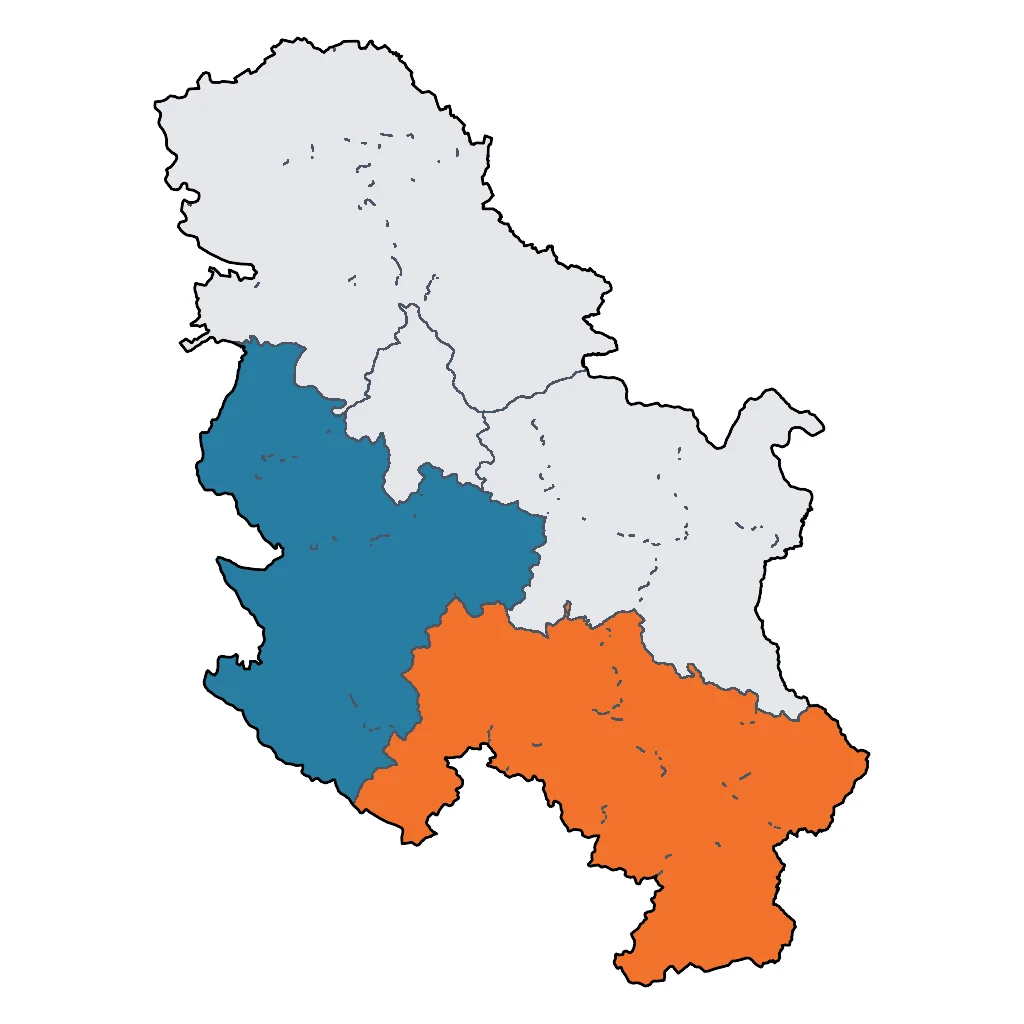
Click on a region marker to explore details. Use the dropdown to color regions by activity suitability.

Activities & Best Times
Adventure & Nature
Very GoodHiking, wildlife, outdoor exploration, ecotourism
Features the unique 'Devil’s Town' rock formations and the untamed wilderness of Stara Planina, providing an authentic off-the-beaten-path experience. Summer offers ideal hiking temperatures (17-23°C average) and dry trails; winter months are too cold for mountain trekking and many high-altitude paths are inaccessible.
Home to the Đerdap Gorge, Europe's deepest river canyon, offering dramatic limestone cliffs and pristine national park hiking. Peak months provide optimal temperatures (17-23°C) and manageable rainfall for boat tours and trekking; shoulder months offer cooler but viable exploring conditions.
Home to the dramatic Uvac Canyon meanders and Tara National Park's pristine forests, offering world-class hiking and wildlife viewing (Griffon vultures). Peak summer (Jul-Aug) provides stable 22°C temperatures and the best trail access, while shoulder months offer lush spring growth or vibrant autumn colors.

City & Cultural
Very GoodUrban tourism, museums, historical sites, architecture
Novi Sad, a former European Capital of Culture, features the massive Petrovaradin Fortress and a sophisticated Austro-Hungarian old town. Peak months (May, Jun, Sep) offer ideal walking weather between 18-21°C; winter months (Nov-Mar) are often too cold for comfortable urban exploration.
Belgrade offers an authentic palimpsest of history, from the Roman Kalemegdan Fortress to its vibrant Ottoman-era bohemian quarters and socialist-era architecture. Peak months offer ideal sightseeing temperatures, while the rainy June and chilly transition months (Apr, Oct) provide a quieter experience for sophisticated explorers.
While Niš has genuine historical significance (Constantine's birthplace, Skull Tower, Mediana), it is a secondary city that cannot match Belgrade or Novi Sad for overall cultural experience density. Belgrade (rated very_good) is a European capital with vastly more cultural infrastructure. Niš has specific standout sites but lacks the broad museum, gallery, theatre, and architectural density expected for very_good city/cultural calibration. This change also reduces Southern Serbia from 5 very_good ratings (the highest of any region) to a more balanced 2, better reflecting its actual positioning.

Educational & Exploratory
Very GoodLearning experiences, scientific sites, historical education
World-class archaeological sites like the Roman imperial palace of Mediana offer high educational value for families seeking historical immersion. Peak season ensures all museums and archaeological digs are open and accessible; off-season weather often limits access to outdoor ruins and historical interpretive trails.
Features the world-class Lepenski Vir, one of Europe's most significant Mesolithic archaeological sites with a highly sophisticated museum. Late spring and summer offer the best conditions for guided exploration of both prehistoric sites and the meticulously restored Golubac Fortress.
Fruška Gora’s 16 Orthodox monasteries and the historic archives of Sremski Karlovci provide a deep, authentic dive into European frontier history. Weather in May, June, and September is most conducive to visiting these scattered historical sites; winter sees reduced access and biting winds across the plains.

Festivals & Seasonal
Very GoodEvents, celebrations, seasonal attractions
Home to the world-renowned EXIT Festival in July, which attracts global talent to a unique fortress setting. Shoulder months host authentic wine and harvest festivals in Sremski Karlovci, while the off-season lacks major international-caliber events.
Renowned for its high-energy atmosphere, Belgrade hosts internationally significant cultural festivals and a legendary riverside nightlife scene on its 'splavovi'. The peak summer months align with major outdoor events and the height of the river season, whereas winter sees a significant lull in outdoor vibrancy.
The classification is primarily based on Nišville Jazz Festival, which, while well-regarded, is a niche festival that does not compare in scale or international draw to EXIT Festival (Novi Sad, rated very_good) or Belgrade's combined festival calendar (also very_good). The notes themselves acknowledge 'fewer large-scale cultural events of international caliber' outside Nišville. Rating Niš the same as Belgrade and Novi Sad for festivals over-inflates this region.
Road Trips & Scenic
Very GoodScenic drives, countryside tours, route-based travel
The Đerdap Highway is a premier European scenic drive, hugging the Danube as it carves through the Iron Gates. Peak months ensure high visibility and safe road conditions; June is relegated to shoulder due to higher precipitation (85mm) affecting the driving experience.
The route between Zlatibor and Tara features spectacular mountain vistas and the iconic Drina River house, making for highly scenic driving. Peak months (Jul-Sep) ensure dry roads and high visibility; winter months are unsuitable due to icy mountain passes and unpredictable snow.
Spectacular drives through the Sićevo Gorge and across the Balkan mountains offer dramatic vistas and encounters with authentic rural life. Spring blooms and autumn colors provide the best visibility and scenery; winter road conditions in the mountainous south can be hazardous due to snow and low visibility.

Relaxation & Wellness
GoodSpa retreats, wellness centers, peaceful getaways
Traditional balneotherapy and thermal springs in Niška Banja provide an authentic, unpretentious wellness experience. Late spring and summer offer the best climate for enjoying outdoor mineral pools and park walks; winter limits guests to indoor-only facilities which may lack modern luxury standards.
Sokobanja provides authentic thermal spring experiences with a long history of healing, though luxury infrastructure is still developing compared to Western European spas. Warm summer months are peak for combining spa treatments with mountain air and outdoor relaxation.
The region is famous for 'Salaš' farmsteads, offering high-end rustic relaxation and traditional slow-food experiences unique to the Pannonian plain. Peak summer months allow for full enjoyment of the outdoor rural lifestyle, whereas winter limits these authentic farmstead experiences.

Ski & Snow
GoodWinter sports, ski resorts, snow activities
Stara Planina is a rapidly developing ski center with modern gondolas and high-quality snow infrastructure that meets solid international standards. January and February offer the most reliable snow base; shoulder months can be prone to slush or variable conditions as temperatures rise above 5°C.
Zlatibor and Tornik provide well-developed ski infrastructure that is particularly suitable for families with young children seeking a less commercialized alpine experience. Peak winter conditions (Jan-Feb) offer reliable snow and sub-zero temperatures, while shoulder months are prone to slushy conditions.

Sports & Active
GoodSport tourism, fitness activities, active recreation
Niš's paragliding scene, while active, is not a 'premier international destination' compared to established European paragliding hubs like Oludeniz (Turkey), Interlaken (Switzerland), or Chamonix (France). The mountain biking and trekking are solid but regionally significant rather than internationally outstanding. 'good' aligns with what other Serbian regions receive for comparable sports offerings.
A key segment of the EuroVelo 6 cycling route and excellent for kayaking the Danube’s narrower passages. Peak conditions align with moderate air temperatures (15-28°C); winter months are unsuitable due to freezing temperatures and high humidity.
The Ada Ciganlija island provides high-quality facilities for rowing, cycling, and golf, while the Sava and Danube confluence is ideal for urban kayaking. Peak conditions occur during the warm, dry late summer, while winter temperatures are too low for comfortable outdoor activity.
Beach & Sea
MarginalBeach resorts, marine activities: diving, snorkelling, kite surfing, wind surfing, sailing
Theme Park & Entertainment
MarginalAmusement parks, family entertainment venues
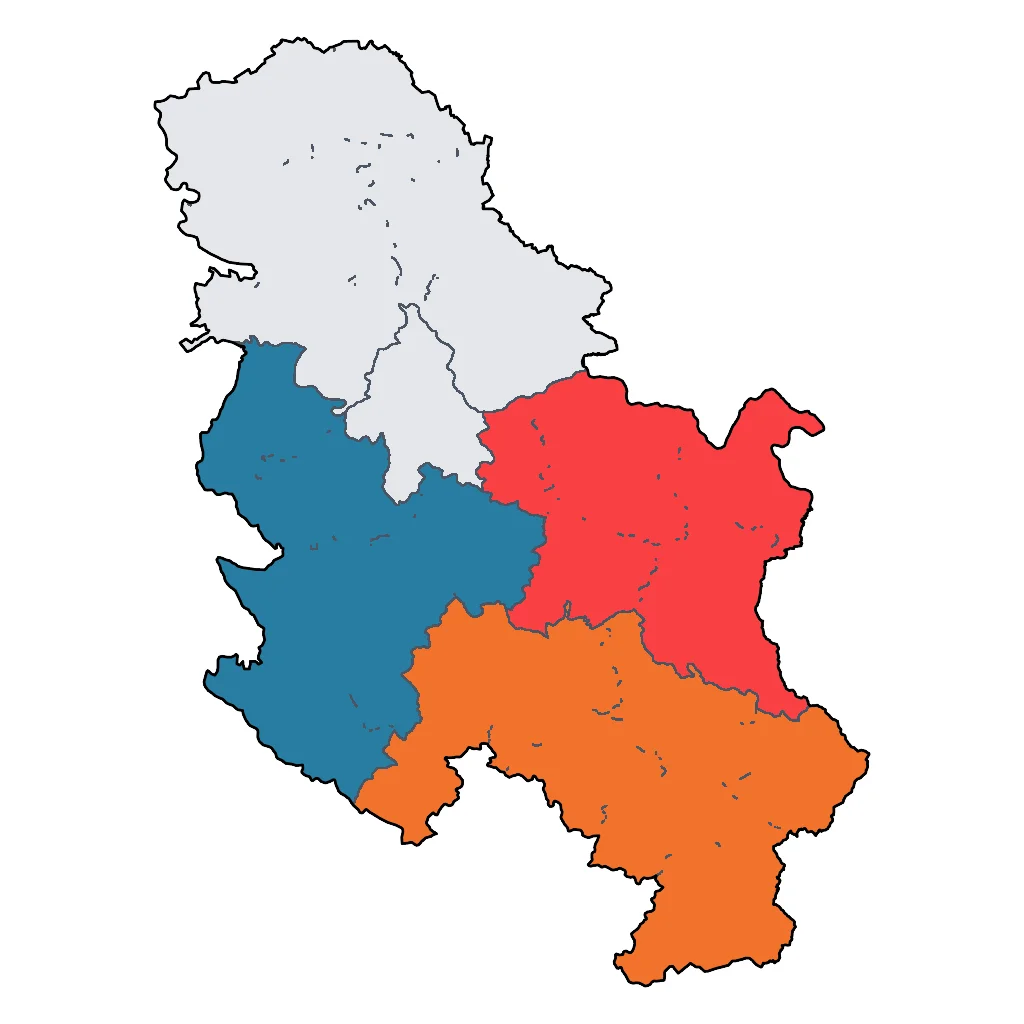
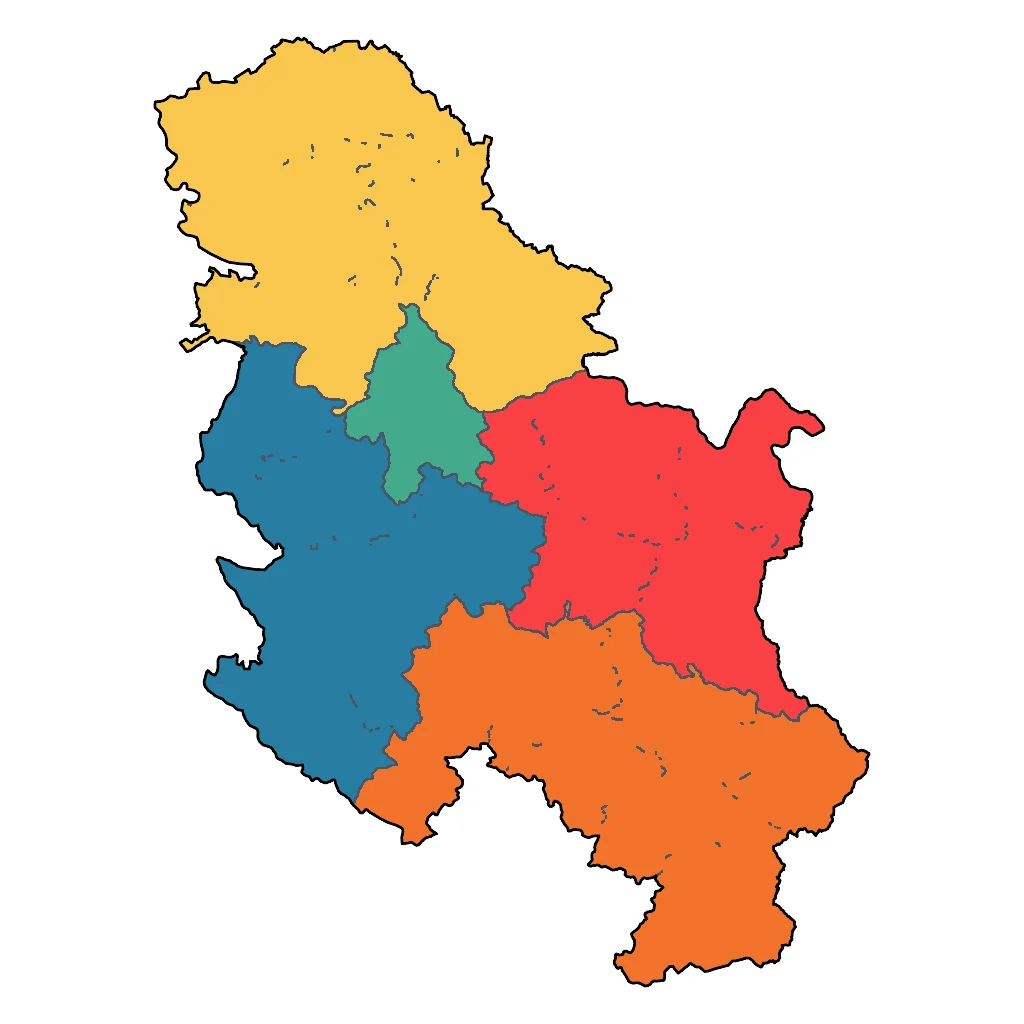

Airports & Flight Routes
Toggle options to view domestic routes and international airports. Click an airport for details.
Climate & Weather
Belgrade
Show Details
| Month | Temp °C | Rain | Humidity |
|---|
Eastern Serbia (Đerdap Gorge, spa towns)
Show Details
| Month | Temp °C | Rain | Humidity |
|---|
Novi Sad & Vojvodina
Show Details
| Month | Temp °C | Rain | Humidity |
|---|
Southern Serbia (Niš)
Show Details
| Month | Temp °C | Rain | Humidity |
|---|
Western Serbia (Zlatibor, Tara, Mokra Gora)
Show Details
| Month | Temp °C | Rain | Humidity |
|---|

Travel Advisory
The majority of international agencies consider Serbia a safe destination where standard travel safety awareness is sufficient for visitors.
Safety Topics
Traveller Advice (3 groups)

While same-sex relationships are legal, social acceptance remains limited in some parts of the country. Discretion is advised as public displays of affection may attract negative attention or harassment.

Ensure you obtain a police registration certificate (the 'white card') shortly after arrival, as you may be asked to present it upon departure. Use only authorized border crossings and be prepared for potential delays at land borders.
When exploring rural or mountainous areas in the south, especially near the Kosovo border, strictly follow established trails and look for signage indicating potential landmine hazards.