
⚠️ SAFETY WARNING: Due to the ongoing conflict with Ukraine, significant risks of arbitrary detention, terrorism, and drone attacks, government agencies (including CA, USA, UK, AU, IE, and NZ) advise travelers to avoid all travel to Russia. The security situation is volatile, international financial services are suspended, and flight options are extremely limited. Families are strongly urged to consult their own government's official travel advisory before considering a trip, as circumstances and risk assessments vary.
Spanning eastern Europe and northern Asia, Russia is the world's largest nation. Its geography ranges from the subtropical Black Sea coast to the frozen tundra of the Arctic Circle. For families interested in history and culture, the country focuses largely on the distinct personalities of its two main cities, Moscow and St. Petersburg, as well as the famed Golden Ring of ancient towns.
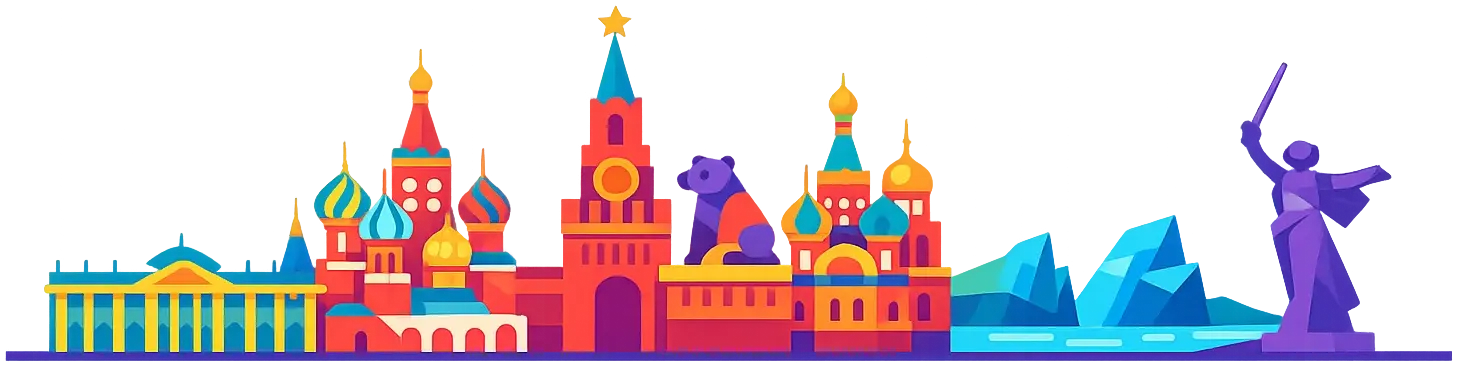
In Moscow, the capital, the massive Red Square serves as the historic center. Children recognize the colorful, patterned domes of Saint Basil's Cathedral, which resemble spun sugar. The Kremlin stands nearby as a fortress of museums and armories. The city is also famous for its Metro stations, which function as underground palaces adorned with mosaics, statues, and chandeliers. The GUM department store offers a glimpse into historic commerce and is known for its traditional ice cream stands.
St. Petersburg offers a contrast with its European-style canals and baroque architecture. The Hermitage Museum, housed within the Winter Palace, contains one of the world's largest art collections. Families often take boat tours along the Neva River or visit the Grand Cascade fountains at Peterhof just outside the city. In winter, the city embraces the cold with ice skating rinks and traditional theater performances, including world-renowned ballet.
Beyond the cities, the Trans-Siberian Railway offers a legendary journey across the continent, passing through the Ural Mountains and the Siberian taiga. Lake Baikal, the deepest lake in the world, is a major natural landmark that freezes solid in winter. Russian cuisine is hearty and generally palatable for children, featuring comfort foods like pelmeni (meat dumplings), blini (pancakes), and pirozhki (stuffed buns).
Practical travel in Russia currently faces immense hurdles. The language barrier is significant as the Cyrillic alphabet is used exclusively in many places. Furthermore, strict visa requirements, the suspension of western credit cards, and the closure of many borders make logistics complex and difficult for general tourism.
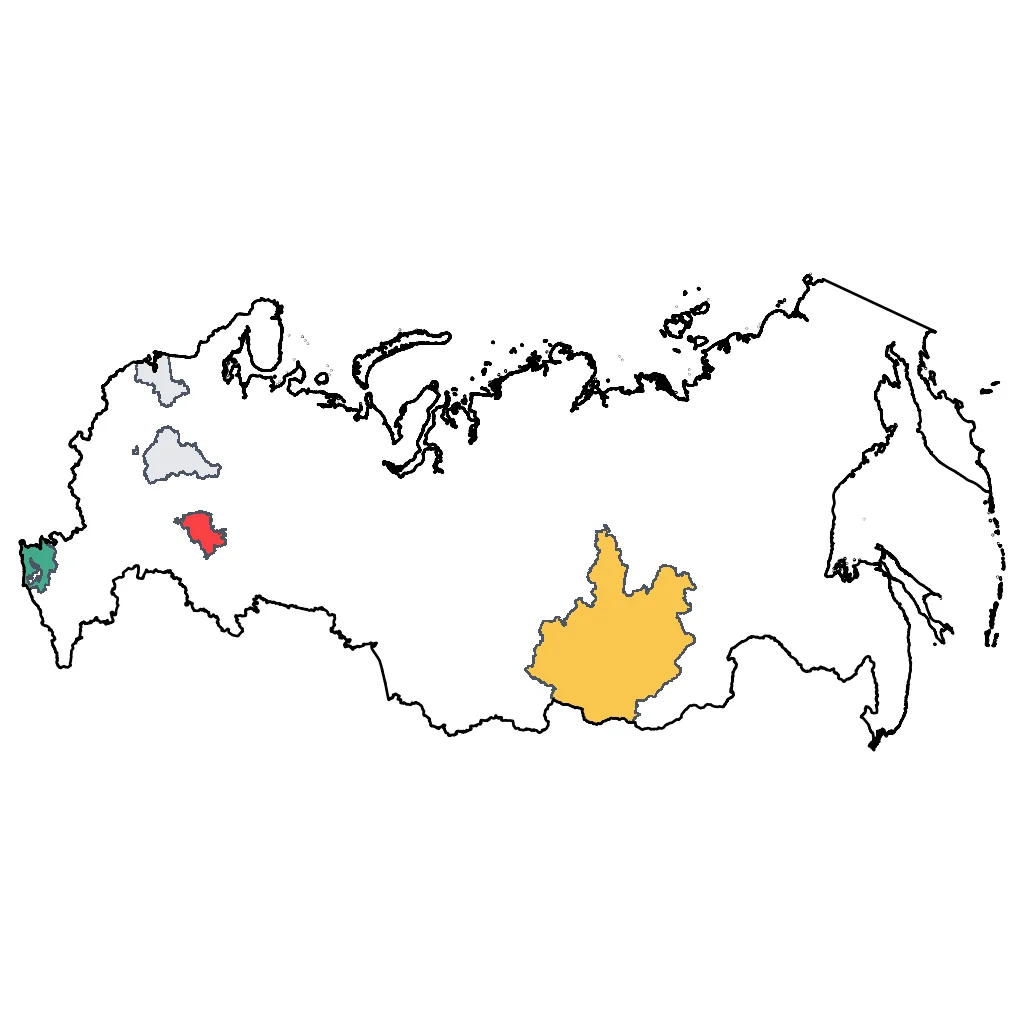
Explore Regions
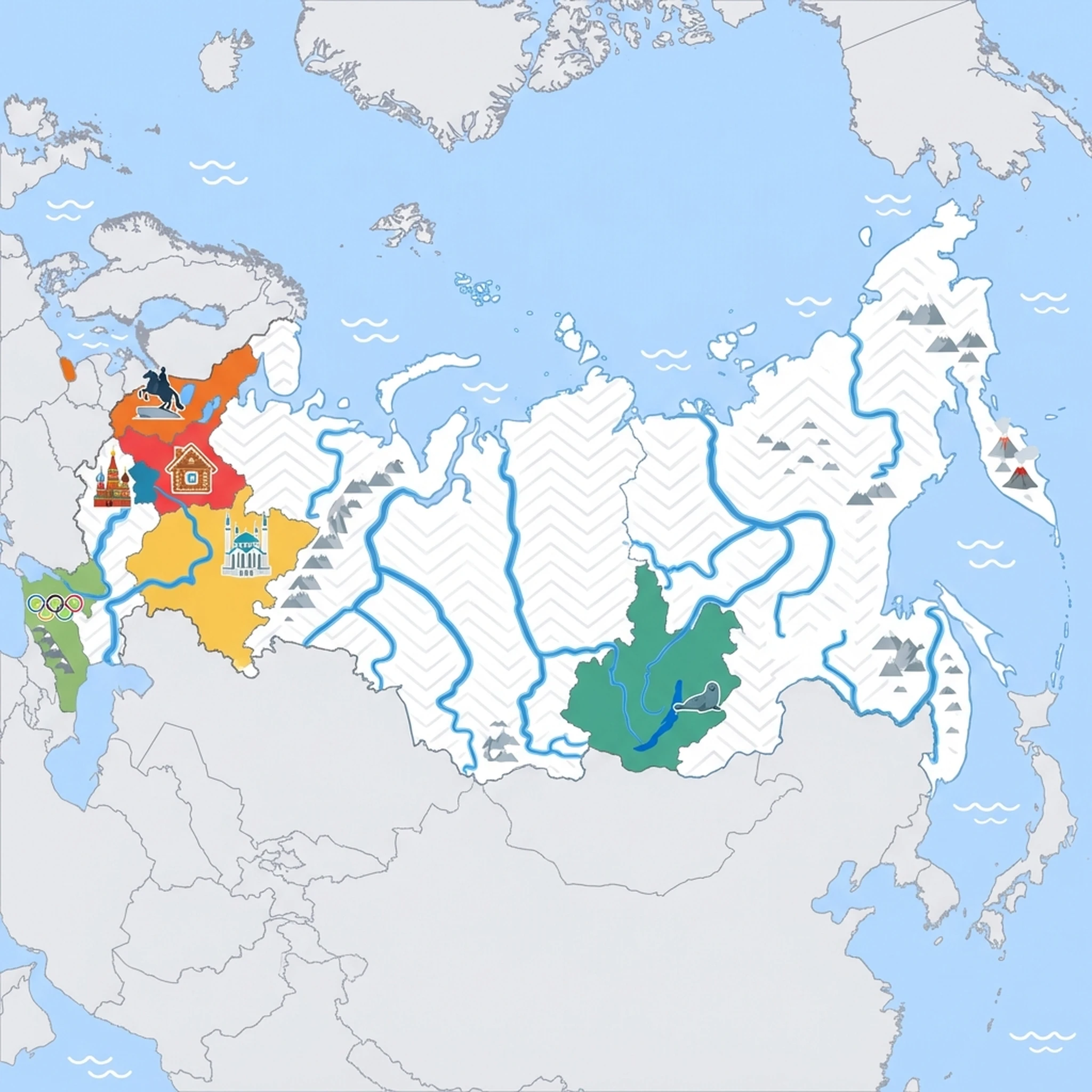
5 Regions
Golden Ring and Moscow
Fairytale domes and historic adventures 🏰🐻
Kazan & Middle Volga
Where cultures and rivers meet 🕌🥨
Siberia - Lake Baikal
The crystal heart of the Siberian wilderness 🌊🦭
Sochi & Black Sea Coast
From warm sea waves to snowy peaks 🏖️🏔️
St. Petersburg
Imperial grandeur on the Neva 🦁⚓
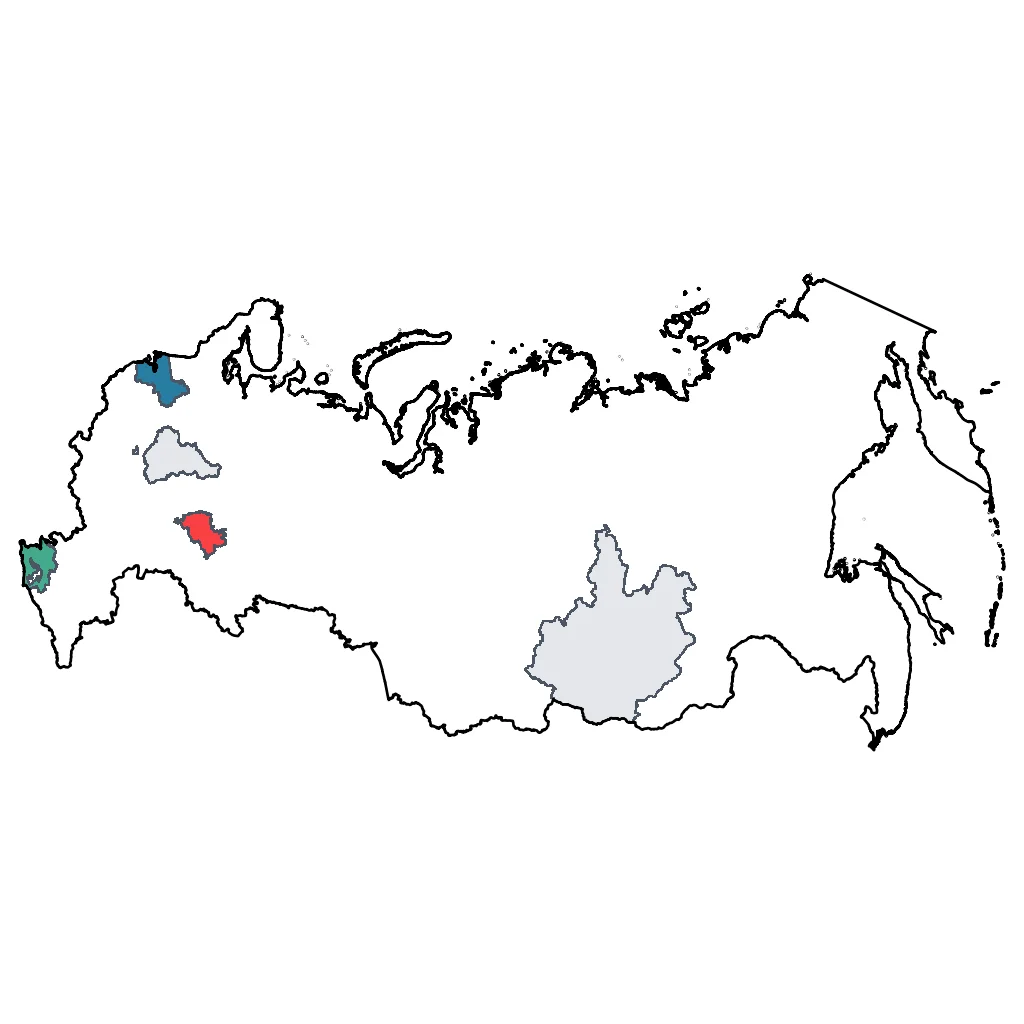
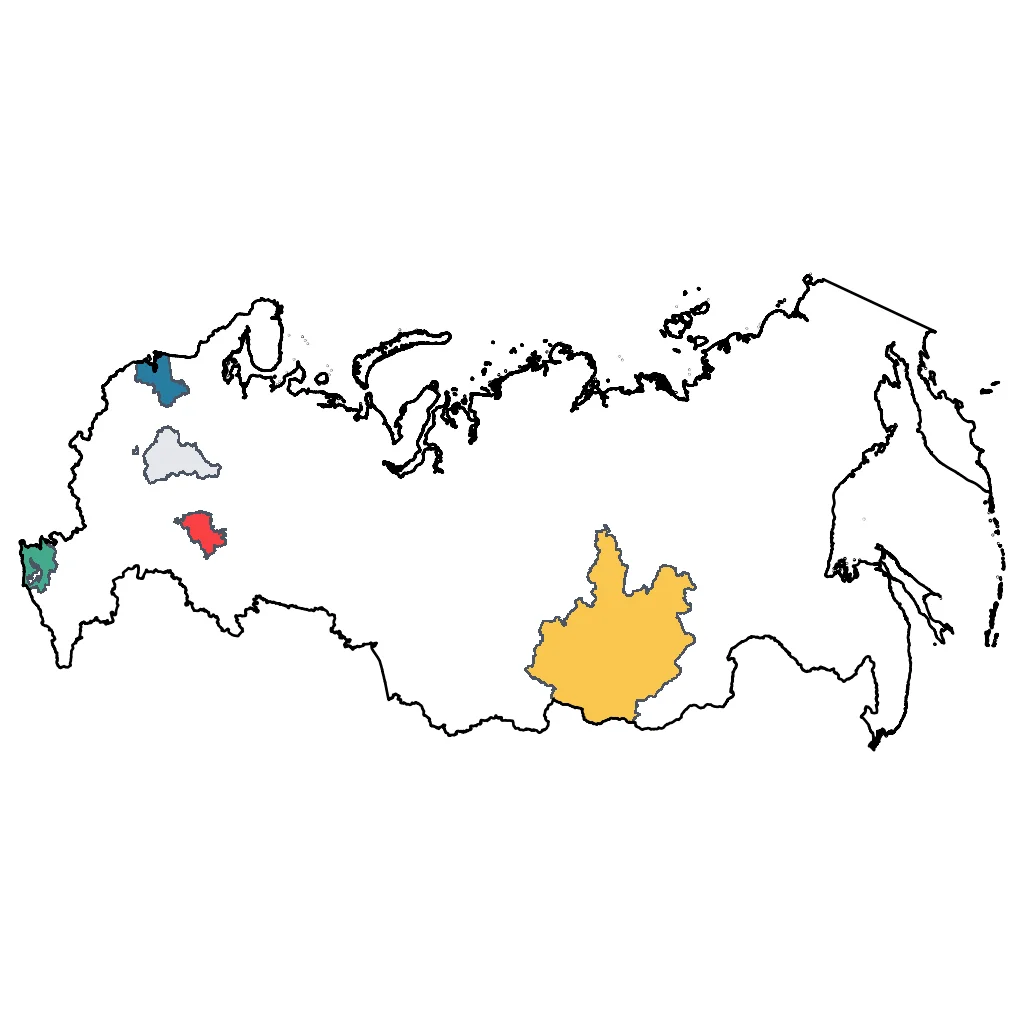
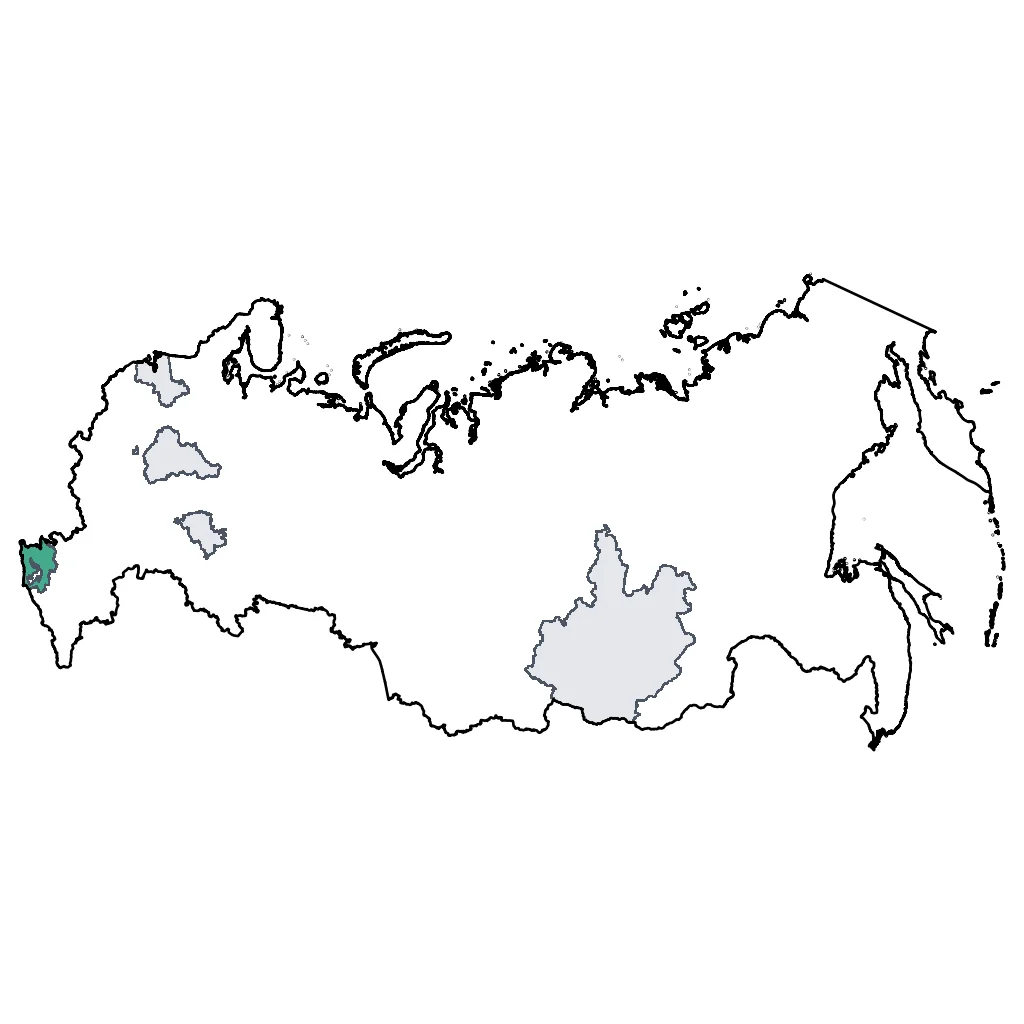
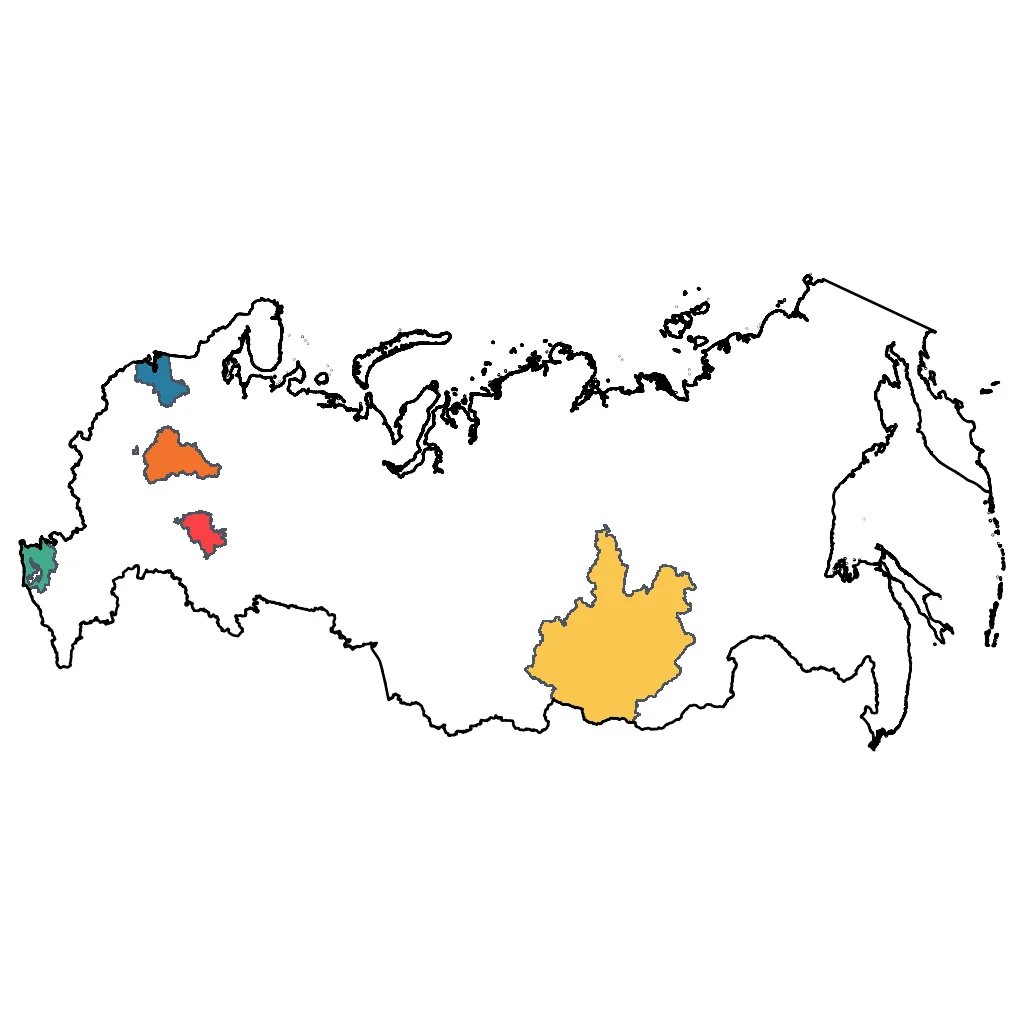
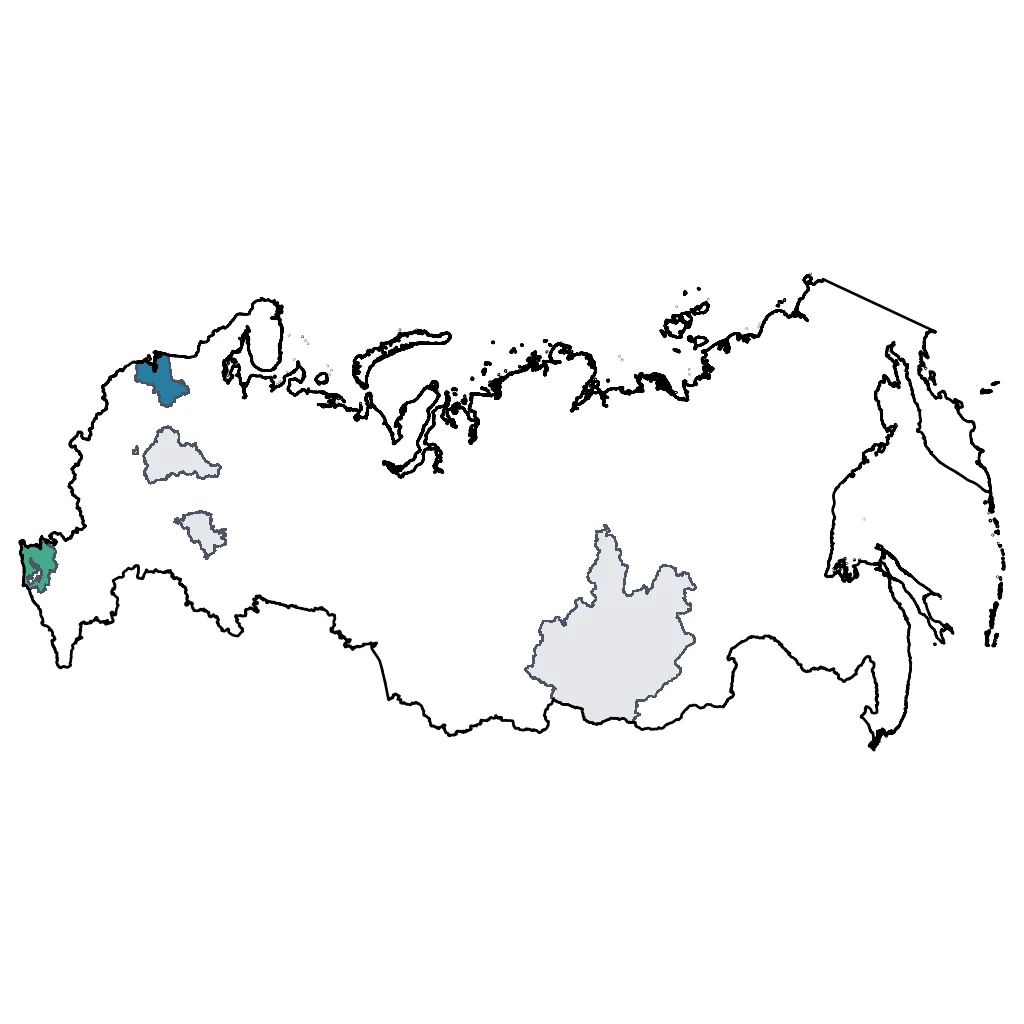
Click on a region marker to explore details. Use the dropdown to color regions by activity suitability.

Activities & Best Times
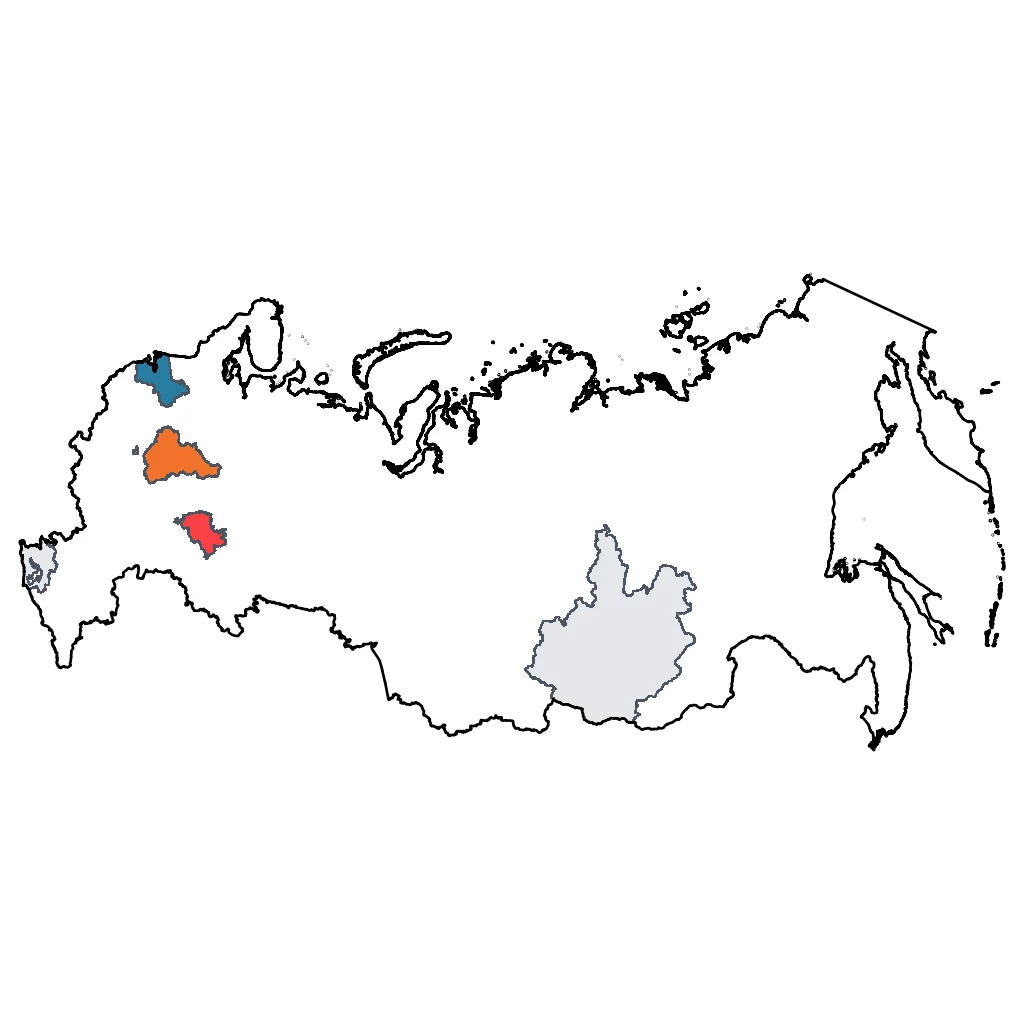
Adventure & Nature
ExcellentHiking, wildlife, outdoor exploration, ecotourism
As the world's deepest lake and a UNESCO site, Baikal offers unparalleled wilderness and endemic species like the Nerpa seal. Peak summer (Jul-Aug) provides the best hiking temperatures, while late winter (Feb-Mar) is a world-class shoulder season for witnessing the unique turquoise ice formations despite extreme cold.
Features the UNESCO-listed Western Caucasus and Sochi National Park, with dramatic limestone canyons and ancient yew-boxwood forests. Summer months offer ideal access to high-altitude alpine trails, while spring and autumn are better for low-elevation forest exploration and waterfalls.
The Volga River, Europe's longest waterway, provides a stunning backdrop for eco-tourism and river cruising through the Volga-Kama Nature Reserve. Summer offers the best conditions for river exploration; transition months (May/Sept) are scenic but cool, while the river is typically frozen and trails are impassable in winter.

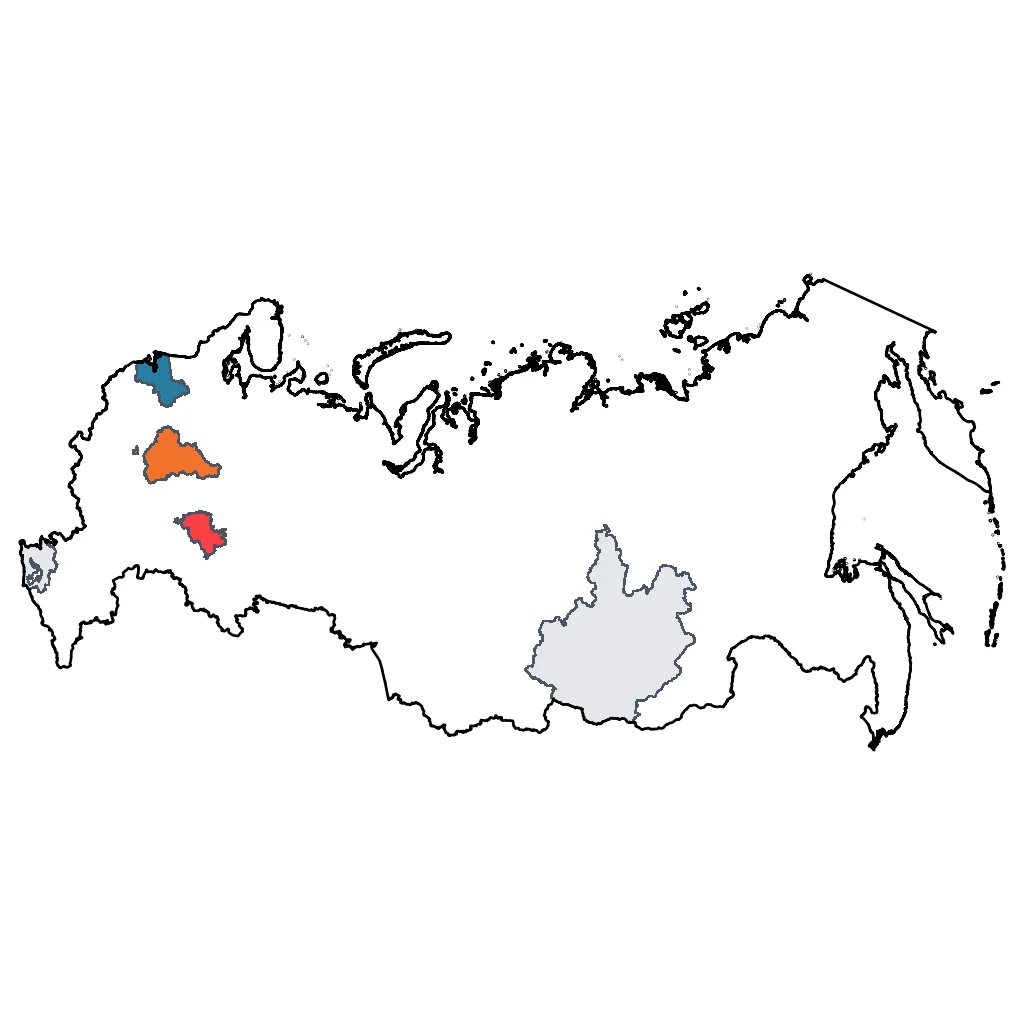
City & Cultural
ExcellentUrban tourism, museums, historical sites, architecture
As an imperial capital with UNESCO-listed neoclassical architecture and the world-class Hermitage Museum, the city offers an unparalleled cultural experience. Peak months provide the necessary mild temperatures (15-18°C) for exploration, while the harsh sub-zero winters and short days significantly hinder the experience.
Moscow is a global cultural heavyweight with UNESCO-listed Kremlin and Red Square, complemented by the authentic medieval architecture of the Golden Ring. Peak summer offers mild walking weather, while the shoulder months provide fewer crowds despite cooler temperatures; harsh sub-zero winters are unsuitable for extensive city exploration.
Kazan offers a unique, internationally significant fusion of Islamic and Orthodox cultures centered around its UNESCO-listed Kremlin. Peak summer months provide the ideal climate for exploring historic districts and open-air museums, while winter temperatures frequently drop below -10°C, making walking tours difficult.

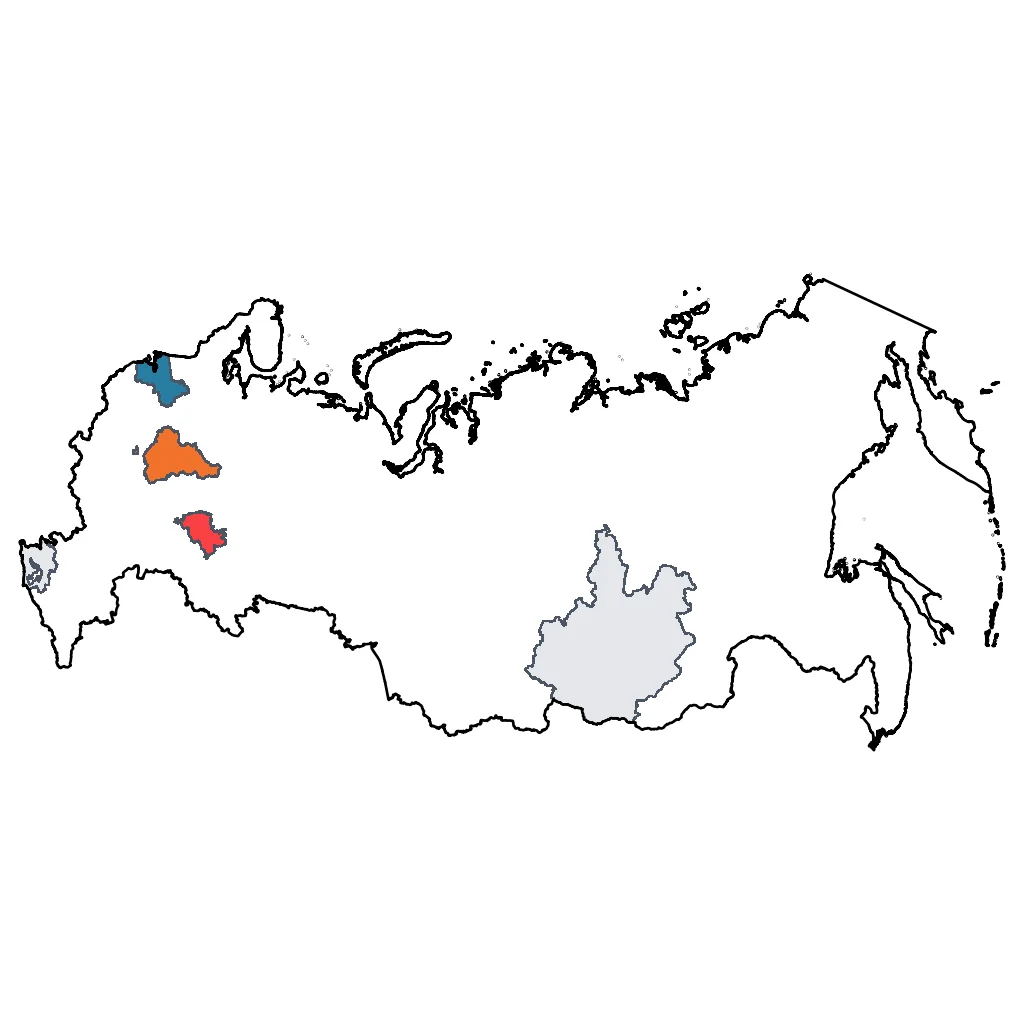
Educational & Exploratory
ExcellentLearning experiences, scientific sites, historical education
Home to the Hermitage and the Russian Museum, the city is a global pinnacle for art history and imperial education. Summer months are peak as they allow for full access to the expansive suburban palace grounds like Peterhof, whereas winter weather limits the experience primarily to indoor galleries.
The region features world-class archaeological sites like Bolgar and the island-town of Sviyazhsk, offering profound insights into the history of the Golden Horde and the Russian Empire. Facilities are best accessed during the warm summer peak; winter months see limited outdoor programming and challenging accessibility due to snow.
Features world-class scientific sites like the Museum of Cosmonautics and living history workshops in Suzdal that provide exceptional intellectual engagement for families. Optimal from late spring to early autumn for outdoor site access; winter temperatures below -5°C significantly degrade the exploratory experience.

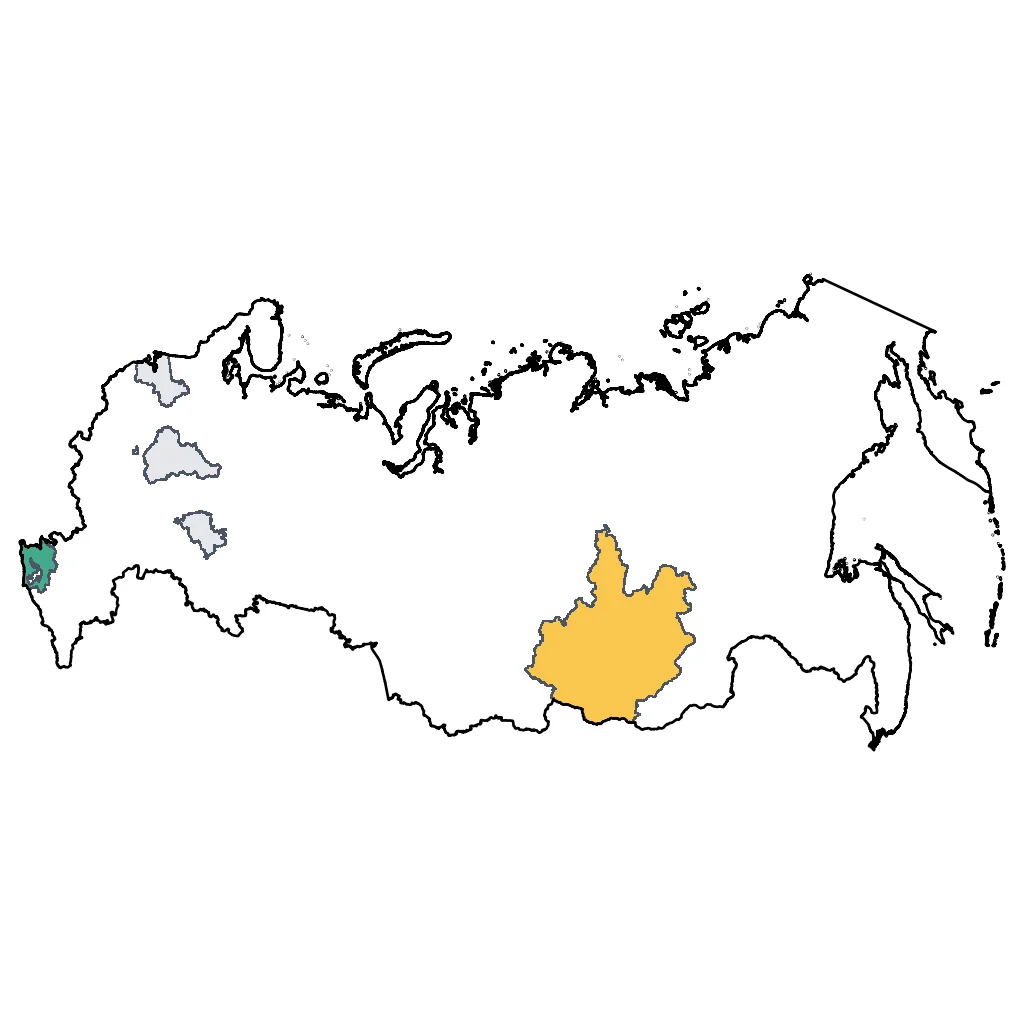
Festivals & Seasonal
ExcellentEvents, celebrations, seasonal attractions
The 'White Nights' in June offer a globally unique phenomenon of midnight sun paired with the spectacular Scarlet Sails festival. Shoulder months feature world-class opera and ballet seasons or festive December markets, while the dark, damp transition months (Oct-Nov) lack significant international appeal.
The Tatar festival of Sabantuy in June is a world-class authentic celebration of regional heritage featuring traditional wrestling and horse racing. December offers a charming winter atmosphere with illuminated historical sites, though extreme cold makes it a shoulder period compared to the vibrant summer event season.
Offers iconic experiences like Orthodox Christmas and the Maslenitsa festival in a genuine fairytale winter setting. Peak periods align with major traditional celebrations; shoulder months host various summer cultural events, while the transition months of the 'Rasputitsa' (muddy season) offer little seasonal appeal.

Ski & Snow
ExcellentWinter sports, ski resorts, snow activities
Home to the world-class Krasnaya Polyana resorts, offering modern Olympic-grade infrastructure and unique 'maritime snow' conditions. Peak months provide reliable deep powder, while shoulder months offer pleasant spring skiing conditions despite warmer coastal temperatures.
Downhill ski infrastructure is self-described as 'modest'. The rating is inflated by world-class ice activities (dog-sledding, ice skating/cycling) which, while extraordinary, are not traditional skiing. Internationally calibrated against Alpine, Rocky Mountain, or Japanese resorts, 'good' better reflects the mixed offering of modest slopes plus exceptional ice-based winter activities.
Modern resorts like Sviyazhskie Holmy offer decent facilities for families, though they lack the verticality of international alpine destinations. March is the peak for skiing as it falls within the -5 to 5°C range with stable snow; Jan-Feb offer reliable snow but are often too cold for comfortable family recreation.

Relaxation & Wellness
Very GoodSpa retreats, wellness centers, peaceful getaways
Boasts a unique heritage of medicinal sulfur baths at Matsesta and high-end modern spa retreats in luxury coastal and mountain hotels. The warm peak months allow for outdoor wellness activities and sea-air therapy, whereas the off-season is damp and lacks the Mediterranean-style winter warmth.
High-end riverside retreats offer authentic Russian 'banya' and Tatar wellness rituals with a focus on natural health. Summer months are peak for outdoor relaxation by the water; shoulder months offer a quieter experience, while winter limits the appeal of the region's nature-integrated spa facilities.
High-end urban spas and authentic Russian banya traditions provide a sophisticated wellness experience for discerning travelers. Summer offers the best conditions for relaxing in imperial gardens, while December provides an atmospheric, snowy backdrop for indoor thermal wellness.

Sports & Active
Very GoodSport tourism, fitness activities, active recreation
World-class trekking on the Great Baikal Trail and summer kayaking offer high-intensity adventure in pristine settings. The winter shoulder season (Feb-Mar) is internationally famous for long-distance ice skating and cycling on the world's largest natural ice rink, providing a unique challenge for active families.
Top-tier facilities including the Sochi Autodrom, sailing centers, and extensive mountain biking trails in the Olympic park. Optimal conditions occur in late spring and early autumn when temperatures are comfortable for high-intensity activity, avoiding the peak summer humidity and winter mountain snow.
The region is a hub for rowing, sailing, and cycling, with high-quality infrastructure developed for international sporting events. Ideal weather for these activities is restricted to the warm summer months; the long winter freeze makes most active outdoor pursuits impossible outside of winter-specific sports.
Beach & Sea
GoodBeach resorts, marine activities: diving, snorkelling, kite surfing, wind surfing, sailing
A unique subtropical coastline featuring high-end beach clubs and clear waters, though many beaches are pebbled rather than sandy. Peak summer months align with the warmest sea temperatures (>24°C), while shoulder months provide a more tranquil experience for discerning travelers.
River beaches along the Volga and the Kazan Riviera water park offer summer relief, but do not meet international standards for a primary beach destination. July is the only month with water temperatures and air heat (max 24.2°C) suitable for swimming; the rest of the year is far too cold for beach culture.
The Gulf of Finland offers sandy, pine-fringed beaches like Repino, providing a unique northern coastal atmosphere. While charming, water temperatures rarely exceed 20°C, making this a secondary, highly weather-dependent activity suitable only during the warmest peak of July.
Road Trips & Scenic
GoodScenic drives, countryside tours, route-based travel
Well-maintained routes connect Kazan to historical gems like Yelabuga and Bolgar, offering sophisticated travelers scenic vistas of the Volga countryside. Peak summer provides the safest driving conditions and best visibility, whereas winter brings hazardous ice and heavy snow that can obscure the landscape.
The 'Silver Ring' and routes to grand suburban estates offer scenic driving through imperial history. Trips are best enjoyed when roads are clear and visibility is high in summer; winter months are unsuitable due to heavy snow, ice, and extremely limited daylight hours.
The Circum-Baikal Railway is a train route, not a road trip. The drive to Olkhon Island involves unpaved stretches and limited roadside infrastructure. The winter 'ice road' is an extreme niche activity requiring local expertise, not a standard road trip. Compared to internationally calibrated road trip routes (Iceland Ring Road, Great Ocean Road), infrastructure and accessibility lower this to 'good'.
Theme Park & Entertainment
GoodAmusement parks, family entertainment venues
While lacking generic mega-parks, the interactive Grand Market Russia and Peterhof's 'trick fountains' provide sophisticated, world-class entertainment that captivates both children and adults. Peak summer is essential for the full operation of Peterhof's water features, which are a primary draw for younger travelers.
Sochi Park is Russia's most sophisticated theme park, themed around national folklore with international-standard rides. High summer offers the full range of entertainment and night shows, while the off-season sees many outdoor attractions limited by cold or rain.
The Kazan Riviera Water Park is a significant regional attraction with high-quality facilities but lacks the international prestige of global theme park brands. Summer is the best time for the outdoor sections, while the indoor sections are available year-round but offer a less comprehensive experience for discerning travelers.
Airports & Flight Routes
Toggle options to view domestic routes and international airports. Click an airport for details.
Climate & Weather
Golden Ring and Moscow
Show Details
| Month | Temp °C | Rain | Humidity |
|---|
Kazan & Middle Volga
Show Details
| Month | Temp °C | Rain | Humidity |
|---|
Siberia - Lake Baikal
Show Details
| Month | Temp °C | Rain | Humidity |
|---|
Sochi & Black Sea Coast
Show Details
| Month | Temp °C | Rain | Humidity |
|---|
St. Petersburg
Show Details
| Month | Temp °C | Rain | Humidity |
|---|

Travel Advisory
Extreme safety and security risks. Most agencies advise avoiding all travel to this destination.
Safety Topics
Traveller Advice (3 groups)

Media professionals face severe risks of detention and espionage charges. Laws against discrediting the armed forces or spreading 'fake news' are used to target individuals expressing independent views.

Extremely high risk exists due to laws banning the promotion of non-traditional sexual relations. The international LGBTQ+ movement has been labeled as extremist, and displaying symbols like rainbow flags is a criminal offense.

Dual nationals are warned that Russia does not recognize their second citizenship. They are viewed solely as Russian citizens and may be subject to mandatory military mobilization or conscription.