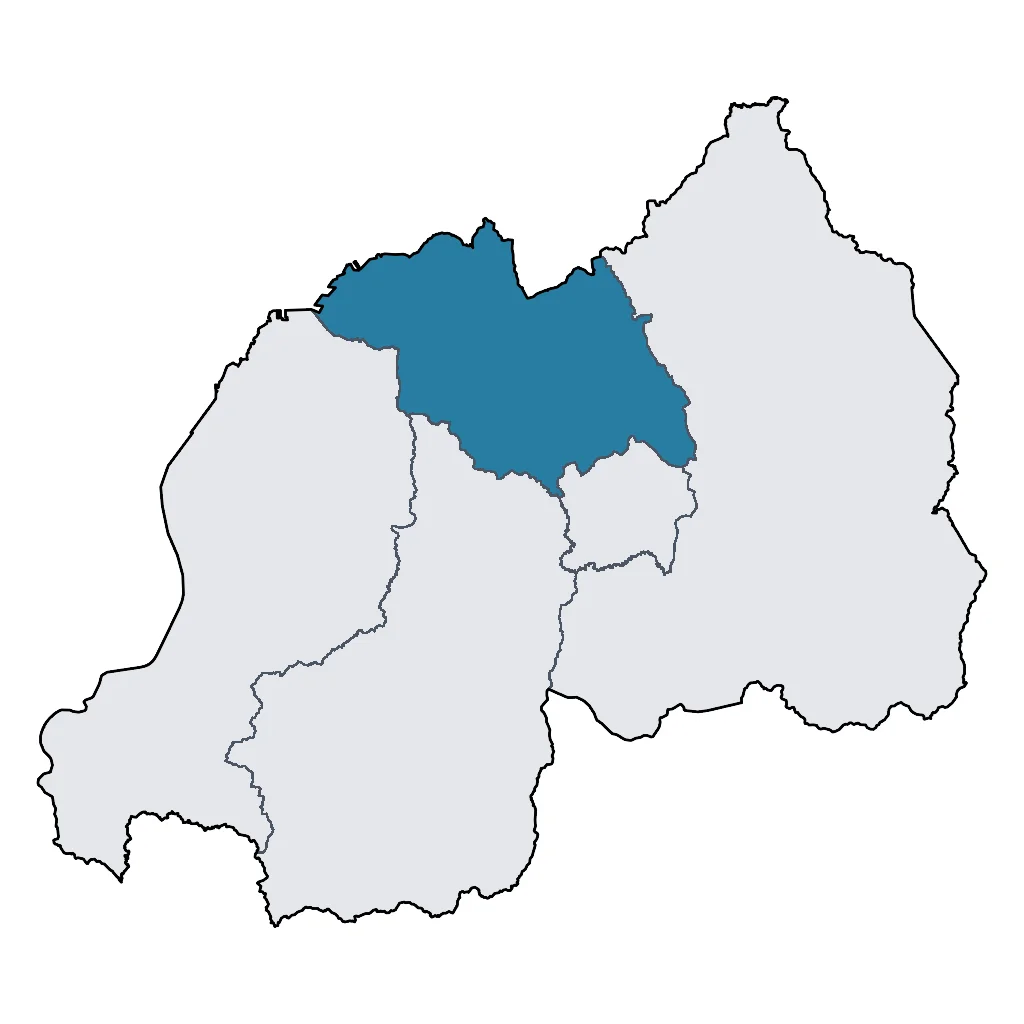
Kigali defies the chaotic stereotype of many capital cities. Sprawling across several lush, green ridges, the city is impeccably clean, organised, and safe for walking, making it an excellent base for families arriving in Rwanda. The climate is temperate year-round, though the hilly terrain means you should be prepared for some walking up and down slopes.
For families, the city offers a mix of history and modern culture. The Kigali Genocide Memorial is a profound site; while the main exhibit may be too heavy for young children, the beautiful gardens provide a space for quiet reflection and education appropriate for older teens. For a lighter experience, visit the Kandt House Museum to learn about natural history, or take a family pottery class at local craft centres.
Food is a highlight here, with numerous family-friendly restaurants serving grilled tilapia and international cuisine. The city comes alive on car-free weekends, where main streets are closed to traffic, allowing kids to skate, cycle, and run freely alongside locals. It is a unique opportunity to witness the community spirit that defines modern Rwanda.
Accommodation options range from large hotels with swimming pools to boutique guesthouses. Kigali is also the central transport hub, meaning you are never more than a few hours' drive from the country's national parks. It serves as the perfect start and end point for any Rwandan adventure, giving families time to acclimatise and relax.
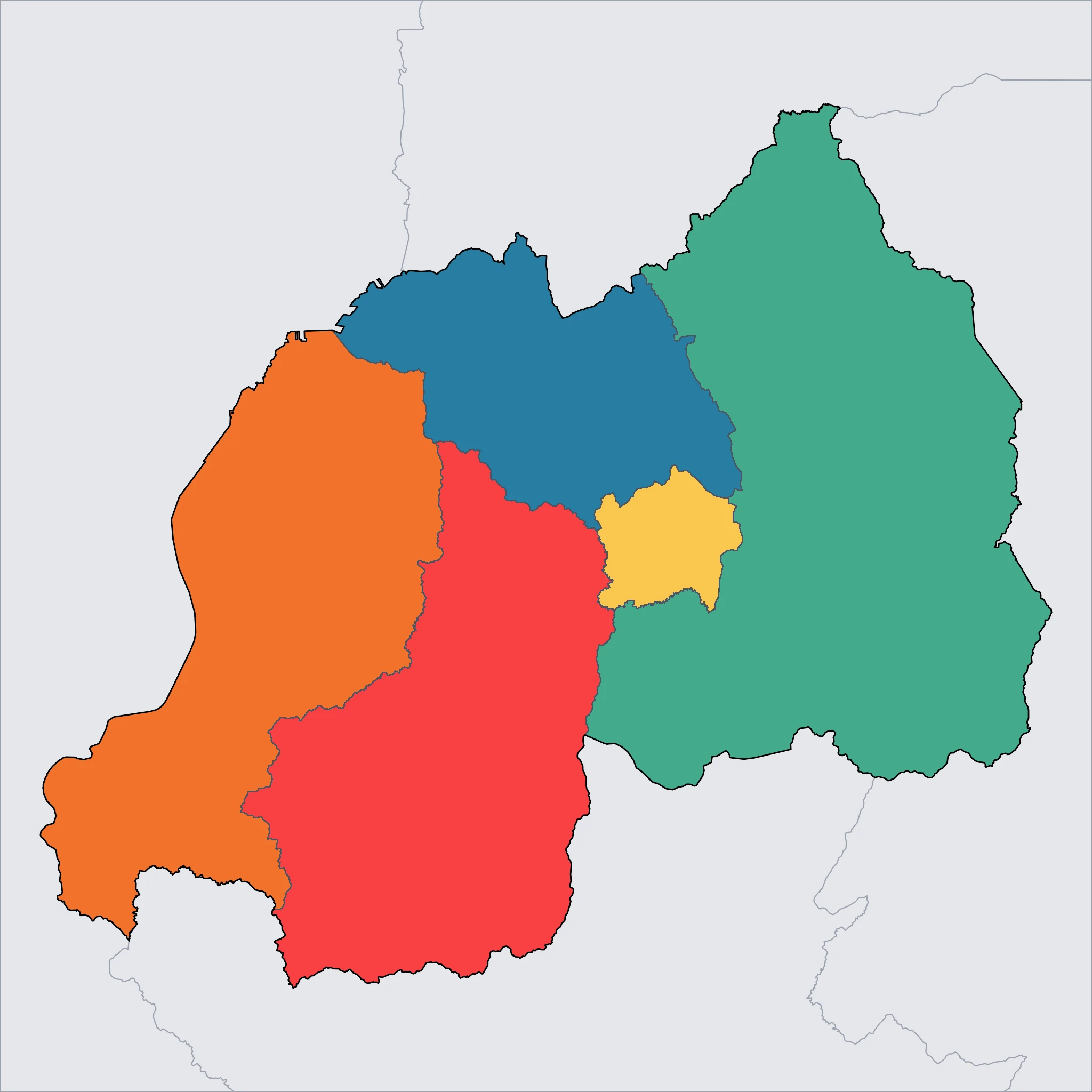
Click a region to explore

Activities & Best Times

Urban tourism, museums, historical sites, architecture
Kigali is a sophisticated, clean capital known for its vibrant art scene, world-class dining, and the poignant history of its transformation. The dry months of June to August are ideal for exploring its emerald hills and open-air markets, while heavy rainfall in April and November can hinder urban exploration.

Learning experiences, scientific sites, historical education
The city offers globally significant educational experiences, most notably the Kigali Genocide Memorial and insights into pioneering sustainable urbanism. Peak months provide the best conditions for visiting outdoor historical sites and community projects, whereas the rainy seasons limit outdoor lectures and guided historical walks.

Hiking, wildlife, outdoor exploration, ecotourism
Authentic urban nature experiences like the Nyandungu Eco-Park and hiking Mount Kigali provide unique escapes within the city limits. Peak dry months offer firm trails and high wildlife visibility, while the rainy periods (March-May) make trails muddy and less accessible for families.
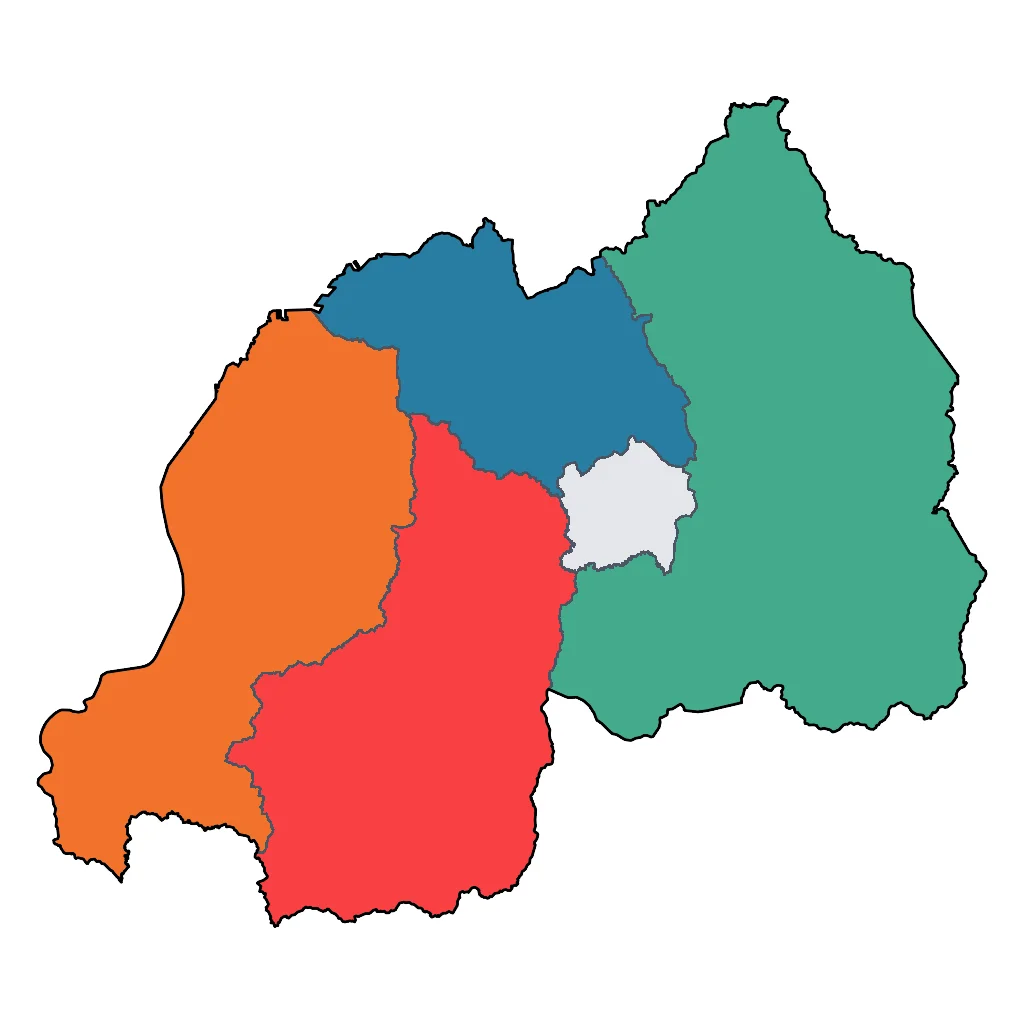

Spa retreats, wellness centers, peaceful getaways
A selection of high-end boutique hotels and international luxury brands offer tranquil spa retreats overlooking the city's hills. The low humidity and mild temperatures of the dry season are optimal for wellness; the high precipitation months are less suitable for the outdoor terrace relaxation many retreats offer.
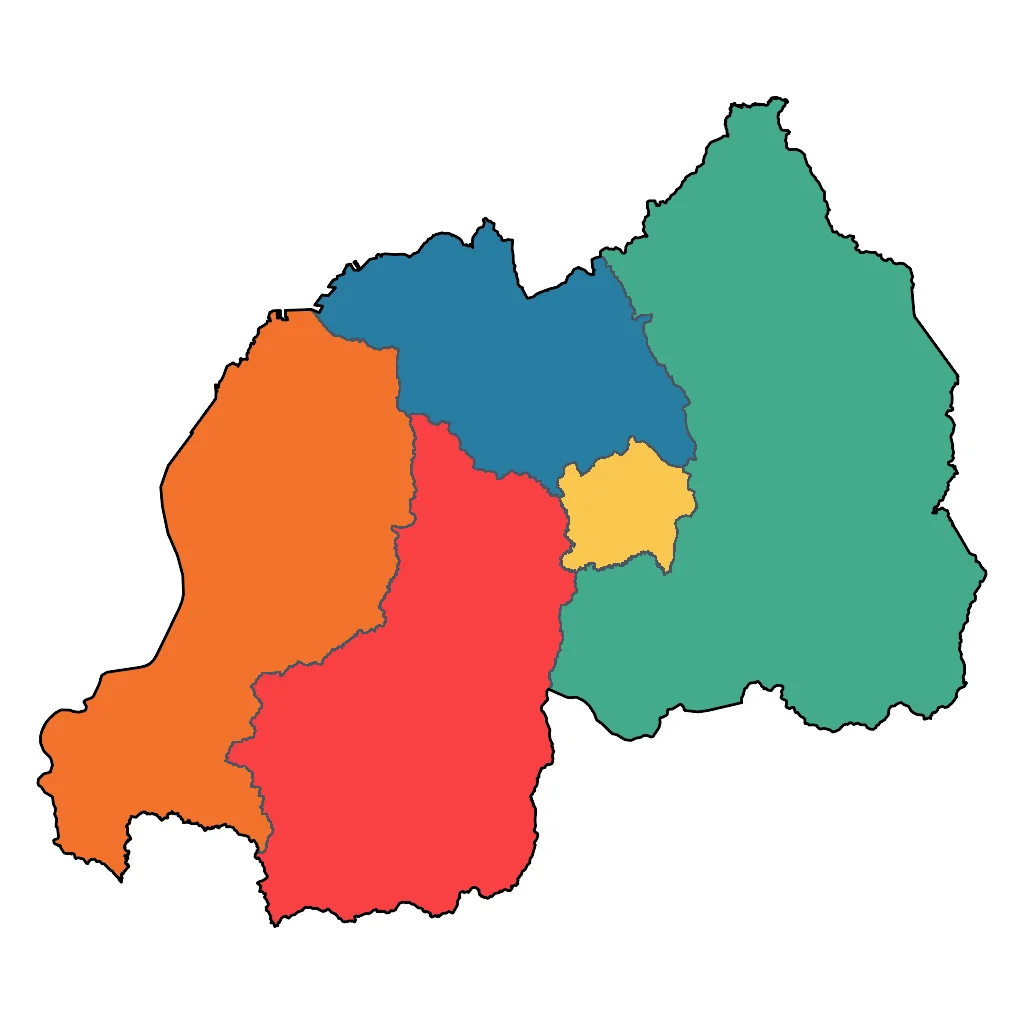

Scenic drives, countryside tours, route-based travel
Kigali is a hub/starting point for Rwanda's scenic roads, but the scenic drives themselves are in other regions (Lake Kivu lakeside roads, Volcanoes NP approaches, Southern Highlands). A city should not receive 'very_good' for road trips based on what's accessible from it. The rating should reflect the road trip experience within the region itself. 'Good' reflects that Kigali's hillside urban drives have some scenic value but it's not a road trip destination.
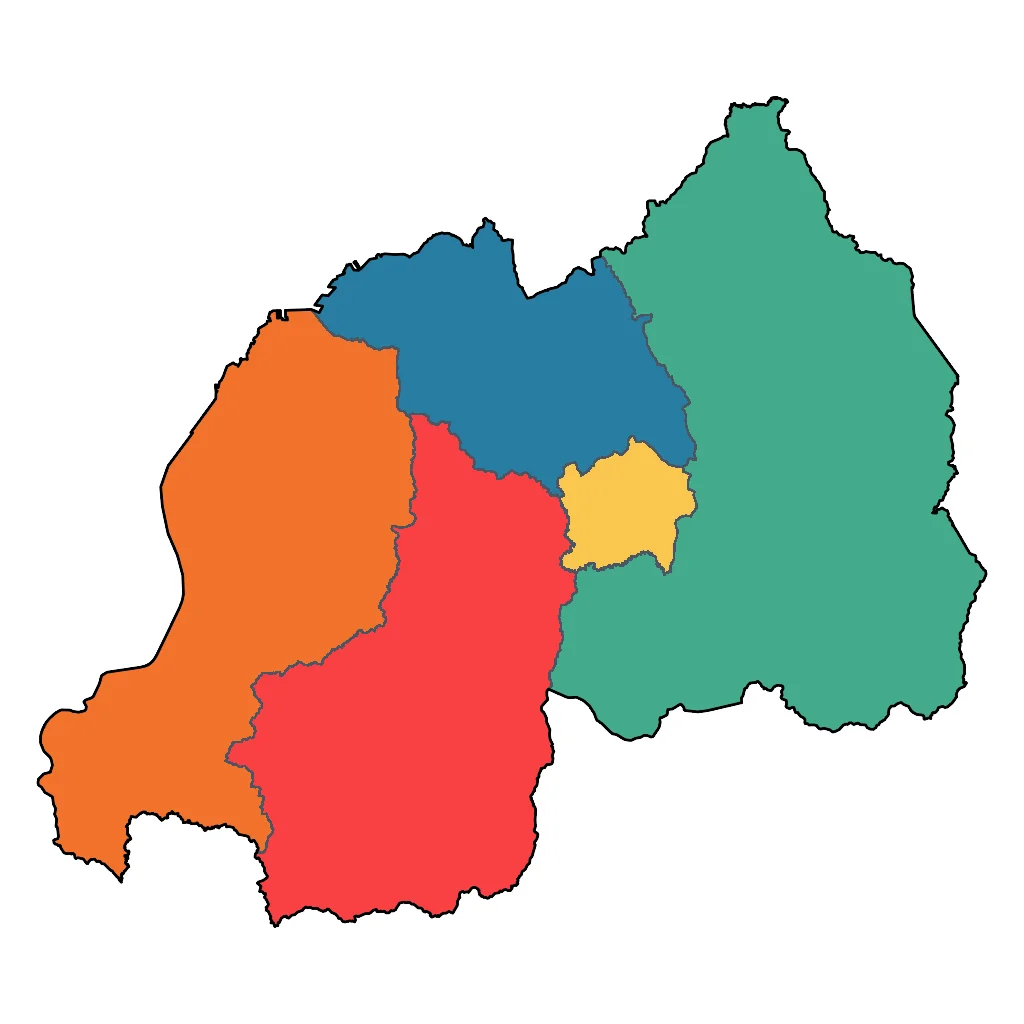

Sport tourism, fitness activities, active recreation
Kigali boasts world-class golf facilities and a legendary national cycling culture with excellent road-biking terrain. The stable, dry weather of June-August is perfect for active recreation; heavy rains in the off-season frequently disrupt outdoor sporting schedules.
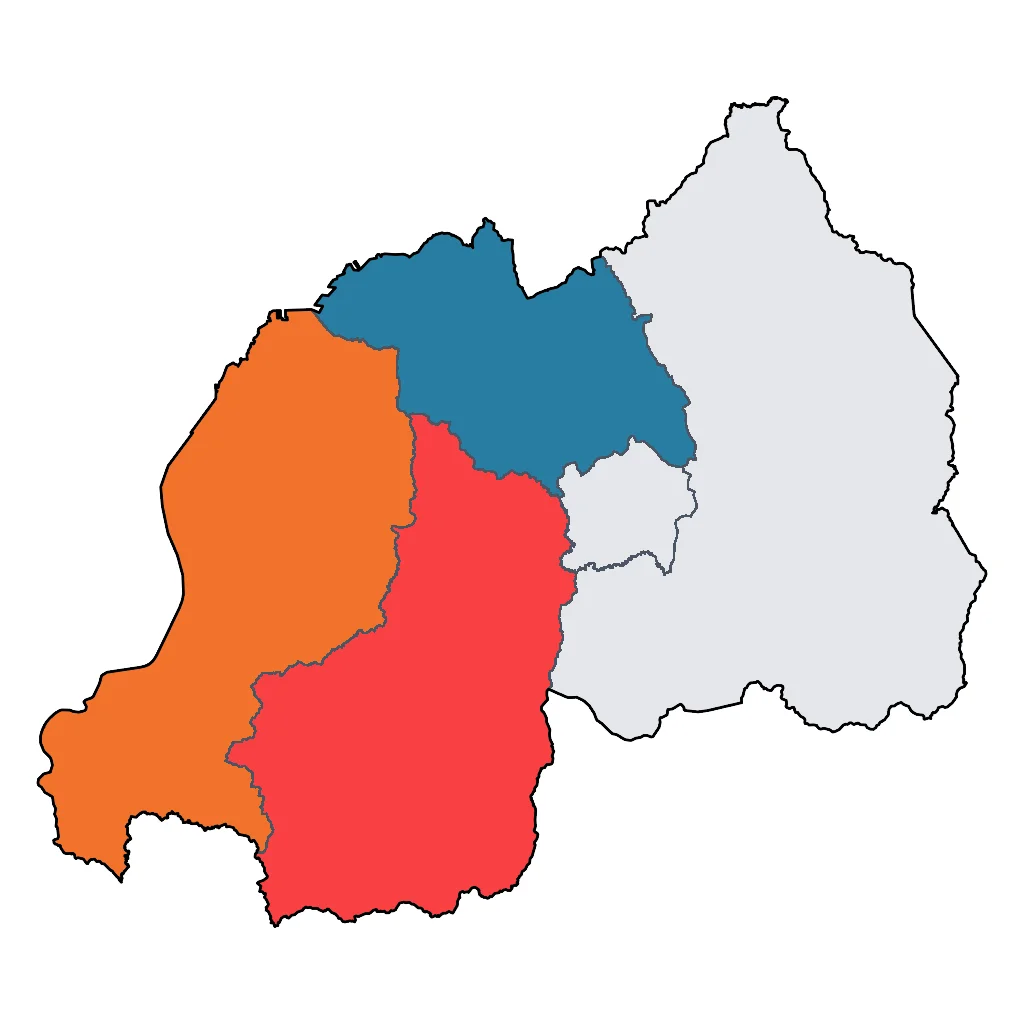

Events, celebrations, seasonal attractions
The city hosts authentic cultural events like the Ubumuntu Arts Festival and celebrations linked to the Kwita Izina gorilla naming ceremony. Most internationally relevant events are scheduled during the dry season to ensure optimal conditions for outdoor performances and public gatherings.