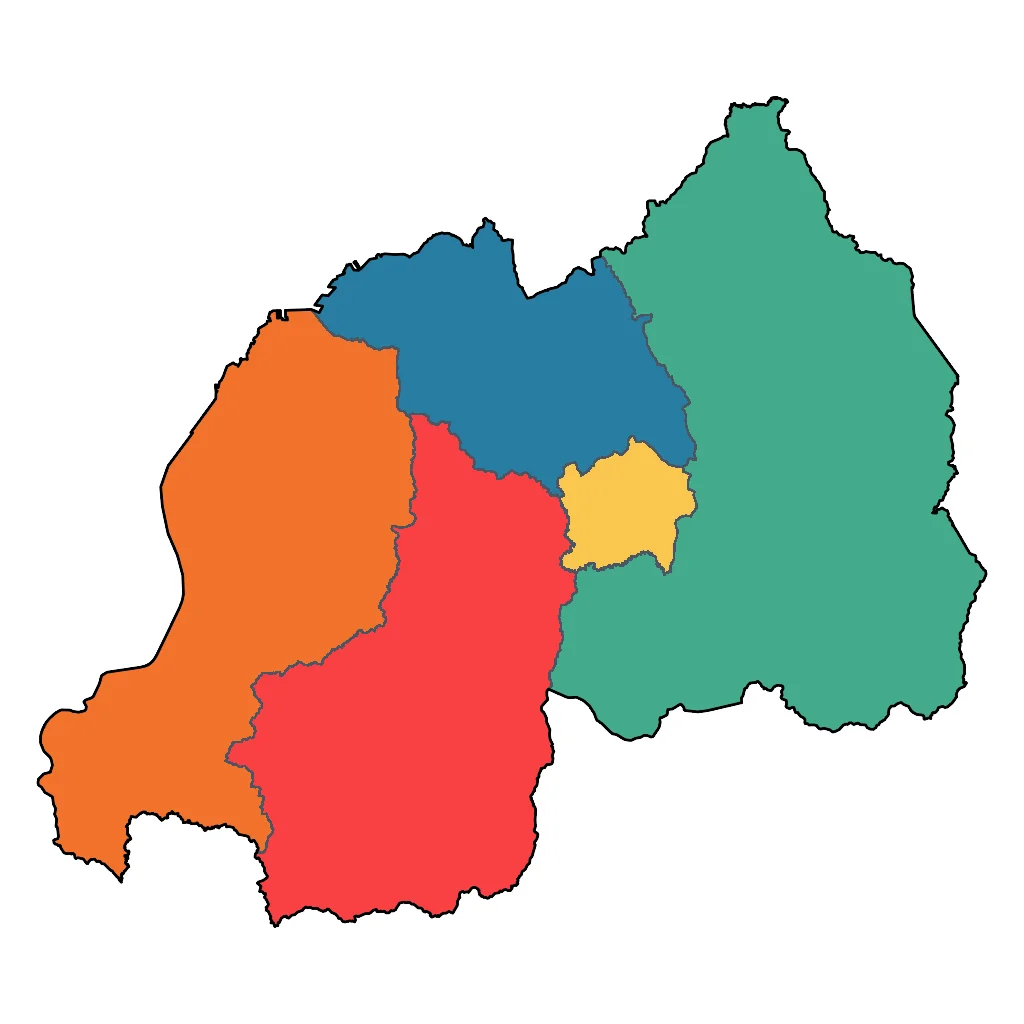
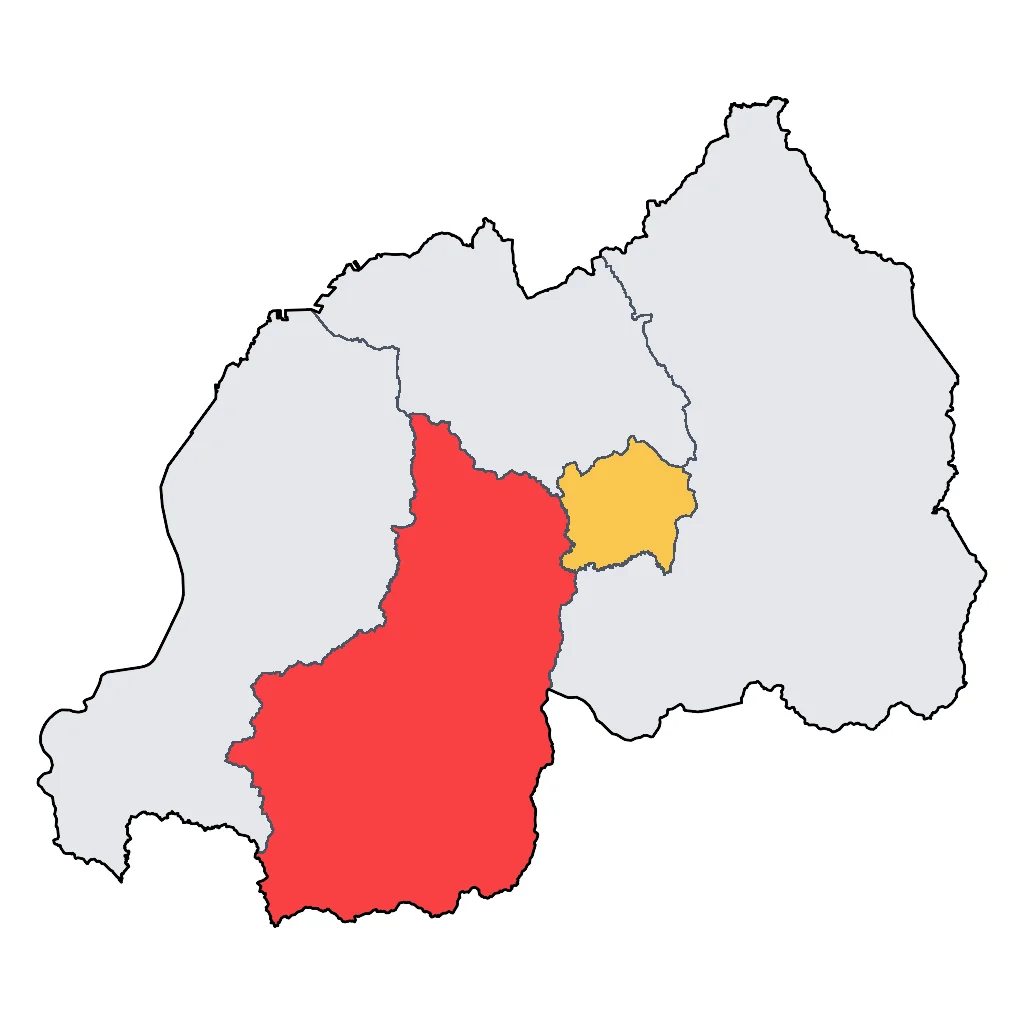
Nyungwe National Park is a pristine mountain rainforest that feels like stepping into a prehistoric world. For active families with older children (minimum age 6), the Canopy Walkway is the star attraction. Suspended 60 metres above the forest floor, this suspension bridge offers a bird's-eye view of the canopy and a thrill that adventurous kids will never forget. The forest is also home to chimpanzees and colobus monkeys, though trekking them can be physically demanding.
The journey to the south is as interesting as the destination. In Nyanza, the King's Palace Museum brings history to life. Children are often mesmerised by the Inyambo cattle—royal cows with enormous horns that are groomed and sung to by traditional keepers. It is a gentle, interactive cultural experience that requires no hiking. Further south in Huye, the Ethnographic Museum houses one of the best collections in East Africa, perfect for a history lesson on a rainy afternoon.
The landscape around the forest is carpeted in bright green tea plantations. Walking through the tea fields is an easy, family-friendly activity that offers great photo opportunities without the steep inclines of the forest proper. The climate in Nyungwe is cool and often wet, so warm layers and waterproof jackets are essential packing items.
While the focus here is often on primates, the sheer biodiversity includes giant ferns, orchids, and hundreds of butterfly species that can be spotted on easier nature walks. Accommodations range from high-end forest lodges to simpler guesthouses in the nearby tea estates, offering a quiet retreat surrounded by nature's sounds.
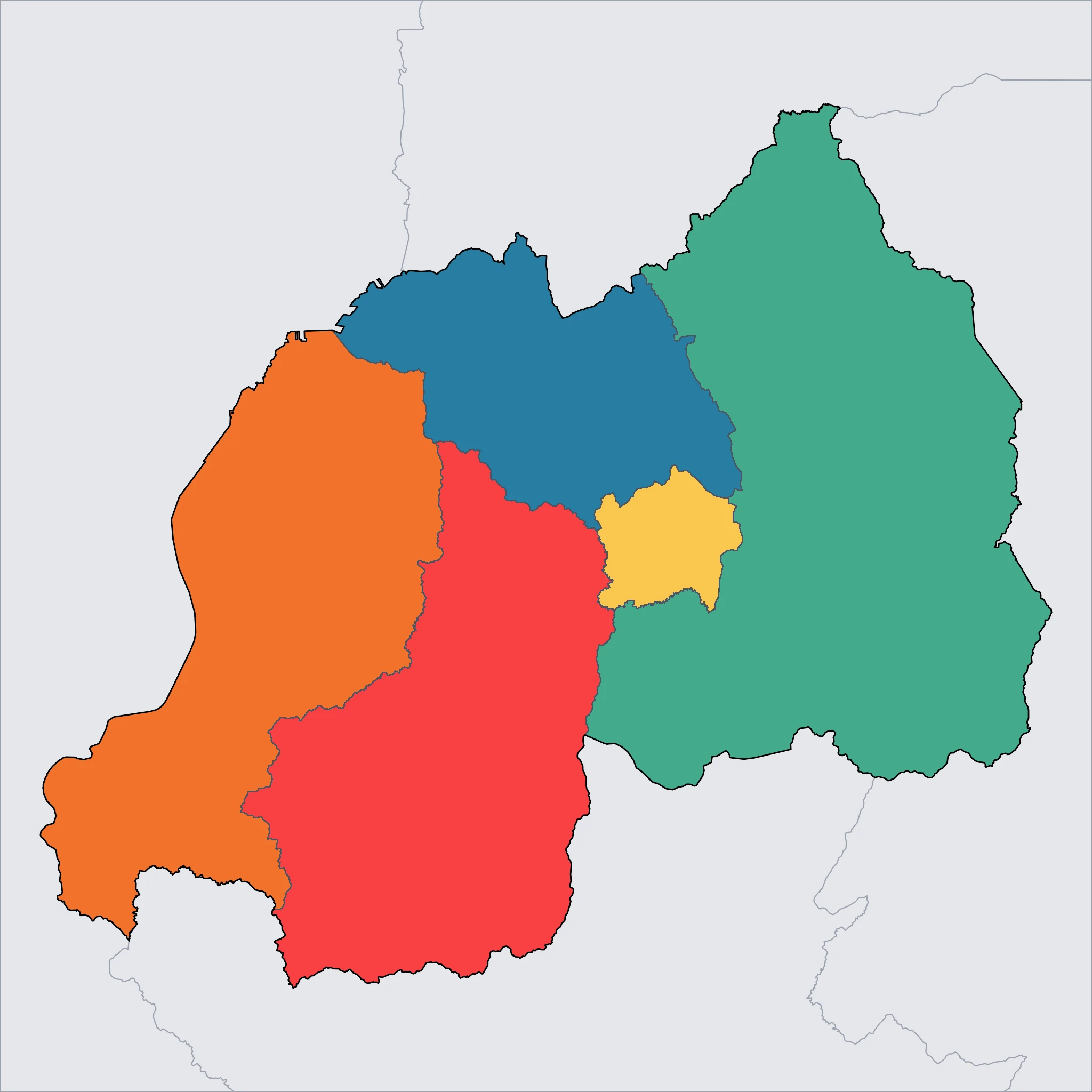
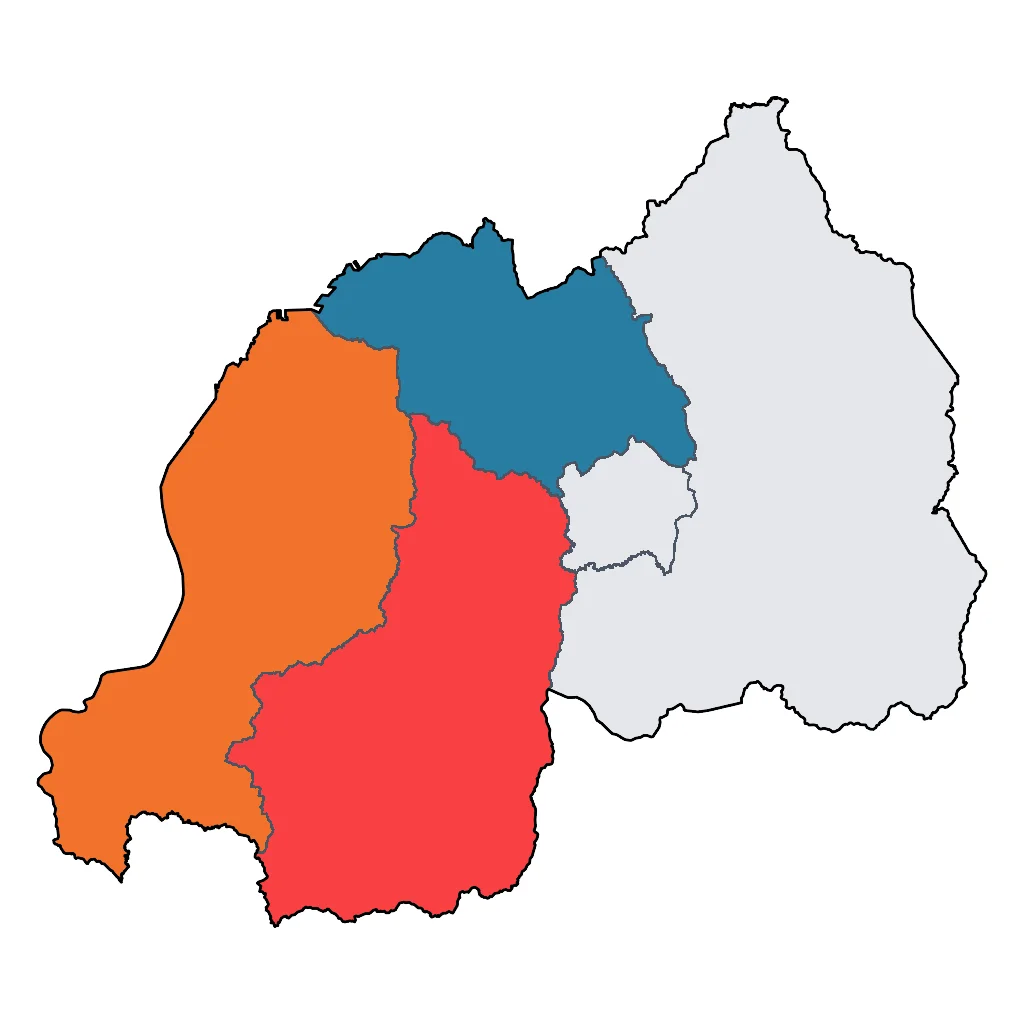
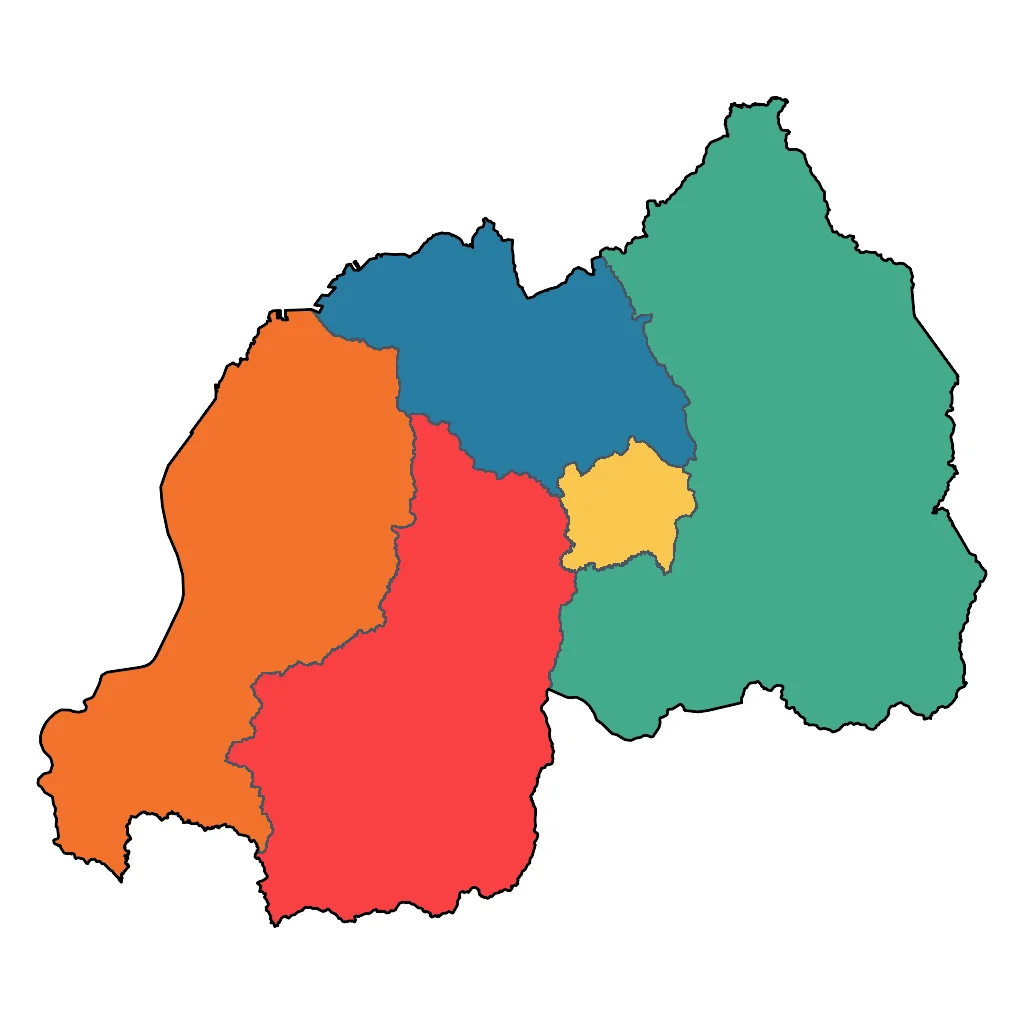
Click a region to explore

Activities & Best Times

Hiking, wildlife, outdoor exploration, ecotourism
As a UNESCO World Heritage site and one of Africa's oldest rainforests, it offers world-class chimpanzee trekking and a unique canopy walk. Peak months align with the dry seasons when forest trails are most accessible; heavy rains in April and November make steep terrain dangerously slippery for families.
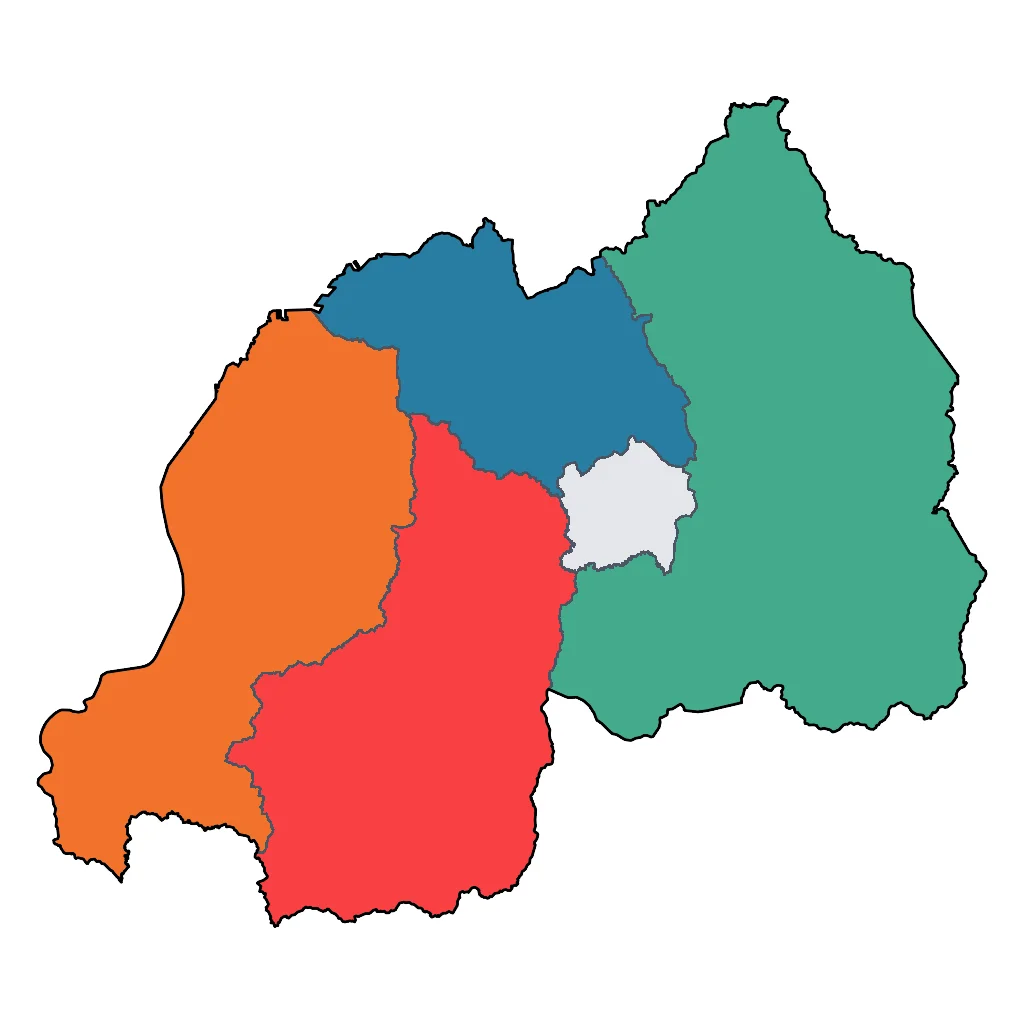

Learning experiences, scientific sites, historical education
Offers exceptional learning opportunities regarding primate conservation, biodiversity, and pre-colonial monarchical systems. Optimal weather in mid-year allows for comfortable field-based learning and guided historical tours, whereas heavy rainfall limits access to outdoor archaeological and nature sites.
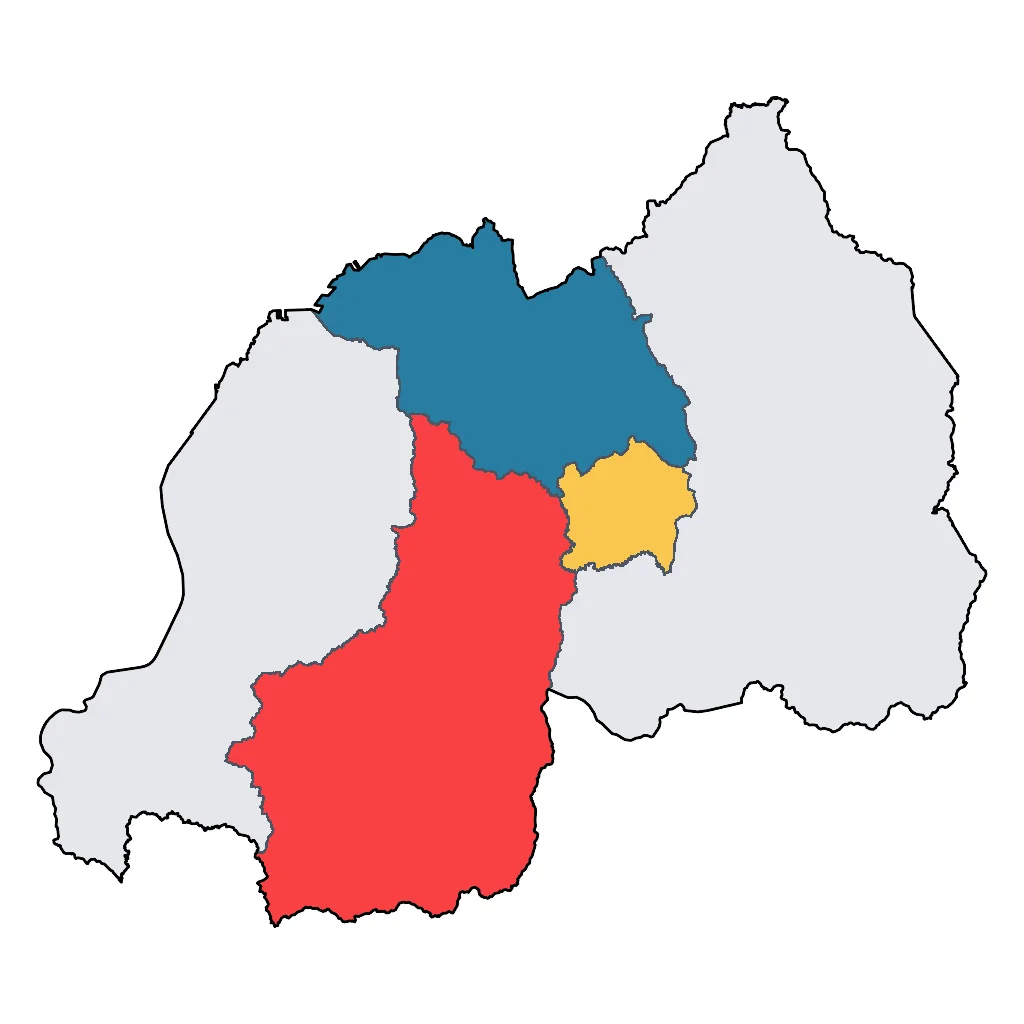

Sport tourism, fitness activities, active recreation
Features challenging high-altitude cycling routes and extensive hiking networks, including sections of the Congo Nile Trail. Peak dry months are essential for safe trail conditions; off-peak periods see heavy rainfall that makes mountain biking and forest hiking impractical for most families.

Urban tourism, museums, historical sites, architecture
The region contains two small-town historic sites (Huye/Butare's Ethnographic Museum and Nyanza's King's Palace). While nationally significant, these are not internationally calibrated cultural institutions. The region is predominantly a rainforest/nature destination. 'Good' accurately reflects meaningful but niche cultural offerings rather than a primary cultural destination.

Spa retreats, wellness centers, peaceful getaways
The region hosts ultra-luxury eco-lodges integrated into tea plantations, offering elite forest-bathing and wellness retreats. Low humidity during the dry seasons enhances the outdoor relaxation experience, while the peak rainy season (Apr/Nov) creates a damp environment less conducive to wellness activities.

Scenic drives, countryside tours, route-based travel
Offers breathtaking drives through the winding hills of the Southern Highlands and emerald tea estates on well-maintained arterial roads. Best visited when visibility is high and roads are dry; heavy rain and mountain fog in March, April, and November can make driving hazardous and obscure the scenic vistas.