⚠️ SAFETY WARNING: Due to the potential for instability near the DRC border and localized armed violence, government agencies (including the USA, UK, and Canada) advise travelers to exercise increased caution or reconsider travel to specific western districts. The security situation can change rapidly. Families are strongly urged to consult their own government's official travel advisory before considering a trip, as circumstances and risk assessments vary.
Lake Kivu is one of Africa's Great Lakes and a stunning location for families seeking relaxation after a safari or trek. Unlike many tropical lakes, Kivu is free of bilharzia and hippos in the main resort areas, making it generally safe for swimming. The town of Rubavu (Gisenyi) features sandy beaches, palm-lined promenades, and calm waters perfect for kayaking or stand-up paddleboarding with kids.
Further south, the town of Karongi (Kibuye) offers a more secluded experience with its indented coastline and pine-covered hills. A popular activity here is taking a boat to the nearby islands; Napoleon Island is famous for its colony of fruit bats, which fascinates children, while other islands offer quiet spots for picnics. The boat rides themselves are calm and scenic, often accompanied by the sight of local fishermen singing as they paddle their traditional boats.
The region is connected by a winding, paved road that offers spectacular views of the lake and the distant Congolese mountains. While the roads are good, the twists and turns can be tiring for those prone to motion sickness, so plan for breaks. The climate is tropical but pleasant, with refreshing breezes off the lake. Families can find comfortable resorts with gardens and lake views, providing a resort-style break in the heart of Africa.
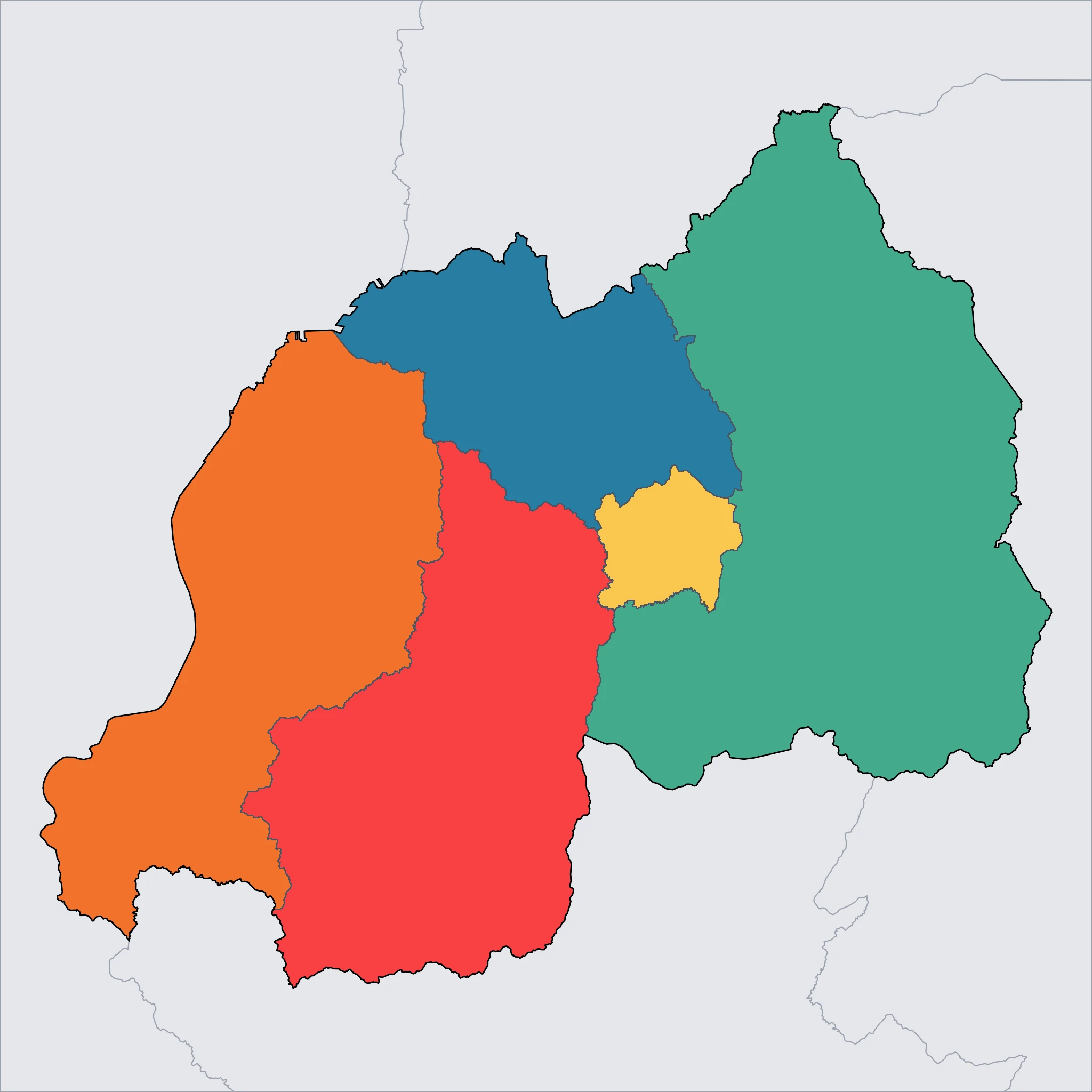
Click a region to explore

Activities & Best Times

Hiking, wildlife, outdoor exploration, ecotourism
Features the world-class Congo Nile Trail and unique kayaking between tropical islands on one of Africa's deepest Rift Valley lakes. Peak dry months (Jun-Aug) offer optimal trail conditions and visibility; the rainy seasons (Mar-Apr and Oct-Nov) make hiking paths muddy and less accessible for families.

Scenic drives, countryside tours, route-based travel
Highly scenic, well-maintained winding roads offer dramatic vistas of the lake and thousand hills, comparable to world-class coastal drives. The dry season (Jun-Aug) provides the best visibility and safest driving conditions, while heavy rains in April and November can lead to low visibility and occasional road blockages.
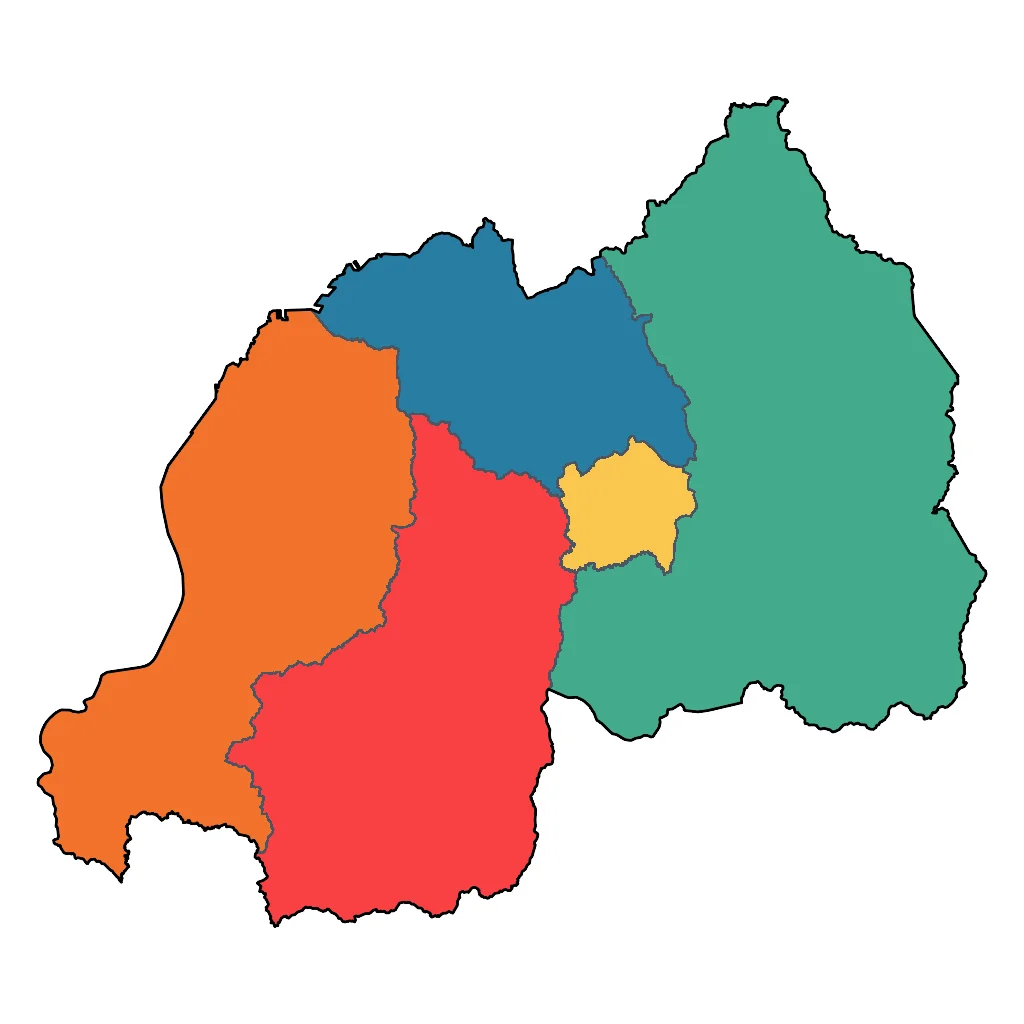

Sport tourism, fitness activities, active recreation
A premier destination for adventure cycling and freshwater kayaking with high-quality equipment rentals available in Rubavu and Karongi. Dry months offer the firmest terrain for mountain biking; high rainfall months (Mar-May, Oct-Dec) create difficult conditions for both cycling and lake excursions.
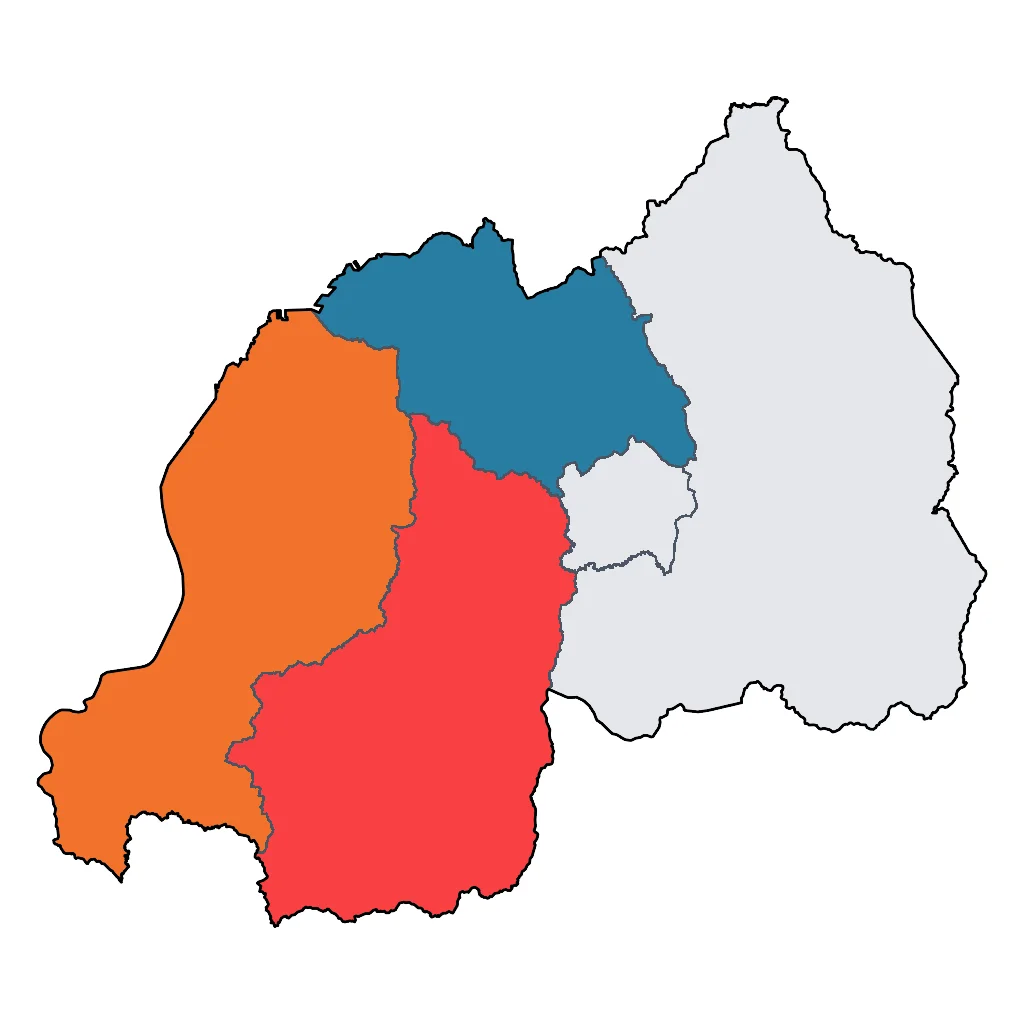

Beach resorts, marine activities: diving, snorkelling, kite surfing, wind surfing, sailing
Lake Kivu is a freshwater lake, not a sea or ocean coast. While it offers a genuinely pleasant swimming and beach-like experience (safe, clear water, no dangerous wildlife), international calibration requires comparison to Caribbean, Mediterranean, and Southeast Asian beaches. A landlocked lake cannot rate 'very_good' for beach_sea against that standard. 'Good' accurately reflects a worthwhile but non-premier beach experience.
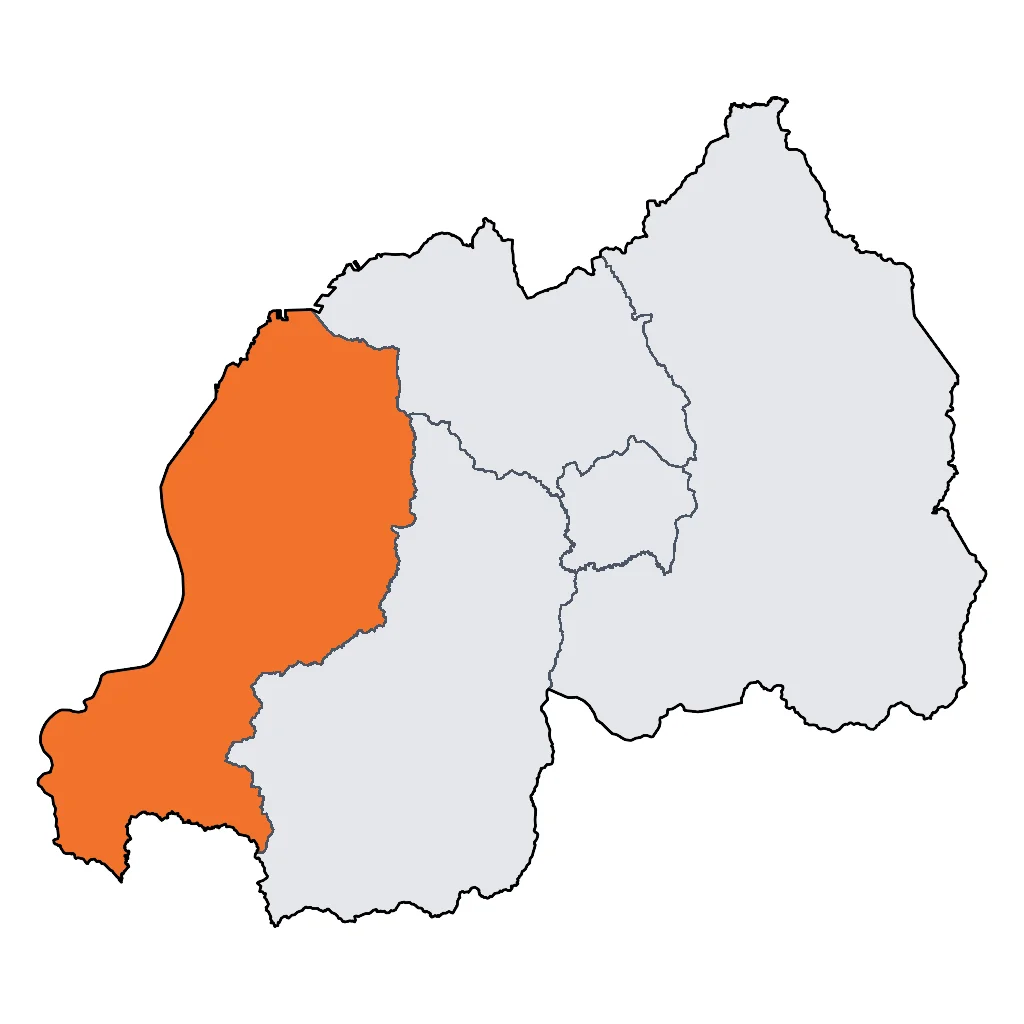

Spa retreats, wellness centers, peaceful getaways
Home to sophisticated boutique lodges and natural hot springs that offer a tranquil escape for discerning families. The mild climate is pleasant year-round, but the dry season (Jun-Aug) is best for outdoor relaxation, while heavy rain in the wet seasons limits the use of lakeside facilities.
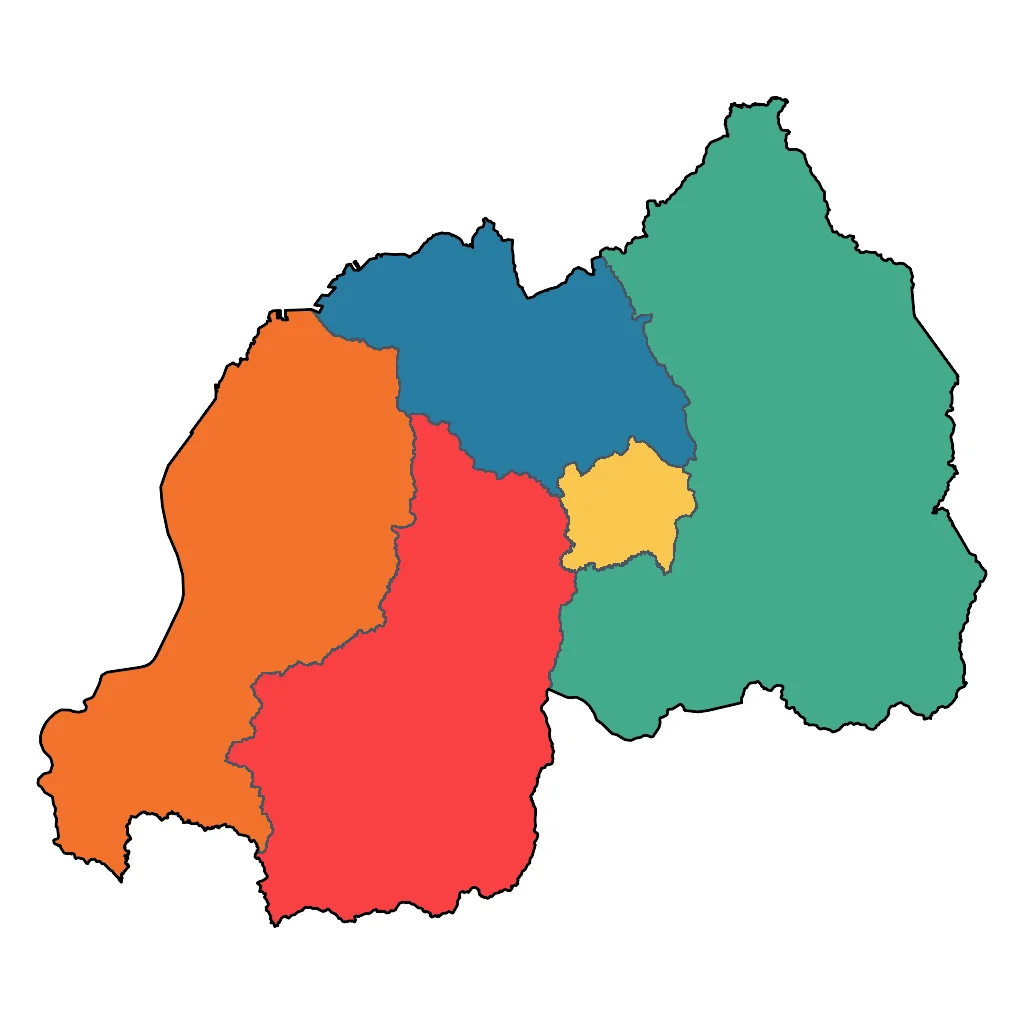

Learning experiences, scientific sites, historical education
Offers unique insights into Rift Valley geology and the innovative methane extraction projects from the lake's depths. While intellectually stimulating for older children, the educational infrastructure is niche rather than world-class, with accessibility being best during the drier peak and shoulder months.