

For families willing to trade swimming pools for the open ocean and kids' clubs for jungle treks, the Solomon Islands delivers an unforgettable education in history and biology. This scattered archipelago is not a typical package-holiday destination; it is a raw, adventurous frontier where the infrastructure is basic, but the experiences are profound. It is best suited for families with school-aged children or teenagers who can swim well and appreciate the deep connection between the islanders and their environment.
The islands are world-famous as a living museum of World War II. History here is not hidden behind glass; it rests in the shallow waters and dense jungles where the battles took place. In the Western Province, families staying near Gizo or Munda can snorkel directly over sunken fighter planes and shipwrecks that are visible from the surface. A short boat ride can take you to Kennedy Island, a tiny uninhabited islet where the future US President John F. Kennedy swam after his PT boat was sunk. These tangible connections to the past provide a captivating history lesson that textbooks simply cannot match.
Beyond the history, the natural environment is spectacular. The Marovo Lagoon, the longest saltwater lagoon in the world, offers calm, protected waters perfect for kayaking and spotting marine life. The underwater visibility is often exceptional, allowing children to see clownfish, giant clams, and sea turtles in their natural habitat. On land, a visit to the Honiara Central Market is a sensory experience where families can buy fresh coconuts and pineapples while observing the local trade of shell money-a traditional currency still used in parts of the archipelago.
Practical planning is essential for a safe trip. The tropical climate is hot and humid, with a wet season from November to April that can disrupt travel. Health precautions are non-negotiable: malaria is present throughout the islands, so all family members should consult a doctor for prophylaxis before travel. Insect repellent and long sleeves in the evenings are mandatory. Families should also be aware of Unexploded Ordnance (UXO). While tourist areas are cleared, children must be taught never to touch rusty metal objects found in the bush or on remote beaches.
Travel between islands typically involves small aircraft or open boats, requiring patience and a sense of humour when schedules change. Accommodation ranges from basic eco-lodges to comfortable hotels, but high-speed Wi-Fi is rare. For families prepared for the journey, the Solomon Islands offers a warm, welcoming culture and a rare glimpse into a wilder, more authentic Pacific.

Explore Regions
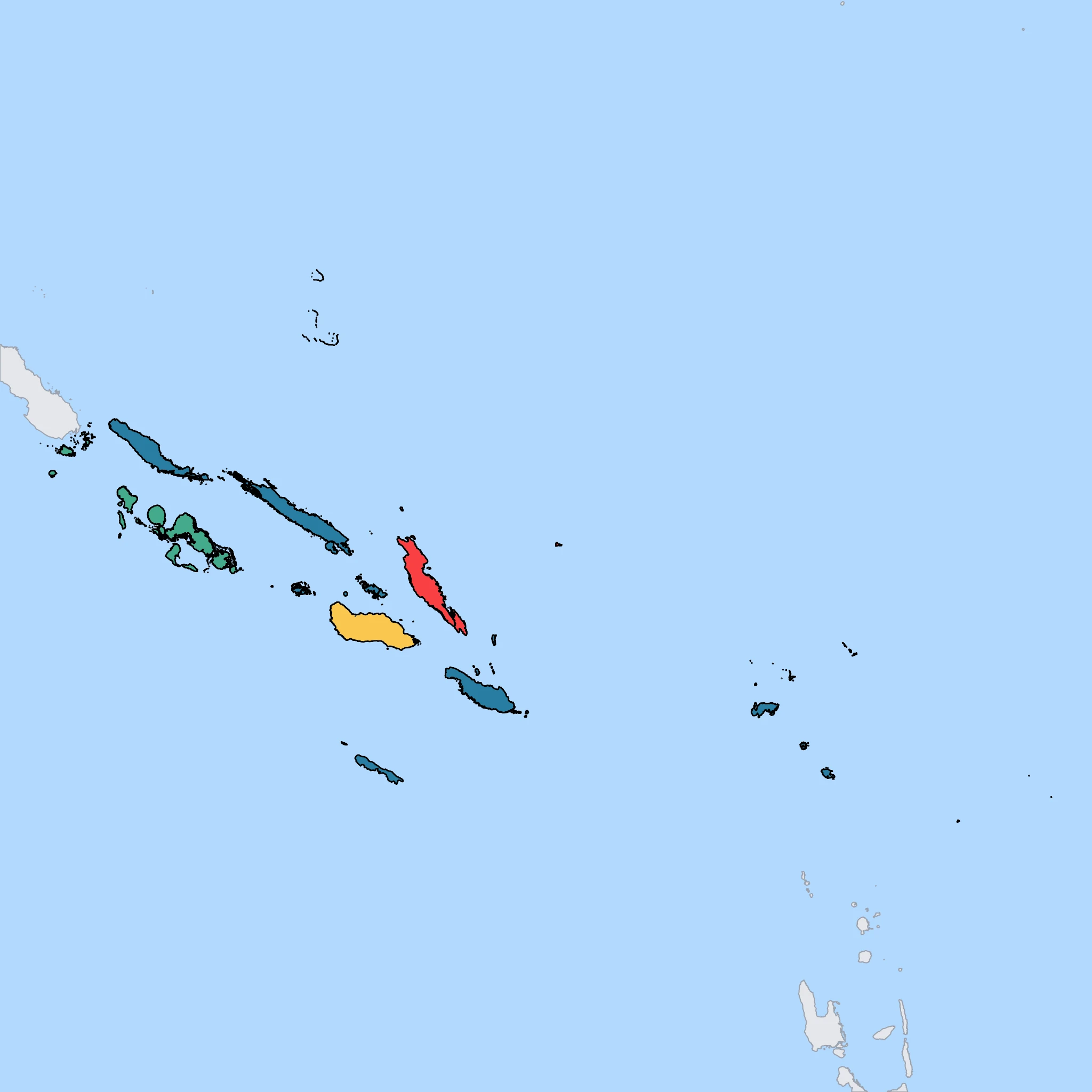
4 Regions
Honiara & Guadalcanal
Living history and tropical peaks 🌴
Malaita
Ancient traditions and island craftsmanship 🐚
Outer Provinces
Remote expeditions for the wildest family adventures 🐢
Western Province (Gizo, Munda)
Turquoise lagoons and sunken history 🐠
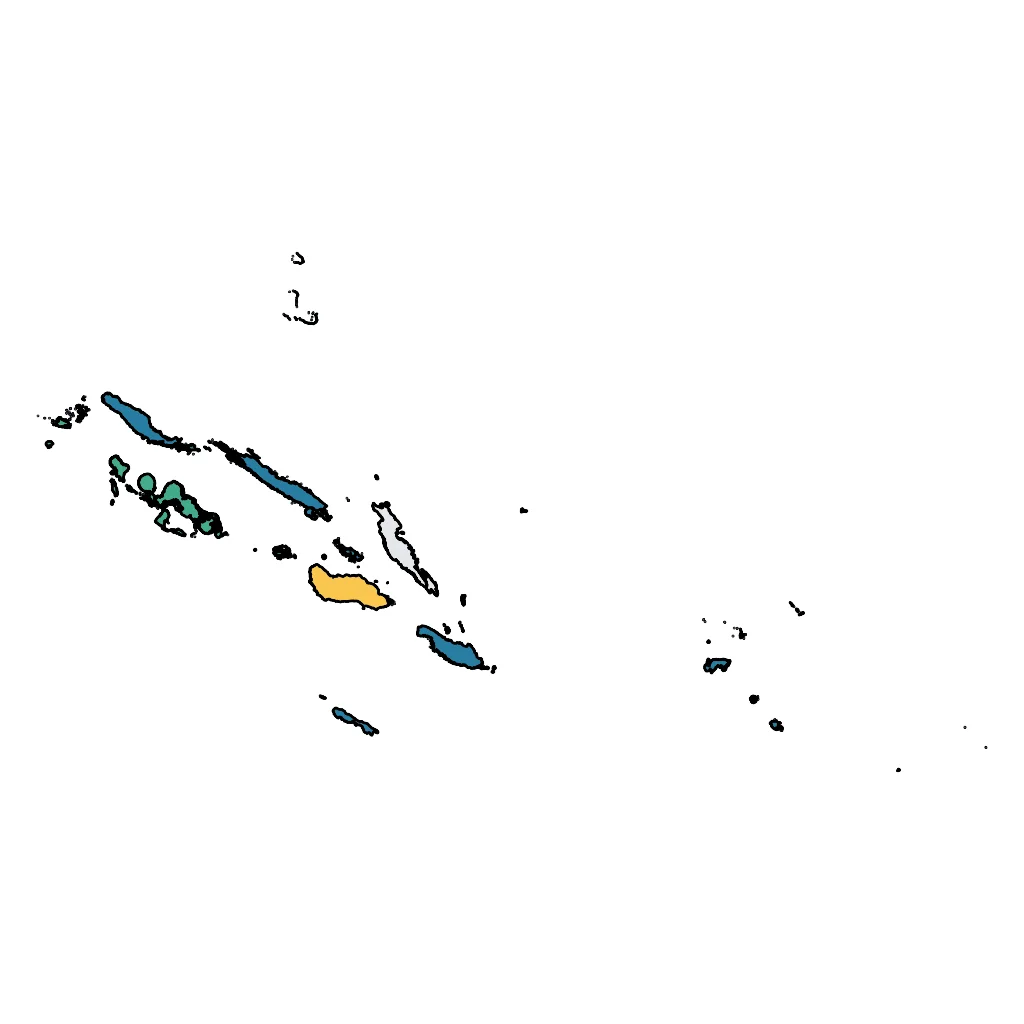
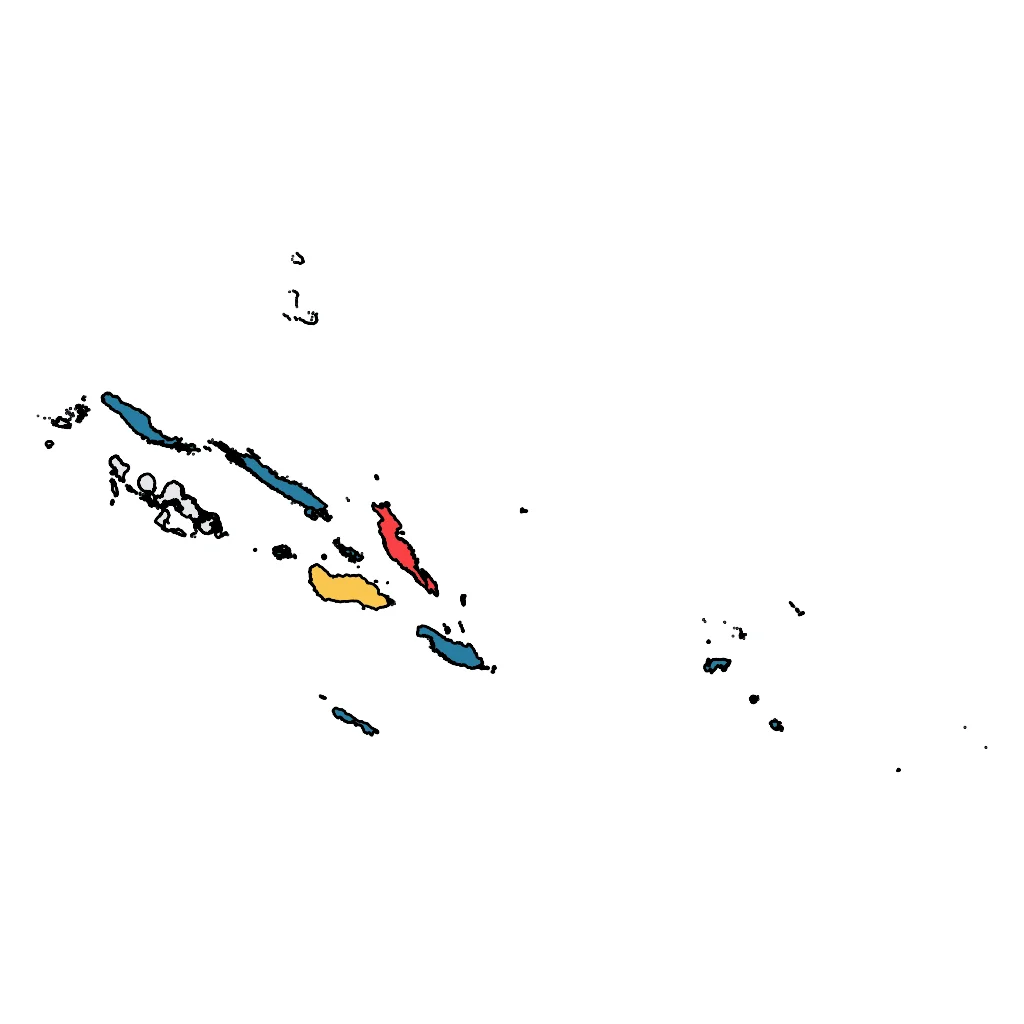
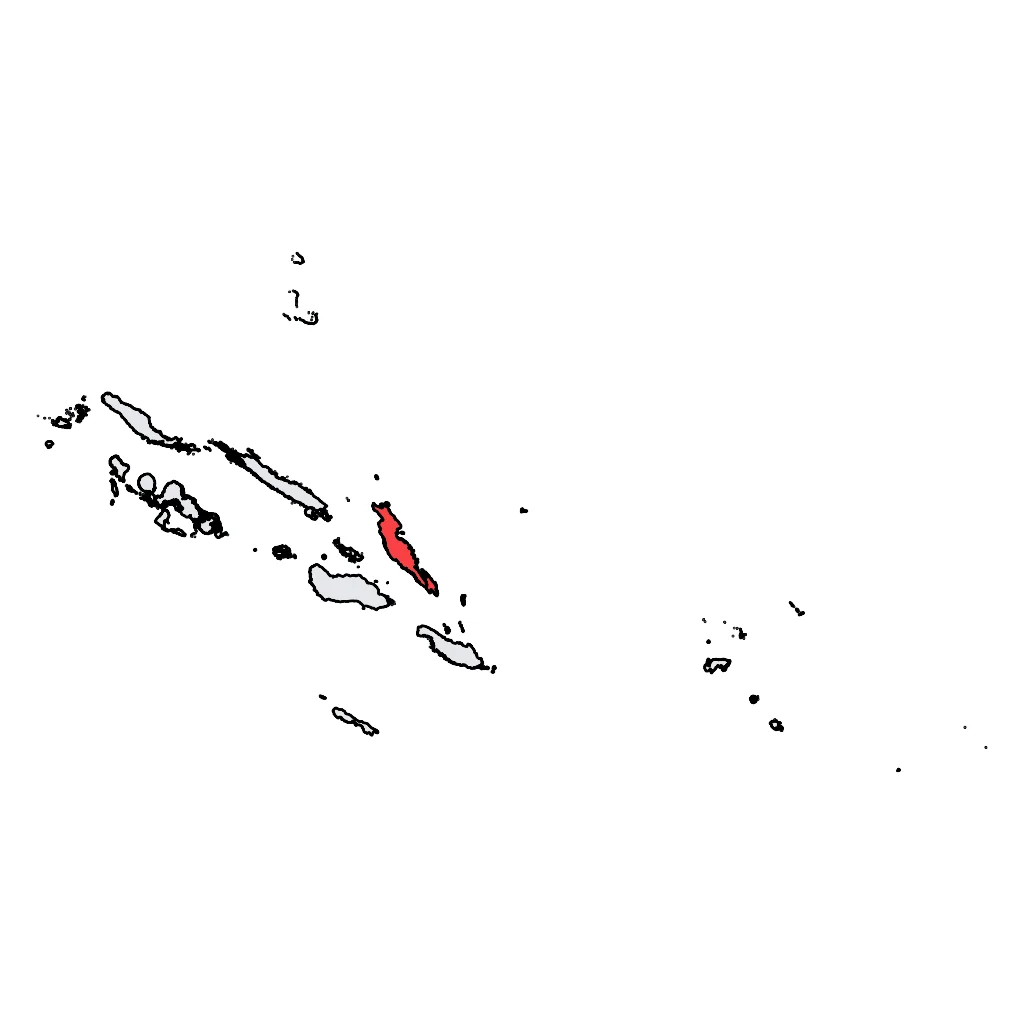
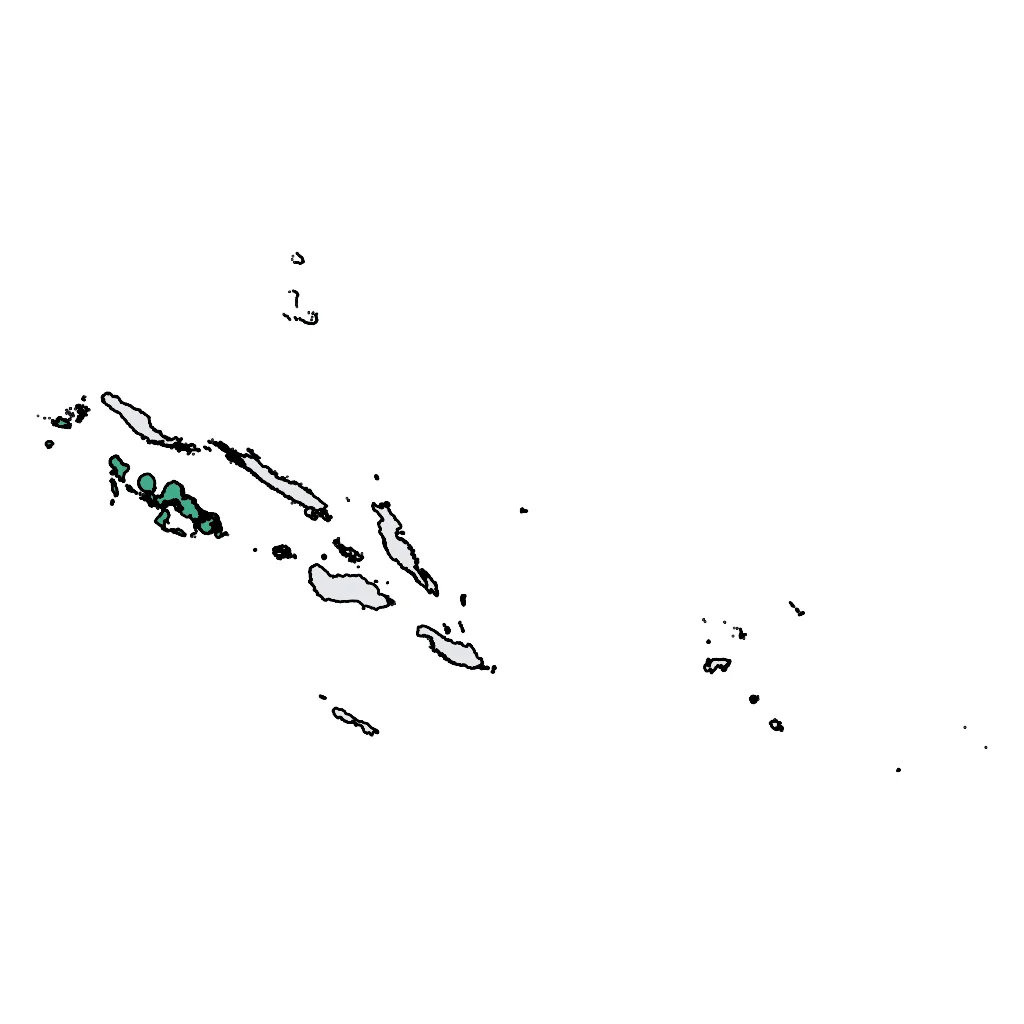
Click on a region marker to explore details. Use the dropdown to color regions by activity suitability.

Activities & Best Times

Adventure & Nature
ExcellentHiking, wildlife, outdoor exploration, ecotourism
Home to the UNESCO-listed Lake Tegano and rare endemic birdlife, this region offers an authentic, untouched wilderness experience that is globally unique. Peak months provide the lowest regional rainfall for exploring remote trails, while the extreme precipitation of February and July can make the interior nearly inaccessible.
Malaita offers a raw, authentic immersion into pristine tropical rainforests and unique lagoon ecosystems that appeal to world-traveled families. The peak months represent the 'dry' window (250-290mm) allowing for safer exploration, while the extreme rainfall of the wet seasons (exceeding 350mm) can make wilderness trails impassable.
Guadalcanal's rugged interior features pristine rainforests and dramatic waterfalls like Tenaru, providing authentic wilderness exploration. Drier mid-year months are essential for navigating remote trails safely; peak monsoon rainfall (Jan-Mar) makes river crossings and trekking hazardous.

Beach & Sea
Very GoodBeach resorts, marine activities: diving, snorkelling, kite surfing, wind surfing, sailing
Features world-class marine biodiversity and pristine reef systems like Marovo Lagoon, though it lacks the high-end luxury infrastructure of the Maldives. Nov-Dec offer the best underwater visibility and calmest conditions; the heavy rains of the monsoon months (Jan-Mar) significantly degrade water clarity and sea conditions.
Home to the world-class shipwrecks of Ironbottom Sound, offering unique diving experiences for sophisticated travelers. The peak months align with the region's lowest rainfall and best sea visibility, while the monsoonal first quarter brings rough seas and poor clarity.
Excellent beach_sea requires internationally renowned beach tourism infrastructure (Maldives, Caribbean, Southeast Asia tier). Solomon Islands has outstanding marine biodiversity but lacks luxury resorts, reliable international connections, and mainstream beach tourism branding. Zero attraction evidence in database.

Educational & Exploratory
Very GoodLearning experiences, scientific sites, historical education
An internationally significant destination for WWII history, with well-preserved battlefields and the poignant Vilu War Museum. Outdoor historical sites are most accessible during the relatively drier months, whereas extreme humidity and heavy rains in the off-season can limit the educational experience.
The region serves as a living classroom for families to learn about pre-colonial economies and sustainable maritime engineering found nowhere else on Earth. The peak and shoulder months offer more stable conditions for guided cultural interactions, whereas heavy monsoon-like rains in February and July disrupt the outdoor educational experience.
Provides sophisticated families with deep insights into traditional Melanesian culture and unique island ecosystems that remain disconnected from the modern world. The drier months allow for more reliable travel to remote villages, whereas heavy rains in the off-season can disrupt educational field trips and local community engagement.

Sports & Active
Very GoodSport tourism, fitness activities, active recreation
An elite destination for intrepid divers and surfers seeking untouched breaks and high-integrity ecosystems far from commercial crowds. Peak months align with lower rainfall for better maritime transit and visibility, while the wet season (over 340mm/month) creates challenging conditions for outdoor pursuits.
A premier location for technical diving and surfing on reef breaks, appealing to highly experienced active travelers. Peak conditions occur during the drier months when visibility and swell stability are optimal; the wet season brings unpredictable weather that often grounds outdoor sports activities.
Exceptional niche diving destination but lacks the global profile and infrastructure of top-tier active sports destinations (Palau, Raja Ampat, Great Barrier Reef). Surf access is minimal and undeveloped. Zero attraction evidence in database.

City & Cultural
GoodUrban tourism, museums, historical sites, architecture
Malaita's cultural traditions are significant but zero verified attraction data exists. No organized cultural tourism infrastructure, no museums or cultural centers of international standard. Good rating reflects genuine but unstructured cultural interest.
Provides sophisticated travelers with an authentic look at traditional Melanesian village life and colonial history away from mass tourism. Travel is best during the cooler, drier months to experience the slow, flexible pace of island travel comfortably.
Honiara offers an authentic glimpse into Melanesian life through its vibrant central markets and National Museum. While urban exploration is possible year-round, the lower precipitation in mid-year provides a more comfortable environment for exploring cultural sites on foot.

Festivals & Seasonal
GoodEvents, celebrations, seasonal attractions

Relaxation & Wellness
GoodSpa retreats, wellness centers, peaceful getaways
High-end, secluded eco-resorts offer sophisticated travelers an authentic escape far from commercial tourism hubs. The lower humidity and reduced rainfall from Sept–Dec create a more comfortable environment for outdoor relaxation compared to the intensely wet monsoon months.
Relaxation is limited to higher-end hotel infrastructure and pools rather than specialized, world-class wellness retreats. The drier, cooler months are the only time the climate allows for comfortable outdoor relaxation.

Road Trips & Scenic
MarginalScenic drives, countryside tours, route-based travel

Airports & Flight Routes
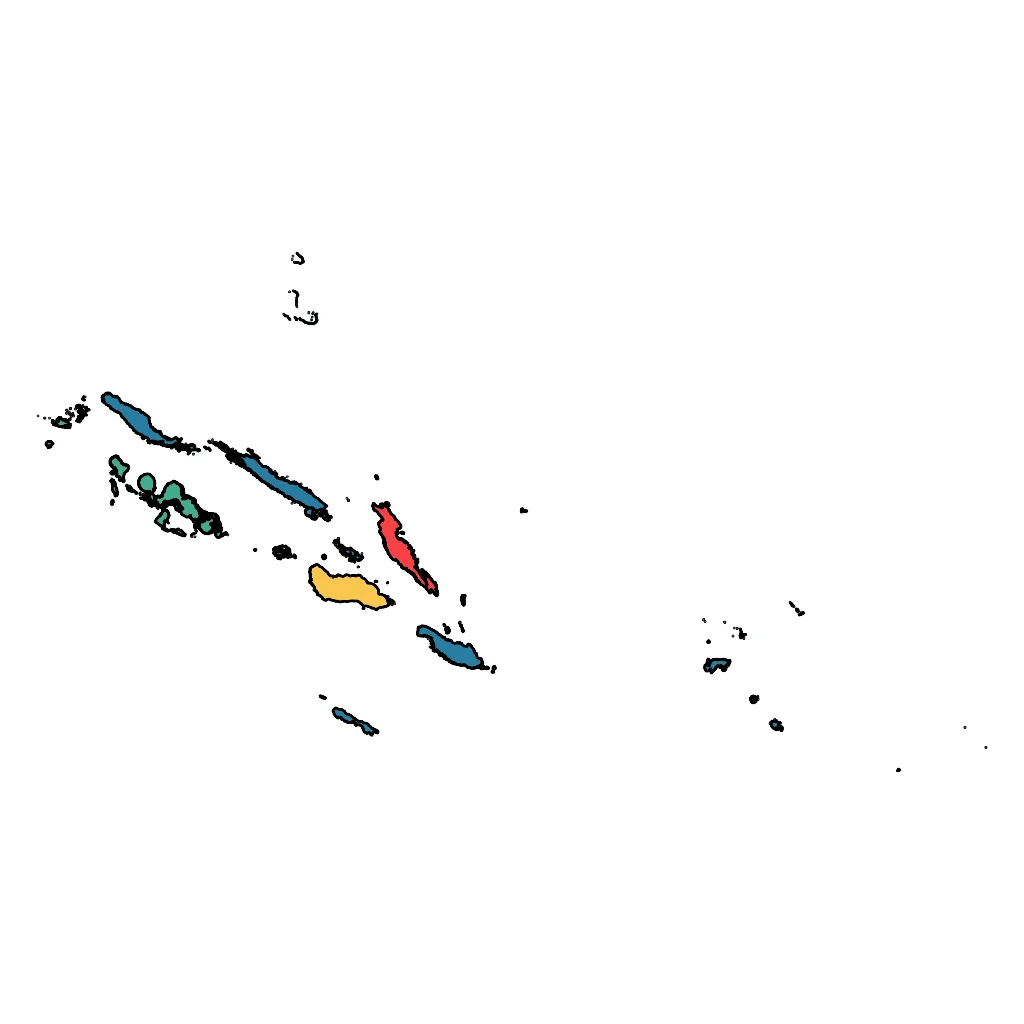
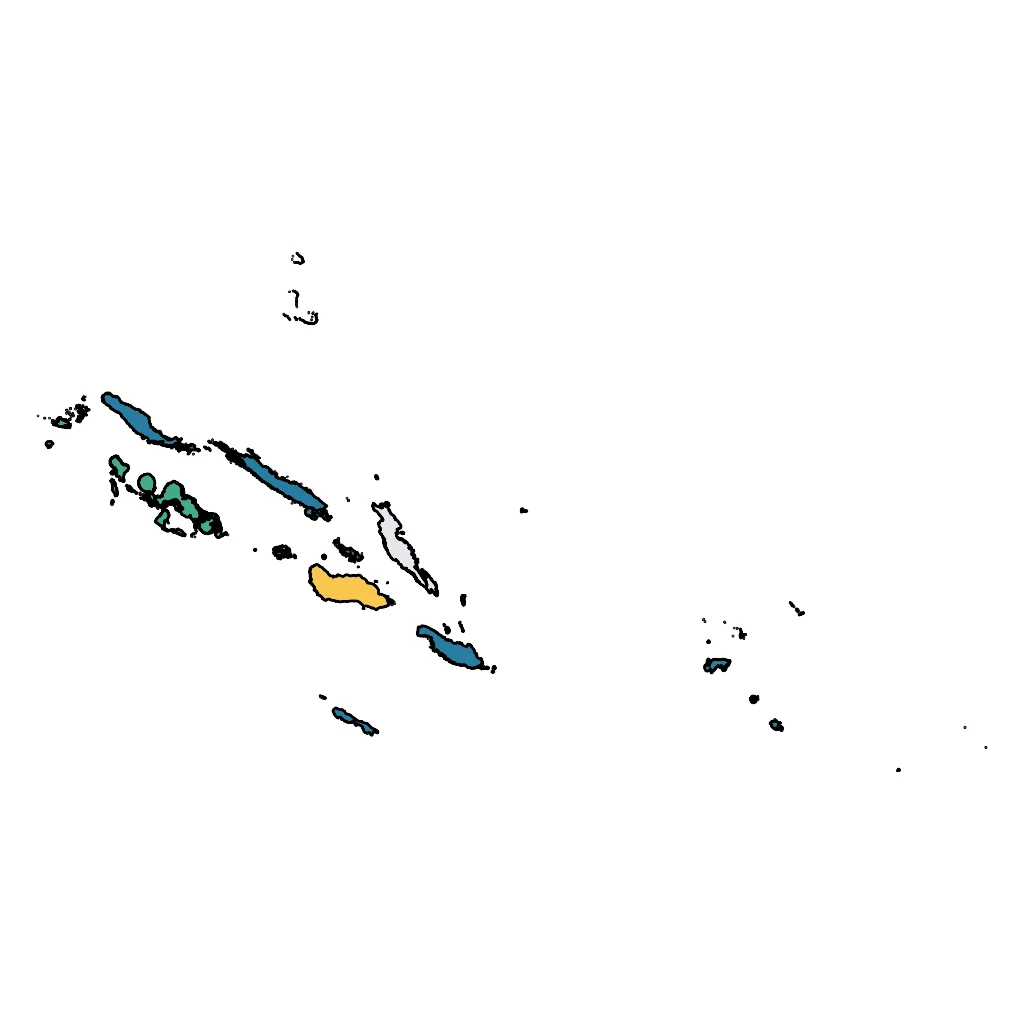
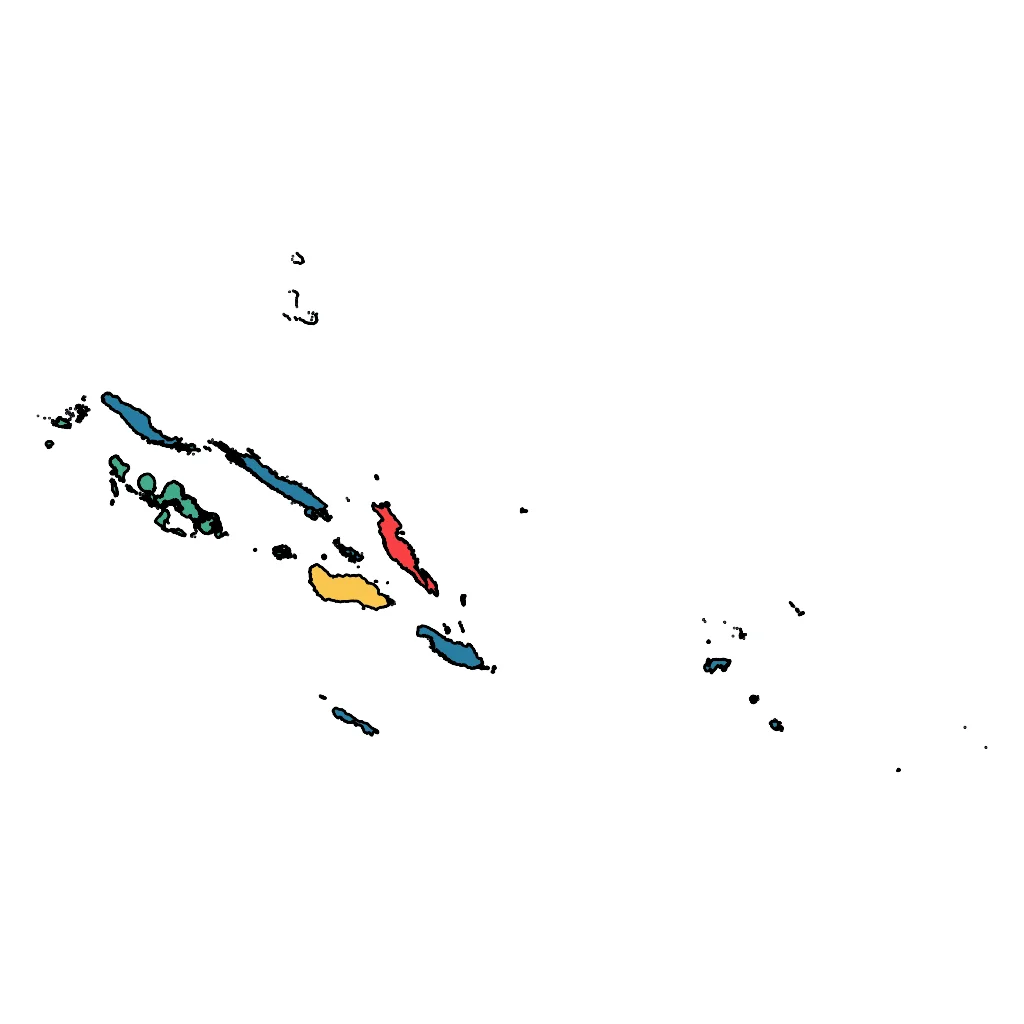
Toggle options to view domestic routes and international airports. Click an airport for details.
Climate & Weather
Honiara & Guadalcanal
Show Details
| Month | Temp °C | Rain | Humidity |
|---|
Malaita
Show Details
| Month | Temp °C | Rain | Humidity |
|---|
Outer Provinces
Show Details
| Month | Temp °C | Rain | Humidity |
|---|
Western Province (Gizo, Munda)
Show Details
| Month | Temp °C | Rain | Humidity |
|---|

Travel Advisory
While half the agencies advise normal precautions, the consensus tie-break emphasizes elevated vigilance due to localized crime, unexploded ordnance, and political instability.
Safety Topics
Traveller Advice (3 groups)

Ensure all routine vaccinations are up to date and carry a personal first aid kit. Secure travel insurance that includes emergency medical repatriation due to the islands' remote nature.

Solo female travellers should exercise high vigilance. Incidents of harassment and sexual assault have occurred, especially in public areas and at night. Avoid walking alone in isolated locations.

Those engaging in diving or hiking should use reputable tour operators, as safety standards can be inconsistent. Be particularly aware of UXO risks in remote hiking areas.