

Svalbard offers an adventure unlike any other, placing families at the edge of the habitable world. Located deep within the Arctic Circle, this Norwegian archipelago is a land of stark beauty, where glaciers cover much of the terrain and the sun refuses to set during the summer months. For families with older children or teenagers, it provides a rare opportunity to experience the high Arctic safely and comfortably, with the town of Longyearbyen serving as a well-equipped base camp.
The geography is defined by dramatic fjords, pointed mountains, and vast ice fields. While the climate is extreme, the Gulf Stream makes the west coast milder than other areas at this latitude. Summer (June to August) is the most accessible time for families, with temperatures hovering just above freezing and 24-hour daylight. This Midnight Sun phenomenon allows for flexible schedules, as day and night become indistinguishable. The winter months offer the polar night, where the aurora borealis may dance overhead at lunchtime, though the cold and darkness can be challenging for younger children.
Wildlife is the primary attraction for young explorers. Unlike zoos, animals here roam freely. The Svalbard reindeer, distinct for their short legs and calm nature, often wander right through the streets of Longyearbyen, delighting children. Arctic foxes are common, and boat trips frequently encounter walruses hauling themselves onto ice floes. 🐻 While the polar bear is the icon of the archipelago, seeing one requires luck and a safe distance; families must always explore the wilderness with armed professional guides due to the real danger bears pose outside settlement limits.
Activity options vary by season. In late winter and spring, families can join dog sledding expeditions tailored for beginners, gliding across the snow in silence. In summer, boat trips to the abandoned Soviet mining town of Pyramiden or the active Russian settlement of Barentsburg offer a fascinating history lesson. Fossil hunting near the Longyear glacier is a popular hands-on activity where kids can often find ancient plant imprints to keep.
Practicality is key when visiting. Travel requires flights via Oslo or Tromsø. Families must invest in high-quality wool layers and windproof outer gear, as the weather changes rapidly. While Longyearbyen has comfortable hotels, supermarkets, and restaurants, costs are high. Parents should note that wandering off established paths is strictly prohibited to protect the fragile tundra, and leaving the town center without a guide is unsafe. With proper preparation, however, Svalbard delivers a profound educational experience about nature, climate, and resilience.

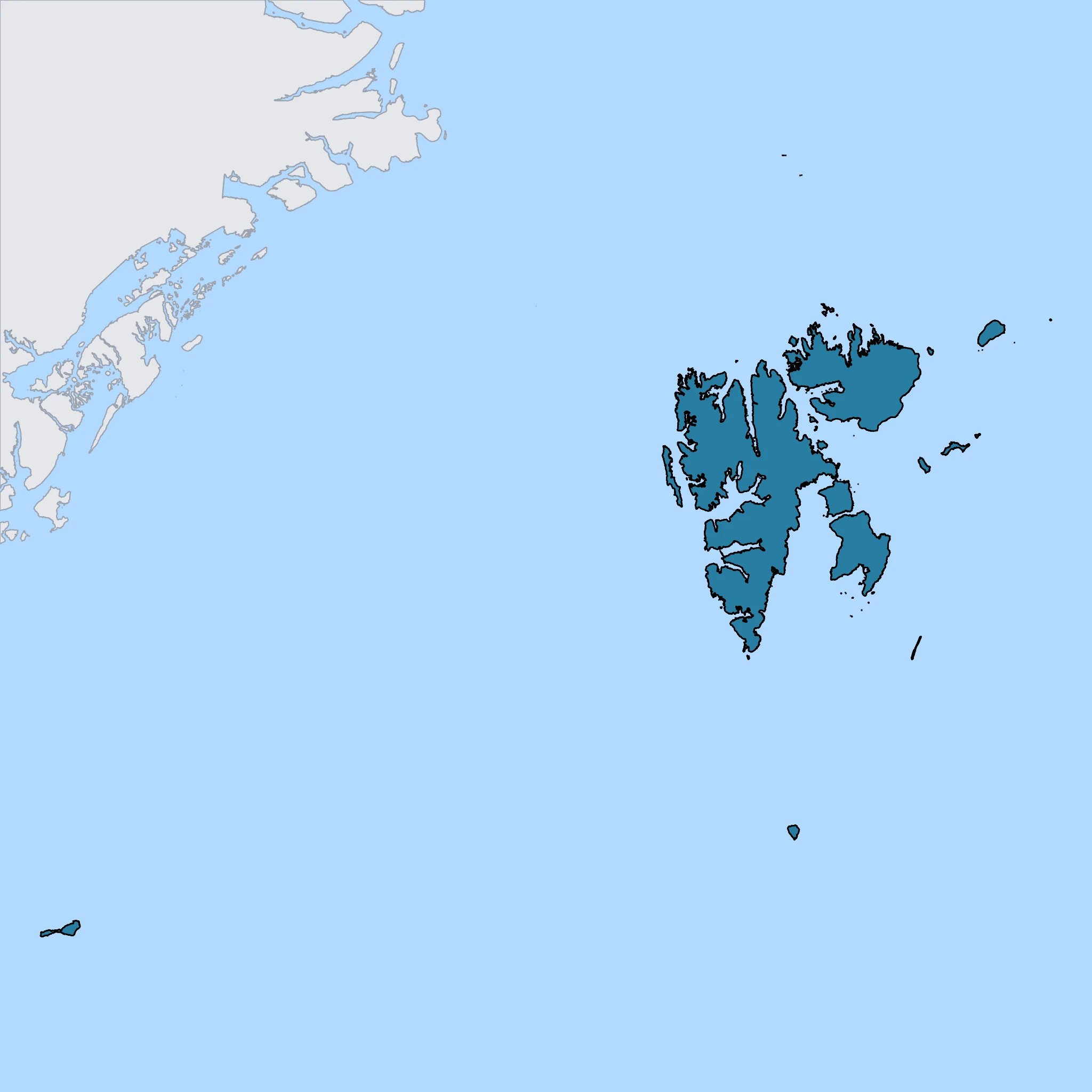
Map

Activities & Best Times

Adventure & Nature
ExcellentHiking, wildlife, outdoor exploration, ecotourism
A world-class High Arctic wilderness offering unparalleled opportunities to view polar bears, walruses, and calving glaciers in their natural habitat. Peak summer provides 24-hour daylight and ice-free fjords for expedition cruising; shoulder months offer dramatic lighting during the freeze-thaw transition, while the long polar night and extreme cold make winter unsuitable for nature viewing.

Educational & Exploratory
Very GoodLearning experiences, scientific sites, historical education
Home to the Global Seed Vault and world-leading Arctic research facilities, providing a profound educational experience regarding climate science and polar exploration history. Summer offers the best accessibility for museum visits and guided research site tours; shoulder months are viable for academic interests but logistically harder, while mid-winter closures limit educational tourism.

Ski & Snow
Very GoodWinter sports, ski resorts, snow activities
Offers elite, authentic Arctic winter experiences including multi-day dog sledding expeditions and snowmobile safaris across frozen tundra. The 'light winter' (Mar-May) provides stable snow and returning sunlight ideal for activity; shoulder months are either extremely dark or have thinning snow cover, while summer months are entirely snow-free at sea level.

Sports & Active
Very GoodSport tourism, fitness activities, active recreation
Highly unique active opportunities ranging from glacier trekking and ice-kayaking in summer to professional-grade dog mushing in winter. Peak activity aligns with stable winter snow (Mar-Apr) and the warmest summer windows (Jul-Aug); shoulder months present challenging transition conditions, and the polar night prevents safe outdoor sports.

City & Cultural
GoodUrban tourism, museums, historical sites, architecture
Longyearbyen is a surprisingly sophisticated outpost featuring high-end boutique hotels and world-class fine dining that rivals major European capitals. Peak months offer the best urban accessibility and sunlight for exploring local history; shoulder months provide the unique 'blue hour' atmosphere, though the deep polar night significantly limits the town's cultural vibrancy.

Festivals & Seasonal
GoodEvents, celebrations, seasonal attractions
Host to unique, high-quality events like Polarjazz (Feb) and Dark Season Blues (Oct) which offer world-class music in an intimate, extreme environment. Peak months coincide with these specific international-standard festivals; shoulder months feature smaller local traditions like the Sun Festival, while the summer focus remains entirely on nature rather than organized cultural events.

Attractions
35 attractions to explore. Click markers for details.

Airports & Flight Routes
Toggle options to view domestic routes and international airports. Click an airport for details.
Climate & Weather
Climate Overview
| Month | Temp (°C) | Rain (mm) | Humidity | Wind (m/s) |
|---|

Travel Advisory
The destination is considered safe for general travel; standard safety awareness is sufficient for most visitors.
Safety Topics
Traveller Advice (2 groups)

Ensure travel insurance specifically includes Arctic coverage and medical evacuation by air, as local medical facilities are limited.

Independent wilderness expeditions must be registered with the Governor of Svalbard. Insurance or a bank guarantee covering search and rescue costs is often mandatory for remote travel.