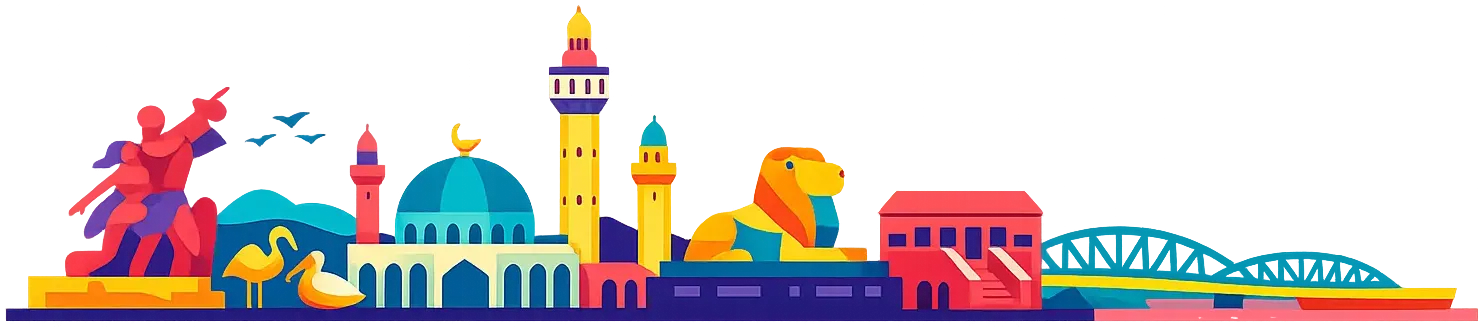

Saint-Louis, known locally as Ndar, sits on an island in the mouth of the Senegal River and feels like a step back in time. The historic centre is a UNESCO World Heritage site characterized by colourful colonial buildings and the iconic Faidherbe Bridge designed by Gustave Eiffel. Families often explore the sandy streets by horse-drawn carriage, a novelty that keeps younger children entertained while parents admire the architecture. The atmosphere is distinctly different from Dakar—slower, breezier, and heavily influenced by the nearby desert.
Nature is the major draw in the surrounding region. Between November and April, the Djoudj National Bird Sanctuary becomes one of the most spectacular birdwatching sites on earth. Families can take boat trips to see millions of migrating birds, including vast colonies of Great White Pelicans that turn the water white. Seeing these massive birds take flight is a memorable wildlife encounter for children of all ages.
South of the city lies the Lompoul Desert, a small pocket of orange sand dunes that offers a manageable desert experience. Camps here provide tented accommodation where families can sleep under the stars. Activities typically include camel treks over the dunes and sandboarding, which is often a highlight for active kids. The combination of river history, bird life, and desert adventure makes the north a diverse region for family road trips.
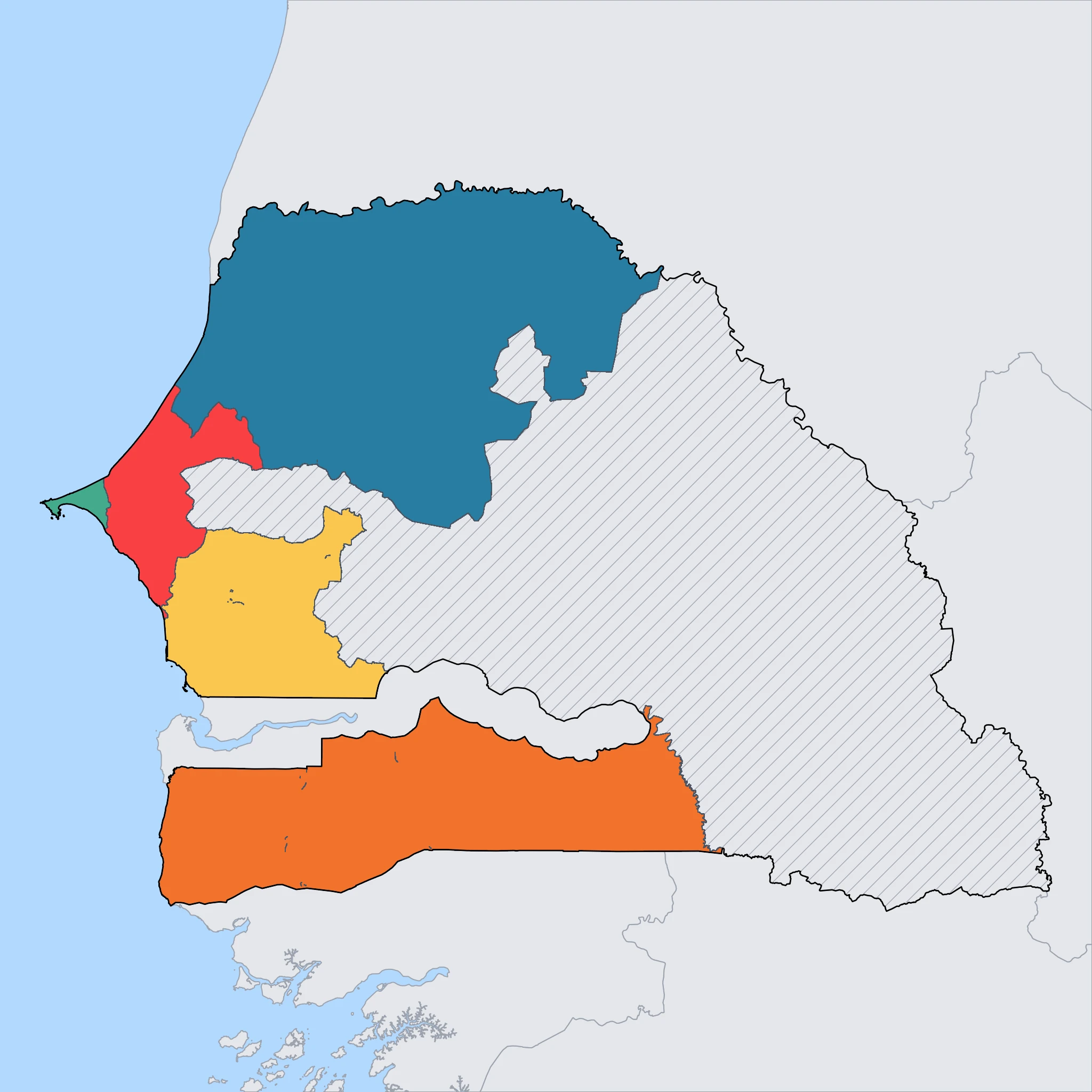
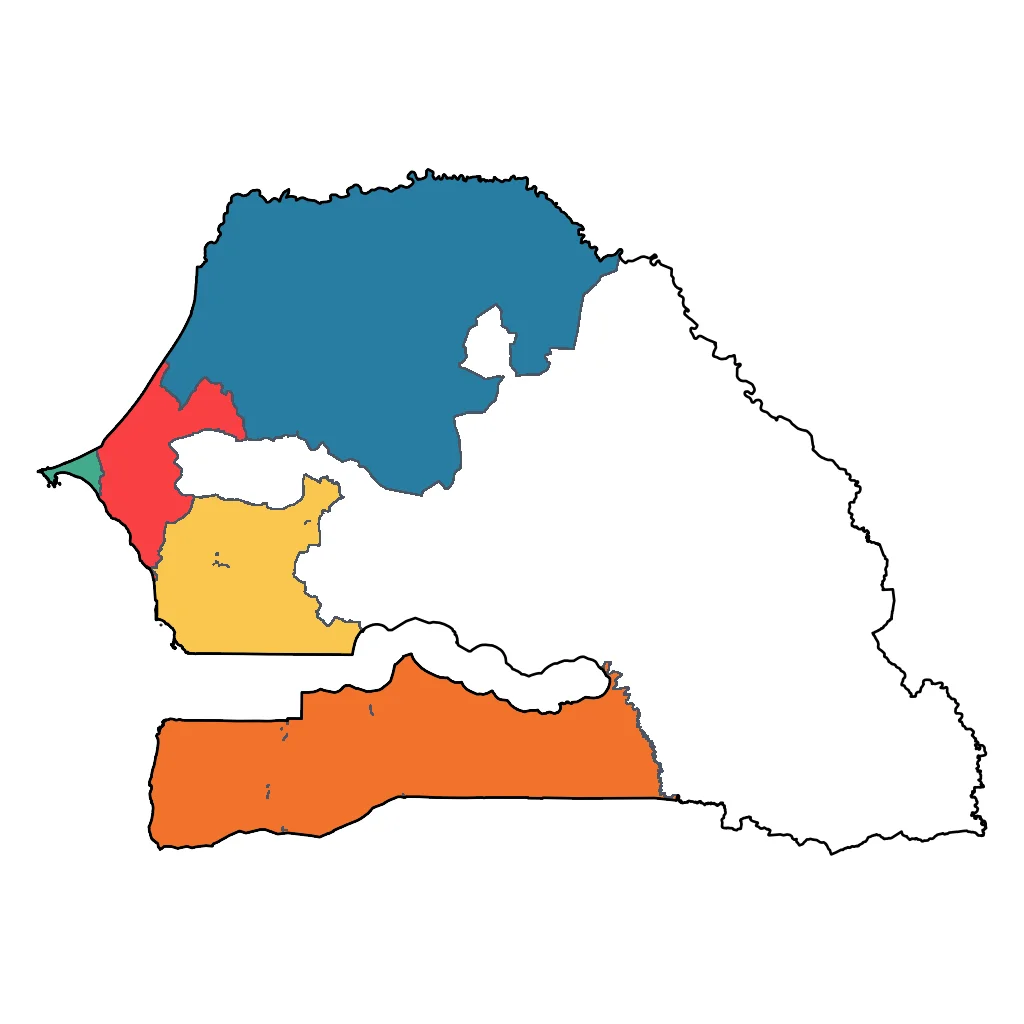
Click a region to explore

Activities & Best Times

Urban tourism, museums, historical sites, architecture
A UNESCO World Heritage site, Saint-Louis offers an exceptionally authentic colonial atmosphere with its preserved architecture and horse-drawn carriages. The peak months (Dec-Feb) provide comfortable temperatures for walking the island; summer months are avoided due to extreme heat exceeding 35°C and high humidity.
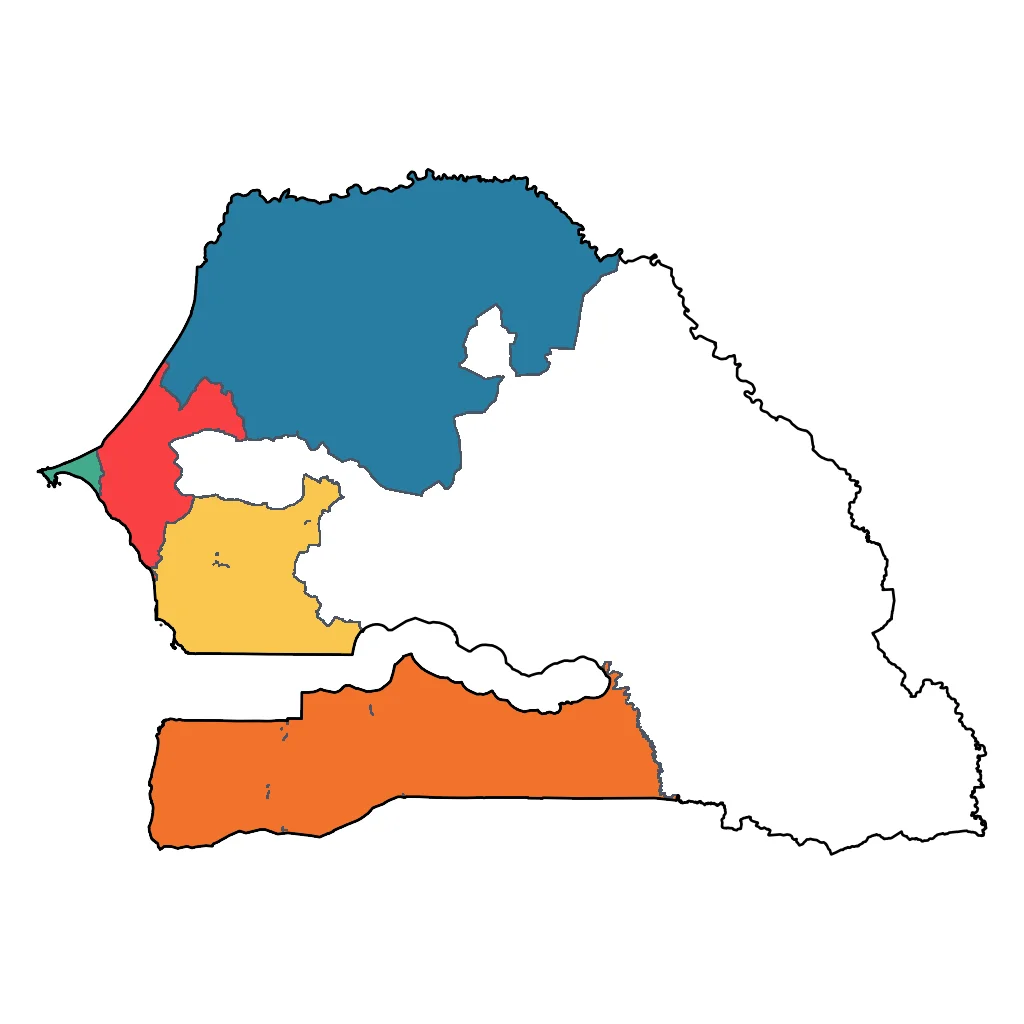

Hiking, wildlife, outdoor exploration, ecotourism
Home to the Djoudj National Bird Sanctuary, one of the world's most important avian sites, offering unique boat-based wildlife viewing. Peak winter months coincide with the arrival of millions of migratory birds and mild weather; the sanctuary is less accessible and birds are absent during the hot and rainy months.
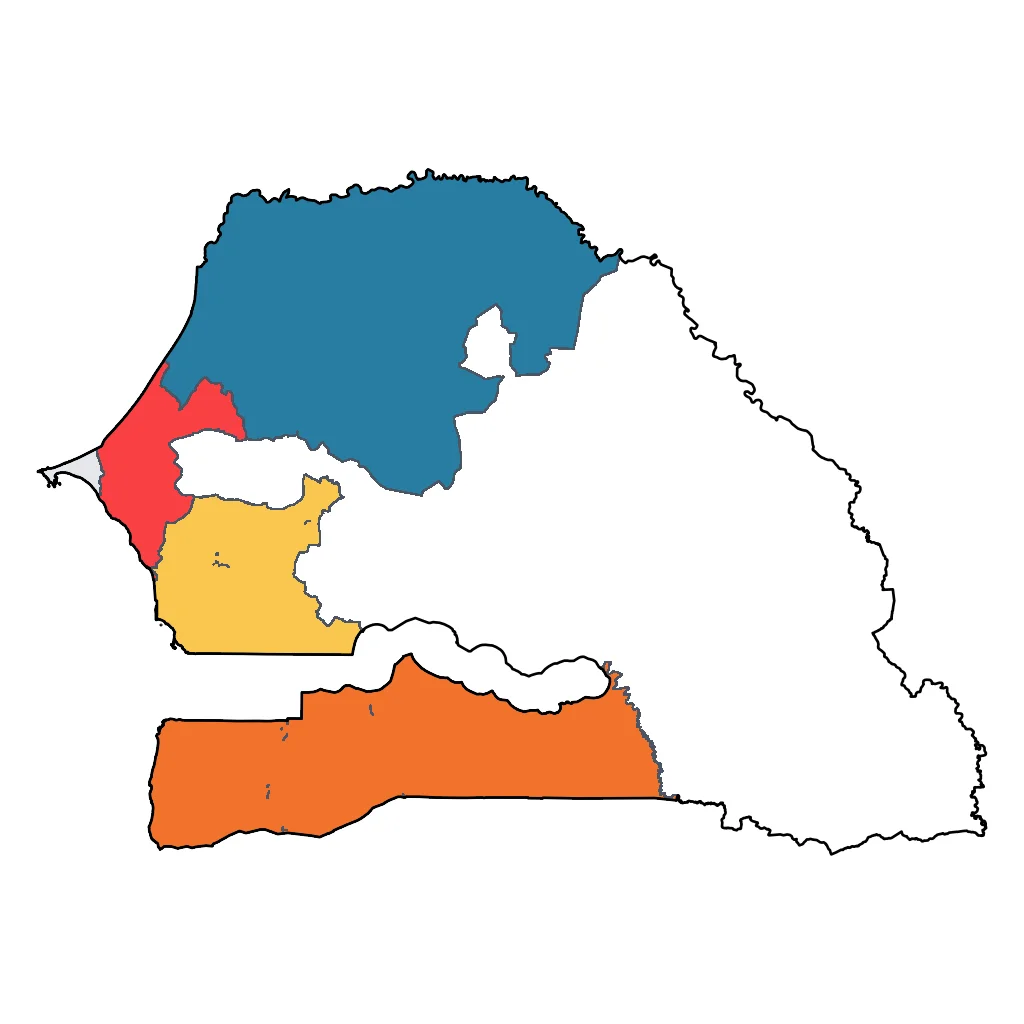

Learning experiences, scientific sites, historical education
The region serves as a living museum of West African colonial history and environmental conservation science. The dry, cooler months (Dec-Feb) allow for comfortable exploration of museums and research stations, while the extreme heat and rains of the other months hinder educational outdoor tours.
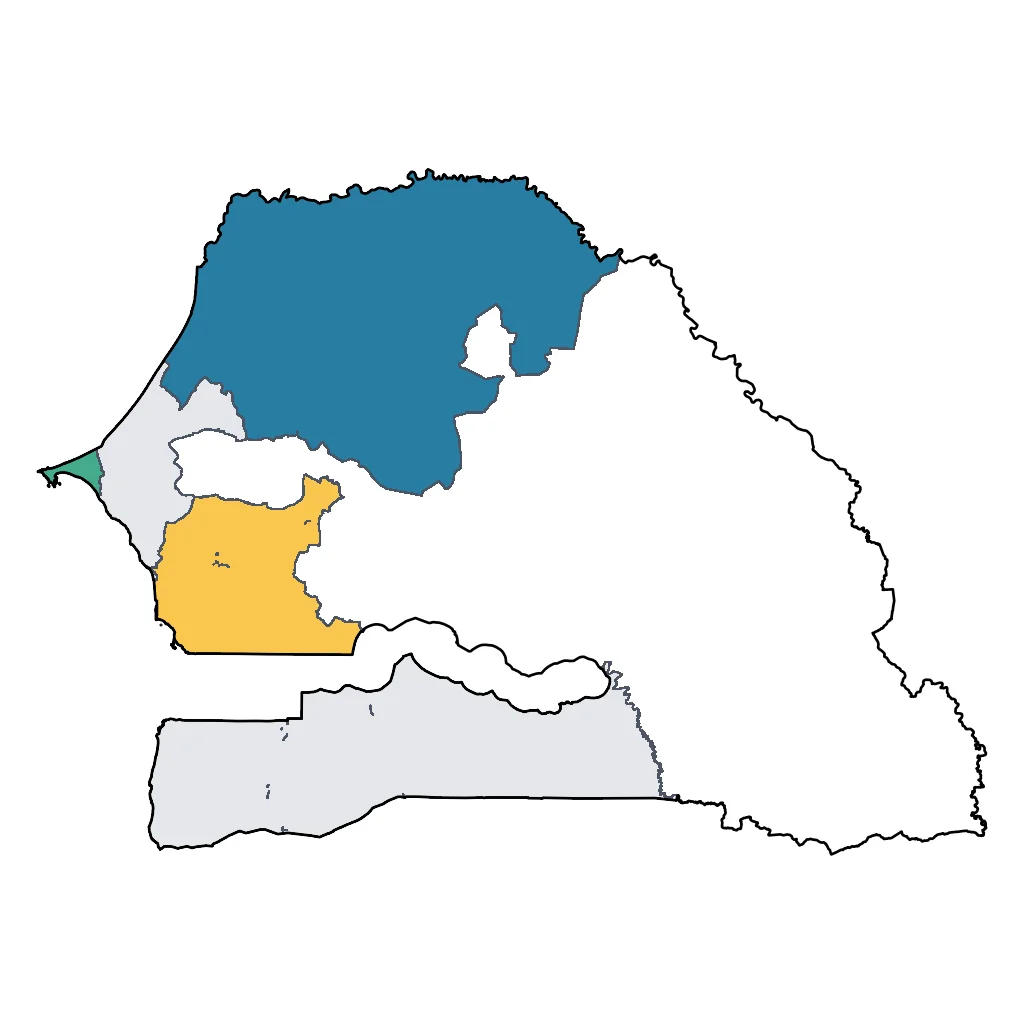

Events, celebrations, seasonal attractions
Host to the internationally renowned Saint-Louis Jazz Festival (May) and the traditional Fanal parade (December). December is peak due to ideal weather, while May is a shoulder period because the world-class jazz events must be balanced against extreme heat reaching 40°C.
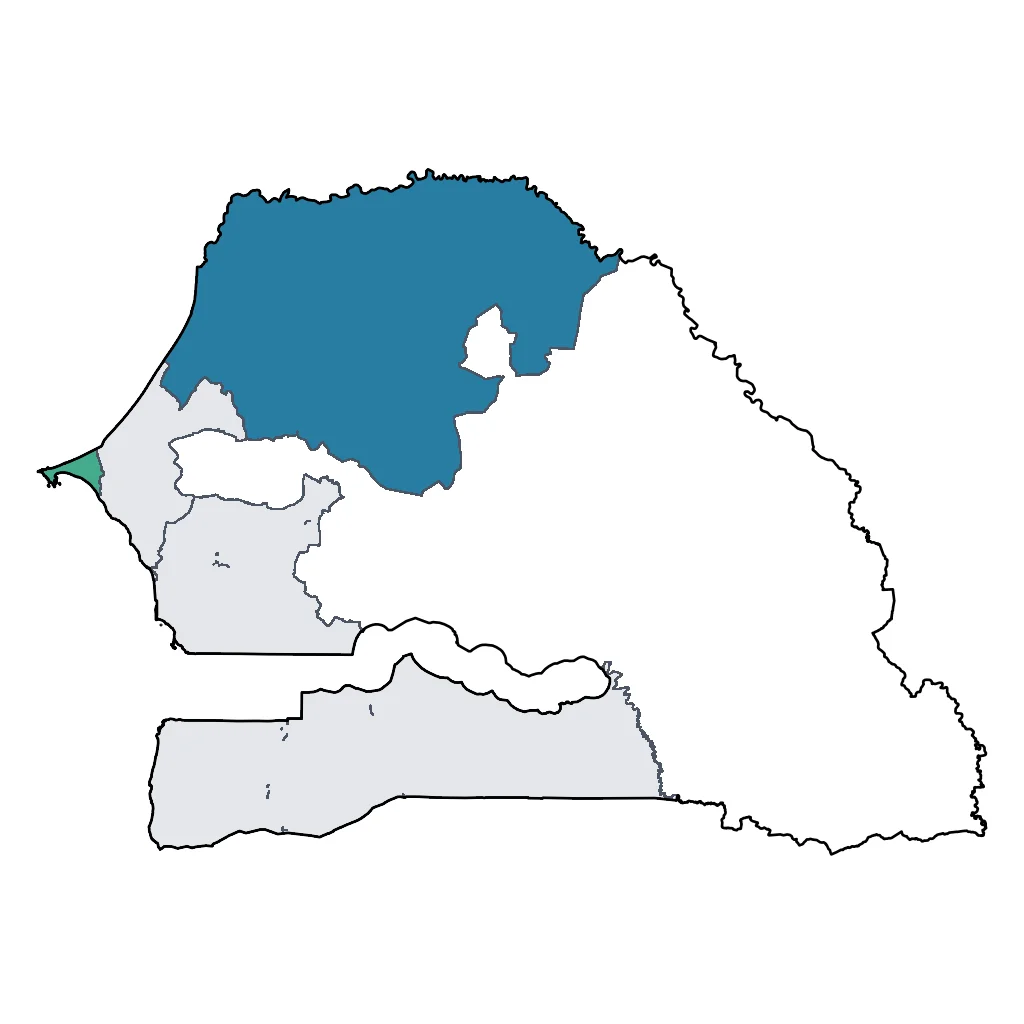

Scenic drives, countryside tours, route-based travel
Scenic routes along the Senegal River and through Sahelian landscapes offer an authentic view of rural life and desert transitions. Travel is best during the cool dry season to avoid dusty heat and potential road flooding during the rainy months of August and September.
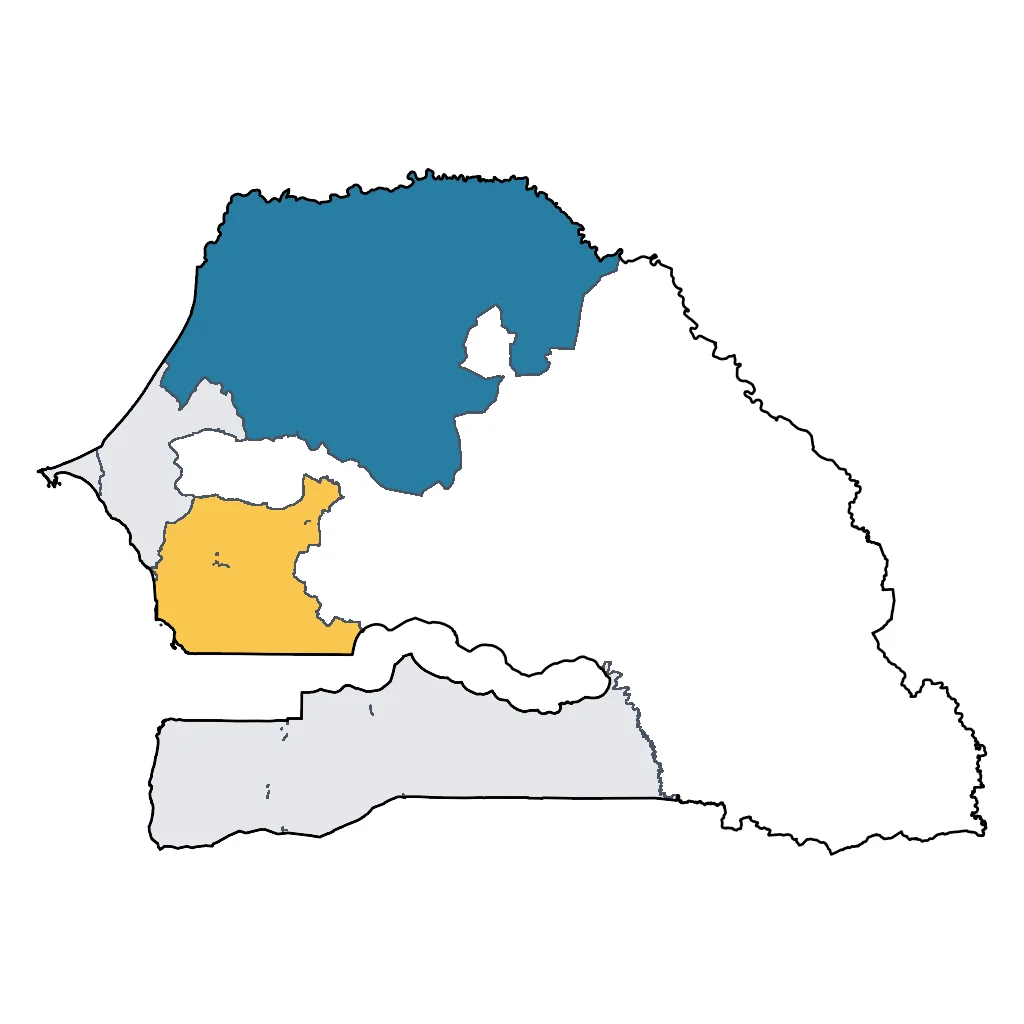

Sport tourism, fitness activities, active recreation
Active families can enjoy camel trekking and sandboarding in the Lompoul Desert, providing a high-quality adventure for children. These physical activities are best enjoyed during the cooler peak months (Dec-Mar) to avoid heat exhaustion, which is a major concern during the very hot remainder of the year.
Beach resorts, marine activities: diving, snorkelling, kite surfing, wind surfing, sailing
The Langue de Barbarie offers unique coastal scenery where the river meets the sea, though it lacks international-standard luxury beach infrastructure. The peak months provide the most tolerable air temperatures for coastal exploration, while the summer months are avoided due to extreme heat and intense sun exposure.