
The Sine-Saloum Delta is a UNESCO World Heritage landscape where the land dissolves into the Atlantic Ocean. This region is less about ticking off sights and more about immersing the family in nature. The pace of life here moves with the tides. Accommodation often consists of eco-lodges situated right on the water's edge in villages like Toubacouta or Palmarin. These lodges are generally small and personal, offering a safe environment for children to explore.
Activities are centred on the water. Families can hire a motorized pirogue for the day to navigate the endless creeks (bolongs). These boat trips are calm and engaging; guides often point out kingfishers, herons, and fiddler crabs on the mudbanks. In some parts of the delta, you can spot Atlantic humpback dolphins or visit islands formed entirely of mollusk shells accumulated over centuries. Kids often enjoy the simple pleasure of fishing with hand lines or swimming in the sheltered saltwater channels.
For a land-based adventure, the Fathala Wildlife Reserve near the Gambian border offers guided game drives. While smaller than other African parks, it provides opportunities to see roan antelopes, warthogs, and the giant derby eland. The region is also culturally distinct, home to the Serer people. Families can witness traditional wrestling matches in local villages or simply enjoy the incredible stargazing available due to the lack of light pollution. It is a serene, safe, and captivating destination for families seeking a digital detox.
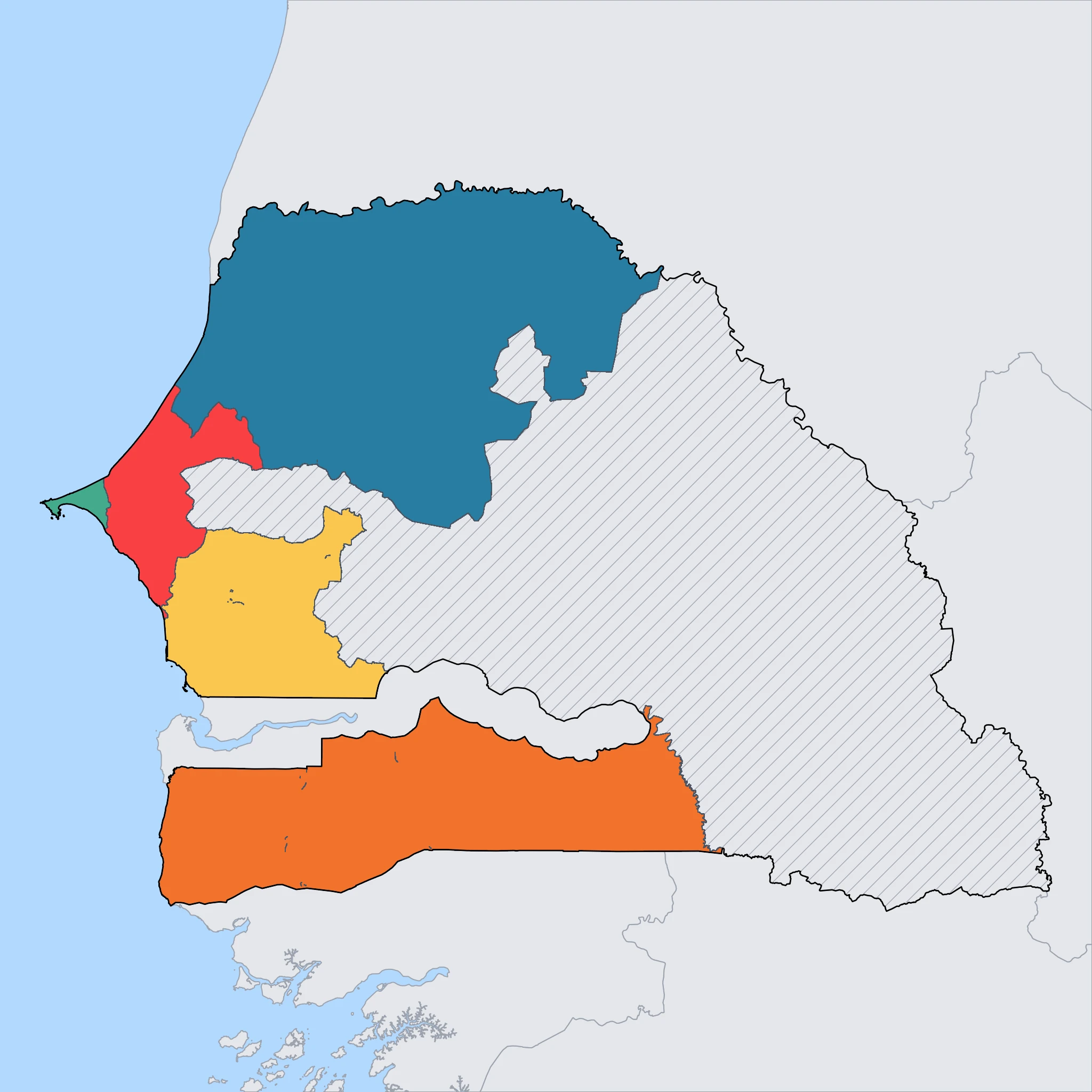
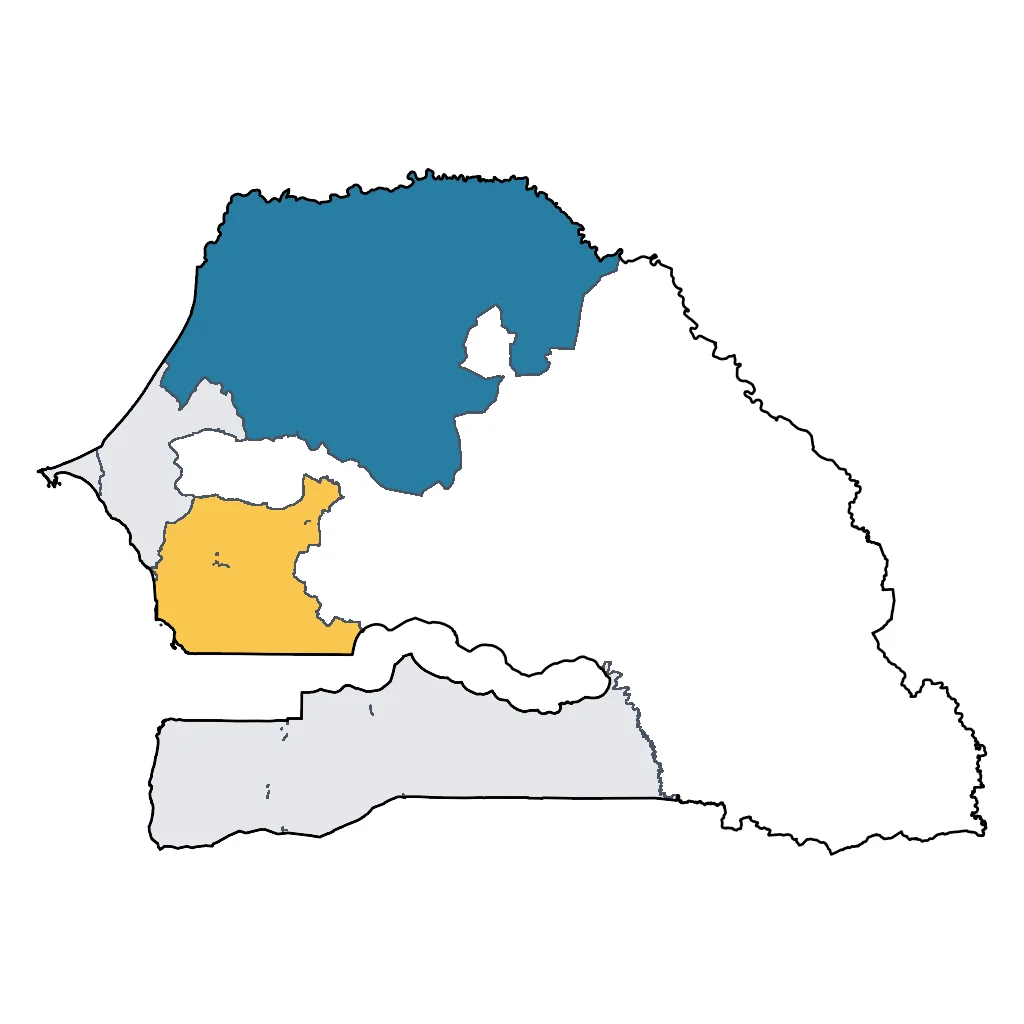
Click a region to explore
Activities & Best Times
Hiking, wildlife, outdoor exploration, ecotourism
A world-class UNESCO Biosphere Reserve featuring a unique labyrinth of mangroves and salt flats teeming with over 200 bird species. Peak dry months (Nov-Feb) offer the most comfortable temperatures and optimal conditions for pirogue exploration, while the rainy season (Jul-Sep) brings heavy precipitation and high humidity.

Learning experiences, scientific sites, historical education
Sophisticated families will find immense value in learning about mangrove ecosystems, traditional shell middens, and Serer heritage in an authentic setting. The dry season provides easy access to remote island communities and research sites, whereas the monsoon period limits outdoor educational activities.
Beach resorts, marine activities: diving, snorkelling, kite surfing, wind surfing, sailing
Offers unique, secluded sandy beaches on delta islands like Palmarin, though water visibility is lower than coral destinations due to mangrove sediment. Peak months avoid the extreme heat and tropical downpours that occur from July to September.
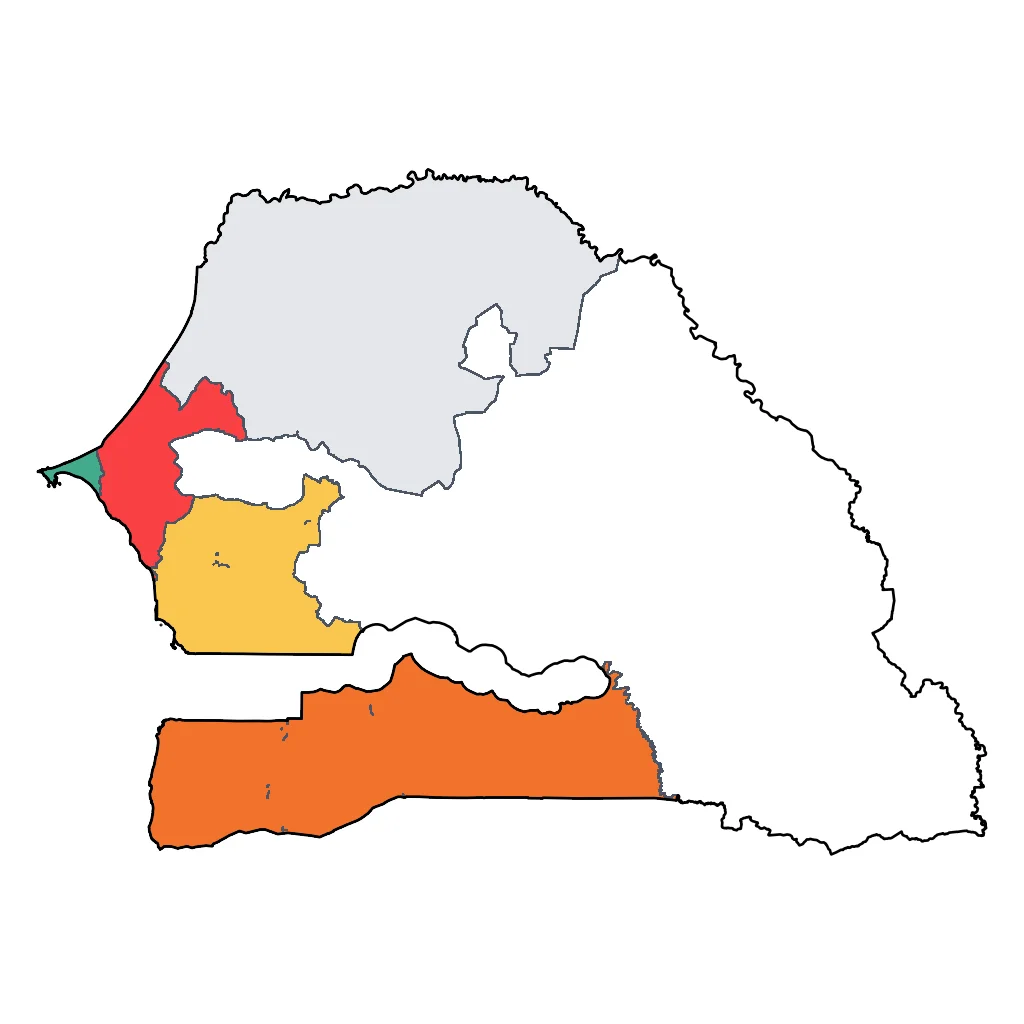

Urban tourism, museums, historical sites, architecture
While rural, the region offers deep cultural immersion into Niominka and Serer traditions, including historic shell-island villages. The dry season ensures the best road and water access to these authentic cultural sites, whereas the rainy season can make travel to remote villages difficult.
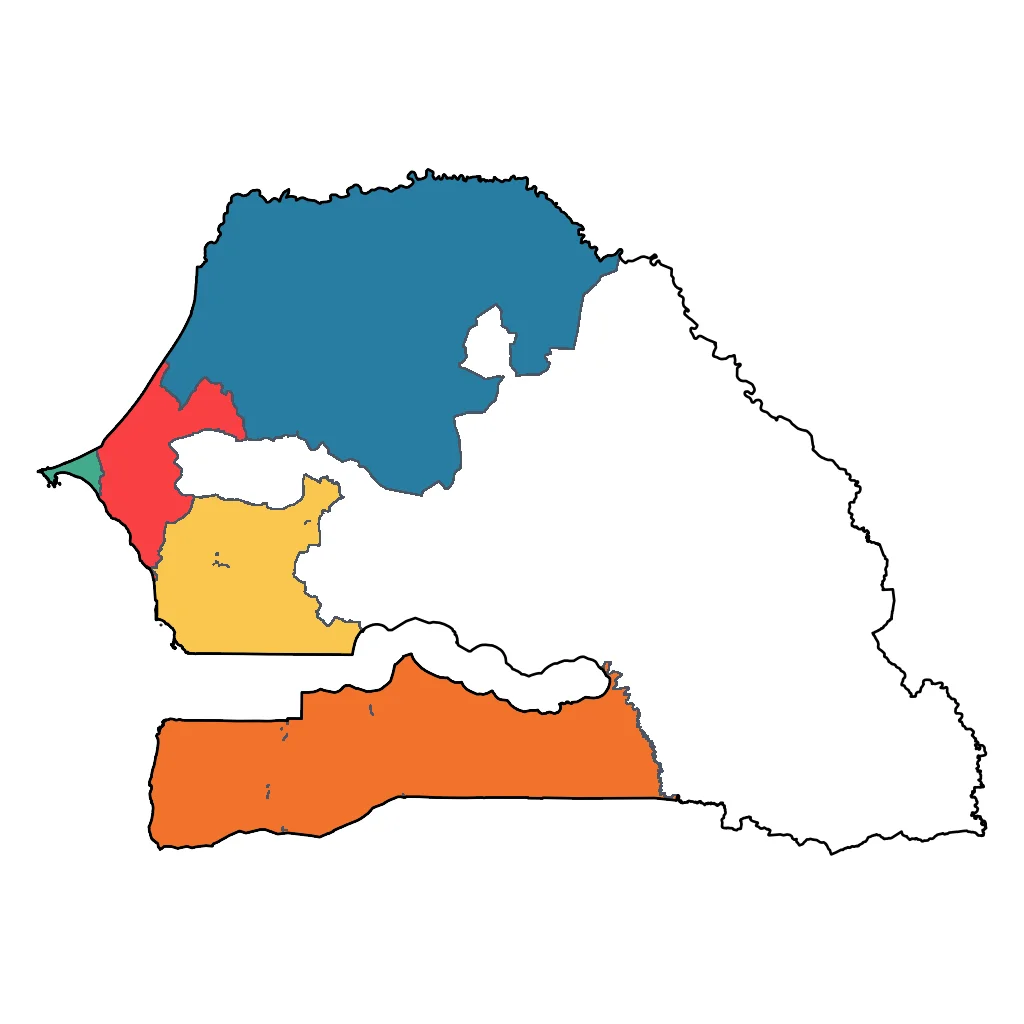
Spa retreats, wellness centers, peaceful getaways
Home to high-end eco-lodges that offer a 'digital detox' experience in a tranquil aquatic wilderness. Best enjoyed from November to February when low humidity and cooler nights complement the open-air lodge architecture; summer months are hindered by intense heat and mosquitoes.
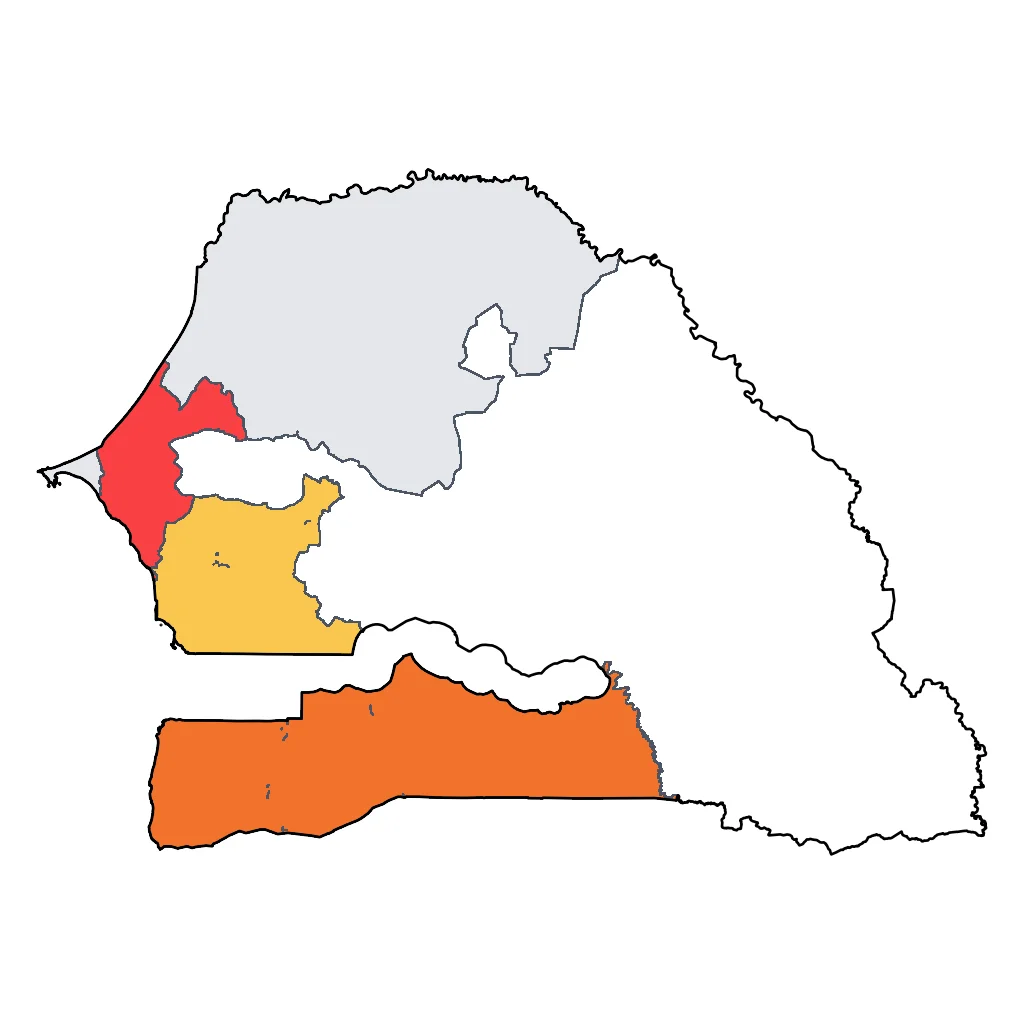
Scenic drives, countryside tours, route-based travel
Offers scenic, authentic drives through rural Senegal and coastal shell-paths, far from the mass-market resorts. Roads are most reliable during the dry winter; however, heavy rains from July to September can make unpaved tracks in the delta difficult for standard vehicles.

Sport tourism, fitness activities, active recreation
Provides high-quality kayaking through mangrove bolongs and traditional line-fishing opportunities that appeal to active families. Physical activity is most pleasant during the cooler months (Dec-Mar), whereas extreme humidity and malaria risks are higher during the summer months.