

Suriname is a fascinating blend of South American geography, Caribbean vibes, and Dutch colonial history. As the smallest independent country on the continent, it is covered almost entirely by pristine rainforest, making it an ideal destination for families who love nature but prefer a quieter pace. The country is a melting pot of cultures, where mosques stand next to synagogues and the cuisine features flavors from India, Indonesia, and Africa.
Most family trips begin in Paramaribo, the "Wooden City." The historic inner city is walkable and filled with unique architecture. Families can visit Fort Zeelandia to learn about the colonial past or marvel at the Saint Peter and Paul Cathedral, one of the largest wooden structures in the western hemisphere. For a relaxing afternoon, the Waterkant (waterfront) offers a breezy spot to watch boats on the river while enjoying local snacks.
The real adventure lies just outside the capital. Peperpot Nature Park is perfect for younger children; unlike deep jungle expeditions, this park offers well-maintained paths where you can rent bikes and cycle beneath the canopy. It is one of the easiest places to spot sloths, monkeys, and exotic birds without a strenuous hike. Nearby, a boat trip to the mouth of the Commewijne River provides a high chance of seeing curious pink river dolphins playing in the water.
For families with older children, a trip to Brownsberg Nature Park offers hiking trails leading to refreshing waterfalls like the Leo and Irene Falls. If visiting between February and August, the beaches of Galibi in the northeast are a nesting ground for giant leatherback sea turtles, a spectacular wildlife event. Adventure resorts like Bergendal offer kayaking and ziplining opportunities along the Suriname River, combining comfort with jungle activities.
Food in Suriname is kid-friendly and diverse. Roti (flatbread with curry) and bami (noodles) are widely available and popular with picky eaters. Practically, English is widely spoken alongside the official Dutch. While the coast is generally malaria-free, families should pack strong insect repellent and check vaccination requirements, particularly for Yellow Fever. Travel is best during the dry seasons (February to April and August to November).

Explore Regions
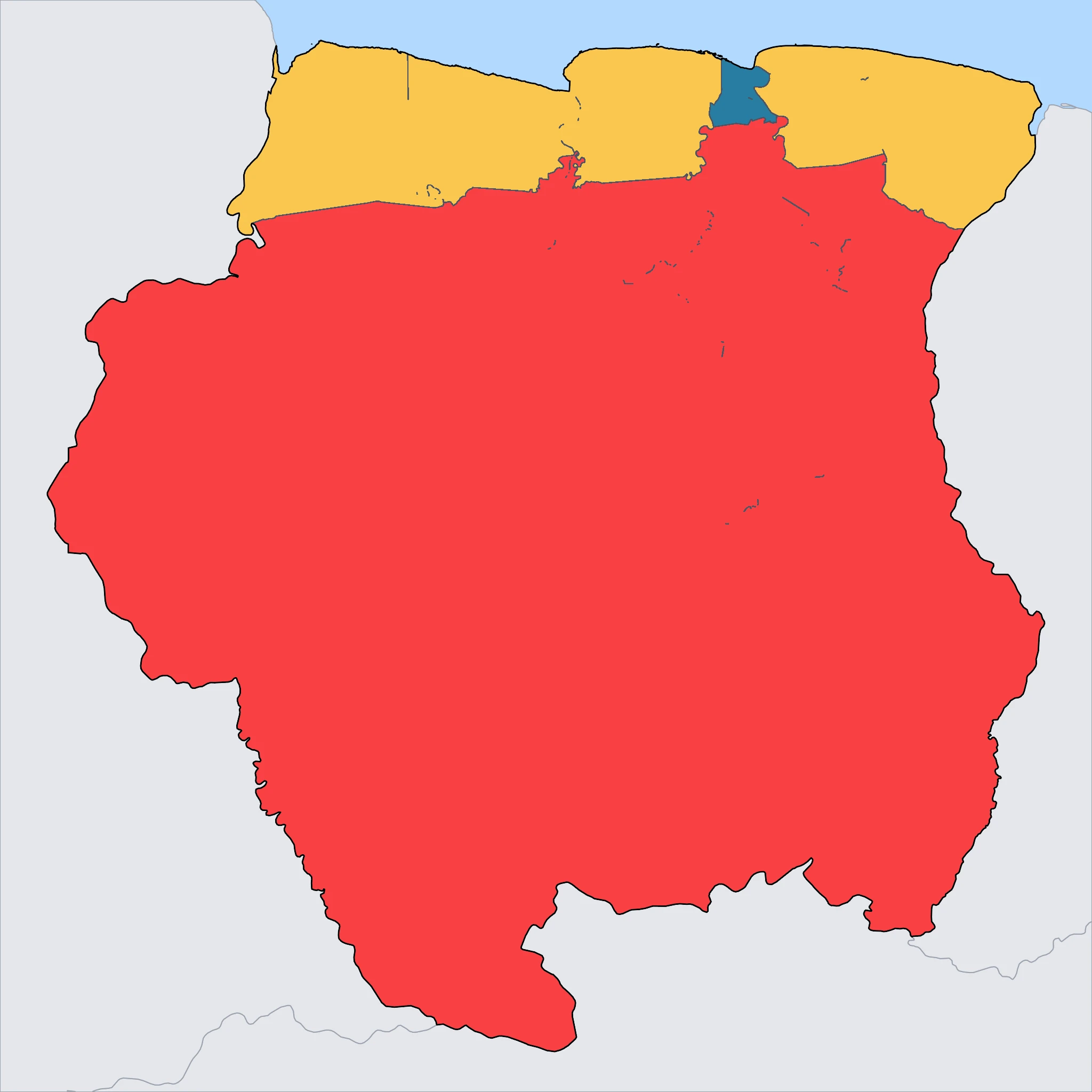
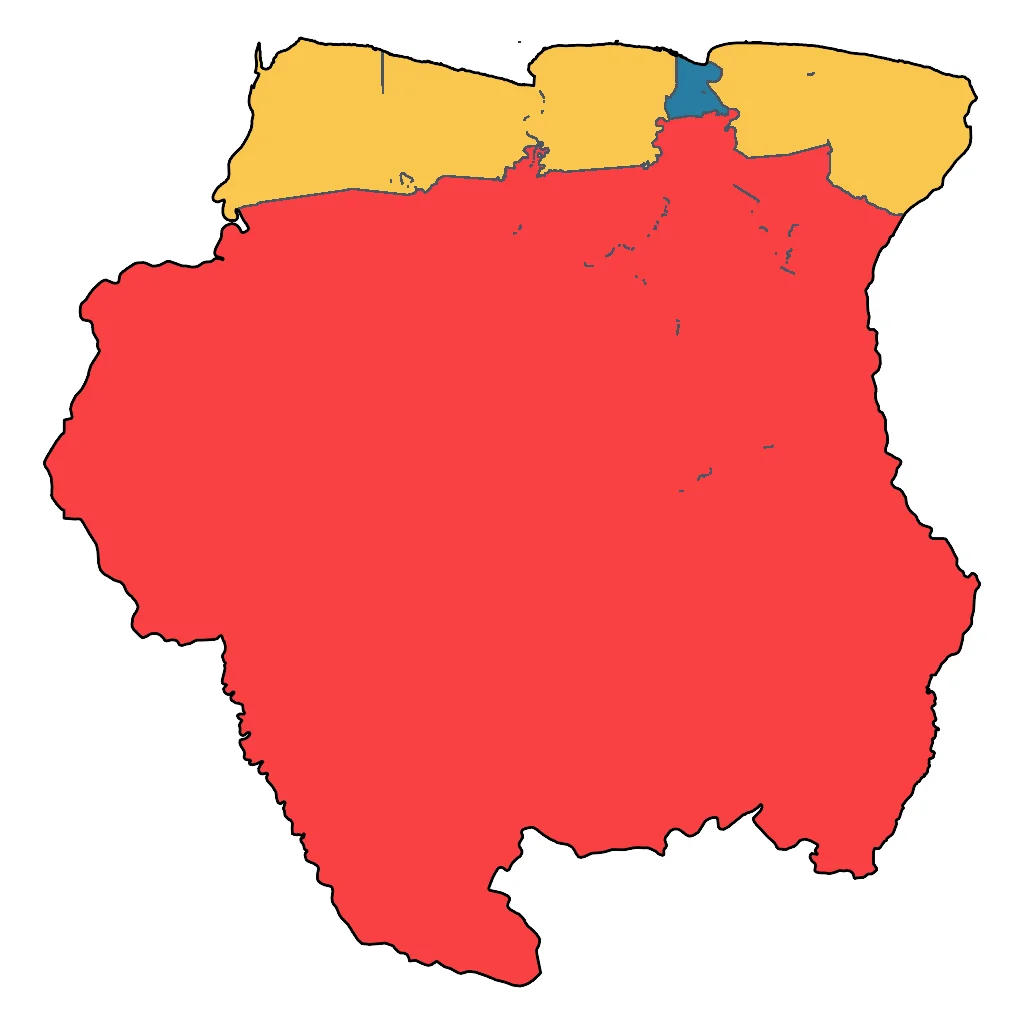
Click on a region marker to explore details. Use the dropdown to color regions by activity suitability.

Activities & Best Times

Adventure & Nature
ExcellentHiking, wildlife, outdoor exploration, ecotourism
Suriname's interior offers some of the world's most pristine primary rainforest and unique Maroon cultural immersion. Peak dry months (Sep-Nov) provide optimal wildlife visibility and trail access; the heavy tropical rains from April to July make travel and outdoor exploration difficult.
Home to the UNESCO-listed Central Suriname Nature Reserve, this region offers one of the world's most pristine primary rainforests and unique granite monoliths like Voltzberg. Peak months (Sep-Oct) provide the driest conditions for jungle navigation and optimal wildlife viewing; shoulder months remain accessible for experienced travelers, but the heavy monsoon (May-Jul) renders many interior trails and river routes impassable.
The gateway to the Amazon, featuring local highlights like Peperpot Nature Park for birdwatching and monkeys. Dryer months offer optimal trail conditions and wildlife visibility, whereas the intense tropical rains of June and July make jungle excursions muddy and difficult.

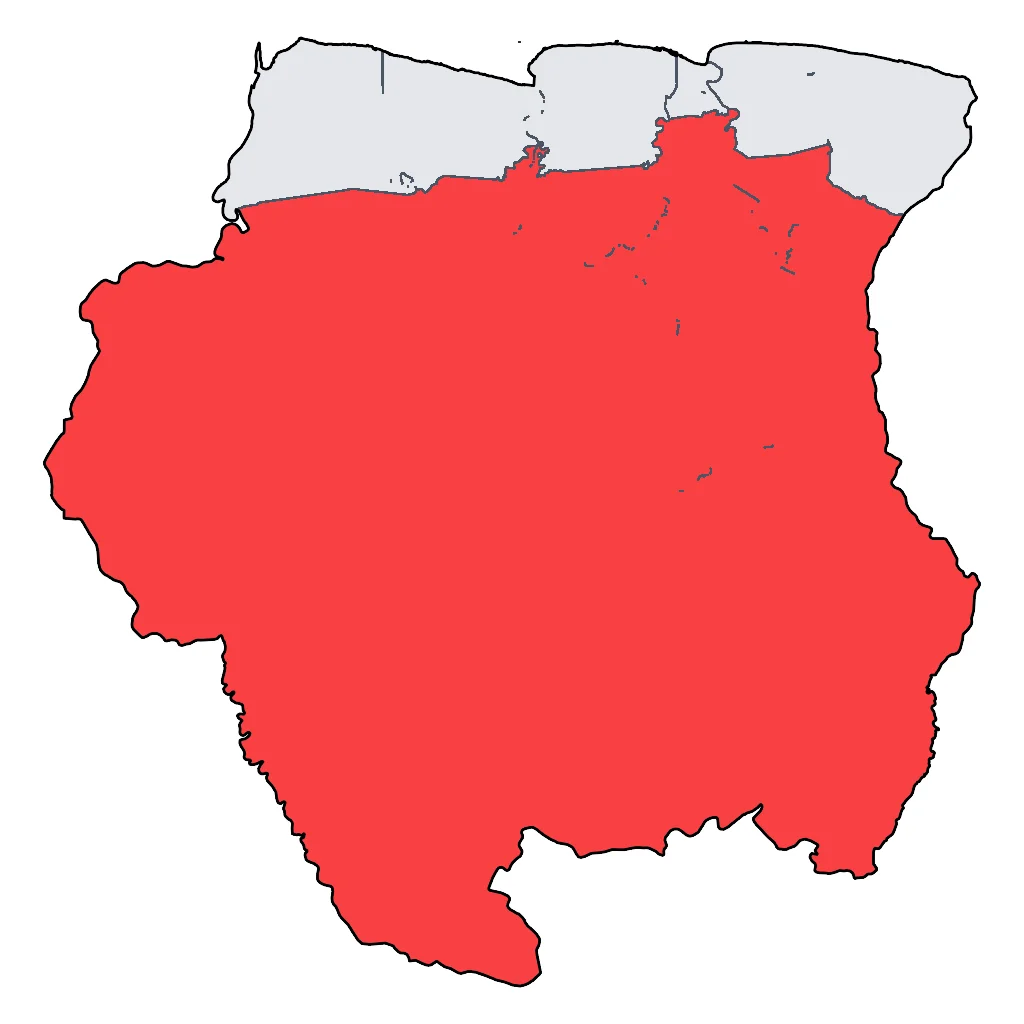
City & Cultural
Very GoodUrban tourism, museums, historical sites, architecture
A UNESCO World Heritage site featuring a unique fusion of Dutch colonial wooden architecture and a multi-ethnic culinary scene. The big dry season (Sept-Oct) provides the best conditions for walking tours, while the heavy monsoons (May-July) can cause flooding and restrict exploration.
While lacking traditional urban infrastructure, the region provides a unique cultural immersion into Maroon and Indigenous villages of significant historical value. Travel to these remote settlements is best during the dry season, as heavy rains disrupt transport and local outdoor communal life.

Educational & Exploratory
Very GoodLearning experiences, scientific sites, historical education
Offers profound learning opportunities regarding Amazonian biodiversity and the unique history of the Maroon people, who preserved West African traditions in the deep jungle. Drier conditions allow for consistent travel to remote research sites and villages, while monsoon months limit accessibility.
Offers world-class opportunities for witnessing giant Leatherback and Green sea turtle nesting at Galibi and observing complex, undisturbed tropical ecosystems. Peak months (Apr-Jun) align with the height of the turtle nesting season, providing profound educational experiences despite higher rainfall; the late-year dry season is less suitable as the turtles migrate away from the coast.
Rich historical insights into the Dutch colonial era and the trans-Atlantic slave trade at sites like Fort Zeelandia. Visiting is best during the driest months when outdoor historical sites are easily accessible; heavy rain in the shoulder and off-seasons can limit guided outdoor tours.

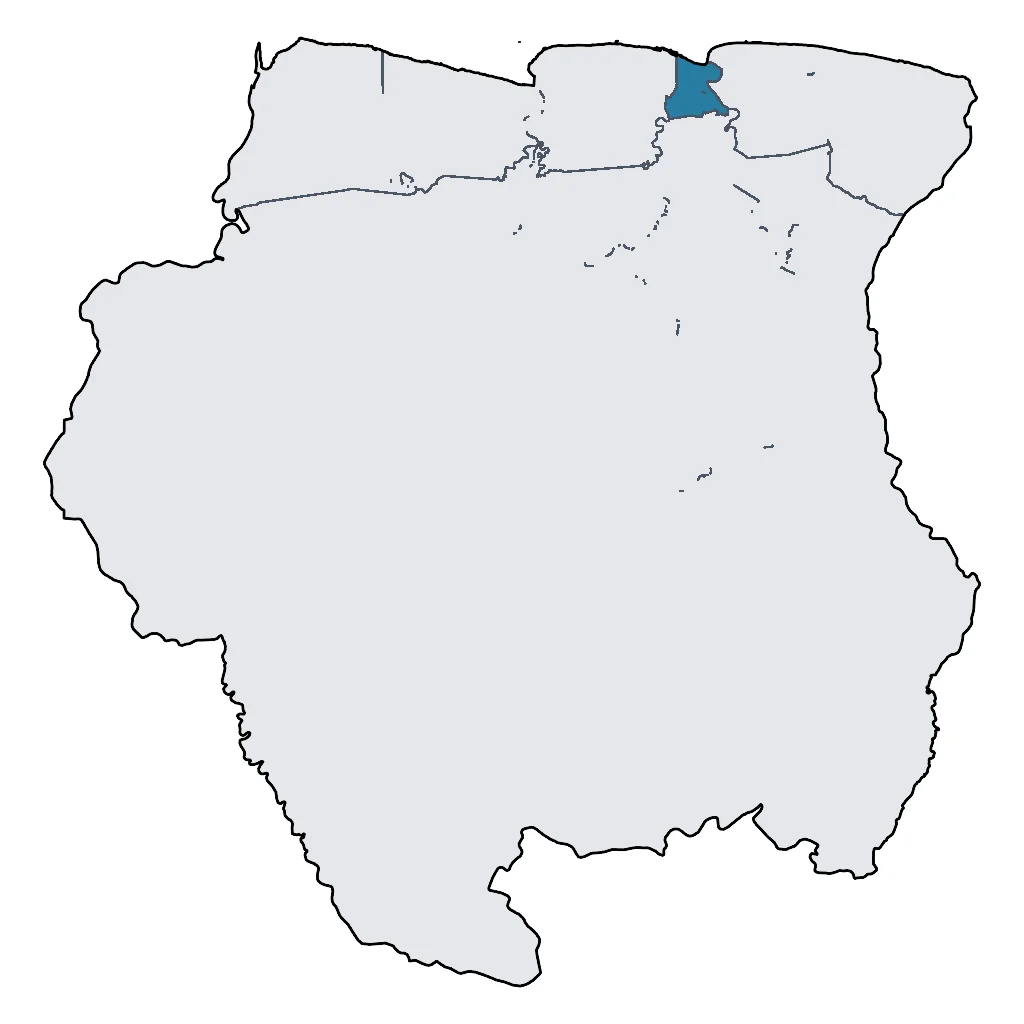
Relaxation & Wellness
GoodSpa retreats, wellness centers, peaceful getaways
Remote, high-quality eco-lodges provide an authentic digital detox and immersion in nature for sophisticated travelers. The peak dry season offers lower humidity and pleasant conditions for outdoor wellness, whereas the extreme humidity and heavy rains (May-Jun) can be oppressive.
Boutique heritage hotels offer a slow-paced atmosphere, though it lacks world-class specialized spa infrastructure. Best enjoyed during low-humidity dry months; the extreme humidity and heavy rainfall of the mid-year monsoon are unsuitable for outdoor relaxation.

Sports & Active
GoodSport tourism, fitness activities, active recreation
World-class river kayaking and jungle trekking through rugged terrain appeal to active, experienced families. The dry season (Sep-Nov) ensures safer river navigation and firm trails; the peak rainy season often floods terrain and creates unpredictable river conditions.
Features authentic, rugged terrain for jungle trekking and extensive river systems for kayaking through primary wilderness. The dry season (Sep-Oct) is peak for safe trail conditions and predictable river currents; shoulder months offer variety for high-standard adventure travelers, while the peak rainfall months (May-Jul) create hazardous conditions and trail washouts.

Festivals & Seasonal
GoodEvents, celebrations, seasonal attractions
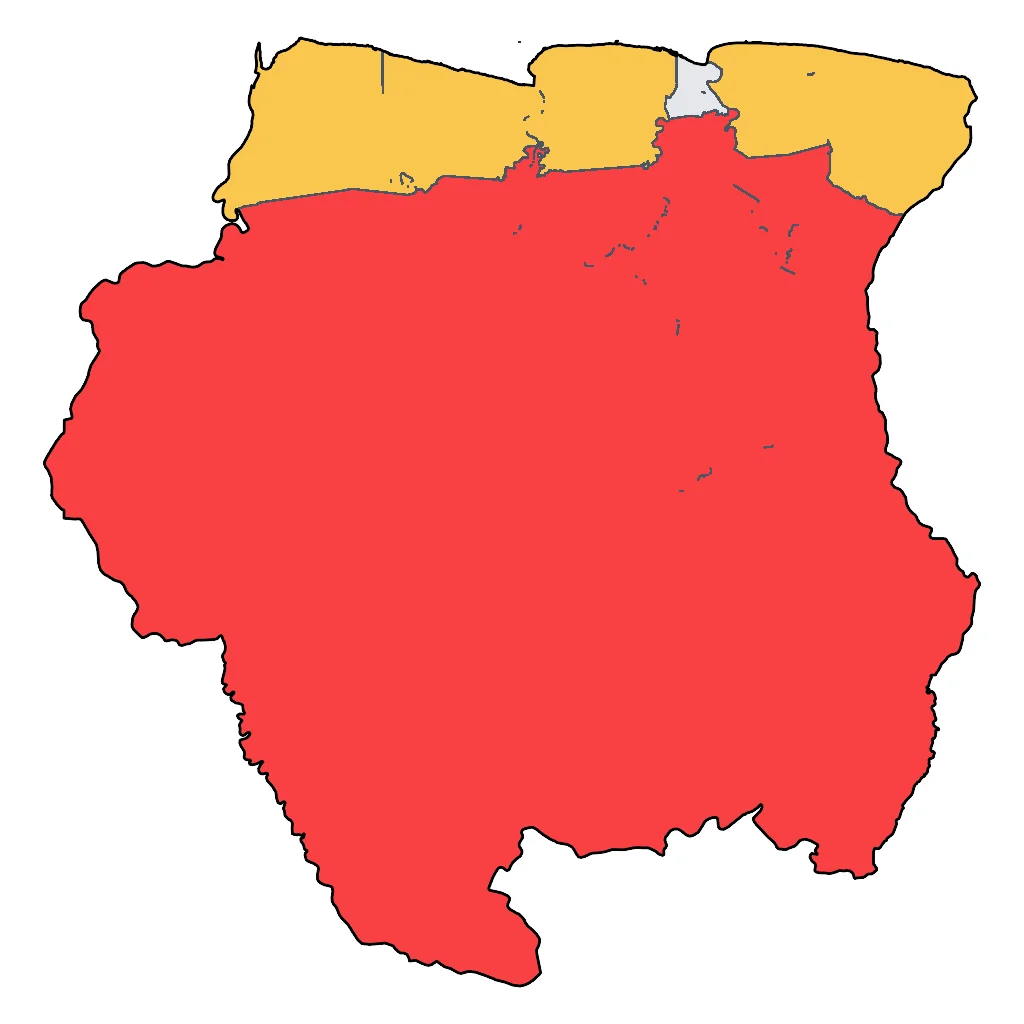
Beach & Sea
MarginalBeach resorts, marine activities: diving, snorkelling, kite surfing, wind surfing, sailing
Lacks traditional coastal beaches but offers unique freshwater 'creek' resorts and river swimming in mahogany-colored waters. These are most appealing and safe during the dry season (Aug-Nov) when water levels are low; the rainy season (Apr-Jul) makes the rivers murky and the current too powerful for leisure.
While Galibi features stunning, pristine beaches, they are primary nesting sites rather than traditional swimming resorts and lack high-end beach infrastructure. The long dry season (Aug-Nov) offers the most pleasant conditions for coastal exploration, though the focus remains firmly on nature over recreation.

Airports & Flight Routes
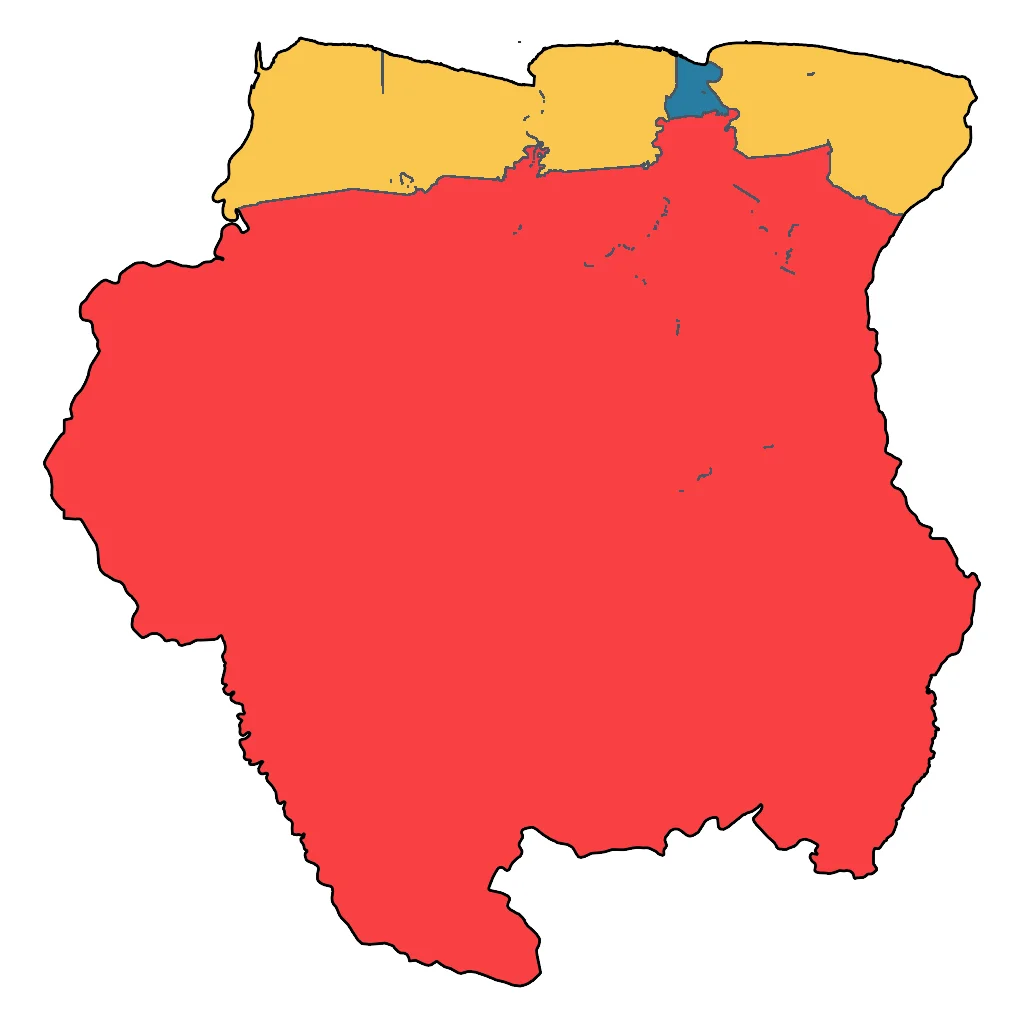
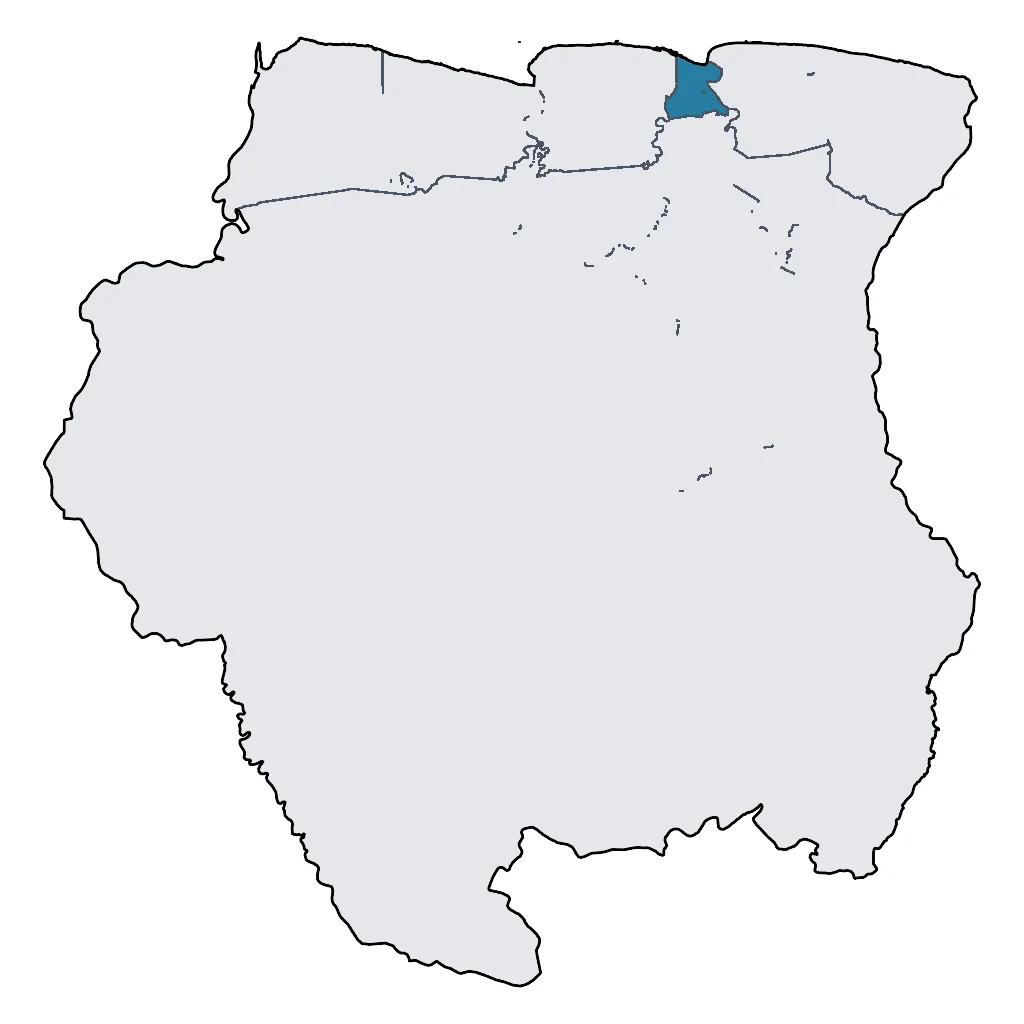
Toggle options to view domestic routes and international airports. Click an airport for details.
Climate & Weather
Interior & Rainforest
Show Details
| Month | Temp °C | Rain | Humidity |
|---|
Nature Reserves
Show Details
| Month | Temp °C | Rain | Humidity |
|---|
Paramaribo
Show Details
| Month | Temp °C | Rain | Humidity |
|---|

Travel Advisory
The majority of international agencies classify Suriname as a destination requiring standard safety awareness with no elevated country-wide risks.
Safety Topics
Traveller Advice (2 groups)

Female visitors may experience verbal harassment and should avoid walking alone at night, particularly outside the immediate vicinity of major hotels.

While same-sex relations are legal, social stigma remains. Public displays of affection may attract negative attention or discrimination.