
Príncipe Island
A living museum of nature where the jungle meets the sea 🐢🌿
Príncipe Island is often described by visitors as a 'Lost World' due to its dramatic phonolithic peaks and dense, ancient rainforests, yet it remains an incredibly safe and welcoming destination for families. As a designated UNESCO Biosphere Reserve with a population of fewer than 10,000 people, the island offers a pace of life that is slow, quiet, and deeply connected to nature. For families, this means beaches that are often empty, roads with almost no traffic, and a sense of freedom that is hard to find in busier tourist hubs.
The island's geography is defined by its lush vegetation and volcanic geology. The iconic Pico Papagaio dominates the skyline, while the coast is dotted with golden crescents of sand. Praia Banana, famous for its perfect curve, offers shallow, calm waters ideal for younger swimmers. Another highlight is Praia Boi, where the jungle spills right onto the beach. The climate is tropical and humid, with two dry seasons (roughly January–February and June–September) that are best for travel, though the warm rain showers in between are often short and refreshing.
Accommodation on Príncipe has evolved to suit families looking for comfort amidst the wild. Historic plantations, known as roças, have been converted into charming hotels. Roça Sundy is particularly notable not just for its comfort, but for its history; it was here that Arthur Eddington confirmed Einstein's Theory of Relativity during the 1919 eclipse. Staying at a roça allows children to explore tropical gardens, learn about the cocoa-drying process, and see history firsthand in a tangible, engaging way.
Wildlife encounters here are gentle and accessible. From late year to early year, families can witness sea turtles nesting on the beaches, or watch hatchlings make their way to the ocean—a magical experience for children. The waters surrounding the island are teeming with marine life, making snorkeling a popular activity. On land, the forests are full of endemic birds, butterflies, and monkeys. Guided nature walks are generally easy enough for active children, with guides pointing out medicinal plants and native fruits like jackfruit and breadfruit.
Getting to Príncipe requires a short, scenic flight from São Tomé, which is an adventure in itself. Once there, life revolves around the tiny capital, Santo António, often called the world's smallest city. It is a colorful, sleepy town where children can play in the central square while parents enjoy local coffee. Dining focuses on fresh fish, plantains, and tropical fruit, with most lodges offering kid-friendly variations of local dishes. For families seeking a digital detox and a genuine connection with nature without the dangers of more aggressive wilderness destinations, Príncipe is unmatched.
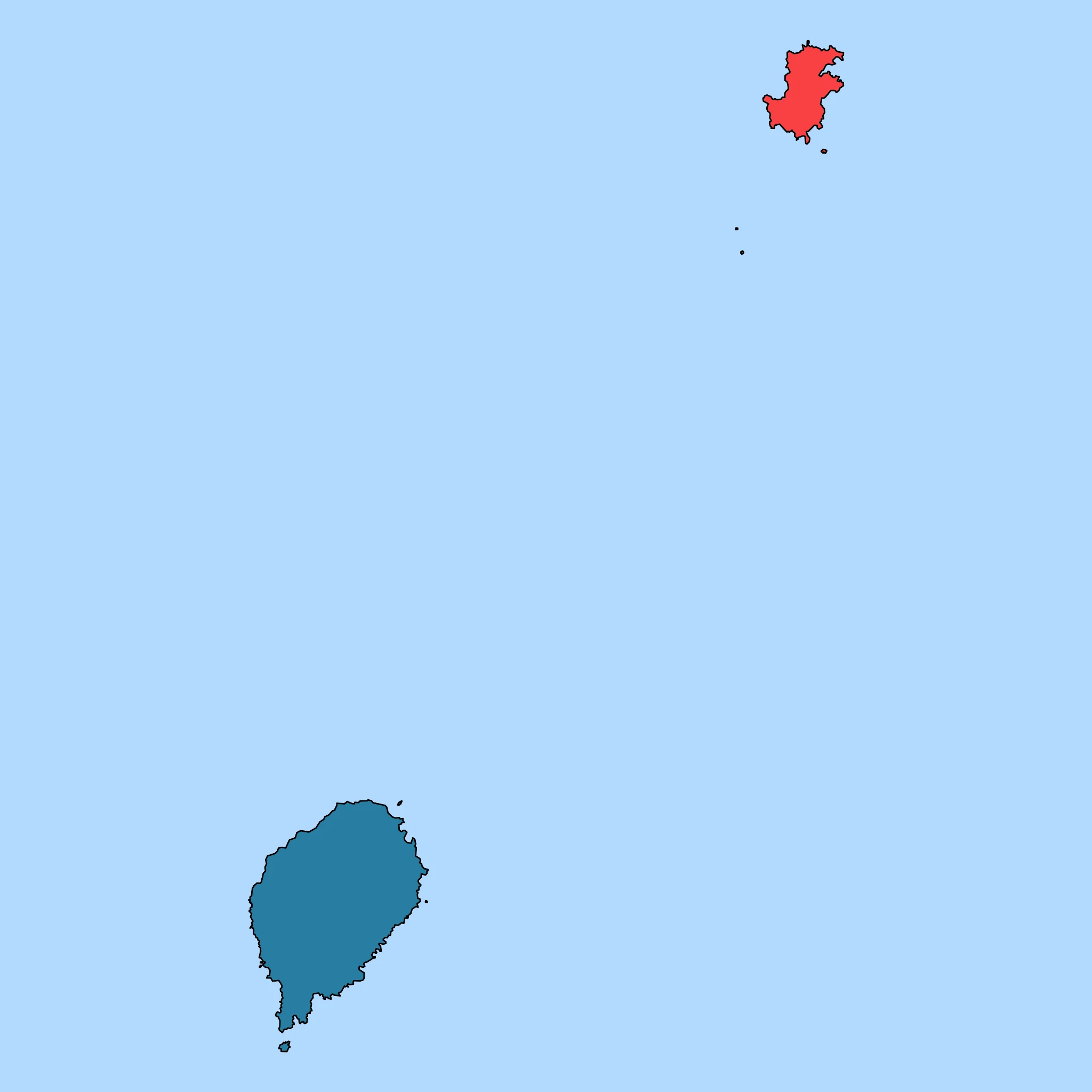
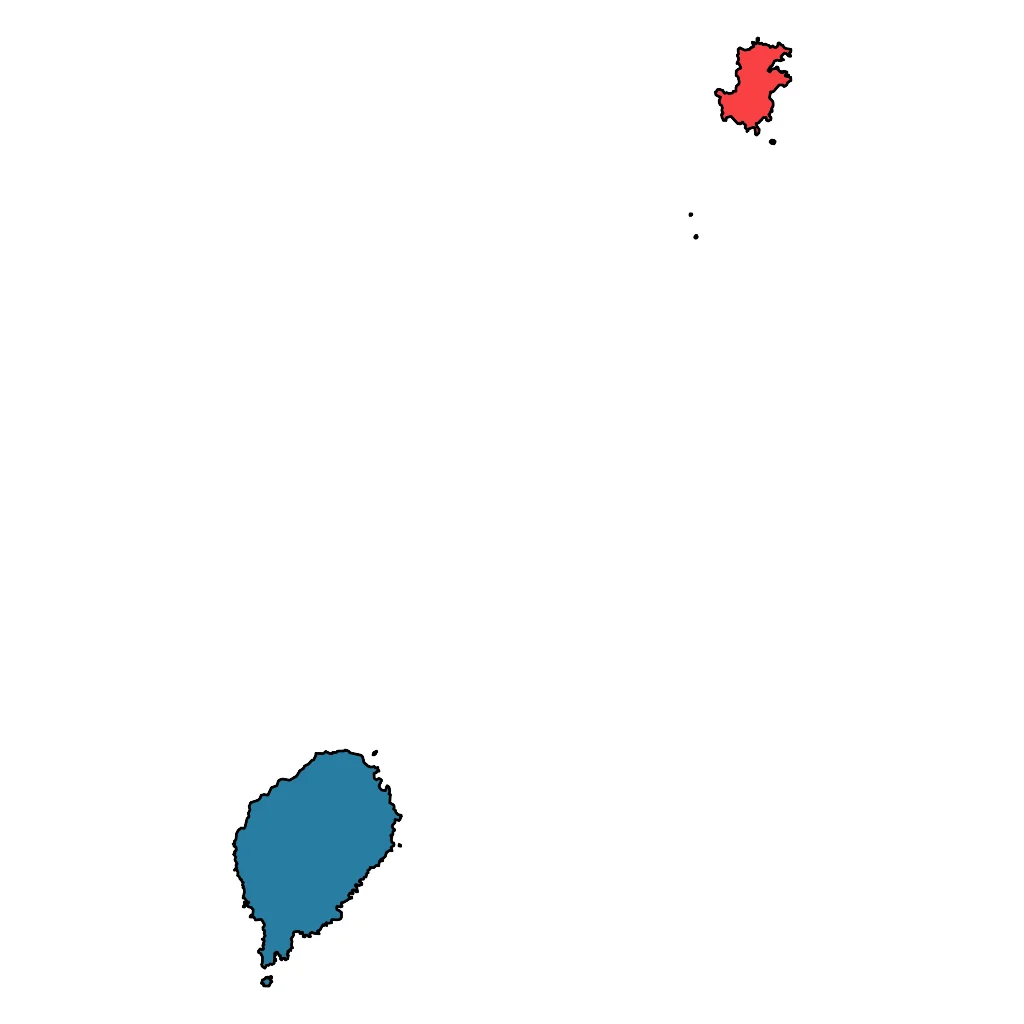
Click a region to explore

Activities & Best Times

Hiking, wildlife, outdoor exploration, ecotourism
The biodiversity and endemic species are significant (UNESCO Biosphere Reserve), but 'excellent' overstates the case when compared to global nature destinations like the Galapagos, Costa Rica, or Madagascar. The 'Galapagos of Africa' marketing phrase is aspirational rather than factual.

Beach resorts, marine activities: diving, snorkelling, kite surfing, wind surfing, sailing
While Príncipe has pristine, secluded beaches, 'excellent' should be reserved for internationally iconic beach destinations (Maldives, Caribbean, etc.). The beaches are beautiful and unspoiled but lack the international recognition and infrastructure for an 'excellent' rating.

Learning experiences, scientific sites, historical education
The island holds immense scientific significance as the site of the 1919 solar eclipse that proved Einstein’s Theory of Relativity at Roça Sundy. The drier seasons are best for exploring these historic plantations and UNESCO research sites; however, the extreme tropical downpours in the off-season can limit access to remote heritage locations.

Spa retreats, wellness centers, peaceful getaways
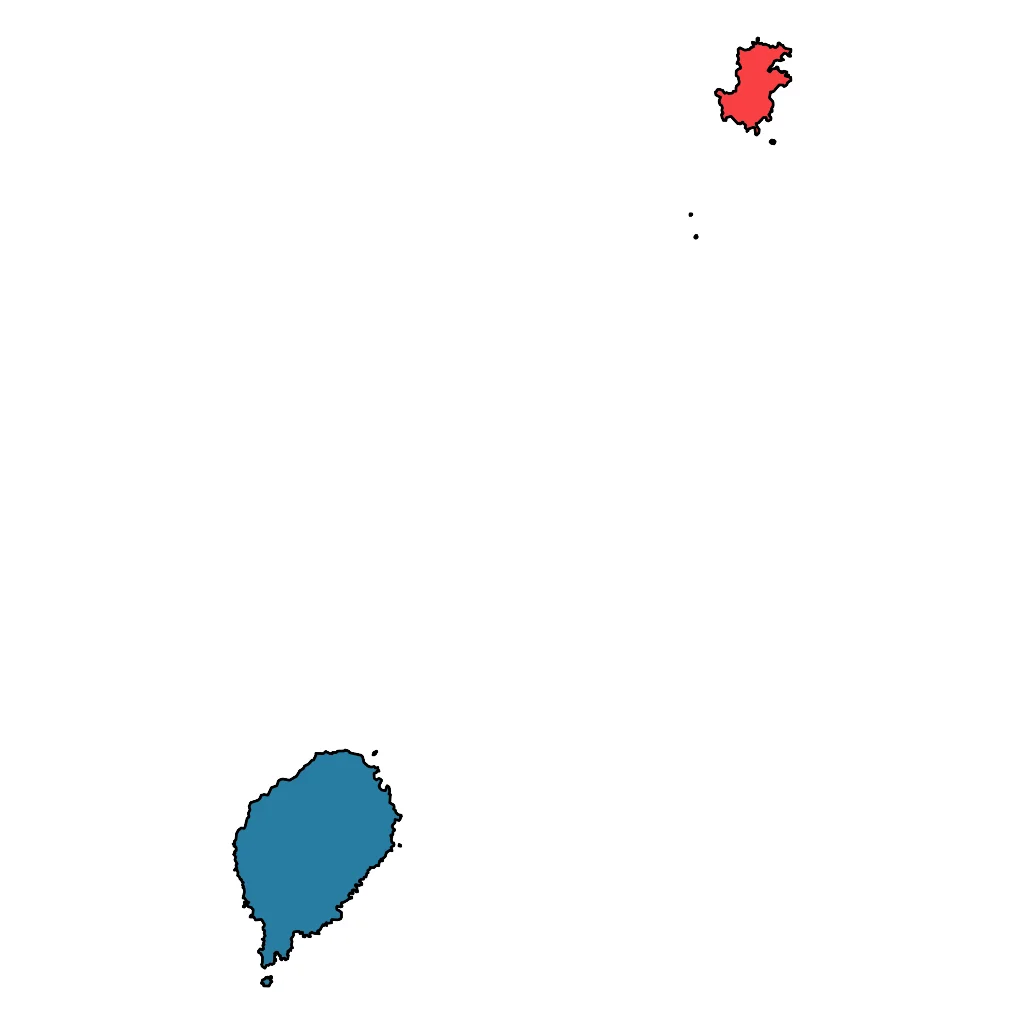
Exclusive eco-luxury retreats like Sundy Praia provide sophisticated families with high-end, sustainable wellness experiences in total isolation. Peak dry months offer the low humidity and clear skies essential for outdoor spa treatments and meditation; the extreme humidity and heavy rainfall of the off-season (up to 283mm in October) are less conducive to relaxation.

Urban tourism, museums, historical sites, architecture
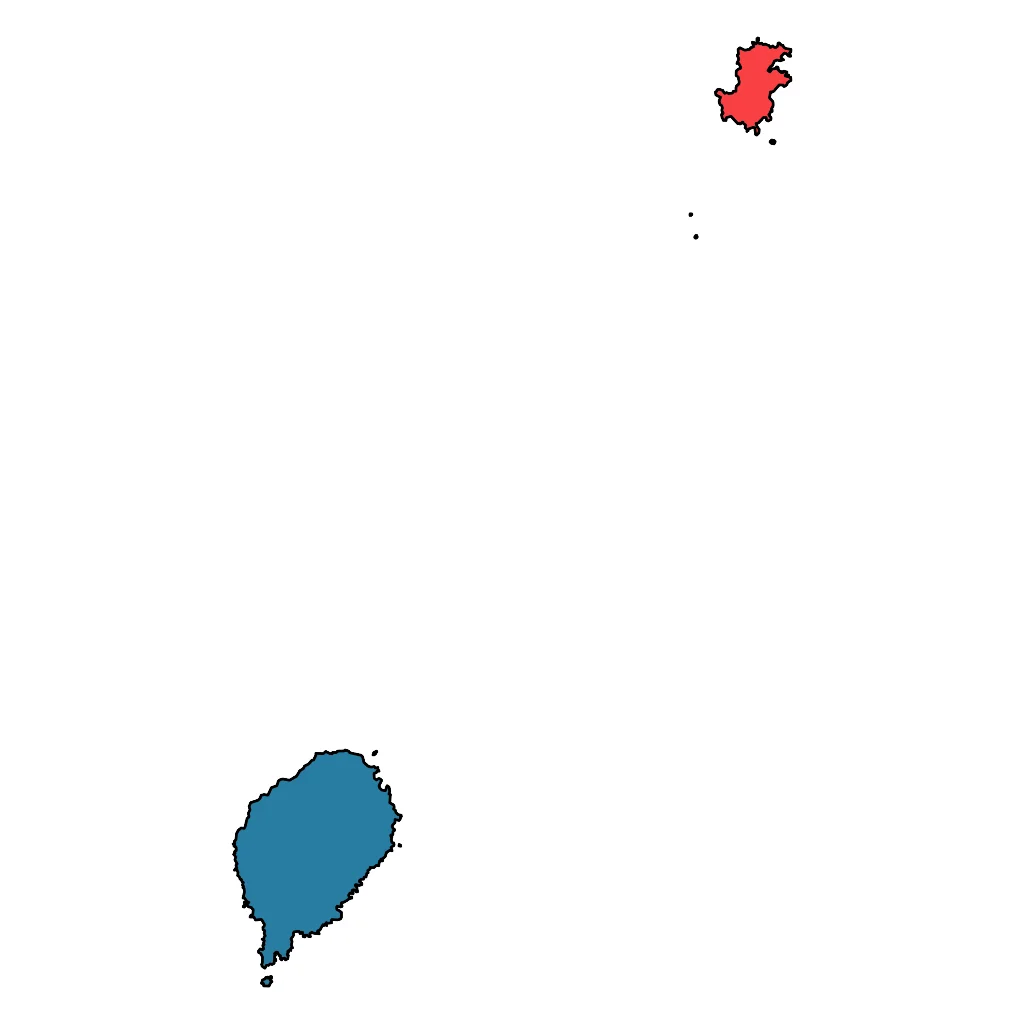
Cultural experiences center on the 'roças' (colonial plantation estates) and the island's slow-paced, exceptionally safe lifestyle. Peak conditions for exploring these historic sites occur during the dry months when rural roads are most accessible, though the island lacks a traditional urban center.

Events, celebrations, seasonal attractions
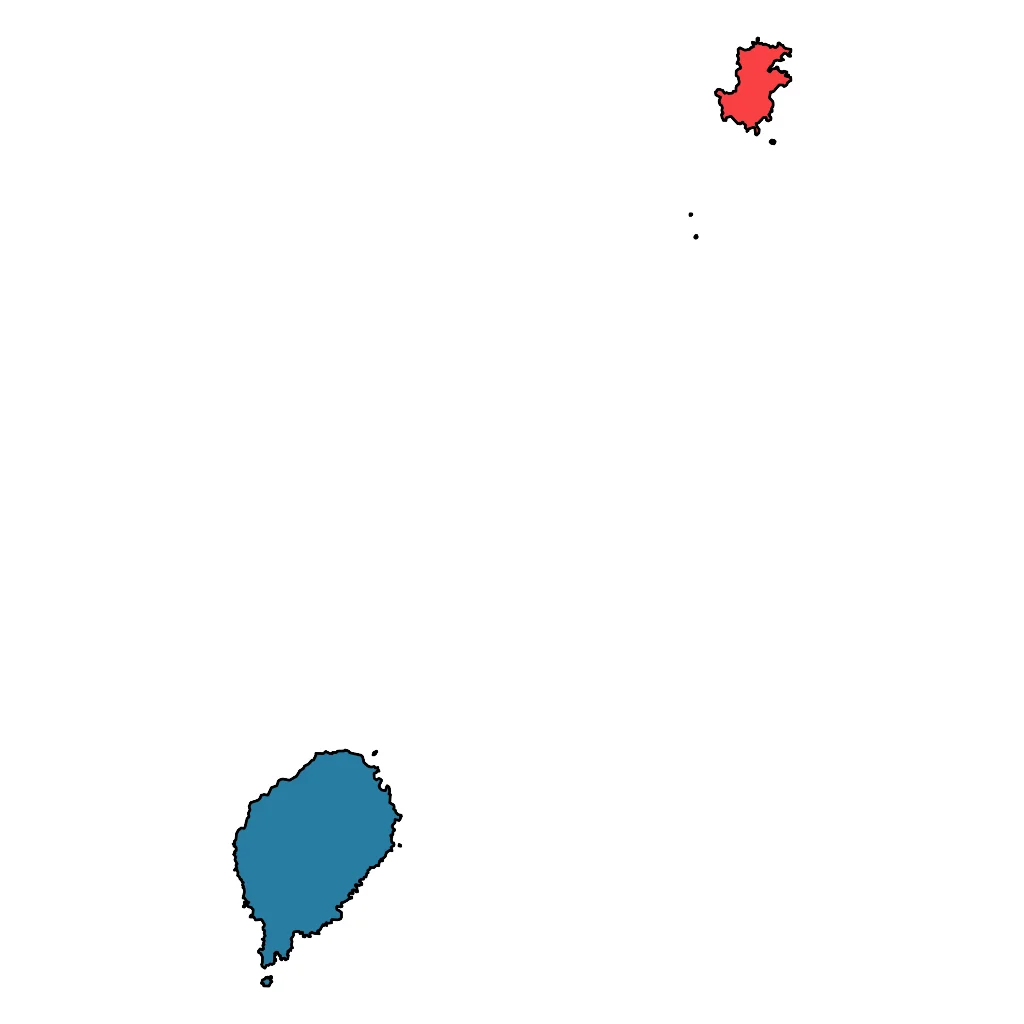
The island hosts the authentic 'Auto de Floripes' festival in August and offers peak whale watching from July to September. The shoulder months cover the critical sea turtle nesting season (Nov-Feb), while the heavy rains of March-May and October represent a lull in major biological and cultural events.

Sport tourism, fitness activities, active recreation
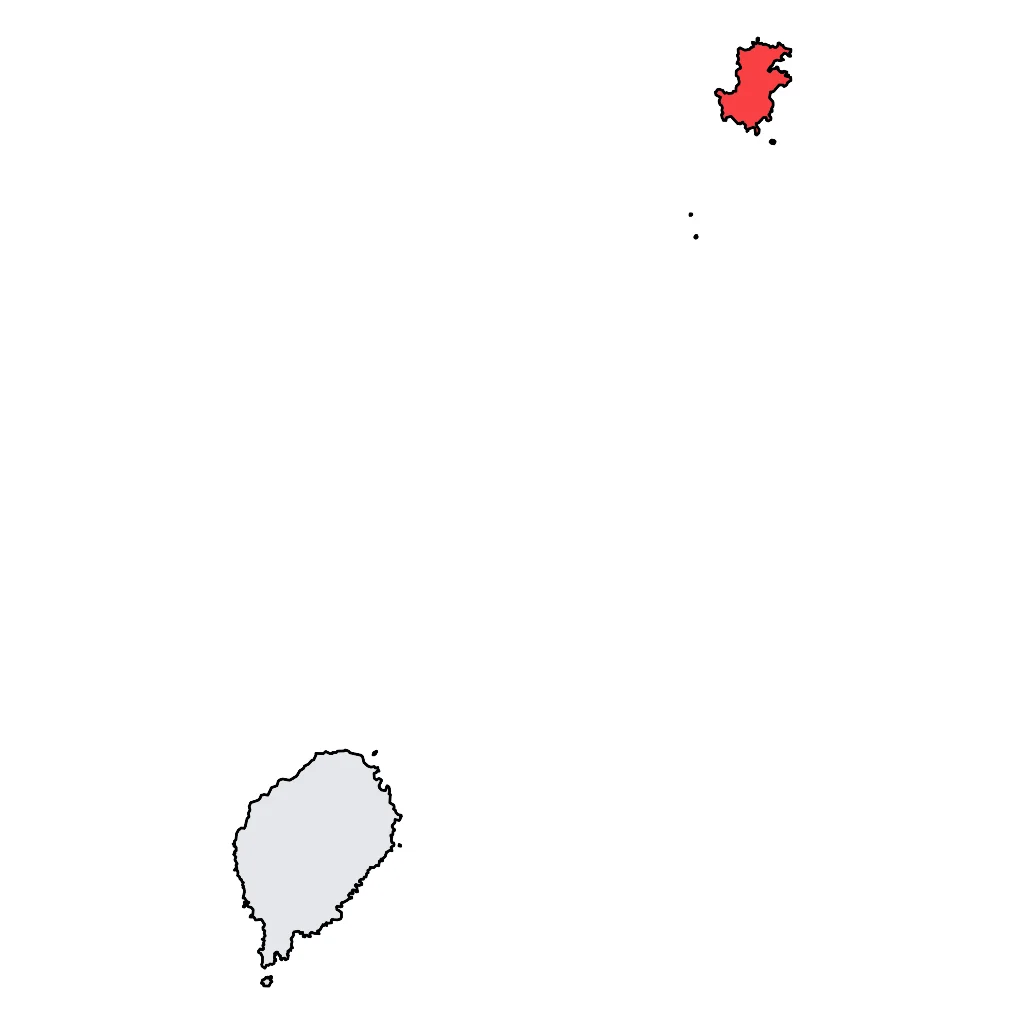
Offers high-quality sea kayaking, snorkeling, and jungle hiking for active families. The main dry season (Jun-Aug) provides the most reliable weather for these activities, whereas the heavy humidity and rainfall of the transition months can make physical exertion uncomfortable.

Attractions (24 total)
Beach / Coastal Recreation Area
Bom Bom Island
Santo António
A lush islet connected to the mainland by a long wooden pedestrian bridge, featuring rocky coves and crystal-clear snorkeling waters.
Praia Banana
Santo António
Iconic crescent-shaped beach with golden sand and turquoise water, famous for its appearance in Bacardi commercials.
Praia Boi
Santo António
A pristine and rugged beach known for its wild beauty and dramatic tropical scenery along the northeastern coast.
Praia Macaco
Santo António
A secluded and picturesque bay with calm waters and palm-fringed sands, ideal for families seeking a quiet swimming spot.
Praia Grande
Santo António
The island's largest beach, offering wide expanses of sand and acting as a major protected nesting site for sea turtles.
Natural Feature / Scenic Site
Ilhéu Bom Bom
Santo António
A scenic forested islet connected to the main island by a long, picturesque wooden walkway over crystal-clear waters, ideal for snorkeling and photography.
National Park / Nature Reserve
Obo National Park
Santo António
A UNESCO Biosphere Reserve featuring pristine primary rainforest, dramatic volcanic peaks, and rare endemic bird species.
Cascata Oquê Pipi
Santo António
A beautiful secluded waterfall accessible via a guided forest trail, perfect for swimming in a cool, natural jungle pool.
Pico Papagaio
Santo António
A striking phonolith rock peak providing a popular yet challenging jungle trek with sweeping views of the island's coastline.
Hiking & Cycling Routes
Pico Papagaio Trail
Santo António
Approx. 6–8km round trip, challenging difficulty, 4–6 hours duration, 700m elevation gain. This premier trek ascends through primary and secondary rainforest to the summit of Parrot's Peak (Pico Papagaio), a volcanic phonolith offering 360-degree views of the island's jagged peaks and the Gulf of Guinea. Guided trekking is highly recommended due to dense vegetation; bookings available through Roça Sundy (principecollection.com).
Visit website →Ribeira Izé Trail
Roça Sundy
Approx. 5km round trip, easy to moderate difficulty, 2.5–3 hours duration, 100m elevation gain. This heritage trail connects the Roça Sundy plantation to the ruins of Ribeira Izé, the island's first capital. The route passes through coastal forest and cocoa groves, leading to the atmospheric remains of a 19th-century church and the former mansion of Maria Correia.
Visit website →Oquê Pipi Waterfall Trail
Terreiro Velho
Approx. 3km round trip, moderate difficulty, 1.5–2 hours duration, 150m elevation gain. A popular hike through the heart of the Parque Natural do Príncipe (PNP) leading to a pristine 30-meter waterfall. The path involves a steady climb through humid jungle and can be slippery after rain. It concludes at a natural lagoon suitable for swimming. Trail access typically requires a park fee of approximately 5 Euro.
Visit website →Road Trips & Scenic Drives
Príncipe Eastern Heritage & Praia Banana Route
Santo António
A 12km scenic route (approx. 45 minutes) on a mix of paved, cobblestone, and well-maintained gravel roads. The drive passes through dense secondary forest and historic cacao estates, including the 19th-century Roça Sundy and Roça Belo Monte. Key highlights include the world-famous high-altitude viewpoint overlooking the crescent-shaped Praia Banana and access to the tranquil Praia Macaco.
Visit website →Southern Rainforest & Phonolith Peaks Route
Santo António
A 10km ruggedly scenic drive (40 minutes) heading south from Santo António towards the Terreiro Velho viewpoint. The road is a combination of old pavement and gravel, requiring a 4WD vehicle during the rainy season. It provides the best accessible driving views of the island's jagged phonolith peaks, including the iconic Pico Papagaio, and ends near the organic chocolate plantations of Claudio Corallo.
Visit website →Príncipe Northern Coast Scenic Drive
Santo António
An 8km coastal and rainforest drive (25 minutes) primarily on paved and cobblestone surfaces. The route connects the island's capital to the northern tip, winding through the UNESCO Biosphere Reserve. It offers narrow, lush canopy tunnels and glimpses of the Atlantic Ocean, terminating at the iconic wooden footbridge that connects the mainland to the tiny Bom Bom Island resort.
Visit website →Farm Park / Petting Zoo / Rural Experience
Roça Sundy
Santo António
A historic cocoa plantation offering guided tours of its heritage buildings, agricultural grounds, and the site where Einstein's Theory of Relativity was proven.
Visit website →Roça Paciência
Santo António
An organic production hub and former plantation where families can see how tropical fruits, herbs, and cocoa are grown and processed into local products.
Science Museum / Natural History Museum / Discovery Centre
Roça Sundy (Espaço 1919)
Santo António
A dedicated science interpretation center at the site of the historic 1919 solar eclipse observation that confirmed Einstein's Theory of General Relativity.
Roça Belo Monte Museum
Santo António
An interpretive museum showcasing the island's rich biodiversity and colonial heritage within a beautifully restored plantation manor.
Visit website →Historic Town / Village / Cultural Area
Santo António
Santo António
The world's smallest capital city features charming Portuguese colonial architecture and a peaceful riverside setting.
Roça Belo Monte
Belo Monte
A beautifully restored estate housing a museum dedicated to the island's natural history and providing panoramic views of the coastline.
Visit website →Landmark / Monument / Iconic Urban Attraction
Igreja de Santo António
Santo António
A charming colonial-style church that serves as the spiritual and architectural centerpiece of the world's smallest capital city.
Miradouro de Nova Estrela
Santo António
A popular coastal viewpoint offering a perfect vista of the iconic Ilhéu Caroço and the dramatic volcanic cliffs of the southern coast.
Castle / Palace / Historic Site
Roça Porto Real
Santo António
One of the island's most impressive historic plantations, featuring the evocative ruins of a colonial-era hospital and grand estate architecture.