

The French Southern Territories (Terres australes et antarctiques françaises, or TAAF) represent one of the last true wildernesses on the planet. Located in the remote southern Indian Ocean between Africa and Antarctica, these volcanic islands-including the Kerguelen archipelago, Crozet Islands, and Saint-Paul and Amsterdam-are devoid of permanent inhabitants, towns, or hotels. Instead, they serve as research stations for scientists and a protected haven for millions of seabirds and marine mammals. For families, this is not a typical vacation spot, but an expedition into the heart of nature for those seeking the extraordinary.
The primary appeal lies in the spectacular and abundant wildlife. The islands host the world's largest colonies of King Penguins, numbering in the hundreds of thousands, alongside Wandering Albatrosses, rockhopper penguins, and massive elephant seals. Viewing these animals in their natural habitat, undisturbed by mass tourism, is a profound experience. The landscape is dramatic and stark, characterized by windswept tussock grass, glaciers, deep fjords, and jagged volcanic peaks that rise abruptly from the rough seas.
Reaching these territories is a logistical adventure. There is no airport; access is strictly limited to a small number of paying passengers allowed aboard the Marion Dufresne, the French scientific supply ship. The vessel rotates from Réunion Island four times a year, with the voyage taking nearly a month to complete. The ship stops at the various archipelagos to resupply bases and rotate scientific staff. Life on board is comfortable but functional, often featuring lectures on biology, history, and the logistical challenges of the sub-Antarctic.
Practical Considerations for Families: Travel to the TAAF requires careful planning and realistic expectations. It is generally unsuitable for young children due to the extreme isolation, rough sea conditions (the "Roaring Forties"), and a total lack of medical facilities beyond the ship's basic infirmary. There are no shops, restaurants, or mobile phone networks ashore. Visitors must undergo a strict medical check before booking. Consequently, this destination is best reserved for families with adult children or older teenagers who have a serious passion for ecology, ornithology, or polar exploration.

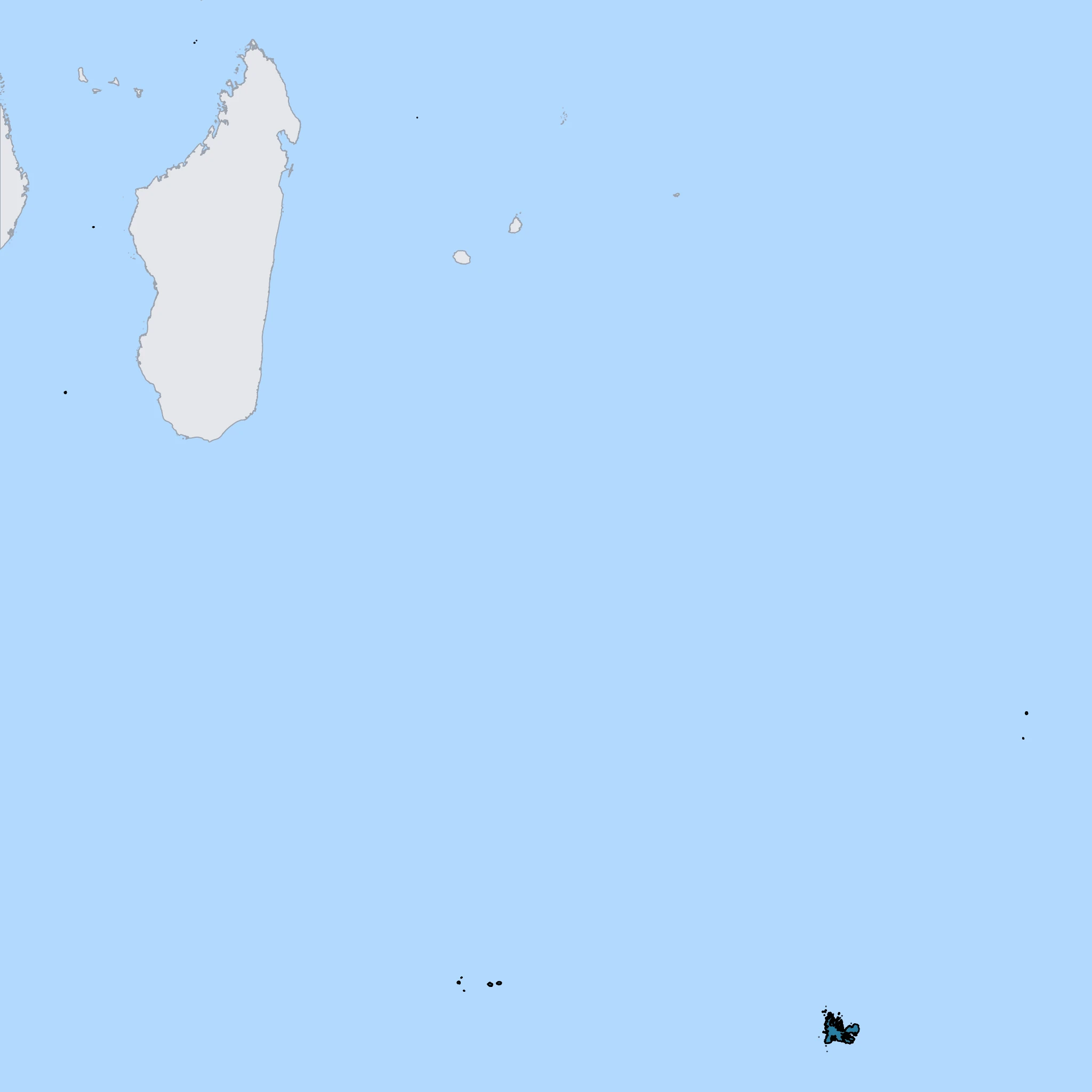
Map

Activities & Best Times

Adventure & Nature
ExcellentHiking, wildlife, outdoor exploration, ecotourism
A peerless destination for wildlife enthusiasts, offering world-class access to massive king penguin and albatross colonies in a raw, volcanic setting. Peak summer months (Jan-Feb) provide the most manageable temperatures and highest wildlife activity; shoulder months are viable but colder, while the rest of the year suffers from extreme precipitation and harsh subantarctic conditions.

Educational & Exploratory
Very GoodLearning experiences, scientific sites, historical education
As a major global hub for climate, biological, and geomagnetic research, the region offers profound educational value for sophisticated travelers interested in environmental science. Access to research stations is best during the austral summer (Jan-Feb) when logistics are most reliable; winter conditions (Mar-Oct) involve extreme weather and significant operational closures.
Beach & Sea
MarginalBeach resorts, marine activities: diving, snorkelling, kite surfing, wind surfing, sailing
The tropical Îles Éparses offer pristine coral reefs and turquoise waters, though they are rarely accessible and lack any traditional infrastructure. While the subantarctic waters are too cold for swimming, the tropical islands represent a unique, though highly restricted, world-class marine environment.

Attractions
1 attractions to explore. Click markers for details.
Airports & Flight Routes
Toggle options to view domestic routes and international airports. Click an airport for details.
Climate & Weather
Climate Overview
| Month | Temp (°C) | Rain (mm) | Humidity | Wind (m/s) |
|---|

Travel Advisory
Majority of agencies recommend increased caution primarily due to the administrative link to France and the extreme environmental risks of the sub-Antarctic region.
Safety Topics
Traveller Advice (2 groups)

Ensure all gear is rated for polar environments. You must be completely self-reliant as research stations have no capacity to support independent travelers or casual visitors.

Most access is restricted to scientific personnel. Tourists usually visit via specialized cruise ships and must strictly follow environmental protection guidelines to avoid heavy fines.