

Thailand balances the excitement of Southeast Asian culture with the conveniences that make family travel manageable. Often called the "Land of Smiles," the country is renowned for its hospitality, where locals frequently go out of their way to welcome children. The geography spans three distinct zones relevant to travelers: the central plains and bustling capital, the mountainous north, and the southern islands.
Bangkok serves as the primary gateway. While the traffic is dense, the BTS Skytrain and river taxis offer efficient, kid-friendly ways to navigate. Families can explore the extensive grounds of the Grand Palace, watch monitor lizards in Lumphini Park, or take a long-tail boat tour through the Thonburi canals to see the city from the water. Unlike some regional capitals, Bangkok offers modern malls with extensive food courts and play areas, providing a cool retreat from the midday heat.
To the north, Chiang Mai offers a slower pace surrounded by forested mountains. This region is the center for ethical elephant encounters; families can visit sanctuaries like the Elephant Nature Park to observe and bathe elephants without riding them. The Sunday Walking Street market allows older children to browse local handicrafts and taste endless varieties of street food, from grilled skewers to coconut ice cream.
The southern peninsula is famous for its coastlines. For families, the choice often lies between the Andaman Coast (Phuket, Krabi) and the Gulf Islands (Koh Samui). Krabi features dramatic limestone cliffs and calm bays like Railay Beach, which are ideal for novice swimmers. Phuket offers the most developed infrastructure, with direct flights and large resorts, while Koh Samui provides a blend of coconut groves and family-oriented villas.
Practical Considerations
Traveling with children in Thailand is relatively stress-free thanks to the ubiquity of 7-Eleven convenience stores, which stock toasted sandwiches, milk, and toiletries 24/7. Thai cuisine is famous for spice, but dishes like Pad Thai, fried rice (Khao Pad), and mango sticky rice are naturally mild and popular with kids. Medical tourism is a major industry here, meaning high-quality international hospitals are accessible in major tourist hubs. While the country is generally safe, families should stick to bottled water and be cautious with motorcycle traffic.

Explore Regions
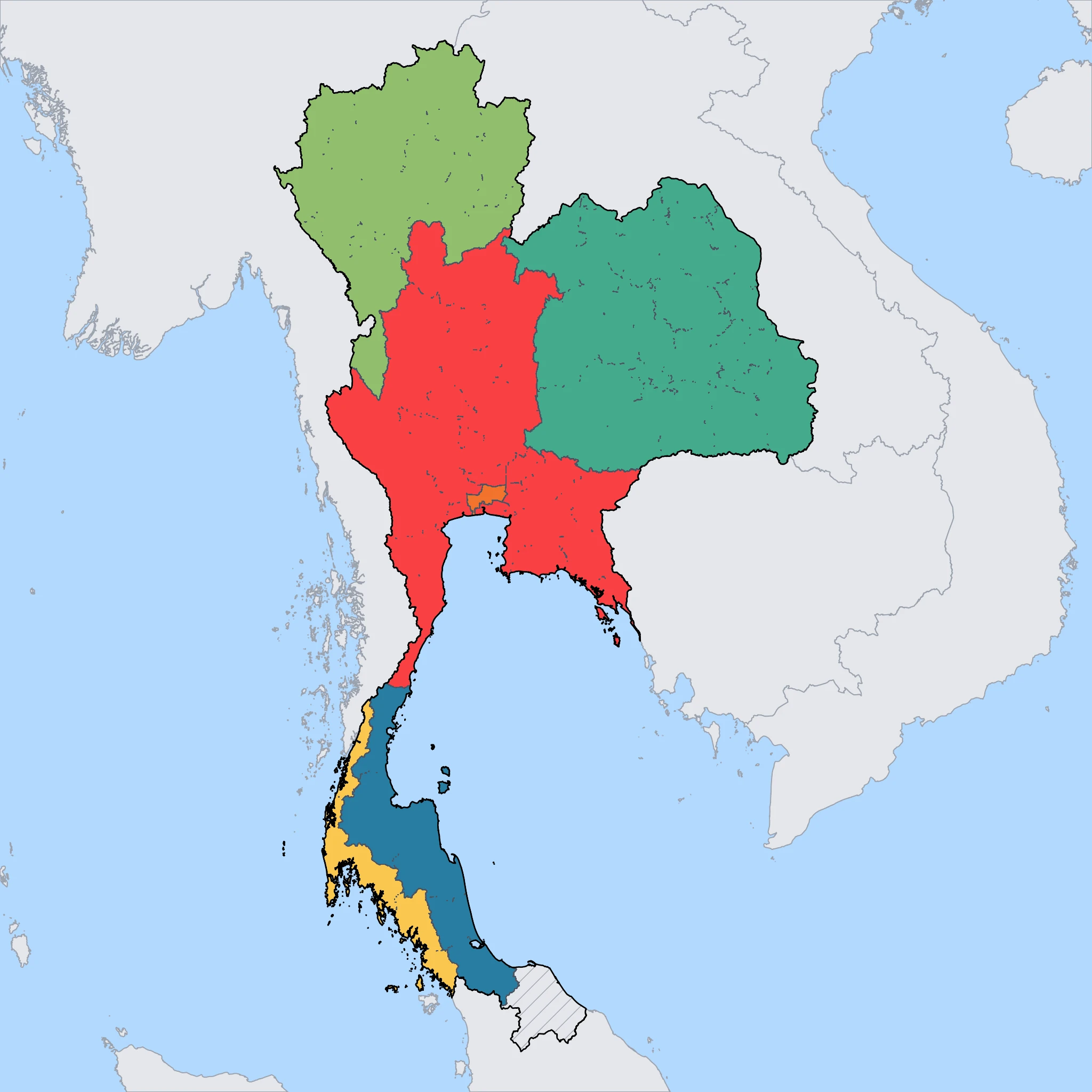
6 Regions
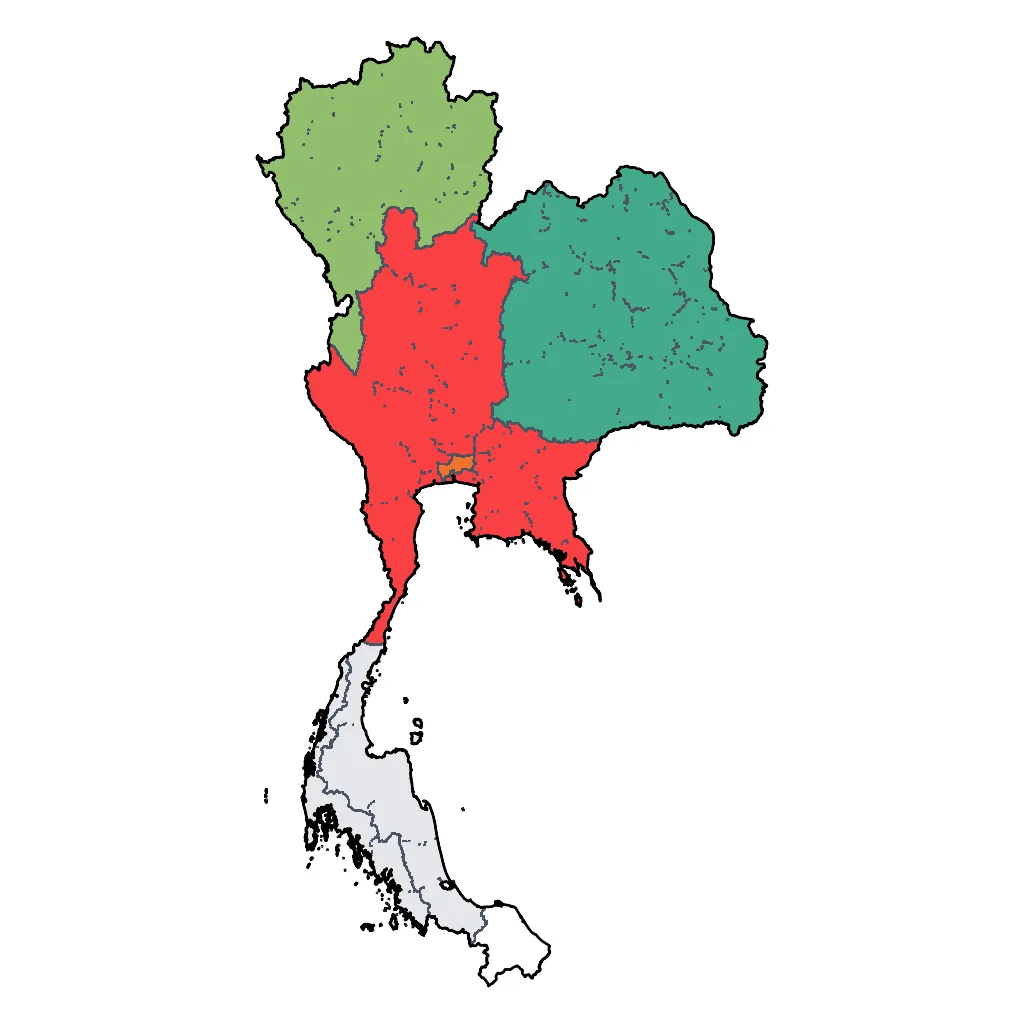
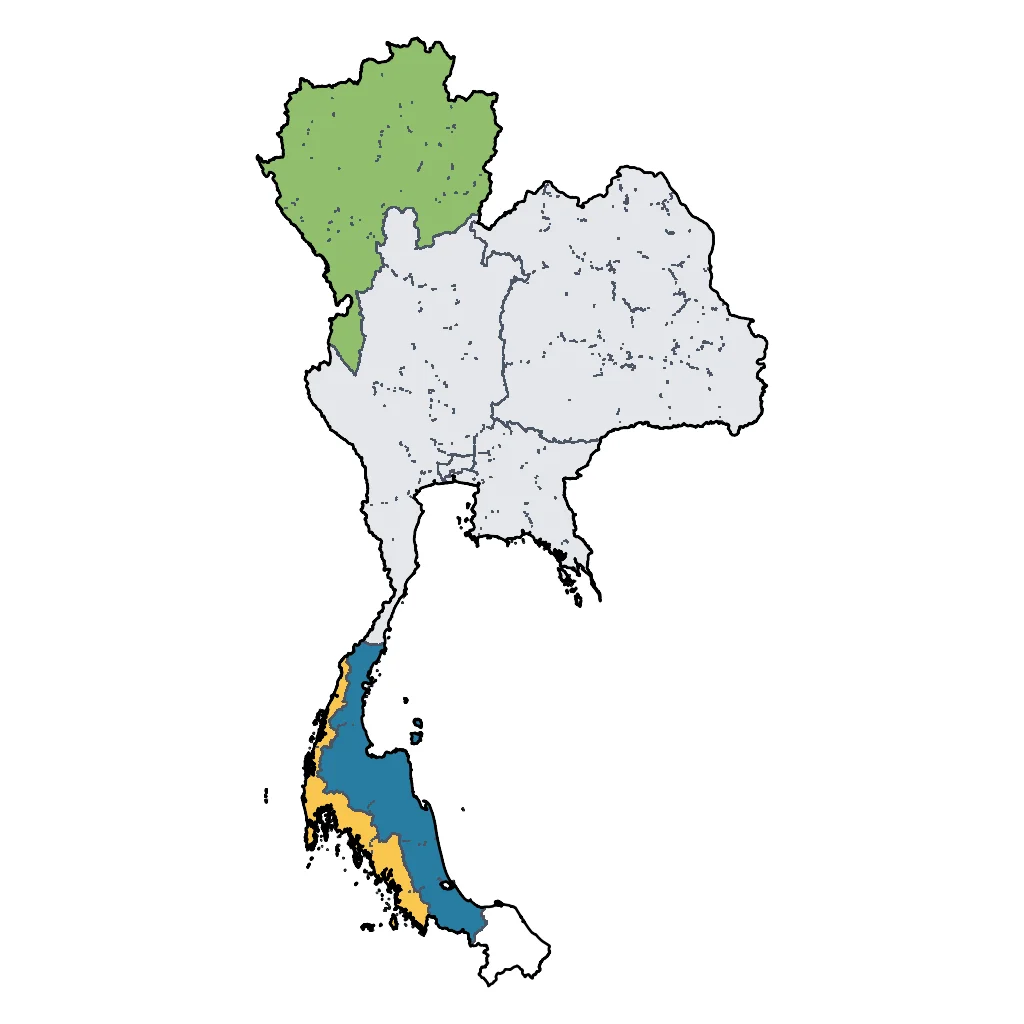
Andaman Coast (Phuket, Krabi, Phi Phi)
🏝️ Limestone karsts, turquoise waters, and family island adventures
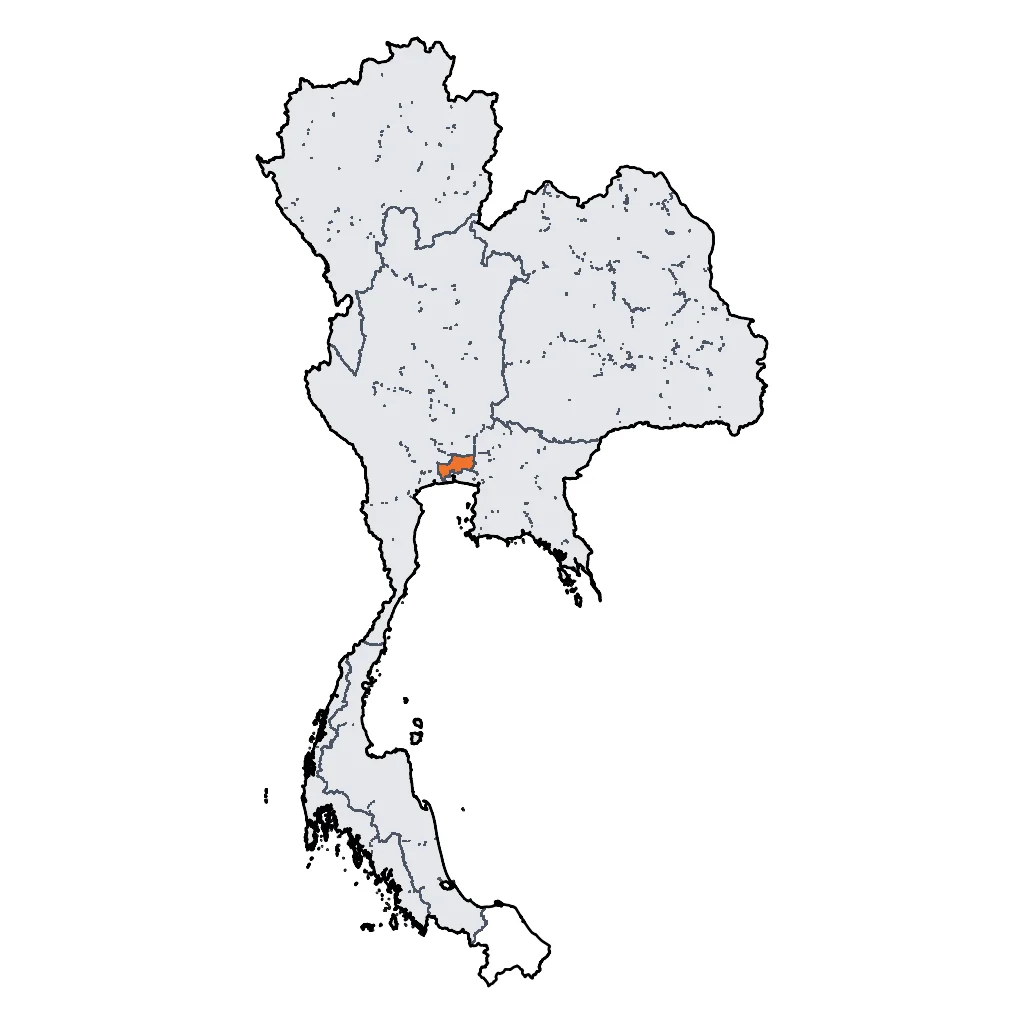
Bangkok
🏙️ Ancient temples, river boats, and world-class street food
Central Thailand (Ayutthaya, Sukhothai)
🚲 Ancient capitals, waterfalls, and living history
Isan (Northeast)
🦕 Dinosaur fossils, ancient ruins, and authentic rural culture
Northern Thailand (Chiang Mai, Chiang Rai)
🐘 Misty mountains, Lanna culture, and ethical elephant encounters
Southern Gulf (Koh Samui, Koh Phangan, Koh Tao)
🥥 Palm-fringed beaches, snorkeling reefs, and island serenity
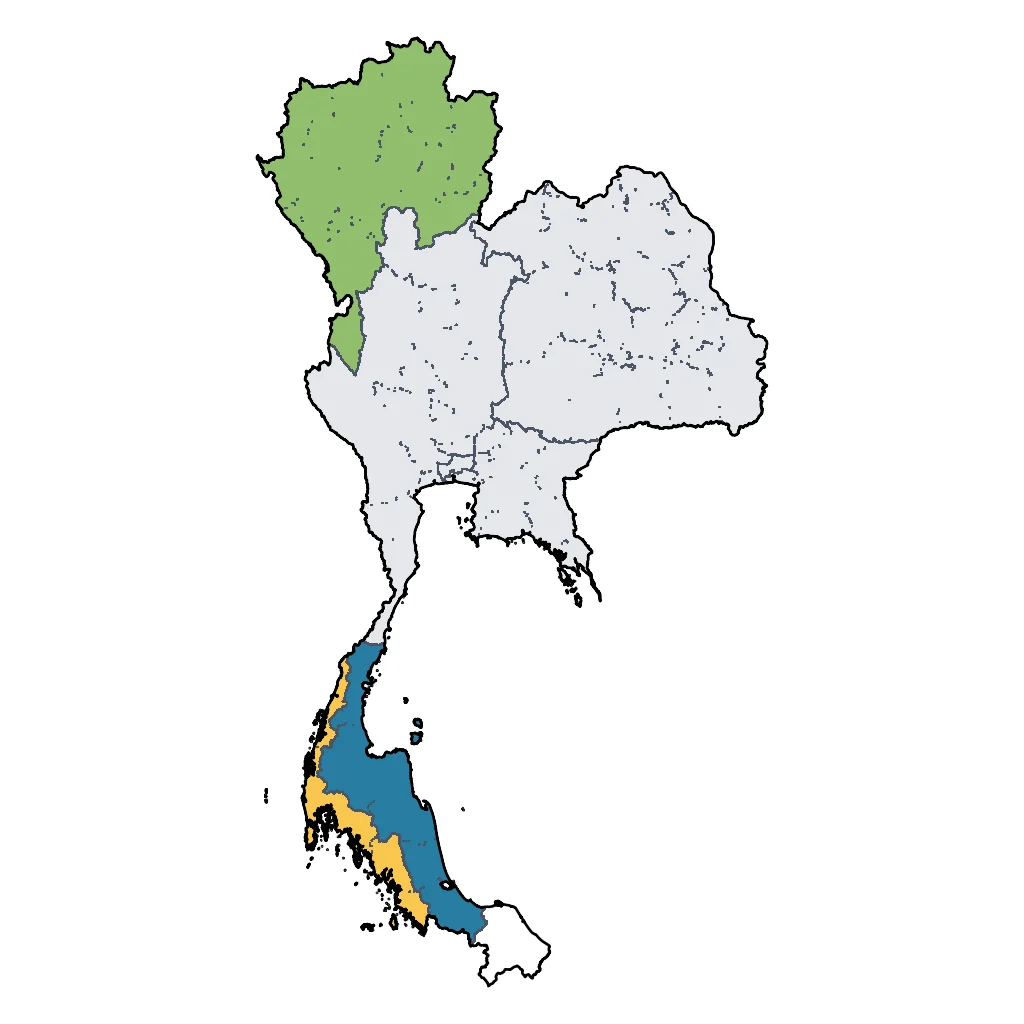
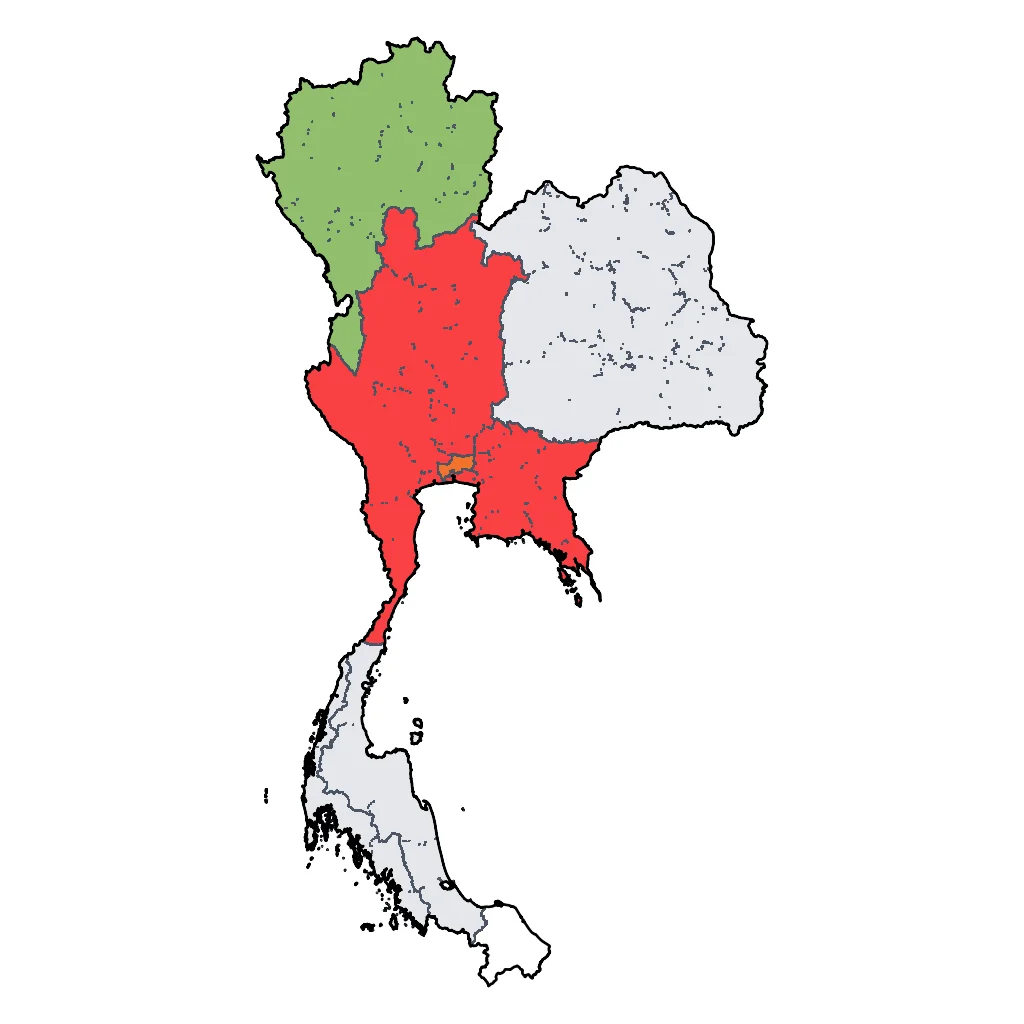
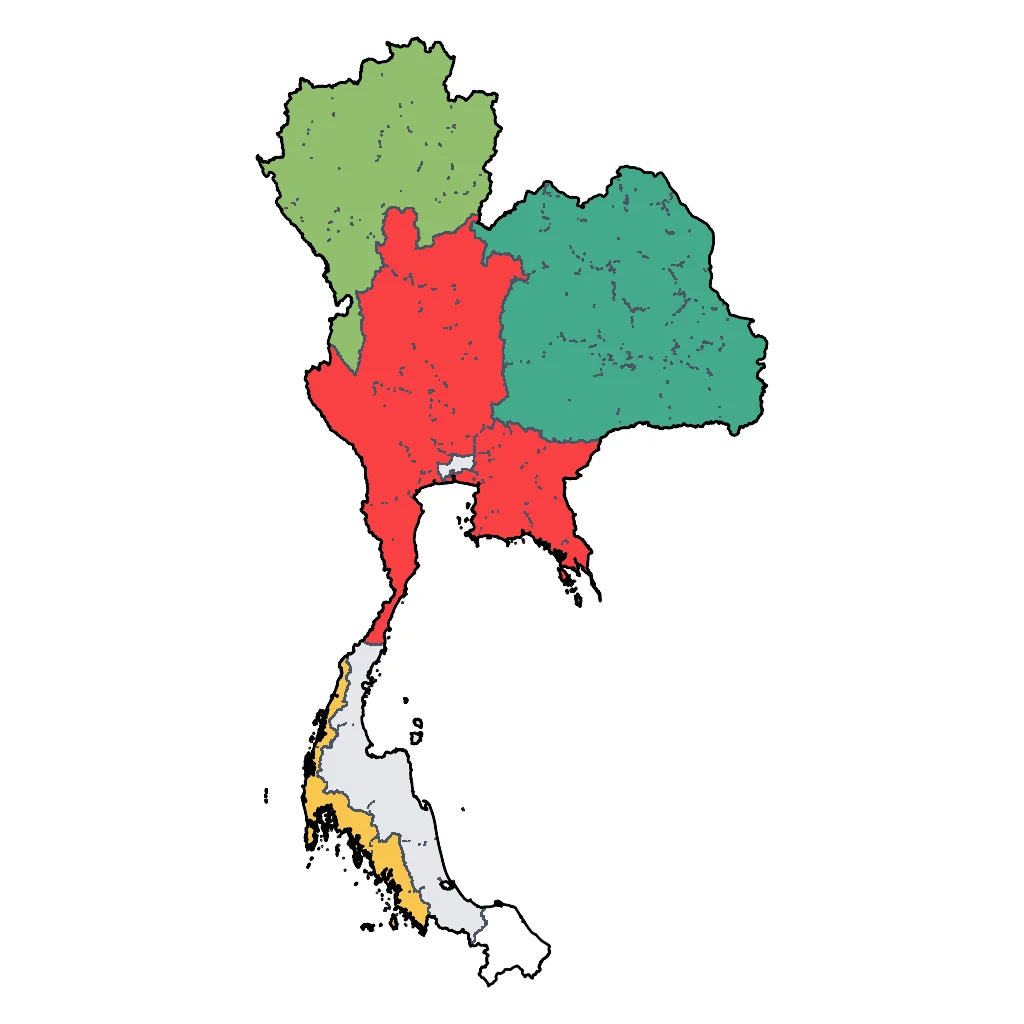
Click on a region marker to explore details. Use the dropdown to color regions by activity suitability.

Activities & Best Times

Adventure & Nature
ExcellentHiking, wildlife, outdoor exploration, ecotourism
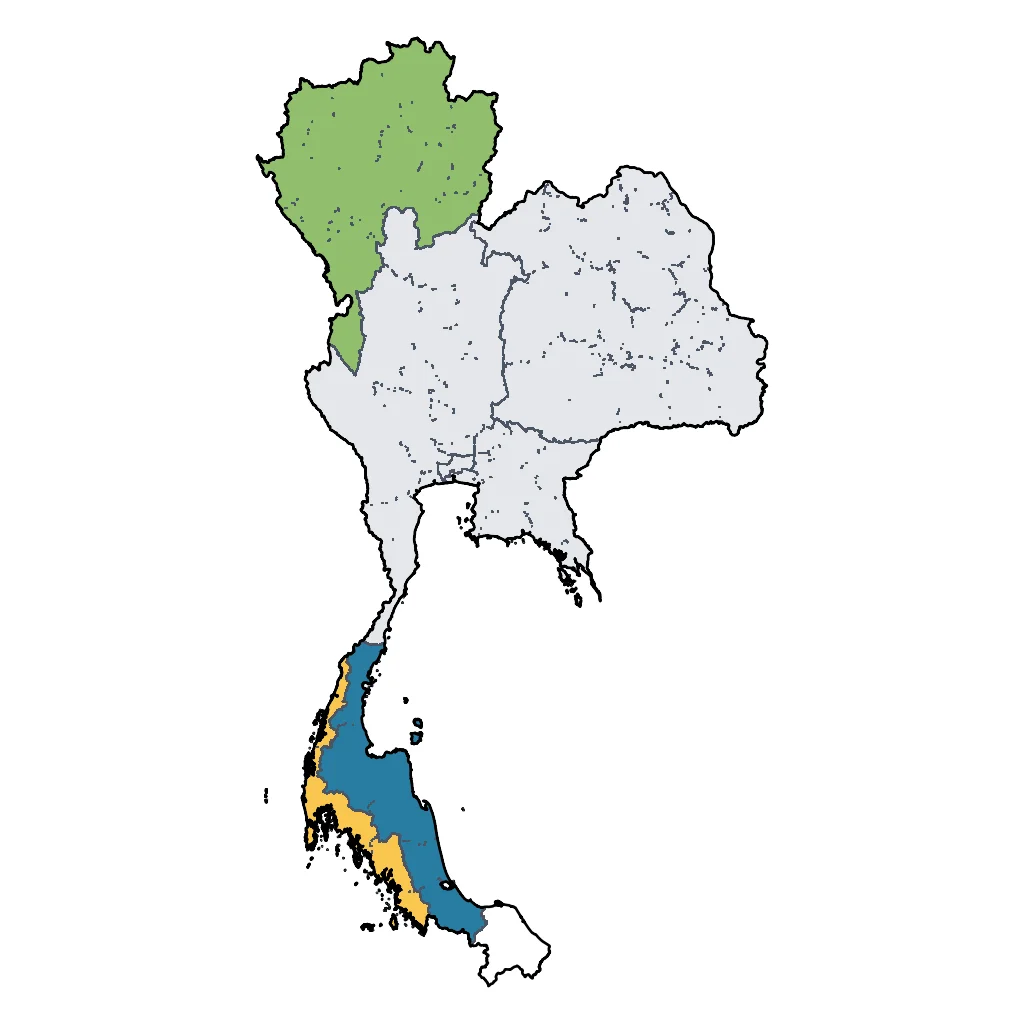
Home to the world's leading ethical elephant conservation projects and pristine Lanna mountain trails that offer unique biodiversity. Peak winter months provide crisp, dry air ideal for trekking, while the summer monsoon and spring 'burning season' smoke significantly degrade the outdoor experience.
Offers unique ecosystems including mangrove forests and prehistoric limestone cliffs suitable for sophisticated family exploration. The dry season (Dec-Mar) ensures safe trail conditions and high wildlife visibility, whereas extreme monsoon rainfall makes nature excursions difficult.
Features the spectacular Ang Thong Marine Park and rugged jungle interiors that offer authentic exploration far from mass tourism. Peak conditions occur when rainfall is under 100mm, ensuring safe hiking trails and calm waters for island-hopping; however, heavy rains from September to November make jungle paths treacherous and limit maritime access.

Beach & Sea
ExcellentBeach resorts, marine activities: diving, snorkelling, kite surfing, wind surfing, sailing
A global benchmark for limestone karst island-hopping and world-class diving in the Similans. Peak dry months offer sub-50mm rainfall and maximum sea visibility, while the monsoon (May-Nov) creates dangerous swells and limits access to marine parks.
Home to world-class diving in Koh Tao and ultra-luxury beach resorts on Koh Samui that cater to the most discerning global travelers. Peak months offer the rarest combination of low rainfall (<50mm) and optimal sea visibility, while the high rainfall from May onwards (>150mm) and the late-year monsoon significantly degrade the marine experience.
Hua Hin and Koh Chang provide family-friendly coastal experiences with high-quality resorts and calm gulf waters. The winter months offer crystal-clear conditions and low rainfall, whereas the monsoon season (Jun-Oct) brings rough seas and significant precipitation exceeding 200mm monthly.

City & Cultural
ExcellentUrban tourism, museums, historical sites, architecture
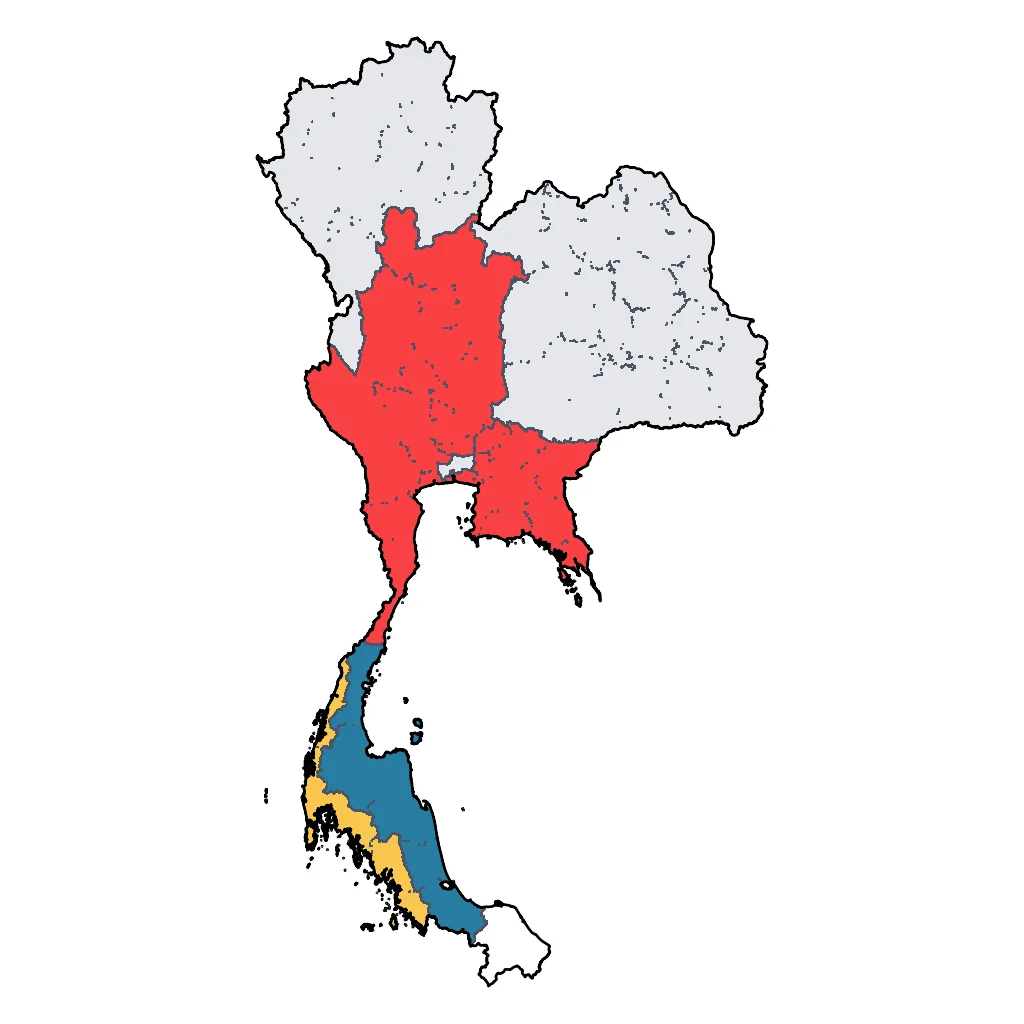
Bangkok offers a world-class blend of historic grandeur, such as the Grand Palace and Wat Pho, alongside a sophisticated contemporary art and culinary scene. Peak months provide optimal dry weather and 'cooler' temperatures; shoulder months see manageable heat or intermittent rain, while the monsoon peak (Sept-Oct) and extreme April heat (35°C) can disrupt urban exploration.
A globally significant cultural hub featuring high-density Lanna architecture, over 300 ancient temples, and authentic artisan craft villages. The cool, dry season from November to February is perfect for temple-hopping and night markets, whereas extreme heat and heavy rains in mid-year make urban exploration taxing.
Home to UNESCO-listed ancient capitals, this region offers world-class archaeological sites comparable to Angkor Wat and Kyoto. Peak dry months (Nov-Jan) provide the only comfortable temperatures (25-27°C) for exploring vast ruin complexes; extreme heat (>35°C) from March-May and heavy monsoon rains make the sites challenging for discerning families.

Festivals & Seasonal
ExcellentEvents, celebrations, seasonal attractions
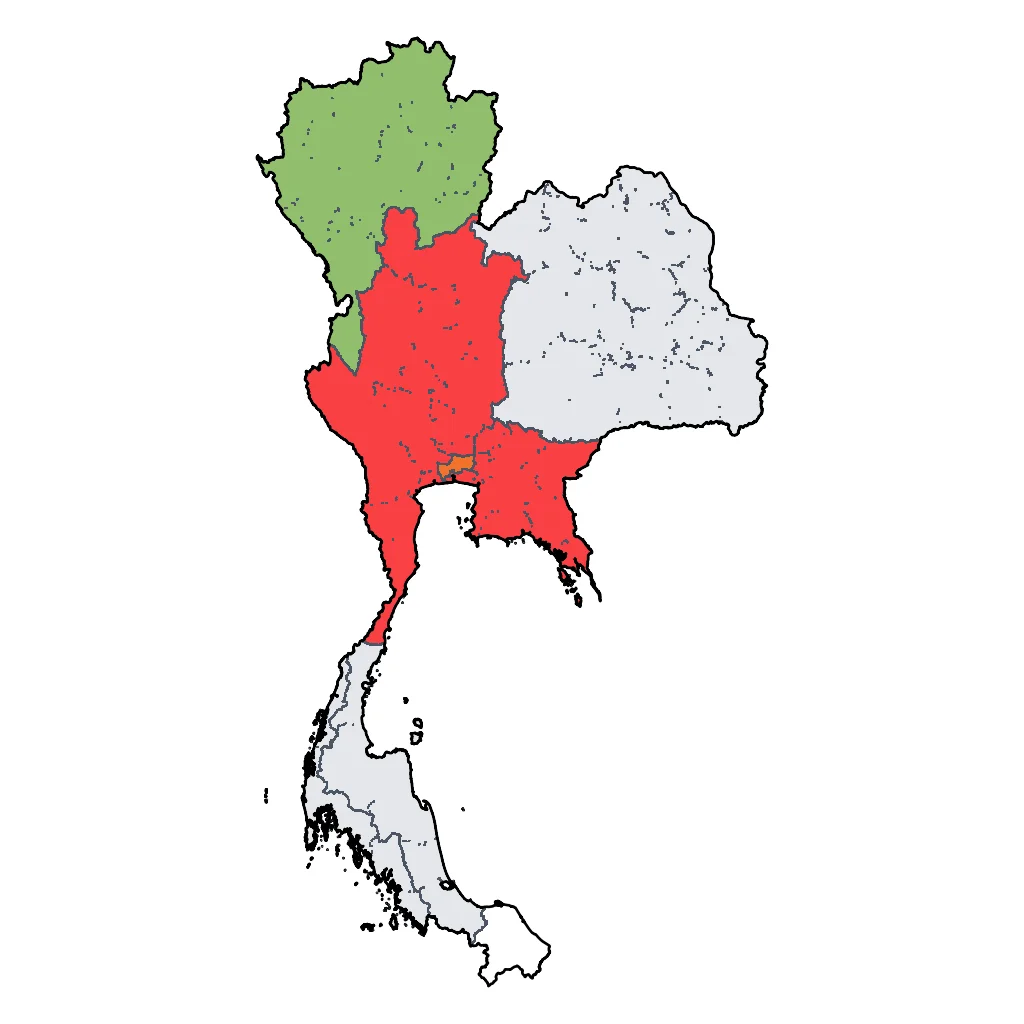
Features world-renowned events like the Yi Peng lantern festival in November and the high-energy Songkran water festival in April. These periods offer deep cultural immersion, though the rest of the year has fewer internationally significant celebrations and weather can be prohibitive for outdoor festivities.
Features highly authentic, world-renowned events such as the Yasothon Rocket Festival and the Ubon Ratchathani Candle Festival. Peak months provide ideal weather for outdoor spectacles like the Surin Elephant Round-up; shoulder months host major festivals (May, July) but are impacted by high humidity and the onset of the monsoon.
Bangkok hosts internationally significant events like Loy Krathong (Nov) and Chinese New Year (Jan/Feb) which offer deep cultural immersion for families. While Songkran (April) is a world-famous festival, the extreme 35°C heat makes it a shoulder month for discerning families seeking comfort alongside adventure.

Relaxation & Wellness
ExcellentSpa retreats, wellness centers, peaceful getaways
Home to some of the world's most prestigious luxury wellness retreats and sophisticated spa facilities. Optimal humidity and pleasant conditions occur from January to March, while high humidity and heavy rain in the summer months can degrade the outdoor relaxation experience.
Koh Samui is a global leader in holistic wellness, featuring award-winning retreats that integrate seamlessly into the island's unique granite-boulder landscape. The dry, lower-humidity months (Jan-Apr) are ideal for alfresco yoga and meditation, whereas the peak monsoon in October and November (over 270mm rain) disrupts the tranquil outdoor atmosphere.
Offers world-class wellness retreats and luxury forest spas that integrate traditional Thai medicine with modern holistic practices. The lower humidity of the dry season enhances the tranquil atmosphere, while the high humidity and heavy rainfall of the monsoon season can disrupt outdoor meditation and yoga.

Educational & Exploratory
Very GoodLearning experiences, scientific sites, historical education
Families can access authentic historical learning at sites like the Jim Thompson House and Museum Siam, or engage in world-class culinary schools. Seasonal timing follows the cultural calendar, where the dry season allows for comfortable exploration of archaeological sites, whereas the intense April heat and autumn monsoons are less conducive to structured educational tours.
A center for learning traditional crafts like silver-smithing and weaving, alongside historical sites of the former Lanna Kingdom. Dry winter months are optimal for visiting outdoor archaeological sites and attending extended workshops, whereas the wet season often limits access to rural learning centers.
The region provides deep historical immersion into Siamese royal history and significant WWII sites in Kanchanaburi, offering profound learning for sophisticated families. The cool season is ideal for multi-hour guided tours; shoulder months remain viable despite rising heat, but the peak monsoon (Sep) and extreme heat (Apr) significantly degrade the exploratory experience.

Road Trips & Scenic
Very GoodScenic drives, countryside tours, route-based travel
The Mae Hong Son Loop is one of Asia's most iconic drives, offering well-maintained roads through spectacular mountain landscapes. Peak months provide clear views and safe conditions, but the smoke from seasonal agricultural burning in March and April, followed by heavy monsoon rains, creates poor visibility and hazardous driving.
Scenic coastal drives and karst-lined highways offer spectacular views and well-maintained infrastructure. Best visibility and safe driving conditions are found in the low-rainfall months of Jan-Feb, while monsoon storms significantly reduce visibility and road safety.
The Mekong River loop provides a spectacular and authentic scenic driving route through traditional villages and dramatic river landscapes. Peak months offer clear skies and excellent visibility; the off-season brings heavy rain and occasional flooding which can make rural roads less predictable and diminish the scenic value.

Sports & Active
Very GoodSport tourism, fitness activities, active recreation
Features world-class rock climbing at Railay Beach and premier sailing conditions in the Andaman Sea. Calm winds and low rainfall during the winter months provide optimal sporting conditions, while monsoon storms from May to October frequently interrupt outdoor activities.
Renowned for international-standard scuba diving facilities on Koh Tao and championship-grade golf on Koh Samui. The first quarter of the year provides the best visibility for marine sports and manageable temperatures for active recreation, while the extreme precipitation and humidity of the monsoon season are unsuitable for high-performance outdoor activities.
The region boasts world-class golf courses and is a premier destination for high-altitude trail running and mountain biking. Optimal weather occurs when temperatures are mild and rainfall is minimal; the intense heat of April and the persistent rains from May onwards make high-intensity activities uncomfortable or dangerous.

Theme Park & Entertainment
GoodAmusement parks, family entertainment venues
The city features high-end, internationally recognized indoor entertainment centers and large-scale aquariums that appeal to sophisticated families. Peak weather allows for comfortable travel to outdoor parks like Safari World, whereas the monsoon peak in September (311mm) and April's heat can make outdoor attractions exhausting for children.
Large-scale water and cultural theme parks meet international construction standards but may feel generic to sophisticated travelers. Best enjoyed in the dry season when all outdoor rides and shows are fully operational without weather disruptions.
While featuring internationally recognized water parks and safari parks near Bangkok and Hua Hin, they are secondary to the region's cultural assets. These outdoor venues are best visited during the dry season to avoid closures and safety issues caused by tropical downpours.

Airports & Flight Routes
Toggle options to view domestic routes and international airports. Click an airport for details.

Climate & Weather
Andaman Coast (Phuket, Krabi, Phi Phi)
Show Details
| Month | Temp °C | Rain | Humidity |
|---|
Bangkok
Show Details
| Month | Temp °C | Rain | Humidity |
|---|
Central Thailand (Ayutthaya, Sukhothai)
Show Details
| Month | Temp °C | Rain | Humidity |
|---|
Isan (Northeast)
Show Details
| Month | Temp °C | Rain | Humidity |
|---|
Northern Thailand (Chiang Mai, Chiang Rai)
Show Details
| Month | Temp °C | Rain | Humidity |
|---|
Southern Gulf (Koh Samui, Koh Phangan, Koh Tao)
Show Details
| Month | Temp °C | Rain | Humidity |
|---|

Travel Advisory
Travel is generally safe but requires increased vigilance due to political instability, potential civil unrest, and high-risk regional conflicts near borders.
Safety Topics
Traveller Advice (3 groups)

Vigilance is required at large beach parties and nightspots due to reports of sexual assault and drink spiking. Avoid leaving drinks unattended or accepting them from strangers.

Ensure the mandatory Digital Arrival Card is completed before arrival and avoid any public statements or social media posts critical of the Thai government or monarchy.

Monitor air quality indices closely, particularly in urban centers during the dry season, as high pollution levels can exacerbate existing health conditions.