

Tajikistan is a destination for families who trade resort pools for high-altitude lakes and tablet screens for starry skies. Known as the "Roof of the World," this Central Asian nation is dominated by the Pamir and Fann Mountains. It is not a polished tourist hub, but for older children and teens, it offers a profound lesson in geography, Silk Road history, and resilience.
Most journeys begin in Dushanbe, a surprisingly green and modern capital. Families can stroll through Rudaki Park, see the world's second-tallest flagpole, and visit the National Museum of Tajikistan to see the massive sleeping Buddha. The city is famous for its tea house culture; a meal at the historic Rohat Teahouse allows kids to sit on traditional tapchans (raised platforms) and try local dumplings while watching the city go by.
For nature, the Fann Mountains are more accessible than the remote Pamirs and better suited for families. A few hours' drive from the capital leads to Iskanderkul, a glacial lake named after Alexander the Great. Here, families can hike to waterfalls or take a boat ride on the turquoise water. The Seven Lakes (Haft Kul) offer a chain of mountain lakes, each a different colour, where children can hike between villages or ride donkeys arranged by local guesthouses.
Culture and Hospitality
Tajik hospitality is legendary. Staying in a homestay is a highlight, where families sleep on thick floor mattresses and share meals of plov (rice pilaf) and fresh non (bread) with hosts. It provides a unique opportunity for children to see a lifestyle disconnected from digital distractions. In the Wakhan Valley, you can spot ancient fortresses guarding the Panj River, which marks the border with Afghanistan.
Practical Considerations
Travel here requires patience. Roads are often unpaved and bumpy, making 4x4 transport essential-prepare for long car journeys. The best time to visit is from June to September when mountain passes are snow-free. Hygiene standards vary, so families should drink only bottled or purified water and pack a robust medical kit for stomach upsets. While the country is generally safe for tourists, visitors must obtain a GBAO permit for the Pamir region and should strictly avoid the immediate border areas with Afghanistan due to security risks.

Explore Regions
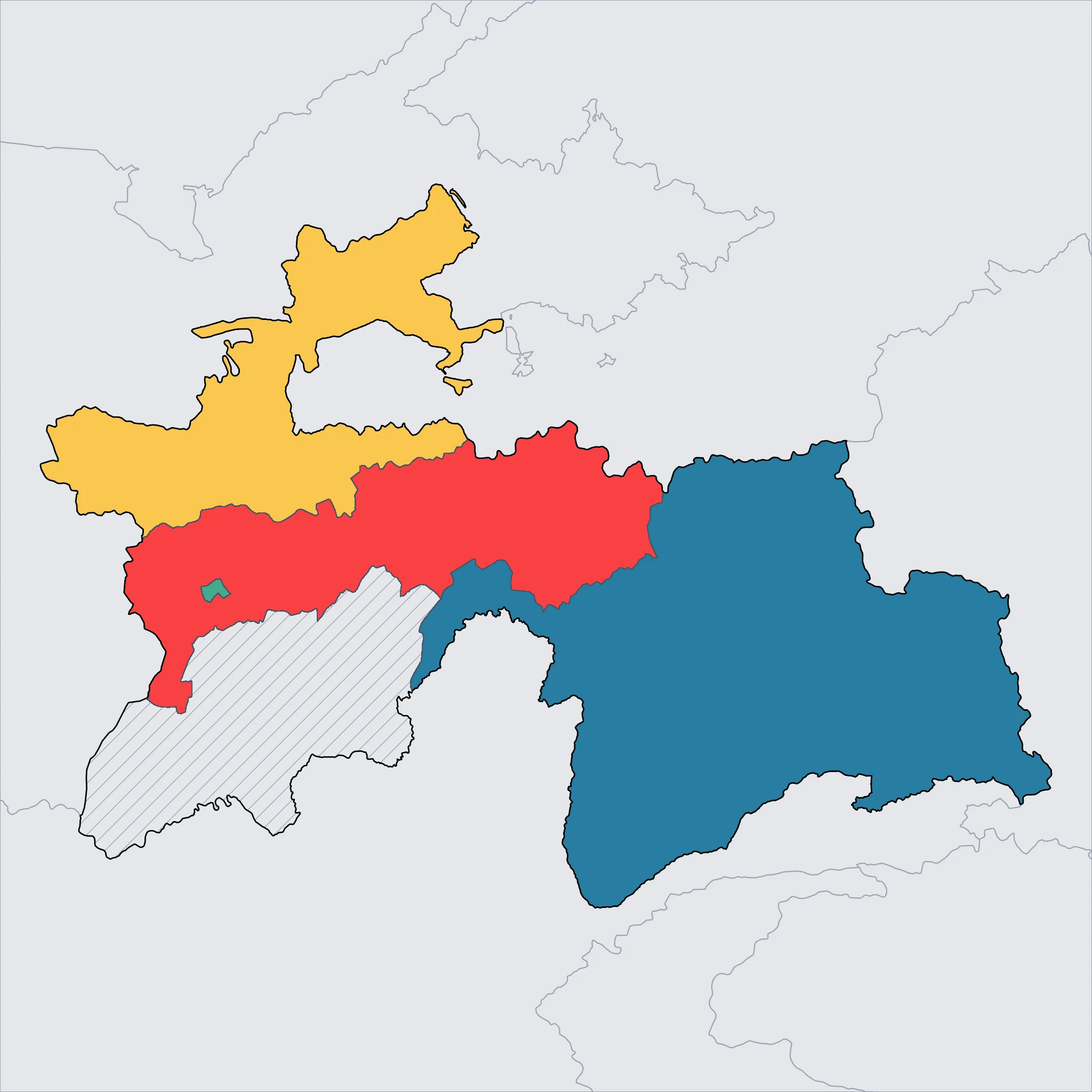
4 Regions
Dushanbe
Green parks, golden domes, and grand tea houses 🏛️
Fann Mountains
Turquoise lakes and accessible peaks for active families 🏔️
Khujand & North
Silk Road history on the banks of the Syr Darya 🕌
Pamir Highway & GBAO
The Roof of the World road trip adventure 🚙
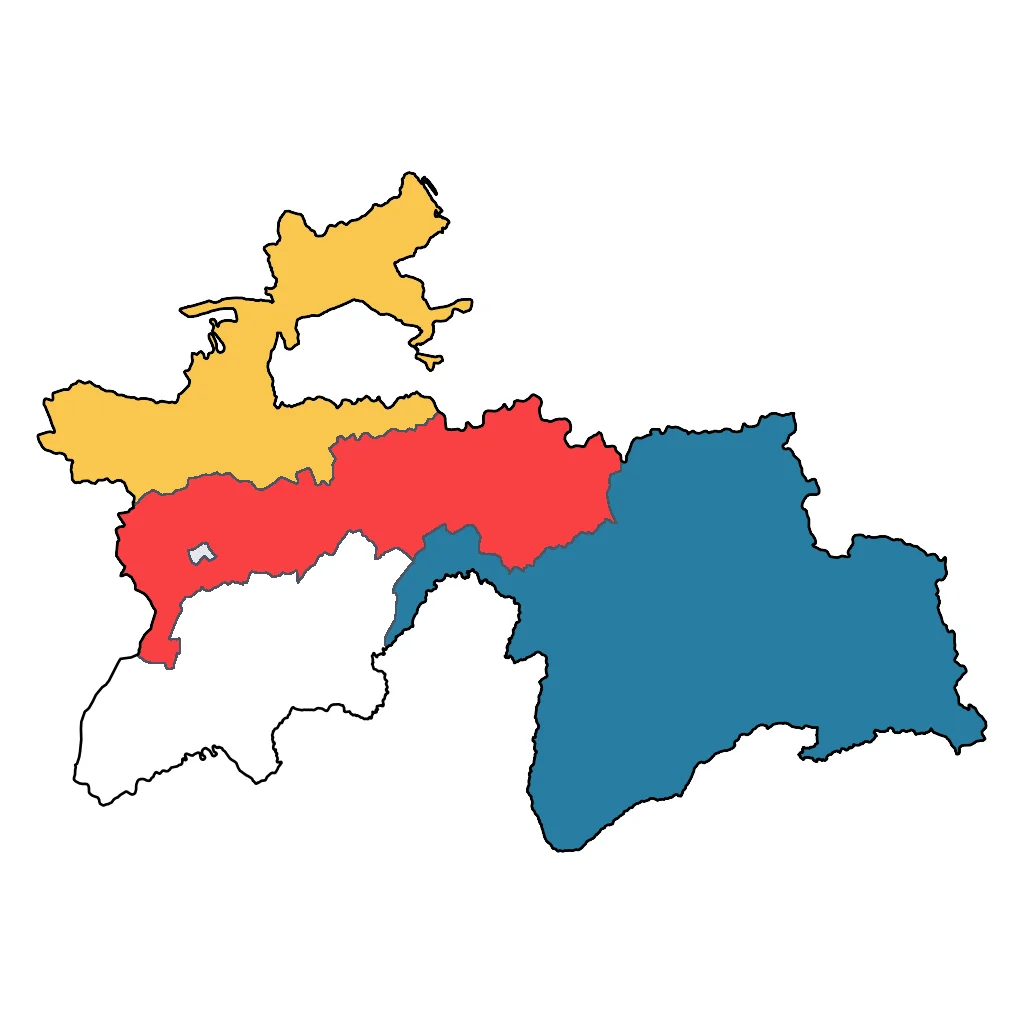
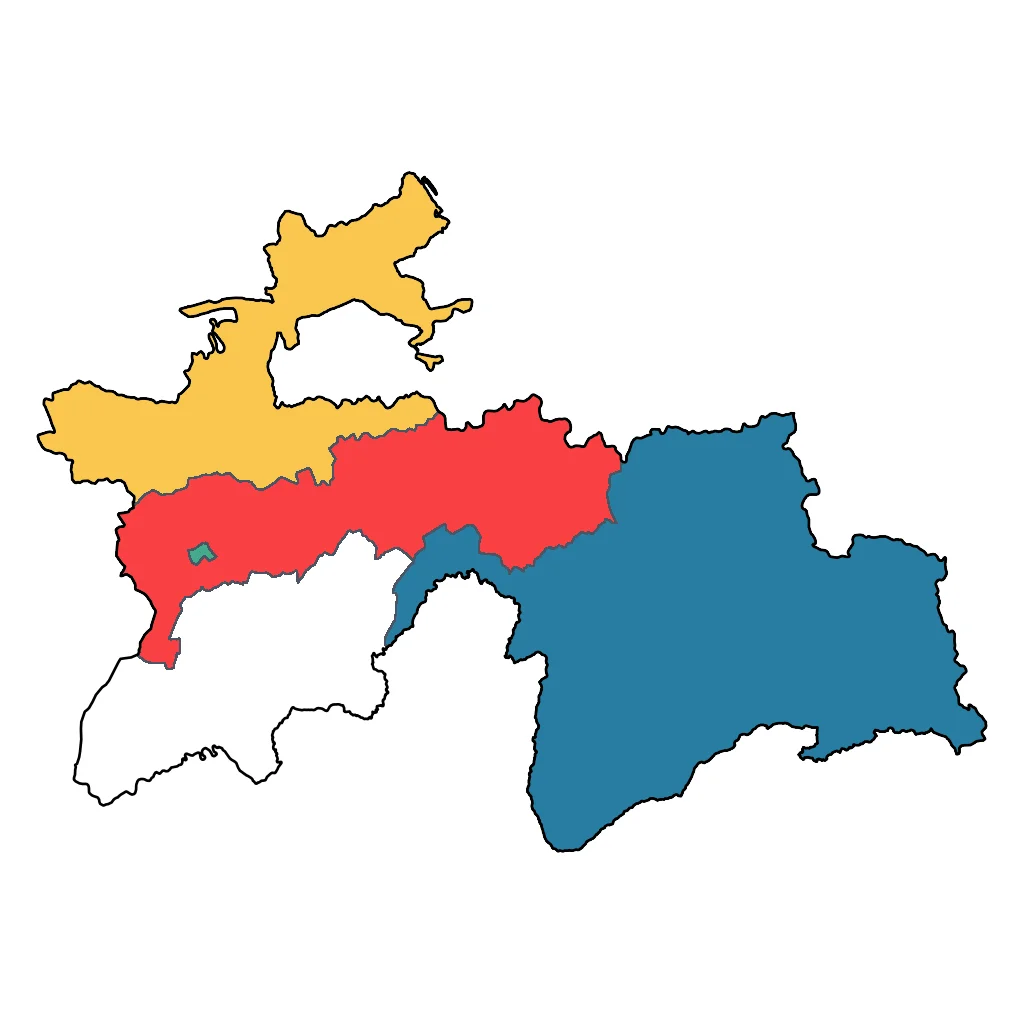
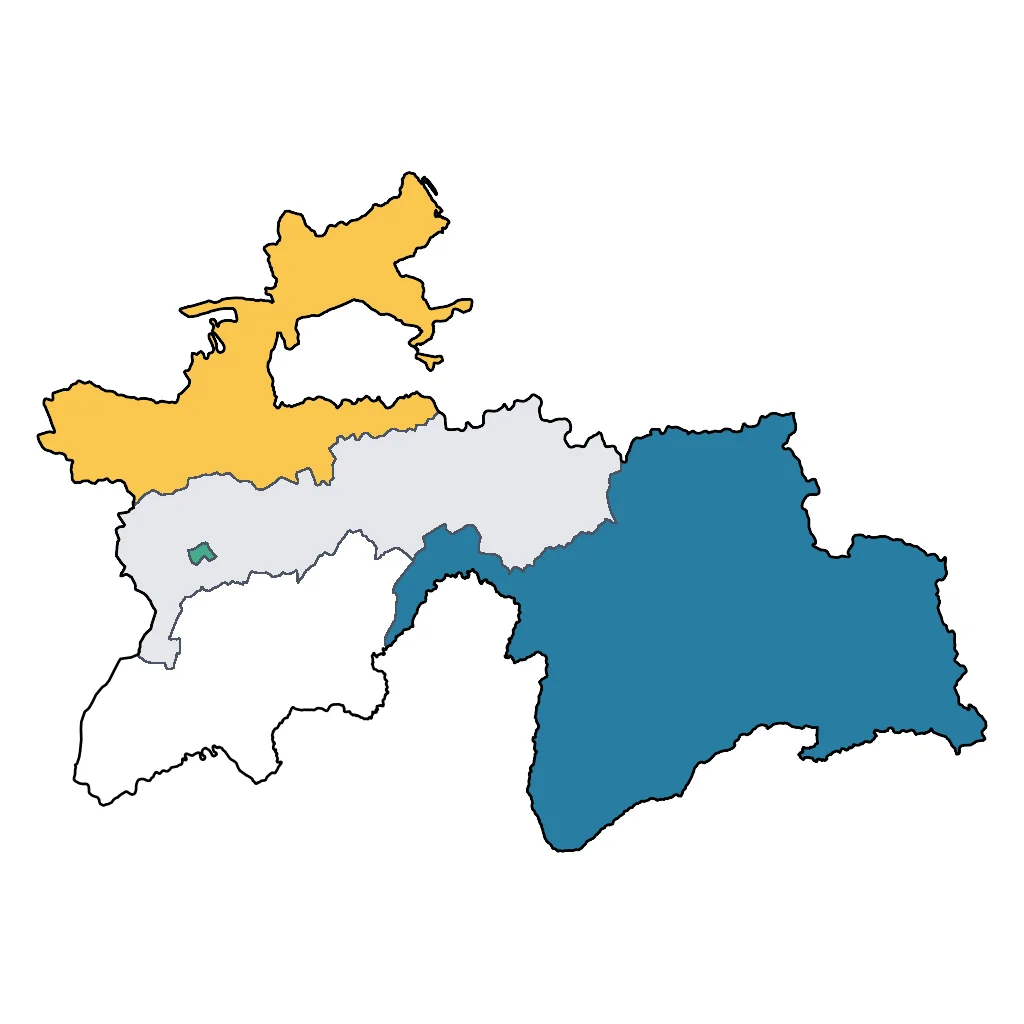
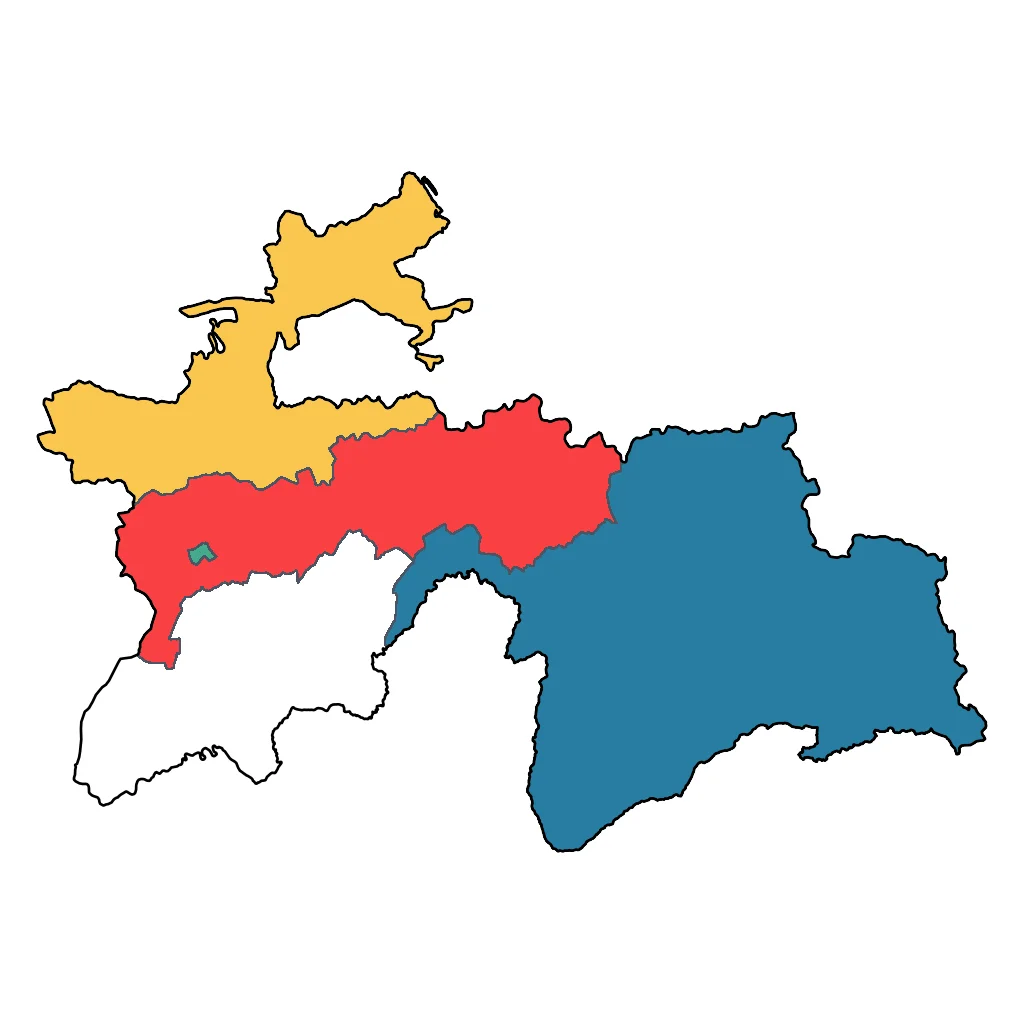
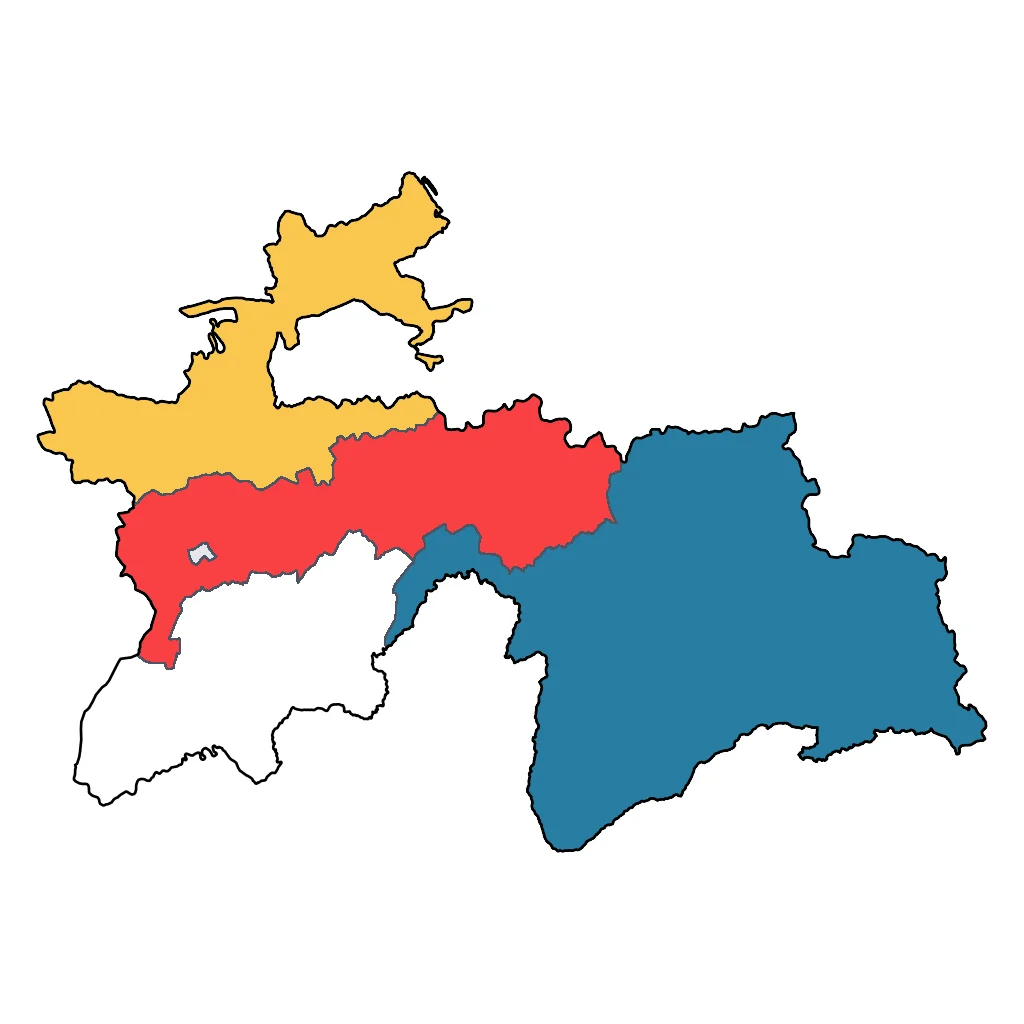
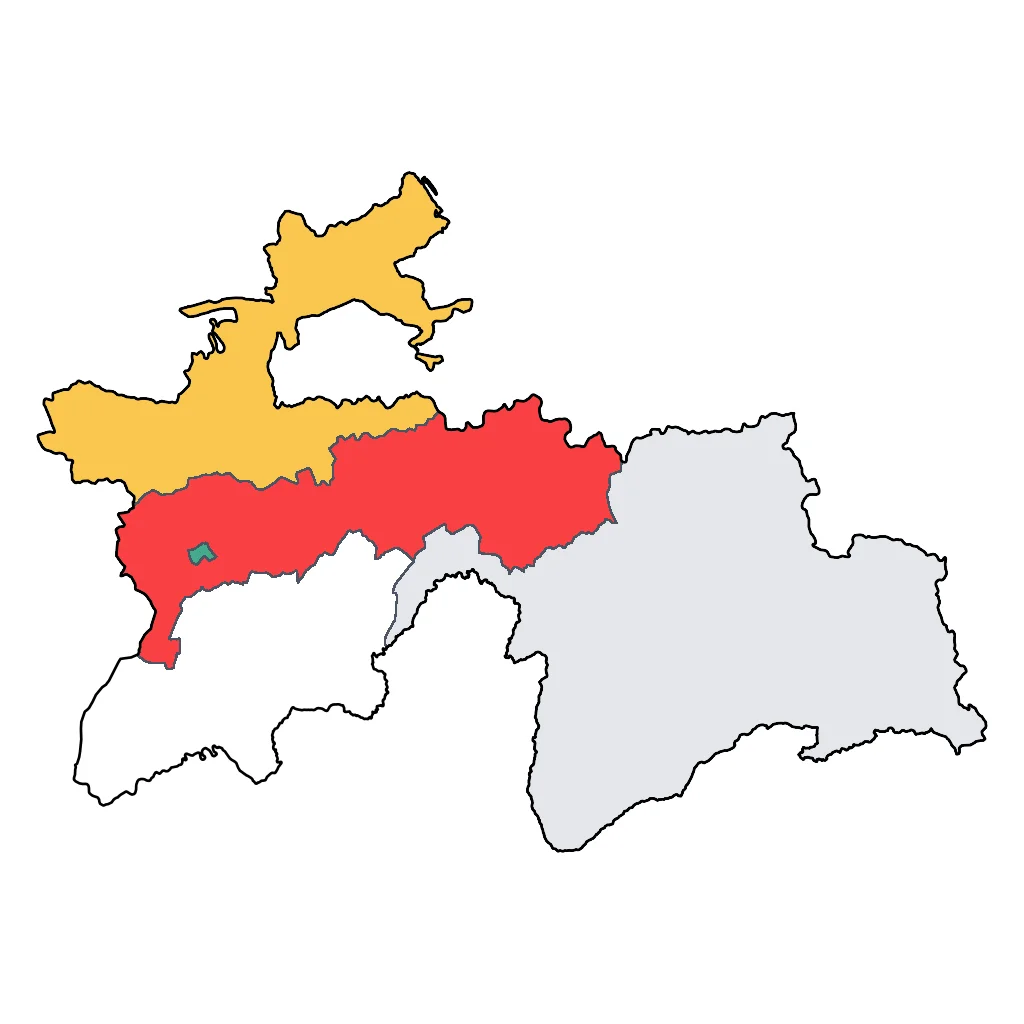
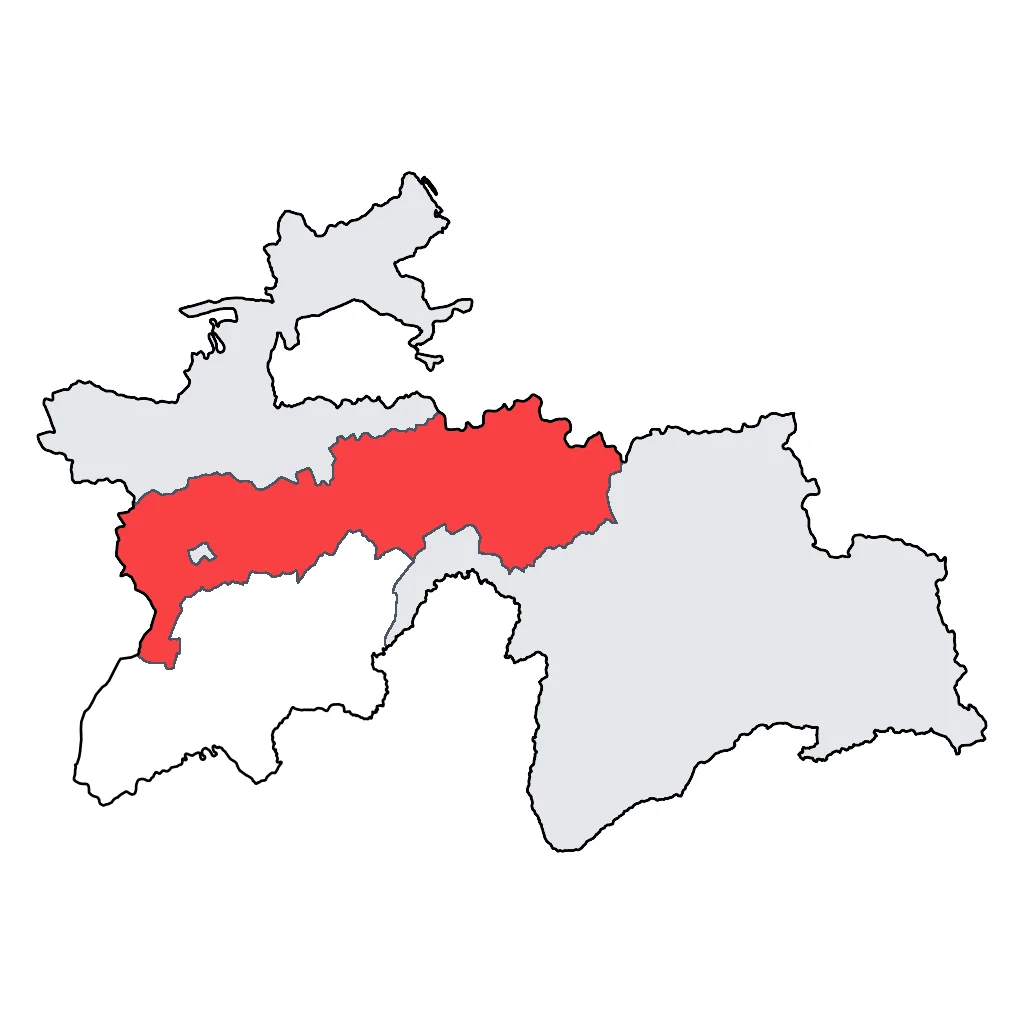
Click on a region marker to explore details. Use the dropdown to color regions by activity suitability.

Activities & Best Times

Adventure & Nature
ExcellentHiking, wildlife, outdoor exploration, ecotourism
A world-class trekking destination featuring legendary turquoise lakes and dramatic limestone peaks that rival the Swiss Alps in beauty but offer far more authenticity. Peak summer months provide the dry, stable weather necessary for high-altitude passes, while the heavy spring rains and winter snows make the terrain hazardous for families.
One of the world's last true wilderness frontiers, offering iconic high-altitude trekking and sightings of rare wildlife like Marco Polo sheep. Peak summer months provide the only window with manageable temperatures (avg max 13°C), while the extreme sub-zero winters are unsuitable for family exploration.
The region provides access to the world-class Fann Mountains and the 'Seven Lakes' area, offering pristine alpine trekking and turquoise glacial waters. Peak summer months (Jun-Sep) provide the dry, stable conditions necessary for high-altitude exploration, while winter renders mountain passes inaccessible for families.

Road Trips & Scenic
ExcellentScenic drives, countryside tours, route-based travel
The legendary M41 Pamir Highway offers a world-class, bucket-list driving experience through dramatic passes and the stunning Wakhan Valley. Peak summer provides the most reliable road conditions and visibility; winter travel is extremely hazardous with deep snow and temperatures dropping to -26°C.
The journey through the Seven Lakes and to Lake Iskanderkul offers some of Central Asia's most spectacular and culturally authentic mountain driving experiences. Optimal road conditions occur from June to September; outside this window, high-altitude tracks become treacherous due to heavy precipitation, mud, or snow.
Dramatic mountain passes and remote valley routes offer spectacular landscapes for adventurous families seeking an authentic Central Asian traverse. Peak months ensure that high-altitude roads like the Shahriston Pass are free of snow and ice, providing safe passage through the Zarafshan Range.

City & Cultural
Very GoodUrban tourism, museums, historical sites, architecture
As one of Central Asia's oldest cities, Khujand offers authentic Silk Road heritage via the Panjshanbe Bazaar and the Khujand Fortress. Peak conditions occur in spring and autumn when temperatures are mild (14-21°C); July is off-season due to intense valley heat, and winters are too cold for comfortable urban exploration.
Dushanbe offers a sophisticated blend of Persian heritage, grand neo-classical architecture, and world-class museums like the National Museum of Tajikistan. Peak months (May, Jun, Sep) provide perfect temperatures for the city's thriving café culture, while the winter months are often too cold and damp for comfortable urban exploration.
Offers highly authentic cultural immersion in traditional Pamiri villages and the regional hub of Khorog. While the 'Roof of the World' festival in July is a cultural highlight, the region lacks standard urban infrastructure, making visits in the freezing off-season months impractical for families.

Educational & Exploratory
Very GoodLearning experiences, scientific sites, historical education
Provides deep intellectual engagement through ancient petroglyphs, Silk Road fortresses, and the unique Ismaili Pamiri culture. Accessibility to remote archaeological sites is restricted to the brief summer window when mountain passes are clear and weather permits outdoor learning.
Home to significant Silk Road history and proximity to the UNESCO-listed archaeological site of Sarazm, the region offers deep insights into ancient Sogdian civilization. These outdoor educational sites are best explored during the warm, dry months when guided access is reliable and weather conditions are conducive to on-site learning.
The UNESCO-listed Sarazm and the ruins of Ancient Panjakent provide profound archaeological insights into the Sogdian civilization. These sites are best visited during the temperate shoulder seasons to avoid the lack of shade in summer and the freezing winter temperatures that limit site accessibility.

Sports & Active
Very GoodSport tourism, fitness activities, active recreation
The region is a premier hub for world-class technical climbing and high-altitude trekking, offering a rugged playground for active, experienced families. The dry summer window (Jun-Sep) is critical for safe mountaineering, as the high humidity and intense rainfall of spring significantly increase rockfall and trail risks.
World-class destination for high-altitude cycling and expeditionary mountaineering in a pristine environment. The short summer season is the only time when physical exertion is safe and comfortable, as the rest of the year is dominated by extreme cold and thin, freezing air.
Excellent terrain for mountain biking and high-altitude hiking around the Zarafshan valley. The dry summer climate is ideal for these activities, though facilities are rustic compared to European standards, appealing more to the 'adventure' side of the active traveler spectrum.

Festivals & Seasonal
GoodEvents, celebrations, seasonal attractions
Navruz in March is a significant, authentic cultural event featuring traditional sports and festivities that showcase Tajik hospitality. Outside of major seasonal celebrations like Navruz or Independence Day (September), organized festivals with international appeal are infrequent.
Nowruz in March is a vibrant, world-class cultural celebration featuring traditional horsemanship and communal feasts in the Fergana Valley region. While March can be rainy (83mm), the cultural immersion is unparalleled; other months lack high-profile international-scale traditional festivals.
Dushanbe is a premier destination for Nowruz (Persian New Year) in March, featuring authentic traditional celebrations and street festivals. Outside of the major spring festivities and autumn harvest events, there are fewer internationally significant cultural celebrations.

Ski & Snow
GoodWinter sports, ski resorts, snow activities
Home to the modernized Safed Dara resort, providing solid snow infrastructure and family-friendly winter activities in a rugged Central Asian setting. Peak powder occurs in mid-winter; shoulder months offer variable spring conditions, while the rest of the year is entirely unsuitable for snow sports.
While not a global ski capital, the nearby Safed-Dara resort offers modern facilities and an authentic Central Asian alpine experience within reach of the city. Peak snow coverage occurs in Jan-Feb, but the season is short and the infrastructure is modest compared to European benchmarks.

Beach & Sea
MarginalBeach resorts, marine activities: diving, snorkelling, kite surfing, wind surfing, sailing
While not a coastal destination, the stunning turquoise waters of Lake Iskanderkul and the 'Niagara of the Fanns' offer a unique alpine water experience. Peak summer provides the only comfortable window for lakeside activities, though water temperatures remain bracingly cold year-round.
The Kayrakkum Reservoir offers a 'Tajik Sea' experience with resorts and water sports that cater primarily to regional standards. While refreshing during the peak summer heat (Jun-Aug), it lacks the world-class refinement and water clarity expected of international coastal destinations.

Relaxation & Wellness
MarginalSpa retreats, wellness centers, peaceful getaways
The profound stillness of Lake Iskanderkul offers a natural setting for spiritual relaxation and digital detoxing, though luxury wellness facilities are limited. The mild, dry summer temperatures provide the only suitable climate for peaceful lakeside reflection and outdoor meditation.
Features authentic natural hot springs like Bibi Fatima that offer a unique sense of peace, though facilities are rustic rather than world-class luxury. Travel to these remote springs is only recommended during the warmer summer months when the surrounding environment is hospitable.
The Kayrakkum Reservoir ('Tajik Sea') features large-scale health sanatoriums that offer a unique, if somewhat dated, Soviet-style wellness experience. Peak times avoid the extreme July heat and the biting winter winds that make the sprawling reservoir area less inviting for relaxation.

Airports & Flight Routes
Toggle options to view domestic routes and international airports. Click an airport for details.

Climate & Weather
Dushanbe
Show Details
| Month | Temp °C | Rain | Humidity |
|---|
Fann Mountains
Show Details
| Month | Temp °C | Rain | Humidity |
|---|
Khujand & North
Show Details
| Month | Temp °C | Rain | Humidity |
|---|
Pamir Highway & GBAO
Show Details
| Month | Temp °C | Rain | Humidity |
|---|

Travel Advisory
All major agencies recommend increased vigilance due to terrorism risks and regional instability, particularly near borders.
Safety Topics
Traveller Advice (4 groups)

While not illegal, same-sex relationships are not widely accepted socially. Discretion is strongly advised to avoid unwanted attention or potential harassment.

Those trekking in the Pamirs should be prepared for extreme isolation and limited search and rescue services. Ensure all necessary GBAO permits are obtained well in advance.

Female travellers may experience verbal harassment. It is recommended to avoid walking alone at night and to dress modestly to align with local conservative standards.

Respect local customs by dressing conservatively, particularly outside the capital. Ensure you carry your identification and registration documents at all times to avoid fines.