

Tunisia packs an incredible variety of landscapes and history into a compact, family-friendly destination. Situated at the northern tip of Africa, it combines the familiar comfort of Mediterranean beach resorts with the exotic allure of the Sahara Desert. Families can start their day exploring Roman ruins that rival those in Italy and end it watching the sunset over vast sand dunes. The country's manageable size means you can easily drive from the green, fertile north to the arid south in a single day, keeping travel times reasonable for children.
Geographically, the north and east are defined by a long, stunning coastline with sandy beaches and turquoise waters. Hammamet and the island of Djerba are particularly popular for families, offering resorts with kid-friendly pools and calm seas. Inland, the landscape shifts to olive groves and eventually the golden sands of the Sahara. The climate is Mediterranean, with hot, dry summers and mild winters. Spring (March-May) and autumn (September-November) are the best times to visit, offering warm weather suitable for both swimming and desert exploration without the intense summer heat.
For cultural exploration, the capital, Tunis, is home to the Bardo Museum, which houses one of the world's largest collections of Roman mosaics. Just nearby lies ancient Carthage and the picturesque village of Sidi Bou Said, where families can wander through cobblestone streets lined with white houses and blue doors. A major highlight for adventurous kids is the south, specifically Matmata and Tozeur. Here, you can visit the underground troglodyte homes and the actual filming locations used for the planet Tatooine in the Star Wars movies. Riding a camel or taking a 4x4 tour across the dunes at Douz is often the highlight of the trip for younger travelers.
History comes alive at the El Jem Amphitheatre, a UNESCO World Heritage site that is better preserved than Rome's Colosseum. Unlike in Europe, visitors can often explore the underground tunnels and climb to the upper tiers with fewer crowds. Tunisian culture is warm and welcoming to children, who are often fussed over by locals. The food is another plus; while parents enjoy spicy harissa and fresh seafood, kids will find familiar options like baguettes, pizza, and mild couscous dishes readily available.
Travel in Tunisia is generally straightforward. The train network connects major cities like Tunis, Sousse, and El Jem comfortably, while louages (shared minibuses) provide a faster local option. Safety is a priority for family trips; while the main tourist coastal areas and the south's established desert circuits are secure and heavily policed, travellers should stick to these zones. It is essential to avoid the border regions with Libya and Algeria and the militarised zones in the far south. By staying on the well-worn tourist path, families can enjoy a safe, educational, and visually stunning North African adventure.
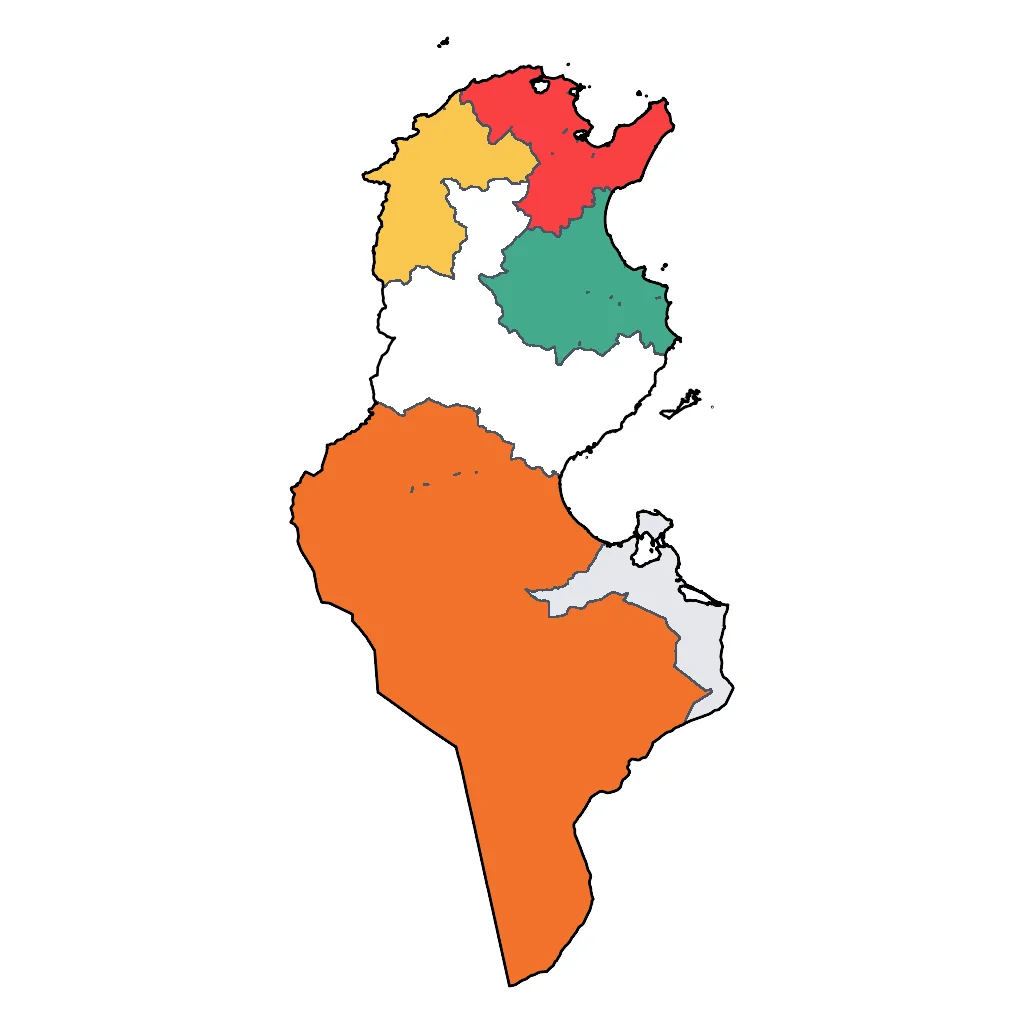
Explore Regions
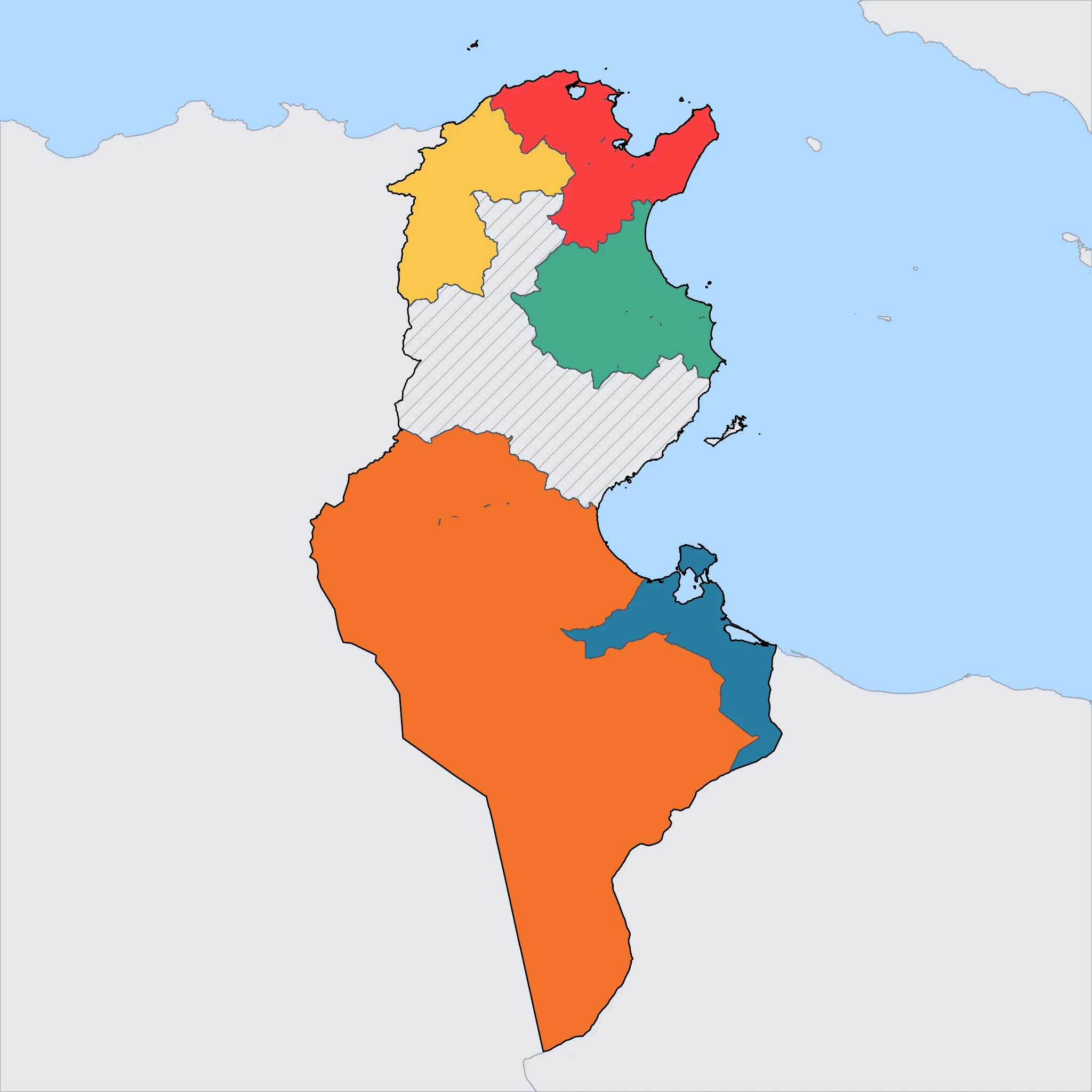
5 Regions
Djerba Island
Sun, sand, and island culture 🌴☀️
Northern Mountains (Tabarka)
Where green mountains meet the sea 🌲🌊
Sahara & South (Douz, Tozeur, Matmata)
Desert adventures and Star Wars sights 🐪✨
Sousse & Sahel Coast
Seaside fun and medieval history 🏰🏖️
Tunis & North (Carthage, Sidi Bou Said)
Ancient ruins and blue-and-white charm 🏛️💙
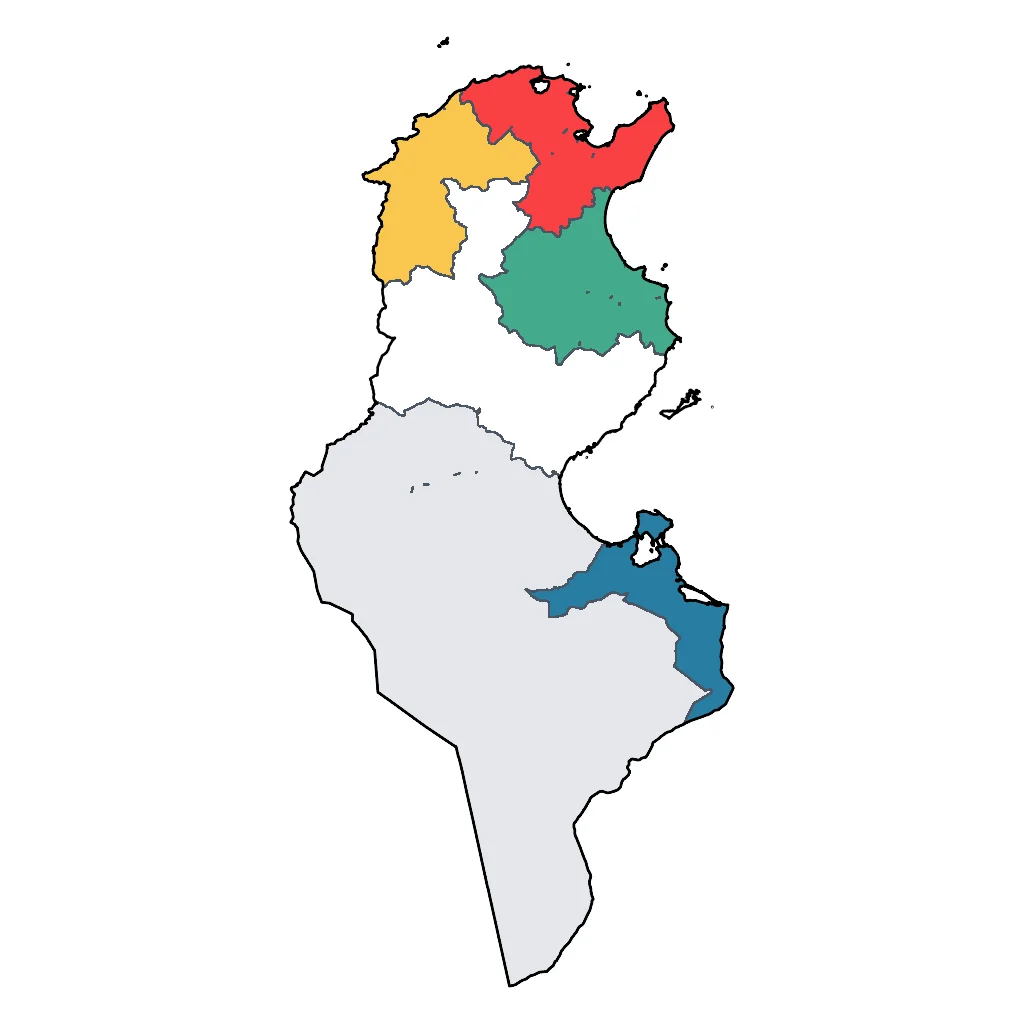
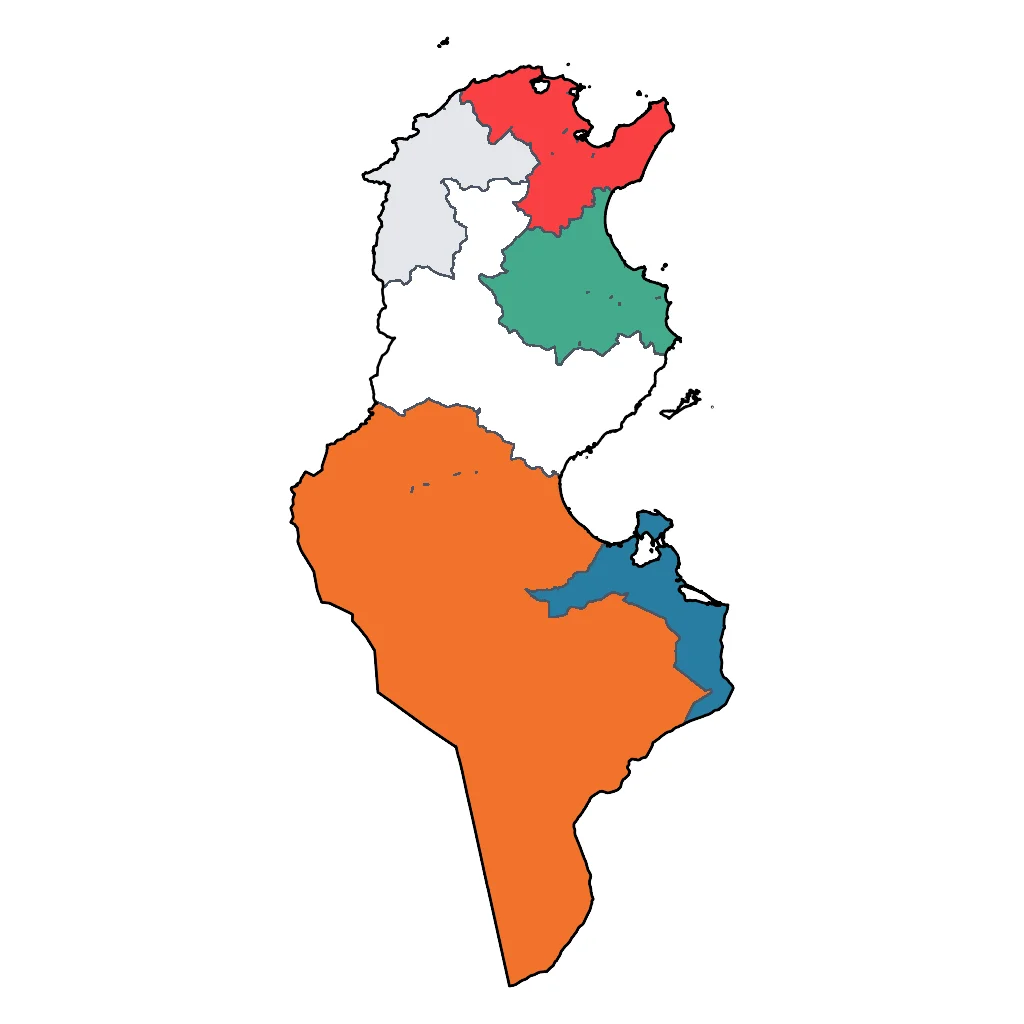
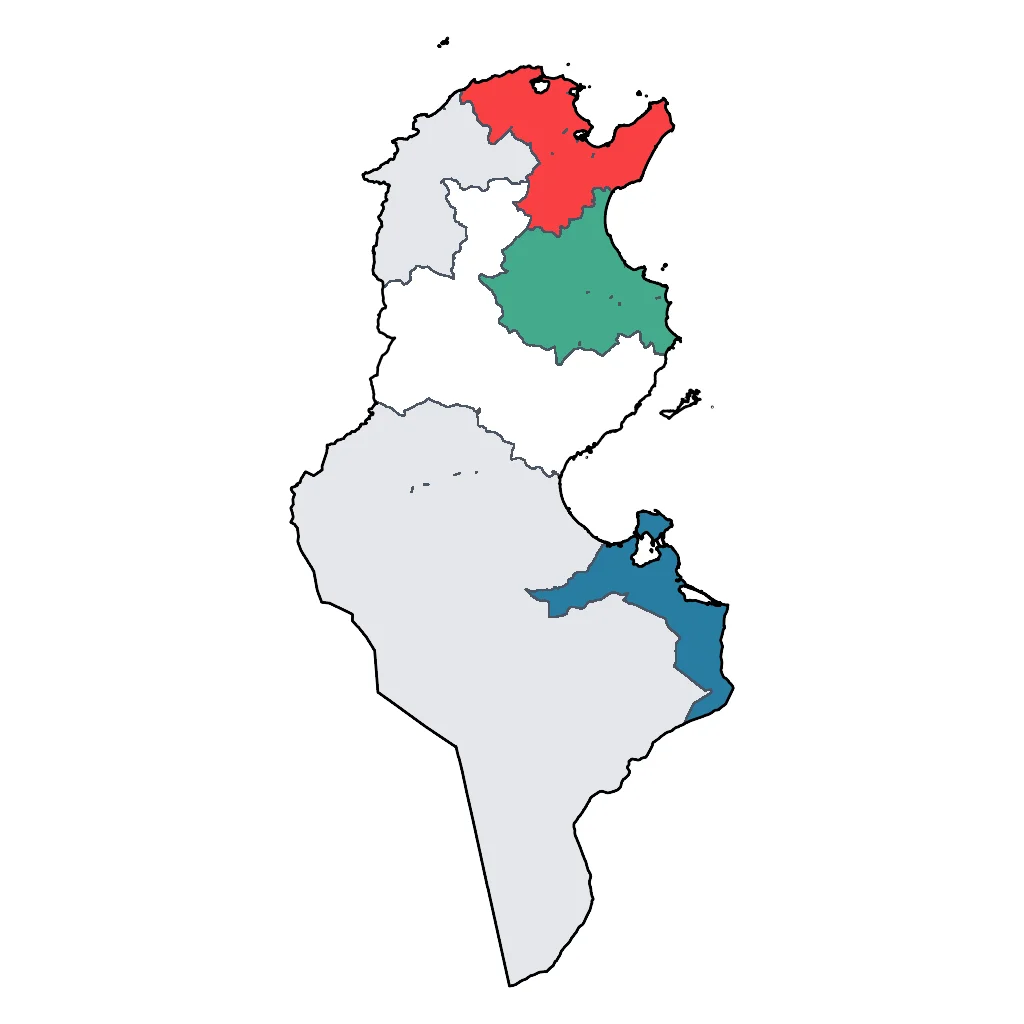
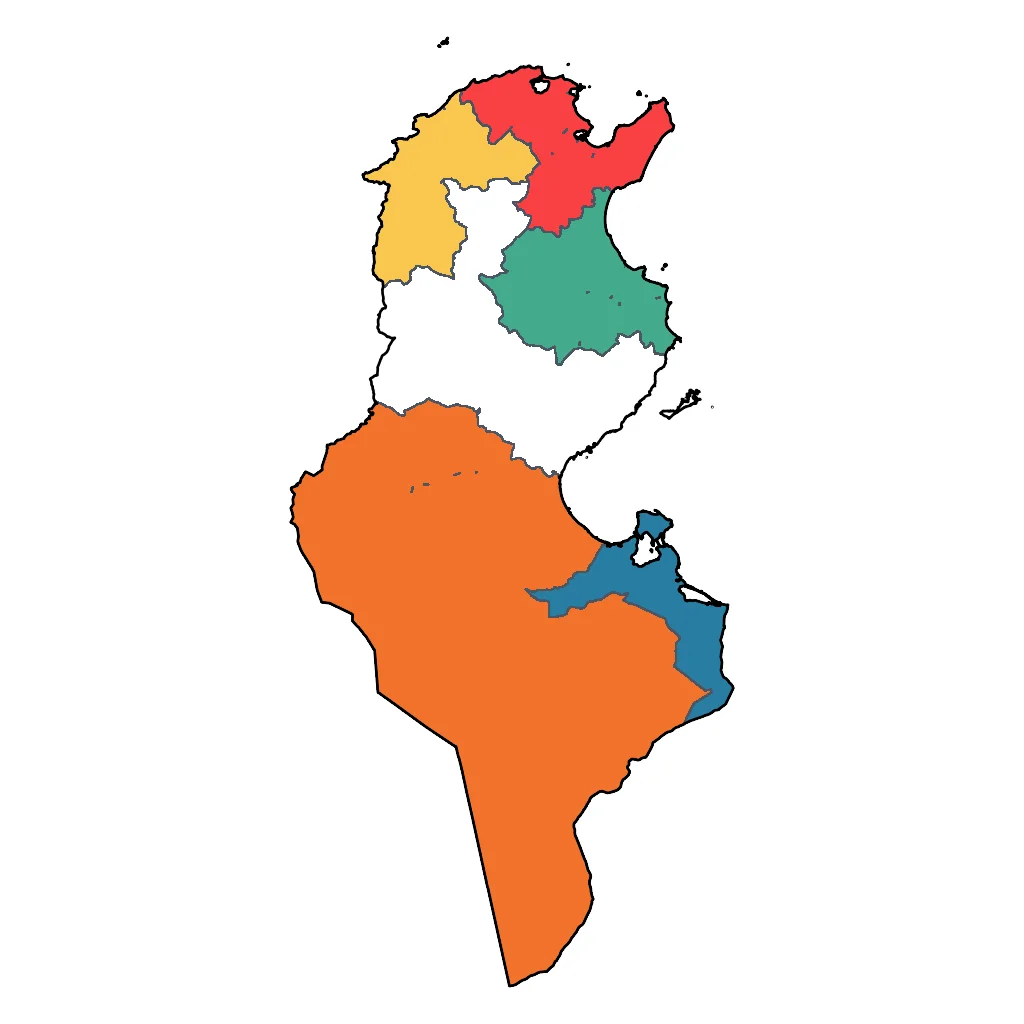
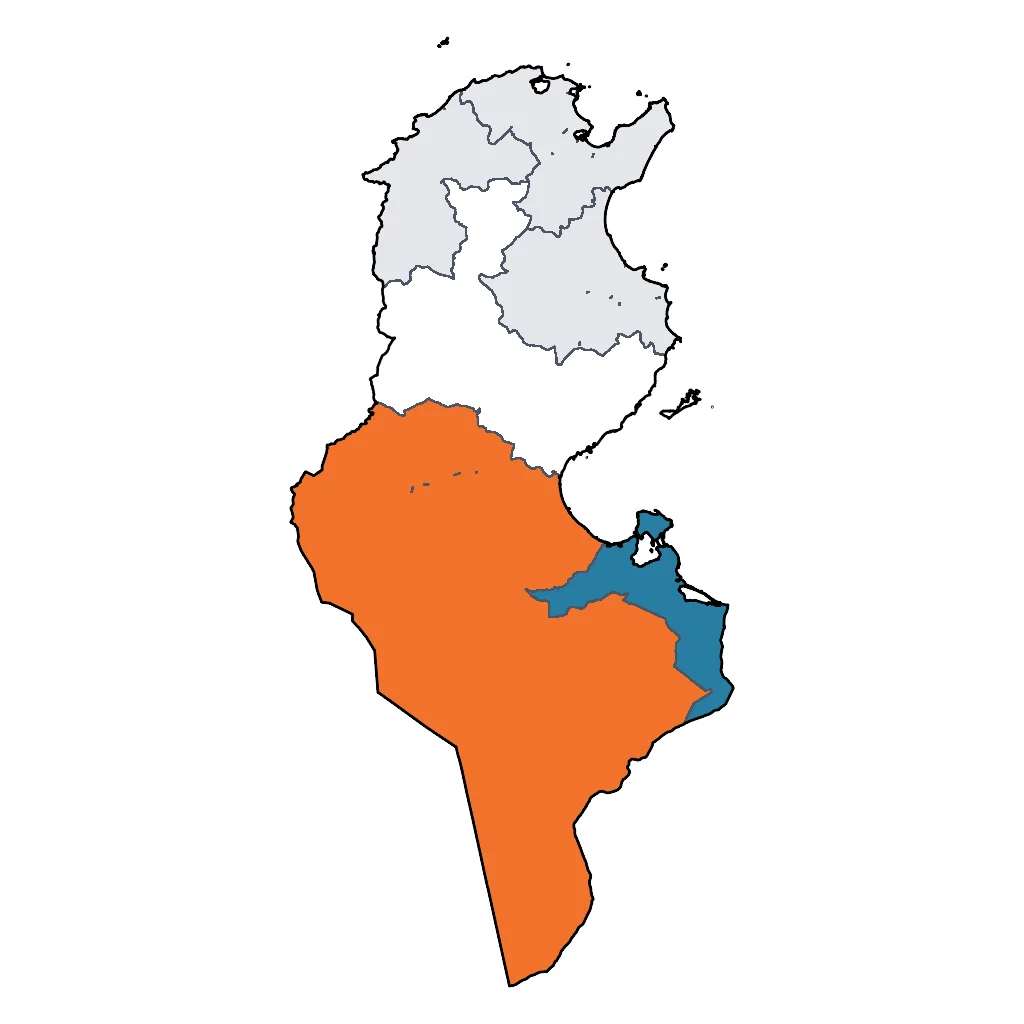
Click on a region marker to explore details. Use the dropdown to color regions by activity suitability.

Activities & Best Times

Adventure & Nature
ExcellentHiking, wildlife, outdoor exploration, ecotourism
Offers a world-class desert experience with the Grand Erg Oriental dunes and iconic mountain oases like Chebika. Peak months provide the ideal 15-28°C range for trekking; summer months are dangerously hot (max 39°C), while winter nights can be quite cold.
The 'Green North' offers a unique African ecosystem of cork oak forests and waterfalls, perfect for sophisticated families seeking off-the-beaten-path hiking. Peak months offer mild temperatures (15-26°C), while mid-summer (July-August) can reach 35°C and winters are too damp for trekking.
Natural highlights include Flamingo Point (Ras R'mal), where migratory birds congregate in pristine coastal lagoons. Spring and autumn offer the best visibility and temperatures for wildlife observation before the extreme desert heat of summer.

City & Cultural
ExcellentUrban tourism, museums, historical sites, architecture
Home to the UNESCO-listed Carthage ruins and the Tunis Medina, this region offers peerless historical depth and architectural beauty. Peak months provide mild temperatures (18-26°C) ideal for exploring ruins; July and August are often too hot (34°C+) for comfortable urban exploration.
Home to the open-air Djerbahood street art project and the historic Houmt Souk, the island offers a unique multicultural tapestry. Peak months provide mild temperatures for exploring architectural heritage, whereas July and August are often too hot for comfortable walking.
Proximity to Bulla Regia's unique subterranean Roman villas and the UNESCO site of Dougga provides world-class historical depth. These months provide the ideal climate for exploring ruins; the summer heat and winter rains make extensive site visits less comfortable.

Educational & Exploratory
ExcellentLearning experiences, scientific sites, historical education
The Bardo Museum houses the world's most significant collection of Roman mosaics, providing a world-class educational experience for families. Spring and autumn offer the best conditions for guided archaeological tours of Carthage, while summer heat makes outdoor sites challenging for children.
Exceptional archaeological value through rare underground architecture and well-preserved Roman mosaics that appeal to intellectually curious families. Optimal visiting conditions mirror the cultural season, ensuring clear visibility and comfortable outdoor learning environments.
World-class archaeological museums and proximity to El Jem's Roman amphitheater make this a premier site for historical education. Ideal weather in April, May, and October allows for comfortable guided tours of these sprawling open-air sites.
Beach & Sea
Very GoodBeach resorts, marine activities: diving, snorkelling, kite surfing, wind surfing, sailing
Renowned for its turquoise waters and shallow, family-friendly sandy beaches such as Sidi Mahrez. Peak summer offers ideal swimming temperatures and calm seas, while winter months are too cool for international beach standards.
Features some of the Mediterranean's finest white sands in Mahdia and high-end marina facilities at Port El Kantaoui. Summer (Jun-Sep) provides optimal water temperatures and calm seas, while winter months are too cool for swimming and lack the consistency for water sports.
Renowned for its red coral and dramatic rock formations ('The Needles'), offering some of the Mediterranean's most authentic diving experiences. Summer provides the necessary sea visibility and warmth, while the shoulder months may have cooler water temperatures and the off-season is too rough for maritime activities.

Festivals & Seasonal
Very GoodEvents, celebrations, seasonal attractions
The International Festival of Carthage brings world-class music and drama to the ancient Roman theater during the peak of summer. While the heat is high, the cultural prestige and coastal evening breezes make these months the definitive period for major traditional events.
The annual Ghriba Pilgrimage in May is an internationally significant cultural event of immense authenticity. Summer months host the Ulysses Festival, though peak heat requires visitors to plan around midday sun.
The region comes alive in summer with the International Festival of Sousse and Monastir, featuring world-class music and cultural performances. These events are specifically timed for the peak tourist season when the evening atmosphere is vibrant and warm.

Relaxation & Wellness
Very GoodSpa retreats, wellness centers, peaceful getaways
As a world-leading hub for thalassotherapy, Djerba offers high-end spa retreats that combine Mediterranean seawater treatments with authentic Berber hospitality. Optimal weather in spring and autumn supports a blend of indoor/outdoor relaxation.
The Sahel is a global hub for thalassotherapy, featuring world-class spa resorts using seawater-based treatments. Shoulder months are excellent for indoor retreats, but mid-summer is rated lower due to high humidity and temperatures that detract from outdoor relaxation.
The northern suburbs like Gammarth are international hubs for Thalassotherapy, featuring high-end resorts with sophisticated seawater treatments. The mild transition seasons offer the best balance of pleasant air and humidity for wellness retreats, though indoor facilities remain open year-round.

Sports & Active
Very GoodSport tourism, fitness activities, active recreation
High-quality active recreation including sandboarding, 4x4 desert expeditions, and camel trekking through the dunes. Peak months align with perfect physical activity temps (21-27°C max); summer is too extreme for any outdoor exertion.
Djerba is a premier destination for kitesurfing due to its consistent winds and shallow lagoons, alongside high-quality golf courses. Peak months offer the best balance of wind conditions and comfortable temperatures for outdoor exertion.
Offers world-class scuba diving, forest cycling, and hiking trails that cater to active, internationally traveled families. Peak conditions occur when water and air temperatures are balanced for multi-activity trips; the winter season is significantly limited by rainfall.
Road Trips & Scenic
Very GoodScenic drives, countryside tours, route-based travel
Features the spectacular crossing of the Chott el Djerid salt flats and winding mountain passes near Tamerza. Peak visibility and safe driving temperatures occur in spring and autumn; summer heat creates hazardous mirages and potential vehicle overheating.
Spectacular winding roads through the Kroumirie Mountains and along rugged cliffs offer a scenic experience comparable to southern European coastal drives. Spring and autumn provide the best combination of clear visibility and lush scenery, whereas winter rains can make mountain roads slick and less scenic.
A compact coastal region allowing for scenic drives between historical landmarks like Mahdia’s Fatimid port and Monastir’s coast. Optimal visibility and mild weather in spring/autumn make for pleasant driving conditions compared to the hazy heat of summer.
Theme Park & Entertainment
GoodAmusement parks, family entertainment venues
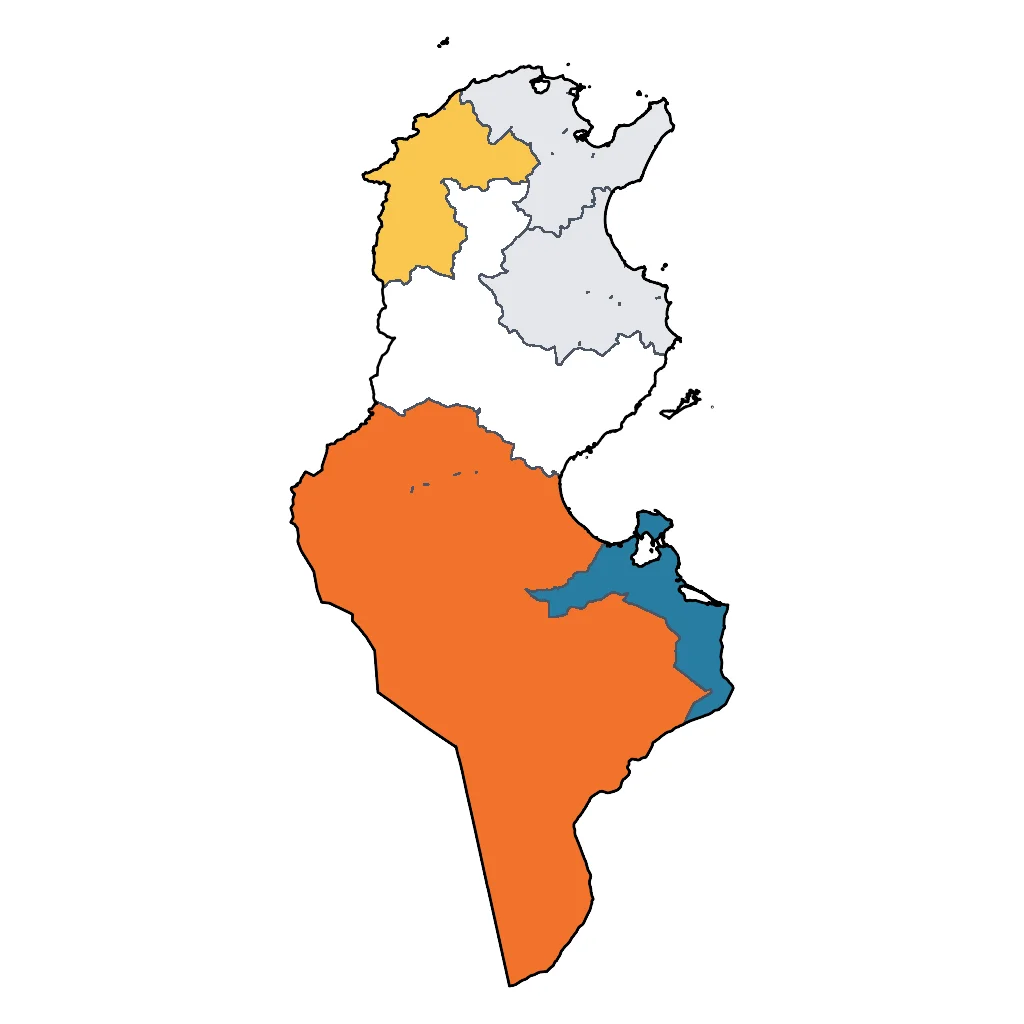
Djerba Explore Park houses the largest crocodile farm in the Mediterranean and is internationally recognized. The notes acknowledge it 'exceeds expectations for typical zoo classification.' This should be rated 'good' for consistency with Sahara's Star Wars set (also rated 'good'). Both are niche but internationally notable attractions.
The preserved Star Wars film sets (Mos Espa) provide a unique, internationally recognized cinematic 'theme' experience for families. Peak months allow families to explore the sets comfortably; the open-desert locations lack shade, making them nearly inaccessible during the 35-39°C summer months.
Carthage Land in Hammamet provides family entertainment but is more of a regional attraction than a world-class destination for experienced travelers. It is best visited during peak summer when all attractions and water features are fully operational.
Airports & Flight Routes
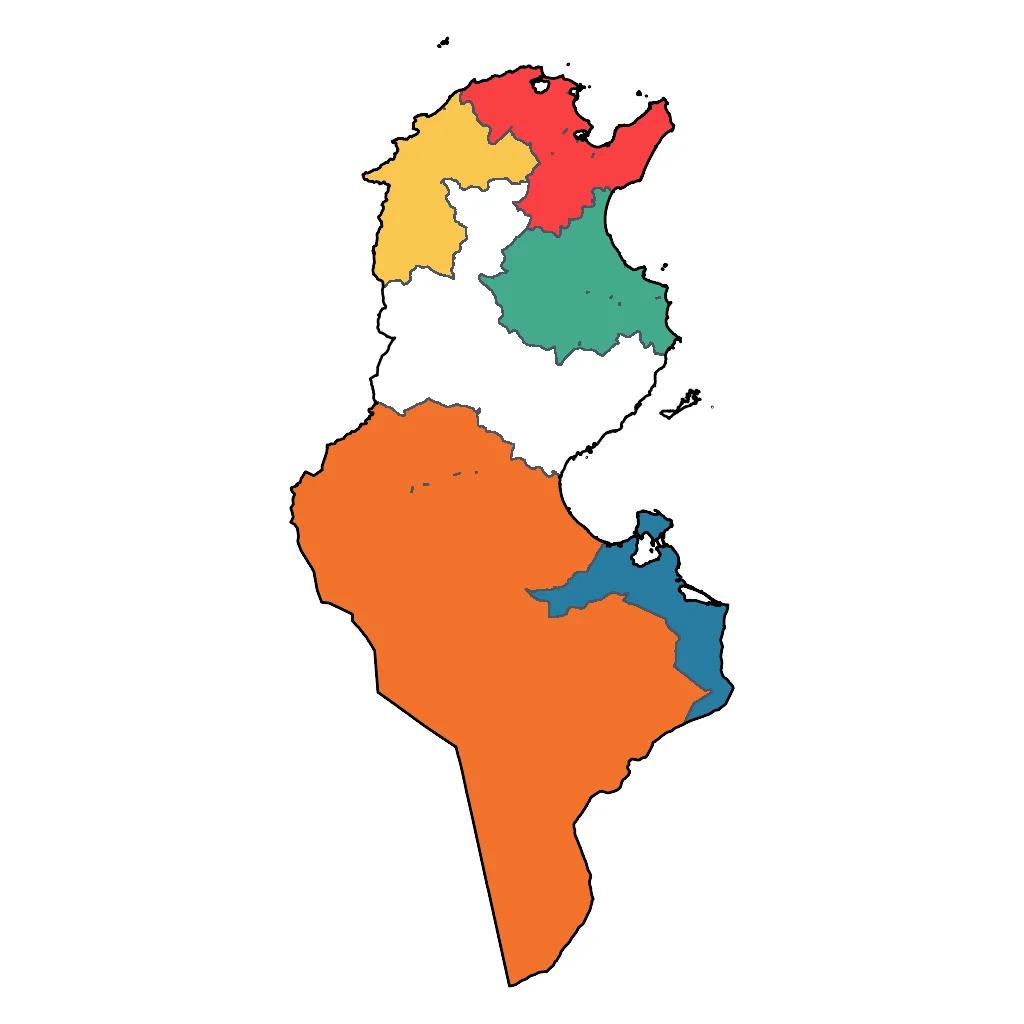
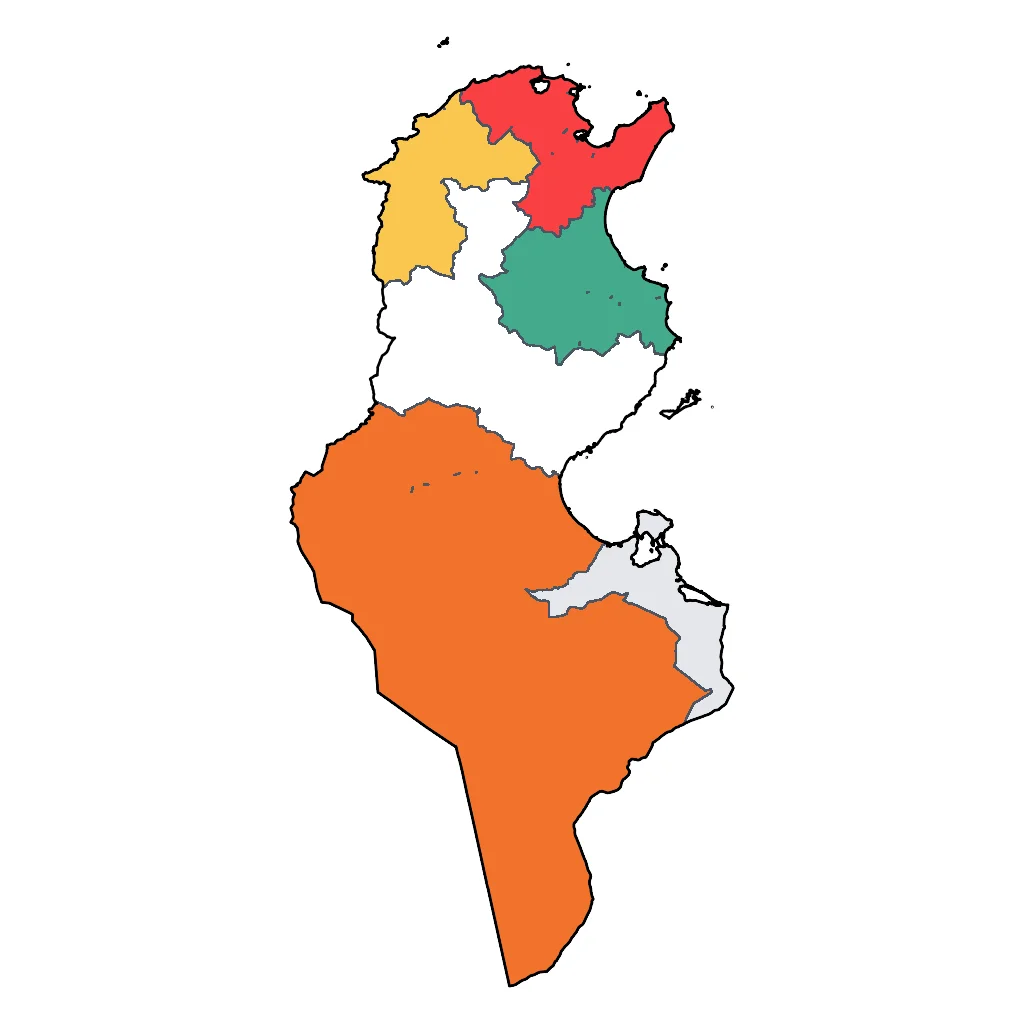
Toggle options to view domestic routes and international airports. Click an airport for details.
Climate & Weather
Djerba Island
Show Details
| Month | Temp °C | Rain | Humidity |
|---|
Northern Mountains (Tabarka)
Show Details
| Month | Temp °C | Rain | Humidity |
|---|
Sahara & South (Douz, Tozeur, Matmata)
Show Details
| Month | Temp °C | Rain | Humidity |
|---|
Sousse & Sahel Coast
Show Details
| Month | Temp °C | Rain | Humidity |
|---|
Tunis & North (Carthage, Sidi Bou Said)
Show Details
| Month | Temp °C | Rain | Humidity |
|---|

Travel Advisory
General safety concerns and the threat of terrorism require travellers to exercise increased vigilance across the country.
Safety Topics
Traveller Advice (2 groups)

Homosexual acts are illegal in Tunisia and can result in imprisonment. Same-sex couples should exercise extreme discretion in public.

Female travellers should dress conservatively to respect local customs and avoid travelling alone, especially at night, due to reports of harassment.