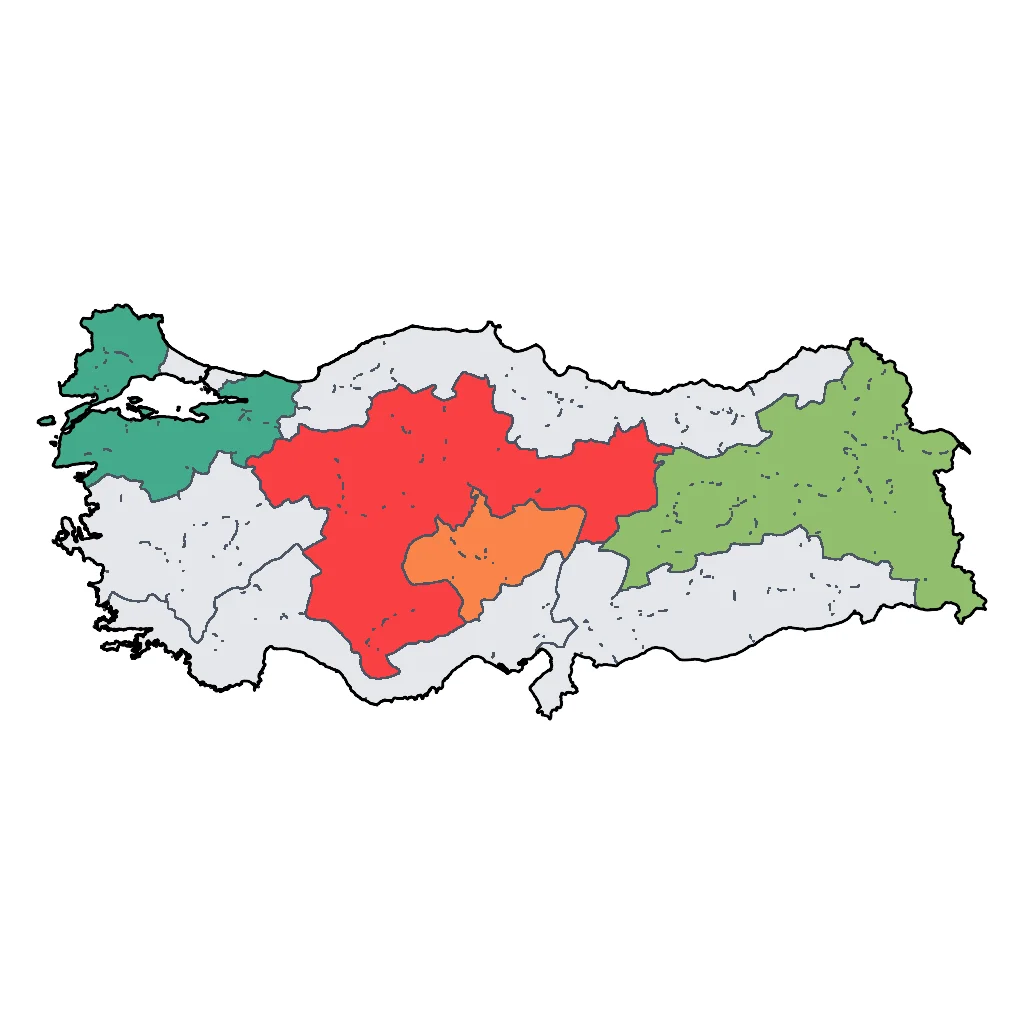
The Black Sea Coast (Karadeniz) presents a side of Turkey that often surprises visitors: emerald green mountains, misty plateaus, and a climate that resembles central Europe more than the Mediterranean. For families seeking nature, cooler temperatures, and a break from the standard beach resort circuit, this region is an adventurous playground. Summers here are humid but significantly cooler than the south, while winters can bring heavy snow to the highlands.
Trabzon serves as the main hub for exploring the eastern section. The star attraction is the Sumela Monastery, a structure built into a sheer cliff face within the Altındere National Park. The short hike through the forest to reach it is manageable for active children and offers atmospheric views. Further east, Rize is the capital of Turkish tea. Families can visit tea gardens to see how the ubiquitous national drink is grown and harvested. Just south of Rize, the plateau (yayla) of Ayder features thermal springs, waterfalls, and traditional wooden houses, offering plenty of open space for kids to run free.
Towards the western Black Sea, the town of Amasra is a charming fortified port built on a peninsula, ideal for exploring Byzantine walls and eating fresh fish salad. The historic town of Safranbolu, a UNESCO World Heritage site, allows families to stay in restored Ottoman mansions and walk through cobblestone streets where artisans still craft shoes and copperware. The famous local treat, Turkish Delight (lokum), is a must-try here.
The coastline is rugged, with rougher waters than the Aegean, so swimming requires caution, but the scenery is dramatic. The local cuisine is distinct, featuring cornflour, kale, and hamsi (anchovies) prepared in dozens of ways. It is a region best explored by car, allowing families to stop at roadside waterfalls and hidden valleys at their own pace.
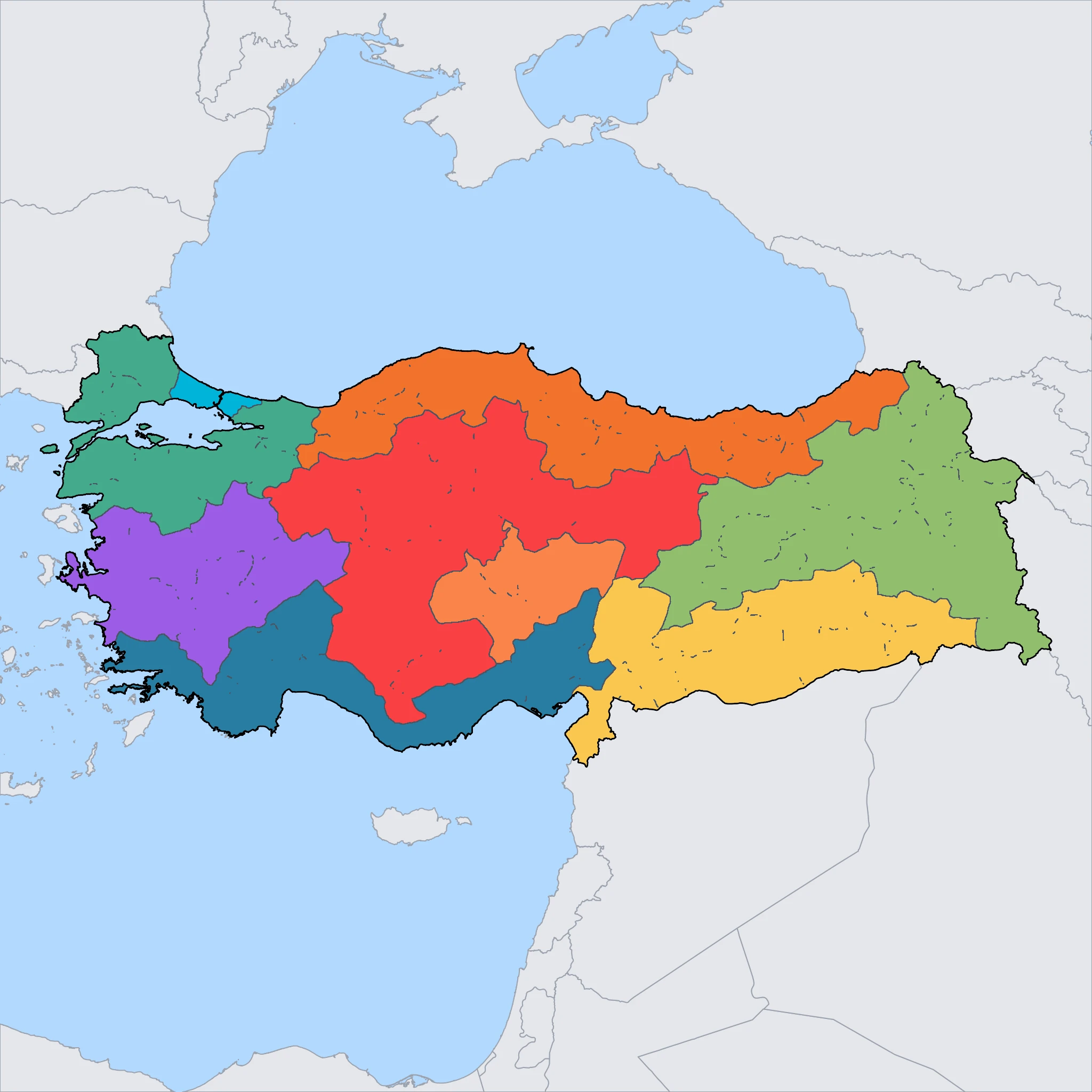
Click a region to explore

Activities & Best Times

Hiking, wildlife, outdoor exploration, ecotourism
While the region offers unique trekking and Yayla culture, only 8 attractions are documented for the entire coast. 'Excellent' should be reserved for regions with comprehensive infrastructure and documented offerings. This is nationally exceptional but not at the global tier of Patagonia, Alps, or New Zealand.

Urban tourism, museums, historical sites, architecture
Features internationally significant heritage sites including the cliff-clinging Sumela Monastery and the UNESCO-listed Ottoman architecture of Safranbolu. Optimal conditions occur in late summer when precipitation is lowest; winter months are cold and damp, detracting from the experience of exploring these predominantly outdoor historical sites.

Scenic drives, countryside tours, route-based travel
The winding coastal highways are spectacular, but 'excellent' road trips require comprehensive touring infrastructure and multiple iconic routes (e.g., Pacific Coast Highway, Great Ocean Road). This is a very good regional experience but lacks the global recognition for an 'excellent' rating.

Learning experiences, scientific sites, historical education
Offers sophisticated travelers insights into the global tea trade, Silk Road history, and unique Laz and Hemsin ethnographic traditions. Peak summer allows for interactive visits to tea plantations and remote monastic sites; winter weather causes major closures of regional museums and historical research facilities.

Events, celebrations, seasonal attractions
Authentic highland festivals like the Kadırga and Vartovor provide rare glimpses into ancient pastoral traditions with international ethnographic appeal. These events are strictly seasonal, occurring during the peak summer pasture migration; most of the year lacks significant cultural gatherings due to the harsh mountain climate.

Spa retreats, wellness centers, peaceful getaways
High-altitude retreats and thermal springs in Ayder provide a distinctive mountain wellness experience focused on fresh air and natural hydrotherapy. The experience is best in July and August when the crisp mountain air is most pleasant; the off-season is characterized by persistent mist and heavy rainfall that limits outdoor relaxation.

Sport tourism, fitness activities, active recreation
The Fırtına River offers high-quality white-water rafting, while the mountains provide exceptional technical climbing opportunities. Peak summer months offer safe water levels and stable weather; the rest of the year is unsuitable due to freezing temperatures or dangerously high river volumes from heavy rainfall.

Beach resorts, marine activities: diving, snorkelling, kite surfing, wind surfing, sailing
While Sinop and Şile offer authentic coastal escapes, the region lacks the clear turquoise waters and world-class resort infrastructure found in the Mediterranean. Swimming is only comfortable during the peak of summer when air temperatures reach 25°C; the sea remains too cold and rough for most of the year.

Winter sports, ski resorts, snow activities
Resorts like Kartalkaya offer decent infrastructure, though they lack the scale and world-class polish expected by families familiar with the Alps. Reliable snow coverage is found in mid-winter (Jan-Feb) when temps stay near freezing; the season is relatively short with rapid slush development by late March.