⚠️ SAFETY WARNING: Due to potential volatility and security concerns near border areas, government agencies (including CA, UK, and USA) advise travelers to exercise a high degree of caution or reconsider travel to parts of Eastern Anatolia, specifically Hakkari and Tunceli provinces and areas near the Iranian and Iraqi borders. The security situation can vary; families are strongly urged to consult their own government's official travel advisory before planning a trip.
Eastern Anatolia is a region of dramatic landscapes, towering mountains, and deep history, suited for families accustomed to adventure and longer travel distances. The climate is harsh, with long, snowy winters that make it a premier destination for skiing, particularly at the Palandöken Ski Center in Erzurum, which offers facilities comparable to Europe at a fraction of the cost.
One of the most popular ways to reach the region is via the Eastern Express (Doğu Ekspresi), a scenic train ride from Ankara to Kars. The journey itself is an adventure, winding through canyons and river valleys. In Kars, the architecture shifts to Russian-style stone buildings, and a visit to the medieval ruins of Ani—the "City of 1,001 Churches" right on the Armenian border—is hauntingly beautiful. The vast open spaces allow kids to explore ancient cathedrals and mosques standing in solitude on the grassy plains.
Further south lies Lake Van, the largest lake in Turkey. A boat trip to Akdamar Island to see the 10th-century church is a highlight. Children are often delighted by the local Van cats, a unique breed known for having different colored eyes and a love for swimming. Near Doğubayazit, the Ishak Pasha Palace looks like it was plucked from a fantasy story, perched on a mountain ledge overlooking the plains below Mount Ararat. Travel here requires planning, as distances are vast, but the hospitality is legendary.
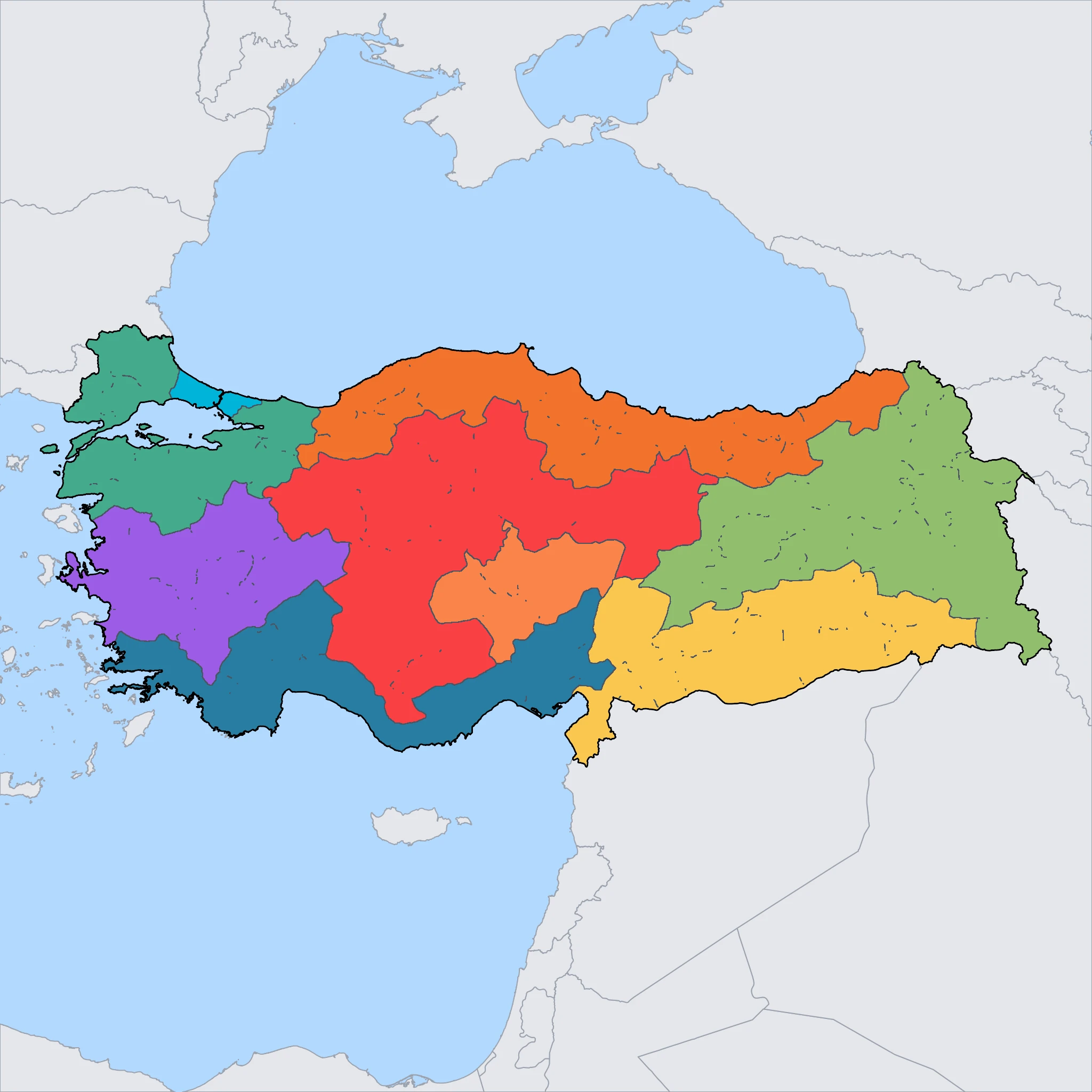
Click a region to explore

Activities & Best Times
Hiking, wildlife, outdoor exploration, ecotourism
A vast, high-altitude frontier featuring the dramatic peaks of Mt. Ararat and the saline expanse of Lake Van, offering world-class trekking and bird-watching. Peak summer (Jul-Aug) is essential for mountain access and dry trails; winter and spring (Oct-May) are too severe for family nature exploration with heavy snow and mud.

Urban tourism, museums, historical sites, architecture
Features the haunting UNESCO ruins of Ani and the baroque Ishak Pasha Palace, providing a sophisticated alternative to mainstream historical sites. Peak summer months (Jun-Sep) offer the dry, pleasant weather (13-30°C) necessary for exploring exposed medieval sites; winter is bitterly cold and limits site accessibility.

Learning experiences, scientific sites, historical education
The region is a living museum of Urartian, Seljuk, and Armenian history, offering profound archaeological learning for sophisticated families. Summer provides the best conditions for guided historical tours and archaeological visits; off-season weather (Nov-Apr) often sees remote historical sites closed or hidden by snow.
Scenic drives, countryside tours, route-based travel
The route around Lake Van and the high-altitude passes between Erzurum and Kars offer some of the world's most dramatic and authentic scenic driving. Peak months offer clear visibility and dry roads; winter months (Nov-Apr) are unsuitable due to heavy ice, snow closures, and dangerous high-mountain pass conditions.

Winter sports, ski resorts, snow activities
Home to world-class resorts like Palandöken and Sarıkamış, famous for 'crystal snow' conditions and some of Europe’s longest runs. Peak conditions in Jan-Feb offer reliable sub-zero temperatures (-7°C to 1°C) and deep powder; the season ends quickly in April as temperatures rise and snow quality degrades.
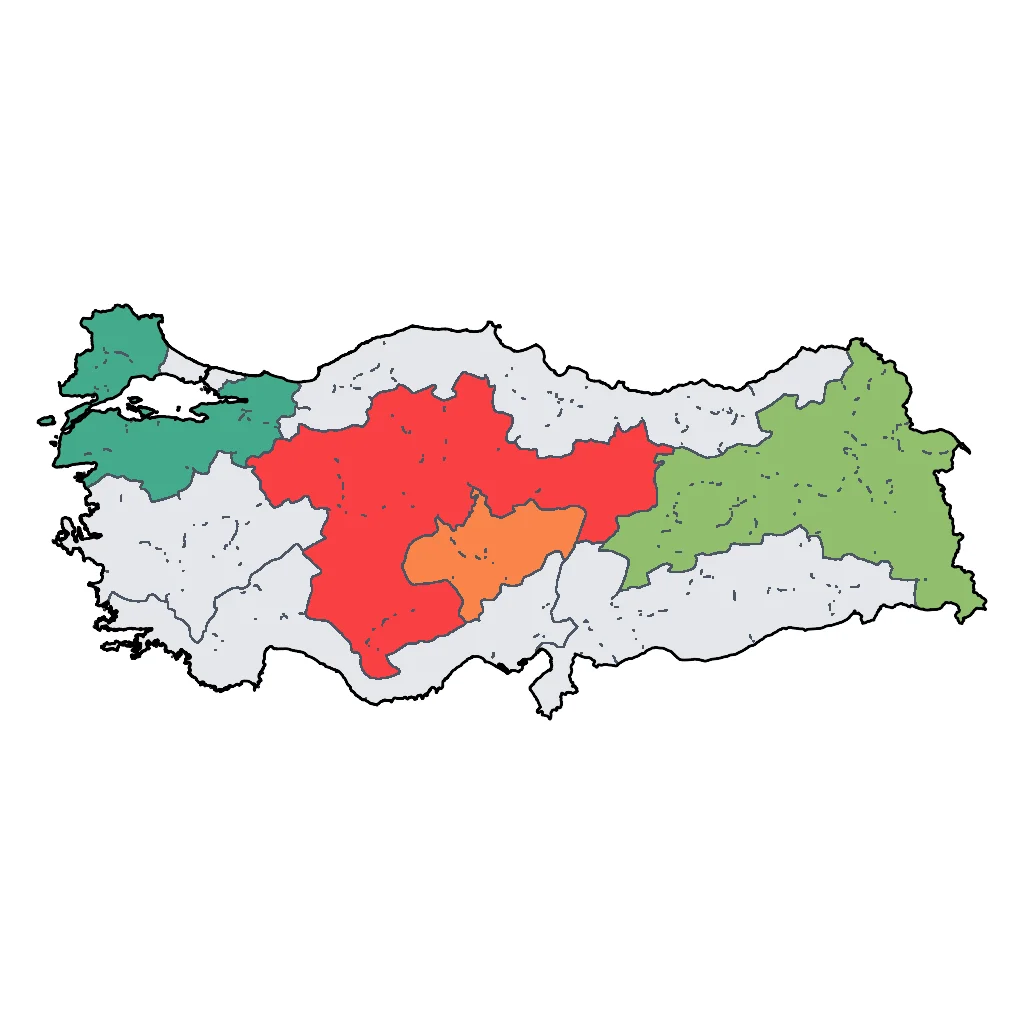

Events, celebrations, seasonal attractions
The winter journey on the 'Eastern Express' train is a world-renowned seasonal experience, offering a sophisticated way to view the snow-covered highlands. This iconic journey is at its most beautiful during the peak snow months of January and February.
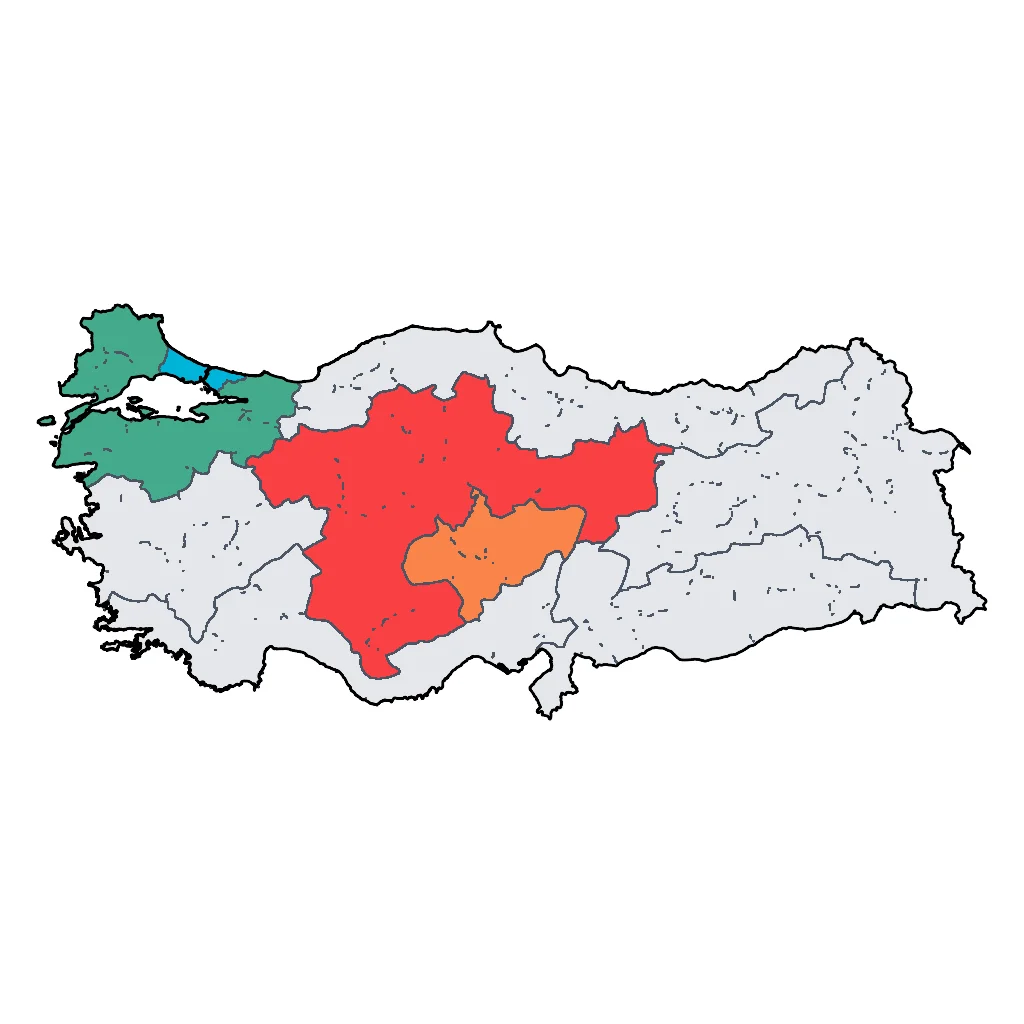

Sport tourism, fitness activities, active recreation
Offers a dual-season active profile with elite mountaineering in summer and high-end skiing in winter. Summer (Jul-Aug) is peak for mountain activities, while winter (Jan-Feb) is peak for snow sports; spring (Apr-May) is the off-season due to high rainfall (up to 98mm) and melting snow mud.
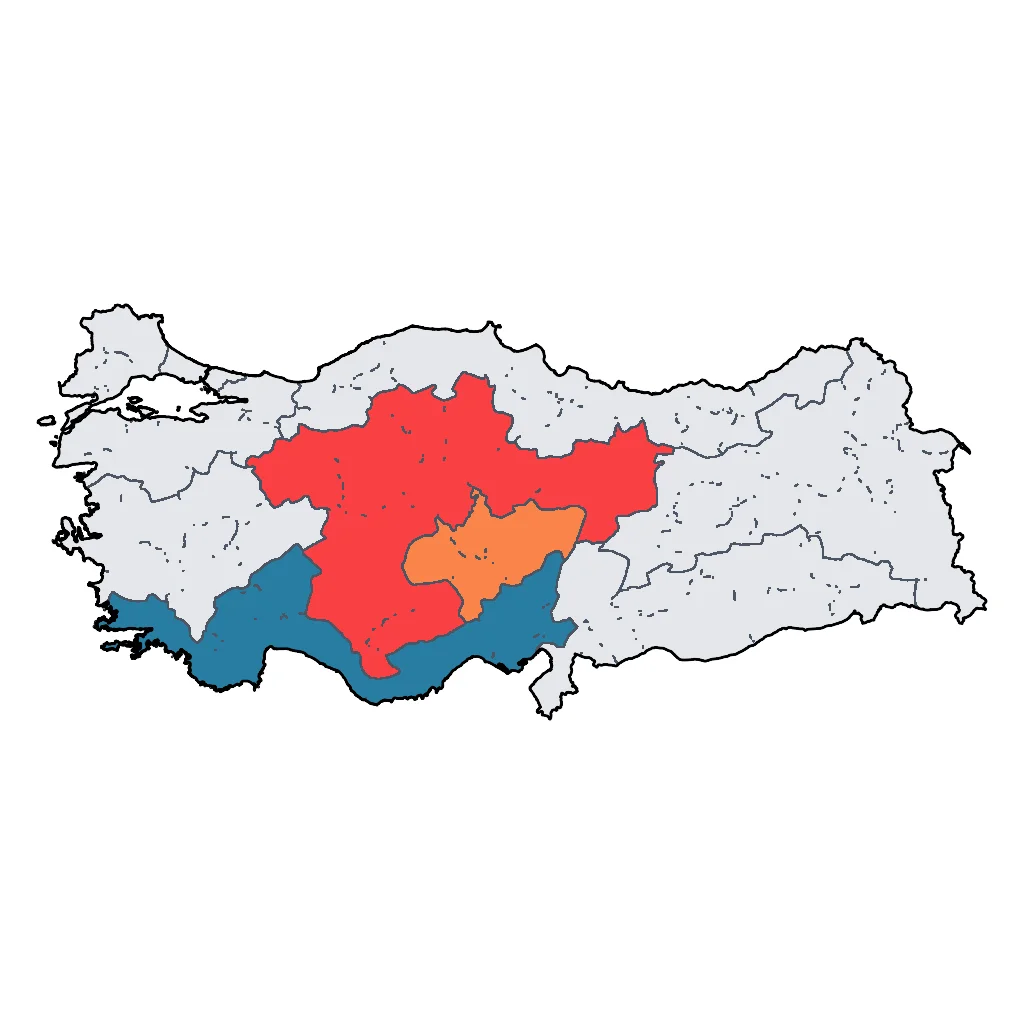

Spa retreats, wellness centers, peaceful getaways
The region features authentic thermal springs and volcanic mud baths, particularly enjoyable as a contrast to the freezing outdoor temperatures in winter. While authentic, facilities are more functional than world-class luxury spas, making it a secondary activity rather than a primary destination draw.