⚠️ SAFETY WARNING: Government agencies (including USA, UK, and AU) advise travelers to exercise extreme caution or avoid all travel to Southeastern Anatolia due to security risks, particularly in areas near the Syrian border (including Diyarbakır, Şırnak, and Hakkari provinces). The threat of terrorism and conflict remains elevated. Families considering this region must consult their specific government travel advisories for the most current 'Do Not Travel' zones and safety guidance.
For families who choose to visit the safer tourist corridors of Southeastern Anatolia, the rewards are rich in culture and gastronomy. This region is the northern part of Mesopotamia, the cradle of civilization. Gaziantep is a highlight, recognized by UNESCO for its gastronomy. Children will love the Zeugma Mosaic Museum, enticingly displayed with walkways over ancient Roman villa floors, and the local zoo, which is one of the largest in the region. The city is the capital of pistachios and baklava; watching the masters roll out paper-thin dough is a mesmerizing show.
Further east, Şanlıurfa (Urfa) has a mythical atmosphere. The Balıklıgöl (Pool of Abraham) is a park filled with sacred fish that visitors can feed—a fun activity for kids. Just outside the city is Göbeklitepe, the world's oldest known temple complex. The site is well-organized with walkways and visitor centers that help explain its 12,000-year-old significance without being boring.
Mardin offers a visual feast, with its honey-colored stone houses cascading down a hillside overlooking the Mesopotamian plains. The narrow, stair-filled streets are pedestrian-only, making for an atmospheric (if tiring) walk. Families can visit the Deyrulzafaran Monastery to see ancient saffron-colored stone architecture. The food here is distinct, with delicious kebabs and stuffed flatbreads that are generally safe and tasty for travelers.
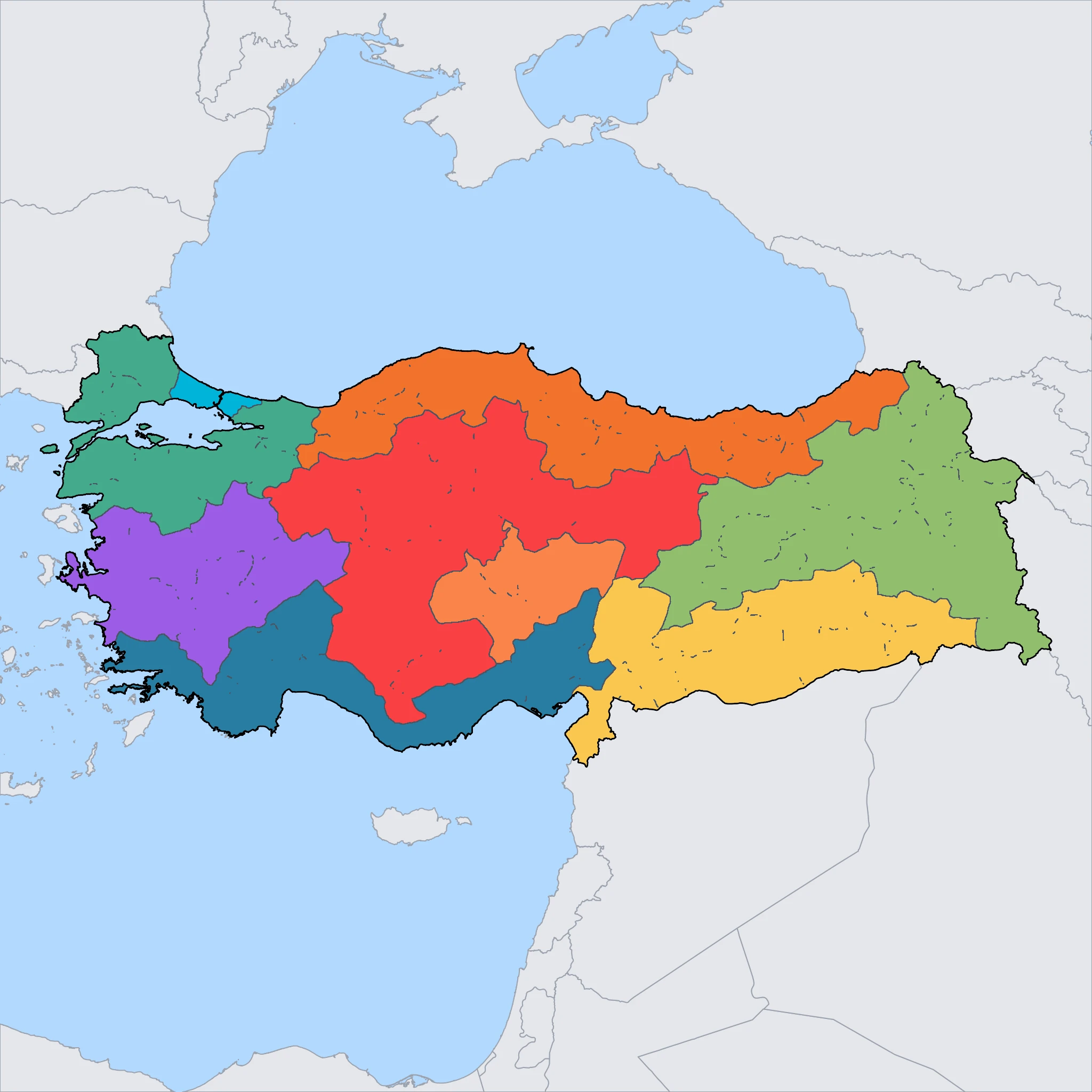
Click a region to explore

Activities & Best Times

Urban tourism, museums, historical sites, architecture
Home to some of the world's oldest continuously inhabited cities like Mardin and Şanlıurfa, offering unparalleled architectural and historical depth. Peak months (Apr-May, Sep-Oct) avoid the punishing summer heat (>35°C) and winter rains, providing ideal conditions for exploring ancient stone alleys and world-class museums.

Learning experiences, scientific sites, historical education
Features Göbeklitepe, the world's oldest temple complex, and the Zeugma Mosaic Museum, providing unique insights into the dawn of civilization. Spring and autumn are peak for site visits; extreme summer heat (July-Aug >37°C) and cold winter rainfall (102mm) make outdoor archaeological exploration uncomfortable for families.

Scenic drives, countryside tours, route-based travel
The drive through the Mesopotamian plains between Gaziantep, Şanlıurfa, and Mardin offers spectacular vistas of the Euphrates and ancient hilltop settlements. Best explored in spring and autumn when visibility is high and temperatures are mild; summer heat makes long drives draining, and winter precipitation impacts scenic enjoyment.
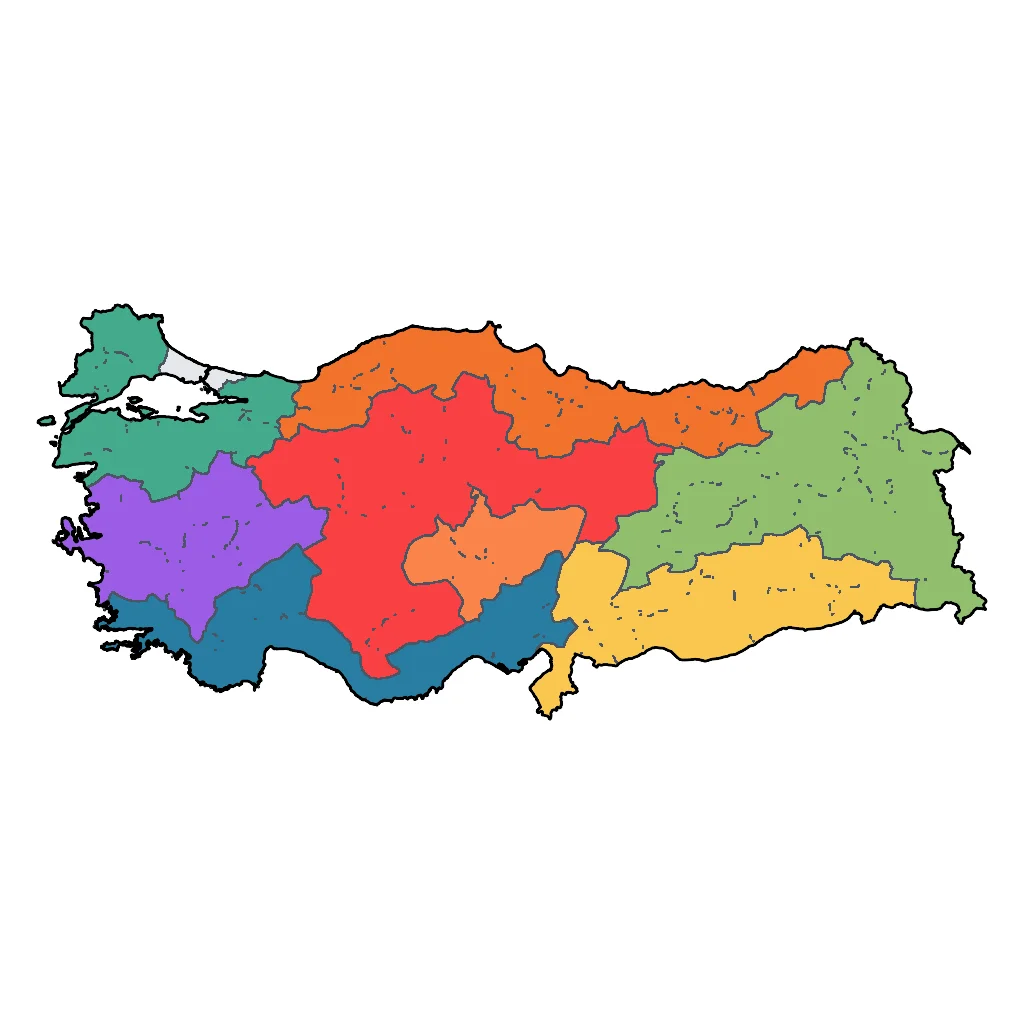

Hiking, wildlife, outdoor exploration, ecotourism
Offers unique experiences like boat trips to the sunken city of Halfeti and sunrise at Mount Nemrut's giant statues. Conditions are best in late spring and early autumn; peak summer (Jul-Aug) is dangerously hot for hiking, while winter brings significant rainfall and cold that can limit access to high-altitude sites.
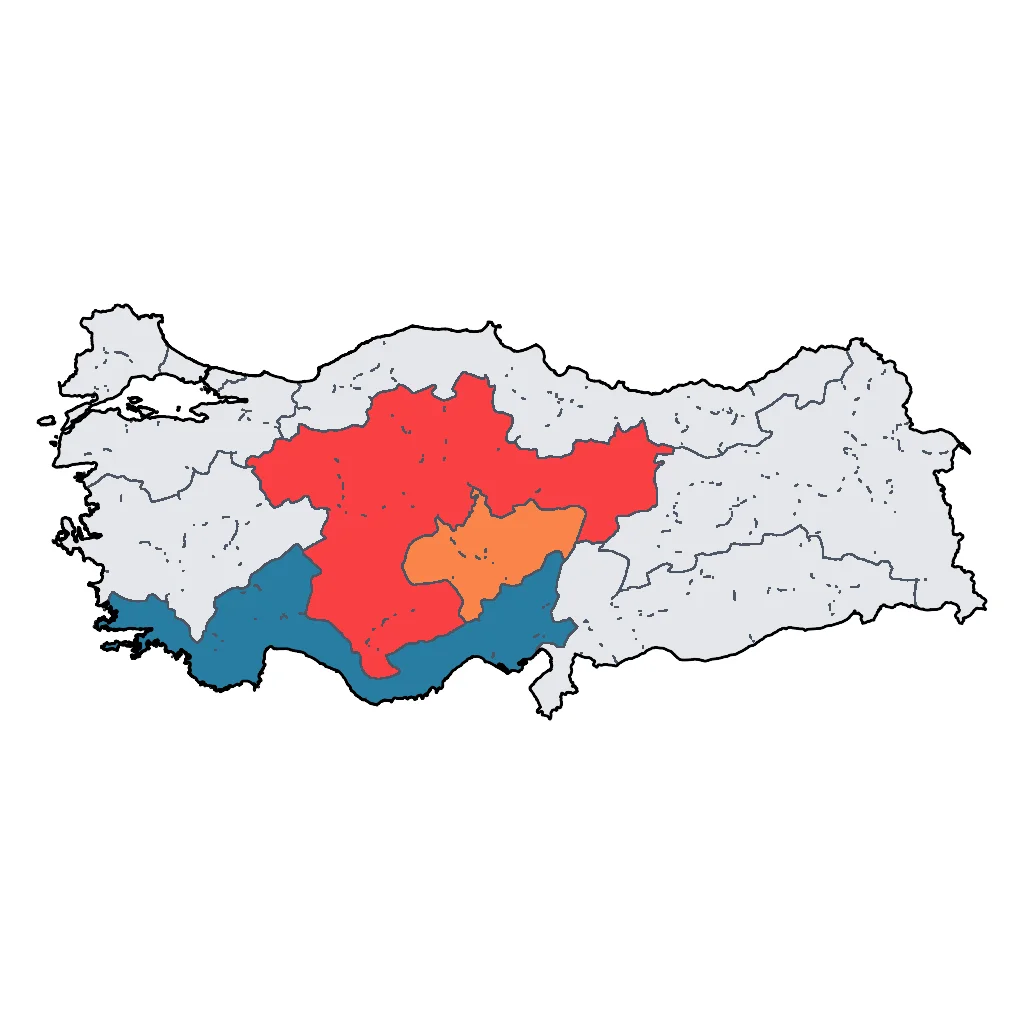

Events, celebrations, seasonal attractions
Renowned for its world-class culinary heritage, particularly Gaziantep’s gastronomy festivals and the autumn pistachio and grape harvests. Peak season aligns with the harvest and pleasant weather; off-season summer months are too hot for outdoor celebrations, and winter lacks significant cultural events.
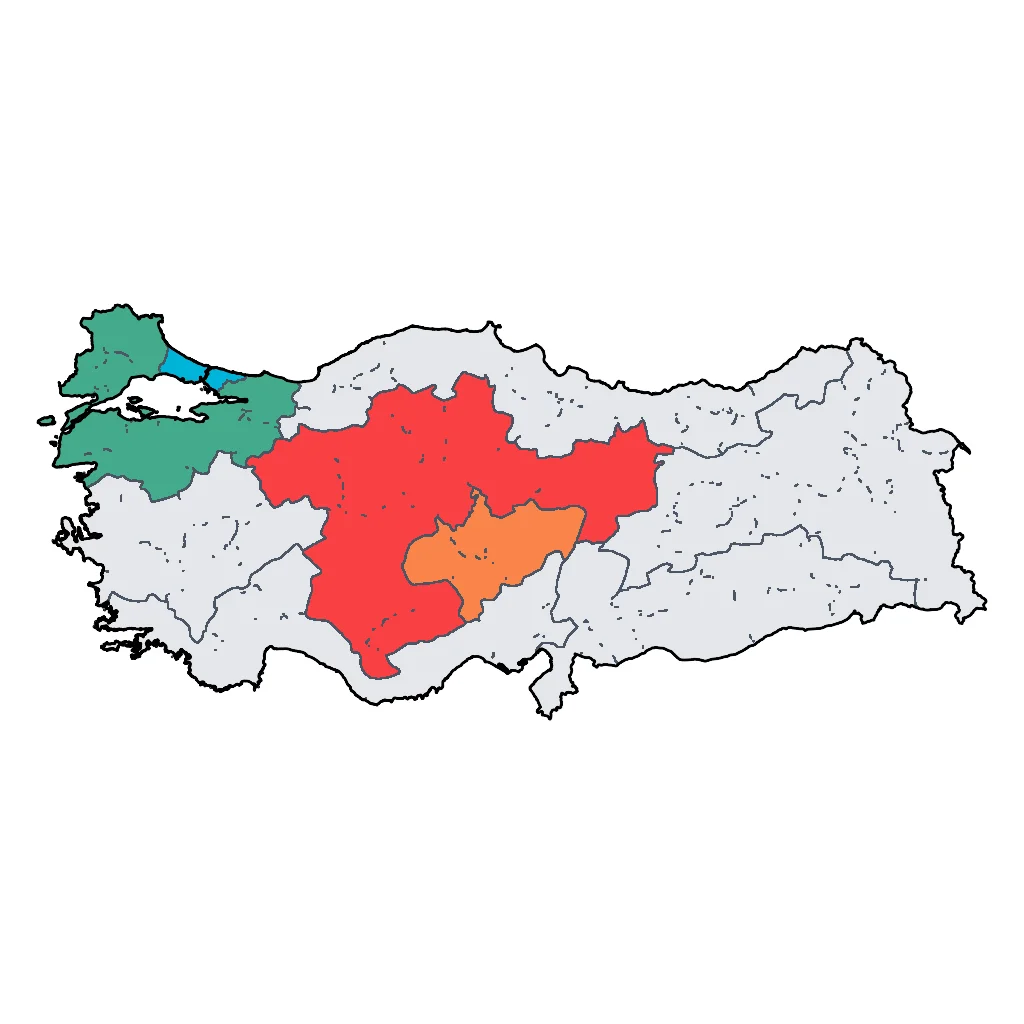

Spa retreats, wellness centers, peaceful getaways
Provides authentic historical hammam experiences in ancient stone bathhouses that offer a genuine cultural connection for travelers. Best enjoyed in cooler months (Mar-May, Sep-Nov); peak summer humidity and extreme heat make the intensive heat of a traditional hammam less appealing.
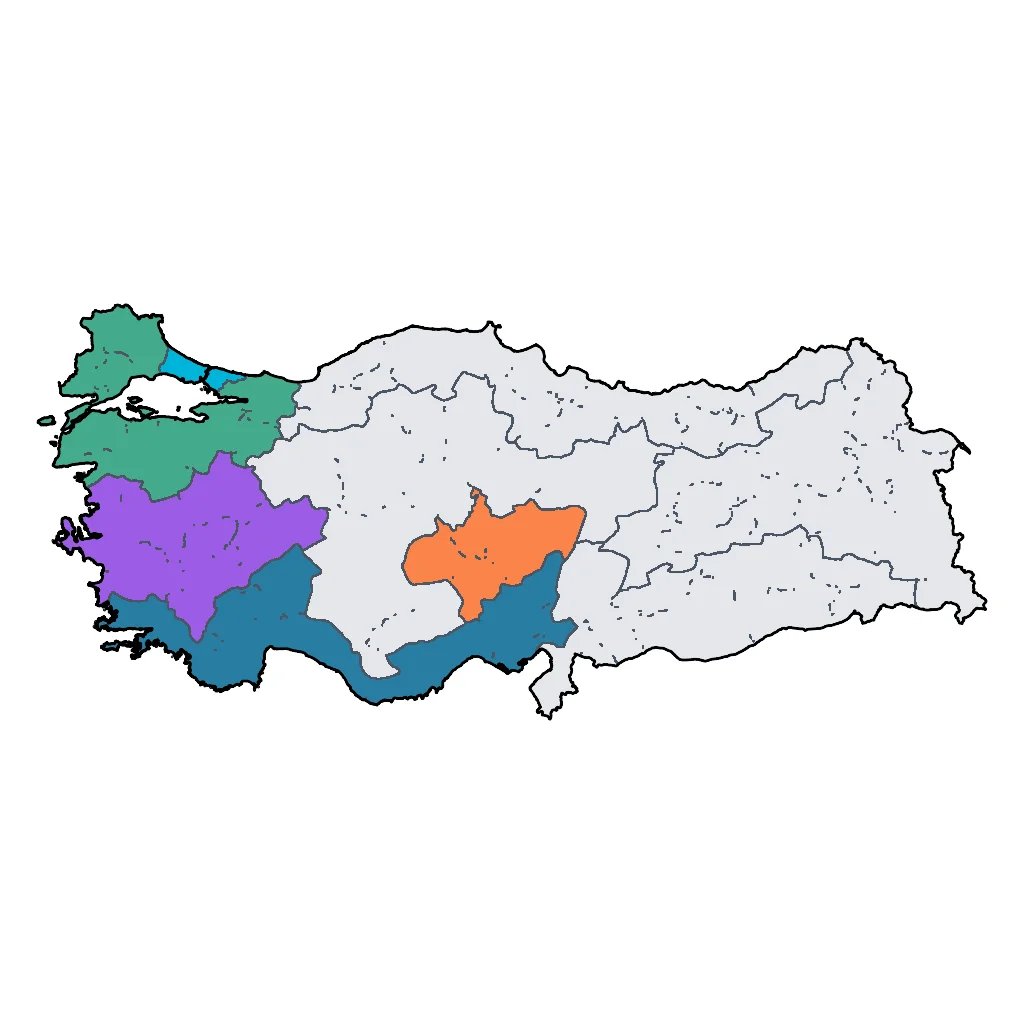

Sport tourism, fitness activities, active recreation
Limited to niche activities like river kayaking on the Euphrates or trekking in the Taurus foothills. Optimal during mild months (Apr-May, Oct); extreme summer temperatures (>37°C) and heavy winter rains are unsuitable for active pursuits.