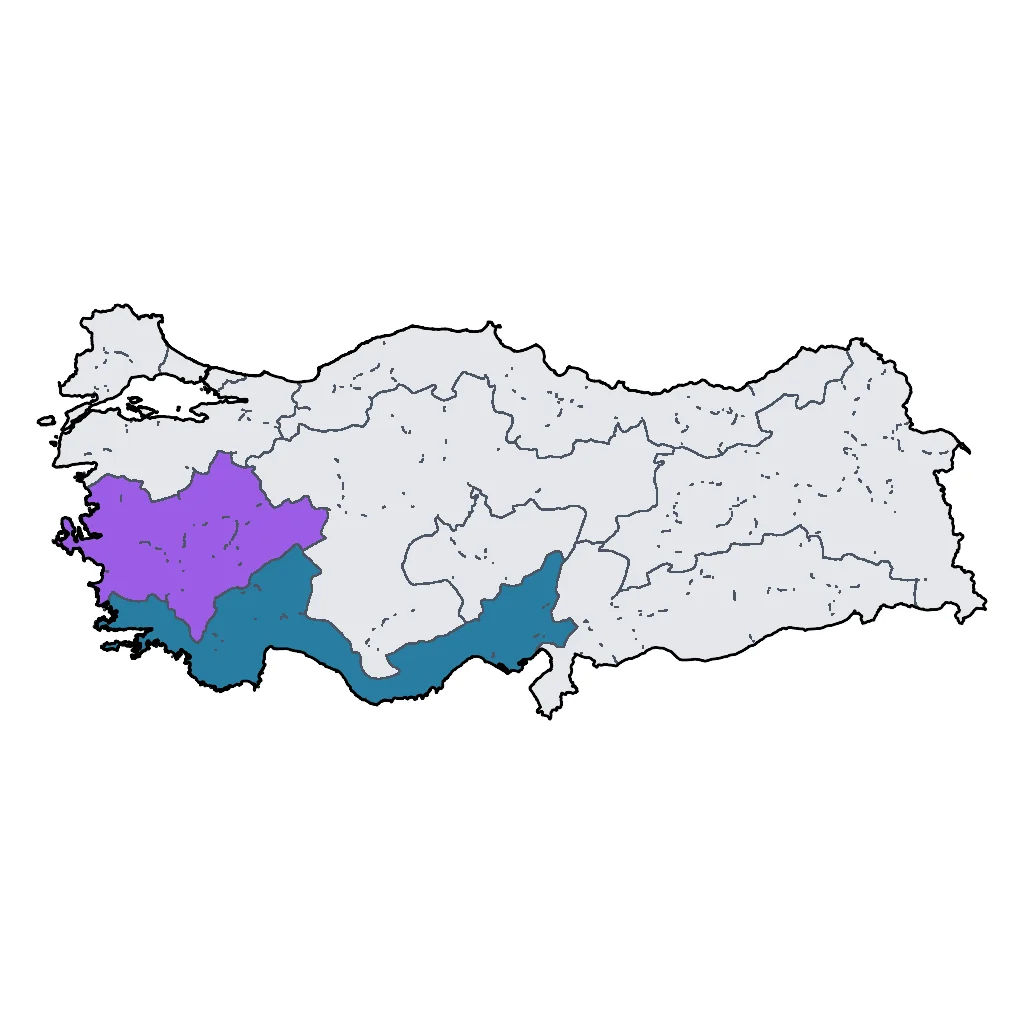
Central Anatolia is the vast, beating heart of the country, bridging the gap between East and West. While often driven through on the way to Cappadocia, the region holds significant cultural and historical landmarks. The landscape is dominated by the high Anatolian steppe—rolling plains that turn golden in summer and white in winter. The climate is continental, with hot, dry summers and cold winters.
Ankara, the nation's capital, is a modern metropolis with excellent infrastructure. A visit to Anıtkabir, the mausoleum of Mustafa Kemal Atatürk, provides a grand introduction to modern Turkish history with its changing of the guard ceremony that fascinates children. The Museum of Anatolian Civilizations is surprisingly kid-friendly, housing artifacts from the Stone Age to the Romans, effectively telling the story of human history in the region. Nearby, the Rahmi M. Koç Museum displays vintage toys, cars, and machinery that engage young minds.
South of the capital lies Konya, known as the city of Rumi. Families can visit the Mevlana Museum to learn about the Whirling Dervishes; catching a live performance of their spiritual dance is a captivating cultural experience. Between Ankara and Cappadocia sits Tuz Gölü (Salt Lake). In summer, the water evaporates, leaving a thick crust of bright white salt. Families can walk out onto the lake surface for miles—it’s a fun sensory experience and provides incredible opportunities for perspective-trick photography.
To the west, Eskişehir is perhaps the most family-centric city in Turkey, featuring the massive Sazova Park which houses a fairy tale castle, a pirate ship, and a space center. The city is easy to navigate with a stroller and offers boat rides on the Porsuk River, making it a relaxing urban stopover.
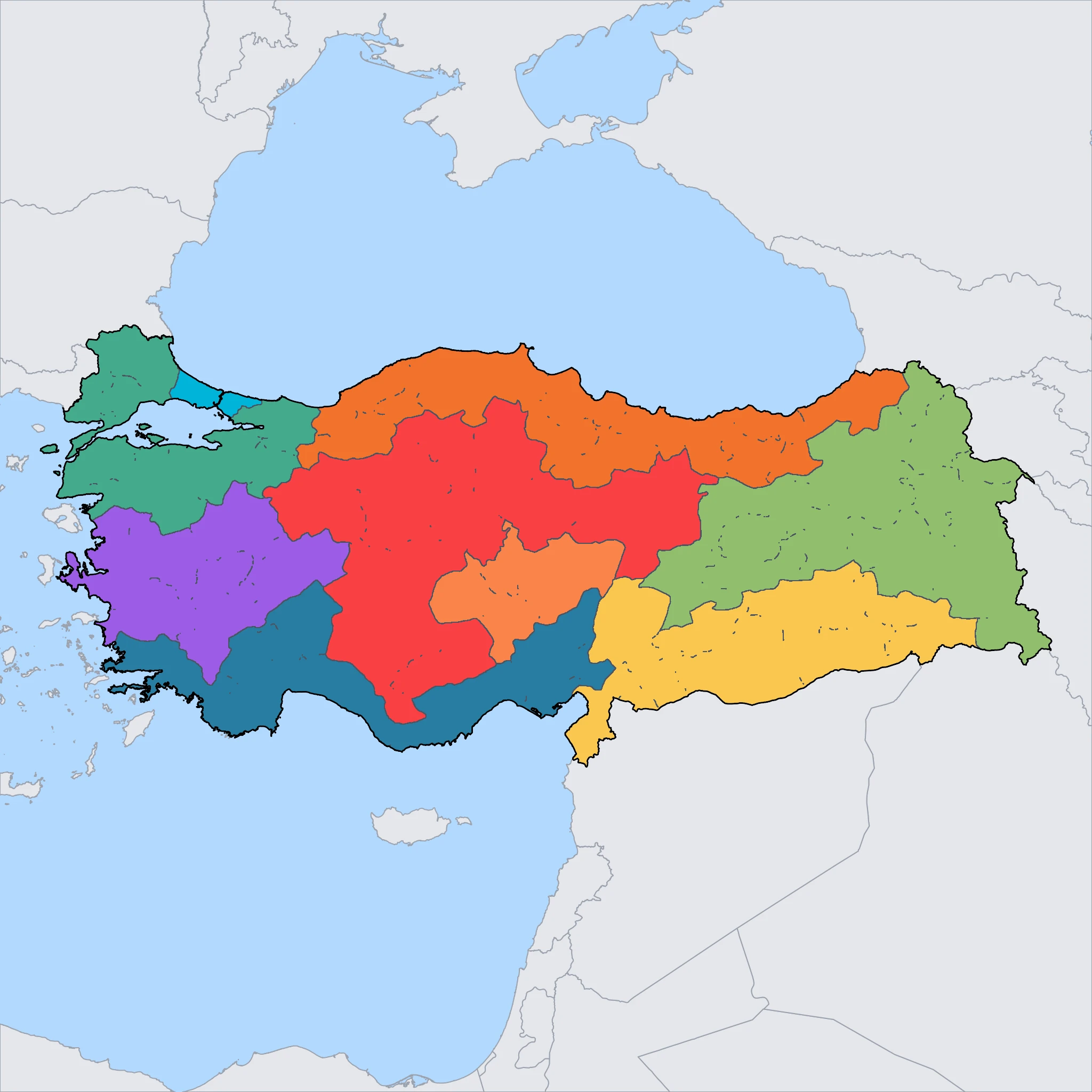
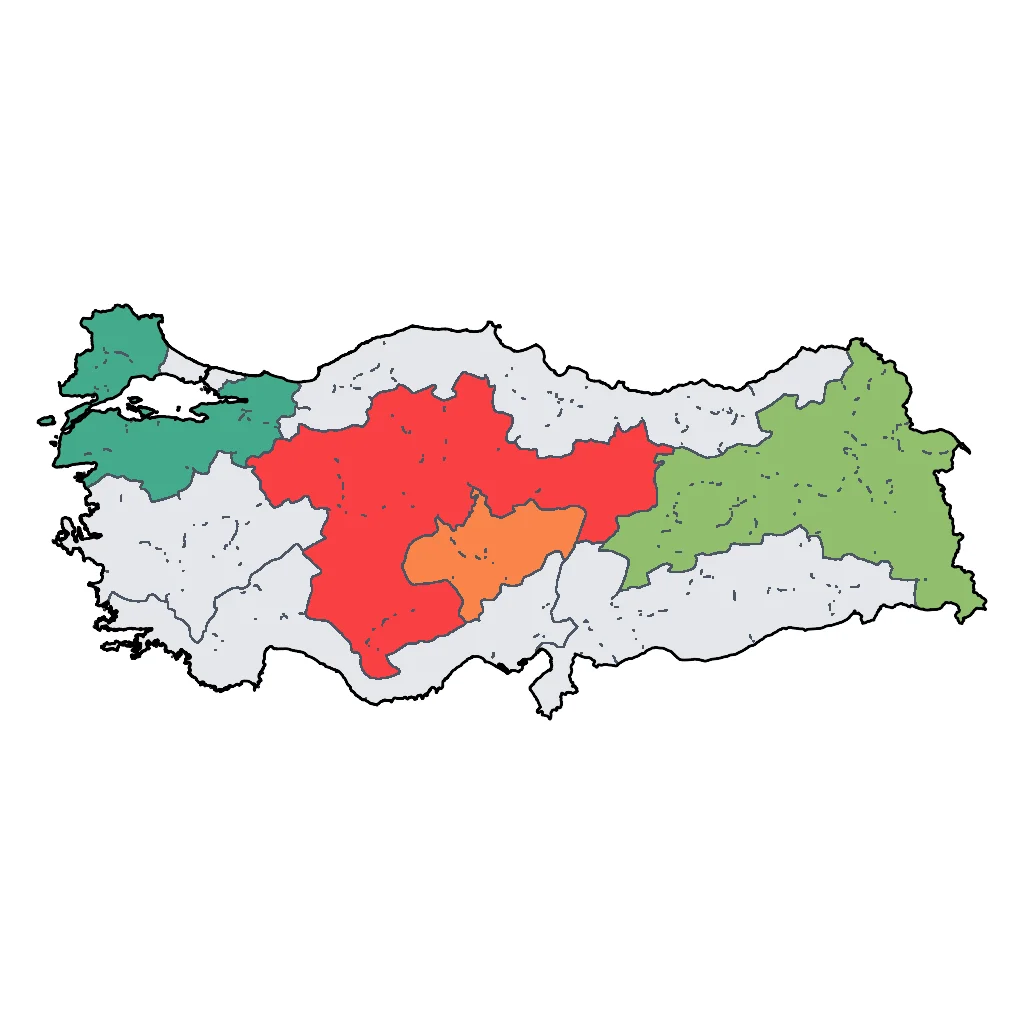
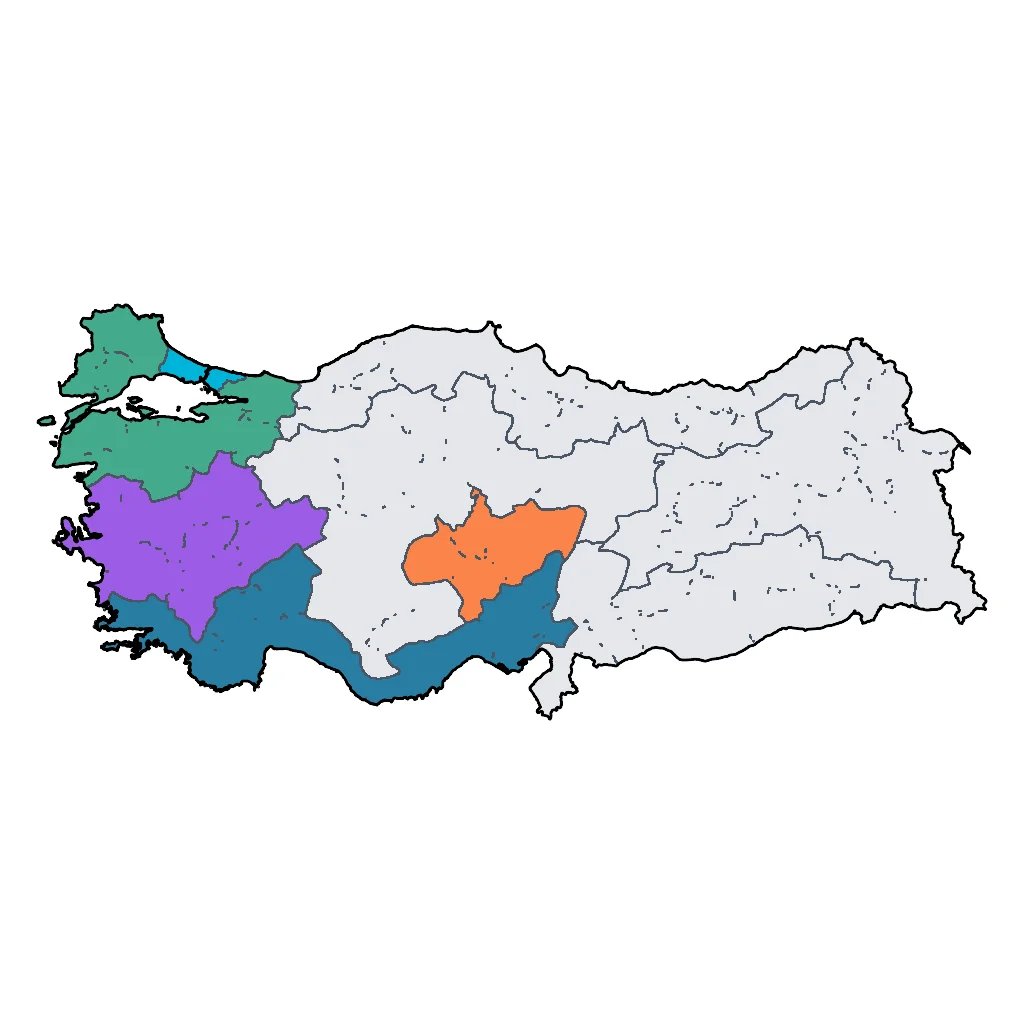
Click a region to explore

Activities & Best Times

Hiking, wildlife, outdoor exploration, ecotourism
The region features the world-unique volcanic landscapes and fairy chimneys of Cappadocia, offering an unparalleled outdoor experience. Peak months (May-Jun, Sep) provide mild temperatures and high visibility, while winter months bring sub-zero temperatures and snow that can limit access to remote valleys.
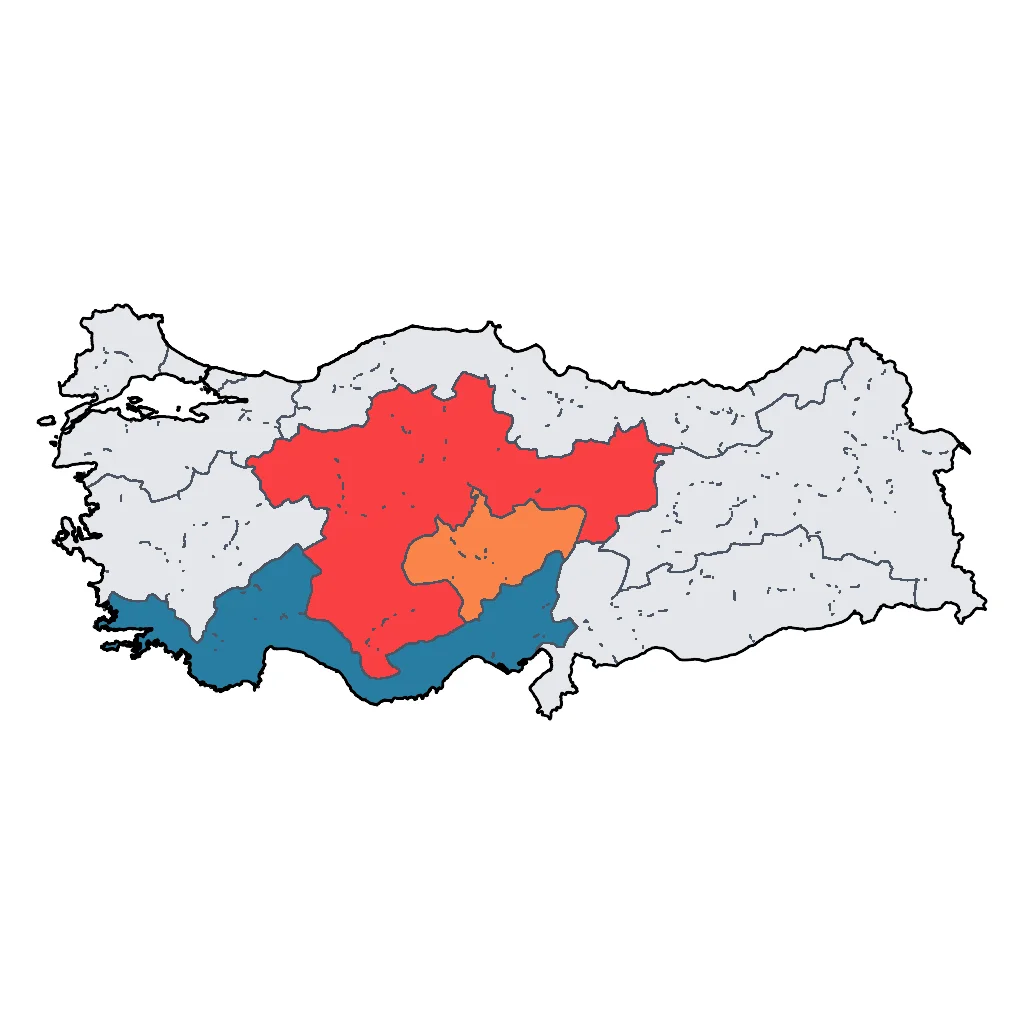

Learning experiences, scientific sites, historical education
Home to the Hittite capital Hattusa and Ankara's world-class Museum of Anatolian Civilizations, the region is a premier destination for archaeological exploration. Optimal conditions occur in spring and early autumn when moderate weather facilitates exploring extensive open-air UNESCO sites; winter extremes make outdoor historical education difficult.
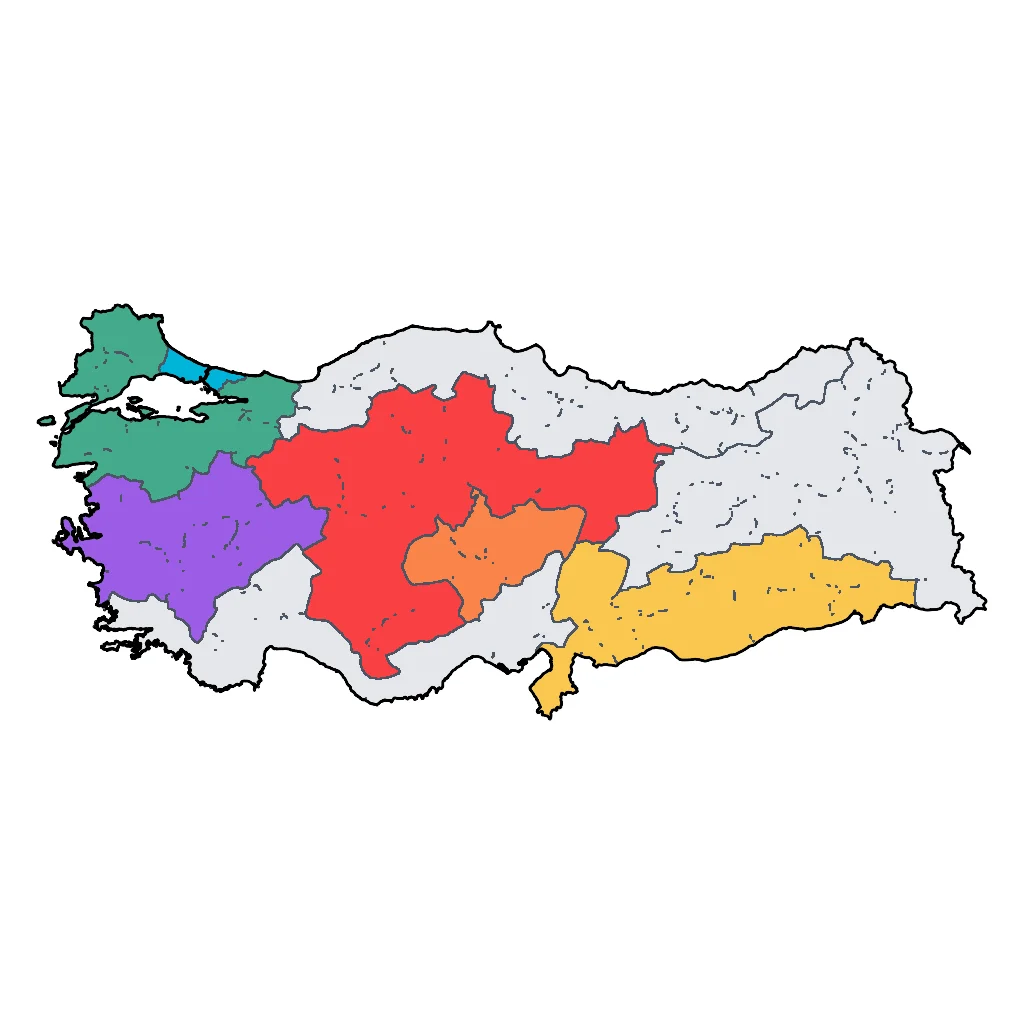

Sport tourism, fitness activities, active recreation
Renowned globally as a top destination for hot-air ballooning and unique trail running through canyon landscapes. Peak seasons offer the stable air currents and clear skies required for ballooning, whereas summer heat can be intense and winter winds often lead to flight cancellations.
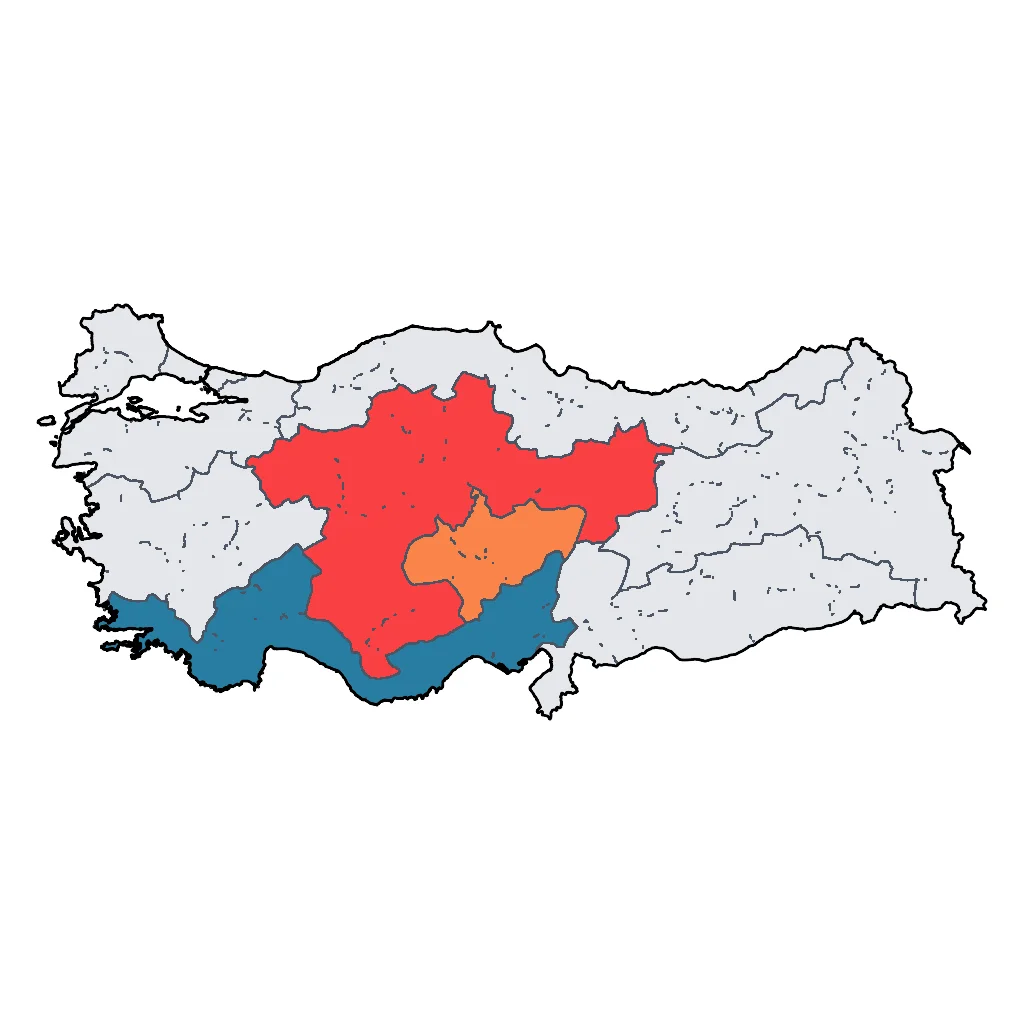

Urban tourism, museums, historical sites, architecture
Offers a sophisticated blend of Seljuk architecture in Konya and modern political history in Ankara, providing high-quality cultural immersion. Spring and autumn are peak for walking tours, while the high continental heat of July and August and the freezing winter months make urban exploration less comfortable.
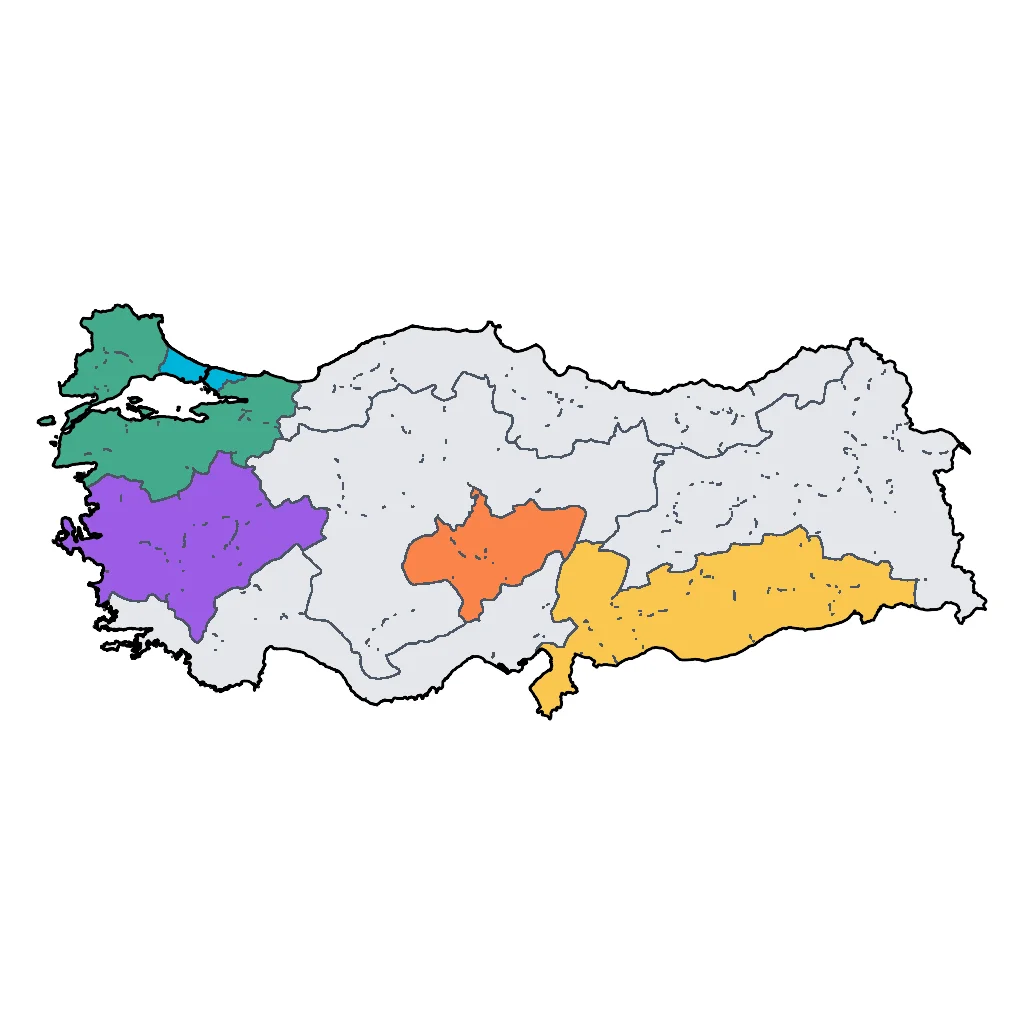

Events, celebrations, seasonal attractions
The region hosts the internationally significant Mevlana Whirling Dervish Festival in December and various spring cultural arts events. Despite the cold, December is peak for spiritual culture in Konya; summer months are generally quieter for major traditional festivals.
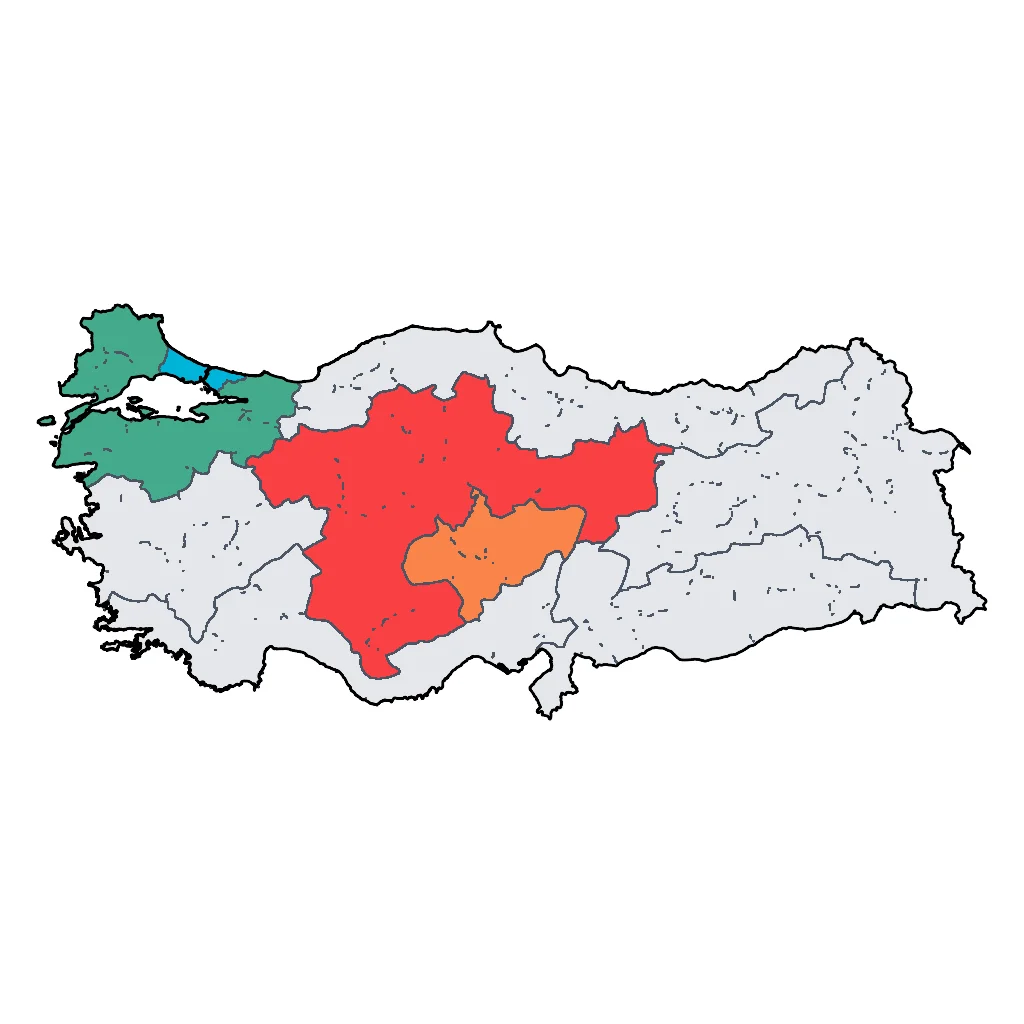

Scenic drives, countryside tours, route-based travel
Dramatic steppe vistas and historic Silk Road caravanserais make for exceptional scenic driving routes between Ankara, Konya, and Cappadocia. Dry, clear weather in peak months ensures safe and visually stunning journeys, while winter brings risks of ice and snow on high-altitude passes.
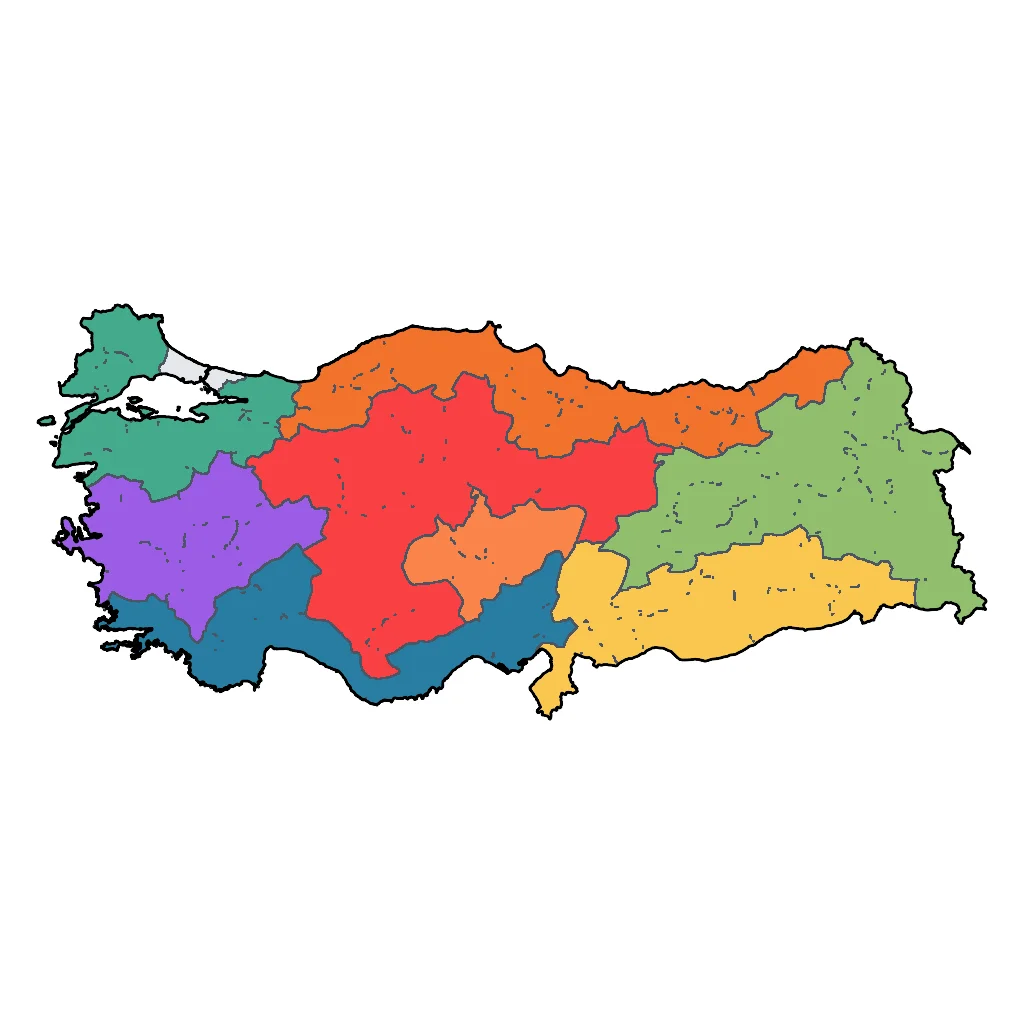

Winter sports, ski resorts, snow activities
Mount Erciyes provides world-class volcanic ski infrastructure with high-altitude reliability and modern facilities. Peak powder conditions occur in January and February; the season rapidly declines as temperatures rise above 10°C in April.

Spa retreats, wellness centers, peaceful getaways
High-end boutique cave hotels in Cappadocia offer world-class spa facilities and a unique, tranquil atmosphere. The mild weather of the transition seasons enhances the peacefulness of these retreats, whereas the extreme cold of winter may limit the use of outdoor wellness terraces.
Amusement parks, family entertainment venues
Eskişehir's Sazova Park offers a charming, high-quality experience for younger children, featuring a fairytale castle and science park. While delightful regionally, it lacks the scale of global theme park destinations and is best visited during dry, warm summer months.