

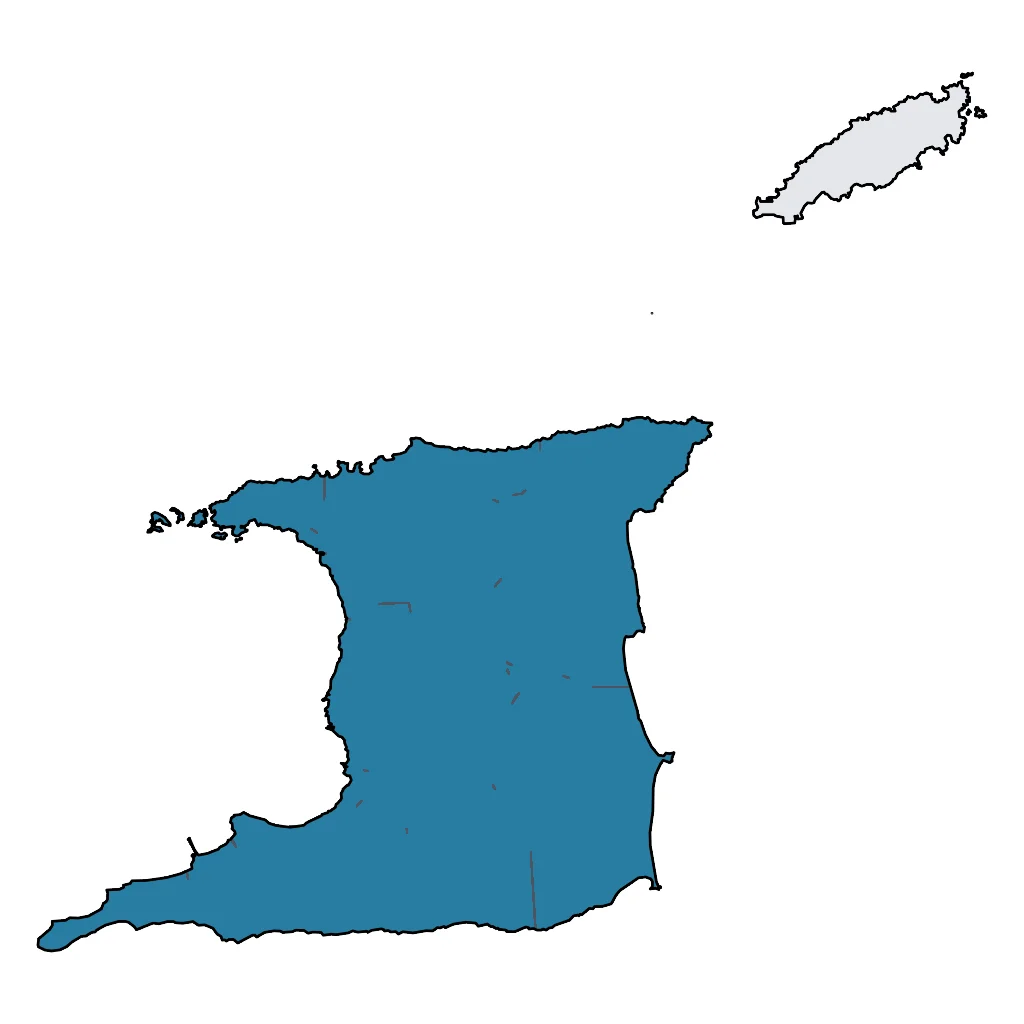
Trinidad and Tobago stands out in the Caribbean by offering families two distinct holiday experiences within a single nation. Located just off the coast of Venezuela, these are the southernmost islands in the archipelago. Trinidad is the energetic commercial hub, famous for its biodiversity and vibrant festivals, while Tobago is the serene sibling, known for protected coral reefs and turquoise water. This dynamic combination allows parents to balance educational nature trips with days spent building sandcastles on quiet shores.
For a beach-focused itinerary, Tobago is usually the first choice for those with younger children. Pigeon Point Heritage Park is the island's most famous strand, featuring a thatched-roof jetty and calm, shallow waters safe for toddlers. Families should book a glass-bottom boat tour from here to the Nylon Pool. This natural sandbar, miles out at sea, allows you to stand waist-deep in crystal-clear warm water, an experience that feels like swimming in a giant aquarium. Older children will enjoy snorkeling at the nearby Buccoo Reef to see parrotfish and brain coral.
Trinidad offers rugged adventures that double as science lessons. A visit to the La Brea Pitch Lake is essential; it is the world's largest natural deposit of asphalt. Guides can show kids how the "ground" moves and consumes objects over time, a fascinating geological phenomenon. For wildlife enthusiasts, the Caroni Bird Sanctuary offers flat-bottomed boat tours through mangrove swamps. The highlight is witnessing thousands of bright red Scarlet Ibis returning to roost at sunset, turning the green trees into vibrant canvases of crimson. During the nesting season (March to August), families can also visit beaches like Grande Riviere to watch massive Leatherback turtles lay their eggs, a profound encounter with nature.
The local culture is accessible and engaging for children. As the birthplace of the steelpan, music is everywhere. You can visit panyards to watch bands practice, where the rhythmic percussion often captivates kids. The food scene is equally family-friendly. Maracas Bay on Trinidad’s north coast is the place to try "Bake and Shark" (or chicken/veggie options), while roadside vendors sell "doubles"-a mild, curried chickpea snack inside soft flatbread that is cheap, filling, and generally loved by young travelers.
Practical Information: Trinidad and Tobago sits outside the main Atlantic hurricane belt, making it a lower-risk option during the summer and autumn storm seasons. English is the official language, which simplifies logistics for many families. Inter-island travel is easy via a fast ferry or a 20-minute flight. However, safety nuances exist: while Tobago is generally relaxed, Trinidad experiences higher crime rates in urban centers. Families should exercise standard caution, use official hotel taxis rather than hailing rides on the street, and avoid isolated areas after dark. With sensible precautions, the islands offer a rich, biodiverse

Explore Regions
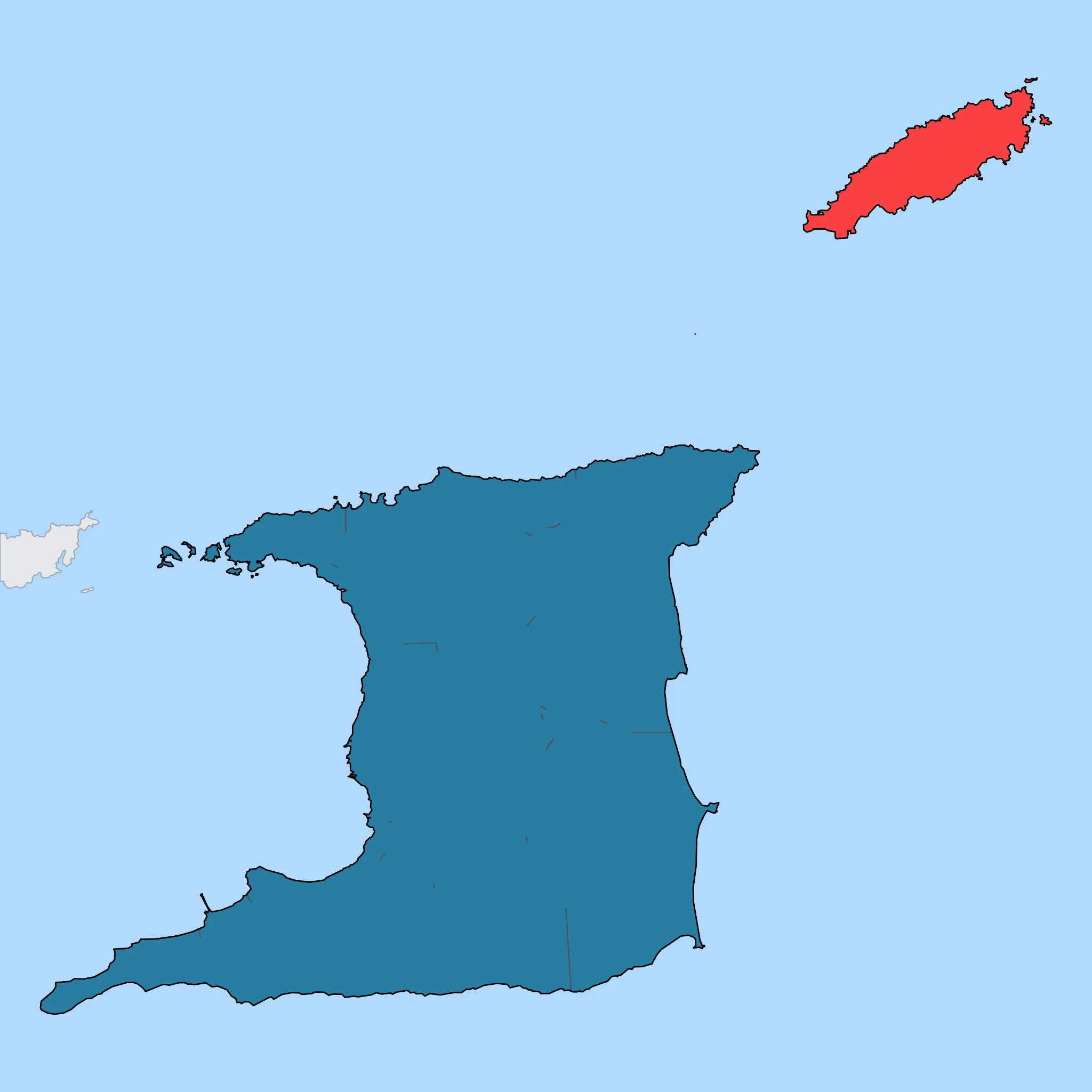
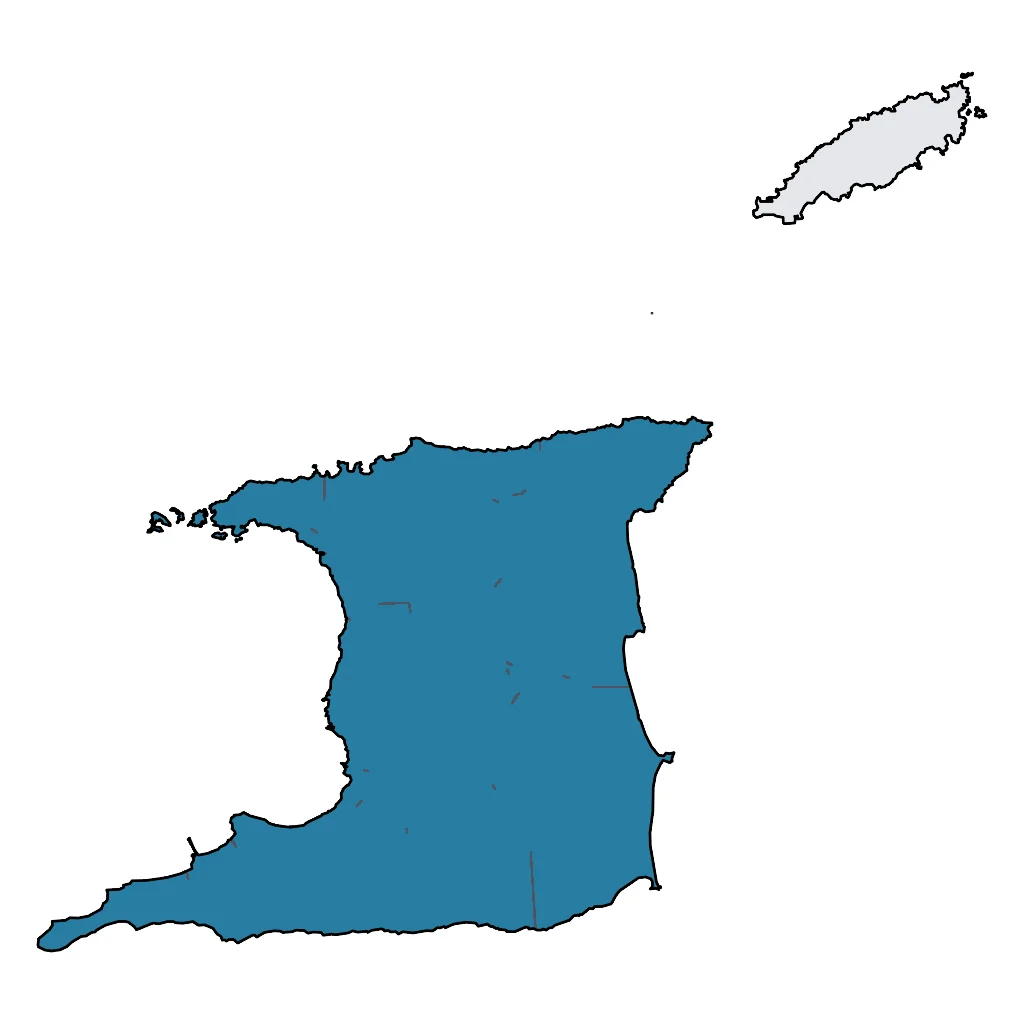
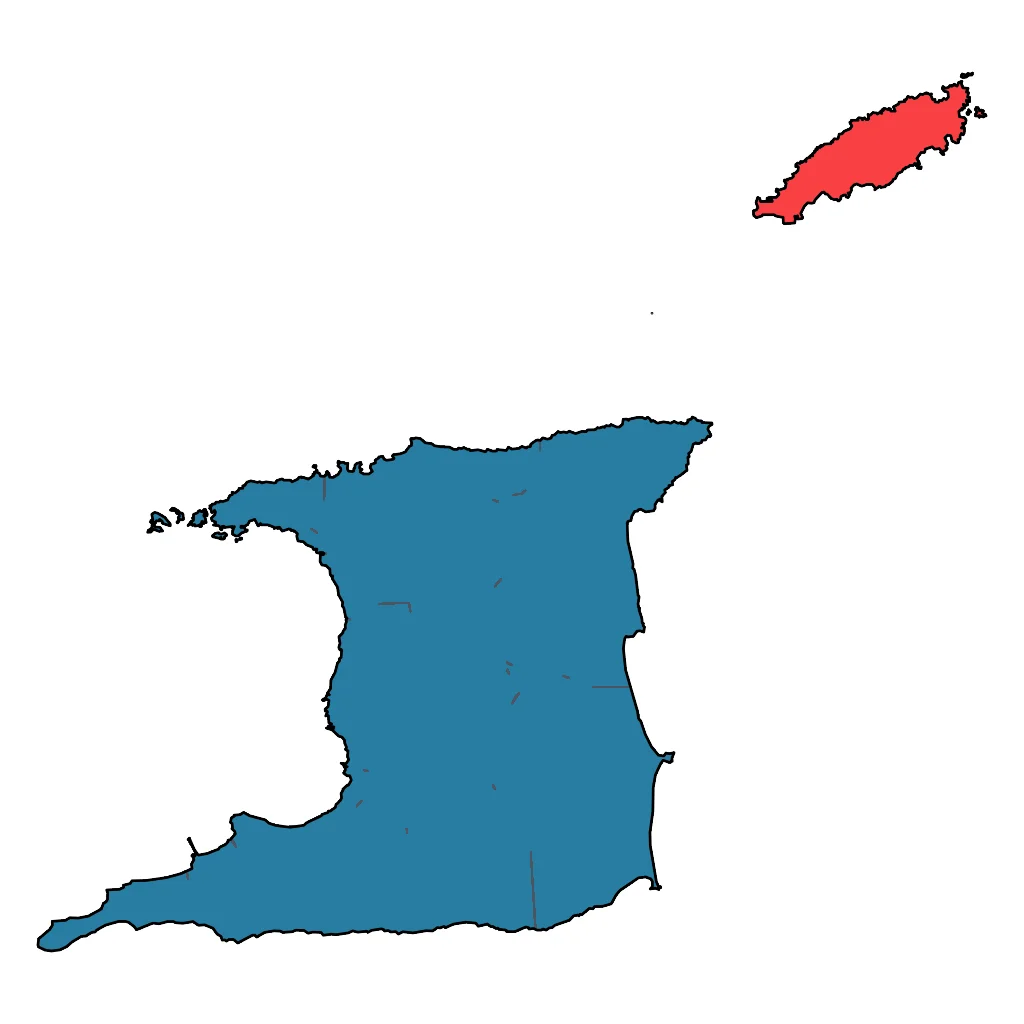
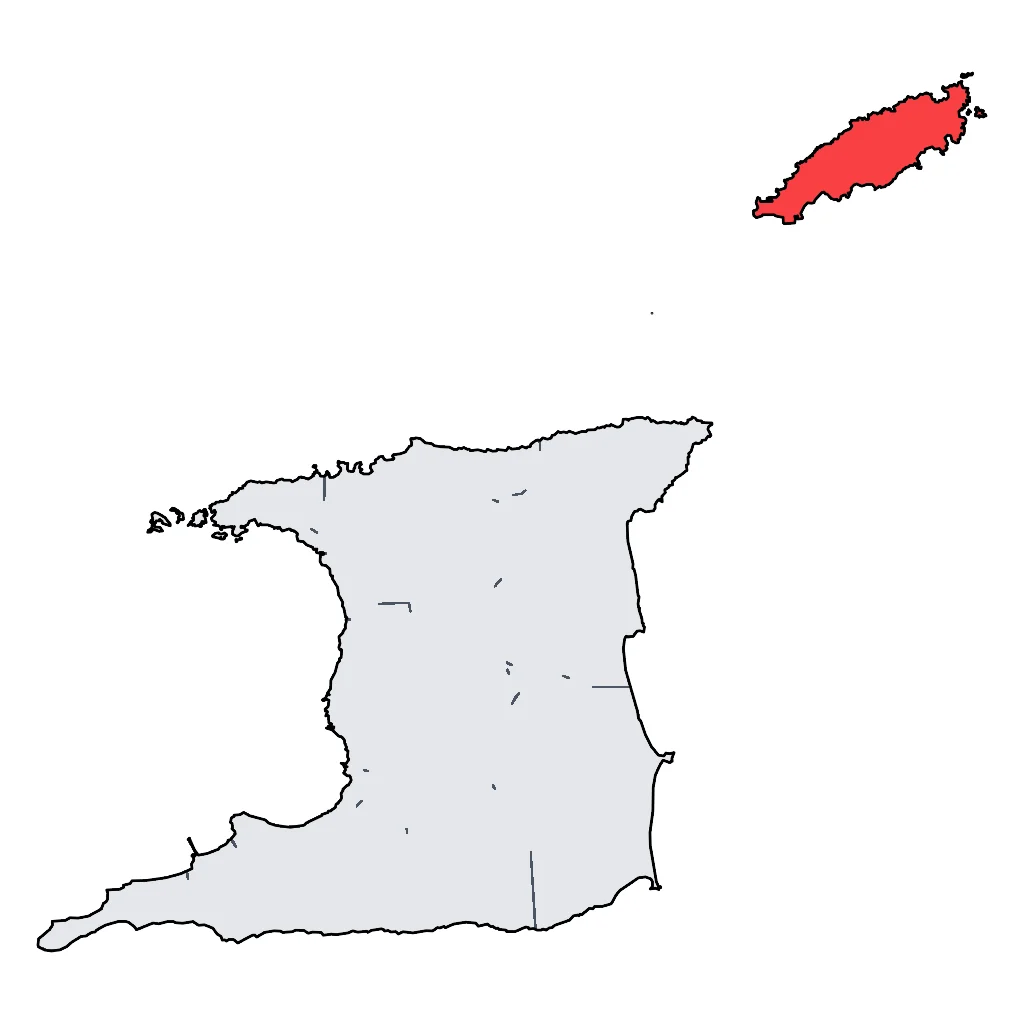
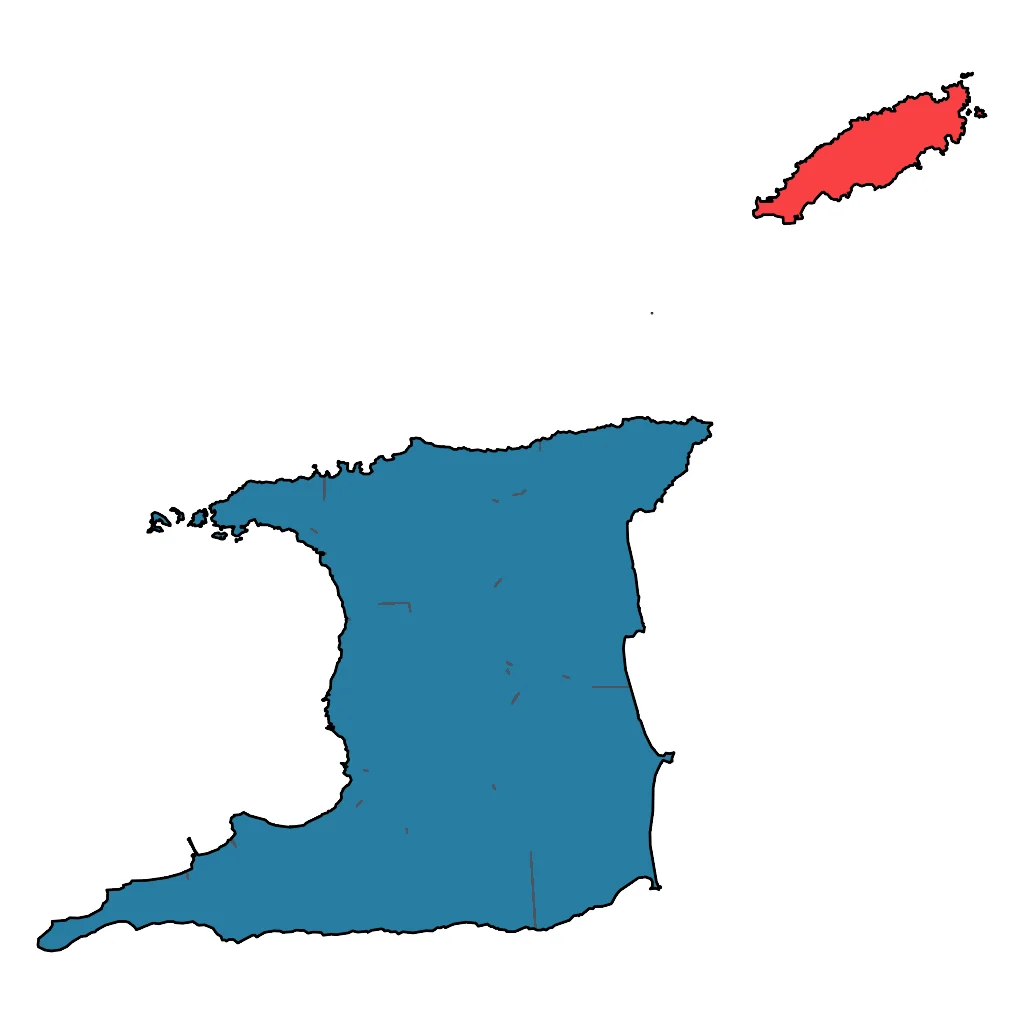
Click on a region marker to explore details. Use the dropdown to color regions by activity suitability.

Activities & Best Times

Adventure & Nature
ExcellentHiking, wildlife, outdoor exploration, ecotourism
Trinidad offers world-class birding at the Caroni Bird Sanctuary and the unique geological phenomenon of Pitch Lake. The dry months of January to April provide optimal conditions for wildlife viewing and hiking, while the heavy mid-year rains often flood key ecological sites.
The Main Ridge Forest Reserve provides a unique, world-class ecotourism experience as the oldest protected rainforest in the Western Hemisphere. Peak trail conditions and wildlife viewing occur during the drier months (Feb-Apr), whereas heavy rainfall from June to December makes forest exploration humid and challenging.

Beach & Sea
ExcellentBeach resorts, marine activities: diving, snorkelling, kite surfing, wind surfing, sailing
Tobago offers world-class diving at Speyside and iconic, uncrowded white-sand beaches like Pigeon Point that satisfy discerning travelers seeking authenticity. March is the peak month with minimal rainfall (<50mm) and optimal sea visibility; the wet season (Jun-Dec) significantly impacts water clarity and beach comfort.
While neighboring Tobago is the primary beach destination, Trinidad offers authentic, rugged coastal experiences like Maracas Bay. Optimal sea conditions and visibility for water activities are found in the dry season, with heavy runoff from rivers degrading water quality during the wet months.

Festivals & Seasonal
ExcellentEvents, celebrations, seasonal attractions
Home to the world's premier Caribbean Carnival and vibrant steelpan culture, the region provides an authentic, high-energy cultural immersion. Peak timing centers on the pre-Lenten season (Jan-Mar), with secondary cultural interest during Divali (Oct/Nov) and Christmas Parang traditions.
Authentic cultural events like the Tobago Jazz Experience and regional Carnival celebrations offer sophisticated cultural immersion. These events are best enjoyed in the dry season (Feb-Apr) to ensure outdoor festivities are not interrupted by the heavy tropical downpours common in the latter half of the year.

City & Cultural
Very GoodUrban tourism, museums, historical sites, architecture
Port of Spain is a hub of Caribbean history and architectural heritage, featuring the 'Magnificent Seven' mansions and a thriving urban arts scene. The dry season is ideal for walking tours, whereas the high humidity and heavy rainfall from June onwards can make urban exploration uncomfortable.
While Crown Point offers a lively atmosphere and the island has a relaxed pace, Tobago does not possess the significant historical, architectural, or cultural heritage to meet international benchmarks for city and cultural tourism. The dry season (January to May) is most comfortable for general exploration of local life; other months are less favorable due to climate.

Educational & Exploratory
Very GoodLearning experiences, scientific sites, historical education
The region serves as an outdoor classroom for geology and tropical ecology, specifically regarding the asphalt lake and diverse mangrove systems. Scientific and educational accessibility is best during the low-rainfall months when guided field tours are most reliable.
The island offers significant historical and ecological learning opportunities, from colonial forts to pioneering conservation history in the rainforest. Visitors will find the best access to guided tours and outdoor historical sites during the drier peak months (Jan-Apr).

Relaxation & Wellness
Very GoodSpa retreats, wellness centers, peaceful getaways
The island's 'slow-life' philosophy and high-end boutique retreats offer a sophisticated, tranquil escape for families. The dry season (Jan-Apr) provides the most comfortable humidity and pleasant temperatures for outdoor wellness, while the high humidity and rain of the mid-year months are less conducive to relaxation.
While primarily a cultural and commercial hub, there are boutique eco-lodges offering peaceful retreats in the Northern Range. Lower humidity from January to April enhances the wellness experience compared to the oppressive heat of the late wet season.

Sports & Active
Very GoodSport tourism, fitness activities, active recreation
With world-renowned diving and consistent trade winds for kitesurfing at Pigeon Point, the island is a premier active destination. Optimal conditions are found during the dry season (Jan-Apr) when seas are calm and winds are most reliable; the wet season brings unpredictable squalls and reduced visibility.
The island offers active pursuits like rainforest trekking and surfing on the northeast coast. These activities are best enjoyed when trails are dry and trade winds are consistent, whereas the mid-year monsoon-like rains make outdoor sports significantly more challenging.

Road Trips & Scenic
GoodScenic drives, countryside tours, route-based travel
The North Coast Road provides spectacular scenic vistas for families seeking authentic coastal drives. Travel is safest and most visually rewarding in the dry season, as the wet season brings increased risks of landslides and poor visibility on narrow mountain passes.
While the island is small, the coastal drive to Charlotteville offers spectacular scenery and authentic village encounters. Driving is safest and most scenic during the dry season (Feb-Apr) when visibility is high and road surfaces are dry.

Airports & Flight Routes
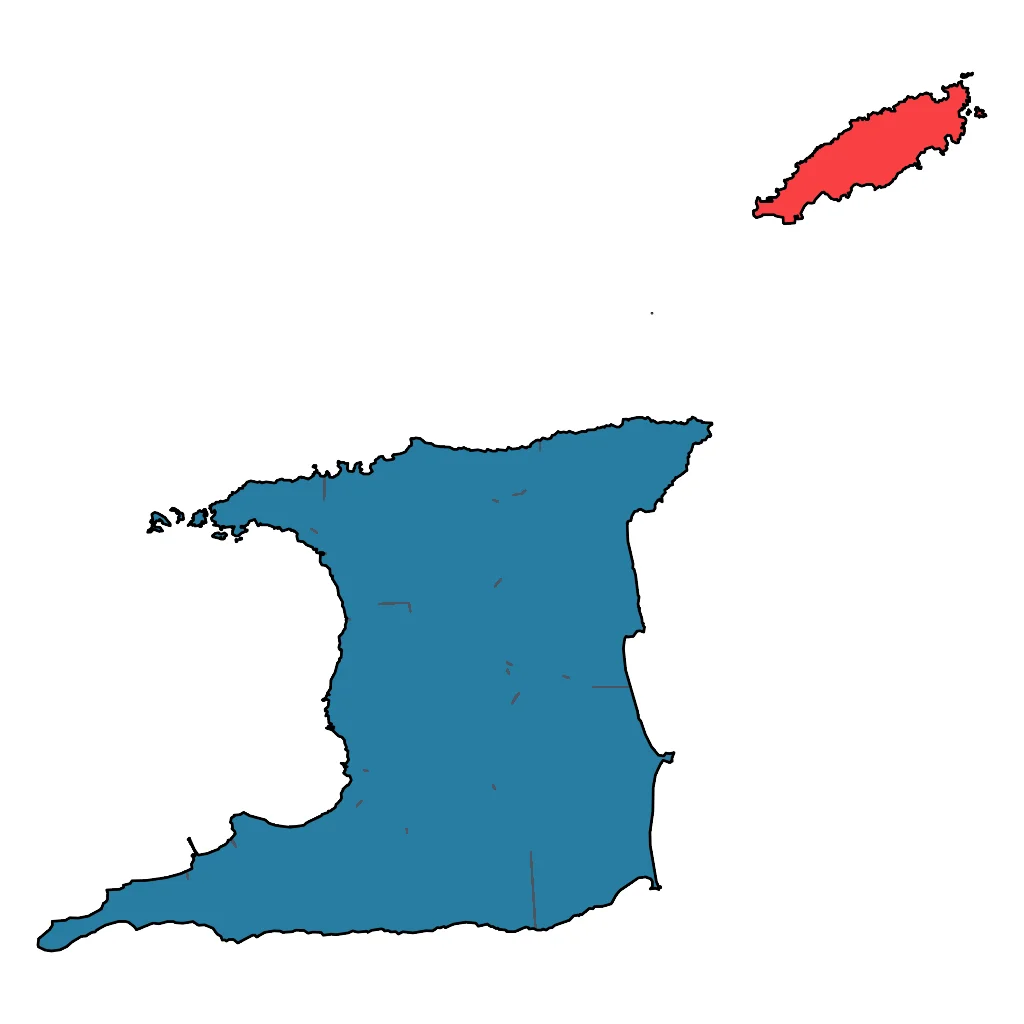
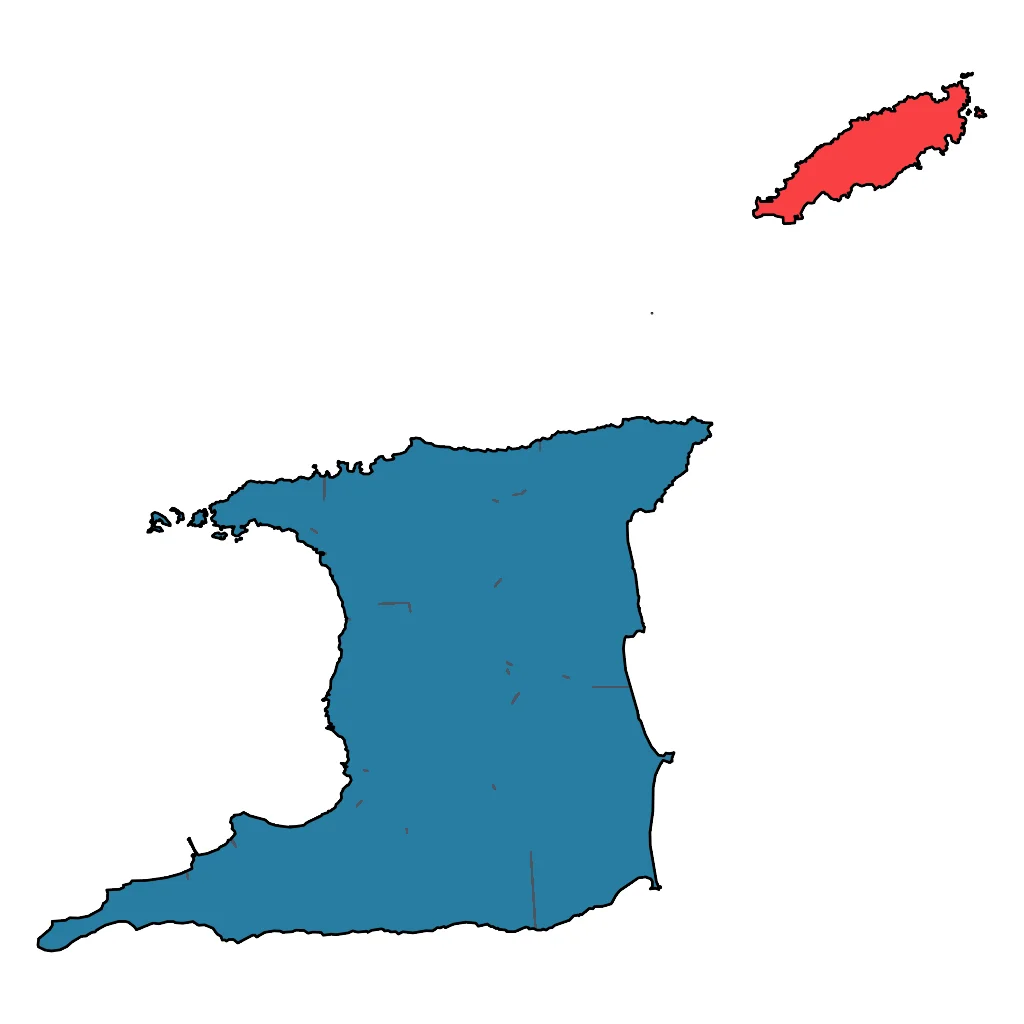
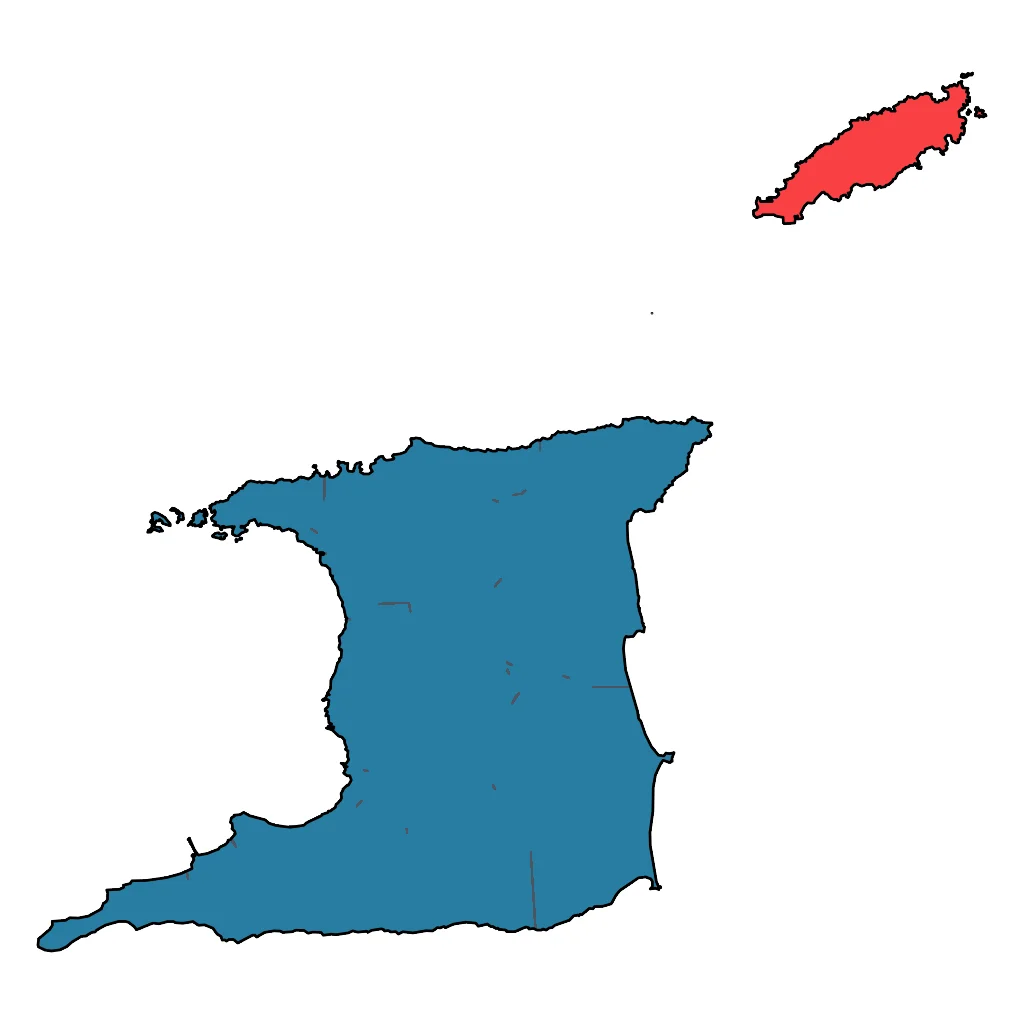
Toggle options to view domestic routes and international airports. Click an airport for details.

Climate & Weather
Tobago
Show Details
| Month | Temp °C | Rain | Humidity |
|---|
Trinidad
Show Details
| Month | Temp °C | Rain | Humidity |
|---|

Travel Advisory
The majority of international agencies recommend exercising a high degree of caution due to persistent violent crime and an active state of emergency.
Safety Topics
Traveller Advice (2 groups)

Maintain a low profile and high situational awareness. Avoid walking alone after dark and ensure all car doors are locked while driving. Register your travel plans with your national embassy.

There is a heightened risk of sexual assault. Female travellers should avoid walking alone in isolated areas or using unregulated transportation, particularly at night.