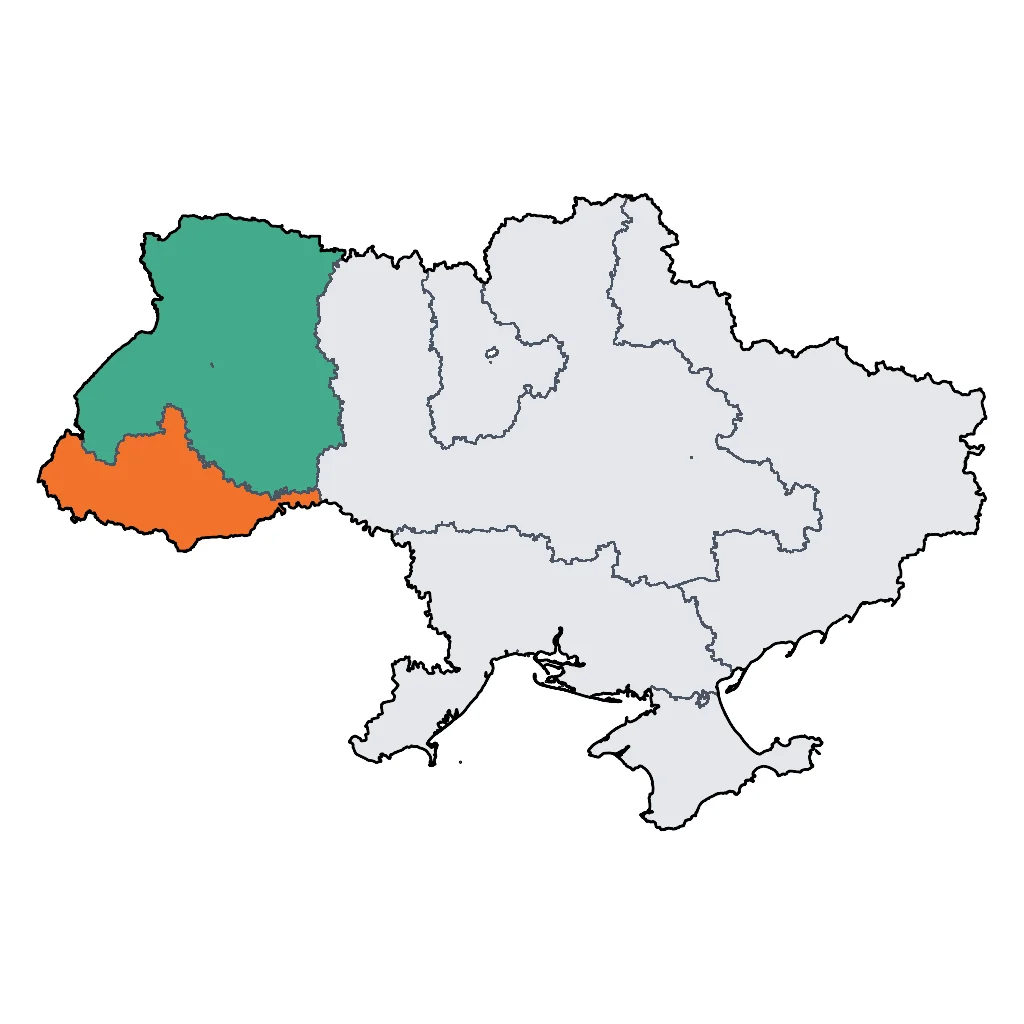

⚠️ SAFETY WARNING: Due to the threat of frequent missile and drone attacks on the capital and critical infrastructure, government agencies (including CA, USA, UK, AU, IE, and NZ) advise travelers to avoid all travel to Kyiv. Air raid alerts are frequent, and the security situation remains volatile. Families are strongly urged to consult their own government's official travel advisory before considering a trip, as circumstances and risk assessments vary.
Kyiv is one of the oldest cities in Eastern Europe, famously described as the "New Jerusalem" due to its abundance of churches and monasteries. Geographically, the city is split by the wide Dnipro River; the historic right bank sits on high, wooded hills offering panoramic views, while the left bank is flatter and more residential. The city is incredibly green, with extensive parks and botanical gardens that turn vibrant colours in the autumn. To the north lies the Kyiv Sea, a large reservoir that provides a coastline-like feel within the interior of the country.
The cultural highlights of Kyiv are world-class. The Kyiv Pechersk Lavra is a UNESCO World Heritage site where visitors can descend into candlelit caves to see the preserved relics of saints. Saint Sophia's Cathedral features mosaics that have survived since the 11th century. For families, the city offers a mix of education and fun: the Pyrohiv Museum of Folk Architecture is a massive open-air site where children can run through fields and explore traditional windmills and cottages from different Ukrainian regions. The quirky Landscape Alley park, with its mosaic sculptures of cats and zebras, is a favourite playground for local kids.
Transport in the city is an adventure in itself for younger travelers. The Kyiv Funicular connects the historic upper town with the riverside Podil district, providing a steep but scenic ride. The metro system includes Arsenalna, the deepest station in the world, requiring a long escalator ride that fascinates visitors. Despite the modern challenges, Kyiv retains an energetic atmosphere with a cafe culture that rivals any European capital, serving everything from traditional cherry pie to artisanal coffee.
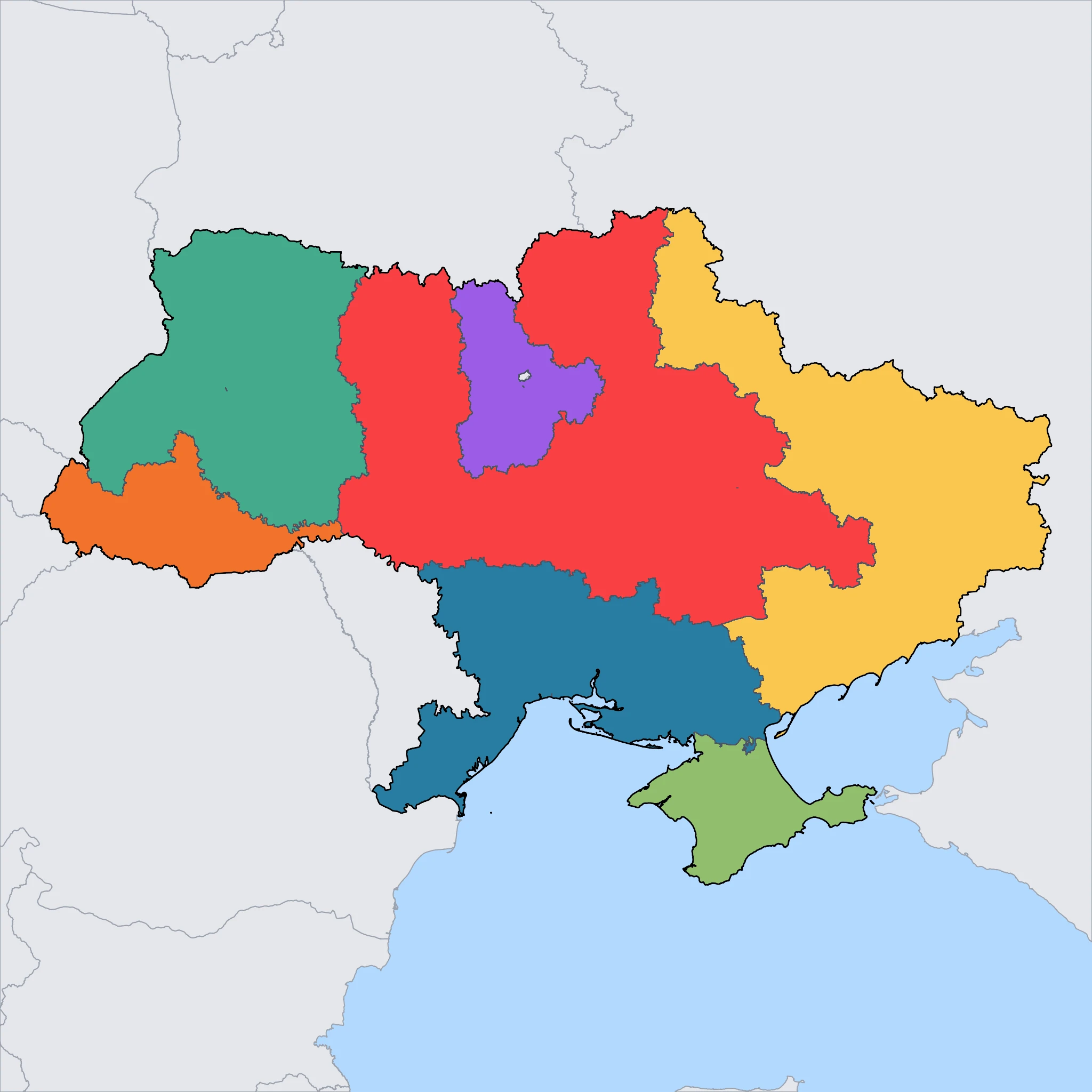
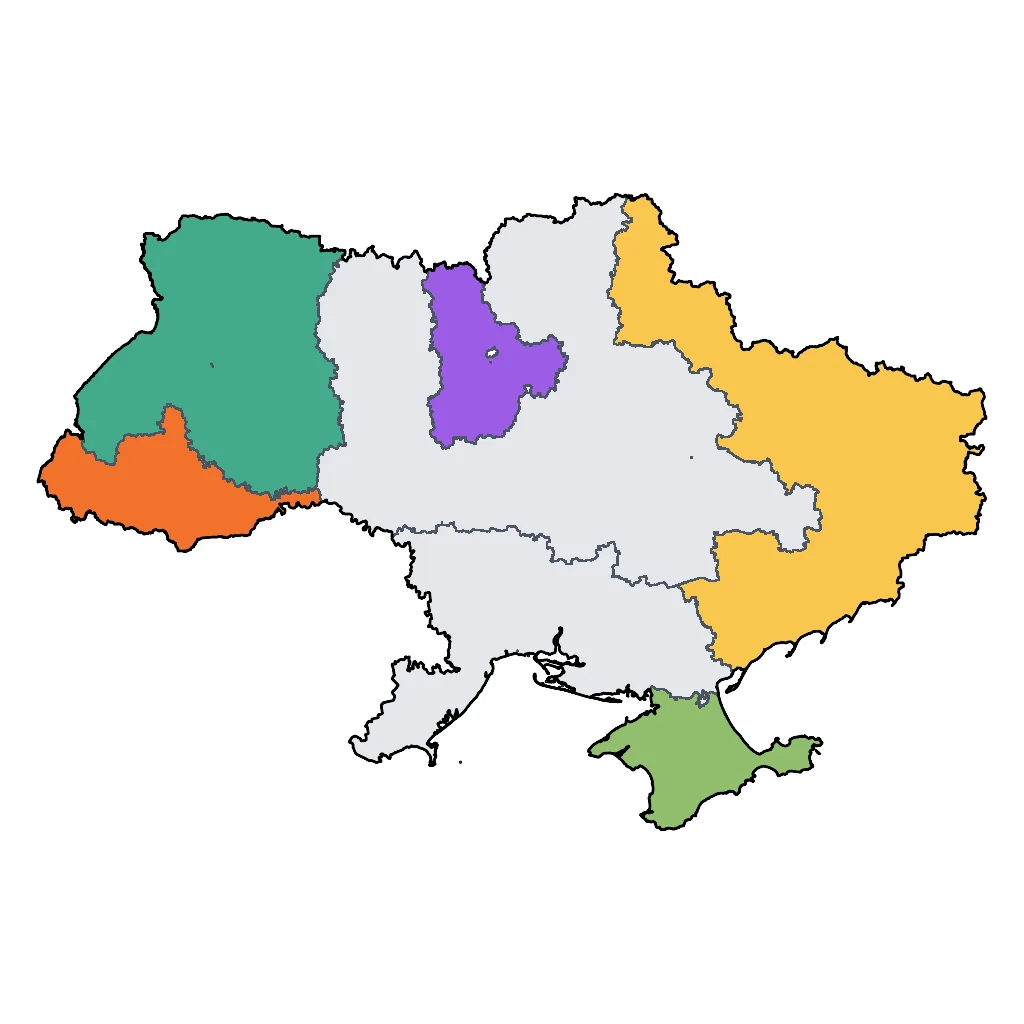
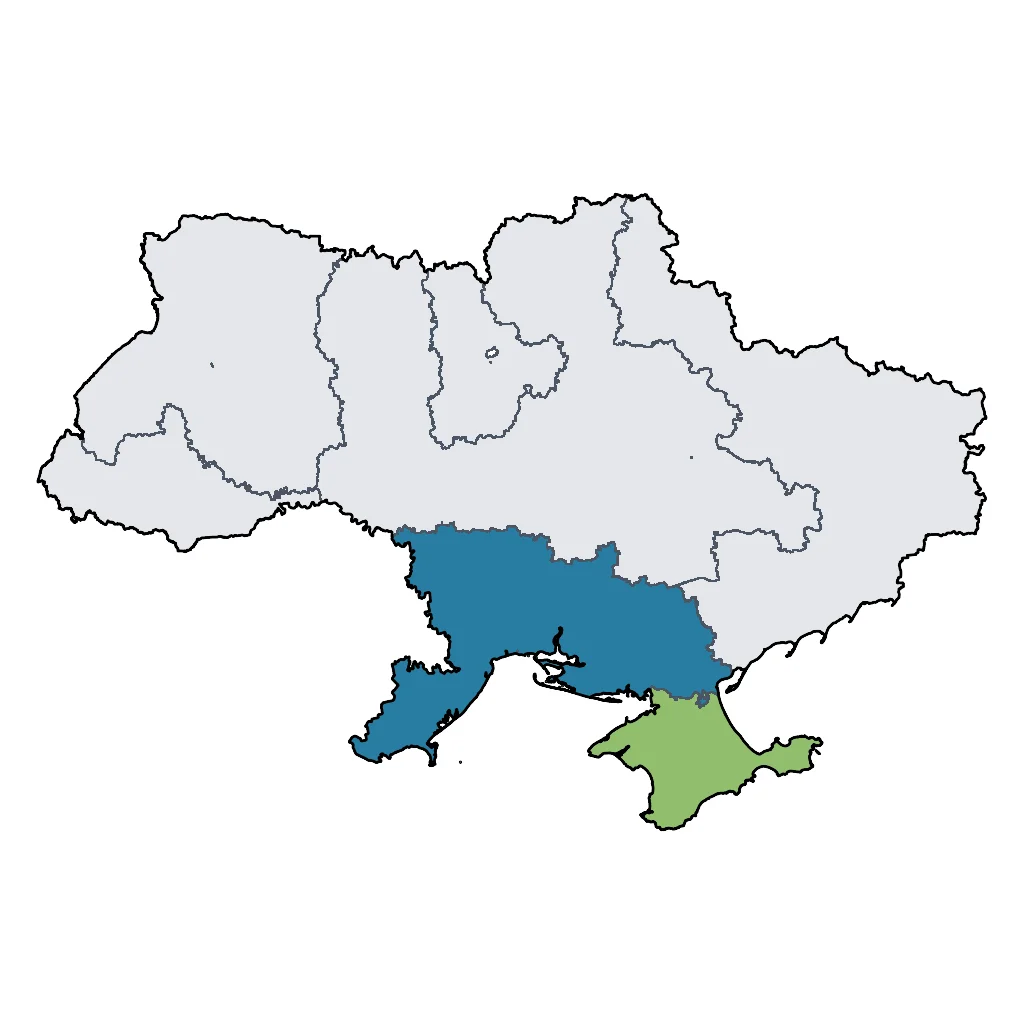
Click a region to explore

Activities & Best Times

Urban tourism, museums, historical sites, architecture
Kyiv is a globally significant cultural capital featuring UNESCO World Heritage cathedrals and a sophisticated, world-class gastronomic and creative scene. Peak summer months offer ideal temperatures (15-21°C) for exploring grand boulevards; winter is bitingly cold with sub-zero averages, making outdoor cultural exploration uncomfortable.

Learning experiences, scientific sites, historical education
As the heart of Kyivan Rus, the city offers profound educational value through its millennium-old monastic complexes and unique proximity to sites like Chernobyl. Warm summer months are best for guided walking tours and historical site access, while the harsh winter months limit the ability to comfortably engage with outdoor historical landmarks.

Events, celebrations, seasonal attractions
The city hosts authentic Orthodox Easter traditions and the grand Kyiv Day festivities in May, alongside charming traditional winter markets. Peak months align with these culturally unique celebrations; summer shoulder months offer vibrant contemporary arts festivals, while early spring and late autumn lack significant events.
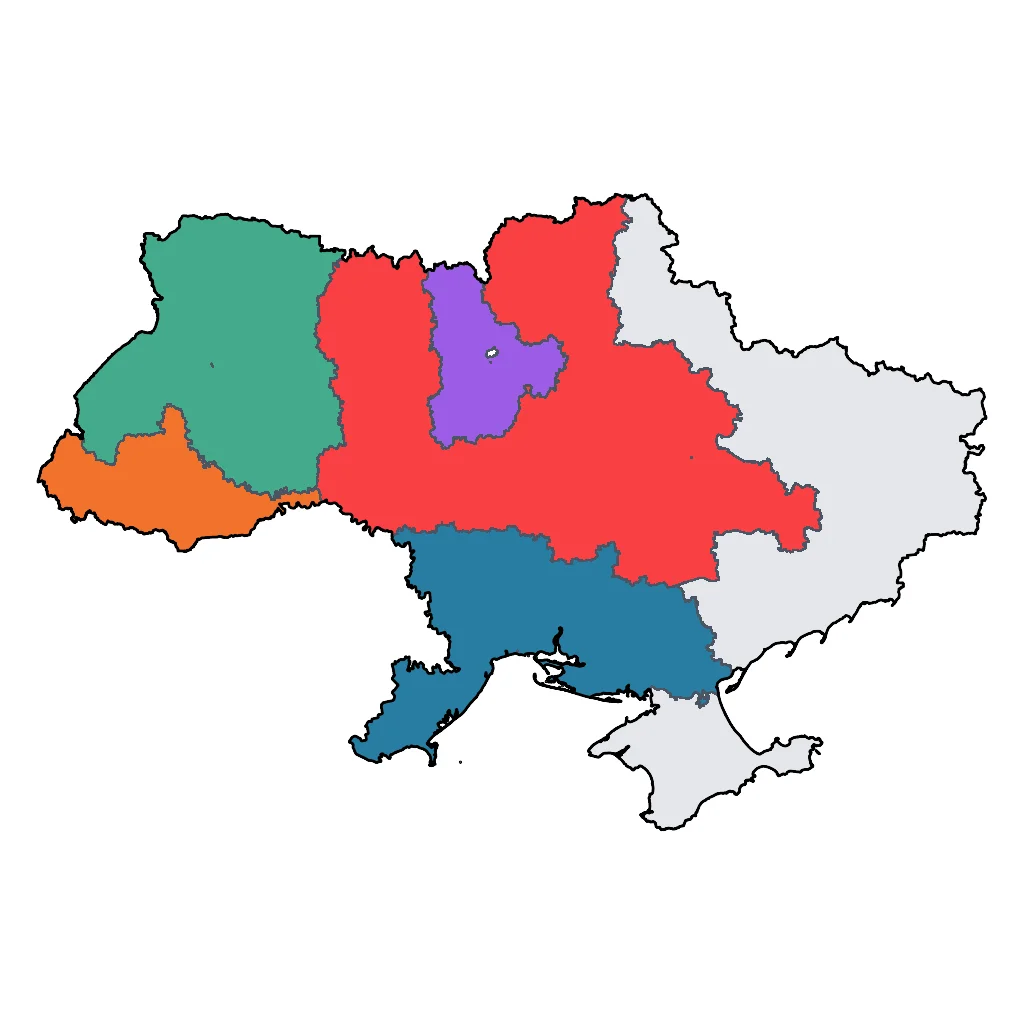

Hiking, wildlife, outdoor exploration, ecotourism
Kyiv's unique topography of lush green hills and the vast Dnipro River islands provides exceptional urban nature exploration and hiking. Peak conditions occur in late spring and summer when the city's extensive park system is in full bloom; winter conditions are often too slushy or cold for family-oriented outdoor adventure.
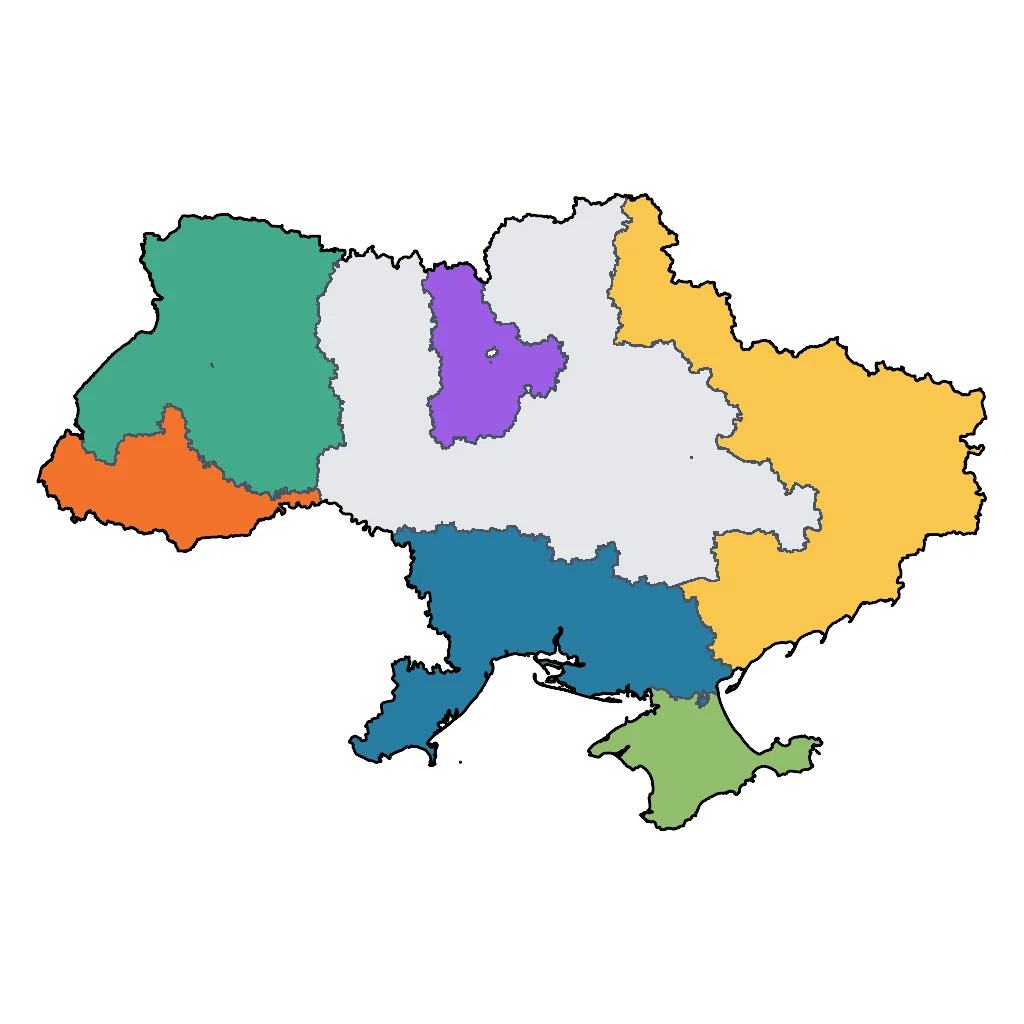

Spa retreats, wellness centers, peaceful getaways
Discerning travelers can enjoy high-end urban spa retreats and authentic Slavic banya cultures, alongside exclusive summer river clubs on the Dnipro. Peak summer offers the best climate for river-based relaxation, while the long winter season limits wellness activities primarily to indoor hotel facilities.
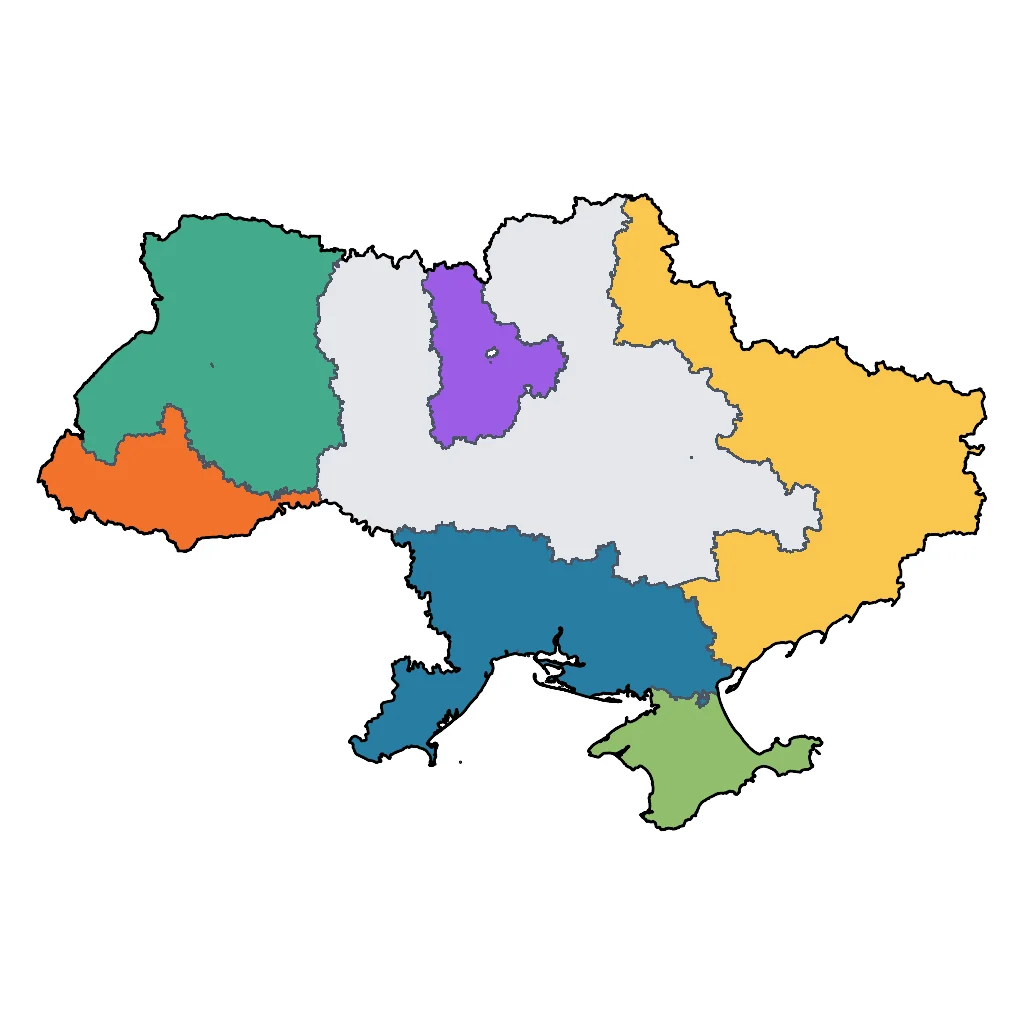

Scenic drives, countryside tours, route-based travel
Scenic routes leading to historical estates like Mezhyhirya and ancient regional towns offer a high-quality window into Eastern European history. Peak months provide optimal driving visibility and lush scenery, whereas winter months (Nov-Mar) present challenging road conditions and shorter daylight hours for sightseeing.
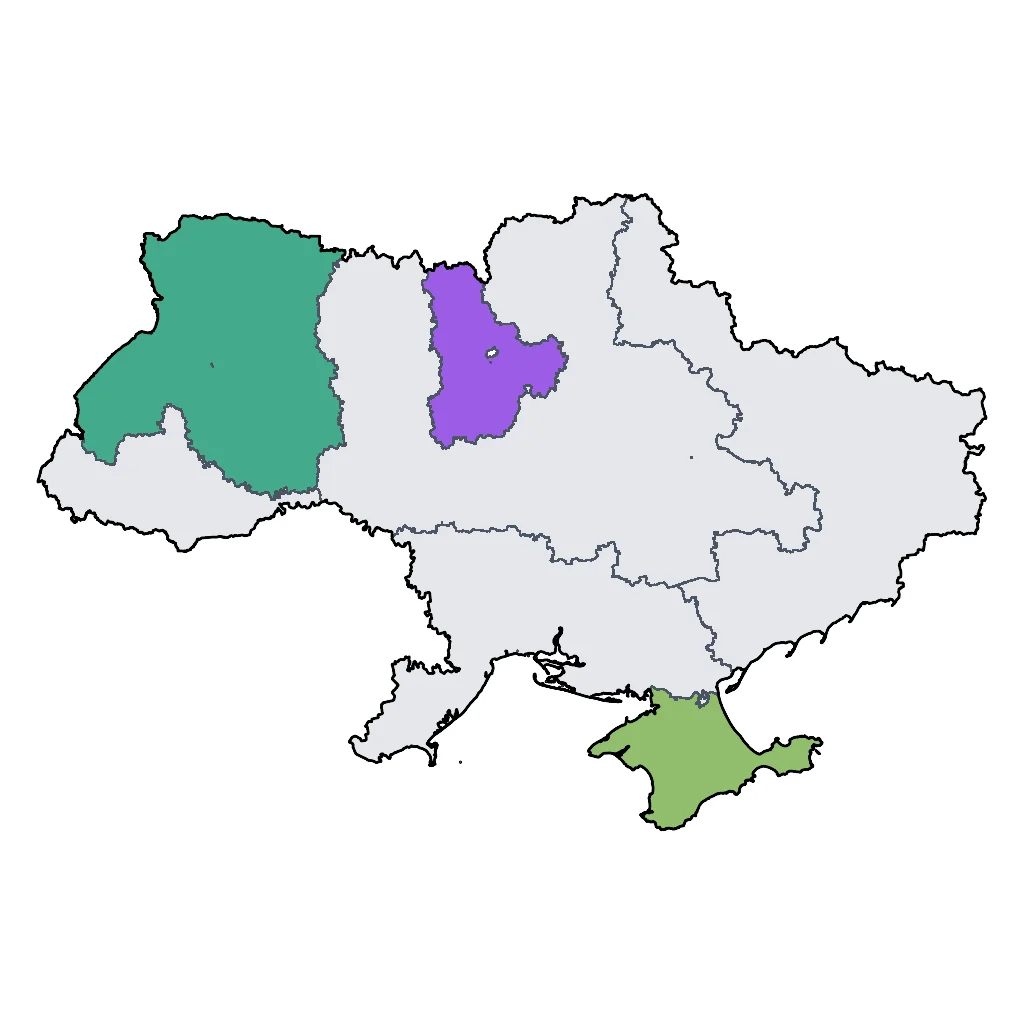

Sport tourism, fitness activities, active recreation
The Dnipro River serves as a world-class venue for urban kayaking and paddleboarding, complemented by extensive cycling paths in Holosiivskyi Forest. Peak summer weather is essential for water-based recreation; shoulder months remain suitable for cycling, but winter weather effectively halts most active outdoor recreation.

Beach resorts, marine activities: diving, snorkelling, kite surfing, wind surfing, sailing
The river beaches of the Dnieper offer a unique urban swimming experience but lack the world-class infrastructure of international seaside resorts. Only the height of summer (July-August) provides water temperatures suitable for swimming, though frequent rain can impact water quality.

Winter sports, ski resorts, snow activities
Small-scale urban ski slopes within the city limits offer a convenient, though not world-class, winter sport experience for families. January and February provide the most reliable sub-zero temperatures for snow retention, while the lack of high-altitude terrain makes the region unsuitable outside the deepest winter window.