

The United States Minor Outlying Islands encompass a unique collection of nine distinct territories, including Midway Atoll, Palmyra Atoll, Wake Island, and Johnston Atoll. Scattered across thousands of miles of the Pacific Ocean-with the exception of Navassa Island in the Caribbean-these islands represent the wild, uninhabited frontier of American territory. For families with a deep interest in geography, military history, and marine conservation, these islands offer a fascinating case study, though they are distinct from standard vacation spots due to their protected status and isolation.
Midway Atoll is arguably the most renowned of the group, holding a pivotal place in world history as the site of the decisive World War II battle. Beyond its wartime legacy, Midway is a globally significant sanctuary for the Laysan Albatross; millions of these seabirds return here to nest, creating a spectacle of nature that is unrivaled in the Pacific. While a visitor program once allowed limited eco-tourism, access is currently highly restricted and often suspended to prioritize wildlife protection. Families interested in this region can often explore its wonders through high-quality virtual tours and documentaries that highlight the delicate balance between historical preservation and ecological recovery.
Palmyra Atoll offers a different kind of allure. Located roughly 1,000 miles south of Hawaii, this lush rainforest atoll is teeming with life, from towering Pisonia trees to the massive coconut crabs that scuttle across the forest floor. Jointly managed by The Nature Conservancy and the U.S. Fish and Wildlife Service, Palmyra allows for very limited visitation, primarily focused on scientific research and education. The surrounding waters host pristine coral reefs and healthy shark populations, serving as a living laboratory for what a healthy ocean ecosystem looks like in the absence of heavy human impact.
Practical Considerations for Families: It is essential to understand that the United States Minor Outlying Islands are not equipped for leisure travel. There are no hotels, restaurants, shops, or commercial flights servicing these locations. Islands such as Howland and Baker are uninhabited equatorial preserves, while Wake Island serves as an active military airfield with access restricted to authorized personnel. For the adventurous family, the "visit" is intellectual rather than physical-learning about Amelia Earhart’s connection to Howland Island or studying the coral resilience at Kingman Reef provides a window into the planet's most isolated corners.

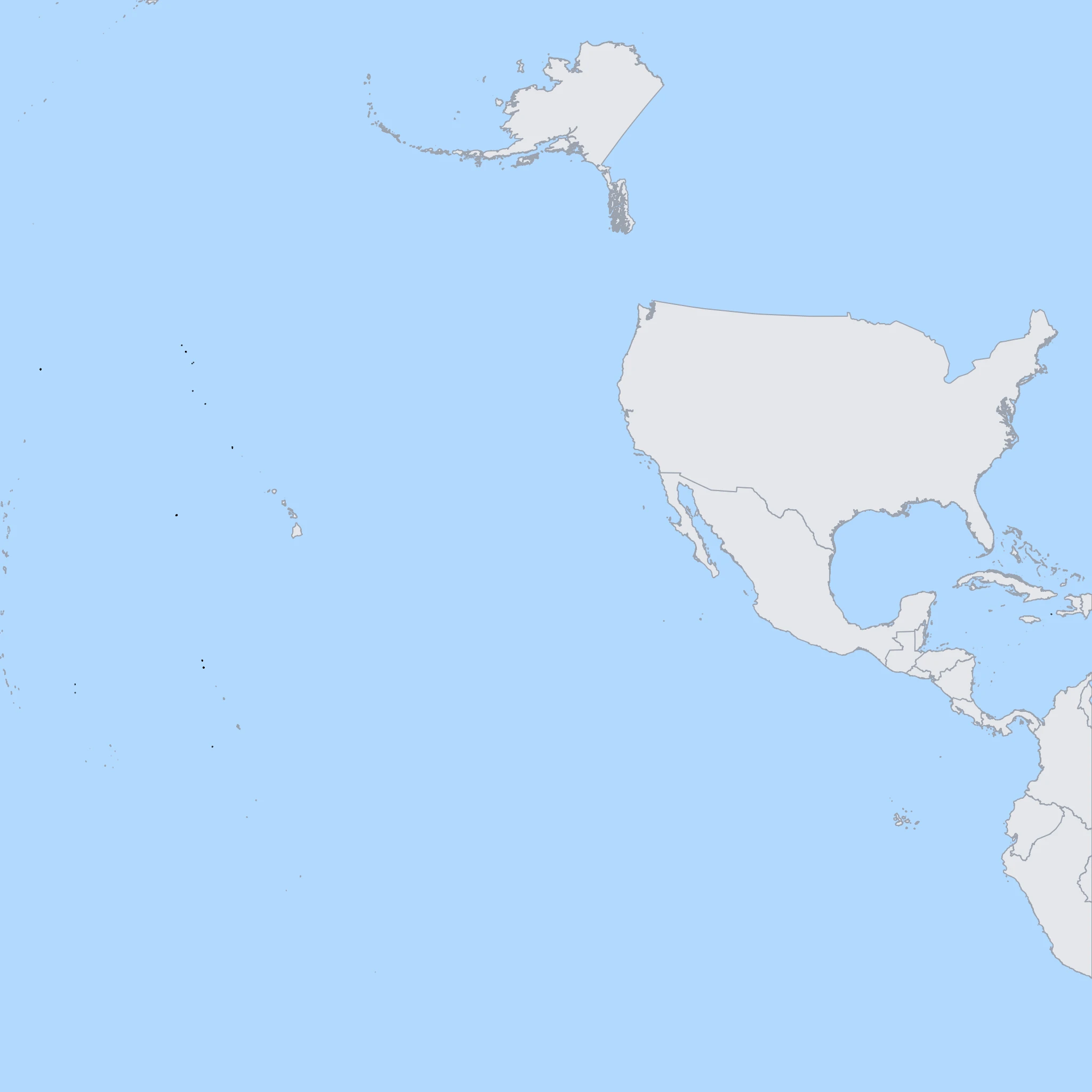
Map

Activities & Best Times

Adventure & Nature
MarginalHiking, wildlife, outdoor exploration, ecotourism
These islands are world-class nature sites for research scientists, not adventure tourists. Access requires government permits or military clearance, there are no commercial tour operators, no trails, no visitor facilities, and no accommodation. 'Excellent' should indicate accessible world-class nature tourism infrastructure. The ecological value is exceptional but not accessible for family holidays.

Beach & Sea
MarginalBeach resorts, marine activities: diving, snorkelling, kite surfing, wind surfing, sailing
While these islands have pristine coral reef systems, they are protected wildlife refuges with no public access, no tourist infrastructure, and no accommodation. 'Excellent' ratings should apply to accessible internationally renowned beach destinations. The natural quality is world-class but unavailable for family tourism.

Educational & Exploratory
MarginalLearning experiences, scientific sites, historical education
While the islands have genuine historical significance (WWII sites at Midway and Wake) and scientific value (seabird colonies, marine research), these educational resources are not accessible to tourists. Midway's limited eco-tourism program ended in 2012. The educational value exists but cannot be experienced by visiting families.

Sports & Active
MarginalSport tourism, fitness activities, active recreation
There are no sailing facilities, dive operators, or sports tourism infrastructure in the USMOI. Surrounding waters are often restricted military zones or marine monuments. A 'good' rating implies established sports tourism infrastructure which does not exist. Any water sports would require privately chartered expeditions with special permits.

Airports & Flight Routes
Toggle options to view domestic routes and international airports. Click an airport for details.

Climate & Weather

Travel Advisory
Standard safety awareness applies. However, travel is practically limited by extreme isolation and strict government permit requirements.
Safety Topics
Traveller Advice (1 groups)

Those seeking to visit Palmyra Atoll or Midway must arrange logistics months in advance through approved research or conservation partners, as solo travel is not feasible.